 Unearth The Voyage
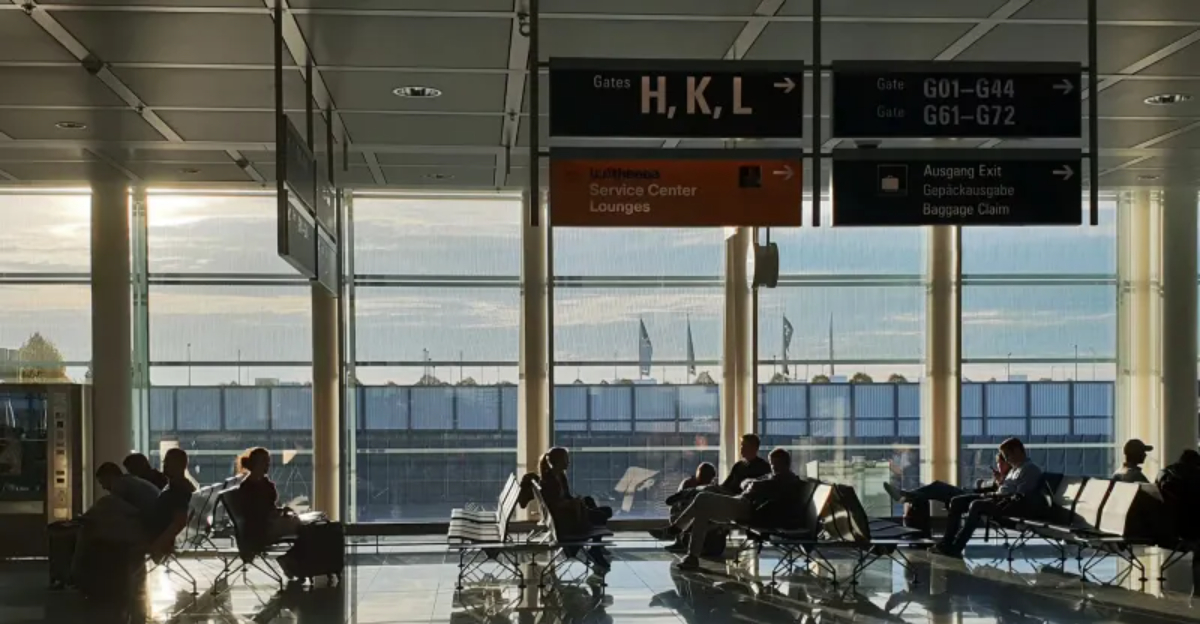
If you have ever sat in a terminal watching the clock tick past your departure time, this update matters to you. The DOT has officially walked away from a plan that would have guaranteed cash when airlines caused long delays. That means fewer protections right when travelers need them most. Read on to learn what changed, why it happened, and how to protect your trips now.
What Changed – U.S. Drops Airline Delay-Compensation Rule
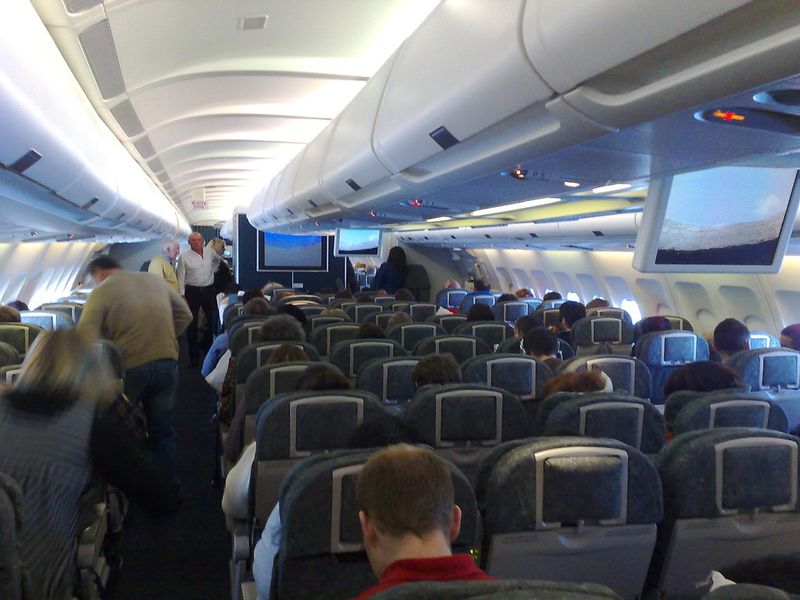
In September 2025, the DOT withdrew a proposed rule that would have required airlines to pay cash or provide compensation for controllable delays and cancellations. The draft would have set clear payouts, including roughly $200 to $300 for domestic delays of three hours or more and up to $775 for longer or more disruptive events. With the plan shelved, there is no federal right to cash for delays even when the airline is at fault.
For travelers, the practical takeaway is simple: you cannot count on automatic payments when schedules unravel. Instead, outcomes hinge on each airline’s policies, goodwill gestures, or any protections you add yourself.
If you are mapping a busy itinerary, this gap matters. Without a federal mandate, flight delays can ripple into missed connections and unexpected costs with little recourse. Knowing the rules before you book can help you plan smarter and avoid expensive surprises.
Why the Rule Was Abandoned – DOT’s Reasoning
The proposal originated in late 2024 as a response to widespread delays and mounting traveler frustration. The current administration later concluded the measure would create significant regulatory burdens and questioned whether DOT had clear congressional authority to force cash payments for delays. Airline groups applauded, warning the rule would raise fares and complicate operations.
From a traveler’s perspective, the policy died before takeoff. Officials positioned the withdrawal as a balance between consumer interests and industry costs, but it leaves flyers with fewer guarantees. You still have refund rights in specific cases, yet the broad cash compensation idea is gone.
Opponents argued market forces and transparency would work better than mandates. Supporters countered that voluntary promises are uneven and often unclear. For now, the government stepped back, and you are left to navigate airline-specific policies on your own.
What U.S. Travelers Should Know Right Now
There is no automatic right to cash compensation for delays or cancellations under U.S. federal law. Airlines do not have to pay for inconvenience, missed connections, or out-of-pocket costs when a controllable delay occurs. Your clearest federal protection is a full refund if a flight is canceled or significantly changed and you choose not to travel.
Airlines may still offer vouchers, meals, hotel stays, or rebooking, but these are policy choices, not legal obligations. That means outcomes vary widely by carrier and even by situation. If you want predictability, you need to build your own safety net.
Consider travel insurance or credit card trip-delay coverage, especially with tight connections. Read benefit triggers and required delay hours so you know when coverage kicks in. Keep all documentation so you can file claims quickly and convincingly.
Why This Matters – U.S. Lags Behind International Standards
Compared to the EU’s Regulation 261, the U.S. now looks sparse on guaranteed payouts for controllable delays. In Europe, eligible delays and cancellations can trigger cash, assistance, or refunds under defined conditions. The contrast often surprises travelers who expect similar treatment across borders.
If you are connecting through different regions, these differences can shape your risk and cost. A disruption on one segment might be compensated in Europe but not in the U.S., even when causes look similar. That mismatch can derail plans if you assume uniform rules apply everywhere.
To adapt, map the legal landscape to your route. Factor in where your flight departs, arrives, and which law governs the ticket. When stakes are high, aim for protections that travel with you instead of relying on local rules to save the day.
How to Protect Yourself – Tips for Flyers in 2025 and Beyond
Choose airlines carefully by reading each carrier’s Conditions of Carriage and customer commitment pages. Look for voluntary delay or cancellation benefits, hotel and meal policies, and rebooking promises. Favor carriers with consistent on-time performance when your schedule is tight.
Buy travel insurance or rely on premium credit card protections that cover delays, missed connections, and cancellations. Verify covered reasons, minimum delay thresholds, per-day limits, and documentation requirements. For international trips, check whether treaties like the Montreal Convention or foreign laws apply to your route.
Opt for refundable or flexible tickets when the stakes are high. Keep receipts, boarding passes, timestamps, and correspondence to support goodwill requests or claims. The system is lighter on guarantees, so your best defense is preparation and proof.



