 Unearth The Voyage
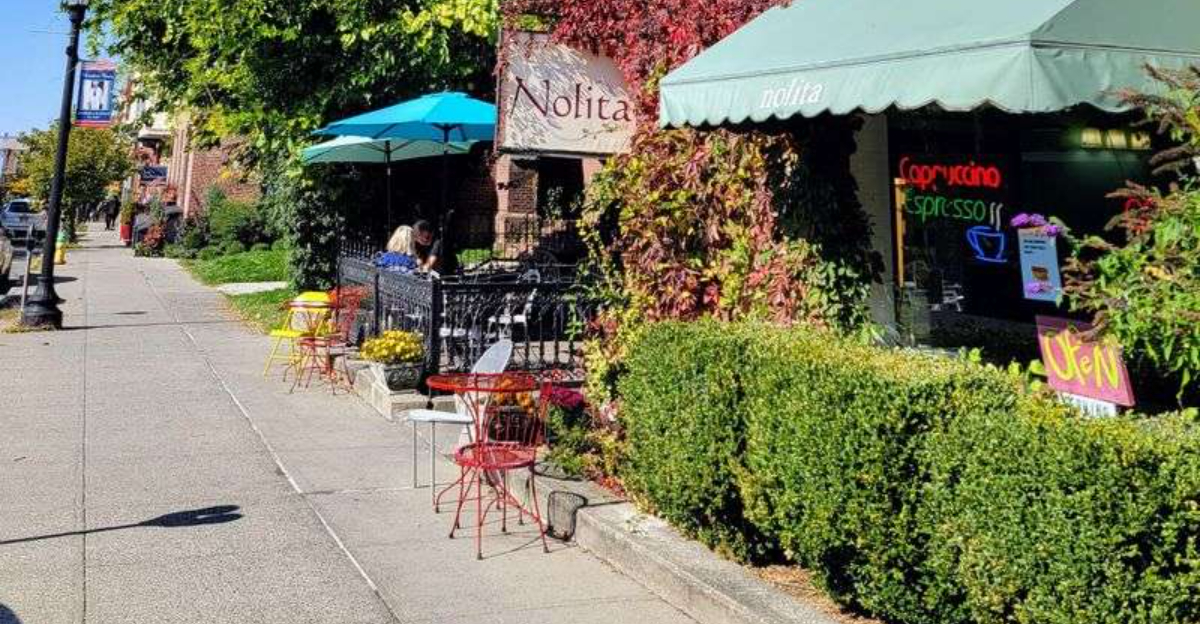
Tired of crowded tourist traps and overdeveloped vacation spots? More travelers are hunting for authentic countryside villages that still feel fresh and undiscovered. These charming small towns offer mountain views, historic streets, creative communities, and a slower pace of life that bigger cities just can’t match. From Victorian seaports to desert art hubs, here are the hidden gems everyone is starting to talk about.
1. Leavenworth, Washington
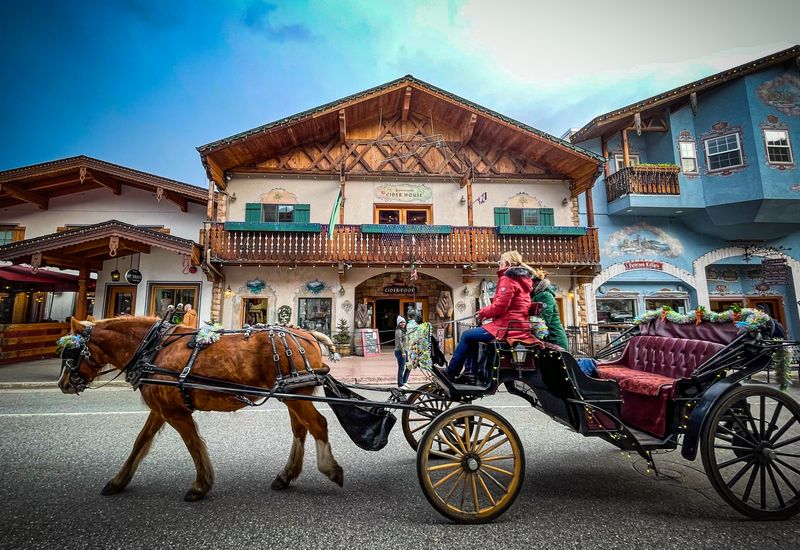
Nestled in the Cascade Mountains, this former logging town reinvented itself as a Bavarian wonderland complete with painted murals, alpine architecture, and German-themed festivals. Walking through downtown feels like stepping into a storybook, with bakeries, beer gardens, and specialty shops lining every block. Mountain peaks tower over the village, creating postcard views from nearly every angle.
Tourism has exploded here, especially during Oktoberfest and the magical Christmas Lighting Festival. Outdoor lovers flock year-round for hiking, rafting, and skiing nearby. The entire village is walkable, making it easy to explore without a car.
Families enjoy the unique theme, while couples find romance in cozy lodges and riverside trails. Despite growing crowds, the town maintains its charm through strict design codes. Visitors say it feels both foreign and welcoming at the same time.
2. Marfa, Texas

Out in the West Texas desert sits a tiny town that became an unlikely cultural hotspot. Artists, filmmakers, and creative types have transformed this once-isolated ranching community into a magnet for modern art lovers. Galleries, installations, and quirky boutiques now occupy old storefronts along quiet streets.
The famous Marfa Lights remain a mystery, drawing curious visitors who camp out at night hoping to see the glowing orbs. Minimalist architecture blends with the vast desert horizon, creating a sense of calm and space. The town’s small size means everything feels intimate and approachable.
Locals embrace the weird and unexpected, hosting film screenings, art openings, and pop-up events. Remote workers and retirees are moving in, attracted by affordable living and endless inspiration. Even with growing attention, Marfa keeps its laid-back, independent spirit alive.
3. Whitefish, Montana
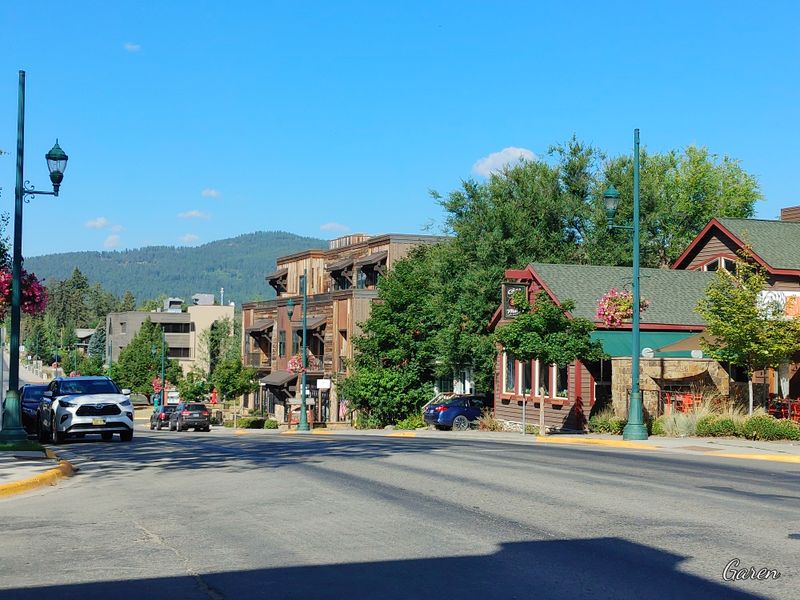
Just minutes from Glacier National Park, this mountain village offers stunning natural beauty without the chaos of bigger resort towns. Main Street buzzes with locally owned cafes, gear shops, and breweries, all surrounded by forest-covered peaks. Summer brings hikers and bikers, while winter transforms the area into a ski paradise.
New residents keep arriving, drawn by clean air, friendly neighbors, and endless outdoor activities. The town balances growth carefully, preserving its small-town feel while welcoming visitors. Farmers markets, live music, and community events keep the local culture strong.
Families appreciate safe streets and excellent schools, while retirees enjoy the slower rhythm of life. Wildlife sightings are common, from deer in backyards to bears on mountain trails. Despite rising popularity, Whitefish remains rooted in its Montana heritage and welcoming spirit.
4. Eureka Springs, Arkansas
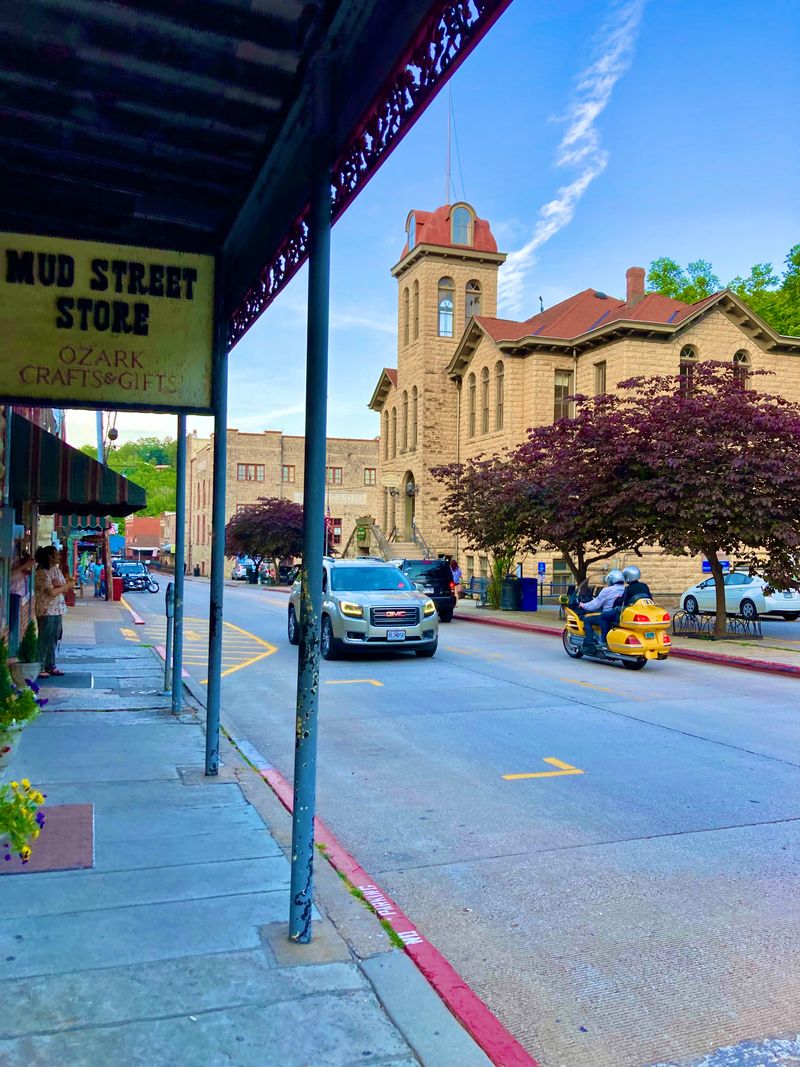
Perched on steep hillsides in the Ozark Mountains, this Victorian gem looks frozen in time. Narrow winding streets lined with preserved 19th-century buildings create a maze worth getting lost in. Art galleries, quirky shops, and cozy bed-and-breakfasts fill the historic downtown area.
The town became famous for its natural springs, believed to have healing powers, attracting visitors for over a century. Today, travelers come for the arts scene, ghost tours, and scenic drives through surrounding forests. Live music fills the air during festivals celebrating everything from folk art to motorcycles.
No two buildings stand at the same level, giving the village a storybook appearance. Couples love the romantic atmosphere, while history buffs explore preserved hotels and Victorian mansions. Growth continues steadily as more people discover this Ozark treasure tucked away from major highways.
5. Hudson, New York
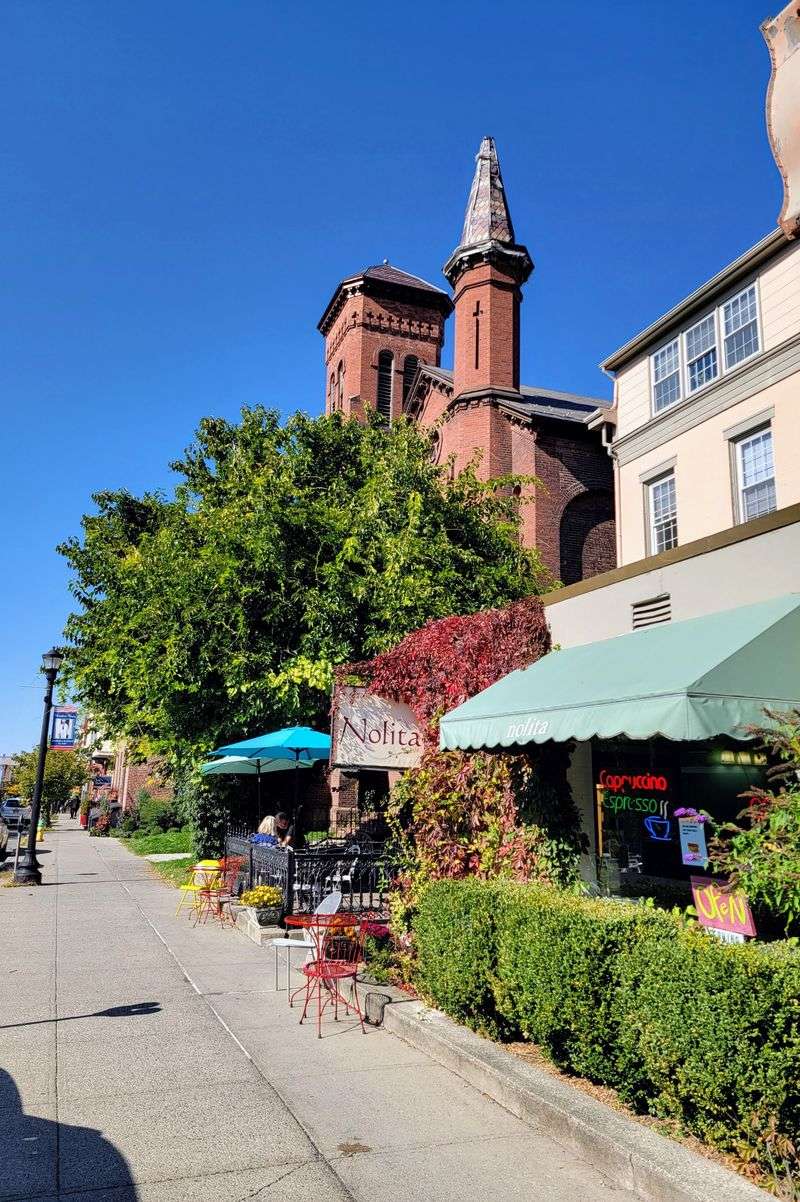
Once a bustling whaling port turned industrial center, Hudson has been reborn as a creative hub along the Hudson River. Antique dealers arrived first, followed by artists, chefs, and designers who saw potential in the beautiful old buildings. Now the main street glows with boutiques, farm-to-table restaurants, and design studios.
Second-home buyers from New York City have invested heavily, renovating historic properties while keeping original details intact. Weekends bring crowds browsing vintage shops and attending gallery openings. Despite the influx, the town retains its Hudson Valley roots and working-class history.
Local farms supply restaurants with fresh ingredients, creating a food scene that rivals much larger cities. The riverside location offers peaceful walks and stunning sunset views. Hudson proves that small towns can evolve without losing their authentic character and community spirit.
6. Bisbee, Arizona
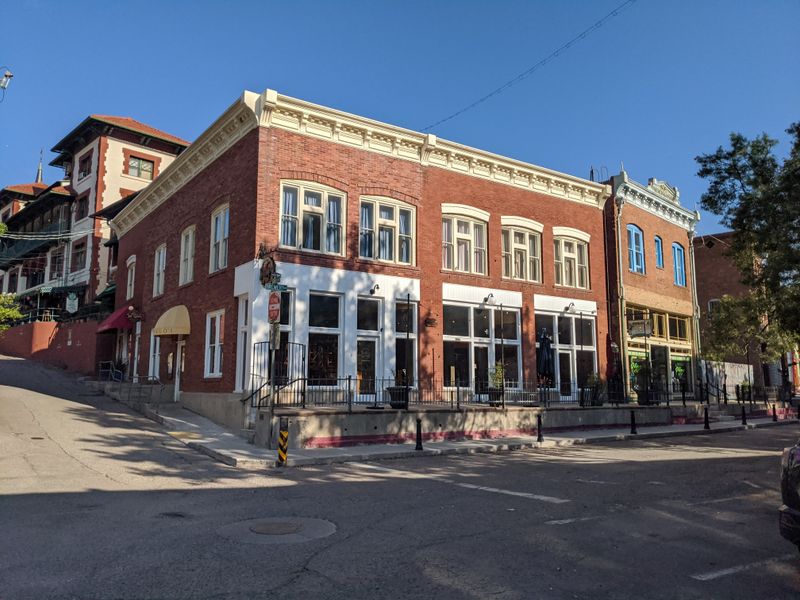
Built into steep canyon walls, this former copper mining town looks like it belongs in a different country. Brightly painted houses stack on top of each other, connected by staircases and narrow streets. Old mine shafts and historic buildings remind visitors of the town’s industrial past.
Artists discovered Bisbee decades ago, transforming it into a quirky creative community with galleries, studios, and vintage shops. Remote workers and retirees now arrive regularly, drawn by affordable housing and year-round mild weather. The population is small but fiercely independent and welcoming to newcomers.
Underground mine tours let visitors explore the tunnels that once made Bisbee wealthy. Coffee shops and breweries occupy century-old buildings, blending history with modern comfort. Despite growing attention, the town keeps its offbeat personality and relaxed desert vibe intact and thriving.
7. Brevard, North Carolina
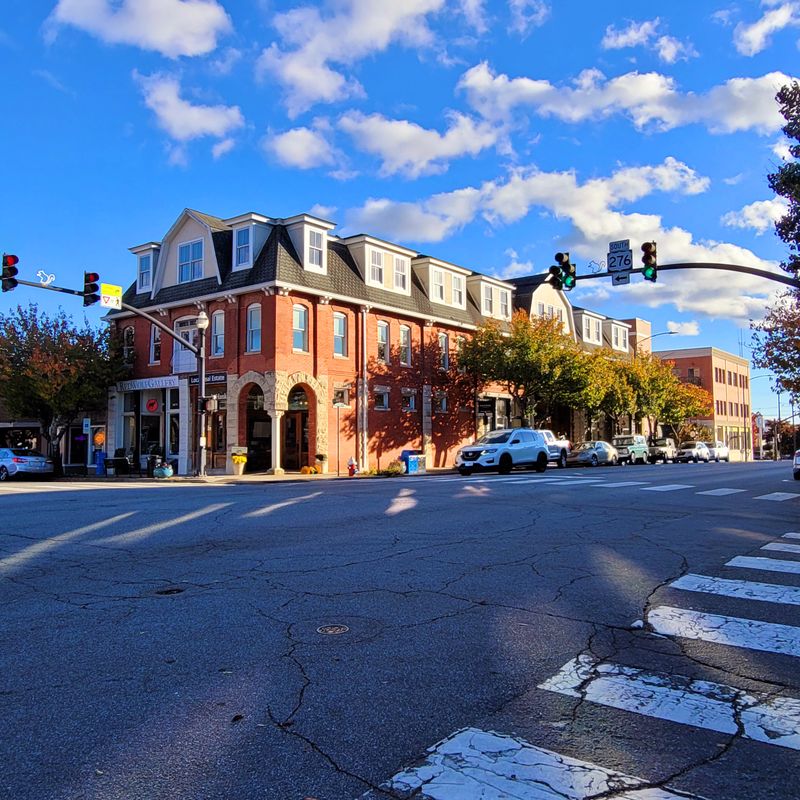
Surrounded by over 250 waterfalls and two national forests, this mountain village is an outdoor lover’s dream destination. Hiking trails lead to cascading water in every direction, while mountain biking routes challenge riders of all skill levels. Downtown Brevard offers cozy cafes, gear shops, and a welcoming small-town atmosphere.
The town is famous for its white squirrels, a unique genetic variation found nowhere else in such numbers. Summer music festivals draw crowds to outdoor venues nestled in the mountains. Relocation interest has surged as remote workers seek affordable mountain living with excellent recreation access.
Families appreciate safe neighborhoods and strong schools, while retirees enjoy the mild climate and active community. Local breweries and farm-to-table restaurants have elevated the dining scene. Brevard balances growth with preservation, protecting the natural beauty that makes it so special and sought after.
8. Greenville, Maine
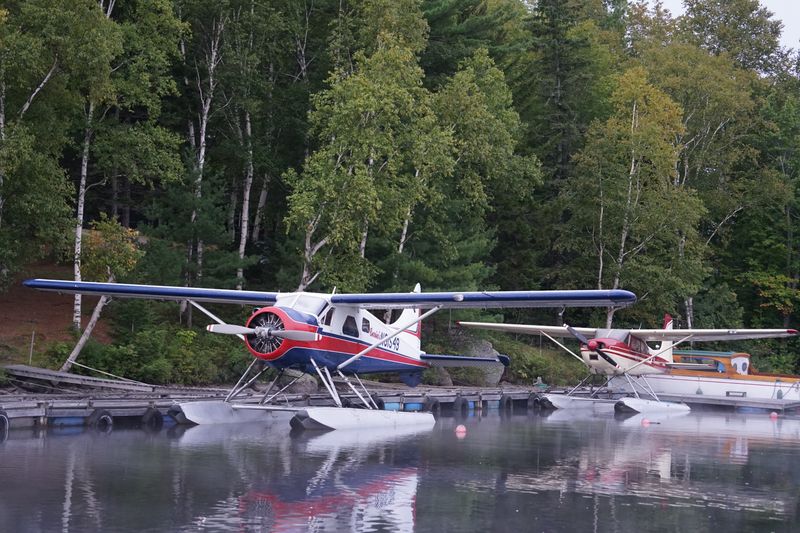
At the southern tip of Moosehead Lake, this tiny village offers authentic wilderness experiences far from tourist crowds. Seaplanes land on the water, carrying visitors to remote camps and fishing spots. The surrounding forest stretches for miles, providing true backcountry solitude.
Greenville remains refreshingly uncommercialized, with local diners, bait shops, and no chain stores in sight. Moose sightings happen regularly, especially at dawn and dusk along forest roads. Kayakers, anglers, and snowmobilers consider this area one of Maine’s best-kept secrets.
The town’s population is small, but residents take pride in their rugged lifestyle and natural surroundings. Visitors seeking escape from modern life find peace here, surrounded by lakes, mountains, and wildlife. As more travelers search for authentic wilderness, Greenville quietly gains attention while maintaining its untouched character and charm.
9. Granville, Ohio
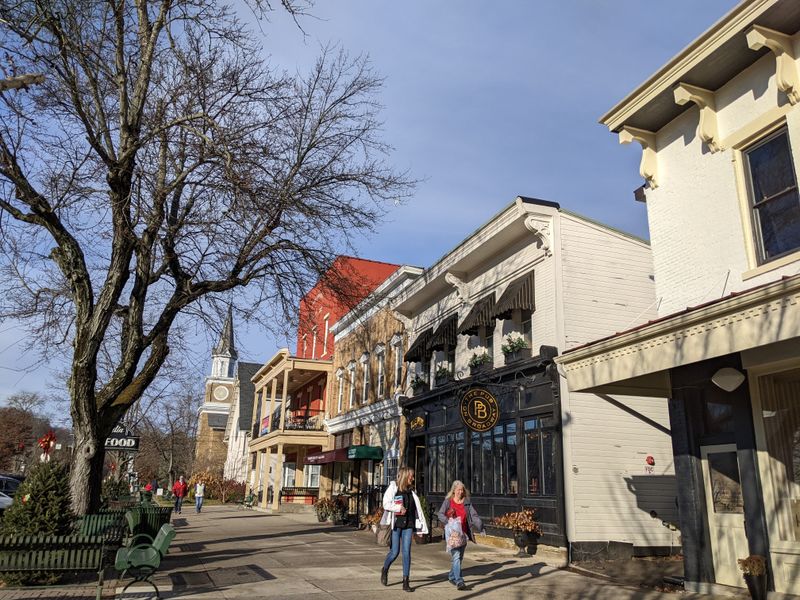
This preserved village looks like it was lifted straight from New England and placed in central Ohio. A classic village green anchors the downtown, surrounded by historic homes, churches, and local businesses. Tree-lined streets and carefully maintained architecture give the town a timeless quality.
Founded in the early 1800s by settlers from Massachusetts, Granville has kept its original character through strict preservation efforts. Denison University brings cultural events, lectures, and youthful energy to the community. Local shops, bakeries, and restaurants thrive without competition from big chains.
People leaving nearby Columbus are discovering Granville as a quieter alternative with strong schools and community ties. Seasonal festivals celebrate local history and bring neighbors together. The town proves that small villages can thrive by honoring their past while welcoming new residents and visitors alike.
10. Fairhope, Alabama
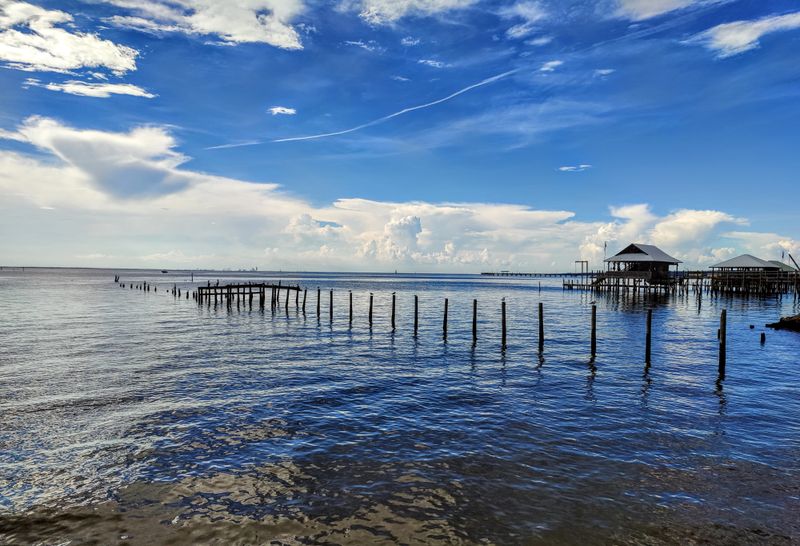
Perched on the eastern shore of Mobile Bay, this Gulf Coast gem combines Southern charm with artistic flair. Walkable streets shaded by live oaks lead to boutiques, galleries, and waterfront parks. Community events happen year-round, from art walks to outdoor concerts that bring neighbors together.
Retirees have long favored Fairhope for its mild climate and slower pace, but remote professionals are now arriving too. The town’s unique single-tax system keeps property taxes low, attracting budget-conscious newcomers. Local restaurants serve Gulf seafood alongside farm-fresh produce from nearby growers.
The municipal pier offers stunning bay sunsets and a gathering spot for fishing and relaxation. Despite growing popularity, Fairhope maintains its small-town friendliness and creative spirit. New residents quickly discover why locals call it one of the South’s best-kept secrets and most livable communities.
11. Port Townsend, Washington
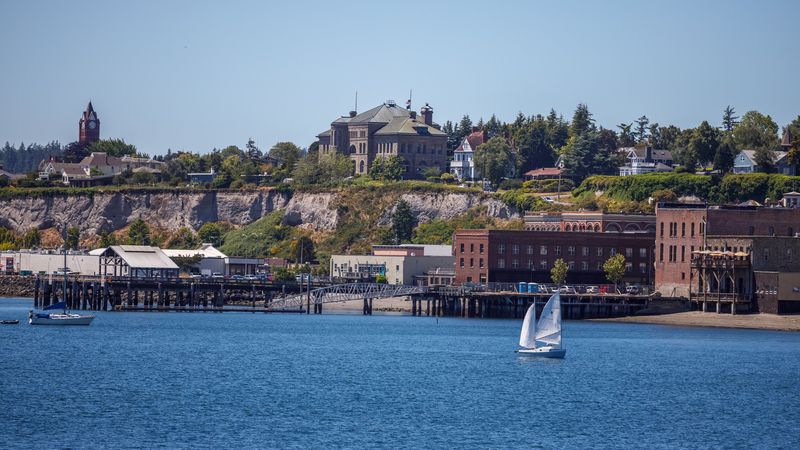
At the tip of the Olympic Peninsula, this Victorian seaport has preserved more 19th-century buildings than almost any other West Coast town. The waterfront bustles with sailboats, wooden boat builders, and maritime festivals celebrating nautical heritage. Historic mansions overlook the harbor, many now converted into charming bed-and-breakfasts.
Artists and musicians have created a thriving creative community, with galleries, theaters, and live music venues throughout downtown. The town hosts writers’ conferences, film festivals, and cultural events that draw visitors from across the region. Slower coastal living appeals to people seeking escape from Seattle’s urban intensity.
Local shops sell handmade goods, vintage treasures, and nautical supplies without a chain store in sight. Beaches, hiking trails, and kayaking opportunities surround the town. Port Townsend proves that small seaports can thrive by honoring history while embracing arts and culture.
12. Jim Thorpe, Pennsylvania
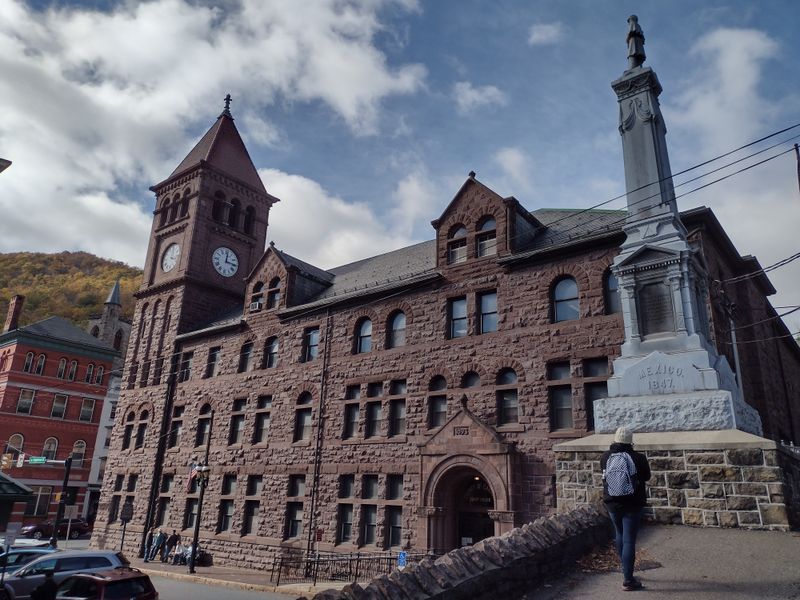
Nicknamed the Switzerland of America for its dramatic mountain setting, this former coal town has become a major rural tourism destination. Victorian buildings climb steep hillsides, creating a European atmosphere in the heart of Pennsylvania. The Lehigh River runs through town, offering whitewater rafting and scenic train rides.
Once abandoned after the coal industry collapsed, Jim Thorpe reinvented itself through historic preservation and outdoor recreation. Bed-and-breakfasts fill restored mansions, while local shops and restaurants occupy century-old storefronts. Biking trails along the old railroad grade attract thousands of visitors annually.
Fall foliage season transforms the surrounding mountains into a blaze of color, drawing leaf-peepers from major East Coast cities. Ghost tours, museums, and historic sites tell the town’s fascinating industrial past. Jim Thorpe shows how small towns can successfully rebuild by embracing their unique history and natural assets.
13. Skaneateles, New York
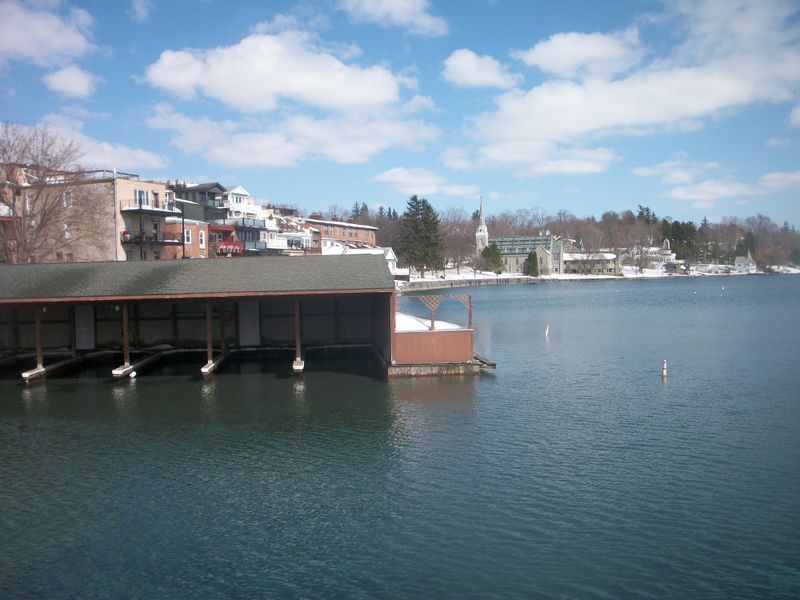
Sitting at the northern tip of one of the Finger Lakes, this village boasts some of the clearest lake water in America. A charming main street slopes down to the waterfront, lined with boutiques, ice cream shops, and restaurants. Preserved 19th-century buildings give the town a storybook quality.
Wealthy families built summer estates here over a century ago, and many remain beautifully maintained today. The lake offers swimming, boating, and fishing in pristine conditions thanks to strict environmental protection. Local festivals celebrate the lake’s beauty and the community’s tight-knit character.
Growing interest from people seeking quieter alternatives to larger lake towns has brought new attention to Skaneateles. Despite rising popularity, the village maintains strict development rules to preserve its charm. Visitors often say it feels like stepping back to a simpler, more peaceful time by the water.
14. Decorah, Iowa
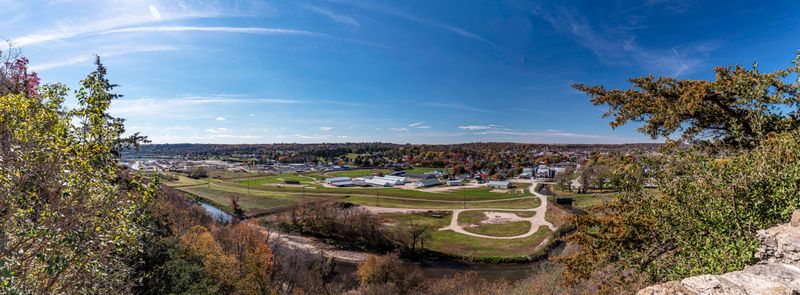
Tucked into the bluffs of northeast Iowa, this village celebrates its Norwegian heritage while building a reputation for outdoor recreation and arts. The Trout Run Trail winds through town, connecting parks, breweries, and the historic downtown. Limestone bluffs and the Upper Iowa River create surprisingly dramatic scenery for the Midwest.
Luther College brings cultural events, concerts, and a youthful energy to the community. The Vesterheim Norwegian-American Museum attracts visitors interested in Scandinavian history and culture. Local restaurants blend Nordic traditions with farm-fresh Iowa ingredients.
Bald eagles nest along the river, drawing birdwatchers from across the country each winter. The town has gained national attention for its livability, strong schools, and vibrant downtown. Decorah proves that small Midwestern villages can thrive by celebrating heritage, supporting local businesses, and protecting natural resources for future generations.
15. Walla Walla, Washington
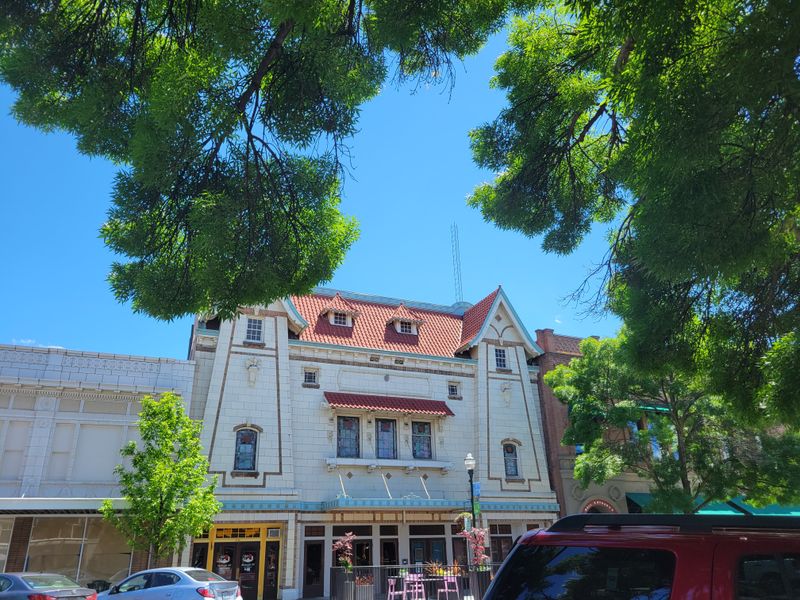
Once known only for sweet onions and wheat fields, this southeastern Washington town has blossomed into a world-class wine destination. Over 100 wineries now operate in the valley, many with tasting rooms in historic downtown buildings. The combination of agriculture, wine culture, and small-town charm creates a unique atmosphere.
Main Street thrives with farm-to-table restaurants, boutique hotels, and specialty shops that serve both locals and wine tourists. The town has carefully managed growth, preserving its agricultural character while welcoming new businesses. Tree-lined residential streets and historic homes maintain the peaceful, rural feel.
Wine enthusiasts travel from around the world to taste the region’s bold reds and visit family-owned wineries. Remote workers and retirees are moving in, attracted by the quality of life and slower pace. Walla Walla shows how rural towns can evolve and prosper without losing their essential character.



