 Unearth The Voyage
Mental health is a vital part of overall wellbeing, yet millions of Americans struggle with conditions like anxiety, depression, and stress every day. Some states face higher rates of mental health challenges than others, influenced by factors like access to care, economic conditions, and lifestyle. Understanding which states are most affected can help raise awareness and encourage better support systems for those in need.
1. Wyoming
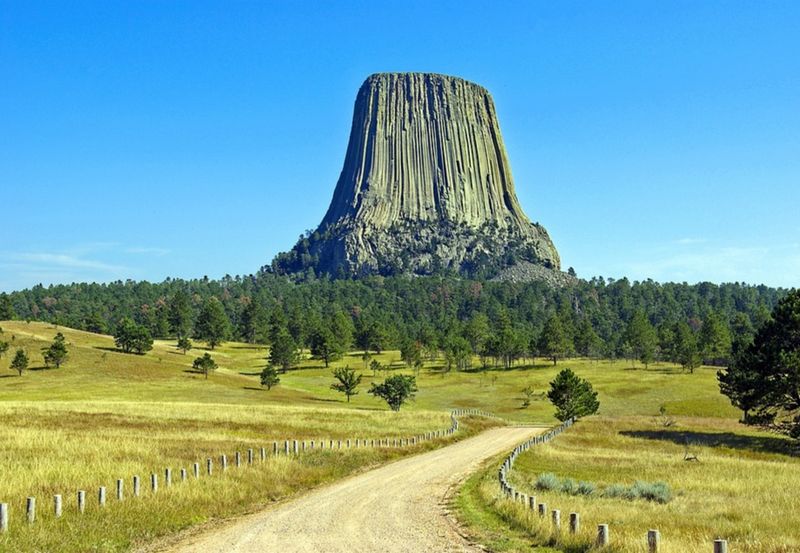
Wide open spaces and rugged mountains define Wyoming, but isolation can take a toll on mental wellbeing. About 30% of adults in this state report experiencing mental health challenges, making it the highest in the nation. The sparse population and long distances between towns mean fewer mental health professionals are available to help.
Rural living has its charm, but it can also lead to feelings of loneliness and limited access to care. Many residents must travel hours to see a therapist or psychiatrist. Economic struggles in industries like mining and ranching add stress to daily life.
Community support networks are crucial here. Schools and local organizations work hard to provide resources, but gaps remain. Raising awareness about mental health and expanding telehealth services could make a real difference for Wyoming residents seeking help and connection.
2. Utah
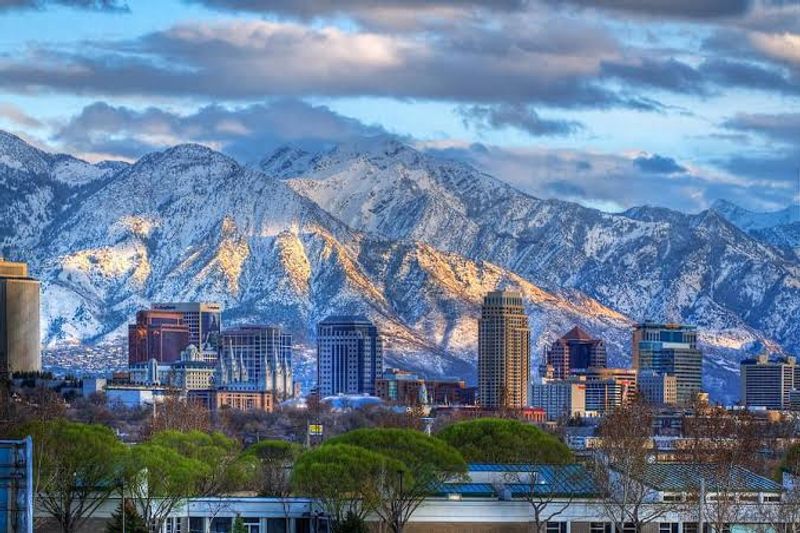
Utah boasts stunning national parks and a strong sense of community, yet roughly 29 to 30% of adults face mental health struggles. High expectations within tight-knit communities can create pressure to appear perfect, making it harder for people to seek help. Cultural stigma around mental illness sometimes prevents open conversations about emotional wellbeing.
The state has a young population with large families, which can bring joy but also financial and emotional stress. Access to mental health services varies widely, especially in rural areas. Urban centers like Salt Lake City offer more resources, but smaller towns often lack adequate support.
Efforts to normalize mental health discussions are growing. Schools and religious organizations are starting to address these issues more openly. Expanding mental health education and reducing stigma can help more Utahns feel comfortable reaching out for the support they deserve.
3. Alaska
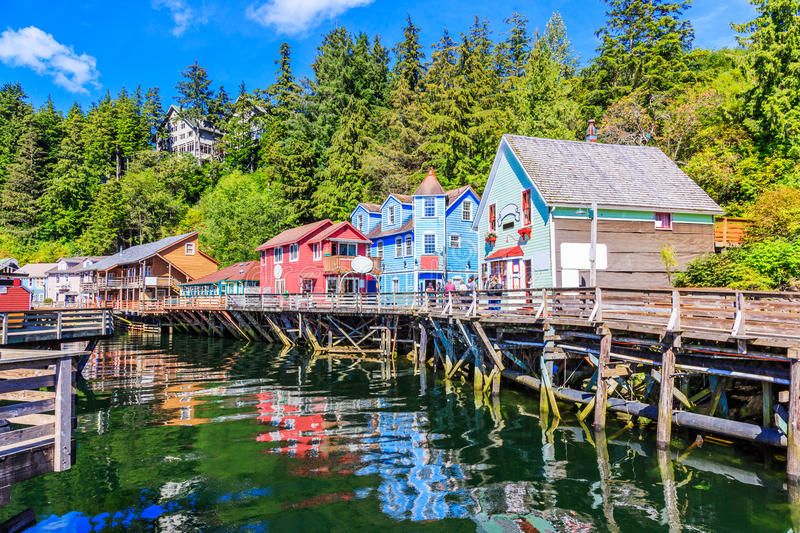
Alaska’s breathtaking wilderness comes with unique challenges for mental health. Around 29% of adults report struggling with conditions like depression and anxiety. Long, dark winters can trigger seasonal affective disorder, leaving many feeling low on energy and motivation. The extreme isolation in remote villages compounds these difficulties.
Limited access to healthcare is a major barrier. Many Alaskans live far from cities where mental health professionals practice. Travel by plane or boat is sometimes the only option, making regular therapy sessions nearly impossible. Economic hardships and high costs of living add another layer of stress.
Indigenous communities face additional challenges, including historical trauma and cultural disruption. However, traditional healing practices and community gatherings offer hope and resilience. Increasing telehealth options and culturally sensitive care could significantly improve mental health outcomes across this vast and beautiful state.
4. Idaho
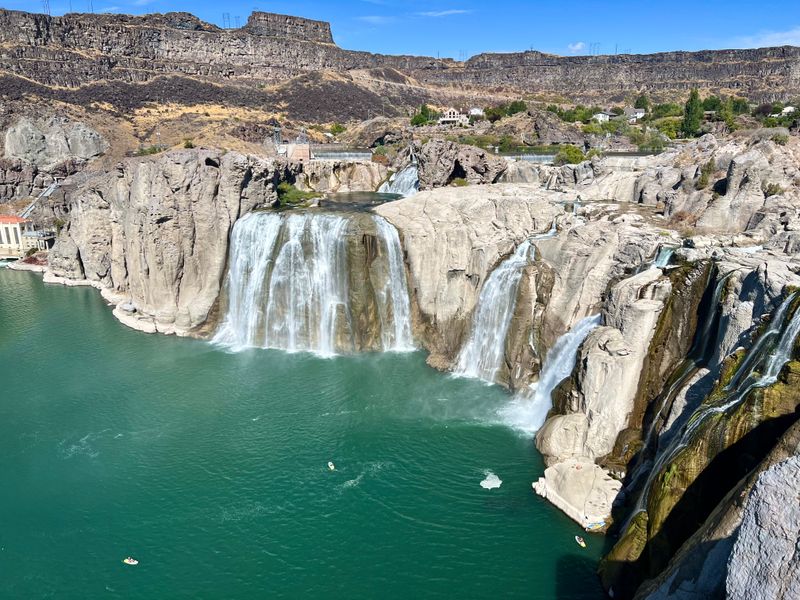
Potatoes and mountain vistas might come to mind when you think of Idaho, but about 28% of adults here deal with mental health issues. The state’s rural character means many people live far from mental health services. Agricultural communities often prioritize physical work over emotional wellbeing, creating a culture where mental health concerns are sometimes dismissed.
Economic instability in farming and timber industries creates stress for families. Young people in rural areas may feel disconnected and unsure where to turn for help. Limited public transportation makes accessing care even more difficult for those without vehicles.
Fortunately, grassroots efforts are making progress. Local nonprofits and schools are working to educate communities about mental health. Peer support groups and online counseling are becoming more common. With continued effort and investment in rural healthcare infrastructure, Idaho can better support its residents facing mental health challenges.
5. Oregon

From Portland’s vibrant culture to the rugged coast, Oregon has much to offer, yet 27 to 28% of adults struggle with mental health. The state faces a shortage of mental health providers, especially outside major cities. Long wait times for appointments can leave people in crisis without timely help.
Homelessness and substance abuse issues are particularly visible in urban areas, often intertwined with untreated mental illness. The rainy climate may also contribute to higher rates of depression. Economic inequality and housing affordability challenges add stress to many families.
Oregon has been working to expand mental health services through legislative efforts and community programs. Schools are implementing social-emotional learning to help kids develop coping skills early. Crisis hotlines and mobile mental health teams provide emergency support. Continued investment in these programs can help Oregonians access the care they need when they need it most.
6. Montana
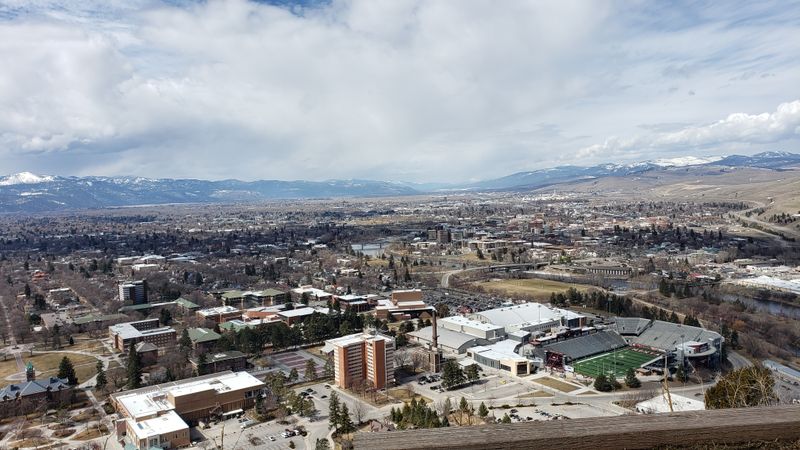
Big sky country lives up to its name, but roughly 27% of Montana adults experience mental health challenges. The state’s vast geography means neighbors can be miles apart, creating isolation that affects emotional wellbeing. Ranching and farming communities value self-reliance, which can discourage people from admitting they need help.
Access to mental health care is limited, particularly on Native American reservations where resources are scarce. Economic hardships and lack of job opportunities contribute to stress and hopelessness. Substance abuse often goes hand-in-hand with untreated mental illness.
However, Montanans are resilient and community-oriented. Local initiatives are bringing mental health awareness to rural areas through workshops and support groups. Telehealth is expanding, allowing people to connect with therapists from home. Encouraging open conversations about mental health and increasing funding for services can help more Montanans find the support they need to thrive.
7. Washington
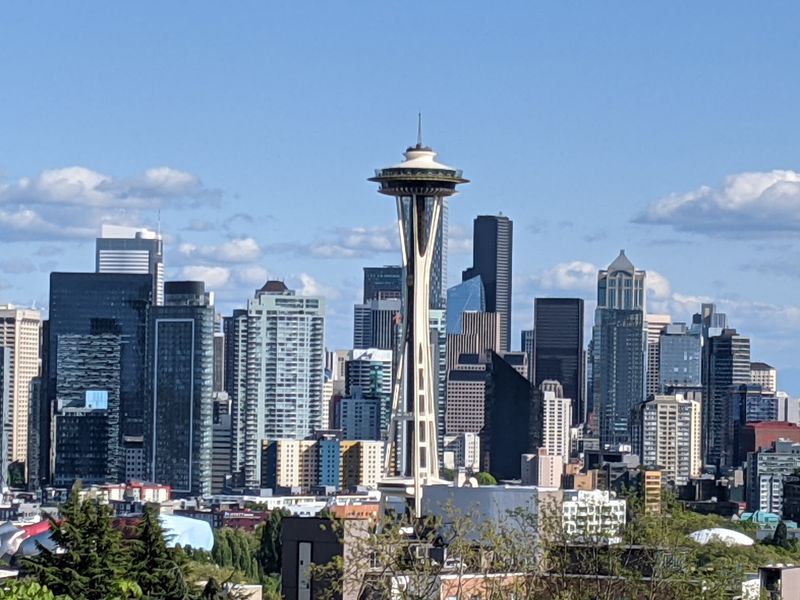
Washington state blends bustling tech hubs with serene natural beauty, but about 27% of adults face mental health struggles. The cloudy, rainy climate in western Washington can contribute to seasonal depression. High living costs, especially in Seattle, create financial stress for many families.
Homelessness and mental illness are visible challenges in urban areas. The fast-paced tech industry culture can lead to burnout and anxiety. Meanwhile, rural eastern Washington faces provider shortages and limited access to care.
Washington has made strides in mental health policy, including increased funding for services and crisis intervention programs. Schools are prioritizing mental health education and support. Community health centers offer sliding-scale fees to make care more affordable. By continuing to address stigma, expand services, and support those in need, Washington can improve mental health outcomes for all its residents, from city dwellers to rural communities.
8. Vermont
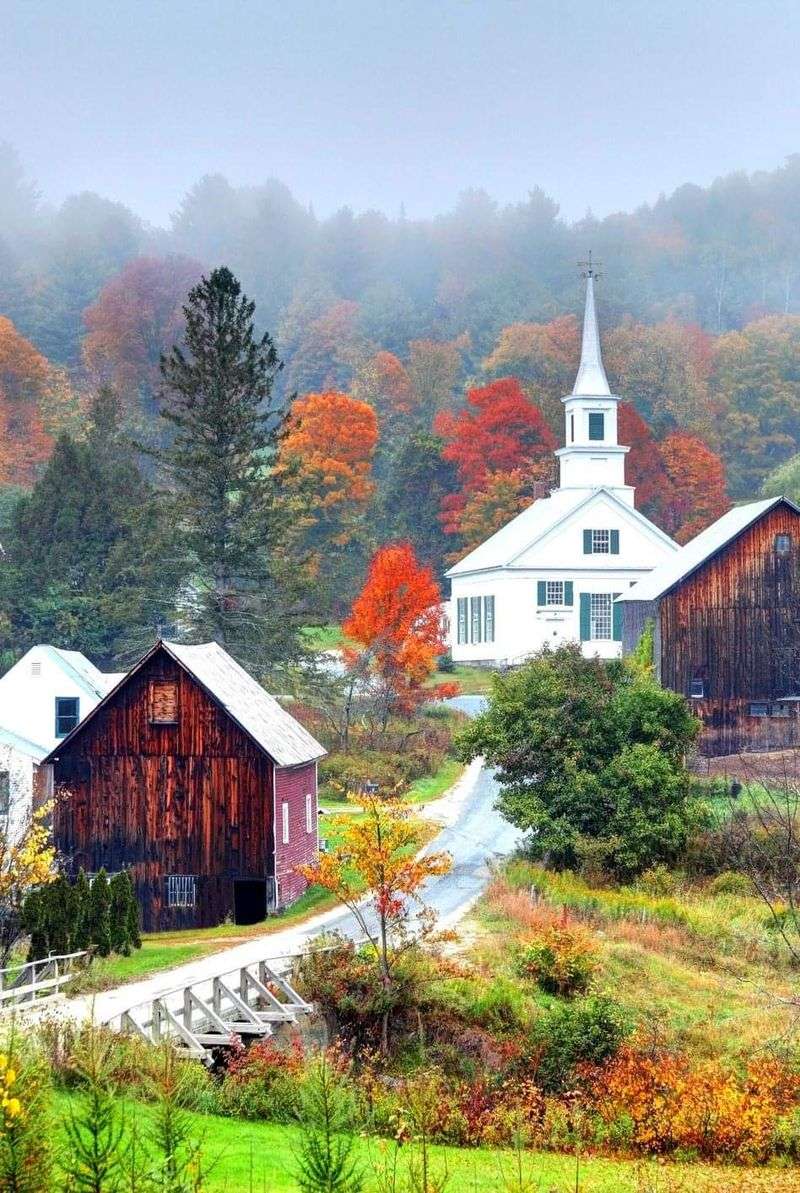
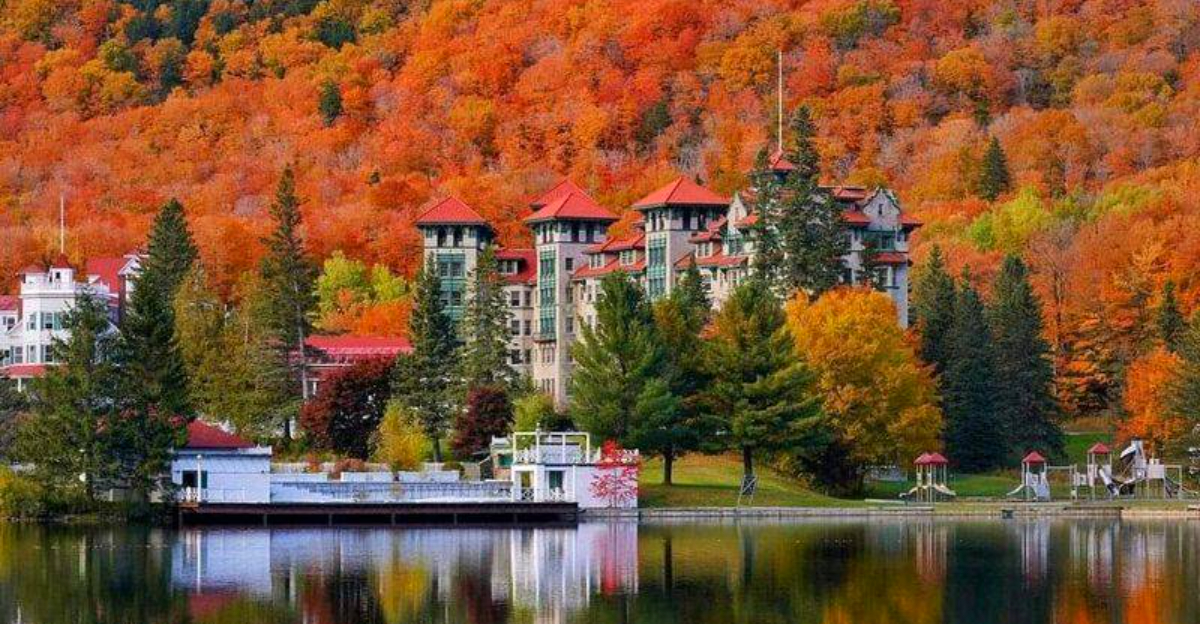
Picture-perfect fall foliage and charming small towns make Vermont seem idyllic, yet 26 to 27% of adults struggle with mental health issues. The state’s rural nature means limited access to specialized care. Long winters with heavy snow and short daylight hours can trigger depression and isolation.
Vermont has an aging population, and mental health challenges among older adults often go unrecognized. Economic difficulties, particularly for young people finding jobs, add to the stress. Substance abuse, especially opioid addiction, remains a serious concern tied to mental health.
Vermont has been proactive in addressing these issues. The state has invested in community mental health centers and crisis services. Peer support programs connect people with others who understand their struggles. Schools teach resilience and coping skills to students. With continued focus on expanding access and reducing stigma, Vermont can ensure that its residents receive compassionate, effective mental health care.
9. Iowa
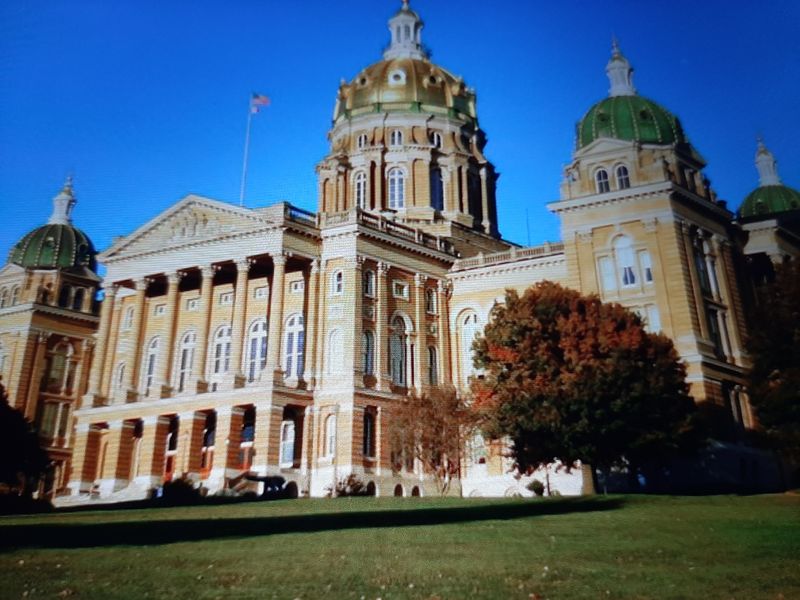
Cornfields stretch to the horizon in Iowa, where approximately 26 to 27% of adults report mental health challenges. The agricultural lifestyle brings both satisfaction and stress, especially during difficult growing seasons or economic downturns. Rural isolation means fewer opportunities for social connection and professional mental health support.
Many Iowa communities face provider shortages, forcing residents to travel long distances for care. Young people often leave for opportunities elsewhere, leaving aging populations with limited resources. The stigma around mental health in traditional farming communities can prevent people from seeking help.
Iowa is working to change this through rural outreach programs and telehealth expansion. Agricultural organizations are starting conversations about farmer mental health and suicide prevention. Schools are implementing programs to teach kids about emotional wellbeing. By building stronger support networks and making care more accessible, Iowa can help its residents manage mental health challenges and build healthier, more connected communities.
10. Kansas
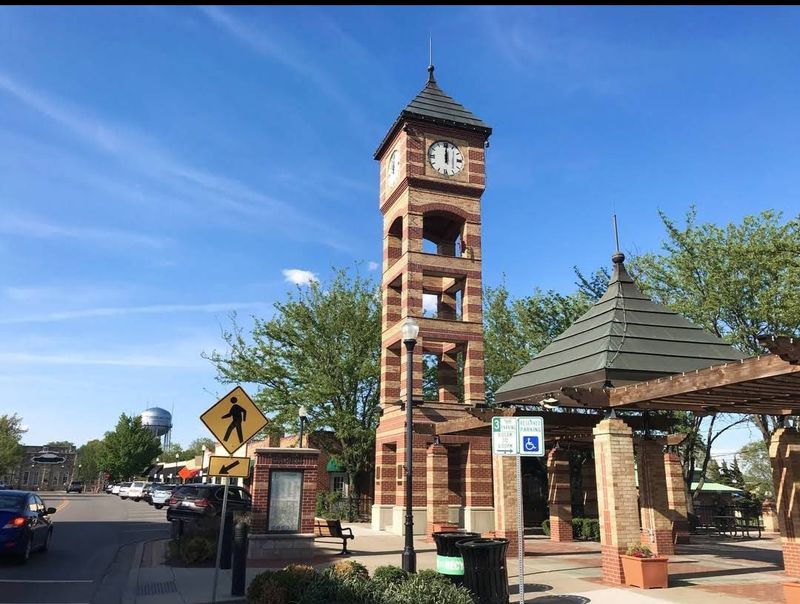
Kansas prairies and wheat fields symbolize heartland America, but about 26 to 27% of adults here face mental health struggles. Rural living offers peace but can also mean isolation and limited access to healthcare. Many counties have no mental health professionals at all, leaving residents without local support.
Economic challenges in agriculture and small-town business closures create uncertainty and stress. Tornadoes and severe weather add another layer of anxiety for families. The cultural emphasis on toughness and independence can make it hard for people to admit they need help.
Kansas communities are beginning to address mental health more openly. Faith-based organizations are partnering with mental health providers to reduce stigma. Schools are training staff to recognize warning signs in students. Telehealth services are expanding to reach remote areas. By continuing these efforts and investing in mental health infrastructure, Kansas can better support its residents in managing their emotional wellbeing and finding hope.
11. Oklahoma
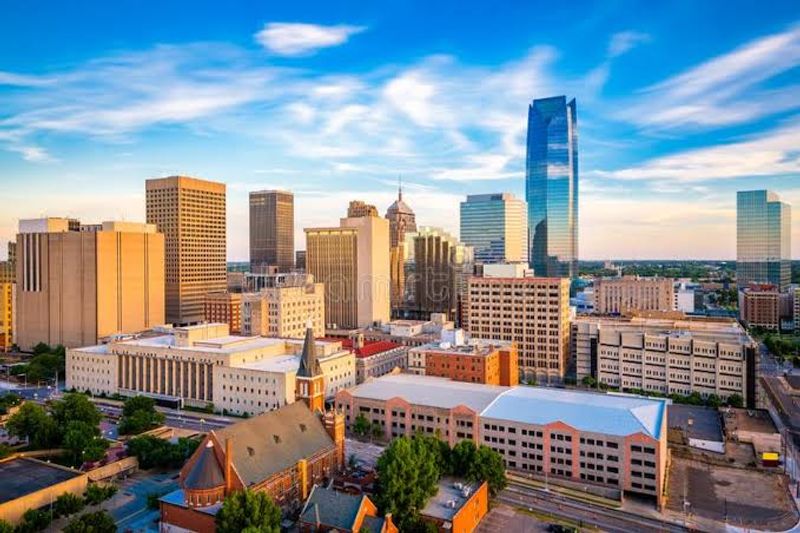
Oklahoma’s diverse landscape includes plains, forests, and vibrant cities, yet 25 to 26% of adults struggle with mental health. The state faces significant provider shortages, especially in rural areas. Economic hardships, including poverty and unemployment, contribute to stress and depression among families.
Oklahoma has high rates of trauma, including from natural disasters like tornadoes and historical events affecting Native American communities. Substance abuse and mental illness often occur together, complicating treatment. Stigma remains a barrier, with many people reluctant to seek help.
However, Oklahoma is making progress. The state has increased funding for mental health services and crisis intervention. Community organizations are working to educate the public and reduce stigma. Schools are implementing trauma-informed practices to support students. Native American tribes are incorporating traditional healing alongside modern treatment. With continued commitment to expanding access and addressing root causes, Oklahoma can improve mental health outcomes for all its diverse communities.
12. Ohio
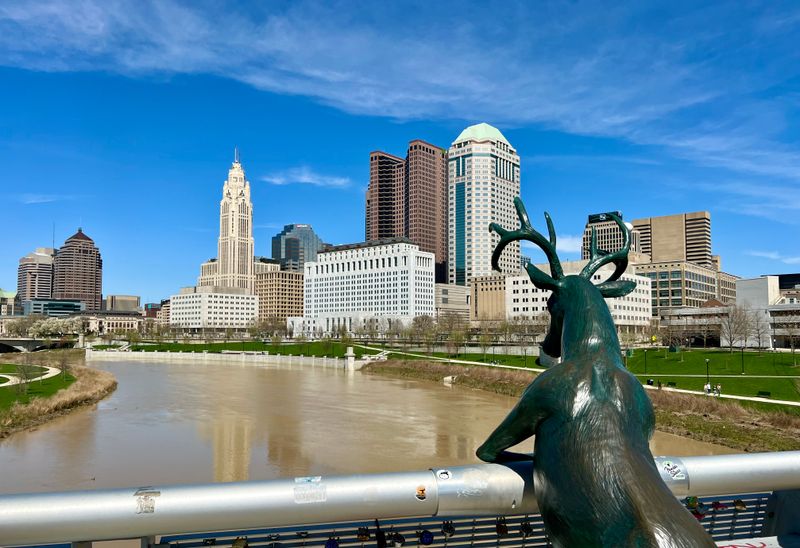
Ohio’s mix of cities, suburbs, and farmland is home to diverse communities, but approximately 25 to 26% of adults experience mental health challenges. The state has been hit hard by the opioid epidemic, which is closely linked to untreated mental illness. Economic decline in manufacturing areas has left many communities struggling with unemployment and hopelessness.
Access to mental health care varies widely across the state. Urban areas like Cleveland and Columbus have more resources, while rural counties face severe shortages. Long wait times and insurance barriers prevent many people from getting timely help.
Ohio has responded with initiatives to expand mental health services and address substance abuse. Schools are teaching students about mental health and providing counseling. Community health centers offer affordable care options. Crisis hotlines and mobile teams provide emergency support. By continuing to invest in mental health infrastructure and reducing stigma, Ohio can help more residents access the care they need to recover and thrive.
13. Rhode Island
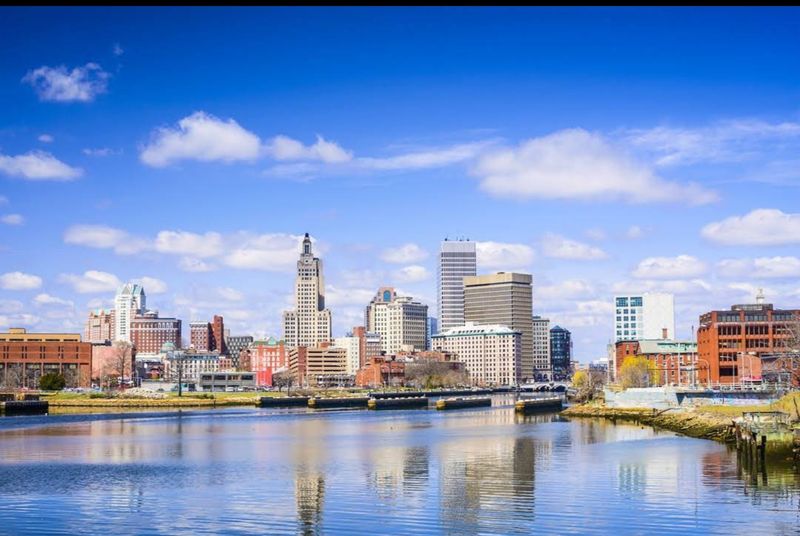
Despite being the smallest state, Rhode Island faces big mental health challenges, with about 25% of adults affected. The state has a high population density, which can mean both more resources and more stress. Economic inequality and housing costs create pressure for many families.
Rhode Island has struggled with opioid addiction, which often accompanies mental health issues. Access to care can be limited by insurance coverage and long wait times for appointments. Coastal communities face unique stressors, including seasonal employment and climate-related concerns.
Rhode Island has been working to improve mental health services through state programs and community partnerships. The state has expanded crisis services and peer support networks. Schools are prioritizing mental health education and early intervention. Nonprofit organizations provide support groups and resources. By continuing to address barriers to care and promote mental health awareness, Rhode Island can ensure that its residents, despite the state’s small size, have big opportunities for healing and support.
14. Arizona
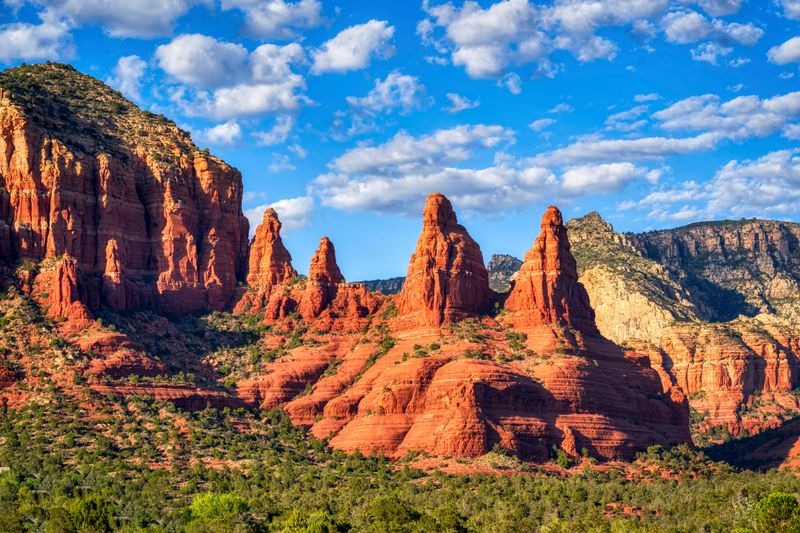
Arizona’s desert landscapes and sunny weather attract many residents, but 24 to 25% of adults face mental health struggles. The state has significant disparities in access to care, with rural and tribal areas particularly underserved. Extreme heat can affect mood and increase stress, especially for those without adequate cooling.
Economic challenges and immigration-related stress impact many communities. Substance abuse remains a concern, often intertwined with mental health issues. The stigma around mental illness in some cultural communities can prevent people from seeking help.
Arizona is working to expand mental health services through legislation and community programs. Native American tribes are integrating traditional healing practices with modern mental health care. Schools are implementing programs to support student wellbeing. Telehealth is helping reach remote areas. By continuing to address access barriers, reduce stigma, and respect cultural differences, Arizona can improve mental health outcomes for its diverse population and ensure everyone has the opportunity to receive compassionate care.
15. New Hampshire

New Hampshire’s mountains and forests offer beauty and recreation, yet 24 to 25% of adults struggle with mental health. The state has been deeply affected by the opioid crisis, which is closely connected to mental health issues. Rural areas face provider shortages, making it difficult for residents to access care.
Economic pressures, including high housing costs and limited job opportunities in some areas, contribute to stress. The state’s independent culture can make it harder for people to ask for help. Seasonal changes and long winters may also affect mood and emotional wellbeing.
New Hampshire has taken steps to address these challenges. The state has increased funding for mental health and substance abuse services. Crisis intervention teams provide immediate support. Schools are teaching students about mental health and resilience. Community organizations offer support groups and education. By continuing to expand services, reduce stigma, and promote awareness, New Hampshire can help more residents find the mental health support they need to live healthier, happier lives.



