 Unearth The Voyage
Some American towns exist primarily to welcome visitors rather than serve everyday residents. These charming destinations were either built from scratch or completely redesigned with tourism in mind, featuring themed architecture, souvenir shops, and attractions that cater almost entirely to travelers. While they offer beautiful scenery and unique experiences, their economies and identities revolve around the constant flow of tourists seeking memorable getaways.
1. Cannon Beach, Oregon
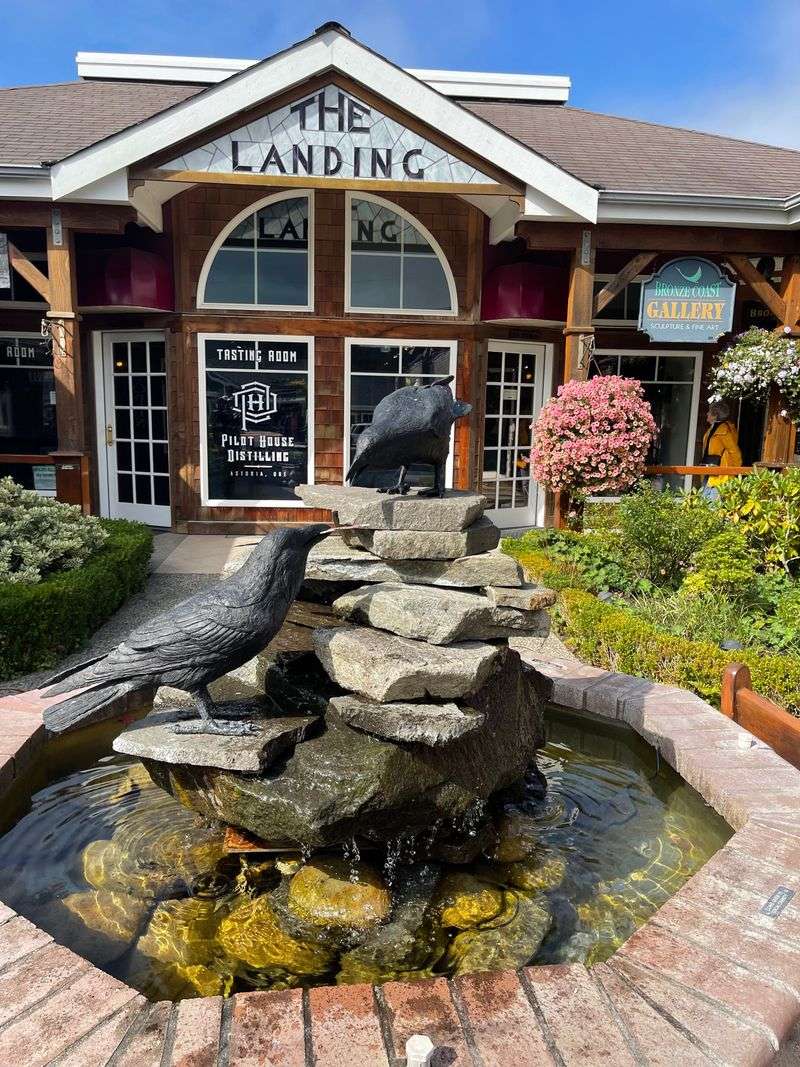
Haystack Rock towers 235 feet above the sand, creating one of the most photographed coastal scenes in America. Visitors flock here year-round to capture sunrise shots, explore tide pools, and stroll the picturesque shoreline. The town’s economy thrives on beach tourism, with art galleries, boutique hotels, and seafood restaurants lining the main streets.
Most businesses close or reduce hours during the quieter winter months when tourist numbers drop significantly. Local housing prices have skyrocketed due to vacation rental demand, making it challenging for year-round workers to afford living here. The town hosts numerous summer festivals and events designed specifically to attract more visitors.
Despite its small resident population, Cannon Beach welcomes hundreds of thousands of travelers annually. The stunning natural beauty combined with tourist-friendly amenities makes this Oregon coast gem a quintessential vacation destination rather than a typical residential community.
2. Sedona, Arizona
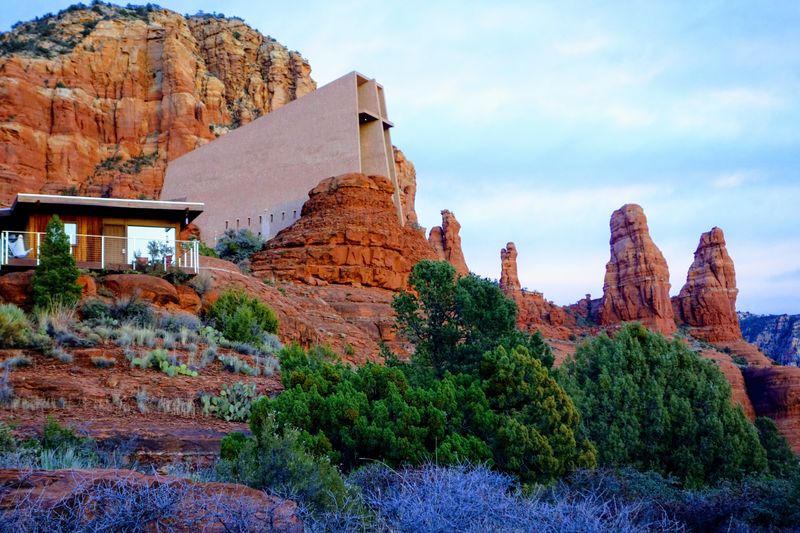
Red sandstone formations glow brilliantly at sunset, drawing photographers and spiritual seekers from around the world. The town center feels more like an outdoor shopping mall than a residential neighborhood, with crystal shops, art galleries, and tour operators dominating the landscape. Sedona’s economy depends almost entirely on the millions of visitors who arrive seeking natural beauty and metaphysical experiences.
Housing costs have become prohibitively expensive for service workers who staff the hotels and restaurants. Many employees commute from nearby communities because they cannot afford Sedona’s inflated real estate prices. The town’s infrastructure, from parking lots to hiking trails, was designed to accommodate tourist crowds rather than local needs.
Jeep tours, vortex visits, and scenic drives comprise the main activities here. While undeniably beautiful, Sedona functions primarily as a destination for travelers seeking Arizona’s famous red-rock landscapes and New Age experiences rather than as a conventional residential town.
3. Solvang, California
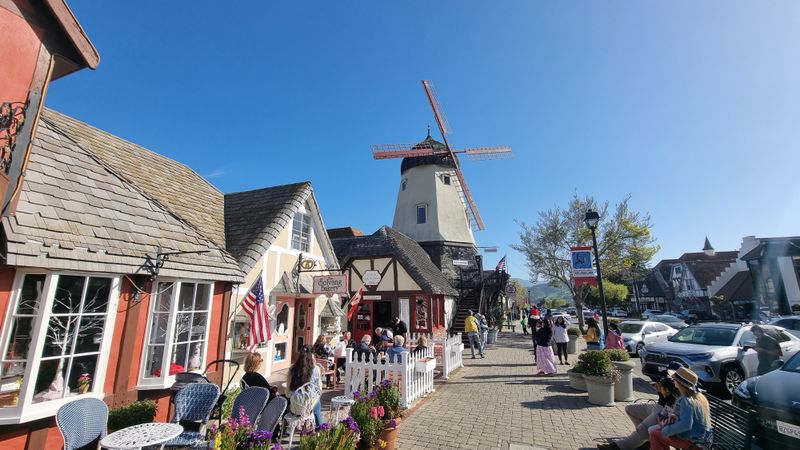
Walking through Solvang feels like stepping into a European fairy tale, complete with windmills, half-timbered buildings, and Danish bakeries. This California town was deliberately designed in the 1940s to attract tourists with its distinctive Scandinavian theme. Everything from the architecture to the shops sells the Danish experience to visitors seeking something different.
The town’s identity revolves entirely around maintaining this themed atmosphere for tourist consumption. Residents must follow strict architectural guidelines to preserve the European aesthetic that draws visitors. Most businesses cater exclusively to travelers, selling imported Danish goods, pastries, and souvenirs rather than everyday necessities.
Horse-drawn carriage rides and wine-tasting tours dominate the local economy. While charming and photogenic, Solvang functions more as a theme park village than an authentic residential community. The permanent population remains small compared to the thousands of tourists who visit daily, especially on weekends and holidays.
4. Leavenworth, Washington
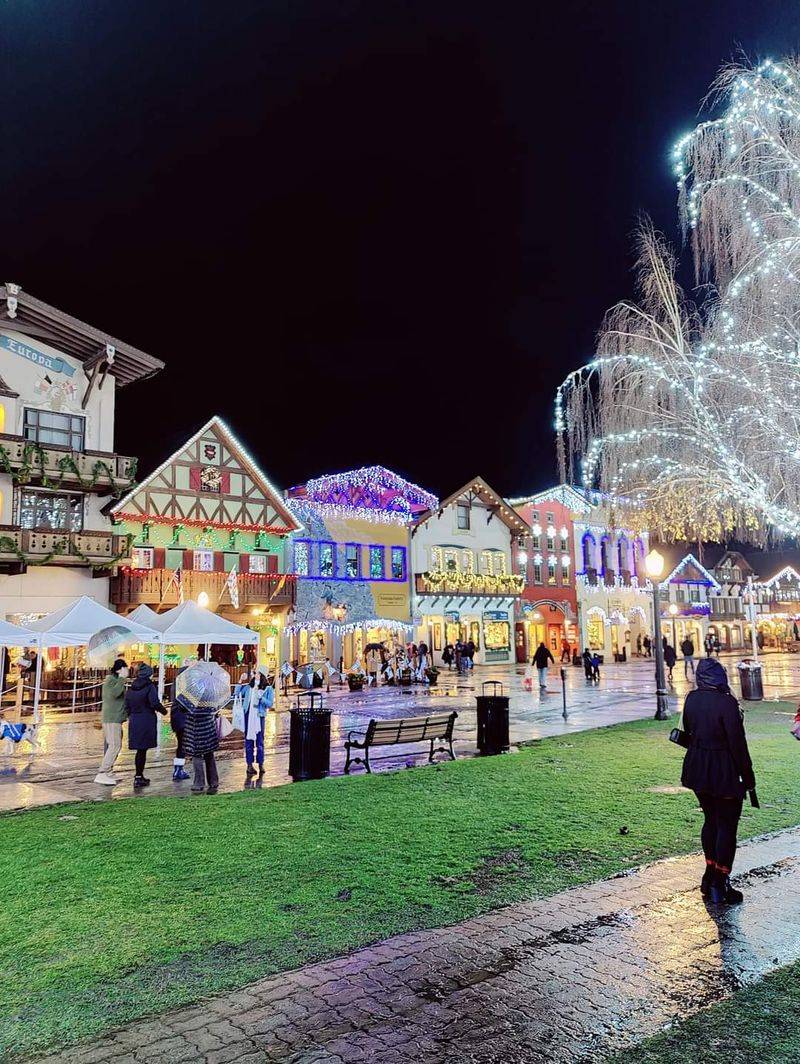
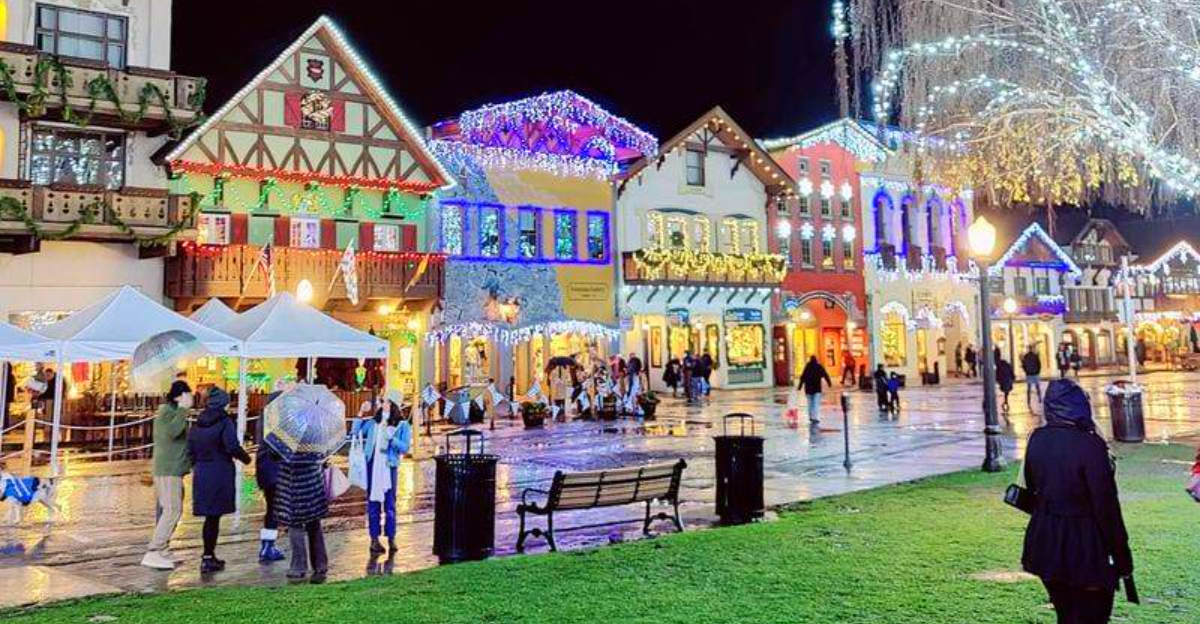
Bavarian flags flutter above storefronts selling cuckoo clocks and German beer steins in this mountain village transformed entirely for tourism. Leavenworth was a dying logging town until the 1960s when residents decided to rebrand it as a Bavarian alpine village. Today, every building must conform to the German architectural theme, creating a cohesive tourist experience.
The town hosts year-round festivals including Oktoberfest, Christmas markets, and accordion celebrations designed to attract visitors. Its economy depends almost completely on tourism dollars, with hotels, restaurants, and gift shops comprising the majority of businesses. Housing shortages affect local workers who struggle to find affordable places to live near their jobs.
Visitors come to experience a slice of Bavaria without leaving the United States. While the mountain scenery is genuinely stunning, the manufactured German atmosphere exists solely to create a marketable tourist destination. Leavenworth successfully transformed itself into a visitor magnet, though at the cost of authentic small-town character.
5. Helen, Georgia
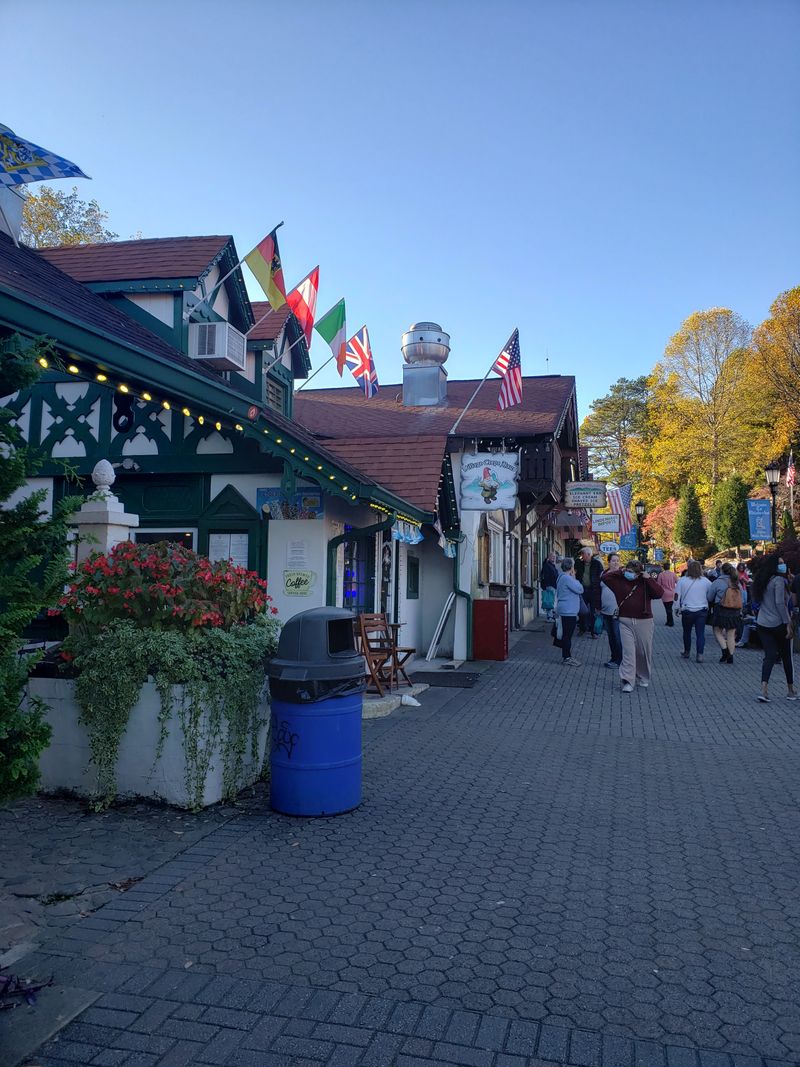
Alpine chalets and cobblestone streets seem oddly out of place in the Georgia mountains, yet that’s exactly the point. Helen reinvented itself as a Bavarian village in the 1960s when its timber industry collapsed and the town needed a new economic lifeline. The complete transformation attracted tourists looking for European charm in the American South.
Every building downtown follows strict German architectural guidelines to maintain the themed atmosphere. Businesses sell bratwurst, beer, and Bavarian souvenirs to the steady stream of visitors who arrive year-round. The town hosts tubing trips down the Chattahoochee River and Oktoberfest celebrations that draw massive crowds.
Local residents often work multiple tourism-related jobs to make ends meet in this expensive mountain town. The cost of living has increased dramatically as vacation rentals have replaced long-term housing options. Helen successfully saved itself from economic ruin through tourism, but it now exists primarily to serve visitors rather than provide a typical residential community for locals.
6. Frankenmuth, Michigan
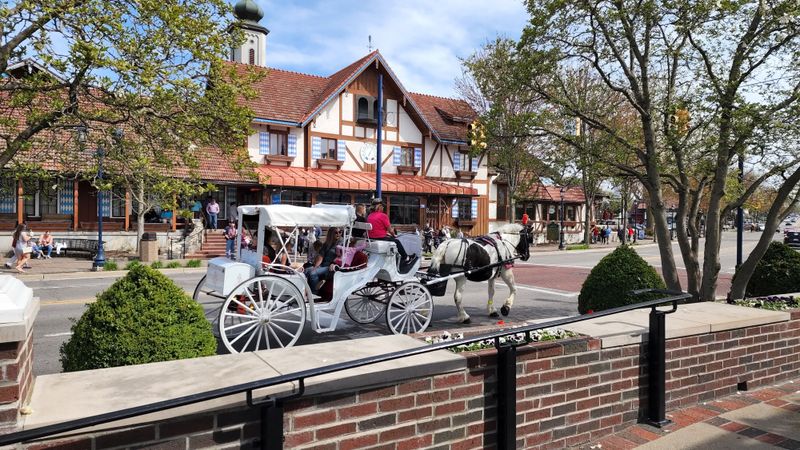
Known as Michigan’s Little Bavaria, this town embraces its German heritage with enthusiasm designed entirely for tourist appeal. Frankenmuth features year-round Christmas stores, massive Bavarian-themed restaurants, and Alpine architecture that creates a distinctive European atmosphere. The town’s economy relies heavily on visitors seeking family-friendly attractions and German food experiences.
Bronner’s Christmas Wonderland, one of the world’s largest Christmas stores, draws shoppers throughout the year. The Bavarian Inn and Zehnder’s restaurants serve thousands of chicken dinners daily to tour buses and families on vacation. Most downtown businesses exist to serve tourists rather than meet the everyday needs of local residents.
The town hosts festivals and events designed to extend the tourist season beyond summer months. Housing for service workers has become increasingly scarce as property values rise with tourism success. While Frankenmuth maintains some authentic German-American traditions, its current identity focuses primarily on creating marketable experiences for the millions of annual visitors rather than serving as a conventional residential community.
7. Tombstone, Arizona

Gunfight reenactments happen daily at the OK Corral, where actors recreate the famous 1881 shootout for camera-wielding tourists. Tombstone preserves its Wild West history primarily as a commercial venture, with saloons, costume shops, and staged performances dominating the town’s identity. The entire downtown area functions as a living history attraction rather than a functioning residential community.
Wooden boardwalks, swinging saloon doors, and period-dressed characters create an immersive Old West experience for visitors. Most businesses sell cowboy memorabilia, offer stagecoach rides, or serve themed food and drinks to capitalize on the town’s notorious reputation. The actual resident population remains quite small compared to the thousands of tourists who visit seeking authentic Western atmosphere.
While Tombstone does have genuine historical significance, its current incarnation exists almost entirely for tourism purposes. The town has carefully preserved and sometimes exaggerated its Wild West image to attract visitors interested in American frontier history. Local life takes a backseat to maintaining the theatrical atmosphere that keeps tourists coming back.
8. Winthrop, Washington
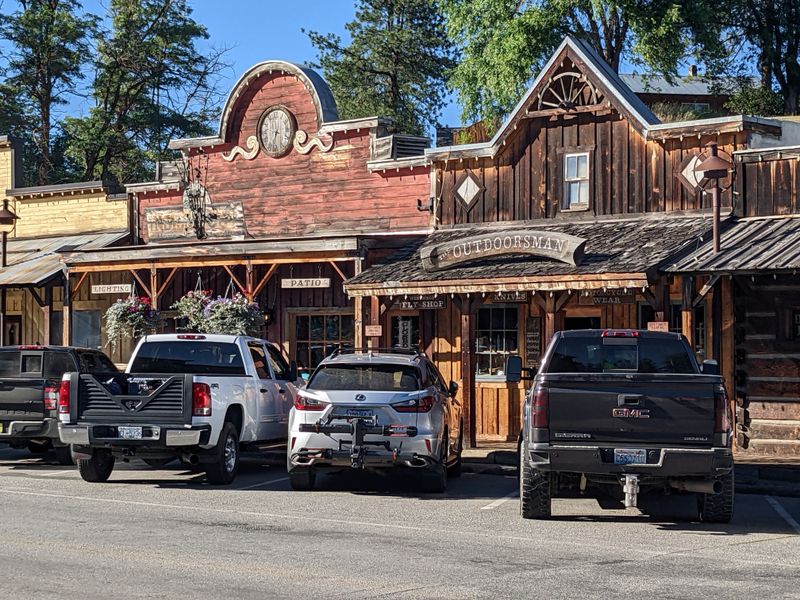
Wooden false-front buildings and boardwalks create a frontier atmosphere in this North Cascades mountain town deliberately themed for tourist appeal. Winthrop adopted its Old West aesthetic in the 1970s to attract visitors traveling through the scenic North Cascades Highway. Every business downtown maintains the Western theme, from the saloon-style doors to the hitching posts out front.
The town serves as a basecamp for outdoor recreation including hiking, skiing, and mountain biking, with most businesses catering to adventure tourists. Gift shops, outfitters, and restaurants dominate the commercial district, offering themed experiences rather than everyday services for residents. The staged Western atmosphere appeals to visitors seeking Instagram-worthy backgrounds and nostalgic Americana.
Local housing has become increasingly expensive as vacation rentals proliferate throughout the area. Service workers often commute from more affordable communities to staff the tourism-dependent businesses. While the mountain scenery is genuinely spectacular, Winthrop’s identity as a manufactured Old West town reveals its primary purpose: attracting and entertaining tourists rather than serving as a conventional residential community.
9. Carmel-by-the-Sea, California
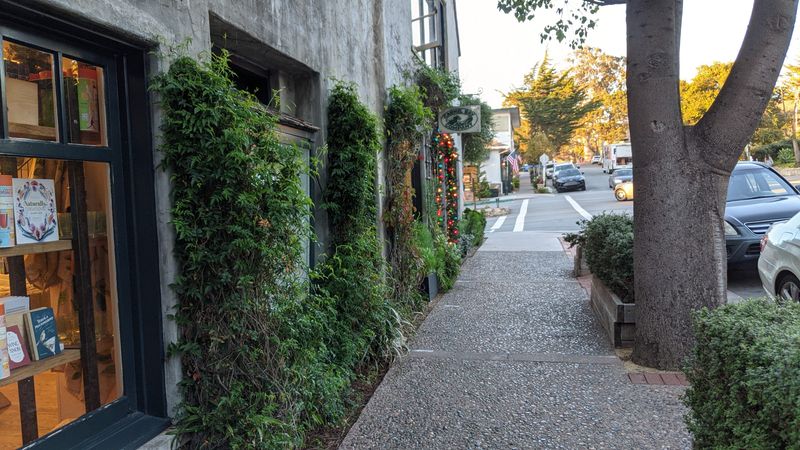
Storybook cottages with whimsical architecture line narrow streets without sidewalks or street numbers, creating an enchanting village atmosphere designed for leisurely exploration. Carmel functions primarily as a luxury tourist destination, with high-end art galleries, boutique hotels, and gourmet restaurants catering to affluent visitors. The town’s strict aesthetic regulations ensure every building maintains the fairy-tale charm that attracts tourists.
Property values rank among California’s highest, making it nearly impossible for average workers to afford living here. Most service employees commute from surrounding areas to staff the upscale shops and restaurants. The town’s economy depends entirely on tourism and second-home owners who occupy their properties only occasionally.
Dog-friendly beaches and art festivals draw visitors year-round seeking coastal beauty and cultural experiences. While undeniably picturesque, Carmel exists primarily as a curated destination for wealthy travelers rather than a typical residential community. The permanent population remains small, and most street activity consists of tourists browsing galleries and dining at oceanview restaurants.
10. Bar Harbor, Maine
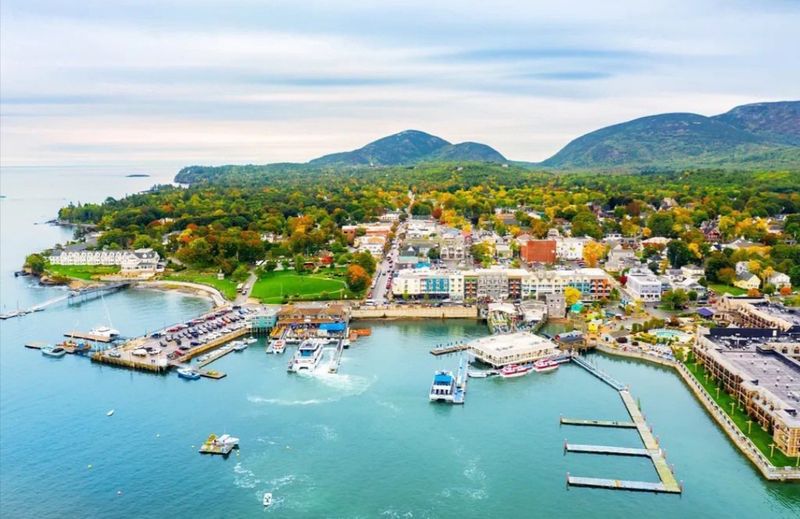
Lobster boats bob in the harbor while tourists crowd waterfront restaurants seeking authentic New England seafood experiences. Bar Harbor serves primarily as the gateway to Acadia National Park, with its entire economy built around accommodating the millions of park visitors annually. Downtown shops sell nautical souvenirs, outdoor gear, and Maine-themed merchandise rather than everyday necessities for residents.
The town transforms dramatically between seasons, bustling with activity during summer months but becoming nearly deserted in winter. Many businesses close entirely during the off-season when tourist numbers plummet. Housing costs have skyrocketed due to vacation rental demand, forcing many year-round workers to live in less expensive neighboring towns.
Whale-watching tours, park shuttle services, and harbor cruises comprise major tourist activities here. While the coastal scenery is genuinely stunning, Bar Harbor’s identity revolves around serving visitors rather than functioning as a typical residential community. The permanent population struggles with tourism’s impact on housing availability and cost of living throughout this picturesque coastal town.
11. Taos, New Mexico
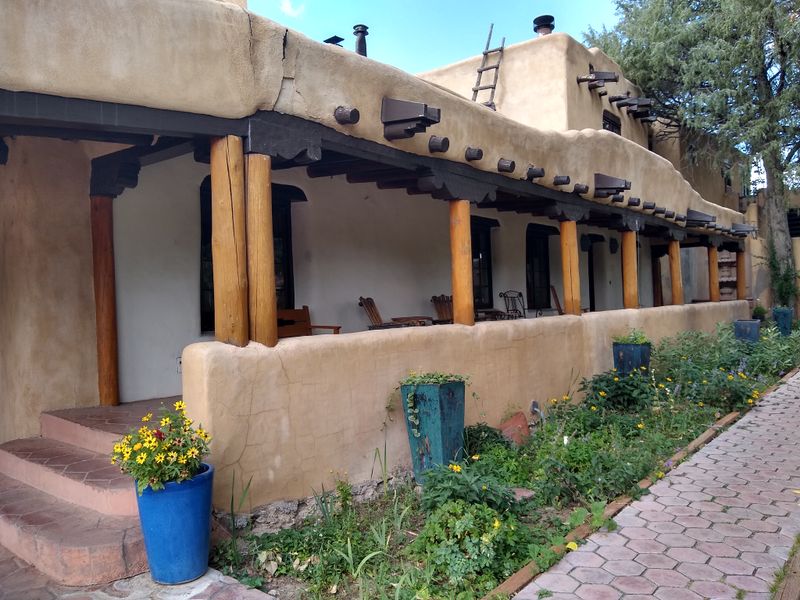
Adobe buildings glow golden in the high-altitude sunlight, creating an artistic atmosphere that has attracted visitors for decades. Taos built its modern identity around art tourism, with galleries, studios, and cultural attractions dominating the historic plaza area. The town’s economy depends heavily on visitors seeking Southwestern art, Native American culture, and mountain recreation experiences.
World-class skiing at Taos Ski Valley brings winter tourists, while summer visitors explore art galleries and historic sites. The town’s small resident population serves a much larger seasonal influx of tourists and second-home owners. Housing affordability has become a critical issue as vacation rentals and investment properties have displaced long-term rental options.
The famous Taos Pueblo draws cultural tourists interested in Native American history and architecture. While Taos maintains genuine artistic and cultural significance, its current incarnation caters primarily to tourist consumption of Southwestern experiences. Local artists and service workers increasingly struggle to afford living in the very town that markets their cultural contributions to visitors seeking authentic New Mexico atmosphere.
12. Beaufort, South Carolina
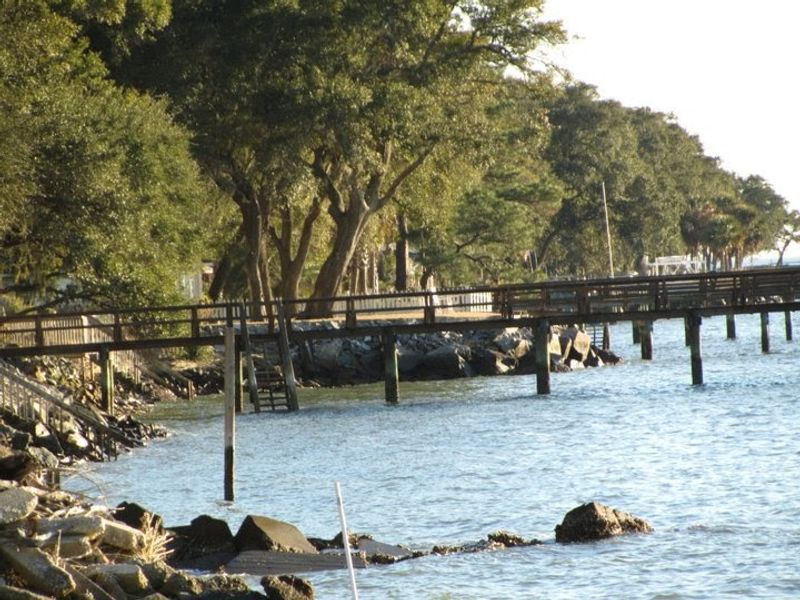
Antebellum mansions draped in Spanish moss create postcard-perfect scenes that attract history enthusiasts and film crews alike. Beaufort markets its Southern charm and waterfront beauty to tourists seeking coastal elegance and Civil War history. The historic district functions primarily as a walking museum, with carriage tours and guided walks explaining the town’s plantation past to visitors.
Many historic homes operate as bed-and-breakfasts or event venues rather than private residences. Downtown shops and restaurants cater almost exclusively to tourists and the retirees who have relocated here for the scenic coastal lifestyle. The town’s economy relies heavily on tourism dollars and the real estate market driven by outsiders seeking second homes.
Film productions frequently use Beaufort as a backdrop, further enhancing its tourist appeal and recognition. While genuinely historic and beautiful, the town’s identity now centers on packaging Southern heritage for tourist consumption. Local affordability has declined as property values increase with tourism popularity, creating challenges for year-round residents who work in service industries supporting the visitor economy.
13. Galena, Illinois
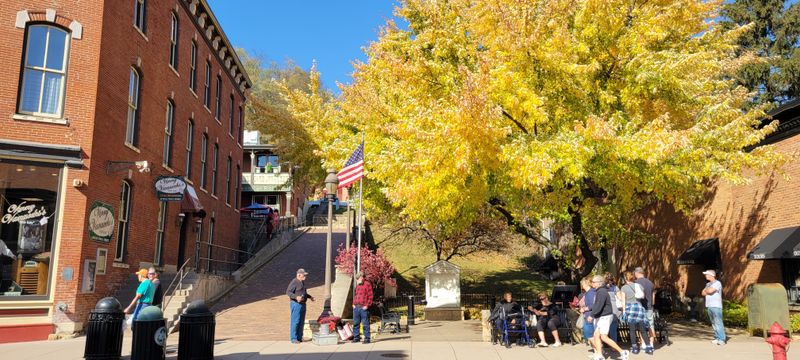
Brick storefronts from the 1850s line Main Street, preserved almost perfectly to attract tourists seeking small-town Americana and antique shopping. Galena transformed from a declining former mining town into a thriving tourist destination by capitalizing on its well-preserved Victorian architecture. The entire downtown functions as a shopping and dining district designed for weekend visitors rather than serving everyday resident needs.
Antique shops, wine-tasting rooms, and bed-and-breakfasts dominate the local economy, with most businesses closing during slower weekday periods. The town hosts seasonal festivals and events designed to draw tourists throughout the year. Property values have increased significantly as investors purchase historic buildings for commercial tourism use or vacation rental income.
Ulysses S. Grant’s former home attracts history buffs adding to the town’s visitor appeal. While Galena maintains genuine historical significance, its current identity revolves around marketing that history to tourists seeking charming getaway experiences. The small permanent population serves a much larger seasonal influx of visitors who arrive for shopping, dining, and historic atmosphere.
14. Mystic, Connecticut
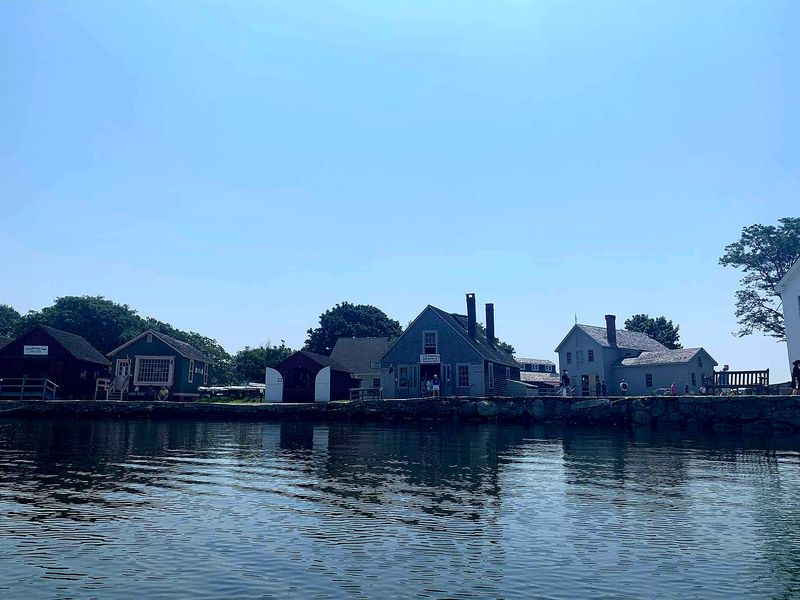
Tall ships and historic vessels line the waterfront at Mystic Seaport Museum, creating an immersive maritime experience for the thousands of visitors who arrive daily. The town’s identity centers almost entirely on its nautical heritage, packaged and presented for tourist consumption. Downtown shops sell maritime antiques, nautical clothing, and seafood to visitors seeking quintessential New England coastal experiences.
The famous drawbridge over the Mystic River has become an iconic photo opportunity featured in countless travel guides. Most businesses cater specifically to tourists, with hours and inventory designed around visitor needs rather than local residents. The town gained additional fame from the pizza featured in a popular movie, further cementing its status as a tourist destination.
Aquarium visits, boat tours, and museum explorations comprise the main activities here. While Mystic maintains genuine maritime history, its current incarnation exists primarily to serve tourists seeking picturesque New England charm. Housing costs have risen dramatically as the town’s popularity has grown, making it increasingly difficult for service workers to afford living in this scenic coastal community.
15. Kennebunkport, Maine
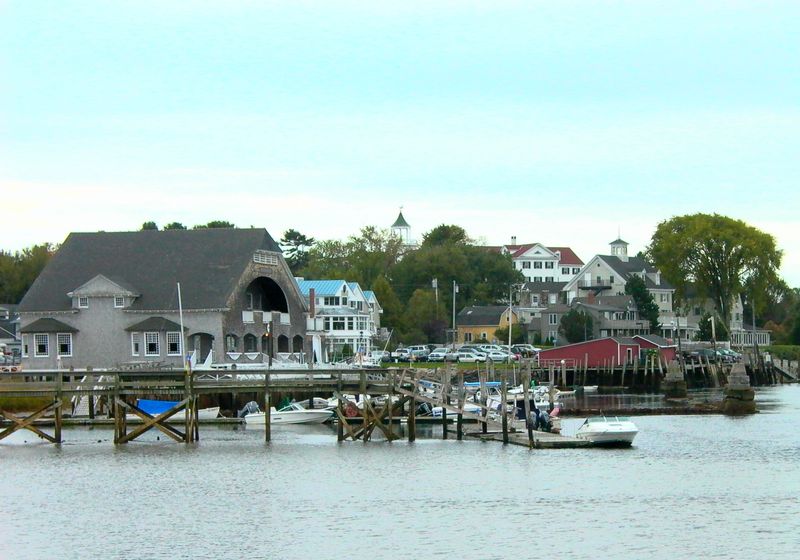
Rocky coastlines and historic sea captains’ mansions create an upscale resort atmosphere in this coastal Maine town famous for summer tourism. Kennebunkport functions primarily as a seasonal destination for wealthy visitors seeking classic New England charm and fresh seafood experiences. The town’s economy depends almost entirely on the summer influx of tourists and second-home owners who occupy waterfront properties.
Downtown shops and galleries cater to affluent visitors with luxury goods and high-end coastal décor. Most restaurants and attractions operate only during the peak summer season, closing entirely during quieter months. The Bush family compound has added to the town’s prestige and tourist appeal over the decades.
Lobster shack dining and scenic harbor walks dominate visitor activities throughout the summer season. Property values rank among Maine’s highest, making it nearly impossible for average workers to afford living here year-round. While genuinely beautiful, Kennebunkport exists primarily as a curated destination for affluent tourists rather than a typical residential community, with permanent residents far outnumbered by seasonal visitors and vacation homeowners.



