 Unearth The Voyage
Travel styles evolve, and what once felt normal can now read as pushy or tone deaf. If you have ever cringed at a crowded gate or a loud lobby phone call, you are not alone. Younger travelers prize efficiency, consent, and shared-space courtesy, and they notice when others do not. Here are the habits getting called out right now, plus how to navigate them with grace.
1. Standing Up the Moment the Plane Lands
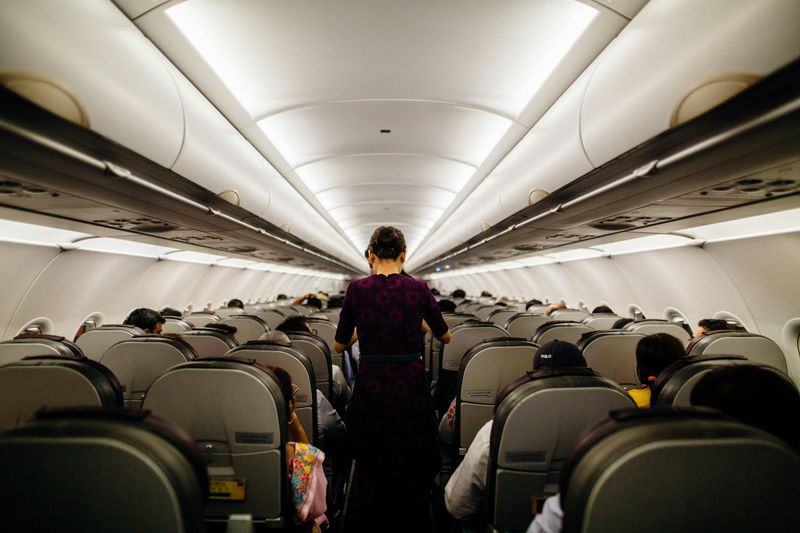
The wheels touch down and someone pops up like toast. It feels harmless, but you cannot go anywhere until the seatbelt sign turns off and the door opens. Standing early crowds the aisle, blocks people with tight connections, and can trigger safety issues during taxi.
Next time, stay seated, breathe, and prep quietly. Use the pause to put your phone in airplane-to-ground mode, check your gate info, and pack loose items. When the chime sounds, stand in turn and let rows exit smoothly.
If you are in a rush, politely ask neighbors for help instead of pushing forward. A calm, orderly exit saves everyone time. Courtesy on landing sets the tone for the rest of the trip.
2. Crowding the Gate Before Boarding
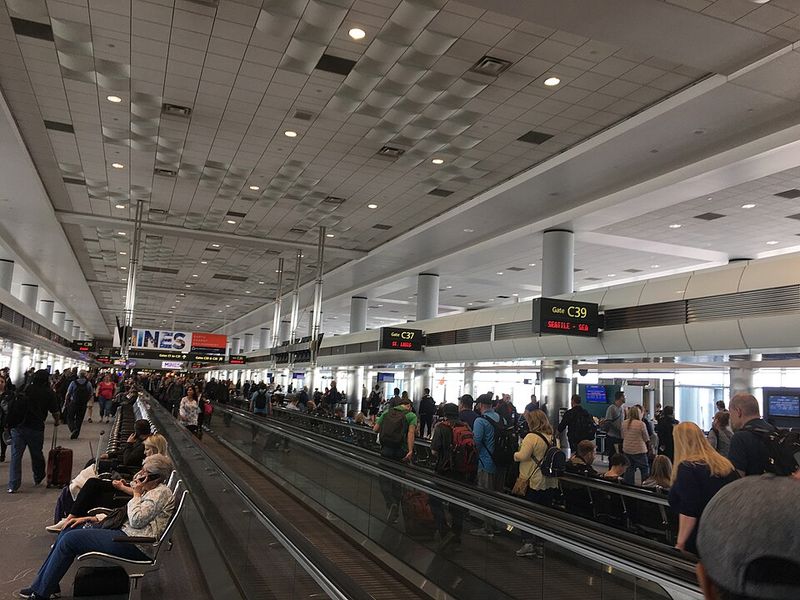
Gathering at the gate early used to feel strategic. Now it blocks strollers, wheelchairs, and priority passengers who actually need access. Airlines board by zones for a reason, and clogging the lane slows the whole process.
Check your zone, sit tight, and listen for announcements. Keep the walkway clear so families and mobility devices can reach the scanner smoothly. When your group is called, approach with your pass ready on your phone.
Worried about overhead bin space? Choose earlier boarding with a card perk or pay for priority. Respecting the flow helps everyone board faster and keeps tempers cool before takeoff.
3. Oversharing Personal Stories With Seatmates
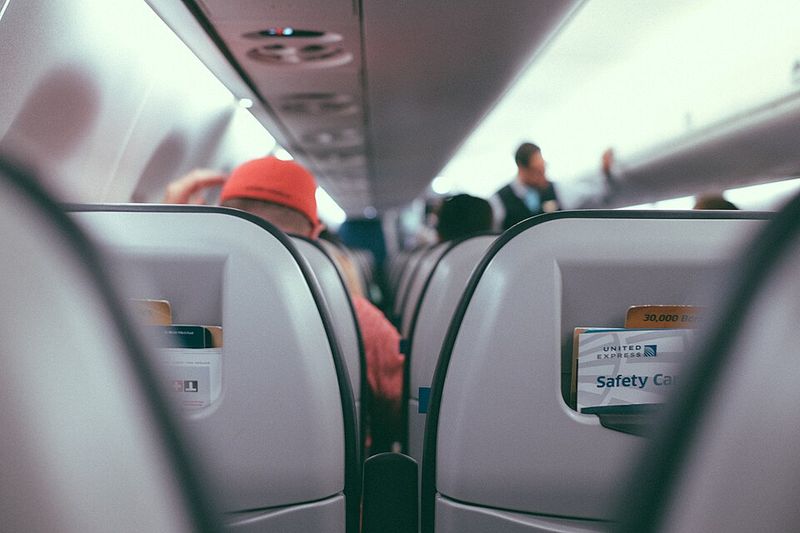
Chatty small talk once felt like part of the journey. Today, many travelers use flights to decompress, work, or sleep, so extended stories can feel intrusive. Headphones, closed body language, and one word replies are your cue to dial it back.
Open with a quick friendly hello, then gauge interest. If the other person engages, great. If not, enjoy your podcast or a book and give them space.
Feeling social? Save it for the aisle stretch or the lounge bar. Respecting boundaries keeps the cabin peaceful and avoids awkwardness at 35,000 feet. Connection is great, but consent matters more.
4. Expecting Paper Tickets, Brochures, or Physical Maps
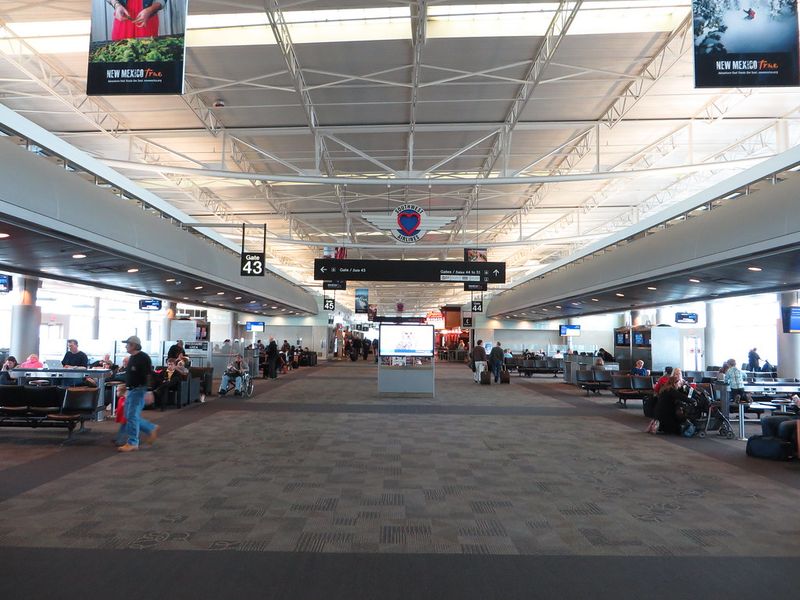
Paper feels reliable, but counters are not set up for it anymore. Asking for printed tickets or thick brochures slows lines and creates waste that staff must manage. Digital passes are faster, cleaner, and usually more secure.
Download the airline app before you leave and save your pass to your wallet. Screenshot as backup in case of spotty wifi. For maps, use offline downloads in Google Maps or an open street map app.
If you truly need paper, step aside to let others pass and ask politely. Most teams will help if you respect time and flow. Blending analog comfort with digital efficiency keeps trips smooth.
5. Talking Loudly on the Phone in Airports or Hotel Lobbies
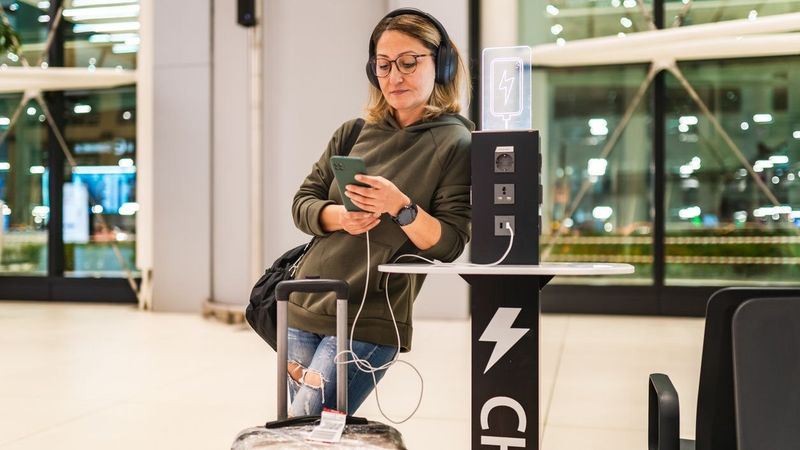
Speakerphone echoes across marble and carpet alike. Loud calls in shared spaces make rest and work harder for everyone nearby. Earbuds with a built in mic keep conversations private and respectful.
If a call is urgent, step outside or find a quiet corner. Keep it short, avoid personal details, and skip play by play commentary. Inside voices are not just for kids.
Many hotels and lounges designate calm zones for a reason. Protect the vibe and you will get it back when you need it. Courtesy is contagious and it travels well.
6. Ignoring Online Check In and Causing Counter Backups
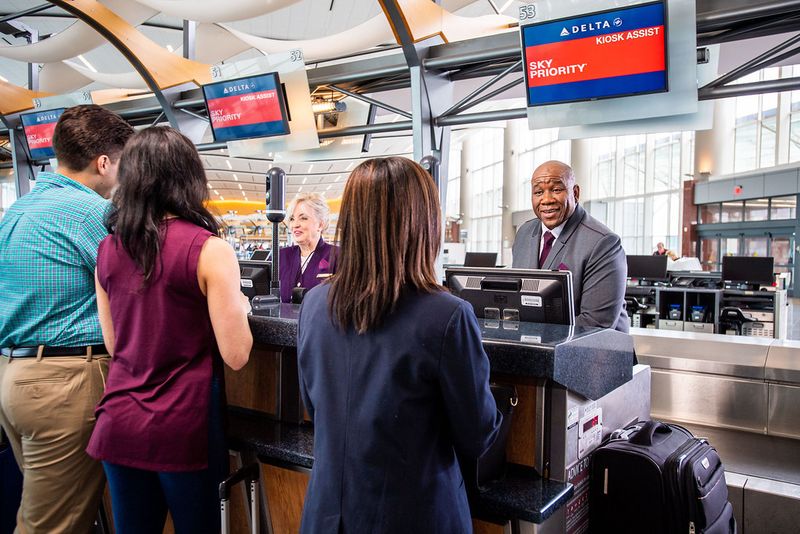
Waiting for a counter agent used to be the only option. Now, most travelers check in on apps to free staff for complex issues. Skipping digital check in during peak hours clogs lines for families, elders, and those with special needs.
Check in 24 hours before departure, upload documents, and tag your bag at a kiosk. Agents can then focus on rebooking and accessibility support. Everyone moves faster when routine tasks go digital.
If tech trips you up, ask a roaming helper or watch the on screen prompts. A few taps save you fifteen minutes. Efficiency is also a kindness to the people behind you.
7. Trying to Haggle Prices Where It Is Not Customary
Bargaining has a place in open air markets. In modern shops, hotels, taxis with meters, or ride share apps, it reads as disrespectful. Staff rarely have authority to change rates and pushing can sour the interaction fast.
Look for cues like posted prices, scanners, and tidy displays. If it feels like a department store, it probably is. Save negotiations for markets that expect it and do so politely.
When unsure, ask if discounts exist for off peak times or longer stays. That invites a yes without pressure. Cultural awareness stretches your budget while honoring the local norm.
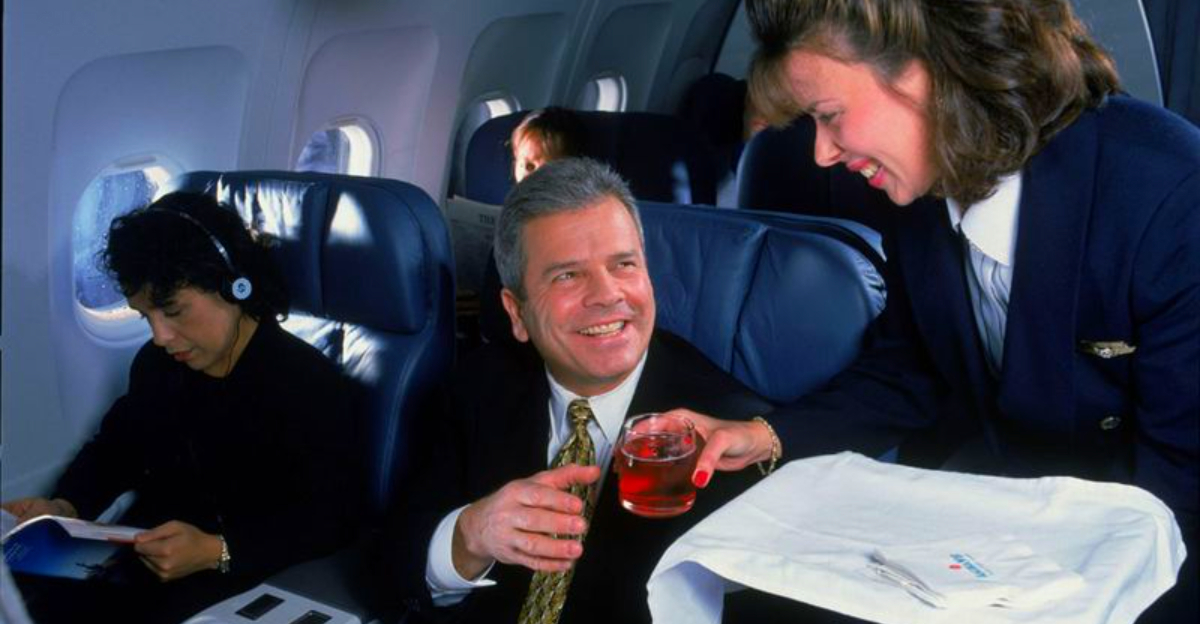
8. Treating Flight Attendants Like Waiters in the Sky
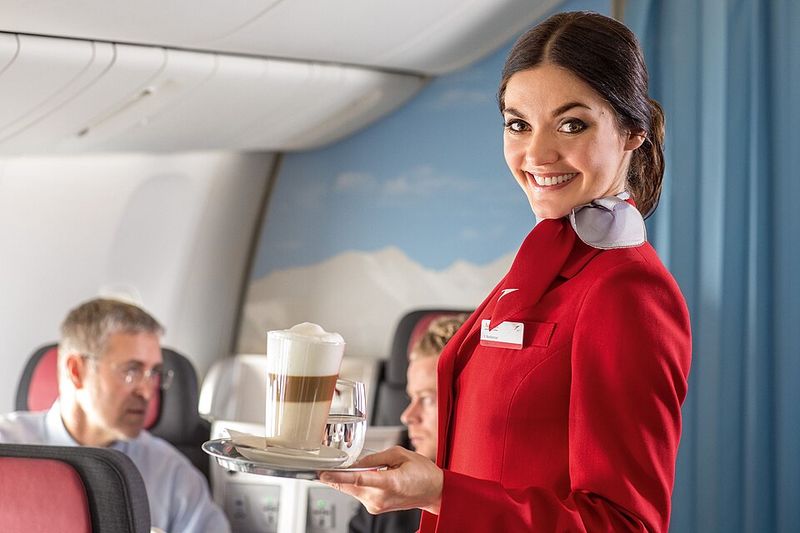
Cabin crew are safety professionals first. Constant call button tapping for minor asks pulls attention from turbulence checks, medical needs, and compliance. Service matters, but entitlement wears everyone down.
Batch requests and be patient during service carts. Use the water station if available and tidy your own space. A calm cabin lets crew focus on what keeps you safe.
Gratitude goes a long way. A simple thanks or a smile changes the whole tone. Respect the role and the flight feels better for all.
9. Taking Photos of Strangers Without Permission

Snapping a perfect scene can accidentally include people who do not want to be online. With facial recognition and social media, consent matters more than ever. Unwanted photos feel invasive and can breach cultural norms.
Frame wide, focus on landmarks, and wait for clean moments. If someone is the subject, ask with a friendly gesture and a simple question. Respect no without debate.
Sharing later? Blur faces or keep images private. Your album still tells the story without compromising others. Travel leaves a better footprint when privacy comes first.
10. Using Flash Photography in Museums, Zoos, or Cultural Sites
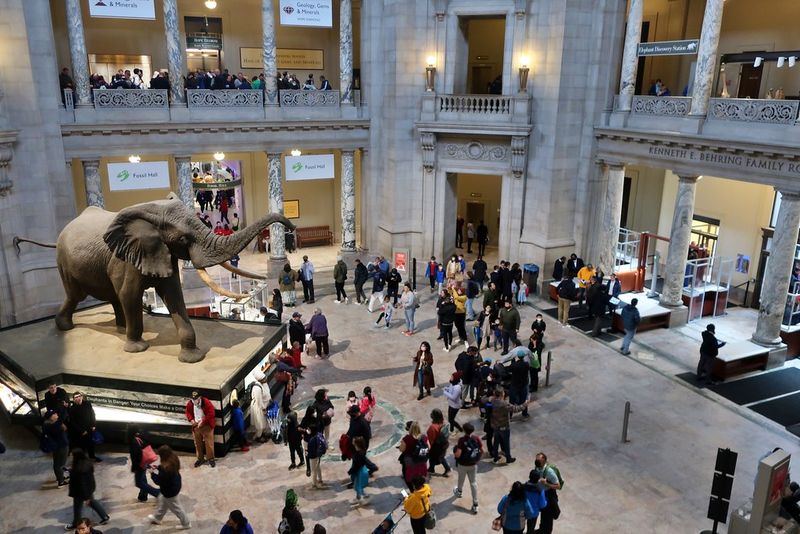
Flash can damage delicate pigments and startle animals. Many venues ban it to protect exhibits and guest experience. Ignoring the rule draws staff intervention and disrupts the calm others came to enjoy.
Boost ISO, steady your hands, or accept the moody light. Ask staff for designated photo spots or buy official images from the gift shop. The art will thank you, and so will future visitors.
When in doubt, check posted icons near entrances. The no flash symbol is there for a reason. Respect shines brighter than any burst of light.
11. Overpacking and Bringing Multiple Large Suitcases
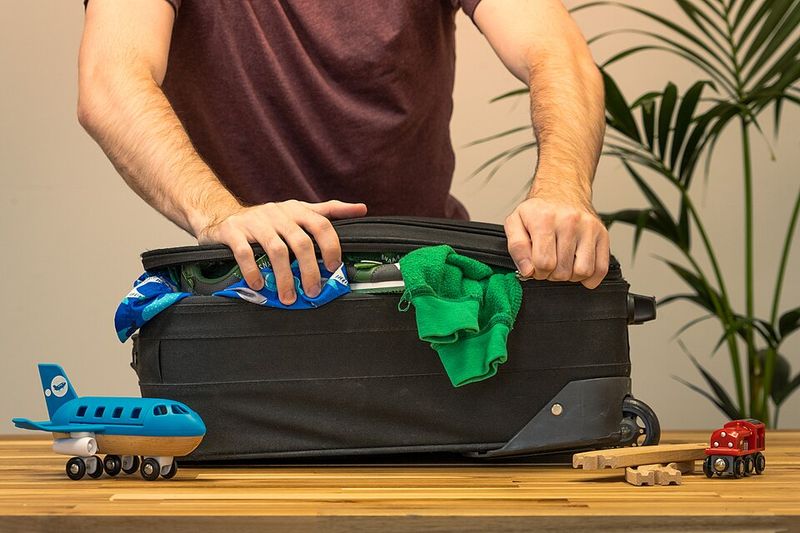
Extra bags hog space in taxis, trains, and hotel elevators. They slow boarding, block aisles, and hit baggage limits that trigger fees. Younger travelers lean minimal to keep shared spaces moving.
Pack versatile layers and do laundry on the road. Choose a carry on plus a small personal item and weigh your bag before leaving. Rolling cubes and a capsule wardrobe go a long way.
If you must check a bag, keep it within size and handle it yourself. Do not sprawl across benches or claim extra racks. Lighter loads make you more nimble and considerate.
12. Treating Hotel Staff Like Personal Assistants
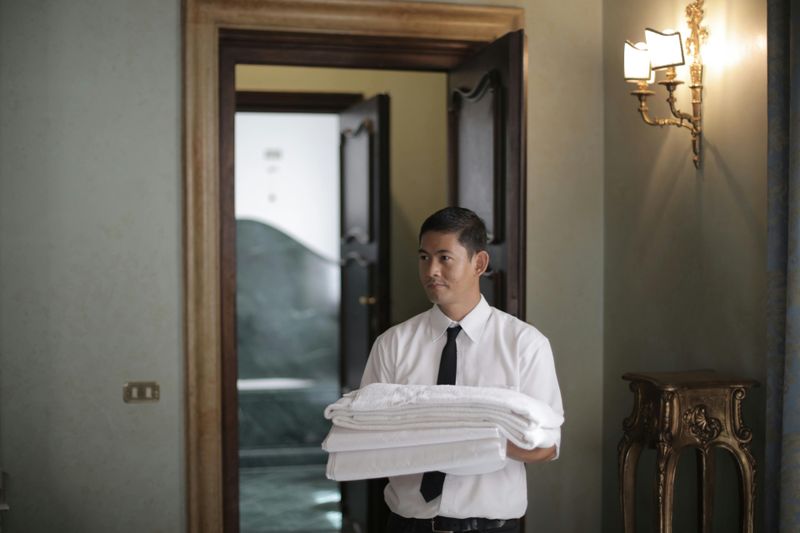
Concierge does not mean on demand errand runner. Off menu chores and constant extras strain teams already covering high turnover and tight schedules. Requests beyond scope can delay service for guests with real needs.
Check what the hotel offers and use local apps for deliveries and reservations. For special touches, ask kindly and accept a no gracefully. Clear expectations keep everyone sane.
Tip fairly, say thanks, and report issues with patience. Staff remember considerate guests and often go the extra mile. Partnership beats pressure every time.
13. Expecting Cash Only Tips or Leaving Excessive Coins

Tipping has shifted and varies widely by country. Many places run on card only systems or include service, making coins awkward or unnecessary. Leaving too little or tipping where it is not customary can feel disrespectful.
Look up local norms before you arrive. If the terminal presents percentages, choose appropriately and confirm whether service is included. Carry a small amount of local cash for spots that truly need it.
When unsure, ask discreetly or follow what locals do. Thoughtful tipping matches the context and the culture. That small effort earns big goodwill.
14. Showing Up at Tourist Attractions Without Reservations

Walk ins worked decades ago, but capacity controls changed the game. Museums, parks, and restaurants often require timed entries to manage crowds. Arriving unbooked risks long waits or flat refusals.
Reserve online as soon as plans firm up. Save QR codes offline and set reminders for windows that open weeks ahead. Flex hours can be cheaper and less crowded.
If you miss out, ask about stand by or cancellations without demanding exceptions. Staff cannot bend fire codes. A little planning buys a lot of freedom.
15. Complaining Publicly About Digital Only Policies
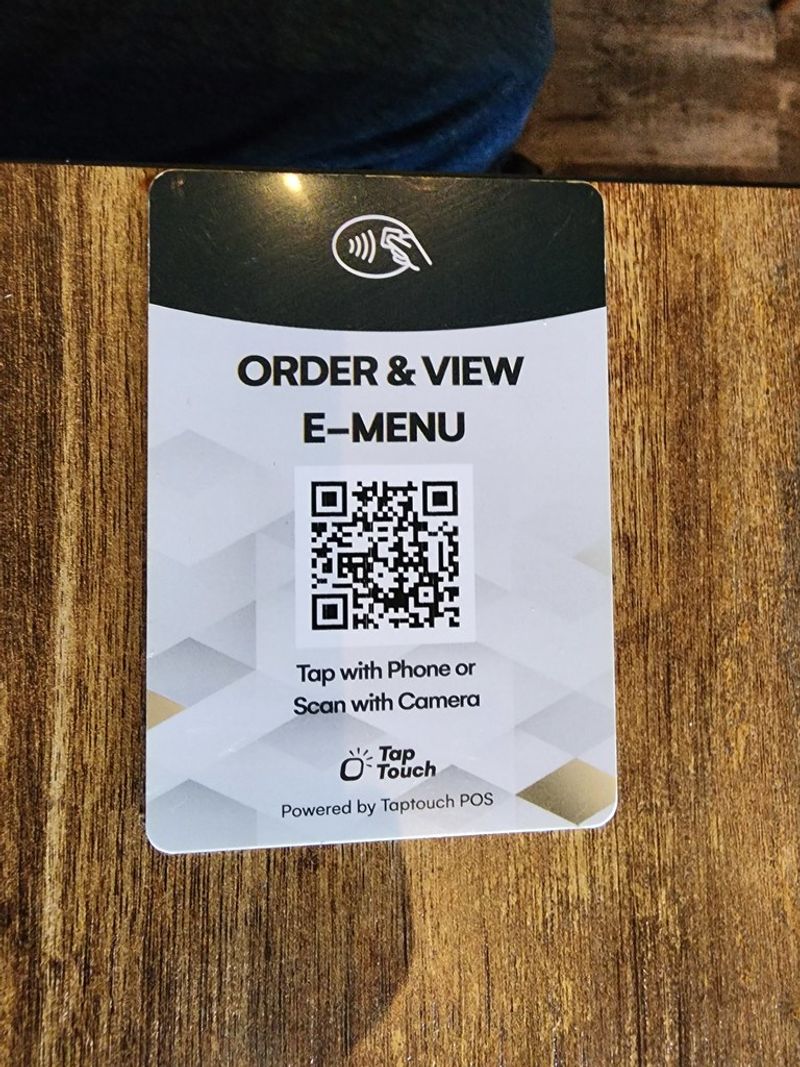
QR menus, app tickets, and kiosks speed service when lines are long. Loud complaints stall everyone and rarely change policy on the spot. Staff did not design the system, they just operate it.
Take a breath, ask for help, and move aside if you need extra time. Most places have a printed backup or a human to guide you. Patience keeps the queue flowing and stress down.
Prefer analog? Choose venues that advertise it. Voting with your wallet works better than venting in public. Adaptability is the new carry on.
16. Treating Flight Delays or Weather Issues as Personal Inconveniences
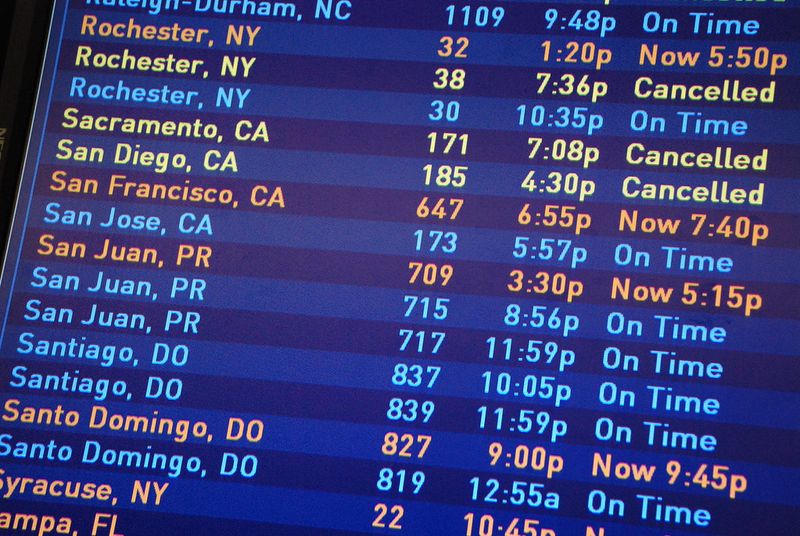
Delays sting, but storms and maintenance are not personal. Gate agents cannot clear air traffic or fix a part. Yelling only drains energy and makes solutions harder to find.
Use the airline app for rebooking, monitor alternate routes, and ask concise questions. Be ready with flexible airports, seats, and connections. Snacks and a charger are your secret weapon.
Kindness often unlocks extra effort. A calm tone and a thank you go farther than a scene. Travel karma is real and it pays dividends.



