 Unearth The Voyage
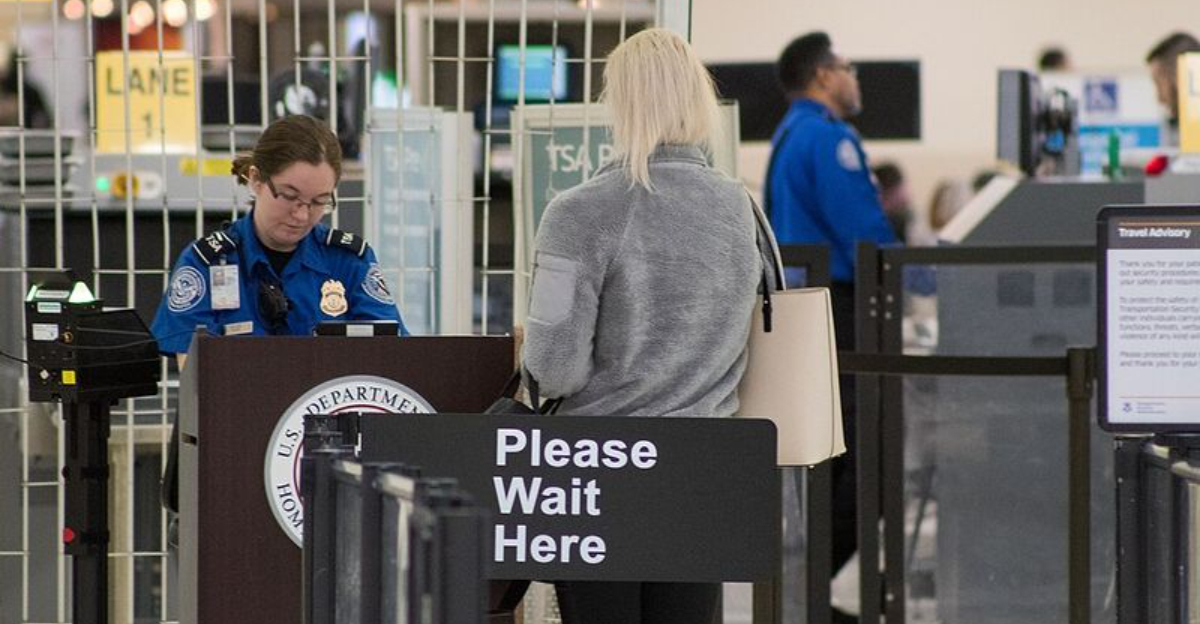
Starting in 2026, TSA will impose a $45 fee on travelers without a REAL ID or alternative approved identification. This policy aims to enhance security measures at airports across the United States. Here’s what you need to know about the upcoming changes and how they impact your travel plans.
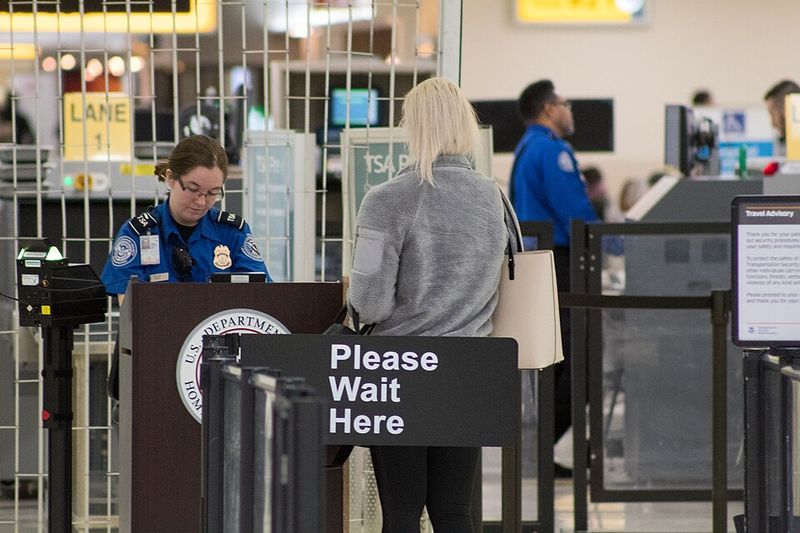
Travelers arriving at airport security without a REAL ID or similar approved identification will be required to pay a $45 fee. This charge is part of the TSA’s Confirm.ID initiative set to launch on February 1, 2026. Designed to verify the identities of those lacking standard identification, the program involves a biometric or biographic process.
This new measure aims to address gaps in security by ensuring all flyers are properly vetted. For many, the fee is a minor inconvenience, but it underscores the importance of updating personal identification well before travel. Proactive measures, like obtaining a REAL ID ahead of time, can prevent unexpected expenses.
Paying the fee allows travelers a 10-day window where their identity is temporarily verified. Although this seems straightforward, the fee doesn’t guarantee passage if identification cannot be confirmed. It remains a non-refundable expense, making compliance with ID requirements critical for regular travelers.
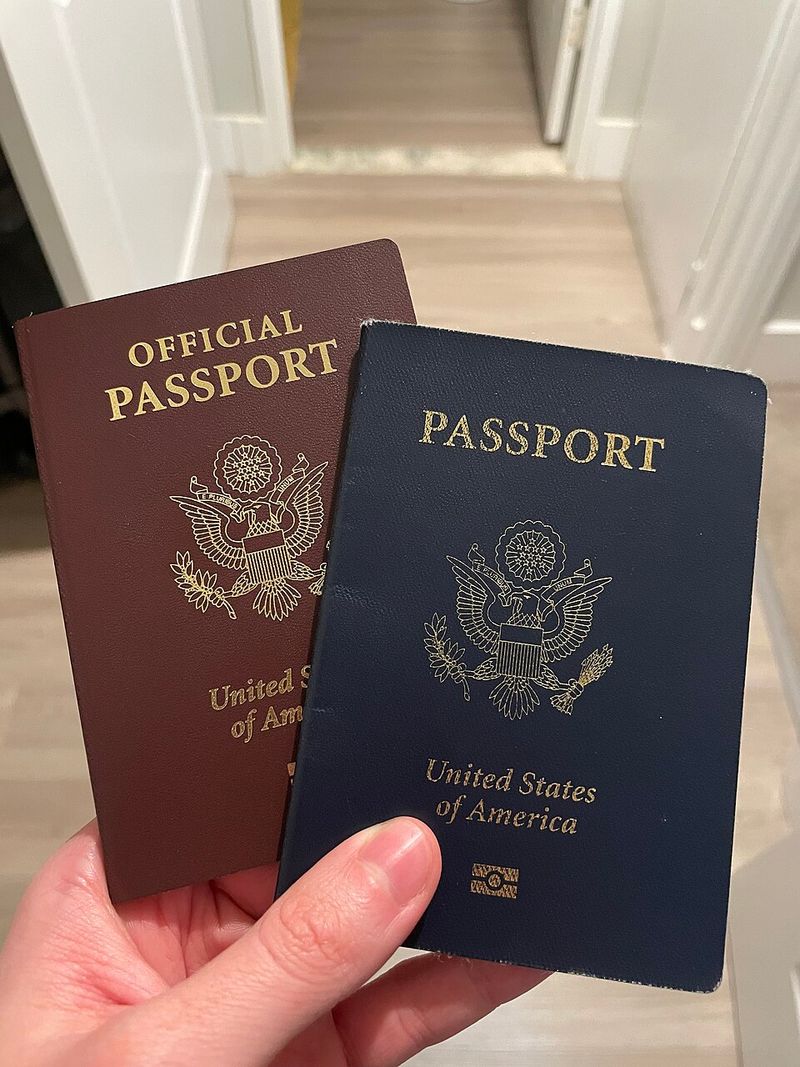
As the 2026 deadline approaches, understanding what constitutes valid identification is crucial. Acceptable IDs include REAL ID-compliant driver’s licenses, U.S. passports, and other federally recognized documents like military IDs or permanent resident cards.
Certain states and airports may accept digital IDs through smartphone wallets like Apple Wallet. However, these are only valid at participating locations. It’s essential to verify acceptance at your departure airport to avoid surprises.
Conversely, standard driver’s licenses without the REAL ID mark will no longer be sufficient for domestic flights. Travelers should ensure their IDs meet the new standards to avoid the hassle of Confirm.ID fees and potential travel delays.
The Confirm.ID process is straightforward but can be time-consuming. Travelers can choose to pay the fee online before arriving at the airport or at the security checkpoint. This flexibility allows for preparation, though paying on-site might result in longer wait times.
The verification process involves a biometric and biographical check, which may require facial recognition or cross-referencing personal details against TSA databases. While this method aims to streamline identity confirmation, it’s not fail-proof.
Upon successful verification, a temporary pass is issued for 10 days, covering multiple flights. Despite this, travelers must recognize that even with a paid fee and temporary pass, there’s no absolute assurance of boarding. TSA maintains the right to deny access if identity issues arise.
With the 2026 changes looming, preparation is key. Travelers should first assess whether their current ID meets the REAL ID standards, identifiable by a star marking. If not, applying for a REAL ID or securing a passport should be prioritized.
For those unable to obtain a REAL ID, understanding the Confirm.ID program’s intricacies is essential. Arriving early at the airport can mitigate potential delays from the verification process, ensuring smoother travel experiences.
Remember, while the $45 fee may seem a viable alternative, it’s not a substitute for proper identification. Treat Confirm.ID as a backup, and strive for compliance with TSA guidelines to avoid travel disruptions.

Frequent travelers face unique challenges with the upcoming changes. For business travelers who rely on efficiency, the potential delays from Confirm.ID verification can disrupt tight schedules. Therefore, having a REAL ID or equivalent is crucial for maintaining seamless travel.
For those traveling often, the fees can accumulate, making it economically sensible to update identification. The Confirm.ID process, while a safety net, introduces unpredictability that can be avoided with proactive planning.
Understanding these changes and adjusting plans accordingly can save time and money. Frequent flyers should prioritize updating their identification to ensure uninterrupted travel and leverage the benefits of a streamlined airport experience.



