 Unearth The Voyage
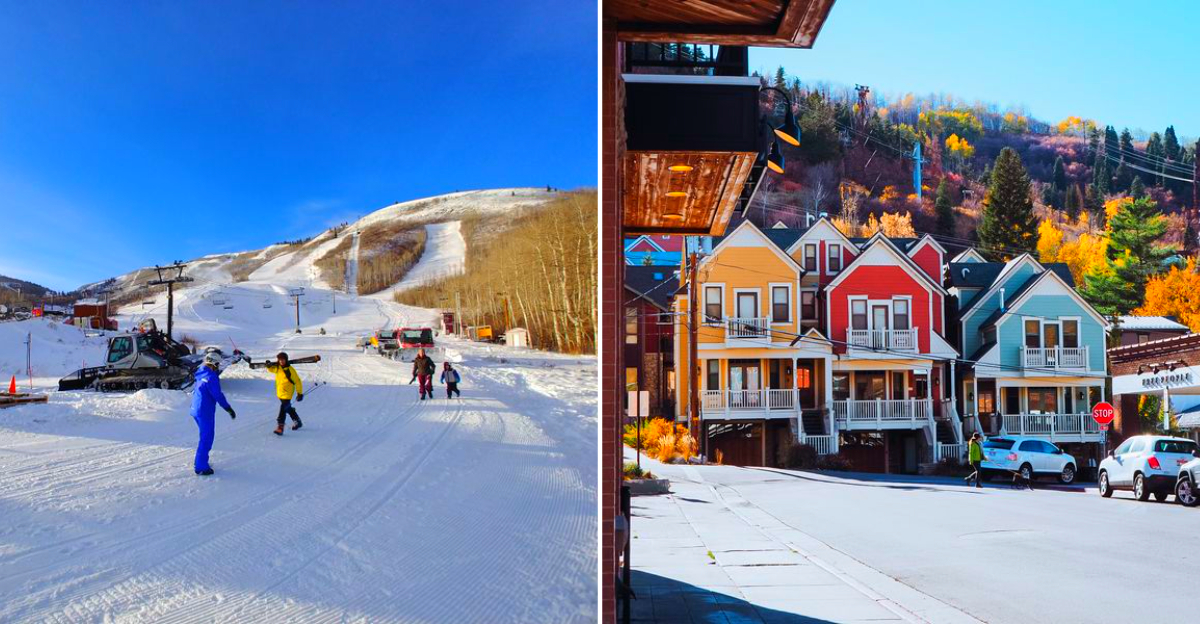
Park City used to be a powder-chaser’s dream and Sundance’s glamorous backdrop. Now it is a full-fledged lifestyle magnet drawing entrepreneurs, families, and remote workers who want mountain living without sacrificing convenience.
You get world-class skiing, yes, but also top-ranked schools, low crime, fresh air, and a serious arts scene. If you have been wondering why so many people are moving here, the reasons are piling up as fast as the snow.
It’s Just 35 Minutes From a Major Airport
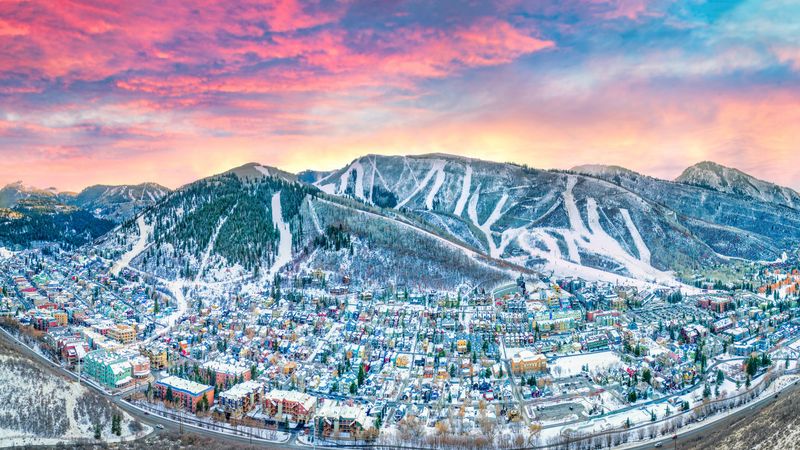
Convenience sets Park City apart. From baggage claim at Salt Lake City International to Main Street, it is usually about 35 minutes in regular traffic.
That means Friday arrivals for a quick ski weekend are realistic, and Monday morning departures for work trips are painless. You are not stuck on a perilous mountain pass or crawling through hours of switchbacks.
For families, airport proximity reduces stress during holidays and school breaks. For executives, it keeps client meetings and conferences feasible without sacrificing a mountain base.
That same accessibility supports a thriving visitor economy. Airlines keep adding routes, and SLC’s multi-billion-dollar modernization improved capacity and on-time performance.
When storms roll in, crews clear I-80 fast, minimizing delays compared to deeper backcountry resorts. If you want the joy of mountain living with the practicality of a major hub, this commute time changes everything.
It also helps property owners maximize both personal use and rental demand.
The Skiing Is World-Class
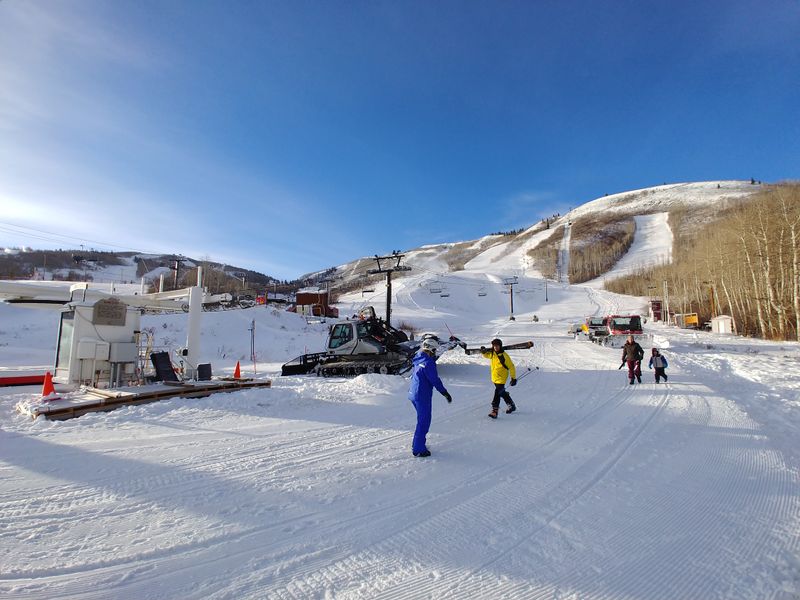
Park City Mountain sprawls across thousands of acres with lift-connected terrain that feels endless. Groomers, bowls, trees, and terrain parks keep all abilities happy, while Deer Valley’s meticulously maintained runs deliver silky corduroy and a refined, ski-only vibe.
If you love variety, this dual personality is the sweet spot. On storm days, seek protected glades off McConkey’s.
On bluebirds, lap long cruisers on Little Baldy Peak or Deer Valley’s Stein’s Way. Lessons and racing leagues keep locals progressing season after season.
Snow is the main draw, but infrastructure seals the deal. High-speed lifts, improved snowmaking, and intuitive trail layouts maximize actual time on snow.
Park City hosted 2002 Olympic events and remains a training base, which shows in the lift ops and grooming consistency. For data-minded skiers, the region often posts 300-plus inches annually, enough to refresh even the busiest weeks.
Add easy town access, and you get resort days without resort hassle.
The Summers Are Just as Good
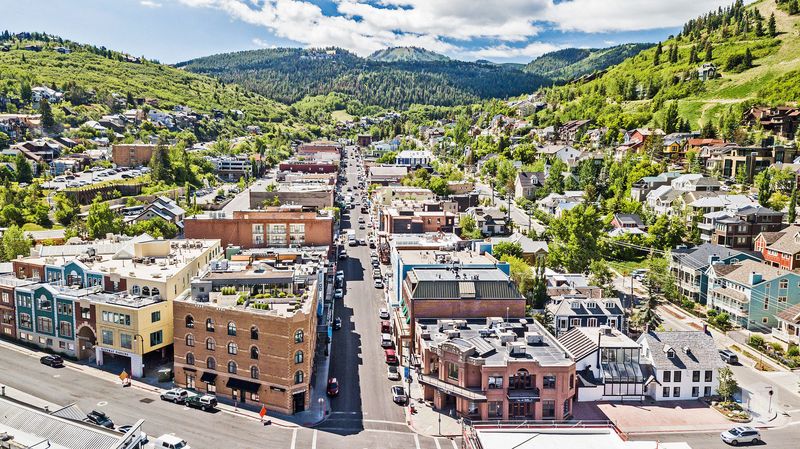
Locals whisper it first, then say it loudly: summer might be better than winter. Trails unfurl for hiking and mountain biking right from town, and the air stays cool while valley heat shimmers below.
Outdoor concerts at Canyons Village, Park City Mountain, and Deer Valley turn weeknights into social rituals. Paddleboard mornings on the Jordanelle, late-day fly-fishing on the Weber, then patio dinners under alpenglow.
Kids’ camps focus on nature, biking, and STEM, so summer learning feels like play.
Events stack the calendar without overwhelming it. Weekly farmers markets bring peaches and artisan bread, while the Kimball Arts Festival fills Main Street with creativity.
Bike park flow trails evolve every season, adding progression-friendly features. For those tracking wellness, sleeping at altitude often improves rest in hotter months.
You come for snow, but you stay for July. The rhythm shifts from lift lines to trailheads, and the town somehow gets more alive.
There’s No Shortage of Outdoor Space
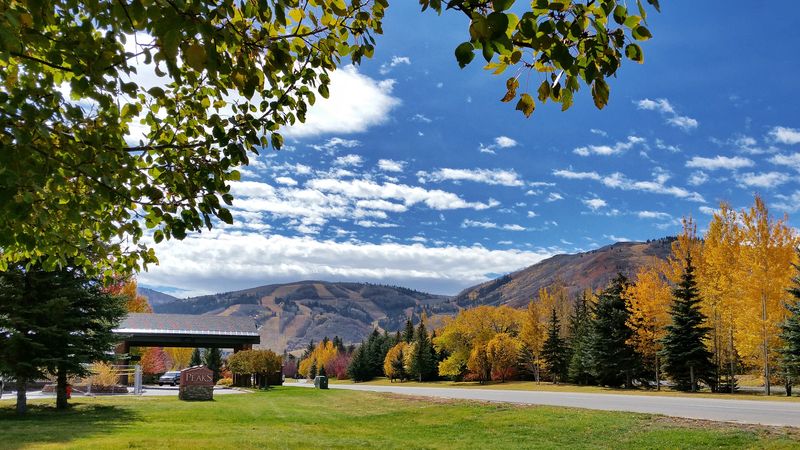
One of Park City’s quiet superpowers is preserved open space. Miles of singletrack lace together neighborhoods, ridgelines, and meadows, so you can leave the car at home.
The Mountain Trails Foundation maintains a gold-level trail system, which is rare and rigorously earned. You will see families hiking before dinner and cyclists commuting to coffee.
Winter turns those same corridors into Nordic tracks and fat bike routes. With conservation easements and thoughtful planning, views stay open and wildlife corridors remain intact.
This matters for daily life. When recreation is literally out the back door, fitness happens without scheduling gymnastics.
Your dog gets longer walks, your kids get dirt under their nails, and stress drops. Real estate near trailheads is prized, but even new neighborhoods prioritize greenways and access points.
If you value living in nature instead of driving to it, Park City’s open-space ethic becomes the lifestyle anchor, not just a backdrop for postcards.
It Feels Small – But Not Remote
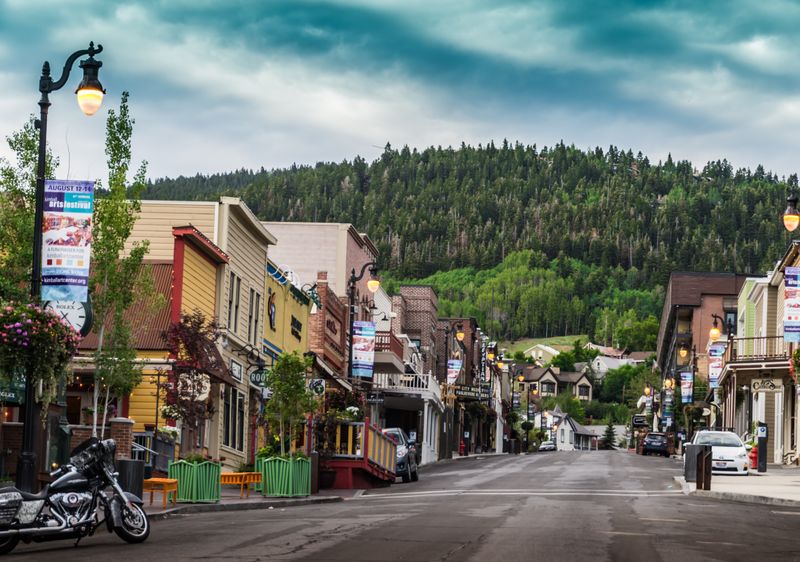
Main Street still looks like a silver-mining set piece, only real and lived-in. Independent boutiques sit next to chef-driven restaurants, and you will run into the same faces at coffee and the post office.
Yet nothing feels cut off. Salt Lake City’s hospitals, universities, and pro sports are under an hour away, making big-city access a routine errand rather than a special trip.
That balance is rare among mountain towns, where remoteness can feel romantic until you need a specialist appointment.
Community scale shapes behavior. Parents let teens bike to the library.
Neighbors text trail conditions after lunch. Seasonal visitors blend with year-round residents, keeping storefronts open beyond peak weeks.
The town invests in transit, sidewalks, and snow removal that keep things moving even in heavy storms. You get the intimacy and rituals of a small town with an escape hatch to metropolitan resources.
For many movers, that combination seals the decision.
Remote Workers Found It Early
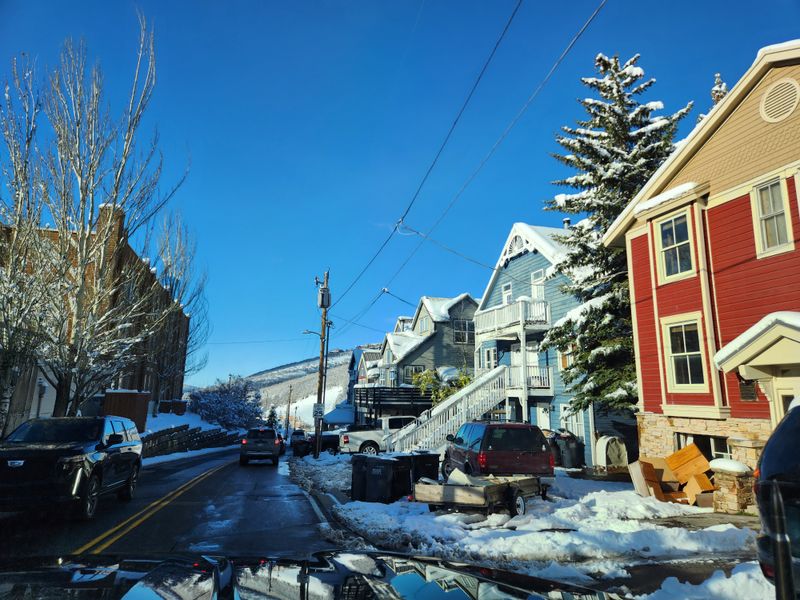
When remote work surged, Park City checked every box. Reliable high-speed internet, abundant daylight, and doorstep recreation turned lunch breaks into quick laps or trail runs.
Neighborhoods like Prospector, Park Meadows, and Silver Creek offer quiet streets with easy access to everything. Co-working spots and coffee shops became satellite HQs, where chance encounters led to startups and collaborations.
The time zone helps too. East Coast meetings end early enough for daylight adventures most of the year.
Data backs the trend. The U.S.
Census reported a sharp rise in remote workers nationwide after 2020, and Utah’s tech sector growth has outpaced national averages in recent years. Park City absorbed a slice of that shift, adding freelancers, founders, and distributed teams who spend more locally.
If your “commute” is a walk to a window with ski views, motivation changes. The lifestyle dividend compounds daily, not just on vacation weeks.
There’s No State Income Tax on Social Security
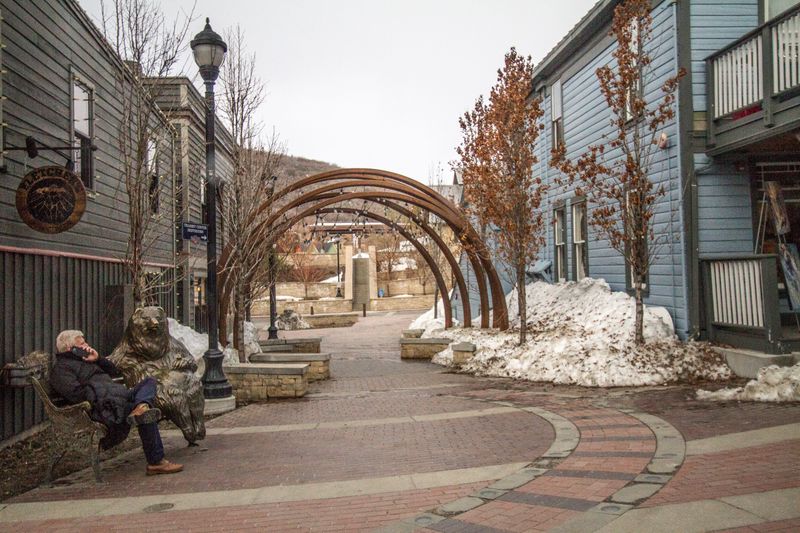
For retirees, Utah’s treatment of Social Security is a meaningful perk, since benefits are not taxed at the state level. Combined with comparatively manageable property taxes and senior programs, the math can look friendlier than coastal alternatives.
But the lifestyle calculus matters just as much. Low humidity, sunny winters, and accessible healthcare in Salt Lake City support active aging.
Walkable neighborhoods and free transit ease driving demands when snow falls.
Financial planners often point to total cost of living, not just one tax line. Groceries, utilities, and insurance vary by household, but many retirees appreciate a balanced picture that blends fiscal prudence with recreation.
Year-round community centers, lap pools, and Nordic tracks reduce gym costs and increase consistency. If legacy planning is on your mind, steady demand for homes can support long-term equity.
You come for the skiing grandkids will love, and stay because the spreadsheets also smile.
The Public Schools Rank Highly
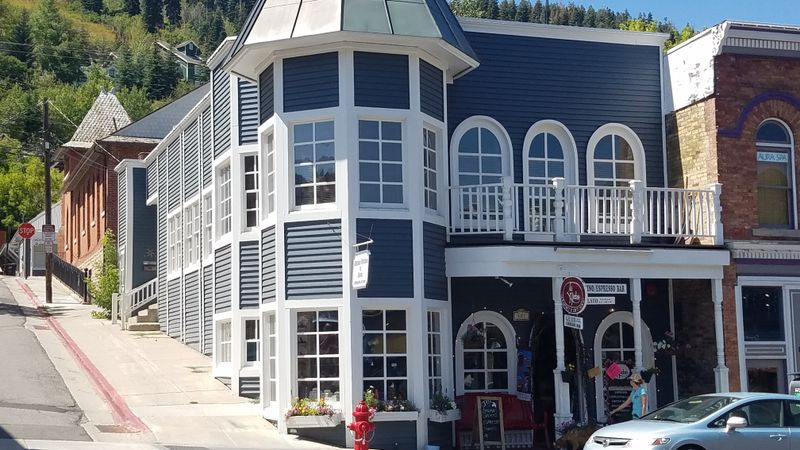
Families move here for mountains and stay for schools. Park City School District consistently posts strong outcomes, with advanced coursework, dual immersion options, and standout arts and STEM programs.
Outdoor education is woven into the calendar, turning snow science and trail stewardship into hands-on learning. Sports run deep beyond alpine racing, from mountain bike teams to swim clubs.
Parents appreciate community foundations that fund extras, keeping innovation alive when budgets tighten.
Day-to-day, the experience feels supportive. Safe routes to school, robust extracurriculars, and teacher stability combine to produce confident kids.
Proximity to Salt Lake City universities and research hospitals opens mentorships and field trips. For data-minded readers, Utah regularly ranks well on statewide measures of educational attainment, and Park City performs near the top within the state.
When home and school connect through nature, kids thrive academically and emotionally. That promise is fueling family moves each season.
Crime Rates Are Low
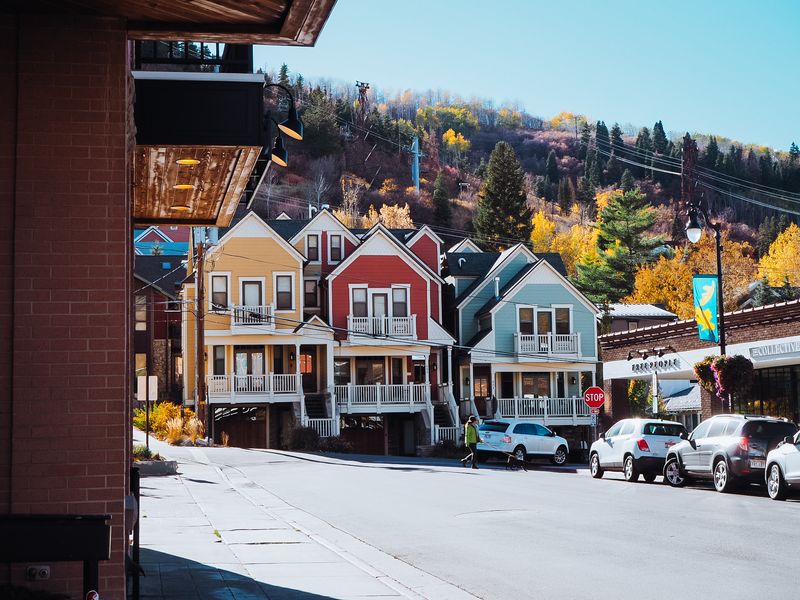
Safety shows up in the small moments. Kids walking home from practice after sunset.
Skis left on racks without anxiety. Park City’s crime rates are consistently lower than big metropolitan areas, which resonates with families and retirees.
Local law enforcement is visible but community-oriented, often partnering with schools and nonprofits. Neighborhood watch groups feel more like text threads than alarms.
It is not utopia, but the baseline trust shapes daily routines and stress levels.
Numbers help. Utah’s violent crime rate sits below the national average, and Park City tends to track even lower within the state.
Good lighting, active streets, and people outside across seasons create natural guardianship. That culture is reinforced by events and programs that bring neighbors together, not just during holidays.
Feeling safe invites spontaneity. You say yes to evening walks, early-morning laps, and impromptu gatherings because the environment supports them.
The Air Feels Different
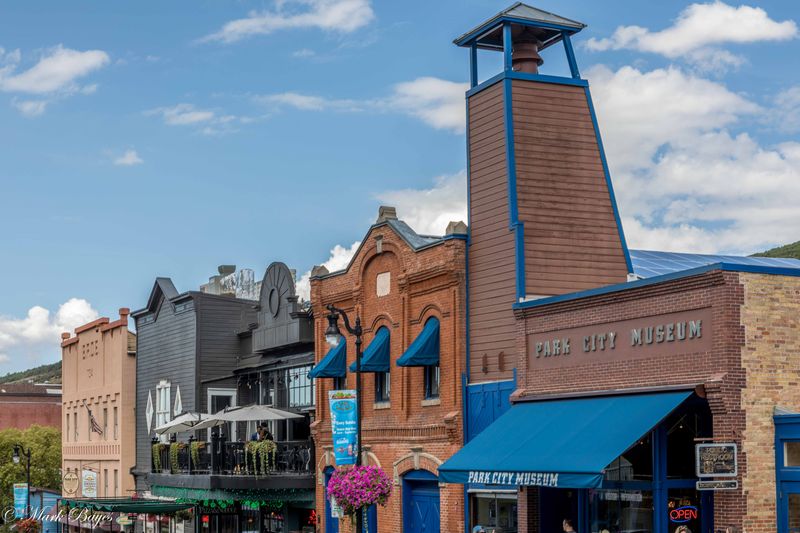
At around 7,000 feet, the air in Park City feels clean and dry, a noticeable shift if you are coming from humid coastlines. Many transplants rave about sleeping better, fewer allergies, and the energizing chill on morning walks.
Hydration matters more, and sunscreen does too, but the payoff is crisp clarity that makes everyday chores feel lighter. In winter, the dryness helps snow stay powdery.
In summer, evenings cool quickly so patios remain comfortable.
Altitude is not only a sensation. Training effect is real for runners and cyclists, who often see improvements when returning to sea level.
Air quality also benefits from mountain breezes, and winter inversions that affect Salt Lake Valley typically weaken by the time air reaches town. Checking local AQI shows plenty of green days.
You will still watch weather and wildfire seasons, but most weeks deliver the breathing room people move for.
There’s a Thriving Arts Scene
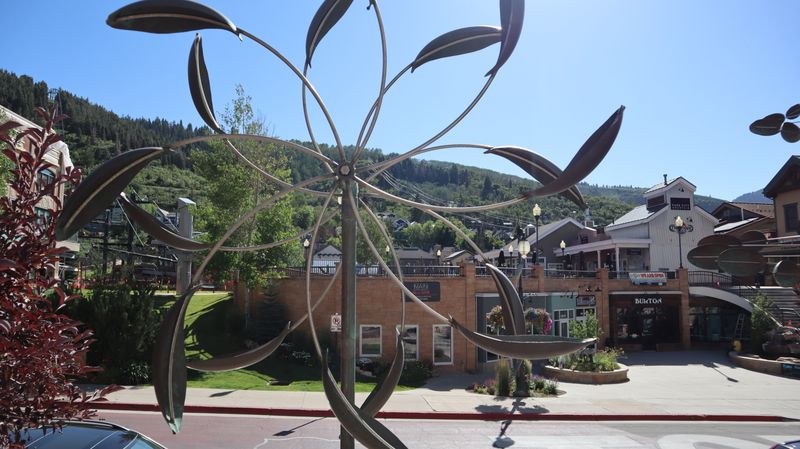
Sundance put Park City on the creative map, but the arts do not disappear when the red carpets roll up. Galleries line Main Street with rotating exhibits, and the Kimball Art Center anchors classes, talks, and community shows.
Summer weekends bring outdoor performances, while intimate venues host touring musicians year-round. You can browse photography inspired by Wasatch light, then catch an indie film with filmmakers in the audience.
Creativity here feels participatory, not just staged for visitors.
What makes it sustainable is local support. Collectors, nonprofits, and city grants help keep programming fresh.
The Park City Institute curates speaker series and concerts that punch above population size. Kids benefit too, with camps and after-school programs that nurture confidence and skills.
If culture is a must for you, this town checks that box without pretense. You end up planning your week around gallery strolls as often as powder alerts.
Access to Olympic Legacy and Training
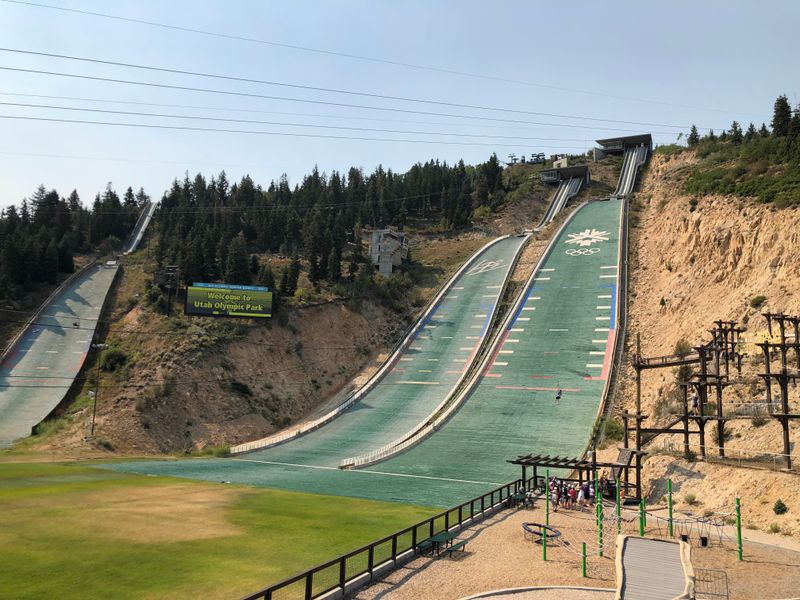
Olympic heritage is not just a plaque here. Utah Olympic Park still hums with athletes training on ski jumps and sliding tracks.
You can tour the museum in the morning, then watch future Olympians fly that afternoon. Public programs let you bobsled with pros or tackle ropes courses in summer.
It is a rare blend of inspiration and access. Kids see excellence up close and imagine their own paths, whether in sport, media, or engineering.
Legacy matters economically too. Facilities draw events, teams, and fans who spend locally in shoulder seasons.
That stabilizes small businesses and creates jobs beyond powder months. The professionalism that surrounds these venues raises standards townwide, from maintenance to coaching.
When performance culture is normal, it rubs off on everyone. You end up setting higher personal goals, athletic or otherwise, because the environment makes excellence feel practical, not distant.
Getting Around Is Surprisingly Easy
Mountain towns and traffic often go together, but Park City invests aggressively in mobility. The free bus network is extensive, reliable, and increasingly electric, linking neighborhoods, resorts, schools, and shopping.
Park-and-ride lots reduce congestion on powder days. In-town bike paths and e-bike share add flexible options when roads are slick.
For parents, reliable transit turns kid logistics into a lighter lift. For visitors, car-free weekends suddenly feel simple and stress-free.
Seasonal tweaks help, like expanded frequency during festivals and peak snow weeks. Snow removal is proactive, and sidewalks are cleared early to keep townsfolk on foot.
Wayfinding signage makes navigation easy for newcomers within days. If sustainability matters to you, lower vehicle miles fit right in.
Fewer cold starts mean cleaner air and happier neighbors. The net effect is unusual for a resort town: movement that supports community instead of unraveling it.



