 Unearth The Voyage
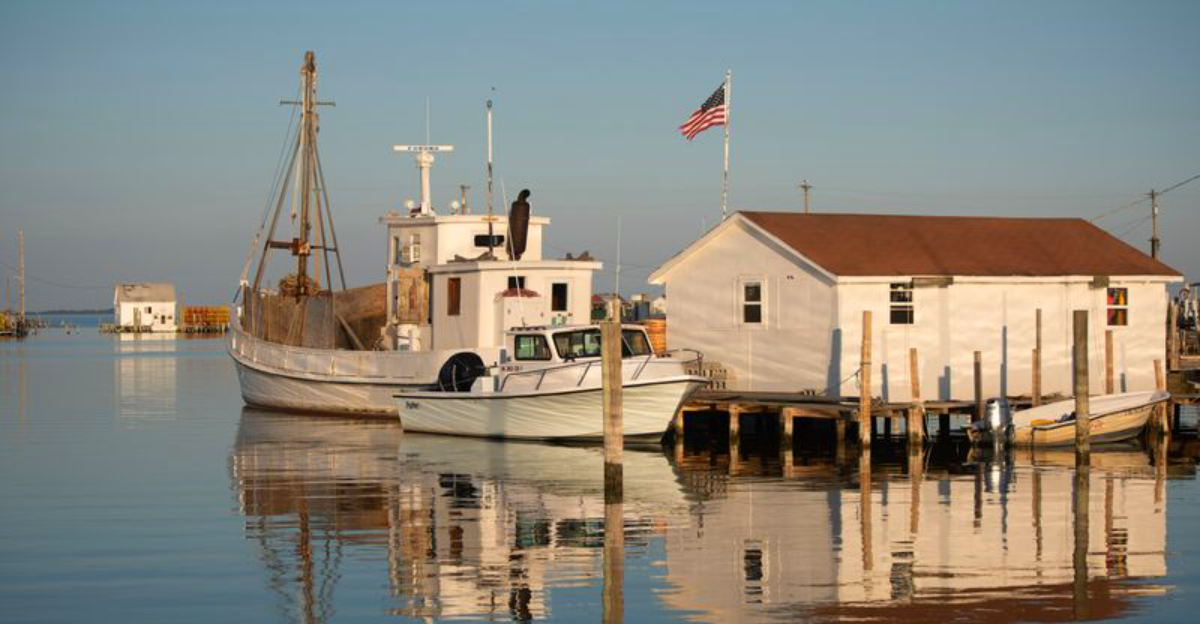
Step off the boat and it feels like time slowed to a tide’s crawl. Tangier Island greets you with warm smiles, fresh seafood, and a dialect that echoes colonial Virginia. Narrow lanes, golf carts, and marsh views create a world apart that invites you to linger. If you crave quiet, stories, and the Chesapeake’s salty air, this is your place.
1. Getting There By Ferry Or Plane
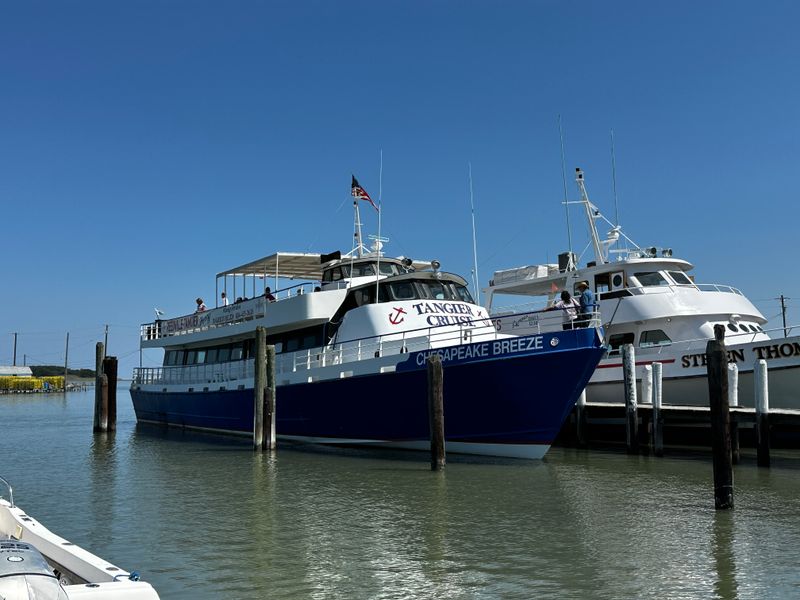
You reach Tangier by ferry from Crisfield or Reedville, gliding across the Chesapeake as gulls trace the horizon. The ride is short enough to feel spontaneous yet long enough to reset your mood. When the boat nudges the dock, you immediately sense the island’s cadence, slower and kinder.
Prefer speed? Small planes touch down at Tangier’s tiny airstrip, a practical option when schedules run tight. Either way, give yourself time on arrival, because the island rewards unhurried wandering. Bring cash, pack light, and expect spotty cell service.
Locals often greet visitors right at the pier with golf cart tours. Accept the invitation if curiosity wins. You will cover more ground quickly, then return to favorite corners later on foot or bike.
2. First Impressions At The Dock
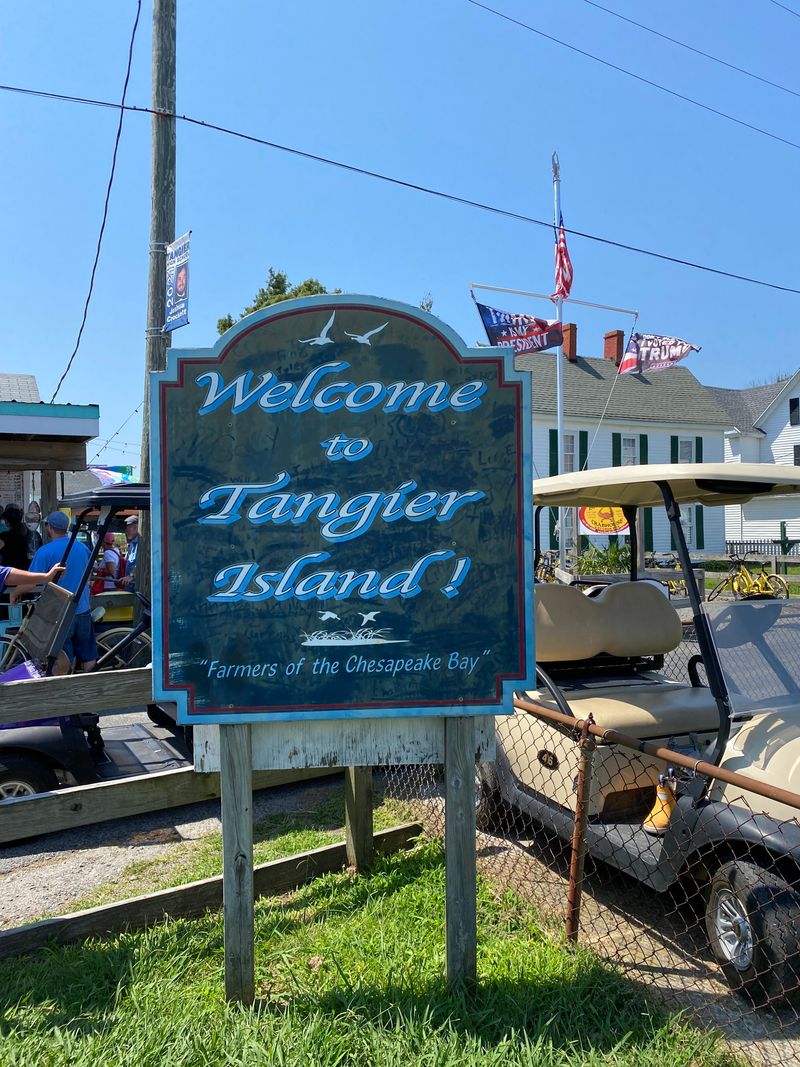
As you step off the boat, a few friendly faces wave you over like old neighbors. Golf carts line the pier, ready for quick tours that share local history and orientation. The breeze smells like salt, diesel, and fried crab cakes, an oddly comforting welcome.
Take a moment to look back at the Bay. You are on an island that survives by water, faith, and stubborn heart. Maps make it look small, but stories make it feel immense.
Grab a brochure if available and listen for that musical dialect. It sounds like the Chesapeake held onto an earlier century. Your senses will tune to it by lunch, and you might find yourself trying a phrase or two without noticing.
3. Exploring By Golf Cart And Bike
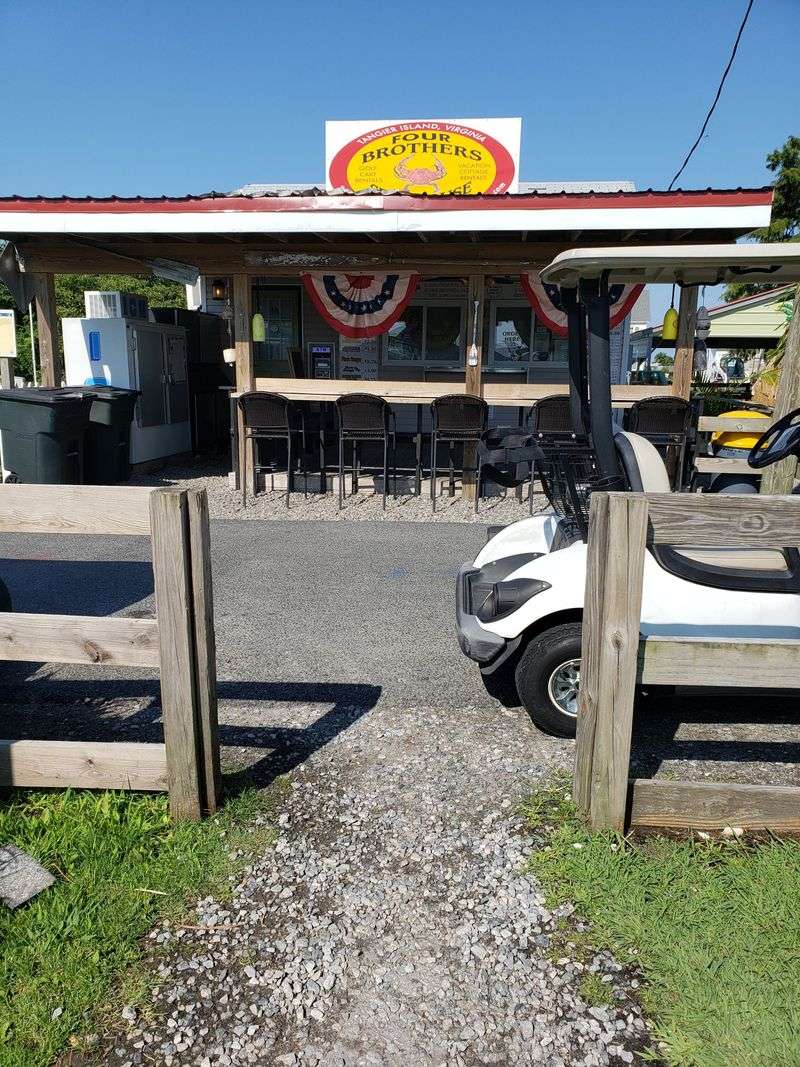
Narrow streets and minimal traffic make carts and bikes ideal here. You can circle the main lanes in under an hour, but take detours into quiet neighborhoods. Mailboxes tell family histories, and porches offer waveable distance greetings.
Rentals are straightforward and affordable, often arranged right by the dock. If you prefer wandering, bikes give freedom to stop whenever a view begs. Respect driveways and yard edges, because privacy is cherished.
Bring water, sunscreen, and a hat in summer. Shade is sparse and the air holds warmth from the marsh. If it rains, showers usually pass quickly, and wet roads dry fast.
4. Decoding The Tangier Dialect
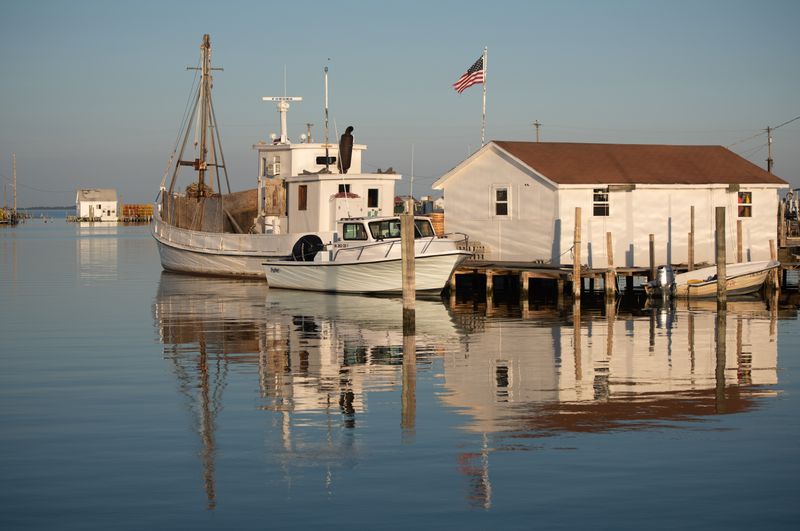
You will hear something familiar yet different the moment a local says hello. Tangier speech carries traces of older Chesapeake English, shaped by fishing life and isolation. Vowels roll, rhythms clip, and idioms paint weather like a neighbor.
Lean in and listen. People are happy to repeat politely, and smiles do most of the translating. Try not to mimic, but do ask about favorite sayings.
Language here is identity, a living archive. You might notice British-like tones, but it is uniquely Tangier. By afternoon, the music of it becomes part of the scenery, like the tide slapping pilings.
5. Seafood Straight From The Bay
Menus read like a tide chart: crab, oysters, rockfish, and sometimes soft shells so fresh they almost wink. Expect simple preparations that let sweetness shine. A squeeze of lemon, a crisp fry, and you will understand why folks plan trips around lunch.
Ask what came in that morning. Many restaurants are family run, and recipes trace back generations. Portions feel generous, prices fair, and hospitality unforced.
If you are day tripping, eat early to avoid the return rush. For overnight stays, plan dinner ahead because hours can be limited. Save room for pie or ice cream near the dock, because you will want something cool on the walk back.
6. The Beach Few People Reach
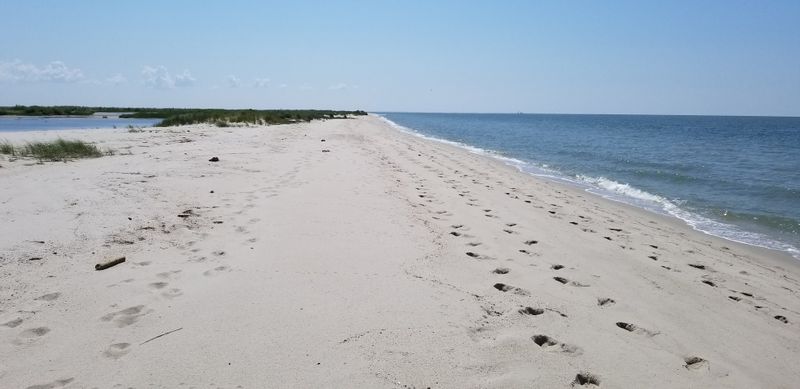
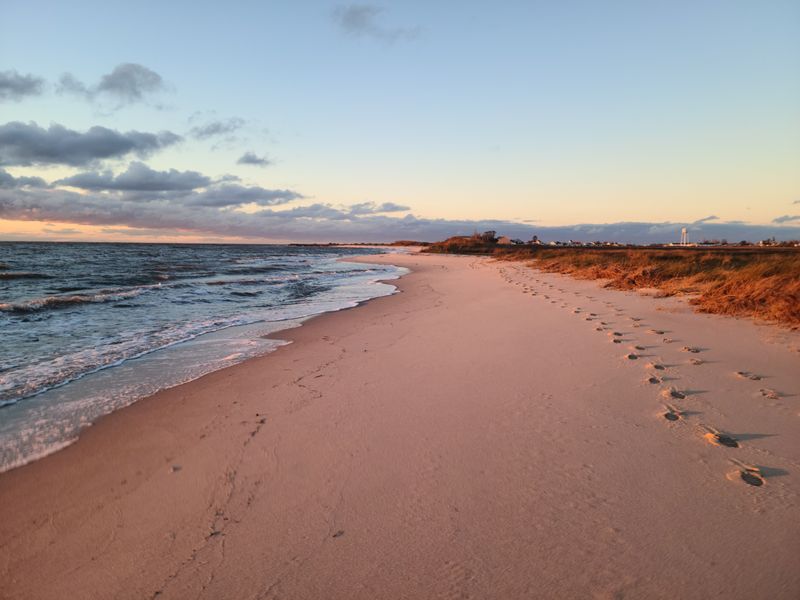
Walk or cart your way to the beach and you might find an entire shoreline to yourself. The sand is soft, the waves small, and the soundtrack is gulls and your thoughts. Bring water, sunscreen, and a light blanket for lingering.
This is where unplugging becomes effortless. No crowds, no vendors, just sky and tide lines. It feels restorative, even meditative, after a busy week.
Look for shells and sea glass along the wrack line. Leave only footprints, because erosion and rising waters are real concerns. If you come at sunset, the show lasts long and ends with an easy walk home.
7. History In Churchyards And Lanes
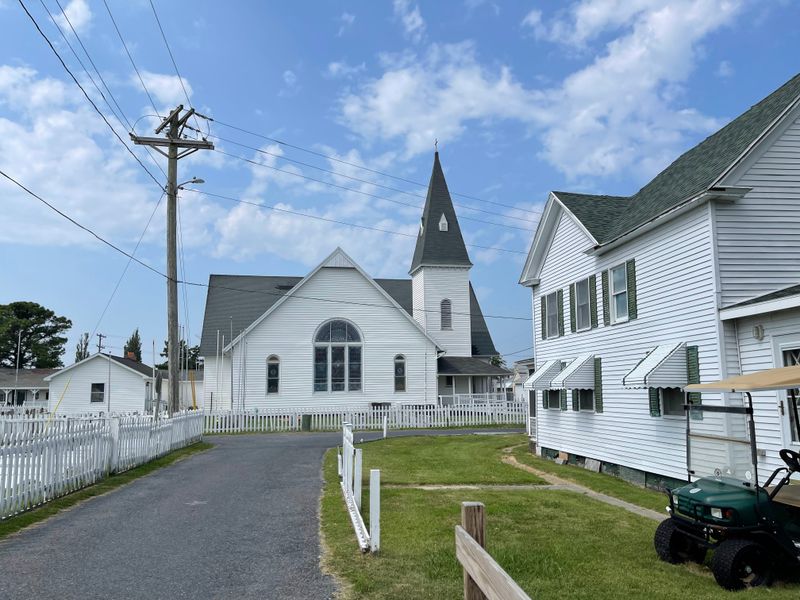
History is not behind glass here. It is etched into headstones, nicknames, and lanes named for families still cooking dinner nearby. Churches anchor community life, and their yards offer clues to centuries of watermen and storms.
Walk respectfully and read carefully. You will feel the island’s timeline in dates and surnames. Every name links to boats, seasons, and prayers for safe returns.
Ask a local about the earliest settlers, and the stories unfold patiently. You will hear of shipbuilding, oystering, and hard winters. The past feels present not as nostalgia, but as the foundation under every porch step.
8. Photography Tips On The Marsh
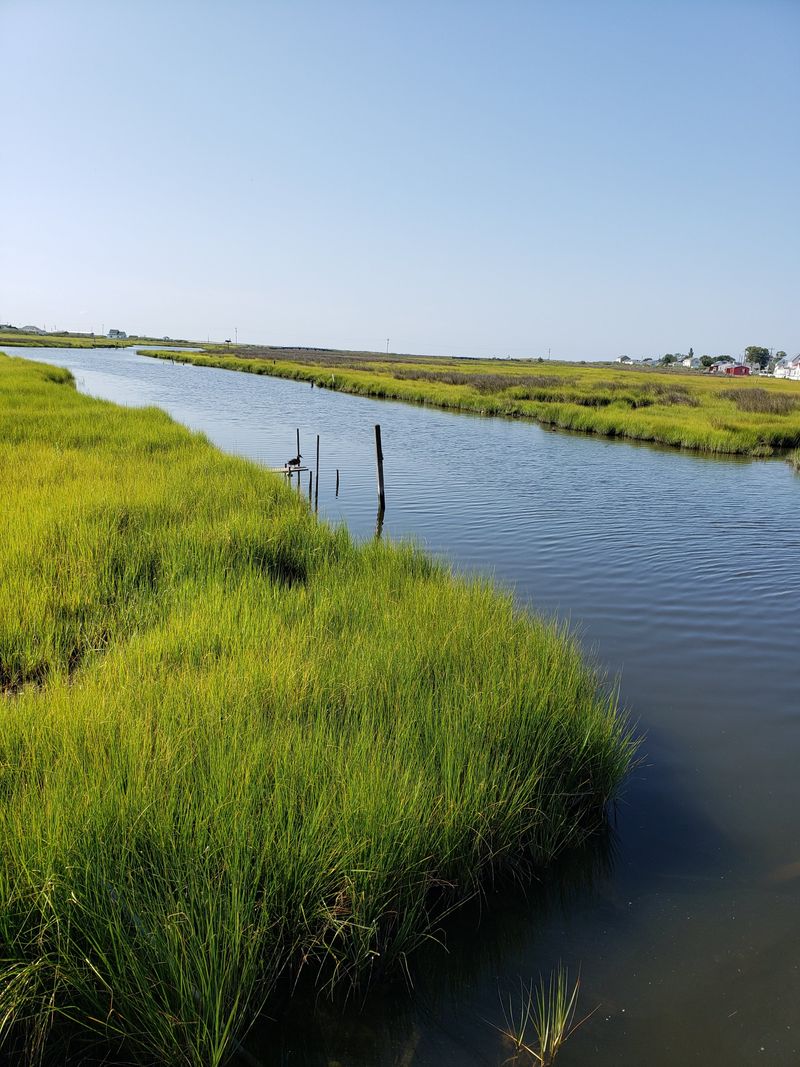
The marsh is a patient subject. Go at golden hour when the channels mirror the sky and skiffs rest like commas. A polarizing filter reduces glare, and a lightweight tripod helps when breezes nudge.
Frame houses against open water and follow boardwalk lines. You will get textures for days in weathered wood, rope, and crab pots. Ask permission before photographing people directly.
Keep a microfiber cloth handy because the air can bead your lens. Bring a dry bag if you get close to the water. Your favorite shots may come while simply waiting for a gull to lift off.
9. Weather, Tides, And Timing
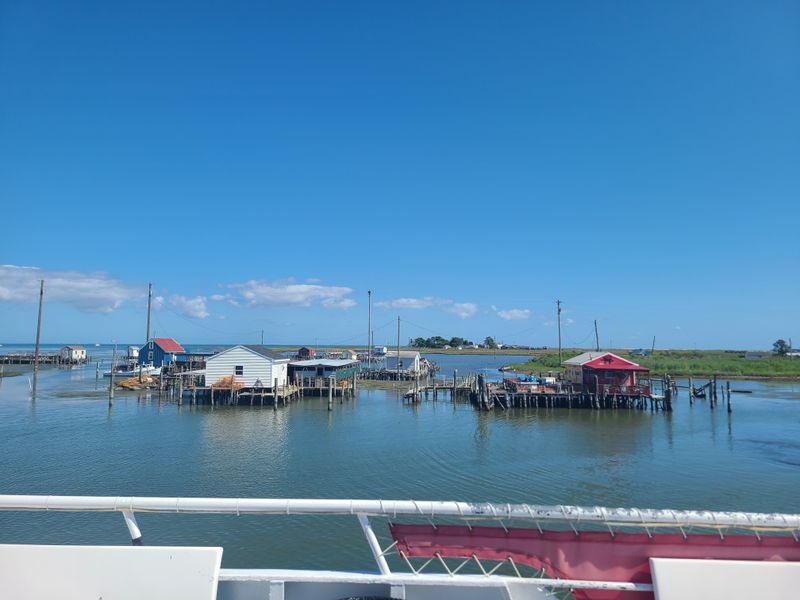
Weather rules island life, so check forecasts and ferry updates before you go. Summer feels warm and humid, with breezes that show up when needed. Spring and fall bring gentler days and quieter docks.
Tides shape everything from fishing to beach walks. If water creeps onto low roads, locals take it in stride. You will too after a day of watching currents do their work.
Pack layers because evenings can cool quickly. A light rain jacket saves the day when squalls sprint across the Bay. If schedules flex, pick the calmest day for crossing.
10. Respecting A Working Island
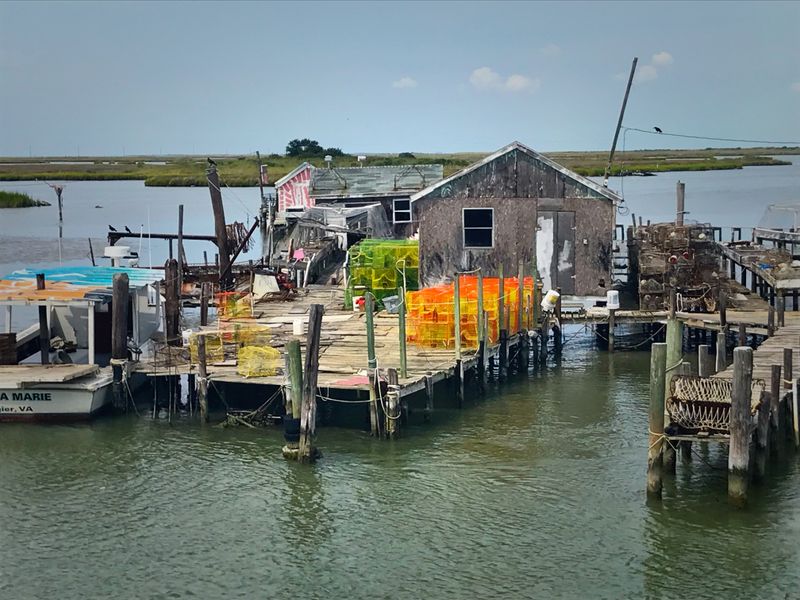
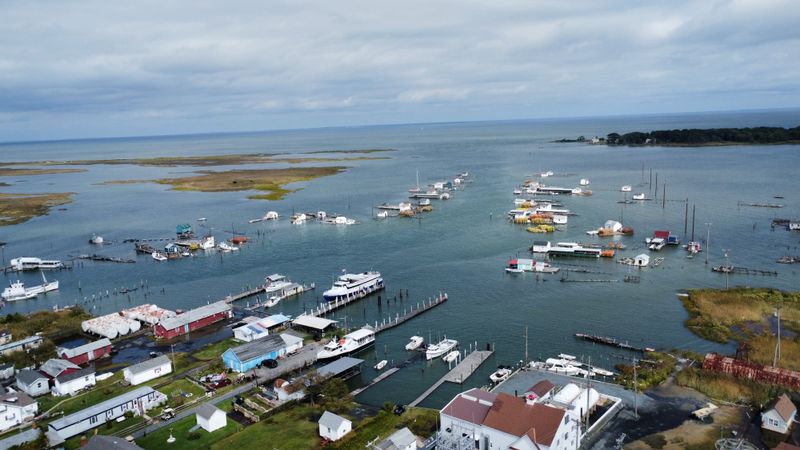
Tangier is not just a destination, it is a livelihood. You will see crab shanties, busy docks, and boats heading out before sunrise. Give wide berth, avoid blocking ramps, and keep photos discreet around active work.
Greet people and ask before stepping onto any pier. This simple courtesy opens doors to stories and smiles. Locals can point you toward public access spots you might miss.
Support the economy by eating local and staying overnight. Small purchases matter here more than you think. Leave the island a touch better by packing out trash and sharing only accurate information.
11. Where To Stay Overnight
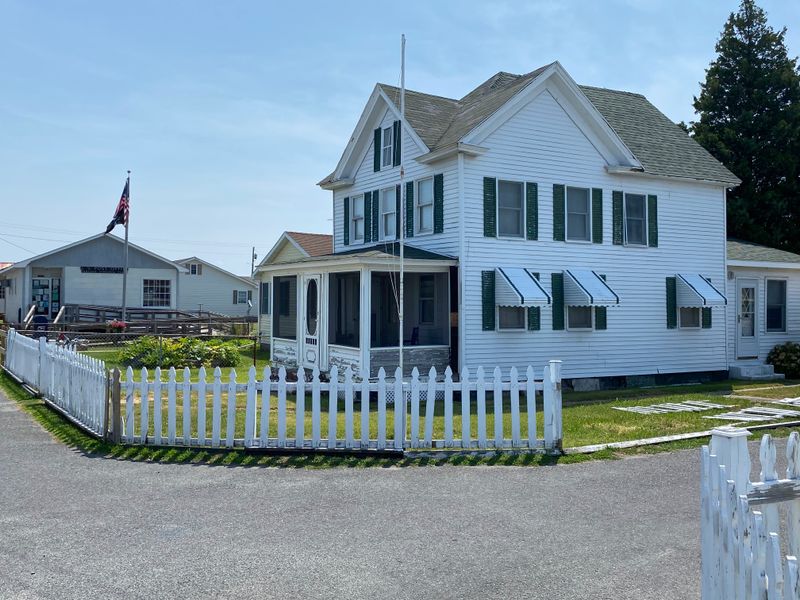
Choices are limited but charming, from a small motel to family-run B&Bs. Rooms feel homey, with quilts, local photos, and morning coffee that tastes like vacation. Reserve early in peak months, because beds book fast.
Ask hosts about sunrise spots and restaurant hours. You will get better intel than any brochure. A long weekend gives enough time to breathe and reconnect.
Remember the island is dry, so plan accordingly if you want a quiet nightcap. Respect quiet hours because sound carries over water. You will wake to gulls, not alarms, and that alone is worth the trip.
12. Eating With The Day-Tripper Clock
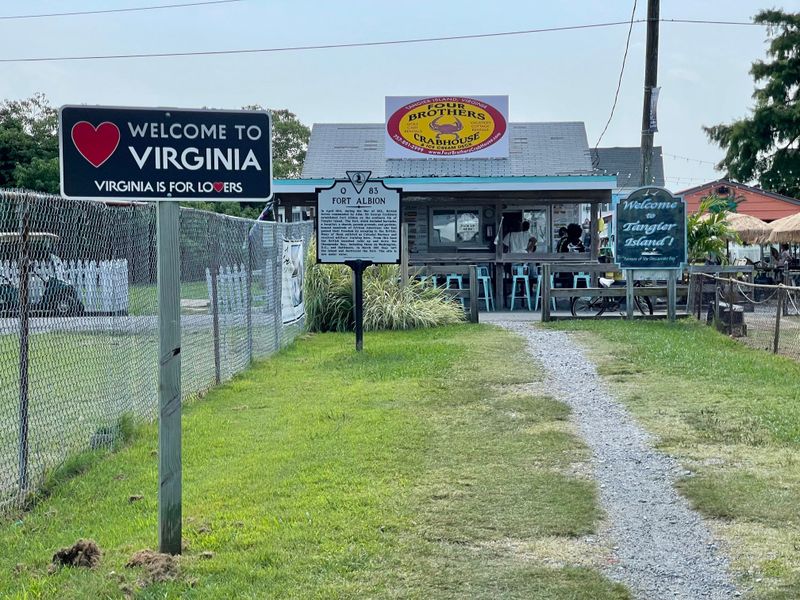
Day boats usually give you only a few hours, so treat time like a precious spice. Eat first or place an order before sightseeing. Popular spots get lines when ferries unload hungry travelers.
Split plates to sample more, then circle back for dessert if minutes allow. A simple plan means no frantic clock-watching near departure. Staff will often share estimated wait times honestly.
Keep your ticket handy and set alarms. The ferry will not wait, and missing it complicates logistics. If you fall in love with the place, solve that problem by staying the night.
13. Local Stories And Guided Tours
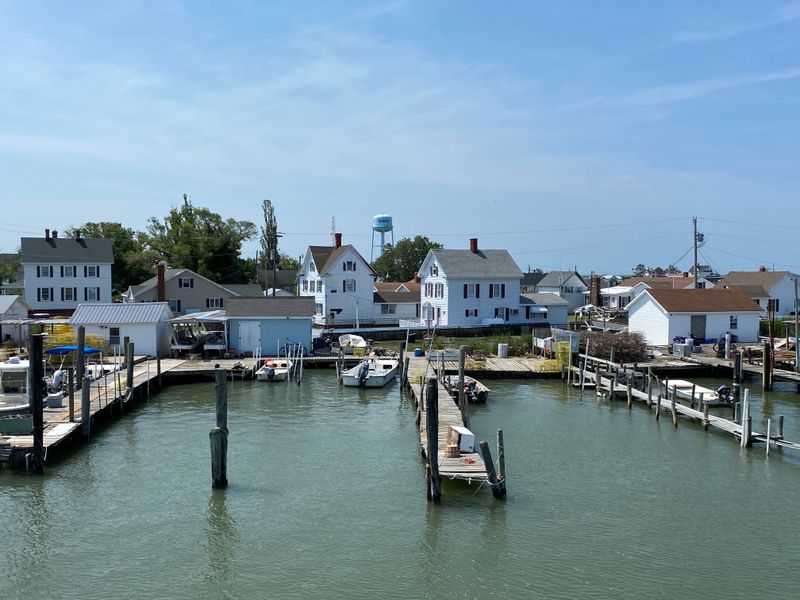
Guided golf cart tours are short, affordable, and full of personality. You will hear about storms, saints, and skiffs from someone who lived it. Tours create context for every lane you later walk quietly.
Ask about family names, seasonal work, and church suppers. You will get answers that connect history to faces. Tipping is appreciated when service feels generous.
Not every guide is available every day, so be flexible. If a tour falls through, explore independently and greet folks along the way. Conversations happen naturally on porches and by the dock.
14. What To Pack For Comfort
Pack light but smart. Bring sunscreen, a brimmed hat, and a refillable bottle because shade is scarce. A small first aid kit and motion tablets help on choppy days.
Cash is handy when a card machine naps. A portable charger saves you when photos drain your phone. Comfortable shoes matter on sandy lanes and boardwalks.
Toss in a light jacket for breezy ferries and evening strolls. If you plan a beach stretch, add a quick-dry towel. Keep space for souvenirs, even if it is just a postcard that smells like salt.
15. Leaving With Gratitude
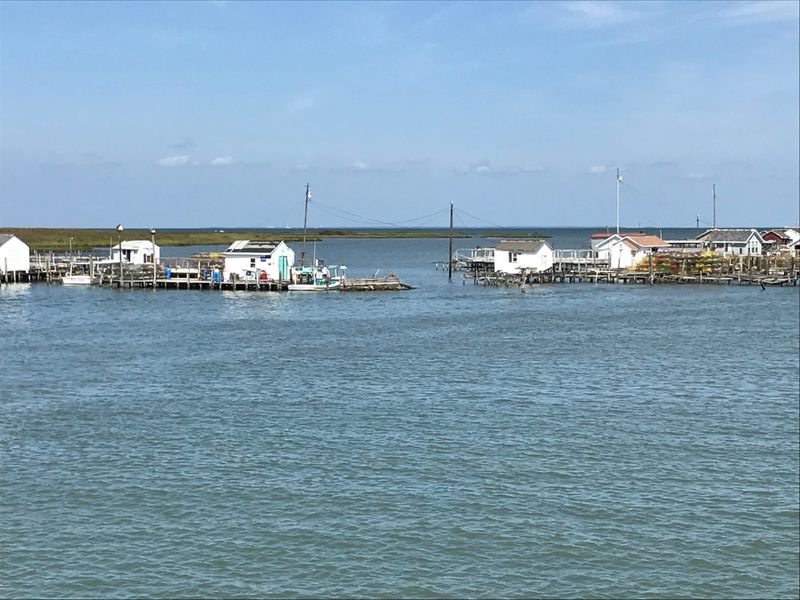
As the ferry eases back into the Bay, you will feel a tug to stay. Tangier works on you quietly, not with spectacle but with sincerity. The accent lingers in your ears like a melody you cannot shake.
Look back at the shanties, the church steeple, the stitched grid of lanes. You did not just visit an island, you met a community. Carry that care into how you talk about it later.
Tell friends the truth. It is small, slow, welcoming, and worth every mile. Come with respect, leave with gratitude, and plan the return before you unpack.



