 Unearth The Voyage
There is a neighborhood in Tulsa, Oklahoma, where the streets carry the weight of extraordinary history and the pride of a community that refused to be erased. Once called America’s Black Wall Street, this district became one of the most prosperous African American communities in the entire country during the early 20th century.
The story behind its rise, its darkest chapter, and its remarkable revival is one that every American should know. By the time you finish reading, you will want to book a trip, walk those streets yourself, and feel the legacy that still pulses through every block.
The Heart of Black Wall Street: Location and Legacy
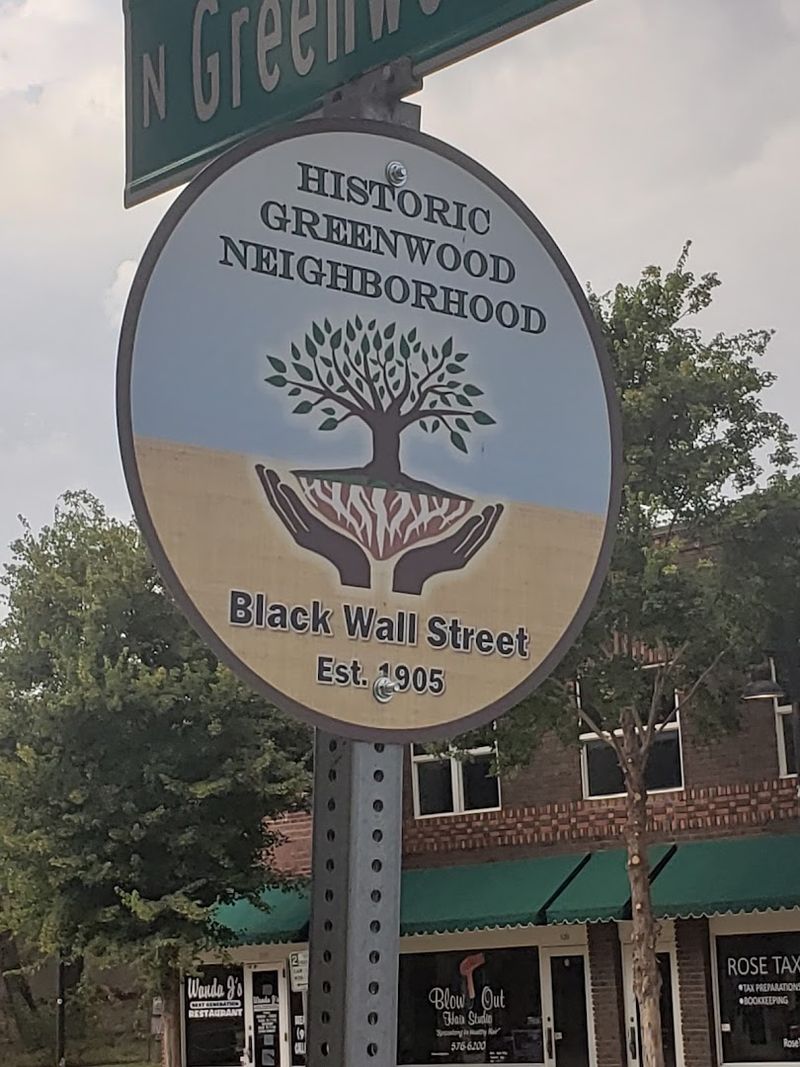
Right in the heart of Tulsa, Oklahoma, at the address commonly known as the Greenwood District, Tulsa, OK 74120, sits one of the most historically significant neighborhoods in American history.
The Greenwood District earned the nickname Black Wall Street because of the remarkable concentration of African American-owned businesses that thrived here in the early 1900s.
Entrepreneurs, doctors, lawyers, and educators built a self-sustaining community that was the envy of cities across the country. Hotels, movie theaters, grocery stores, and law offices lined Greenwood Avenue, creating a buzzing economic hub unlike anything else in Oklahoma at the time.
The district was not just a place to do business. It was a community where families built generational wealth and cultural pride ran deep through every storefront and church pew.
Today, visitors can walk those same streets and feel the echoes of that remarkable era. The Greenwood District stands as proof that when a community pools its talent and resources, the results can be truly extraordinary, and that legacy still draws thousands of visitors every single year.
The 1921 Tulsa Race Massacre: Understanding What Was Lost
Few events in American history were buried as deeply or as deliberately as what happened in the Greenwood District over two days in late May and early June of 1921.
A prosperous community of more than 10,000 African Americans watched as their neighborhood was attacked and burned to the ground, leaving over 35 blocks destroyed and thousands of residents homeless.
The event became known as the 1921 Tulsa Race Massacre, and for decades it was scrubbed from Oklahoma textbooks and public memory. Survivors rarely spoke about it, and official records were hidden or destroyed.
It was not until the late 20th century that serious efforts began to acknowledge and document the full scope of what occurred. Oklahoma commissioned a state report in 2001 that confirmed the scale of the destruction and the community’s loss.
Visiting the Greenwood District today means confronting this history honestly and respectfully. Understanding what was lost makes the story of the community’s rebuilding all the more powerful, and reminds every visitor that historical truth, no matter how uncomfortable, deserves to be told.
Greenwood Cultural Center: Where History Comes Alive
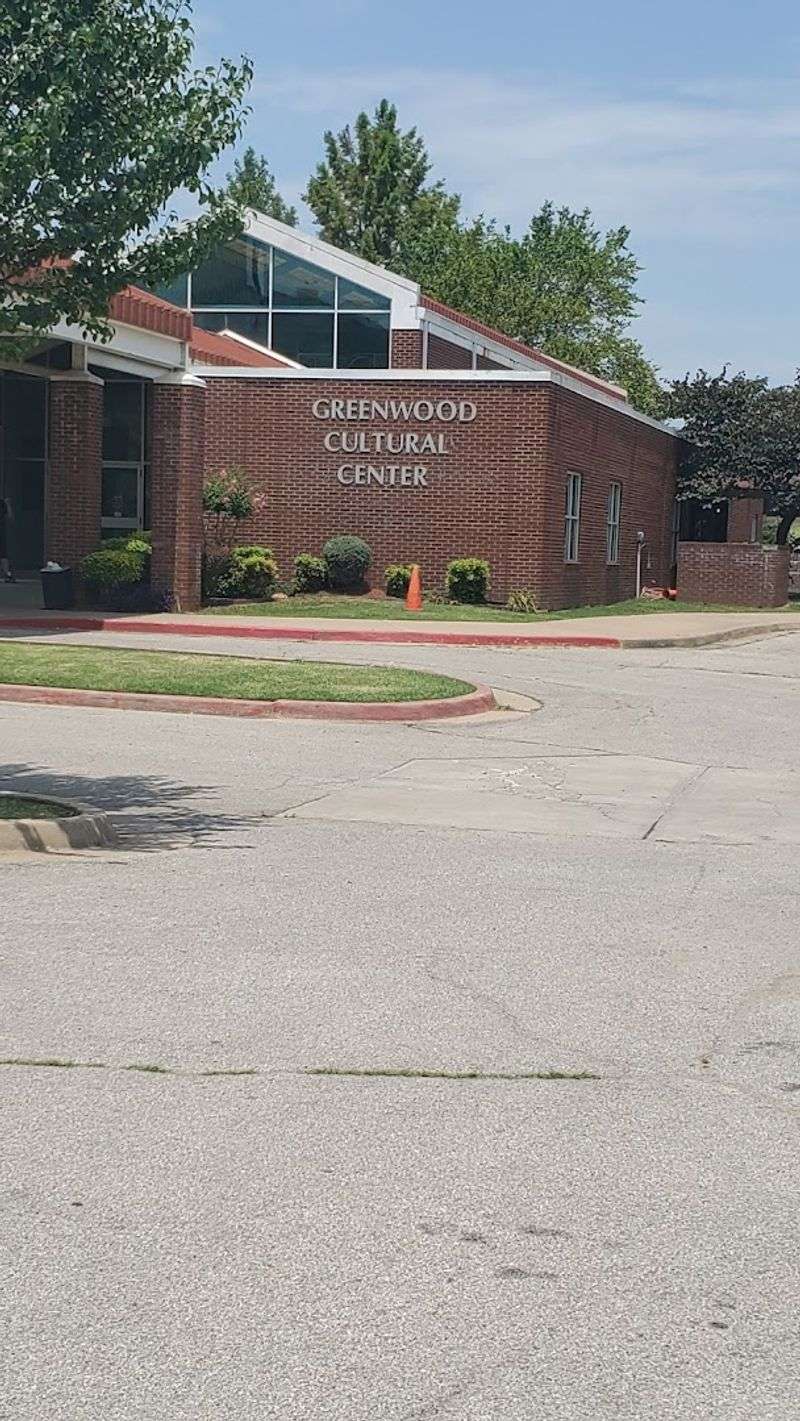
The Greenwood Cultural Center serves as the cultural anchor of the district, offering exhibits, programs, and events that keep the community’s history accessible to everyone who walks through its doors.
The center houses permanent exhibits that trace the rise of Black Wall Street, the devastation of 1921, and the community’s ongoing revival. Photographs, artifacts, and personal accounts from survivors and descendants fill the gallery spaces with a kind of weight that no textbook can replicate.
The center also hosts educational programs for school groups, community events, and performances that celebrate African American art and culture throughout the year. It is not a dusty archive but a living, breathing space where history is actively honored.
The staff here are knowledgeable and genuinely passionate about sharing the Greenwood story. Whether you are a first-time visitor or a returning history enthusiast, there is always something new to discover inside these walls.
Plan to spend at least an hour or two here before exploring the rest of the district. The cultural center gives every visitor the context they need to truly appreciate what makes this corner of Tulsa so deeply important to Oklahoma and to the nation.
The Historic Greenwood Avenue Corridor
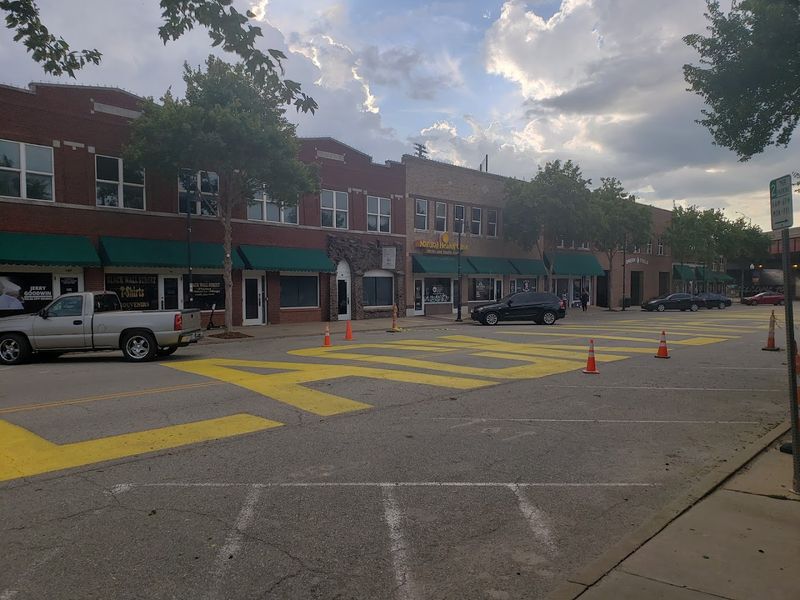
Greenwood Avenue itself is the spine of the entire district, and a walk along this corridor is one of the most meaningful strolls you can take anywhere in Oklahoma.
The avenue stretches through the heart of the neighborhood, lined with murals, historical markers, and businesses that honor the original Black Wall Street spirit. Each mural tells a piece of the larger story, with vivid artwork depicting community leaders, entrepreneurs, and everyday residents who made the district what it once was.
Street-level plaques mark the original locations of businesses that stood before 1921, giving visitors a tangible sense of what was here and what was lost. It turns an ordinary walk into something closer to a guided journey through time.
New businesses have taken root alongside these historical markers, blending past and present in a way that feels intentional rather than accidental. Coffee shops, bookstores, and art galleries now sit where hardware stores and hotels once stood.
The energy on Greenwood Avenue is a mix of reverence and renewal, and that combination is surprisingly moving. You leave the street feeling like you understand something essential about resilience that no classroom lecture could ever fully capture.
1921 Tulsa Race Massacre Centennial Memorial Park
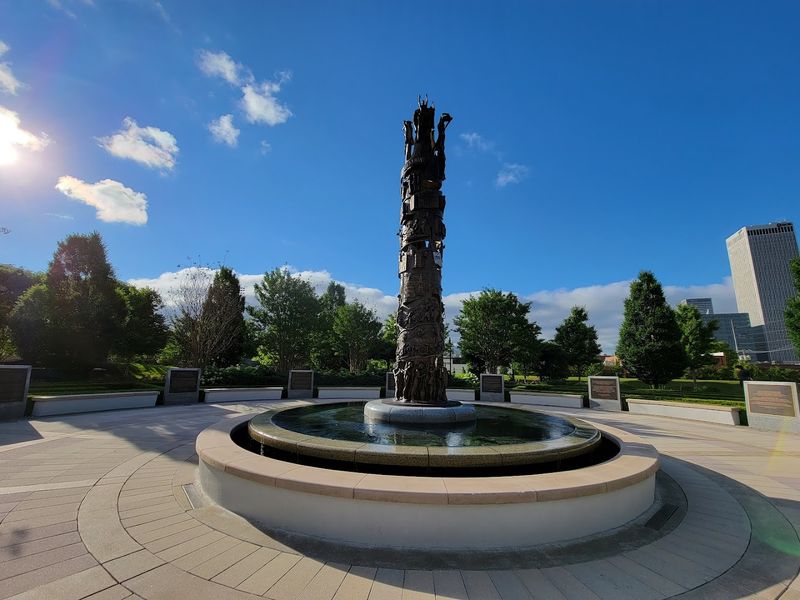
Opened in 2021 to mark the 100th anniversary of the massacre, the Centennial Memorial Park stands as one of the most sobering and beautifully designed public spaces in all of Oklahoma.
The park features sculptures, inscribed names, and landscape elements that guide visitors through a reflective experience. It is not a place designed to overwhelm with grief but to invite quiet acknowledgment and deep respect.
One of the most striking elements is the inclusion of names of known victims and survivors, etched into the memorial’s surfaces so that individual lives are not reduced to statistics. That personal touch transforms the entire space.
The park sits close to the main Greenwood District corridor, making it an easy addition to any walking tour of the area. Most visitors find themselves lingering longer than expected, drawn into the thoughtful design and the weight of the history it honors.
Bring comfortable shoes and a willingness to be still for a while. The Centennial Memorial Park rewards those who slow down and take it in fully, and it will very likely be the most memorable part of your entire visit to Tulsa.
John Hope Franklin Reconciliation Park
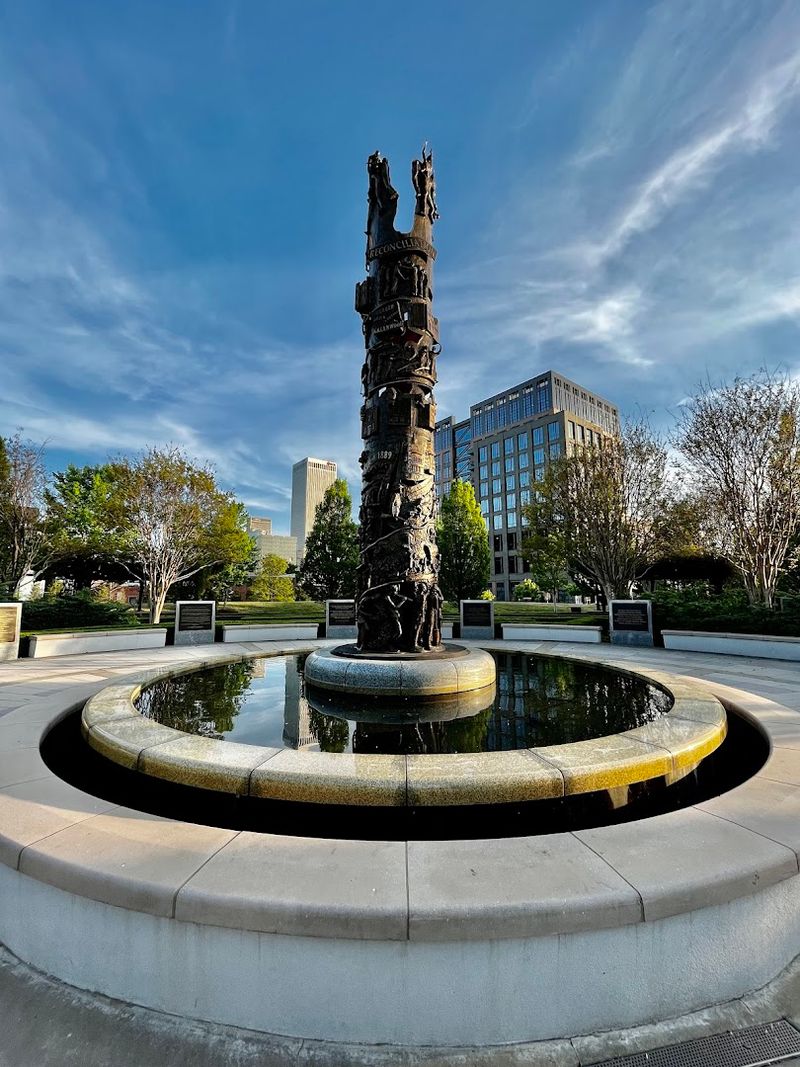
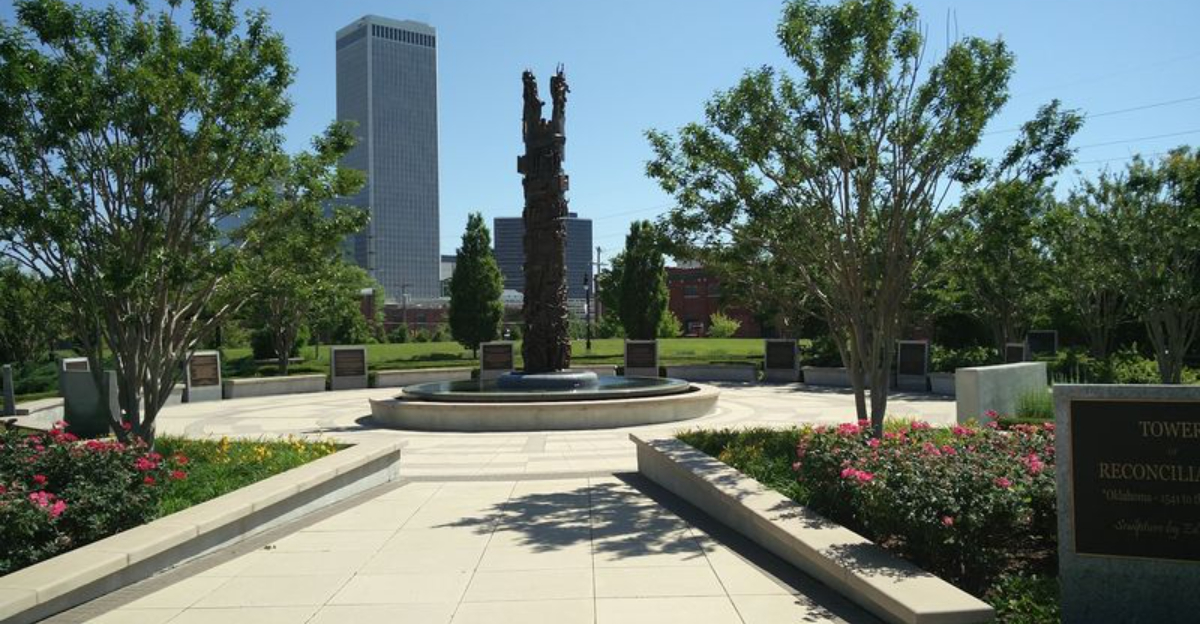
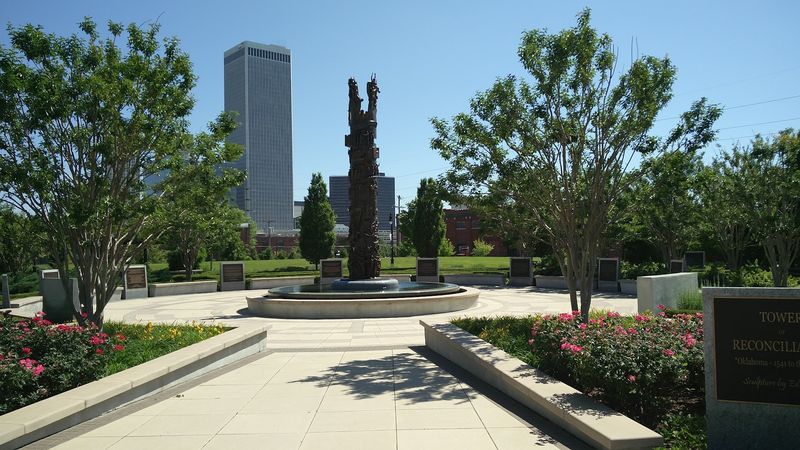
Named after the celebrated Oklahoma-born historian and civil rights advocate John Hope Franklin, this outdoor park near the Greenwood District is a powerful tribute to the pursuit of truth and reconciliation.
The park features three dramatic bronze towers representing Hope, Hostility, and Humanity, each one depicting scenes from African American history in a style that is both artistic and emotionally resonant. The sculptures are large enough to stop you in your tracks from across the street.
Walking through the park feels like a conversation between past and present, with each installation adding a new layer to the story of race, resilience, and the ongoing work of reconciliation in America. Franklin himself was a tireless advocate for honest historical reckoning.
The park is free to visit and open to the public, making it one of the most accessible stops on any Greenwood District itinerary. It draws historians, students, families, and curious travelers from across the country.
The setting along the Arkansas River adds a natural beauty that contrasts with the weight of the subject matter. That contrast makes the park feel balanced rather than heavy, and it sends visitors away with something closer to hope than despair.
The Greenwood District’s Food and Business Scene Today
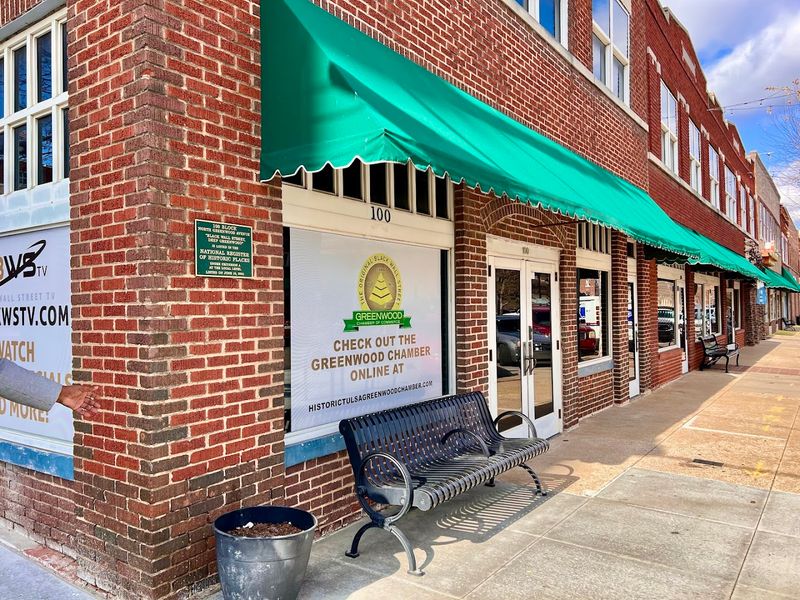
The spirit of Black Wall Street was always about economic empowerment, and the modern Greenwood District carries that tradition forward with a growing collection of Black-owned businesses that are worth seeking out.
From soul food restaurants serving plates piled high with comfort classics to boutiques stocking locally made goods and art, the district offers a shopping and dining experience that feels rooted in community pride rather than generic tourism.
Several spots along Greenwood Avenue and the surrounding blocks have become local favorites that draw regulars from across Tulsa. The food here tends to be hearty, flavorful, and made with the kind of care that chain restaurants simply cannot replicate.
Supporting these businesses is itself an act of participation in the district’s ongoing revival. Every purchase made here contributes to the economic legacy that the original Black Wall Street entrepreneurs worked so hard to build.
Check the Greenwood Chamber of Commerce website at greenwoodchambertulsa.com for an updated directory of current businesses before your visit. Planning ahead means you will not miss the spots that locals actually love, and that insider knowledge makes the whole trip feel more personal and rewarding.
The Greenwood Art Project and Public Murals
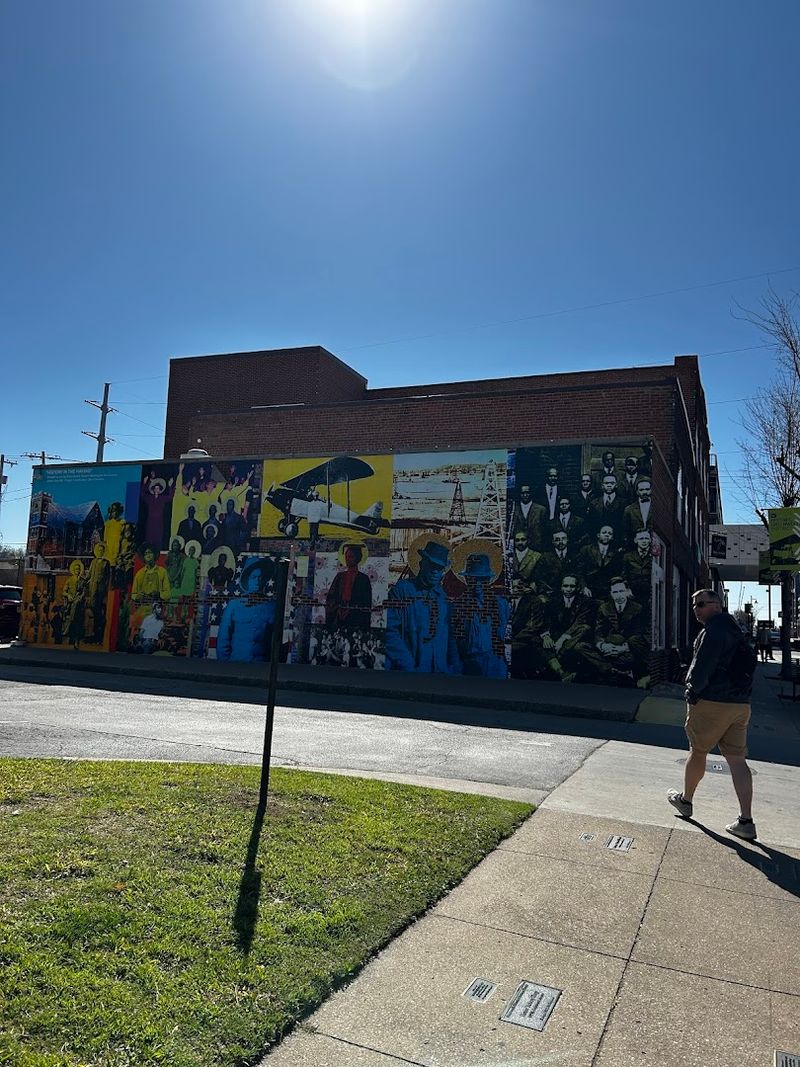
Art has always been one of the most honest ways a community tells its own story, and the Greenwood District has embraced that truth with a collection of public murals that turn the entire neighborhood into an open-air gallery.
The Greenwood Art Project has commissioned works from local and national artists, resulting in murals that range from portrait-style tributes to abstract celebrations of Black culture and history. Each piece is distinct in style but unified in purpose.
Some murals depict specific figures from the district’s history, including business owners and civic leaders whose names were nearly forgotten. Others capture broader themes of joy, resistance, and community that feel timeless rather than tied to any single era.
The murals are scattered throughout the district, which means finding them all requires a proper walking tour rather than a quick drive-through. That is honestly the best way to experience them anyway, since the details reward close attention.
Photographers and art lovers will find themselves burning through camera storage faster than expected. The murals change periodically as new works are commissioned, so even repeat visitors often discover something fresh on every trip back to this endlessly creative corner of Tulsa.
Annual Events and Festivals in the Greenwood District
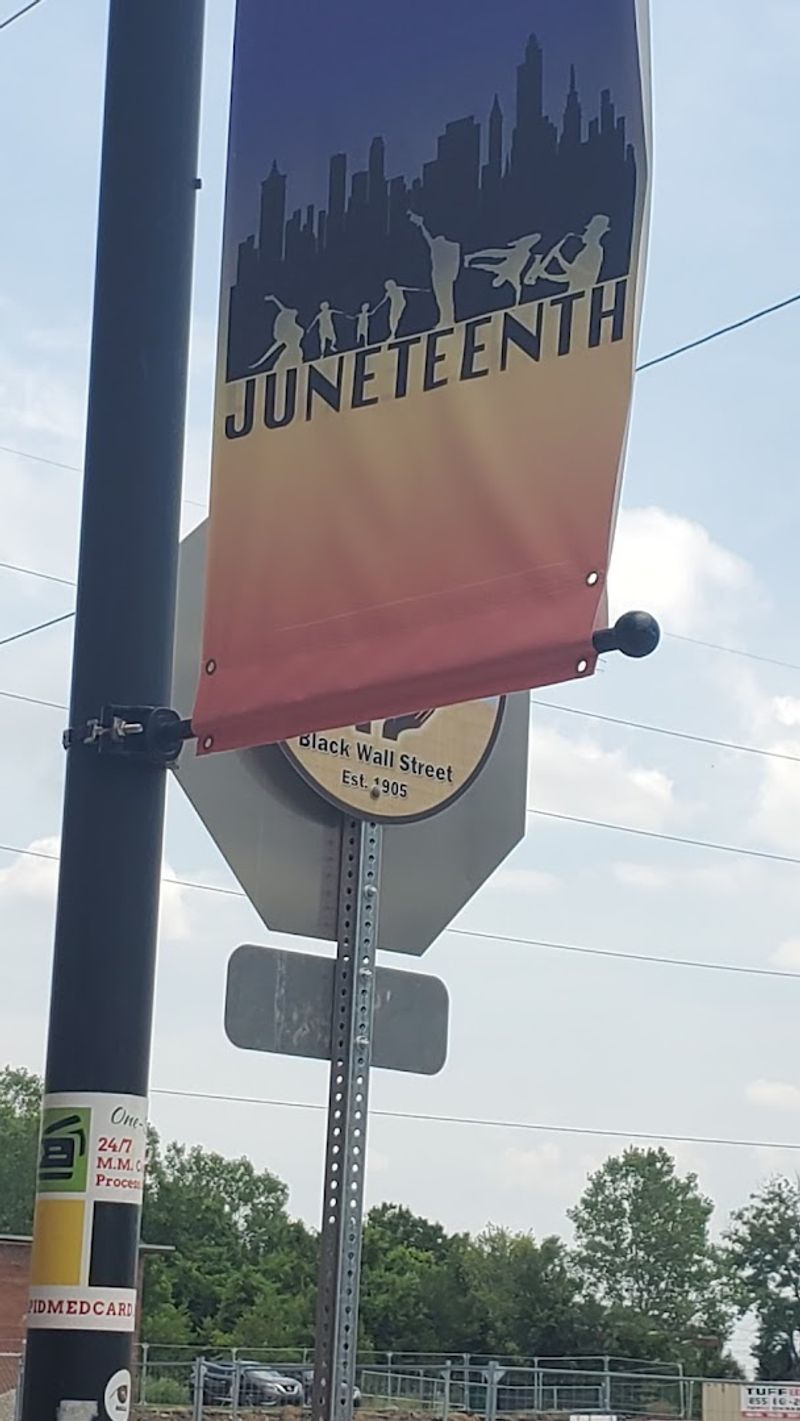
The Greenwood District does not just preserve history quietly behind museum glass. It celebrates it loudly, colorfully, and with tremendous community energy through a calendar of annual events that draw visitors from across Oklahoma and beyond.
The Juneteenth Festival held in the district each June is one of the most vibrant celebrations in the city, featuring live music, local vendors, cultural performances, and a palpable sense of communal pride that is genuinely contagious.
The anniversary commemorations around the 1921 Tulsa Race Massacre, held each spring, bring together historians, descendants, activists, and community members for a series of events that balance mourning with education and forward-looking dialogue.
Throughout the year, the Greenwood Cultural Center and various local organizations host film screenings, panel discussions, book fairs, and youth programs that keep the district’s calendar full and its community engaged.
Timing your visit to coincide with one of these events adds an entirely different dimension to the experience. You move from being a passive observer of history to an active participant in the living culture that grew from it, and that shift changes everything about how you understand the Greenwood District.
Planning Your Visit: Tips for Getting the Most Out of Greenwood
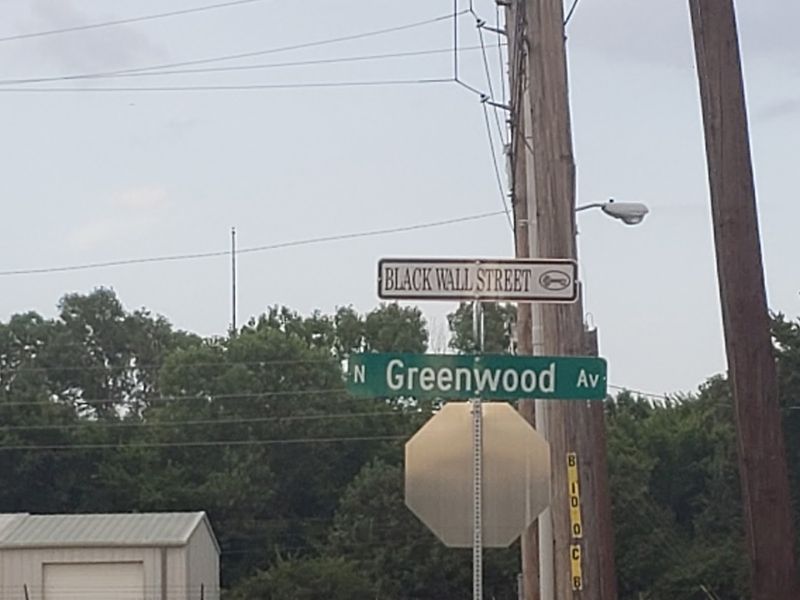
A little preparation goes a long way when visiting the Greenwood District, and a few practical tips can turn a good trip into an unforgettable one.
Start by checking the Greenwood Chamber of Commerce website before you arrive so you know which businesses are currently open and whether any special events are scheduled during your visit. The website is regularly updated and genuinely useful for first-time visitors.
Wear comfortable walking shoes, because the best way to experience the district is entirely on foot. The main corridor and surrounding blocks are compact enough to cover in a few hours, but you will want to linger at murals, memorials, and storefronts rather than rushing through.
The Greenwood District is located in north Tulsa, easily accessible from downtown, and parking is generally available near the cultural center. Most of the major sites are within a short walk of each other, which makes the logistics simple even for solo travelers.
Respect the space and the community you are visiting. This is not a theme park or a backdrop for casual selfies.
It is a living neighborhood with a profound history, and approaching it with genuine curiosity and humility is the best thing any visitor can bring through the door.



