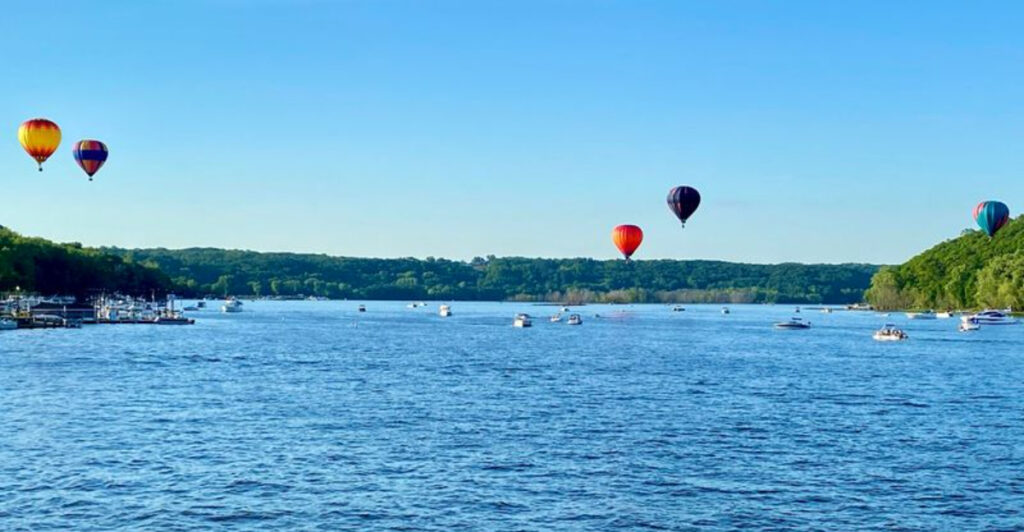
There is a small river town in Minnesota where the streets fill up on weekends, the shops stay busy from spring through fall, and the St. Croix River sparkles like it knows it is being watched. Tourists arrive by the thousands, drawn by historic architecture, boutique shops, and one of the most scenic waterfronts in the Midwest.
But behind the cheerful storefronts and the packed parking lots, longtime residents are having a very real conversation about what all this attention is doing to their town. Some welcome the energy and the dollars it brings.
Others miss the quieter version of home they grew up in. This article takes a close look at what makes Stillwater so irresistible to visitors, and why the people who actually live there have such complicated feelings about sharing it.
A Town Built on the Banks of History
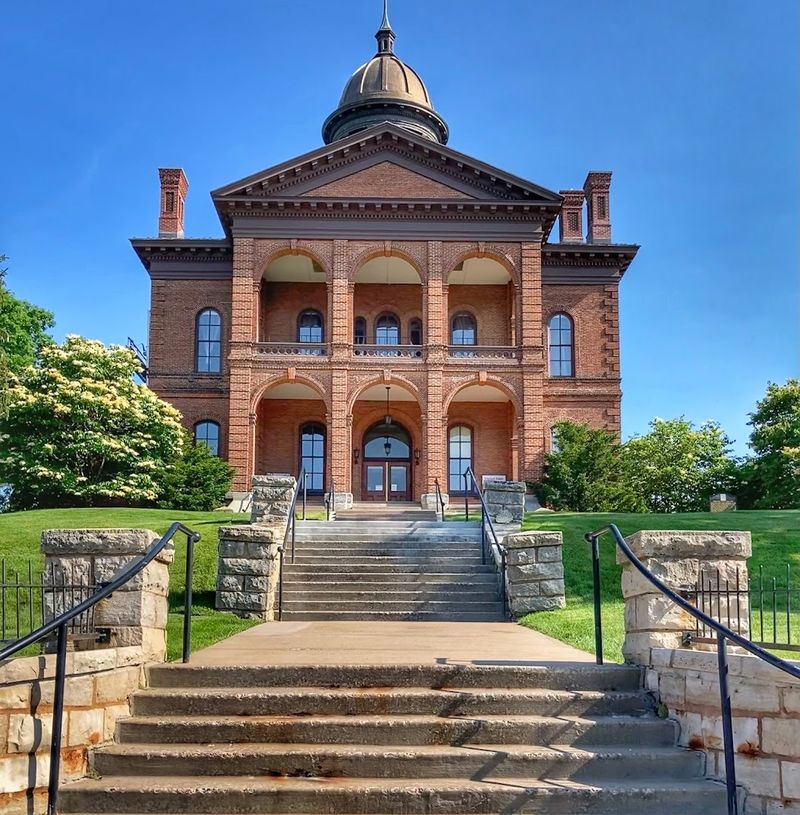
Stillwater, Minnesota did not become a tourist magnet by accident. The city, which sits along the west bank of the St. Croix River in Washington County, has one of the most well-preserved collections of 19th-century architecture in the entire state.
Founded in 1848, Stillwater is often called the birthplace of Minnesota because it hosted the convention that led to Minnesota becoming a territory. That kind of deep historical roots gives the town a personality that is hard to fake.
The address for the city hall is located in West Lakeland Township, MN 55082, and the city’s official website at ci.stillwater.mn.us keeps residents and visitors informed year-round. Walking the downtown streets feels like flipping through a history book, except the buildings are real, the coffee is hot, and the river is right there waiting for you.
What the Crowds Actually Look Like on a Saturday
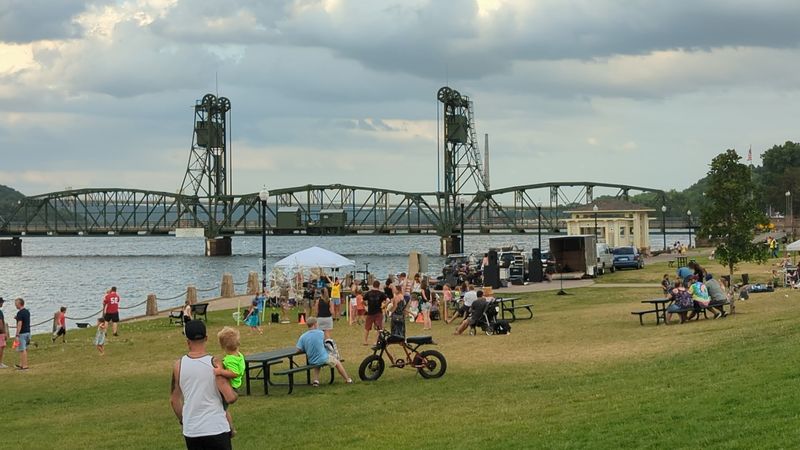
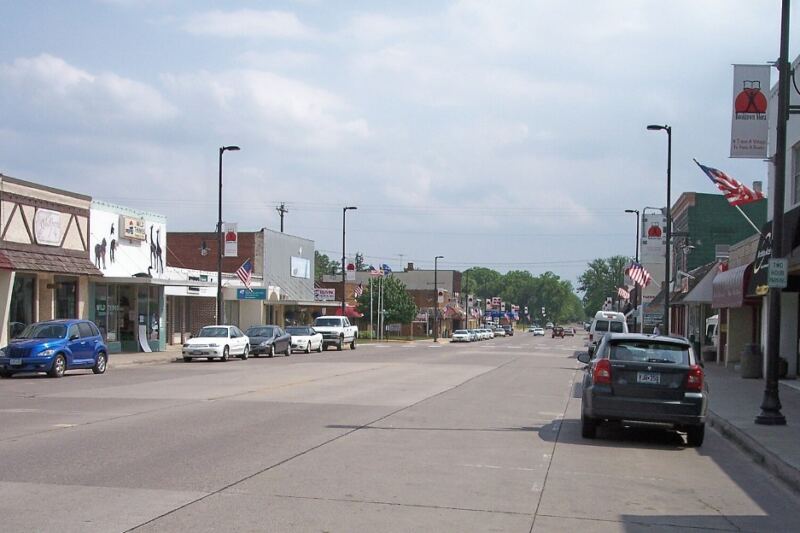
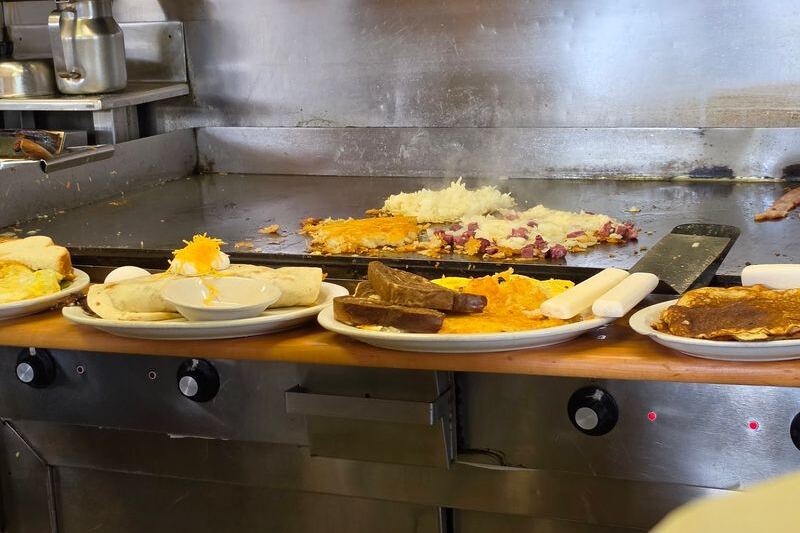
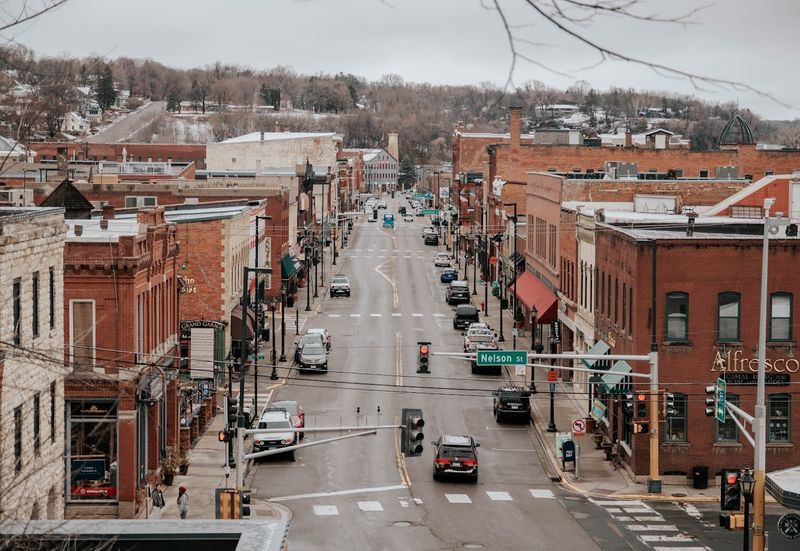
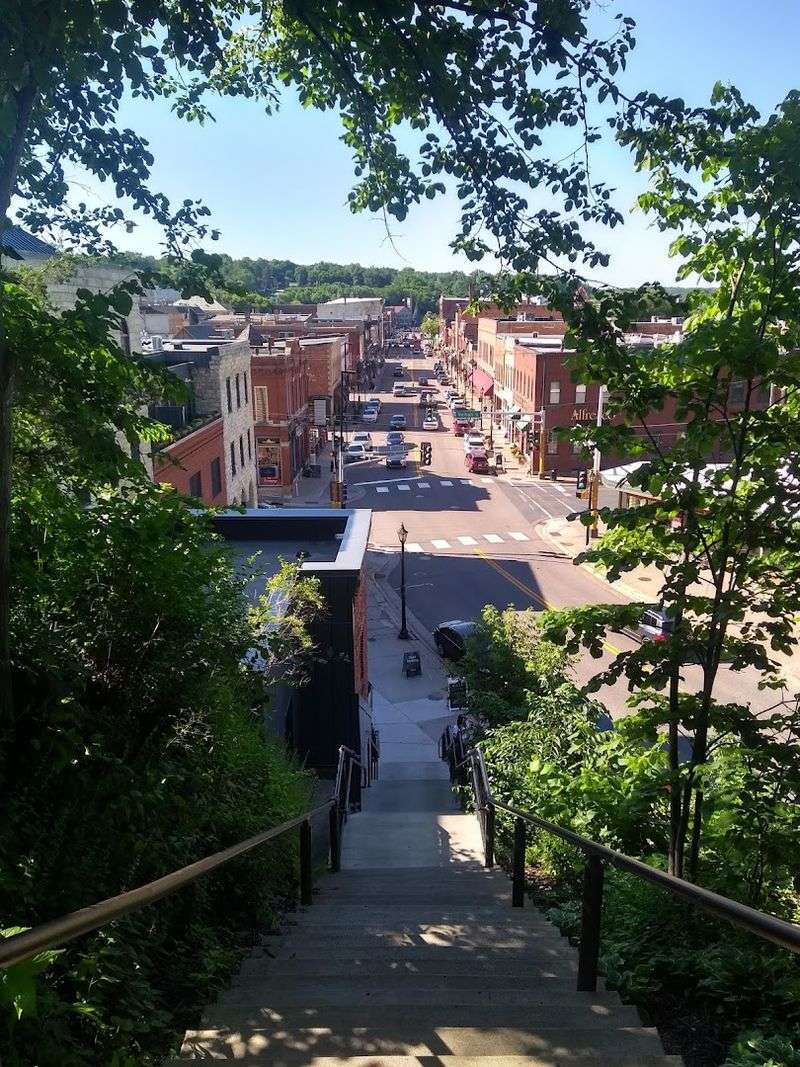
On a typical summer Saturday, downtown Stillwater transforms into something that surprises first-time visitors. The sidewalks along Main Street fill up fast, parking becomes a strategic puzzle, and the line outside popular breakfast spots can stretch half a block before 10 a.m.
Tour buses occasionally roll in, cyclists cross the lift bridge in groups, and families with strollers navigate the brick sidewalks with varying degrees of success. The energy is undeniably lively, almost buzzing.
For locals who remember when you could park anywhere and walk right into your favorite diner without a wait, this level of foot traffic feels jarring. Some residents have quietly adjusted their weekend routines, choosing to run errands early or avoid downtown altogether on peak days.
The town that once felt like a well-kept secret now feels, to some, like it belongs more to visitors than to the people who call it home.
The St. Croix River Is the Real Star
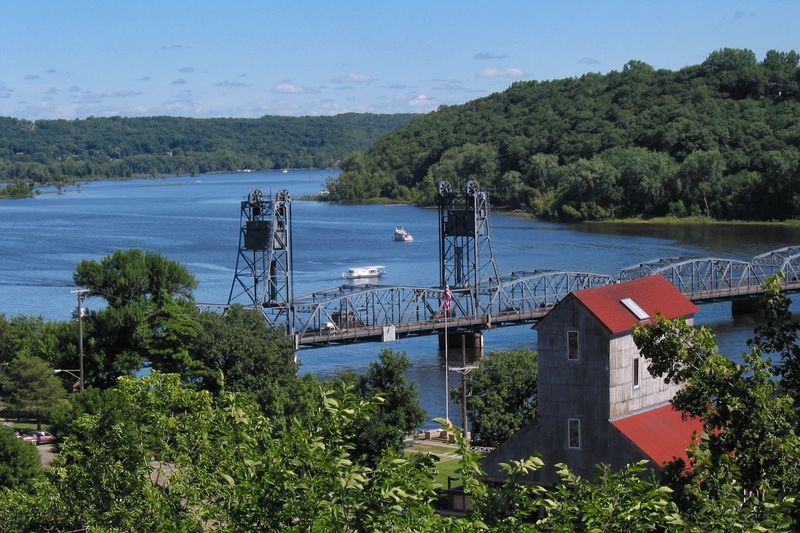
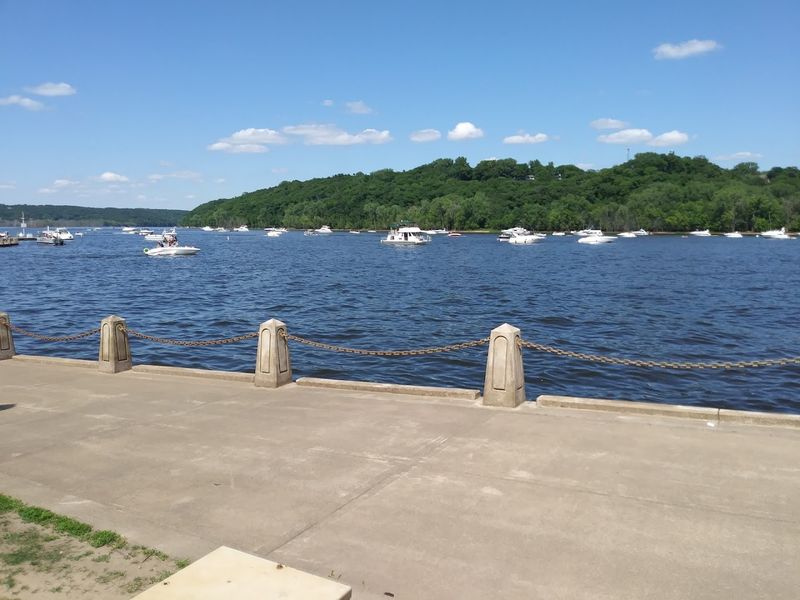
No conversation about Stillwater is complete without talking about the river. The St. Croix River runs along the eastern edge of the city, forming a natural border between Minnesota and Wisconsin, and it is genuinely stunning in every season.
In summer, the water fills with kayakers, pontoon boats, and the occasional paddlewheel riverboat that still runs sightseeing tours. In fall, the bluffs on both sides of the river turn shades of orange and red that photographers come from hours away to capture.
The river is not just a backdrop, it is the reason Stillwater exists at all. The early lumber industry depended on it to float logs downstream, and the same waterway that once powered a booming economy now powers a booming tourism industry.
You cannot really understand why people keep coming back here without spending at least an hour just sitting near the water and watching it move.
The Lift Bridge That Became an Icon
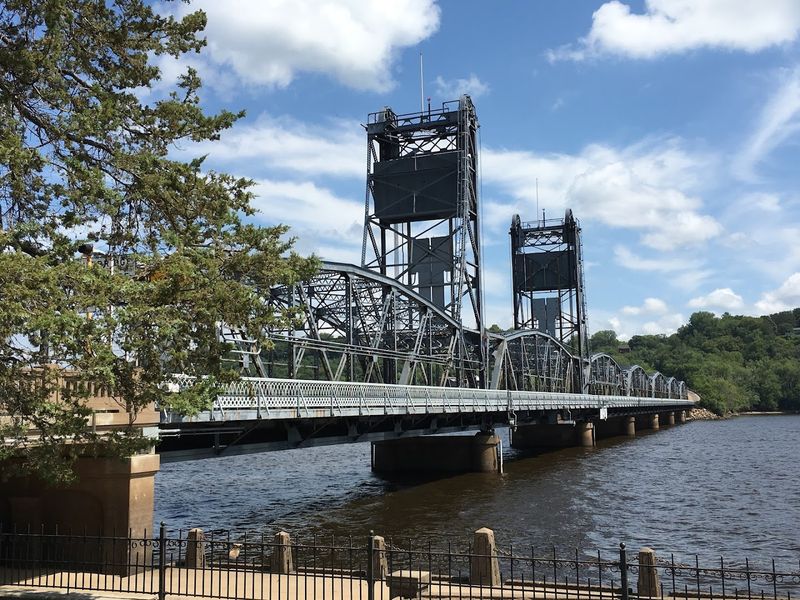
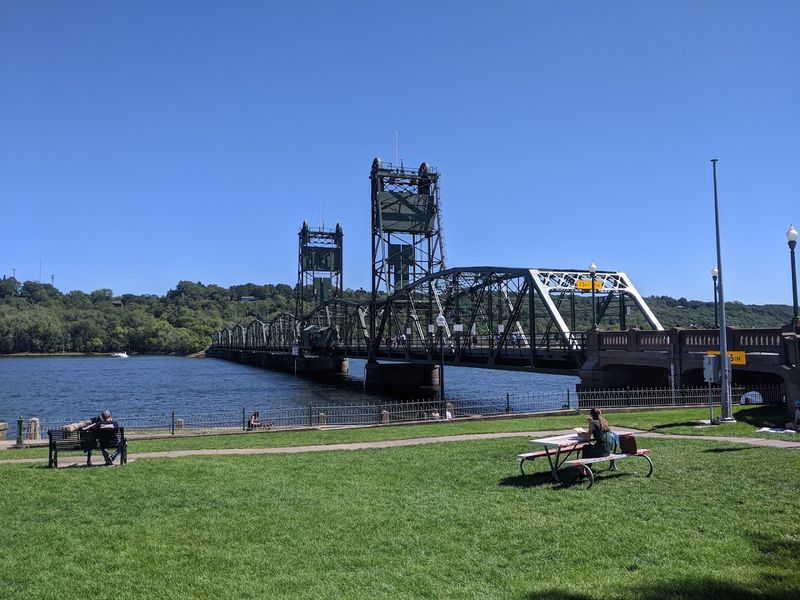
Few structures in Minnesota carry as much visual weight as the Stillwater Lift Bridge. Built in 1931, this vertical lift bridge once carried vehicle traffic between Minnesota and Wisconsin, and it became such a beloved landmark that when a new bridge was built nearby, the community fought to preserve the old one rather than demolish it.
Today the lift bridge serves pedestrians and cyclists, and it has become one of the most photographed spots in the entire region. On warm evenings, people gather on it to watch the sun drop behind the Minnesota bluffs.
For visitors, it is a bucket-list photo opportunity. For locals, it is the bridge they crossed on their way to school or to a friend’s house.
That dual identity, tourist attraction and personal memory, captures something essential about Stillwater’s ongoing tension between being a destination and being someone’s actual hometown.
Boutique Shopping That Keeps People Coming Back
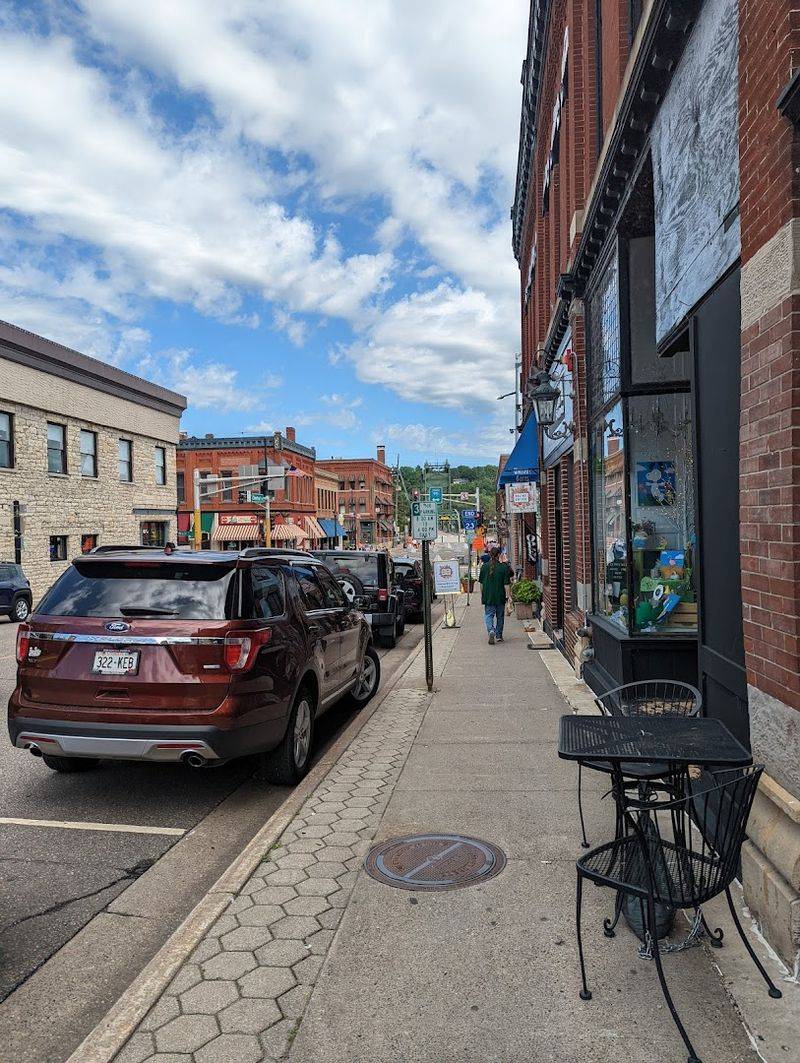
Stillwater’s shopping scene is one of its strongest draws, and it has a character that feels genuinely curated rather than mass-produced. The downtown area is packed with independent bookstores, antique shops, home goods boutiques, and specialty food stores that reward slow, unhurried browsing.
Loome Theological Booksellers, housed inside a former church, is one of the most talked-about bookshops in the Midwest. The shelves stretch floor to ceiling and the atmosphere is the kind that makes you forget you planned to only stay for ten minutes.
Antique hunters especially love Stillwater, which has earned a reputation as one of the best antiquing destinations in Minnesota. Shops are stacked with vintage furniture, old maps, pottery, and curiosities that feel like they belong in a museum.
For visitors, it is a shopper’s paradise. For locals, the upside is that it keeps the local economy healthy and the storefronts occupied.
The Restaurant Scene and Its Growing Pains
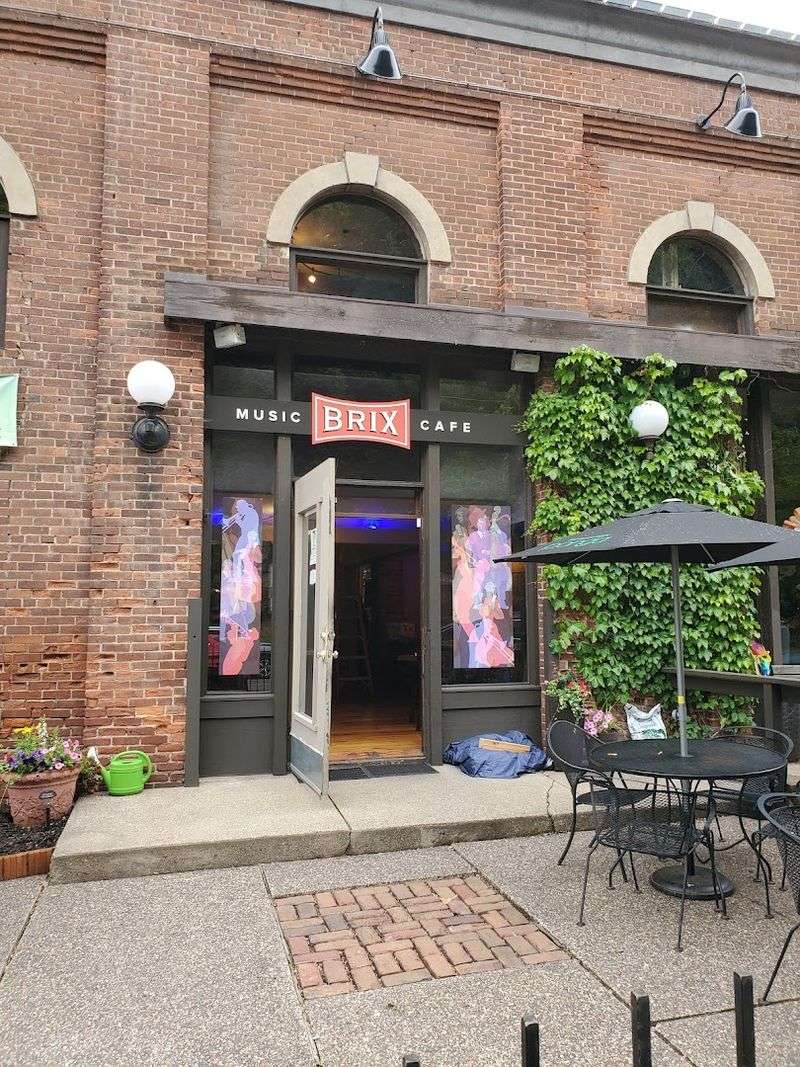
Stillwater’s food scene has grown considerably over the past decade, and the variety available today would have surprised anyone who visited the town twenty years ago. From farm-to-table dinners to wood-fired pizza to specialty coffee roasters, the options feel more like a city than a small river town.
Riverfront dining is especially popular, with several restaurants offering outdoor seating that puts the St. Croix River directly in your sightline. On a clear evening, a meal with that view can feel almost unreasonably good.
The flip side is that table availability has become a weekend challenge. Reservations fill up quickly, and walk-in waits at popular spots can stretch well past an hour.
Long-time residents who once thought of these restaurants as their regular Friday night spots now find themselves competing with a much larger pool of diners. The food got better, but getting a table got harder.
Fall in Stillwater Is Something Else Entirely
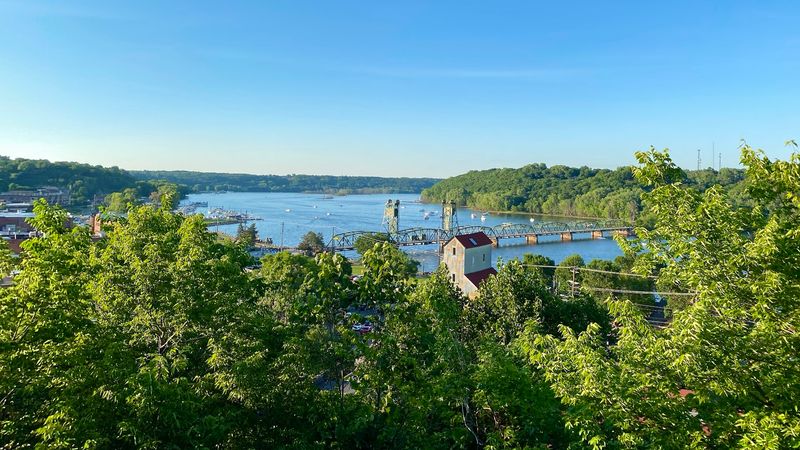
Ask anyone who has visited Stillwater in October and they will tell you the same thing: the fall colors here are extraordinary. The bluffs that line both sides of the St. Croix River turn into a wall of red, orange, and gold that peaks somewhere in mid-October and draws visitors from across the region.
Scenic drives along the river roads become deeply satisfying during this window, and the town itself takes on a warmer, cozier energy as the air gets crisp. Local shops lean into the season with pumpkins, apple cider, and seasonal decorations that make the whole downtown feel like a fall postcard.
The trade-off is that October can be even more crowded than summer in some ways. Leaf-peeping traffic on the narrow river roads tests everyone’s patience.
Locals have learned to either embrace the season’s charm or plan their outdoor activities for weekday mornings when the crowds thin out.
How Tourism Has Changed Property and Prices
One of the most concrete ways tourism has affected Stillwater is in the housing market. As the town’s reputation has grown, so has demand for real estate, and home prices in Stillwater have climbed steadily over the years.
Short-term vacation rentals have appeared throughout the city, which brings extra visitors into residential neighborhoods but also raises concerns among longtime homeowners about neighborhood character and the availability of long-term housing. It is a pattern seen in popular destinations across the country, and Stillwater is not immune to it.
For younger locals or families hoping to buy a first home in the town where they grew up, the price tags can feel discouraging. The same charm that makes Stillwater attractive to tourists has made it more expensive for the people who want to stay permanently.
That is a tension the city is actively working to understand and, where possible, manage thoughtfully.
Festivals That Draw Thousands and Test Infrastructure
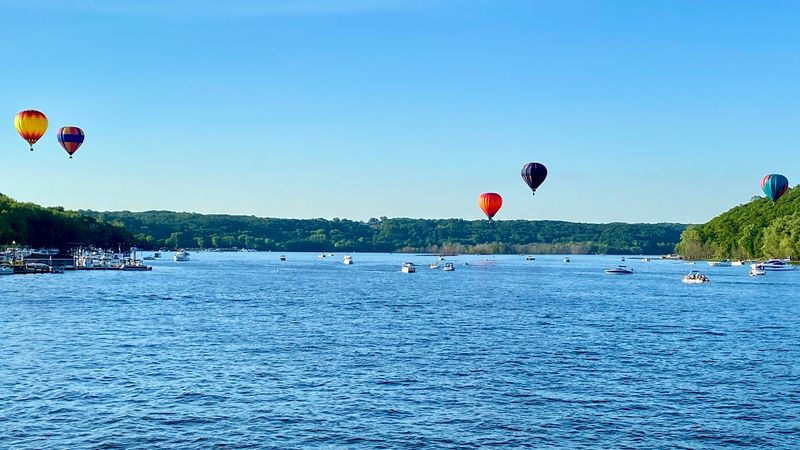
Stillwater hosts several major annual events that flood the city with visitors well beyond its normal capacity. Lumberjack Days, one of the most popular summer festivals, brings live music, competitions, food vendors, and a parade that shuts down major streets and draws enormous crowds to the riverfront.
The Harvest Fest in fall and various holiday markets in winter are also significant draws. These events celebrate Stillwater’s culture and history, and they give local businesses some of their strongest sales days of the year.
From a resident’s perspective, the picture is more complicated. Festival weekends mean road closures, limited parking, and a general sense of the town being temporarily overtaken.
Some locals plan vacations around these weekends specifically to avoid them. Others genuinely enjoy the festive atmosphere and see it as part of what makes Stillwater feel alive.
The divide between those two camps says a lot about how people relate to their town’s growing fame.
The Trolley, the Tours, and the Visitor Experience
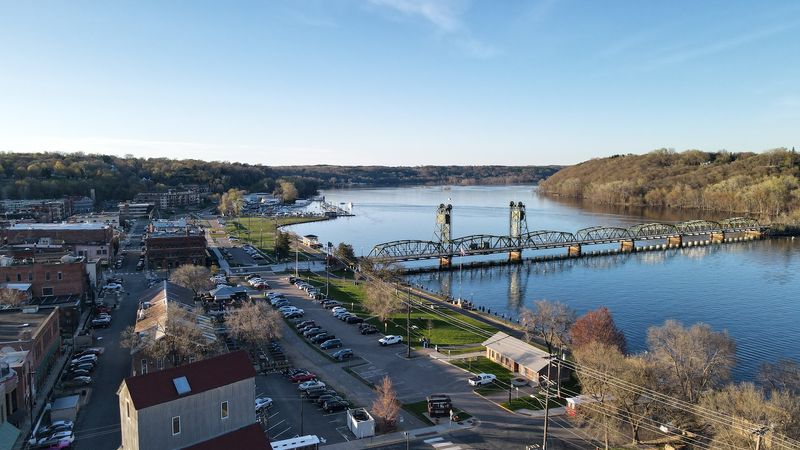
Stillwater has invested in visitor experiences that make the town easy and enjoyable to explore. The Stillwater Trolley offers narrated tours that wind through historic neighborhoods, pointing out landmarks and sharing stories about the city’s past that most visitors would never discover on their own.
Boat tours on the St. Croix River are another popular option, giving visitors a completely different perspective of the town and the bluffs. Ghost tours have also become popular, drawing curious visitors who want to hear about the more mysterious chapters of the city’s 19th-century history.
These organized experiences are genuinely well done and add real value to a visit. For locals, the tours are a bit of background noise at this point, familiar sights that signal the tourist season is in full swing.
But for a first-time visitor who wants more than just a walk around the shops, they offer a meaningful way to connect with the town’s layered story.
Local Voices on What Has Been Lost
Talk to people who have lived in Stillwater for decades and a consistent theme emerges. They are proud of their town, but they mourn something that is harder to name than a specific building or business.
What they describe sounds like the feeling of belonging to a place before the place belonged to everyone. The ability to walk into a shop and know the owner by name.
The ease of finding a parking spot on a Saturday. The sense that the town was operating at a human scale that matched the people who lived in it.
That is not to say progress is bad or that visitors are unwelcome. Most residents genuinely appreciate the vitality that tourism brings.
But there is a real and understandable grief in watching the texture of everyday life slowly shift to accommodate a much larger audience. That feeling deserves to be heard, not dismissed as resistance to change.
What Visitors Often Miss When They Come for the Day
Most day-trippers follow a familiar circuit in Stillwater: park near Main Street, browse a few shops, eat lunch, maybe walk the lift bridge, and head home. That version of Stillwater is genuinely enjoyable, but it is only a small slice of what the town actually contains.
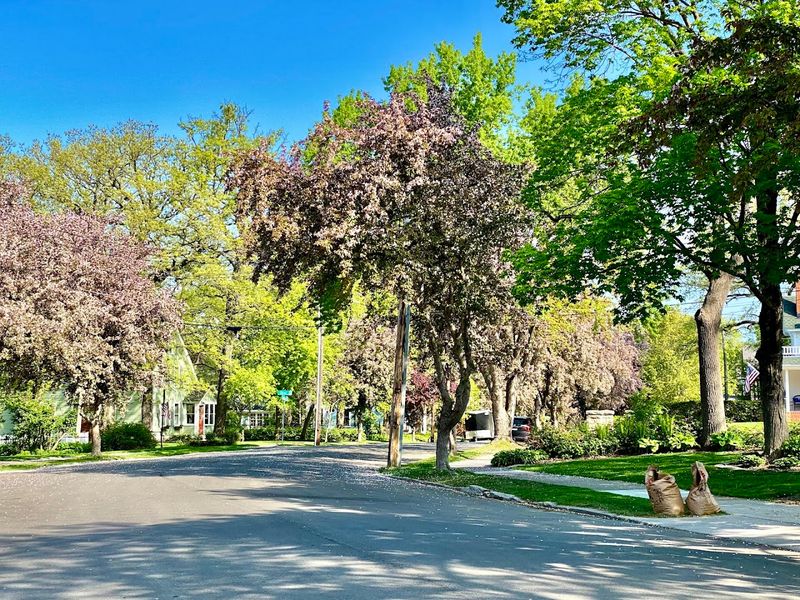
The residential neighborhoods that climb the bluffs above downtown are filled with beautifully preserved Victorian homes that most visitors never see. Lowell Park along the riverfront offers a calmer, greener alternative to the busier commercial strip just one block away.
Brown’s Creek State Trail connects Stillwater to the wider regional trail system and offers a completely different outdoor experience that rarely gets crowded. Visitors who slow down, wander off Main Street, and follow their curiosity tend to find a version of Stillwater that feels more personal and far more memorable than the highlight reel most people stick to.
How the City Is Trying to Balance Growth and Community
Stillwater’s city leadership is aware of the tension between being a desirable destination and maintaining the quality of life that makes the town worth living in. Planning discussions in recent years have touched on traffic management, parking infrastructure, short-term rental regulations, and how to keep downtown accessible for both visitors and residents.
Some improvements are already visible. Expanded parking facilities, better wayfinding signage, and seasonal traffic management have helped reduce some of the friction on peak days.
The city’s website provides updated information for visitors to help spread foot traffic more evenly across different parts of town.
None of these solutions are perfect, and the balancing act is genuinely difficult. A town that becomes too focused on tourism risks losing the authenticity that made it appealing in the first place.
The residents and officials working on these questions are doing something harder than it looks, and the outcome matters to everyone who loves this place.
Why People Will Keep Coming, and Why That Matters
There is something about Stillwater that is genuinely hard to replicate. The combination of river scenery, historic architecture, walkable streets, and a real sense of place creates an experience that feels earned rather than manufactured.
Visitors keep coming because the town delivers on what it promises. The river really is beautiful.
The shops really are interesting. The history really is layered and worth exploring.
That kind of authenticity is increasingly rare, and people can feel it.
The challenge going forward is making sure that the thing drawing people to Stillwater does not get worn down by the volume of people drawn to it. That is a conversation worth having openly, and the fact that Stillwater residents are having it is actually a good sign.
Towns that care enough to wrestle with these questions tend to find better answers than towns that simply let growth happen without reflection.
Share this story