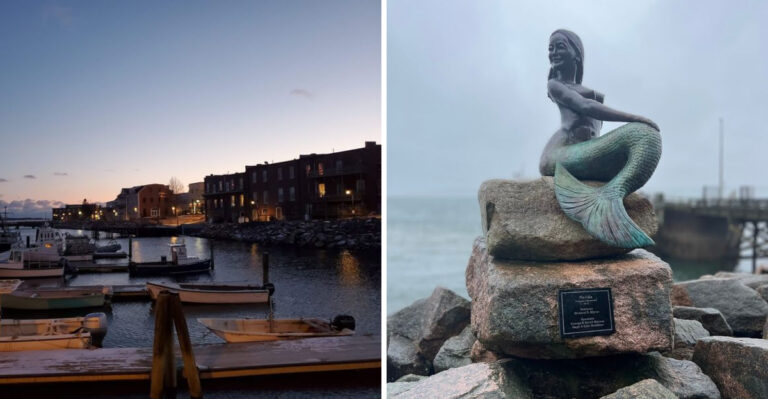
There is a place in Maine where the land simply runs out and the ocean takes over, and the only way forward is a nearly mile-long path of giant granite blocks stretching straight into Penobscot Bay. Every step feels a little more adventurous than the last, with cold Atlantic water on both sides and a red-and-white lighthouse waiting at the end like a reward for the brave.
No fancy gear required, no admission fee, and no crowds if you time it right. This is the kind of place that stays with you long after you have driven home, and if you have never heard of the Rockland Breakwater Lighthouse, you are about to want to add it to every travel list you own.
Where the Breakwater Begins: Location and Getting There
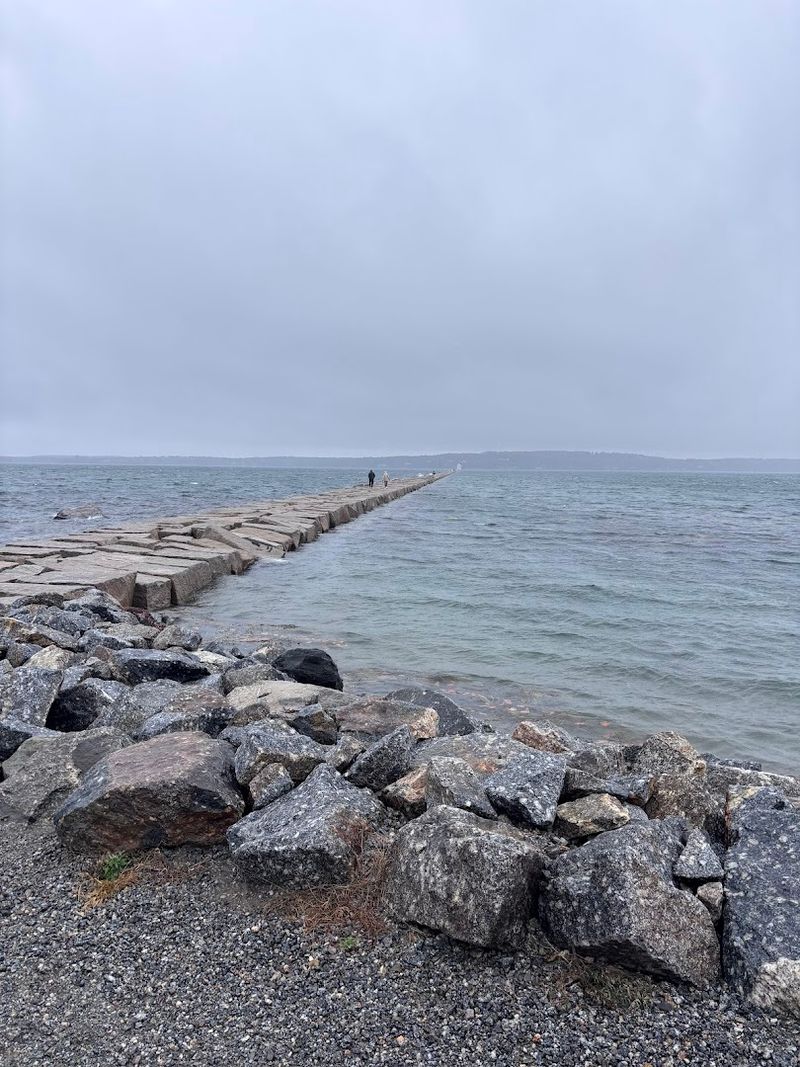
The Rockland Breakwater Lighthouse sits at the end of a nearly mile-long granite breakwater in Rockland, Maine, a working harbor town on the western shore of Penobscot Bay. The official address is near Samoset Road, and the parking area is a small gravel lot at the north end of the breakwater, close to the Samoset Golf and Tennis Resort.
From the parking lot, you walk roughly 200 yards along a wide gravel path before your feet meet the first granite block of the breakwater itself. The lot is unpaved and holds about 50 cars at most, so arriving early on busy summer mornings is a smart move.
There is no entry fee, no parking fee, and no gate blocking your way, making this one of the most genuinely free experiences on the entire Maine coast.
Rockland is easy to reach via U.S. Route 1, which runs right through town.
If you are road-tripping up the coast, this stop fits naturally into the drive. The lighthouse is managed by the Friends of Rockland Harbor Lights, and their website at rocklandharborlights.org has current tour information and seasonal updates worth checking before you go.
The History Behind the Granite Giant
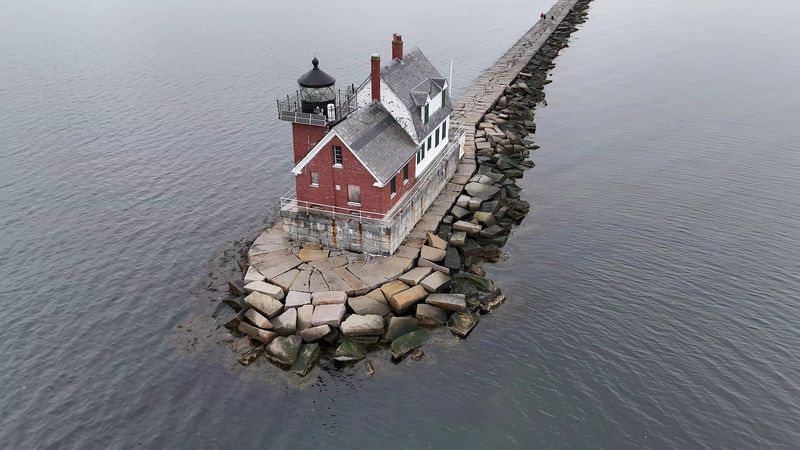
The breakwater itself took nearly 18 years to complete, with construction wrapping up around 1899 after workers laid roughly 700,000 tons of granite into Penobscot Bay. The lighthouse at its tip was built in 1902, and the attached keeper’s house gave the lighthouse keeper a place to live while watching over the busy harbor traffic below.
For decades, a keeper actually lived out on that breakwater, isolated from the mainland except for that long rocky path. The job required serious dedication, especially during brutal Maine winters when storms would send waves crashing over the granite blocks and the wind would cut straight through any coat you were wearing.
The lighthouse was automated in 1965, ending the era of resident keepers.
Today, the structure is maintained by volunteers and is listed on the National Register of Historic Places. Visitors from all over the country, including many traveling from places as far inland as Oklahoma, make the trip specifically to see this lighthouse.
The keeper’s house still stands and opens for seasonal tours, giving visitors a rare look at what life on a working lighthouse station actually looked and felt like more than a century ago.
The Walk Itself: What to Expect on the Breakwater
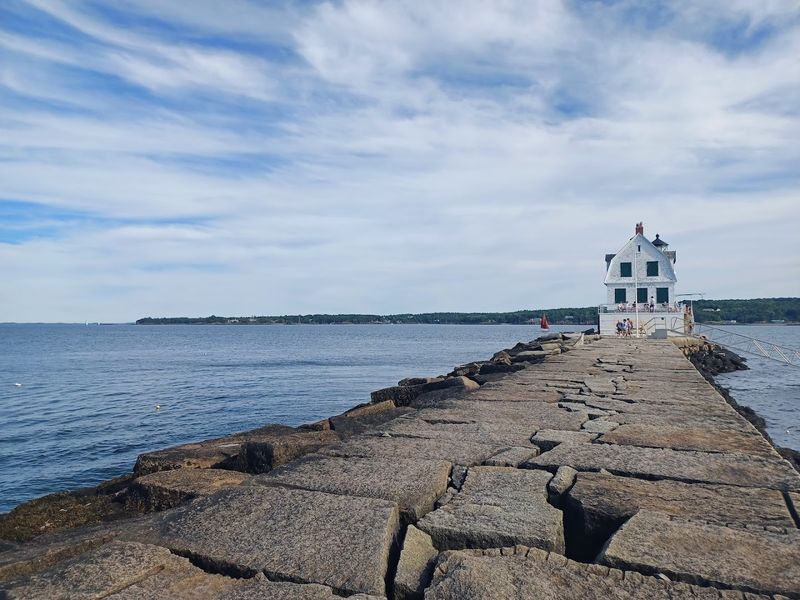
Nothing quite prepares you for the first moment you step off the gravel path and onto the breakwater. The granite blocks beneath your feet are massive, uneven, and packed tightly together, but the gaps between them are real and they will absolutely catch a careless foot.
The walk out to the lighthouse covers about 0.9 miles one way, and most people budget around an hour for the full round trip if they move at a comfortable pace.
The path is not difficult in the traditional hiking sense, but it demands your full attention. Every step is slightly different from the last, and the surface shifts constantly from flat to angled to slightly tilted.
Families with kids, joggers with dogs, and older adults all make this walk regularly, but everyone moves carefully and respectfully.
On a breezy day, the wind comes at you from both sides since open water surrounds the breakwater on the left and the right. That sensation of walking straight into the bay with nothing but ocean around you is genuinely thrilling and unlike anything you will find on a typical nature trail.
Wear sturdy, closed-toe shoes with good grip and you will be completely fine from start to finish.
The Views from the Middle of the Bay
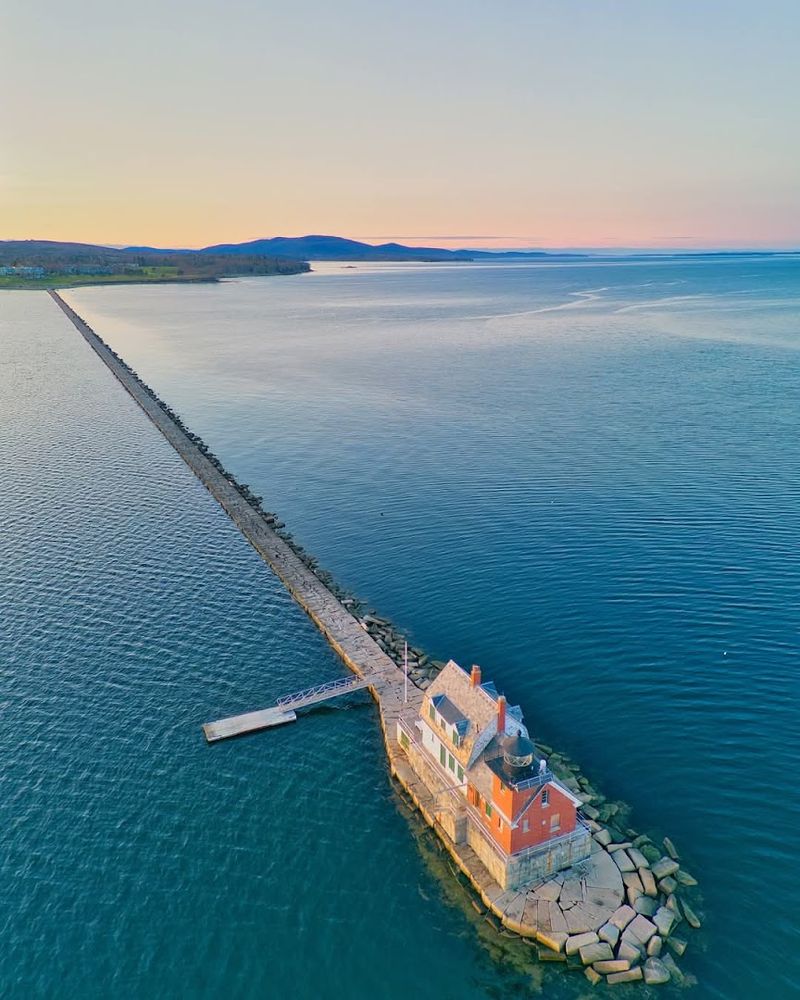
About halfway out, something shifts. The shoreline behind you starts to feel far away, and the lighthouse ahead still looks like a distant dot, and suddenly you realize you are genuinely surrounded by ocean.
Penobscot Bay opens up in every direction, and on a clear day the views stretch all the way to the Camden Hills to the north and several of the bay’s outer islands to the south and east.
Sailboats and lobster boats move through the water nearby, and the sound of the harbor is completely different out here than it is from the shore. The light on the water changes constantly depending on the time of day, and the way the sun hits the bay in the late afternoon is the kind of thing that makes people stop mid-walk just to stare.
Seals have been spotted resting on the rocks near the lighthouse, and seagulls are a guaranteed presence at every hour.
Visitors who travel from landlocked states like Oklahoma often say that this is the most dramatic ocean experience they have ever had, and it is easy to understand why. The breakwater puts you right in the middle of a working bay in a way that no overlook or beach walk ever could, and the feeling is hard to shake once you have had it.
Sunrise and Sunset: The Best Times to Visit
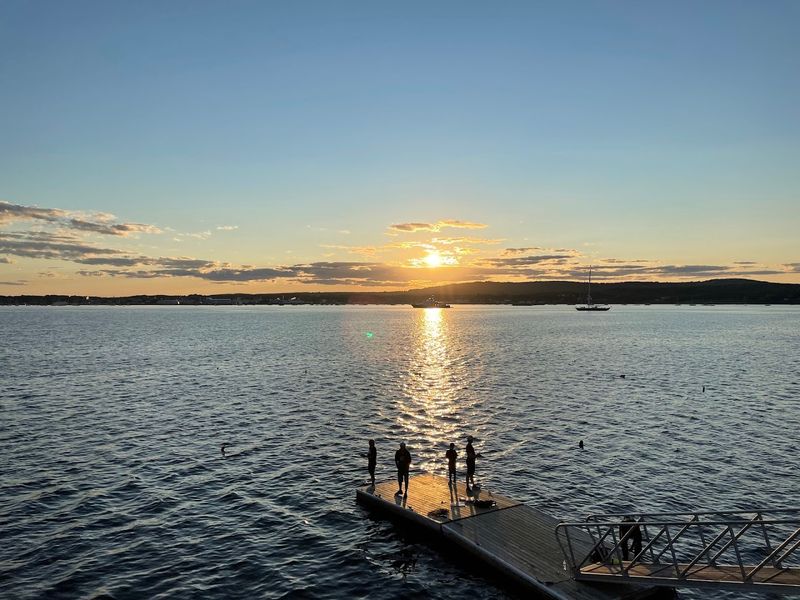
The lighthouse opens to visitors daily from 9 AM to 5 PM during the season, but the breakwater itself is accessible at any hour, which means sunrise and sunset walks are absolutely on the table. Catching the sun come up over Penobscot Bay from the middle of that granite path is the kind of quiet, spectacular moment that feels almost too good to share.
Sunset is the more popular choice, and for good reason. The western light catches the red exterior of the lighthouse beautifully, and the reflection on the bay turns the whole scene into something that looks almost too vivid to be real.
The floating dock near the lighthouse gives you a side-angle view that most photographers consider the best spot for capturing the full structure against the sky.
Early morning visits in October, when the summer crowds have thinned out, offer a peaceful experience that feels almost private. The breakwater at 7:30 AM might have a few joggers and some early fishermen casting lines off the granite, but nothing more.
The lighthouse opens for tours on weekends during the season, so planning a morning walk followed by a tour makes for an especially full and satisfying visit to this remarkable corner of Maine.
The Lighthouse Up Close: Architecture and Details
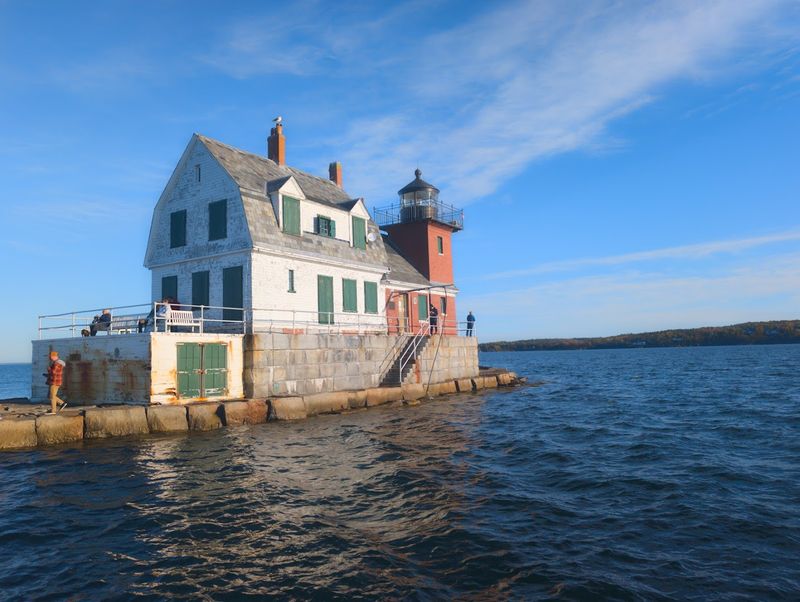
Reaching the lighthouse after that long walk feels like a genuine arrival. The structure is smaller than many people expect, but its position at the very tip of the breakwater makes it feel enormous against the open sky and water.
The lighthouse tower rises from the corner of the attached keeper’s house, a classic New England design that has barely changed since 1902.
The exterior is painted white with red trim, and the lantern room at the top still flashes its signal over the bay. The keeper’s house is a two-story wood-frame building that looks surprisingly livable, though the reality of spending a Maine winter out here with nothing but granite and cold water in every direction is a detail that takes a moment to fully absorb.
The concrete foundation that the structure rests on suffered significant damage during a powerful winter storm a few years ago, and signs around the south side of the building ask visitors to stay away from that area for safety reasons. You can still walk around the north and east sides for photos, and the floating dock nearby offers the best full-length view of the lighthouse from water level.
Every angle of this building rewards a careful look.
Wildlife and Nature Along the Way
The breakwater is not just a path to a lighthouse. It is also a front-row seat to the daily rhythms of a working coastal ecosystem.
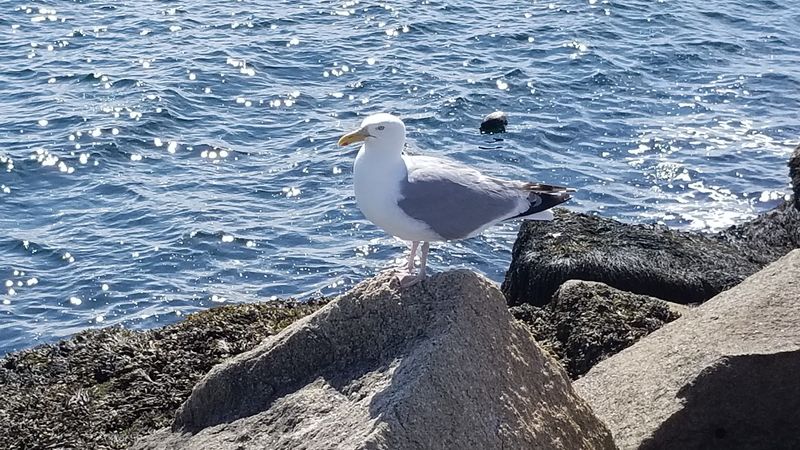
Seagulls are everywhere, and they have absolutely no interest in sharing their fishing spots politely. They will give you the side-eye from their perches on the granite, and if you linger too long near their territory, they will make their feelings known without any subtlety.
Harbor seals are spotted regularly near the lighthouse, especially during quieter morning hours when boat traffic is low. They tend to lounge on the rocks just off the breakwater tip, and watching them from a respectful distance is one of the unexpected highlights of the whole experience.
Cormorants, herons, and various shorebirds also make regular appearances depending on the season.
The water around the breakwater is clear enough in calm conditions to see the bottom in the shallower areas near the shore end, and the color shifts from green to deep blue as you move further out into the bay. Maine’s coastal wildlife is genuinely impressive, and the breakwater puts you close enough to appreciate it without needing a boat or a guided tour.
Nature here is just part of the scenery, and it shows up reliably.
Practical Tips for a Safe and Comfortable Visit
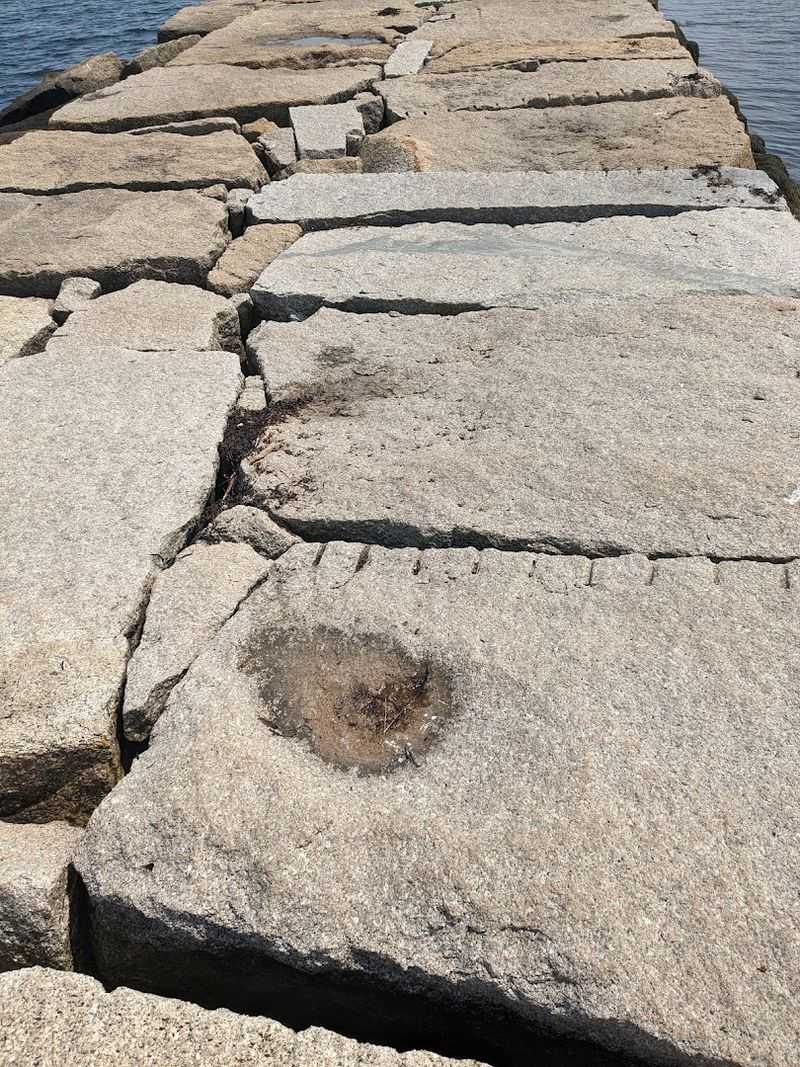
A few practical details can make the difference between a great visit and a frustrating one. Sturdy, closed-toe shoes with solid grip are non-negotiable.
Flip flops, sandals, and heeled boots have no place on those granite blocks, and the uneven surface will punish any footwear that does not hold your foot firmly in place. Sneakers with good tread work well, and hiking shoes are even better.
There are port-a-potties in the parking lot, but there are no restroom facilities once you are out on the breakwater, so plan accordingly before you start the walk. The lot is small, and on peak summer weekends it can fill up quickly.
Arriving before 9 AM or after 3 PM generally gives you a better shot at finding a spot without circling.
Weather awareness is genuinely important here. The breakwater is exposed on all sides, and conditions can change quickly on the bay.
Wind picks up fast, and if a storm is moving up the coast, the waves can wash over the granite surface and make the walk genuinely hazardous. Check the forecast before you go, and if it looks rough, consider coming back another day rather than pushing through.
Safety first always pays off on a walk like this one.
Fishing, Photography, and Other Activities
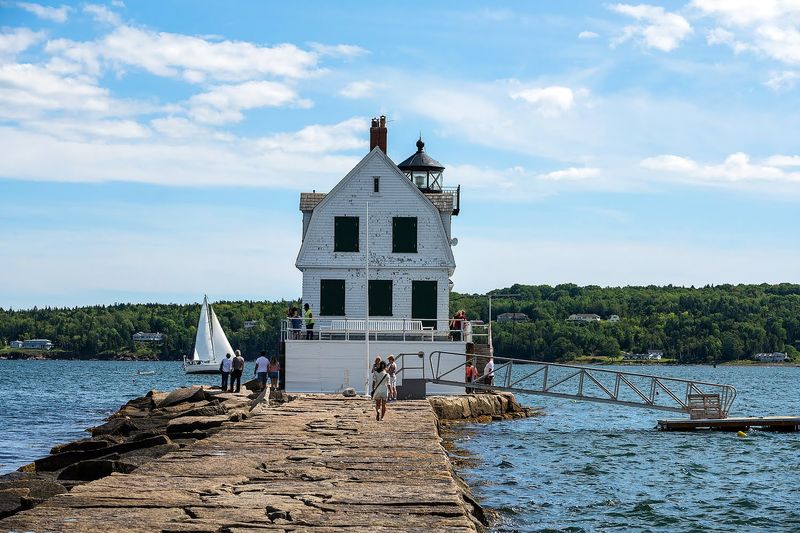
The breakwater is popular with more than just lighthouse seekers. Fishermen set up along the granite blocks at all hours, casting lines into the bay for mackerel, striped bass, and other species that move through Penobscot Bay during the warmer months.
The rocks make a surprisingly comfortable perch for fishing, and the deep water right off the edge of the breakwater holds fish reliably.
Photographers make up a significant portion of the visitors, and for good reason. The lighthouse, the bay, the boats, the wildlife, and the dramatic sky all combine into a location that rewards every kind of camera, from a professional setup to a phone held at arm’s length.
The floating dock near the lighthouse is the key spot for getting a clean side-angle shot of the full structure without any obstructions in the frame.
Some visitors use the walk purely as exercise, and the uneven surface actually makes it a more challenging workout than a flat trail of the same distance. Joggers do make the trip, though running on those rocks requires serious confidence and coordination.
Whether you come to fish, shoot photos, or simply breathe some genuinely fresh salt air, the breakwater offers something worth doing at every step of the way.
Why This Place Stays With You Long After You Leave
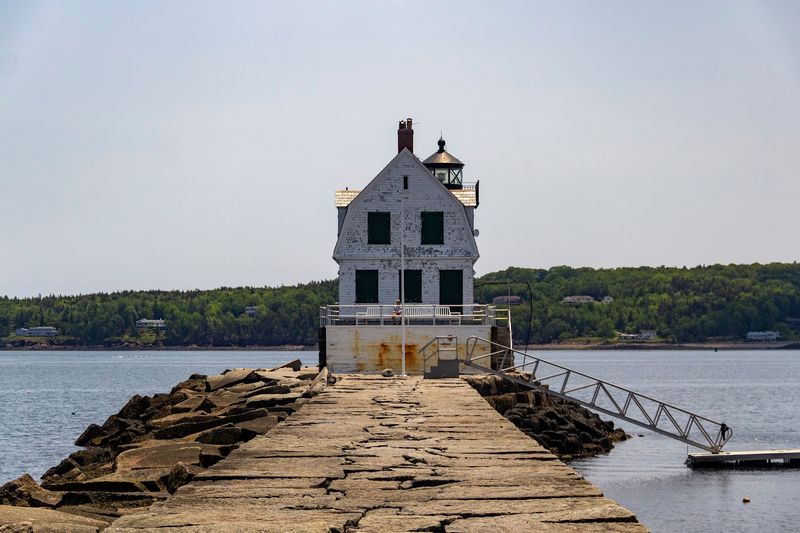
There are plenty of lighthouses along the Maine coast, and most of them are beautiful. But the Rockland Breakwater Lighthouse does something that almost none of the others can manage: it makes you earn the view.
That nearly mile-long walk on uneven granite, with cold ocean water on both sides and the wind pushing back against you, turns a simple sightseeing stop into something that feels genuinely personal.
Visitors from all over the country, including travelers from Oklahoma and other landlocked states who have never stood this close to open ocean, consistently describe the experience as one of the most memorable things they did on their entire trip to Maine. The combination of physical effort, dramatic scenery, and historical weight gives the visit a depth that a quick roadside pullout never could.
The lighthouse has stood at the end of that breakwater since 1902, and it will likely still be there long after every visitor who walked out to see it has gone home and told the story a dozen times. That kind of permanence, set against the constantly changing water and sky of Penobscot Bay, is what makes this place so hard to forget.
Maine has many remarkable spots, but this one earns its reputation one granite block at a time.
Share this story