 Unearth The Voyage
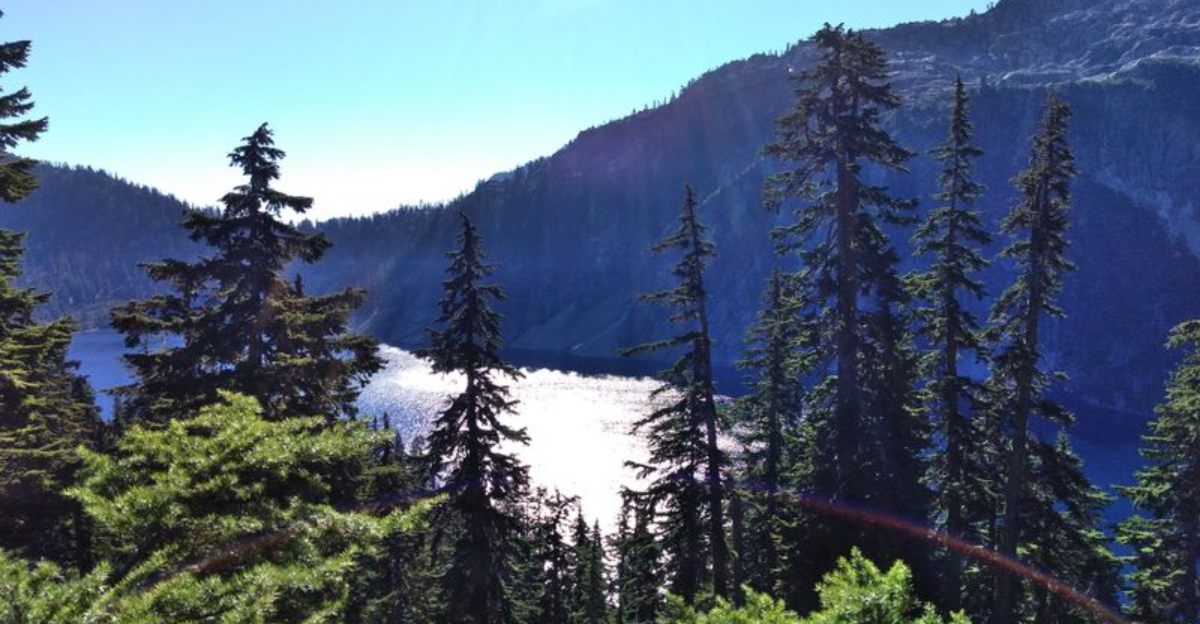
Tucked above Snoqualmie Pass, Gem Lake feels like a secret you stumbled upon at the perfect moment. The water glows turquoise on sunny days, with granite cliffs and hemlock framing every ripple. Trails weave through old growth, wildflowers, and alpine boulder fields, rewarding you with quiet camps and mountain reflections. If you crave crisp swims, satisfying miles, and starry nights, this hidden lake will pull you in and never quite let go.
Start at the Gem Lake Trail access near Snoqualmie Pass, where forest air feels cool and mossy. Check the trailhead board for recent conditions, wildfire updates, and parking rules. A Northwest Forest Pass is typically required, so handle that before boots hit dirt.
The path climbs steadily, mixing rocky steps with soft duff under fir and hemlock. You will pass boulder gardens and peek at views that promise big water ahead. Trekking poles help with uneven roots, especially after rain.
Pack layers even in July, because mountain weather flips quickly. Keep ten essentials handy, including a filter for streams and the lake outflow. In shoulder seasons, microspikes can be the difference between turning back and grinning at the shoreline.
Gem Lake sits just beyond popular Snow Lake, so the route piggybacks off a familiar path. You will crest the Snow Lake divide, drop to the big basin, then continue east as the crowd thins. The grade turns rockier, with cairns guiding you across granite shelves.
Expect steady elevation changes and a few short scrambles that keep the heart honest. Wild heather and sedges edge the trail, and pikas chirp from talus stacks. Take it slow when wet, because polished stone gets slick fast.
As you near Gem, the noise fades and the water brightens to a milky blue. Tall ridges reflect like a postcard on calm evenings. That final curve reveals campsites tucked back from shore, begging for a restful pause.
Gem Lake tempts swimmers with glassy coves and flat granite shelves that ease you in. Look for shallow entry spots on the western shore where sun warms the rock. Water stays cold year round, so plan brief dips and warm layers afterward.
Avoid jumping from higher boulders because depth can be deceiving. Scan for submerged rocks and keep sandals for grippy footing. If you bring a float, secure it during gusts that sweep across the basin.
Swim with a buddy, and listen for thunder that can roll in fast. Keep swimmers clear of anglers and filter intakes. On calm mornings, the mirror surface feels magical, and you will swear the mountains are floating beside you.
Camping near Gem Lake is rustic, small scale, and unforgettable. You will find established pads tucked in trees or on durable gravel back from the shoreline. Choose a site at least 200 feet from water to protect fragile shore plants.
Expect no services, so pack a trowel, bear can, and a solid sleep system. Night temperatures drop quickly, even after hot afternoons. A light breeze often carries across the basin, cutting tent condensation.
Campfires are typically prohibited at high elevation, so rely on a stove. Keep food locked in a canister because curious critters patrol the night. Fall brings spectacular stars, and those reflections across still water might keep you staring longer than planned.
Gem Lake survives on the kindness of careful visitors. Pack out every crumb, including micro trash like tea tags and noodle wrappers. Camp and cook on durable surfaces, not fragile heather or meadow edges.
Keep soap, even biodegradable types, far from the lake and outflow. Strain food bits from dishwater and scatter far from camp. Human waste belongs in a cathole 6 to 8 inches deep and 200 feet from water.
Stay on established paths to stop social trail sprawl. Quiet camps let wildlife move naturally at dusk and dawn. When you leave, the goal is simple: no one should tell you were ever there, except the smile you carry home.
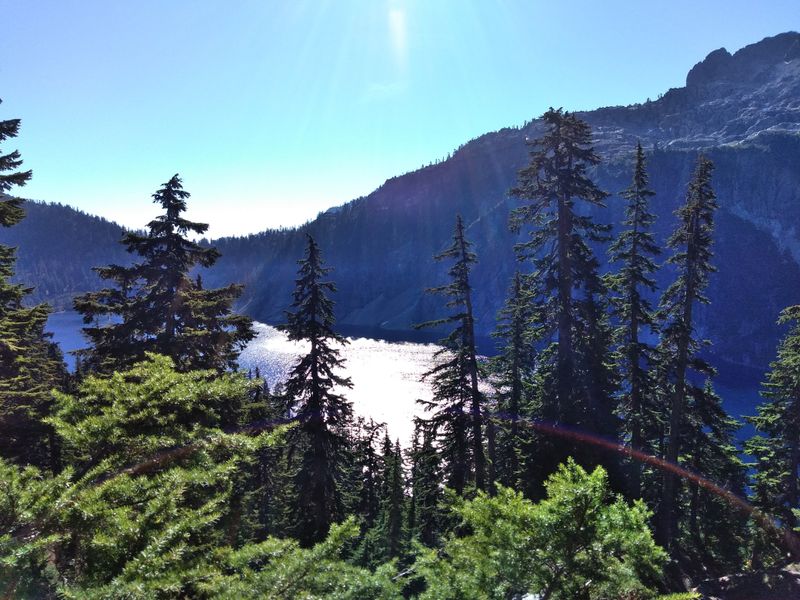
Early summer delivers snow patches and big waterfalls, which can slow travel but look gorgeous. Mid summer to early fall is the sweet spot for warm rock lounges and confident swims. By late fall, frost creeps in and nights get sharp.
Start early to beat crowds funneling to Snow Lake and to nab a quiet cove at Gem. Sunrise paints the ridges with a peach glow that lingers over glass water. Evening winds often calm, making sunset reflections the hero show.
Check recent trip reports for lingering snow and bridge damage. Shoulder seasons demand microspikes, extra insulation, and a flexible turnaround time. Whatever month you choose, the lake rewards patience and a little weather grit.
Gem Lake’s shoreline rings with low heather, sedges, and pockets of lupine that perfume the trail. Late July brings paintbrush and penstemon blooming between granite blocks. Kneel down and you will catch tiny saxifrage shining like stars after rain.
Stay on rock or dirt to protect these slow growing plants. Even a single step can crush delicate stems that took years to root. Photograph with a zoom instead of wandering into meadows.
Bees and butterflies patrol sunny breaks, and you might spot hummingbirds sipping alpine nectar. In the evenings, colors deepen and the lake becomes a soft reflector for petals and needles. Bring a field guide to turn every bend into a little botany class.
Keep an eye on talus fields, and you will hear pikas chirp like tiny sentries. Chipmunks and gray jays know how to work a distracted snack break, so guard your food. Trout sometimes cruise the shallows, flicking shadows under the surface.
Mountain goats occasionally wander distant ridges. Give them huge space and never salt lures like sweaty gear. Dawn and dusk are prime wildlife hours when the basin goes quiet.
Store food and trash in a bear can to prevent animal conditioning. If you spot larger wildlife, step aside, observe, and keep dogs leashed. The best encounters feel brief and respectful, leaving animals to write their own stories after you pass.
Alpine water looks pristine, but filtering is non negotiable. Scoop from the lake outflow or fast moving inlets to reduce sediment. A squeeze filter or pump handles most needs, while chemical tabs backstop longer trips.
Carry enough bottles to separate clean and dirty water. Label them so you do not cross contaminate after a long climb. Cold water is refreshing but can chill your core, so sip consistently while hiking.
Electrolyte packets help after a swim or hot switchbacks. If temps spike, camel up at sources before pushing to camp. Before leaving, make one last filter run so morning coffee does not start with a scramble.
Sunrise hits the eastern walls and slides across the water like liquid gold. Stand on the western shore for clean reflections and foreground blooms. Evening flips the palette, with warm ridges and cool sky gradients.
Bring a tripod and polarizer to tame glare and deepen tones. Step back from the shoreline to keep ripples off your composition. A lightweight telephoto isolates patterns in stone, snow fingers, and water ripples.
Move gently to avoid trampling plants while chasing angles. On windless nights, the lake becomes a perfect mirror for star shots. If clouds roll in, embrace moody contrast that turns Gem’s blues into stormy drama.
With kids, pace the day and budget generous snack breaks. Start early, turn around if energy dips, and make the big views the reward, not the goal. Bright layers help with changing weather and visibility near water.
Pick a safe shoreline zone for supervised wading. Water shoes protect toes from slick rocks and hidden sticks. Games like spotting pikas or counting switchbacks keep morale high.
Pack a small first aid kit with blister care and a cozy layer. Teach Leave No Trace by letting kids carry a tiny trash bag. Ending with cocoa by the lake makes memories that outlast tired legs.
Fishing here is a quiet, patient game along rocky ledges and calm corners. Ultralight gear with small spinners or flies works best in clear water. Early morning and late evening bring trout closer to shore.
Mind local regulations and seasonal rules before you cast. Keep barbs pinched and handle fish gently with wet hands. Give swimmers space and watch your back cast on busy weekends.
A packable net helps with safe releases and fewer lost fish. If winds kick up, switch to a heavier pattern for control. Whether you catch or not, that reflection at your feet feels like the real prize.
Gem Lake can flip from sunny picnic to sideways rain in minutes. Carry a shell, warm midlayer, and a beanie even in August. Keep a dry bag for essentials so a quick squall does not soak your plans.
Traction changes fast on granite when drizzle starts. Slow your steps, shorten strides, and use poles for stability. If thunder approaches, move away from high ridges and isolate metal gear.
Navigation matters in fog, so bring a paper map and compass as GPS backup. Tell someone your plan and turnaround time. A conservative mindset turns surprises into stories rather than rescues.
Dogs love this trail’s smells and breezes, but good etiquette keeps the lake wild. Leash up near busy sections and around camps to protect wildlife and plants. Pack extra water so pups are not tempted to gulp from shallow edges.
Waste bags are essential and should leave with you, not under rocks or branches. Give anglers and swimmers wide space to avoid tangled lines. Paw balm helps after rough granite miles and hot slabs.
If goats or sensitive wildlife appear, turn away and create distance. A quiet, responsive dog makes neighbors relax and keeps your trip stress free. End the day with a nap by the tent while the lake turns to glass.
Reach the trail access off I-90 near Snoqualmie Pass, then follow signage toward the Snow Lake and Gem Lake routes. Parking fills early on sunny weekends, so arrive before sunrise or come midweek. Overflow can stretch down the road, adding an unplanned warm up.
Display your pass, lock valuables, and snap a photo of the posted map. Cell service is spotty, so download offline maps ahead of time. Restrooms may be basic or seasonal, so plan accordingly.
After the hike, drive slowly because wildlife sometimes crosses at dusk. Keep a clean car to discourage break ins. Little planning here pays off in smooth steps the moment forest air hits your face.



