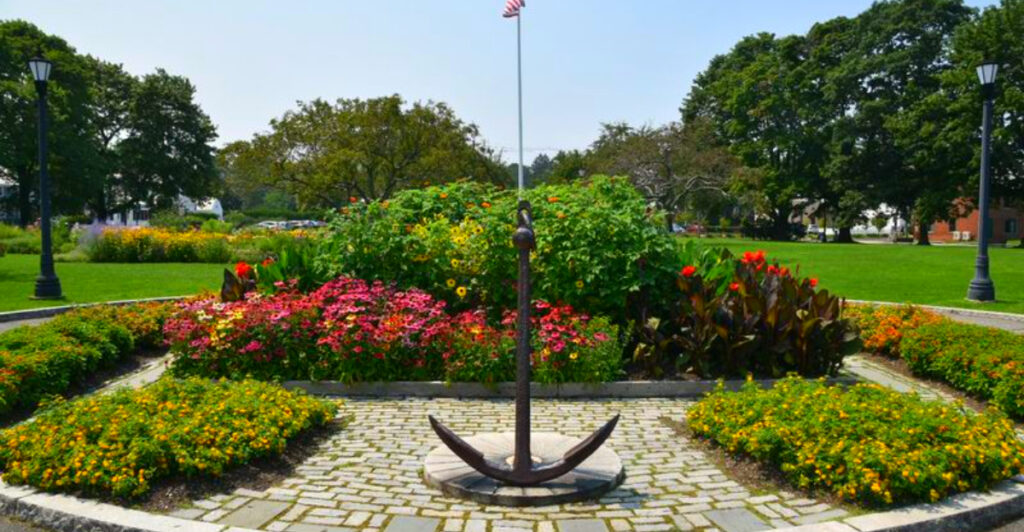
A waterfront park in coastal New Hampshire offers an impressive mix of river views, formal gardens, and public green space completely free to visitors. Set along the Piscataqua River, the grounds feature hundreds of flower varieties, scenic walking paths, and peaceful spots where visitors can watch boats glide past the shoreline.
Once an industrial site, the property was transformed into a beloved public garden thanks to a gift from two sisters determined to preserve the land for everyone to enjoy. Today, festivals, seasonal blooms, and riverside scenery make it one of New England’s most memorable public spaces.
A Waterfront Address Worth Finding
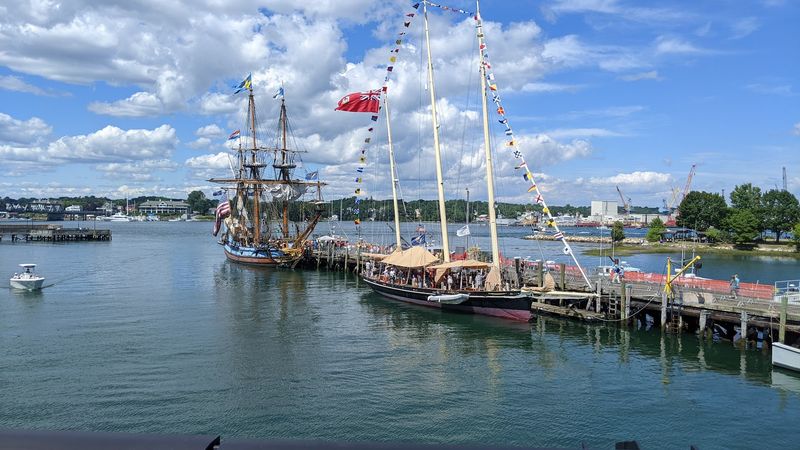
The park sits at 105 Marcy St, Portsmouth, NH 03801, right along the edge of the Piscataqua River in the heart of the city’s historic South End neighborhood. Getting there is straightforward, and the surrounding streets are lined with colonial-era buildings that immediately set the tone for the experience ahead.
The park is open 24 hours a day, every day of the week, which means early risers can catch the morning mist rolling off the river and night owls can enjoy the quiet glow of the waterfront after dark. Parking nearby allows up to two hours for free, which is plenty of time for a casual visit, though most people end up staying longer than planned.
The phone number for general inquiries is +1 603-610-7208, and the city’s official park website has seasonal updates on events and garden tours. Arriving on foot from downtown Portsmouth takes just a few minutes, making this one of the most accessible waterfront spots in the region.
How Two Sisters Changed a Waterfront Forever
The origin story of this park is genuinely touching. Josie F.
Prescott and her sister Mary Prescott were Portsmouth residents who watched the city’s waterfront sit as a run-down industrial zone for years, and they decided to do something about it.
Beginning in the 1930s, the Prescott sisters quietly purchased parcels of waterfront property along the Piscataqua River. Josie eventually willed the land to the City of Portsmouth in 1954, with one clear condition: it had to remain a free and publicly accessible space for everyone, forever.
That single act of generosity transformed what had been a working industrial area into one of the most visited public parks in New Hampshire. The warehouses that once defined the industrial character of the site were preserved rather than demolished, and they now stand as historic landmarks within the park.
The Prescott sisters never sought fame, but their names are permanently woven into the fabric of Portsmouth’s public life, which feels like exactly the kind of legacy worth celebrating.
The Garden That Doubles as a Living Plant Catalog
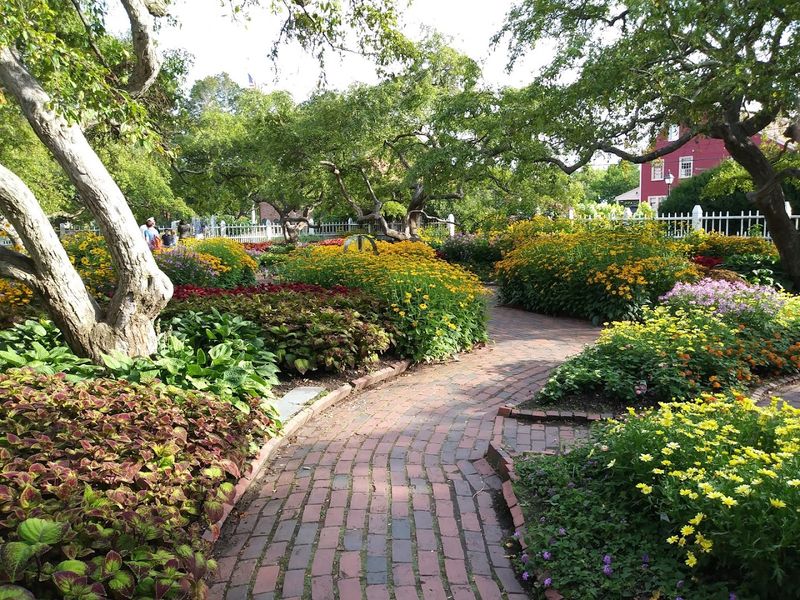
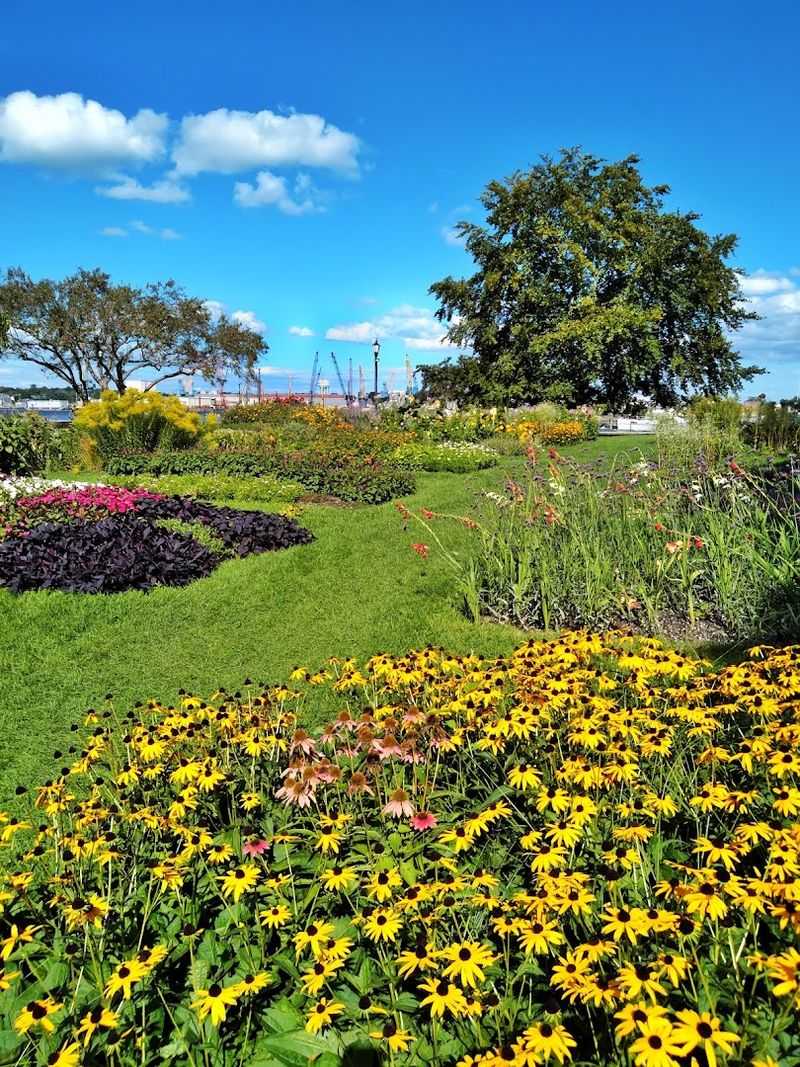
More than 500 varieties of plants grow within the boundaries of this 10-acre park, and that number is not just impressive, it is almost hard to believe when you are actually standing in the middle of it all. The gardens were shaped in large part by the UNH All-American Selections Program trial gardens, which were established here in 1975 and originally included 40 formal garden beds.
The beds known as the Liberty Gardens showcase annuals in bold arrangements designed around height, color, and massing, creating a visual rhythm that draws your eye from one section to the next. Many of the plants carry the “All-American Selections” designation, meaning they have been tested and proven to perform well across a variety of growing conditions across the country.
Gardening enthusiasts often describe the park as a living catalog, because you can see how different plants actually look and perform in a real coastal New England environment rather than just reading about them in a book. Butterflies and other pollinators are regular visitors, adding movement and life to an already vibrant scene.
What the Piscataqua River Adds to the View
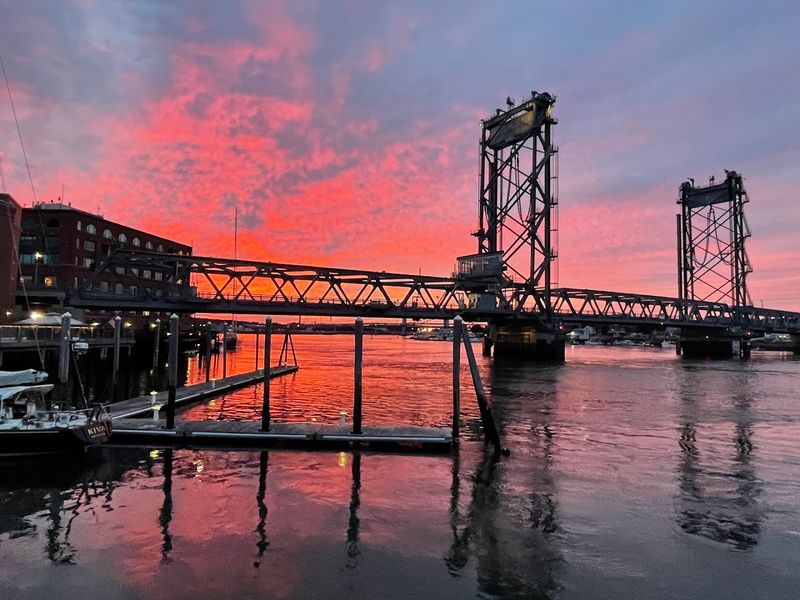
The river is not just a backdrop here. The Piscataqua River is an active, working waterway, and watching it from the park benches feels more like watching a slow-moving documentary than a static landscape painting.
Tugboats push barges upstream, fishing boats head out toward the open Atlantic, and the occasional larger vessel slides past with surprising quiet for its size.
On certain days, especially when the tide is shifting, the salt air arrives in a wave that reminds you just how close the ocean really is. The Memorial Bridge, a vertical lift bridge connecting Portsmouth to Kittery, Maine, frames the eastern view and has become one of the most photographed backdrops in the city.
The Portsmouth Naval Shipyard is also visible across the river, adding a layer of industrial history to the otherwise peaceful scene. Sitting on one of the park’s benches with that view spread out in front of you, the combination of natural beauty and working waterfront activity creates an atmosphere that is hard to find anywhere else along the New England coast.
The Shaw and Sheafe Warehouses Still Standing Strong
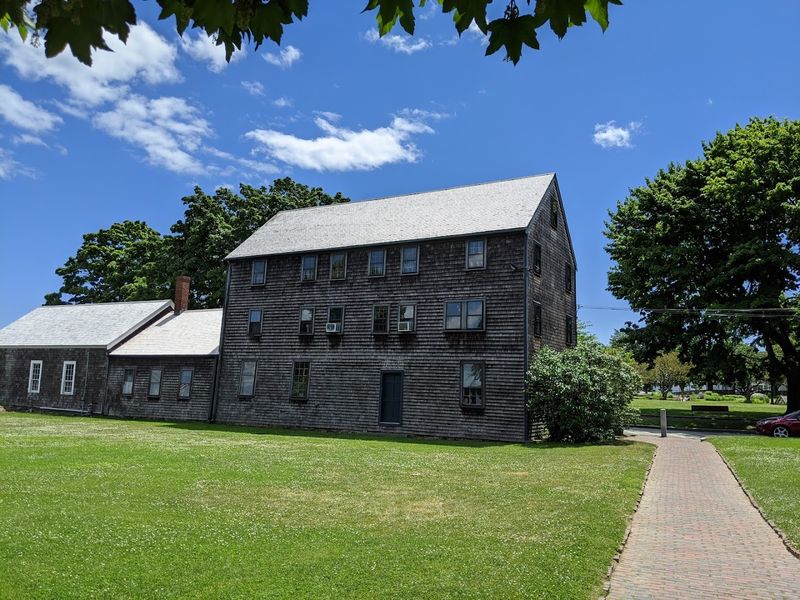
Not every park has 18th-century warehouses sitting quietly on its grounds, but Prescott Park is not every park. The Shaw Warehouse and the Sheafe Warehouse are two of the oldest surviving commercial structures in Portsmouth, and they have been preserved as part of the park rather than torn down to make room for more open space.
Both buildings reflect the maritime commerce that once defined this stretch of the Piscataqua waterfront, when goods moved through Portsmouth’s docks on their way to and from the wider Atlantic trade network. Their thick timber frames and weathered brick exteriors feel like a physical handshake between the present and the city’s colonial past.
The warehouses sit near the water’s edge, which means they catch the same river light and salt breeze that visitors come to enjoy in the gardens nearby. They are not museums in the traditional sense, but their presence gives the park a sense of depth and permanence that newer green spaces simply cannot manufacture.
Strolling past them, you get the distinct sense that this waterfront has many more stories left to tell.
The Arts Festival That Turns the Park Into a Stage

Every summer, the park’s grassy open areas transform into an outdoor performance venue that draws crowds from across the region. The Prescott Park Arts Festival is a long-running event that brings live music, theatrical productions, and family programming to the waterfront, all with the river and gardens as the setting.
The music lineup tends to feature rising acts that have not yet reached household-name status but are clearly on their way there, which gives the concerts an exciting, discovery-oriented energy. The theatrical productions are full productions with sets, costumes, and live performances staged against the backdrop of the Piscataqua River, which is a combination that few outdoor venues anywhere can match.
Bringing a blanket and settling in on the grass is the preferred move for regulars, though rented chairs are also available near the stage area. The festival also runs an acting camp for younger visitors, making it a genuinely multigenerational event rather than just a concert series.
The whole atmosphere feels relaxed and welcoming, which is exactly the right tone for a park that has always been built around the idea of free public access.
Four Tree Island and the Unexpected Extra
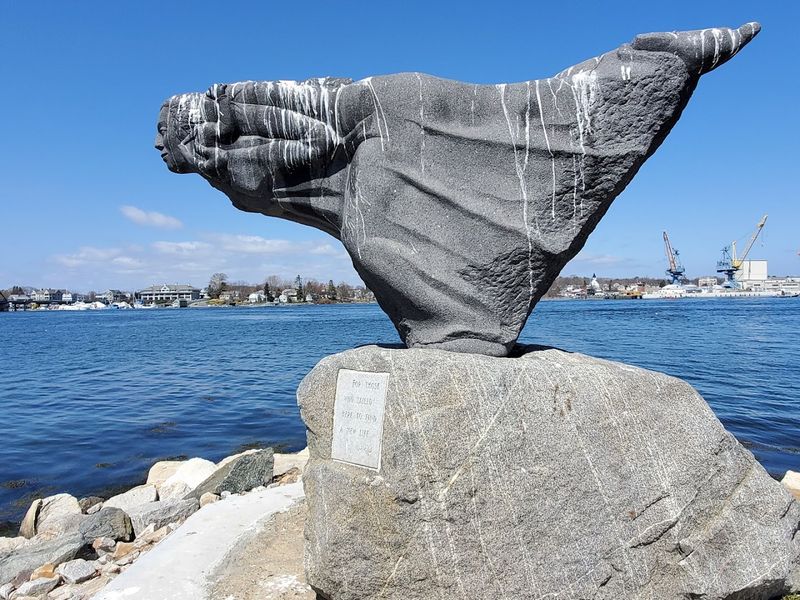
Most people visit Prescott Park for the gardens and the river views, and then they discover Four Tree Island, which adds an entirely different dimension to the experience. The island is accessible from the park and sits directly in the Piscataqua River, offering 360-degree water views that are simply not available from the main park grounds.
The island has a quiet, slightly removed feeling compared to the busier garden areas, which makes it a favorite spot for people who want a moment of genuine stillness without leaving the park entirely. The views from the island include the Memorial Bridge, the Portsmouth Naval Shipyard, and the open river stretching toward the Atlantic, all visible from a single vantage point.
Municipal docks are also part of the park’s waterfront infrastructure, and on busy summer days you can watch boats coming and going with a steady, unhurried rhythm. Four Tree Island is the kind of place that rewards visitors who take the time to explore beyond the obvious main attractions, and it tends to be the detail that people mention most enthusiastically when they describe their visit to someone who has never been.
Love Locks, Fountains, and Small Surprises
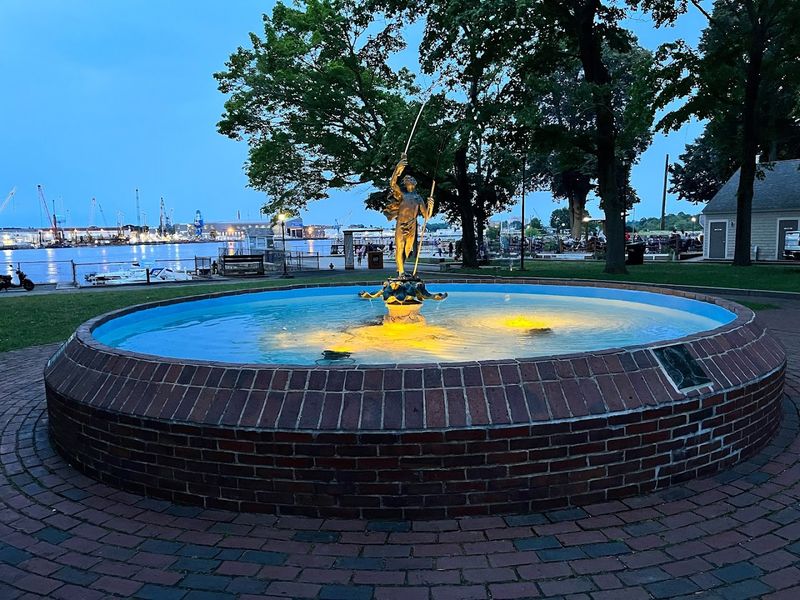
Beyond the main gardens and the river views, Prescott Park is full of small details that reward slow, attentive exploration. A fence near one of the park’s piers is covered in padlocks left by couples, a tradition that has quietly accumulated into a colorful, sentimental display that catches most visitors completely off guard.
Fountains are scattered throughout the park, adding a gentle sound layer to the already pleasant atmosphere. The combination of moving water, flowering plants, and distant river activity creates a sensory experience that feels intentional without being overdone.
Benches are positioned throughout the grounds with clear sightlines to the water, the gardens, or both, which means there is no bad seat in the house regardless of where you choose to sit. Picnic spots are available for those who want to bring their own food, and a snack stand operates during the warmer months for anyone who arrives unprepared but hungry.
These smaller features are what make the park feel genuinely lived-in rather than just maintained for appearances, and they add up to something that lingers in your memory long after you leave.
What Makes the Hostas and Demonstration Beds So Special
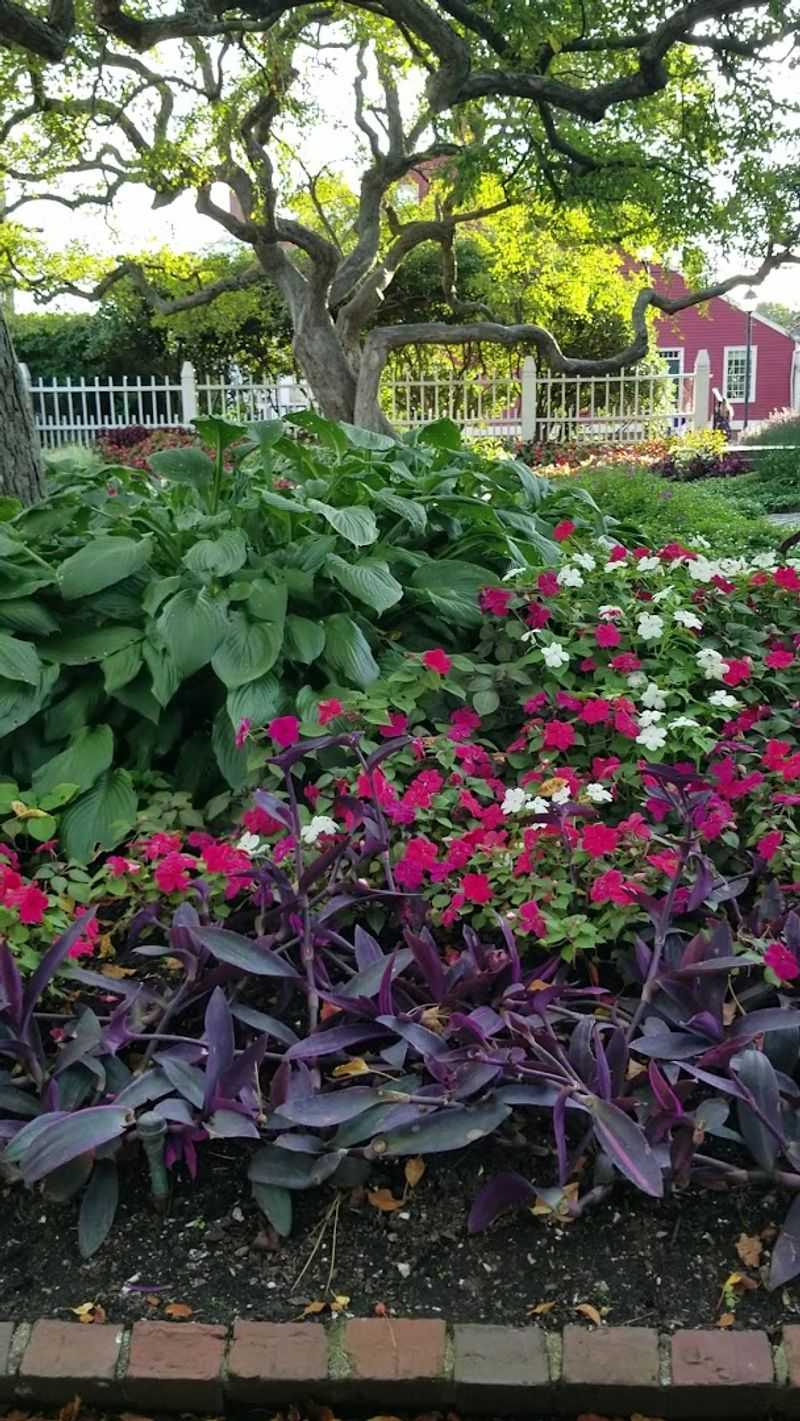
Not every flower garden includes a dedicated section for hostas, but the team at Prescott Park has developed a notable collection that showcases the plant’s remarkable range of leaf size, color, and texture. For anyone who has only ever seen hostas used as simple border plants in a home garden, the display here is genuinely eye-opening.
The demonstration beds throughout the park serve a specific educational purpose, showing visitors how different plants perform under real-world conditions along the New Hampshire coast. Each bed is designed to highlight something particular, whether that is a specific color palette, a combination of heights, or the way certain varieties attract pollinators more effectively than others.
The level of care that goes into maintaining these beds is visible in every detail, from the precision of the edges to the health of the individual plants. The groundskeeping team is known for taking obvious pride in their work, and on days when they are out tending the beds, they are happy to share what they know with curious visitors.
That open, generous approach to sharing knowledge makes the gardens feel like a community resource rather than just a public amenity.
The Best Times to Visit and What to Expect Each Season
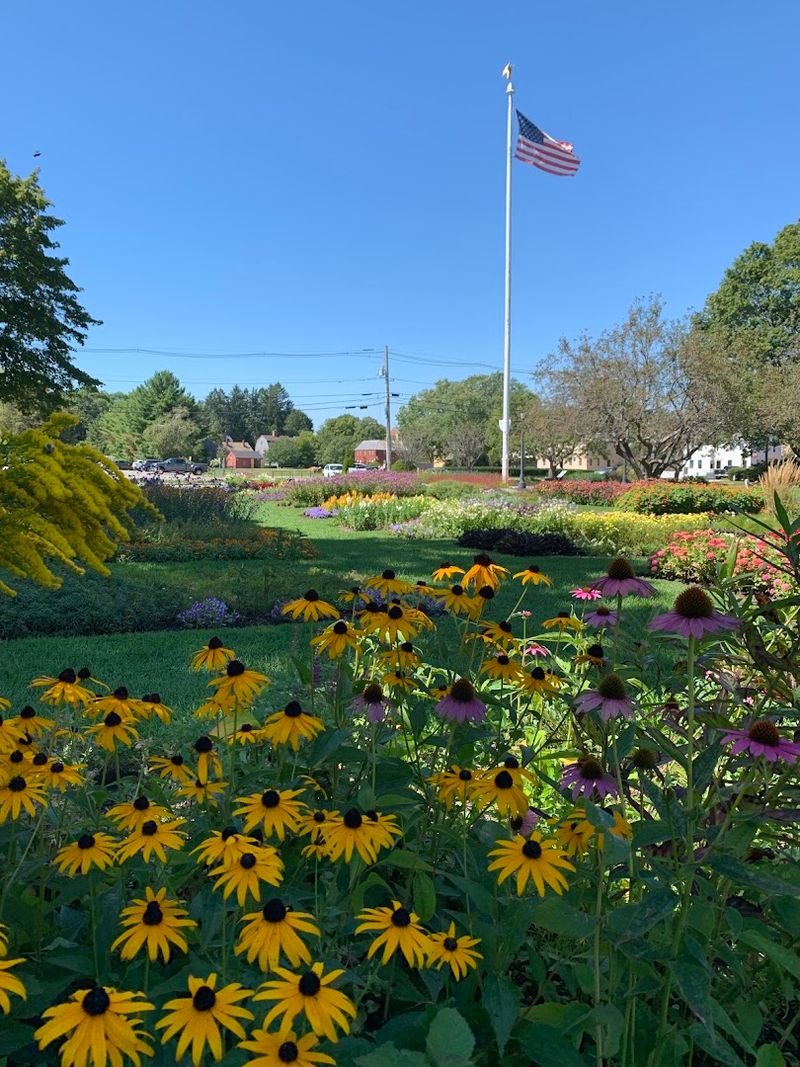
Summer is the undisputed peak season at Prescott Park, and for obvious reasons. The gardens reach their fullest expression from late June through early September, with the second weekend of September often cited as a particularly beautiful window when many varieties are still blooming but the summer crowds have thinned slightly.
Spring brings the early plantings and the gradual return of color after the New England winter, while fall offers a different kind of beauty as the gardens transition and the river takes on a deeper, more dramatic light. Winter visits have their own quiet appeal, especially for those who want to see the park’s bones, its paths, warehouses, and waterfront layout, without the distraction of crowds and full foliage.
The park is open around the clock every day of the year, so there is genuinely no wrong time to show up. That said, arriving on a weekday morning in midsummer gives you the best chance of having the garden paths largely to yourself before the afternoon visitors arrive, which is when the light on the flowers tends to be at its most photogenic anyway.
Why This Park Keeps Calling People Back
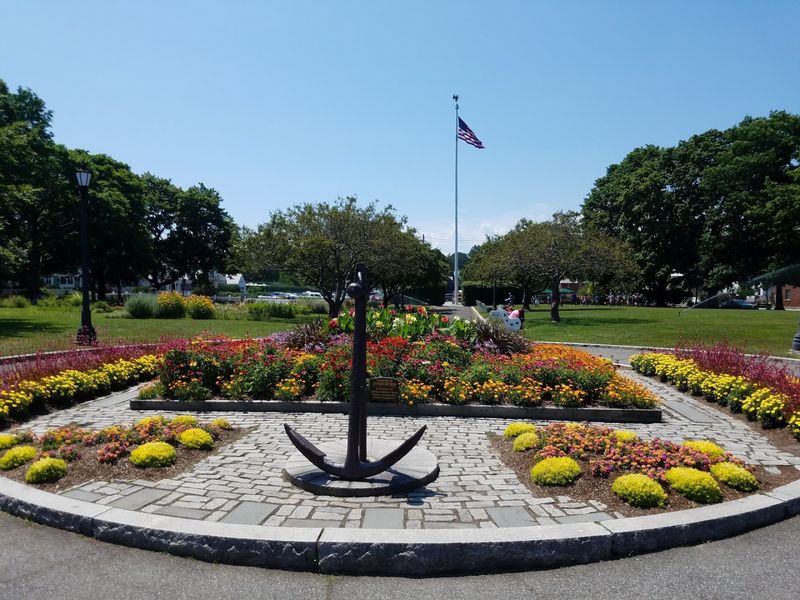
The wheelchair-accessible paths mean the park is genuinely open to visitors of all mobility levels, which reflects the original spirit of the Prescott sisters’ gift to the city. The proximity to Strawbery Banke Museum, downtown Portsmouth’s shops, and several well-regarded restaurants means a visit to the park can easily anchor a full day of exploring the city without requiring a car.
What keeps people coming back year after year is harder to define precisely but easy to recognize when you are there. It is the way the salt air mixes with the scent of the flowers, the way the river moves in the background while you sit quietly on a bench, and the way the whole place feels both cared for and completely unpretentious.
That combination is rarer than it sounds, and it is exactly what makes this waterfront park worth returning to every single time.
Share this story