 Unearth The Voyage
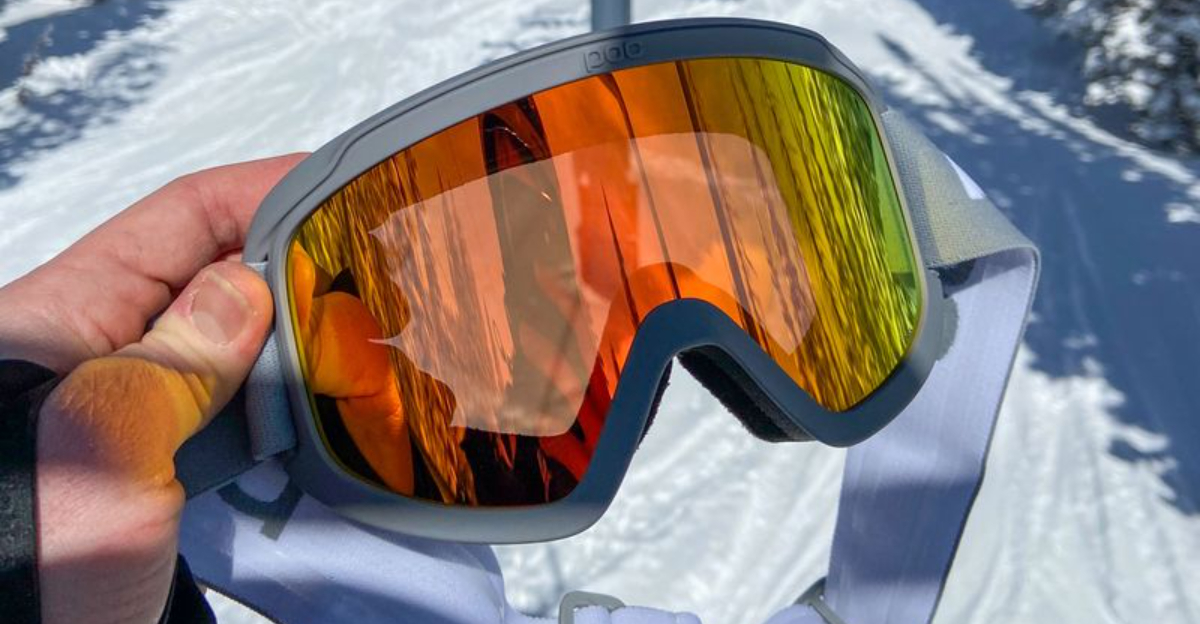
Flat light is a skier’s worst enemy. When the sky turns gray and shadows disappear, even expert runs become confusing white voids where bumps, dips, and ice patches hide in plain sight. We spent weeks testing 25 popular ski goggles in real flat-light conditions to find out which lenses actually help you see terrain definition when the mountain goes monochrome.
1. Smith I/O MAG (with a ChromaPop Storm lens)
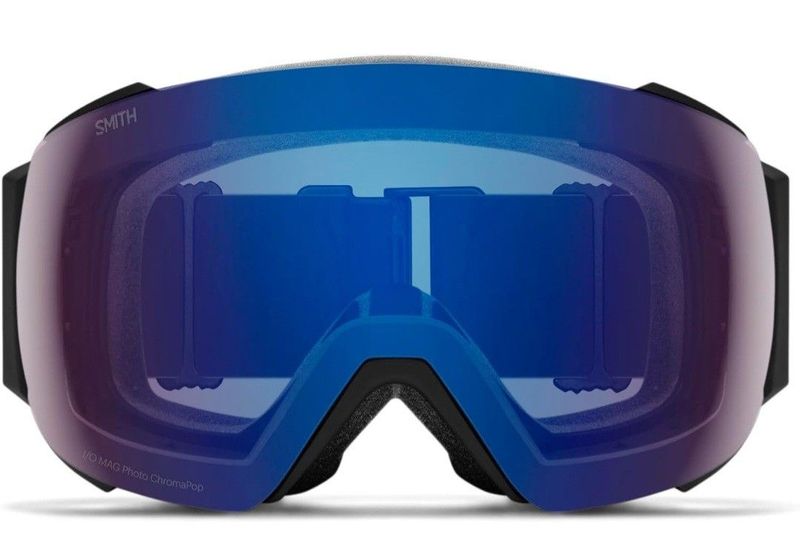
Magnetic lens swaps sound gimmicky until you’re fumbling with frozen fingers at the lift. Smith’s I/O MAG turns lens changes into a two-second operation, which matters when storms roll in mid-morning.
ChromaPop Storm lenses use a warm, rose-tinted base that amplifies contrast in flat light without over-brightening white snow. Shadows and contours pop back into view, making moguls readable again.
Build quality is solid, with triple-layer foam that stays comfortable during long days. If you swap lenses often based on conditions, the MAG system eliminates excuses for riding the wrong tint.
2. Smith Squad (with a ChromaPop Storm lens)
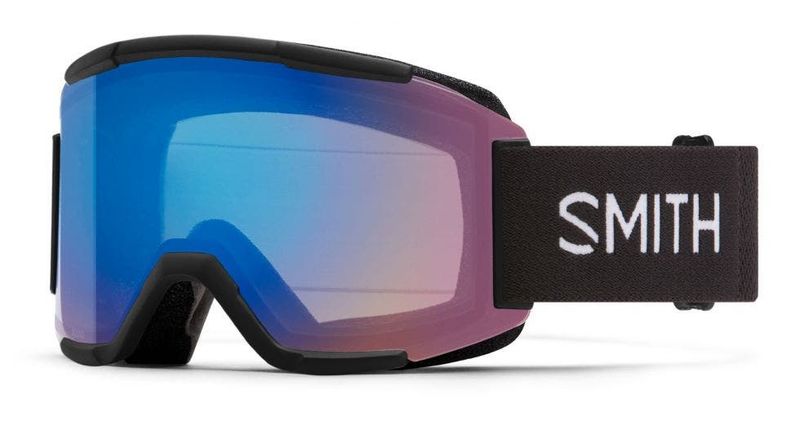
Big, simple, reliable. The Squad has earned its place as a workhorse goggle because it nails the basics without fuss or frills.
Smith’s ChromaPop Storm lens works just as well here as on the pricier I/O MAG, boosting contrast and terrain definition when clouds settle in. Lens swaps require a bit more effort than magnetic systems, but the cylindrical lens keeps costs reasonable while maintaining excellent clarity.
Ventilation is strong enough to prevent fogging on warmer storm days. For skiers who value straightforward performance over gadgets, the Squad delivers exactly what flat-light riding demands.
3. Oakley Flight Deck (Prizm Snow Hi Pink)
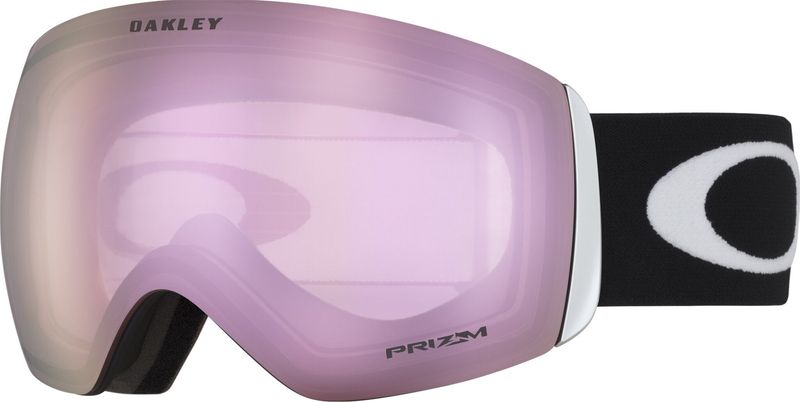
Prizm Snow Hi Pink looks odd on the rack but makes total sense on the mountain. Oakley engineered this lens specifically for overcast days, using a bright pink tint that separates subtle shadows from flat white.
Flight Deck’s frameless design gives you peripheral vision that mimics riding without goggles, which helps when you’re already struggling to read terrain in poor light. The spherical lens reduces distortion at the edges, keeping your depth perception accurate.
Fit runs slightly larger, so smaller faces might experience gaps. Still, when visibility drops, this combination of lens tech and field of view wins.
4. Anon M4 (PERCEIVE Cloudy Burst)
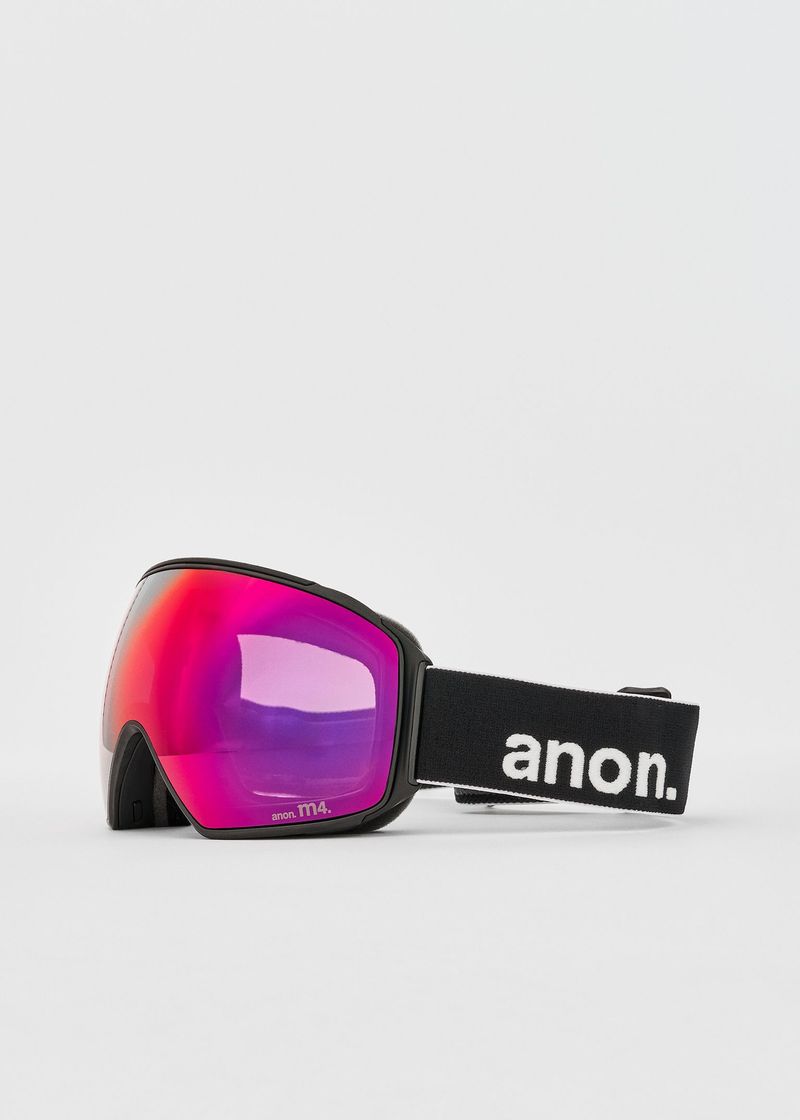
Anon built the M4 around adaptability, and PERCEIVE Cloudy Burst is the lens that proves it. With high visible light transmission, this tint opens up flat-light terrain so you can spot transitions before you hit them.
Magnetic lens changes rival Smith’s system for speed, and the bonus magnetic facemask integration seals out wind on stormy days. Burton’s goggle tech shows here with ventilation that balances airflow without creating cold spots.
Fit skews toward medium-to-large faces. If you ride in variable weather and want one goggle that handles everything, the M4 with Cloudy Burst covers your worst-case scenario.
5. Giro Axis (includes an Infrared storm/low-light lens)
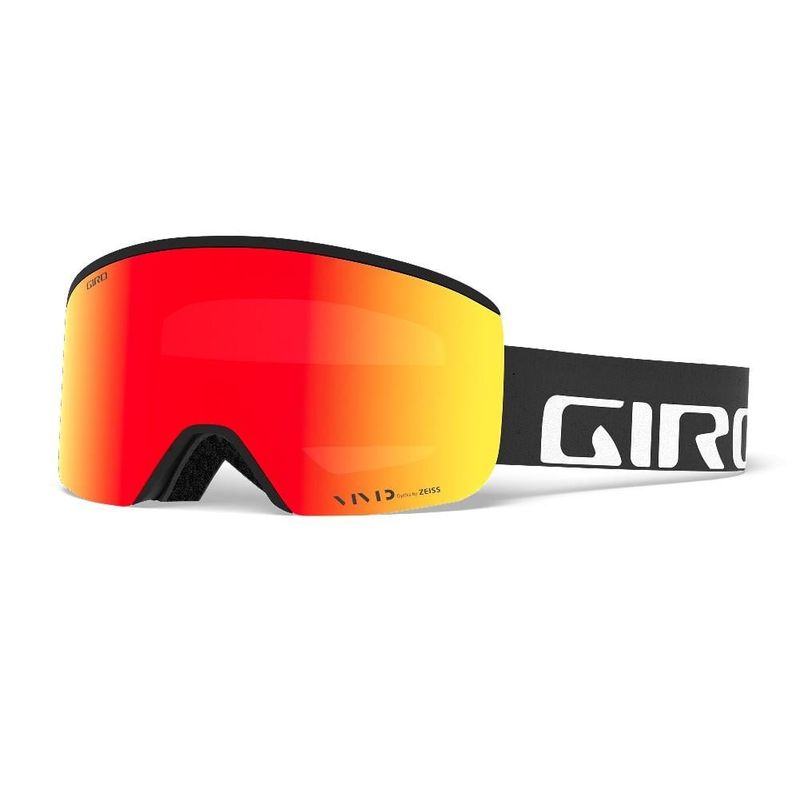
Giro ships the Axis with two lenses right in the box, including an Infrared storm option designed for days when the sun never shows. No need to buy extra lenses or guess which tint to order.
The Infrared lens uses a warm, red-based tint that enhances depth perception when everything looks flat. Lens swaps are tool-free and reasonably quick, though not as instant as magnetic systems.
Ventilation keeps fog at bay even during hard charging. For skiers who want storm-ready performance without hunting down aftermarket lenses, the Axis delivers practical value straight out of the package.
6. Dragon X2s (LUMALENS low-light or photochromic options)
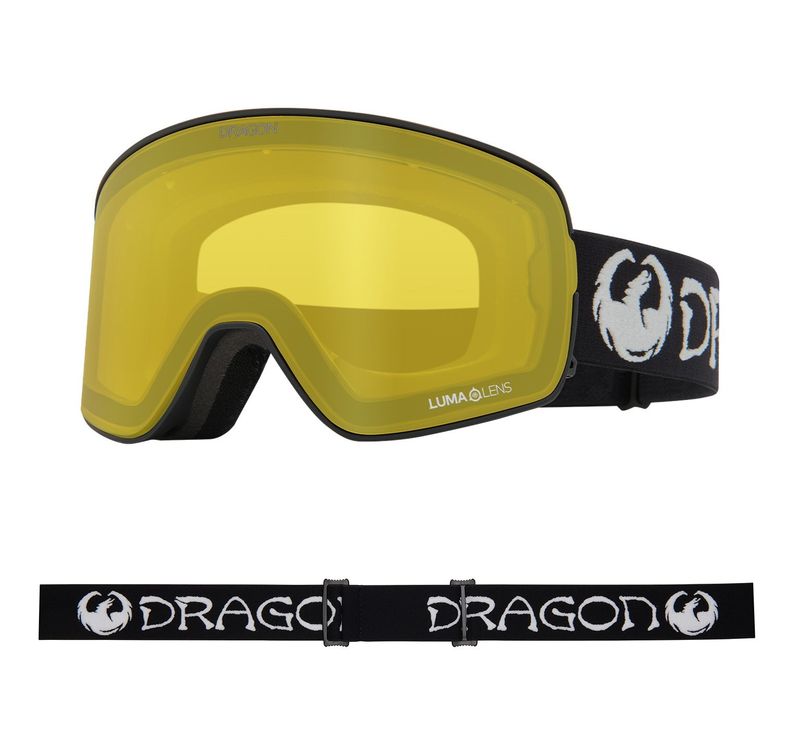
Dragon’s LUMALENS technology covers a wide range of conditions, but the low-light Yellow and photochromic options shine when visibility tanks. Yellow lenses have been a flat-light staple for decades, and Dragon’s version adds modern contrast enhancement.
Photochromic lenses adjust automatically as light levels shift, opening up to let more light through when clouds thicken. The Swiftlock system makes lens changes faster than traditional clips.
Frameless design maximizes your view without adding bulk. If you want flexibility to handle both bluebird and storm days with one goggle, X2s offer solid versatility.
7. POC Opsin (Clarity Comp Low Light lens option)
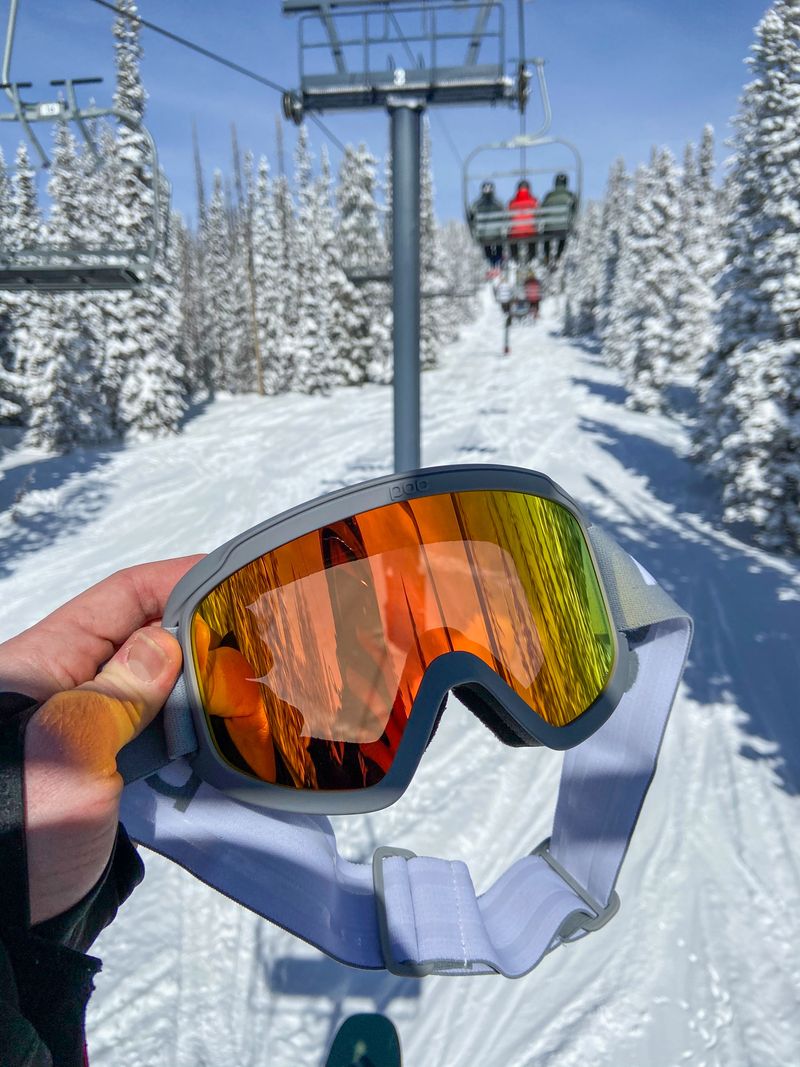
POC takes a no-compromise approach to optics, and the Clarity Comp Low Light lens reflects that philosophy. Built for reduced-light scenarios, this lens filters specific wavelengths to boost contrast without oversaturating colors.
The Opsin frame is slightly narrower than some competitors, fitting well with helmets and smaller faces. Ventilation is excellent, preventing the fog buildup that often plagues goggles in humid, stormy conditions.
Price sits at the higher end, but the optical clarity justifies the cost. When you need to read every ripple and roll in flat light, POC’s lens tech delivers precision.
8. Julbo Cyrius (REACTIV photochromic)
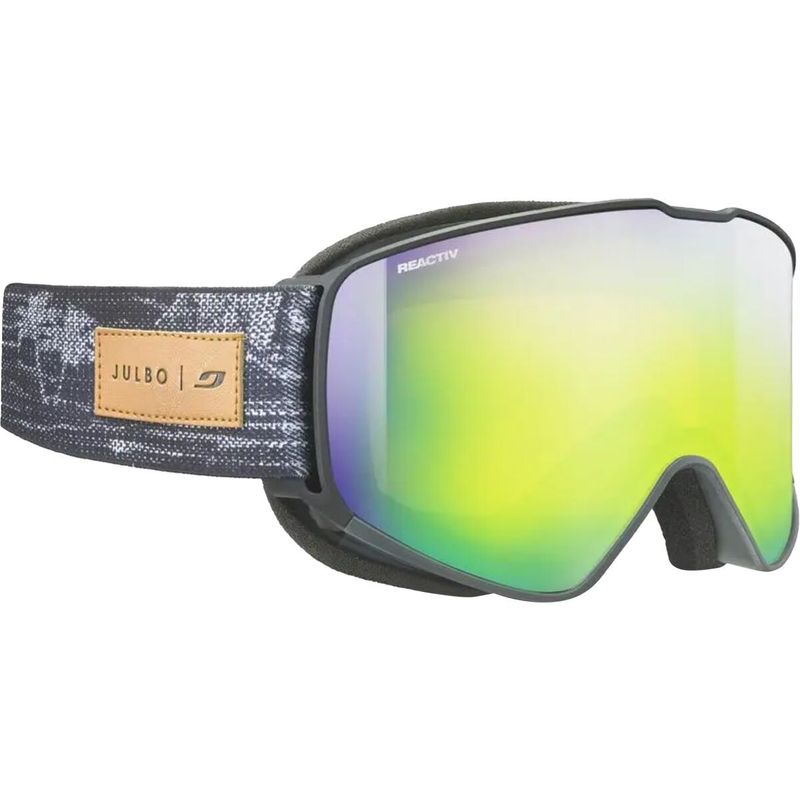
REACTIV photochromic lenses are Julbo’s answer to unpredictable mountain weather. The Cyrius adapts in real time, darkening in bright light and opening up when storms move in, all without you touching the lens.
Reviews consistently praise REACTIV as a true one-lens solution. On flat-light days, the lens lightens to a high VLT that reveals terrain detail other goggles miss.
French engineering shows in the build quality and optical precision. If you hate carrying extra lenses or forget to swap them, Cyrius handles the work for you across every condition you’ll encounter.
9. Zeal Cloudfall (photochromic options + fast swap system)
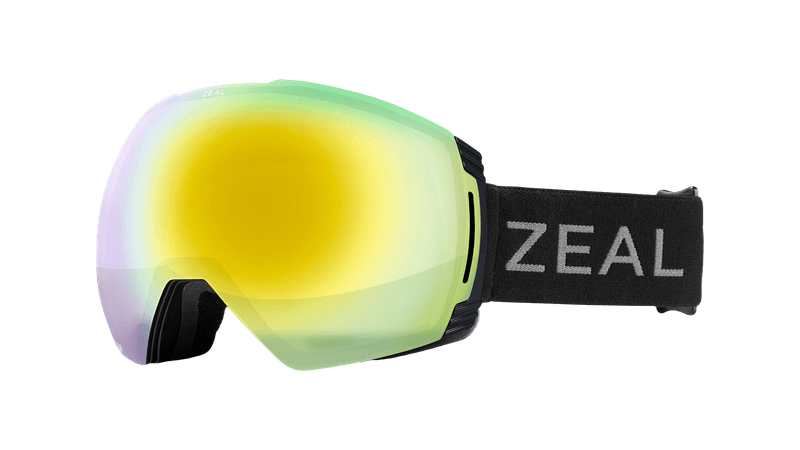
Zeal built the Cloudfall for skiers who face rapidly changing weather. Photochromic lenses adjust as light shifts, while the quick-swap system lets you change lenses when conditions swing beyond the photochromic range.
Plant-based frames and eco-friendly materials make Zeal stand out in a market dominated by petroleum plastics. Performance doesn’t suffer for sustainability, with optics that stay clear and contrast-rich in flat light.
Fit runs slightly wide, accommodating larger faces comfortably. For environmentally conscious skiers who refuse to compromise on storm-day visibility, Cloudfall checks both boxes without excuses or apologies.
10. Zeal Portal RLS (comes with a low-light lens option in tested packages)
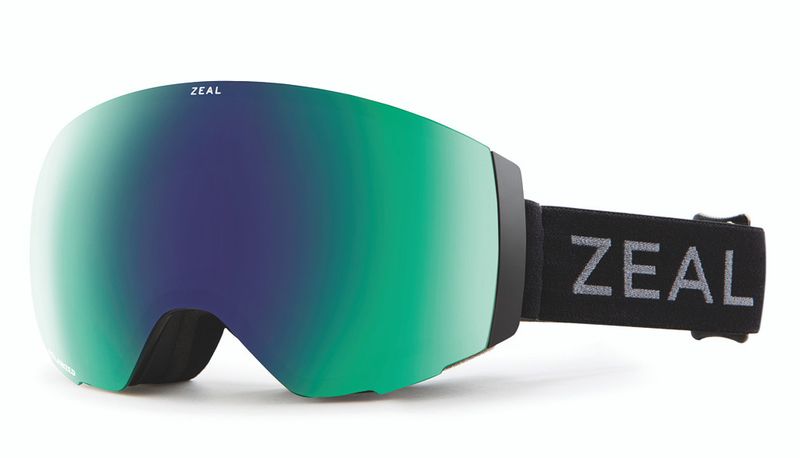
OutdoorGearLab highlights the Portal RLS as exceptional value because you get both bright-day and low-light lenses in one package. No hunting for add-on lenses or paying extra for storm coverage.
The rail lock system lives up to its name, making lens swaps secure and quick. Zeal’s low-light lens uses a warm tint that brings out shadows and contours when the mountain goes gray.
Plant-based construction continues Zeal’s sustainability focus. For budget-conscious skiers who want storm-ready performance without buying multiple goggles, the Portal RLS delivers smart, complete coverage from day one.
11. Glade Adapt 2 (REVEAL photochromic with a wide VLT range)
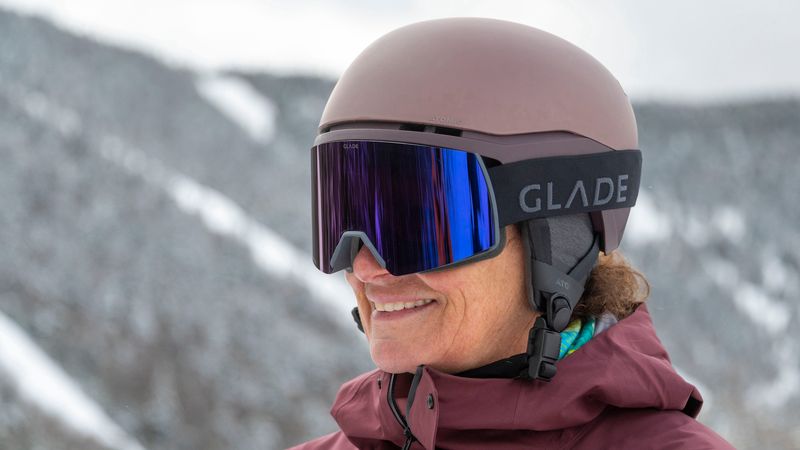
REVEAL photochromic technology in the Adapt 2 covers an impressively wide VLT range, expanding into low-light territory that many photochromic lenses can’t reach. When flat light hits, this lens opens up to reveal terrain detail.
Reviews document performance across everything from bluebird to whiteout, with smooth transitions that happen faster than older photochromic tech. Ventilation prevents fogging during temperature swings that accompany storm systems.
Glade remains a smaller brand, but the Adapt 2 competes directly with bigger names on optical performance. If you want cutting-edge photochromic range without paying premium-brand prices, this goggle deserves serious consideration.
12. Bolle Nevada Neo (Phantom / Phantom+ photochromic lens option)

Bolle positions Phantom and Phantom+ lenses as adapting to any light condition, which is exactly what you need when flat light strikes mid-run. The photochromic range covers bright sun down to stormy darkness.
Nevada Neo combines this lens tech with a comfortable, medium-sized frame that fits most faces without pressure points. Ventilation channels keep air moving to prevent the fog that ruins visibility faster than flat light alone.
Bolle’s heritage in optics shows in the clarity and color accuracy. For skiers who want European lens tech with proven photochromic performance, Nevada Neo handles unpredictable weather with confidence.
13. Electric EG3.5 (ships with a bonus lens for low light)

Electric includes a bonus low-light lens with the EG3.5, eliminating the always-have-a-storm-lens problem before it starts. You get complete coverage for both sunny and flat-light days right out of the box.
The oversized frame provides a massive field of view that helps when you’re already struggling to read terrain in poor visibility. Lens changes are straightforward, and the low-light lens uses a high-VLT tint that brings definition back to washed-out snow.
Fit accommodates larger faces comfortably. For skiers who want big vision and complete lens coverage without buying extras, EG3.5 delivers practical, ready-to-ride versatility from purchase to first chair.



