 Unearth The Voyage
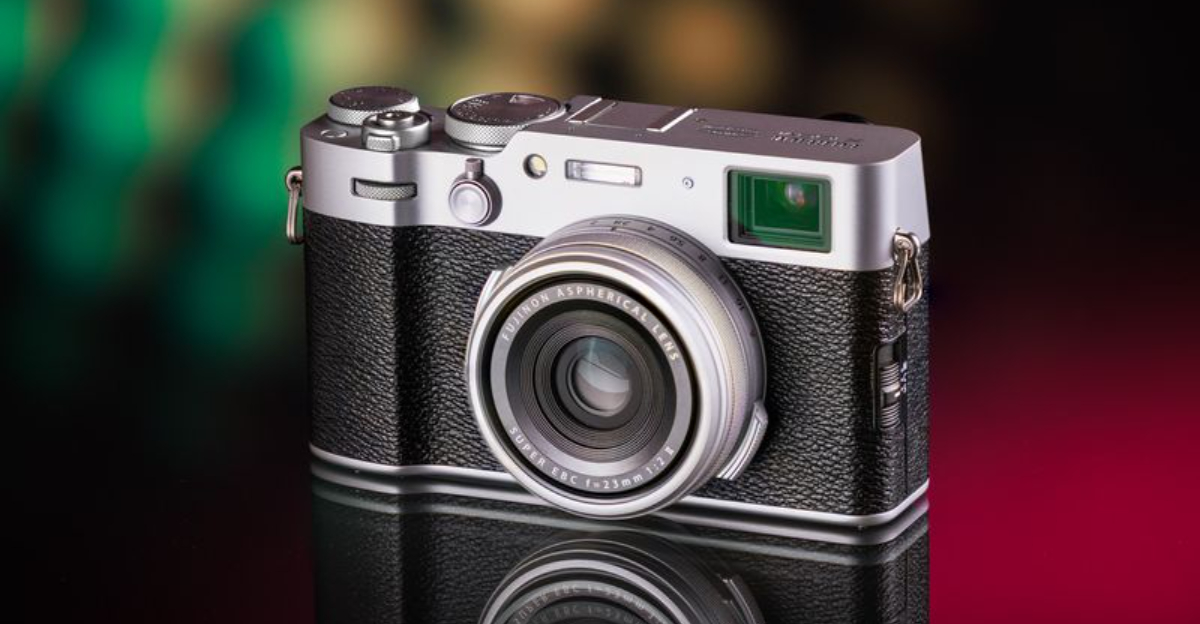
Low-light photography used to mean lugging around a big camera with a heavy lens. Not anymore.
We tested 17 compact cameras in dimly lit restaurants, dark city streets, and late-night events to find the ones that actually deliver sharp, clean shots when the sun goes down. These seven stood out from the pack.
1. Leica Q3 (28mm f/1.7)
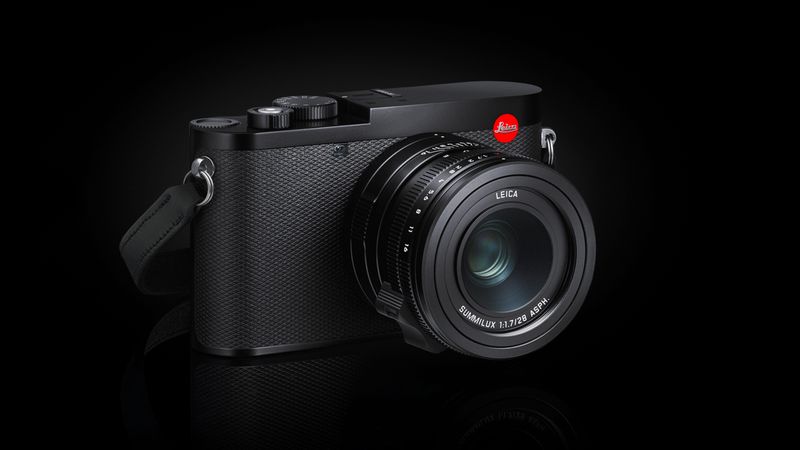
When you pair a full-frame sensor with a bright f/1.7 lens, magic happens after dark. The Q3 combines both with optical stabilization, letting you shoot handheld in conditions that would normally force you to crank up the ISO.
Night streets, indoor concerts, and travel moments all look stunning.
This camera excels at capturing maximum image quality in a compact body. The trade-off?
You are locked into a fixed 28mm lens with no zoom capability. Plus, the price tag sits firmly in premium territory, making this an investment for serious photographers who demand top-tier low-light performance.
2. Fujifilm X100VI (35mm-equiv f/2)
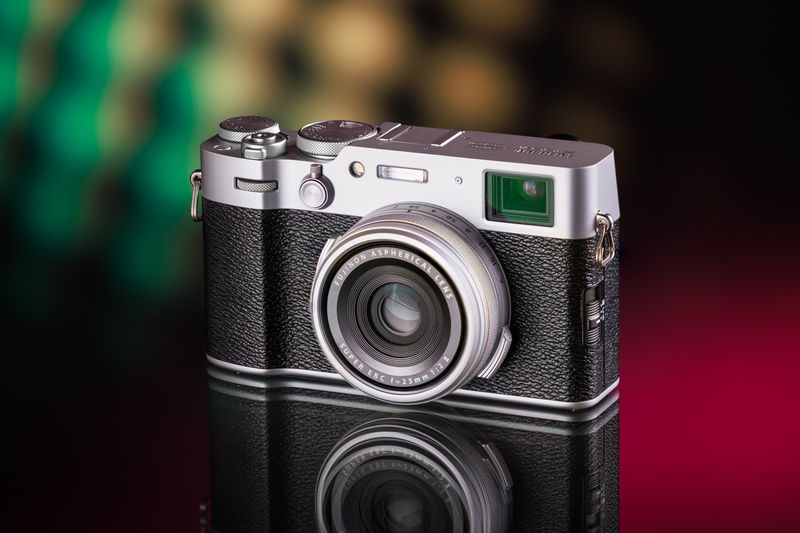
Fujifilm built something special here: an APS-C sensor meets a bright f/2 lens, backed by in-body stabilization rated up to 6EV. That stabilization is the secret weapon, helping you handhold shots in dim restaurants and twilight streets without pushing ISO into the stratosphere.
Street photographers and travelers adore this camera for cozy indoor shots and nighttime wandering. The fixed lens keeps things simple but removes zoom flexibility.
High demand often means hunting for one at list price, though the wait proves worthwhile for anyone chasing that classic rangefinder vibe with modern low-light capabilities.
3. Ricoh GR IIIx (40mm-equiv f/2.8)
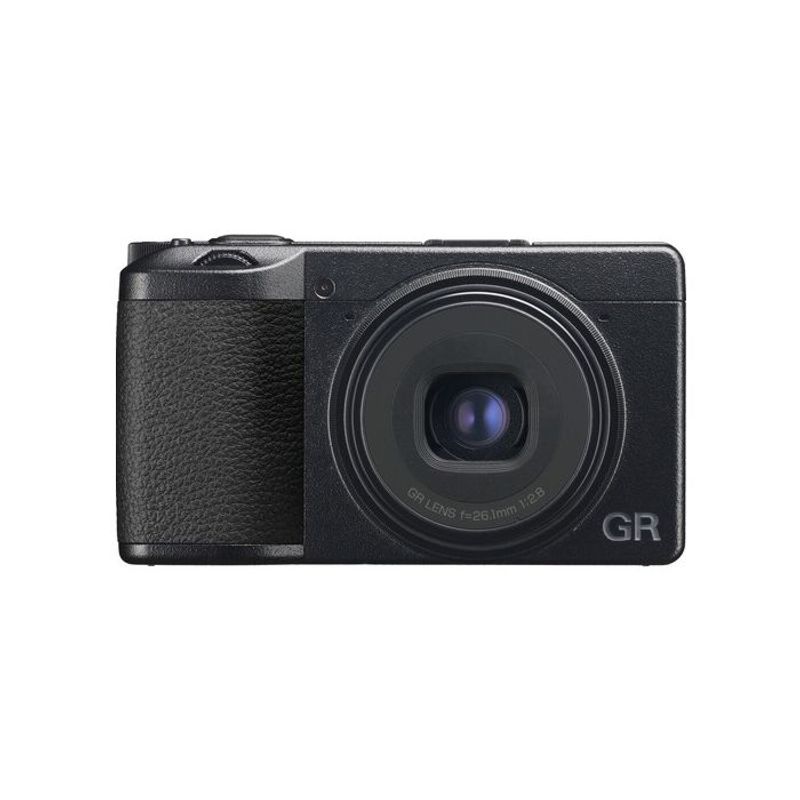
Fitting an APS-C sensor into a truly pocketable body sounds impossible, yet Ricoh pulled it off. The GR IIIx adds stabilization and leans heavily on high ISO sensitivity to deliver impressive image quality in challenging light.
Ricoh explicitly designed this line for photographers who shoot after sunset.
Documentary and street shooters love the discreet 40mm normal view for low-light work. The f/2.8 aperture is not as bright as competitors, so you will lean more on stabilization and higher ISO settings.
Stock availability can be unpredictable, but Ricoh confirmed the IIIx remains in production, making it a safe choice.
4. Canon PowerShot G7 X Mark III (24–100mm f/1.8–2.8)
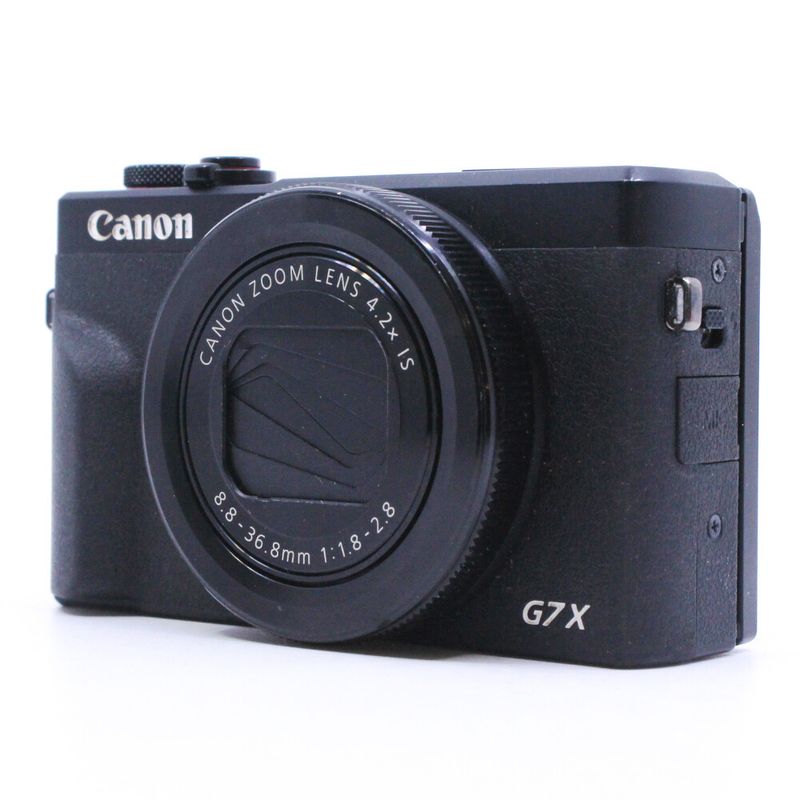
A 1.0-inch stacked sensor does not sound huge, but paired with a genuinely bright f/1.8-2.8 zoom lens and optical stabilization, it punches above its weight class. Canon engineered this for real-world situations: bustling restaurants, dimly lit parties, and evening travel moments where you need flexibility.
The zoom range handles everything from wide group shots to tighter portraits without swapping lenses. You will notice the smaller sensor cannot quite match APS-C or full-frame cameras in extreme low light, but for most nightlife and indoor family moments, the G7 X Mark III delivers excellent results in a pocket-friendly package.
5. Sony RX100 VII (24–200mm f/2.8–4.5)
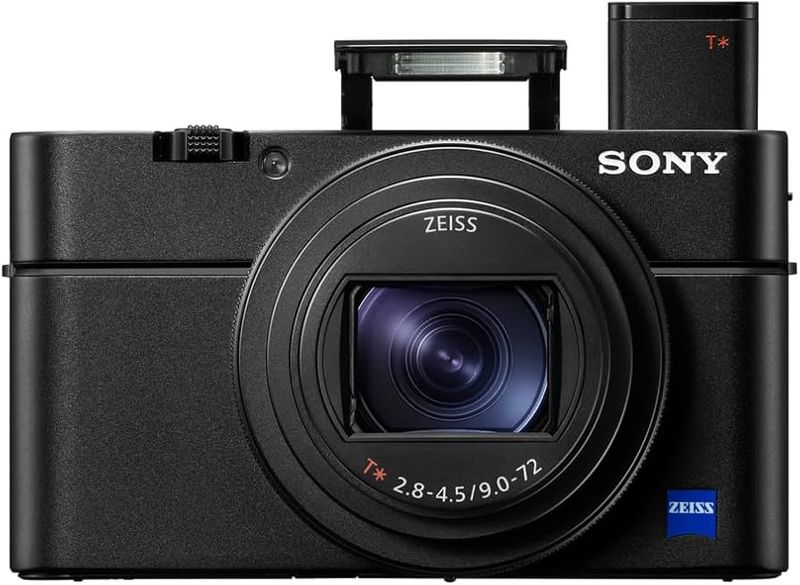
Sony crammed a 24-200mm equivalent zoom into a pocket-sized body without sacrificing the 1-inch sensor that makes low-light shooting possible. The imaging pipeline handles noise impressively well, especially at the wide end where the lens opens to f/2.8.
Travel photographers appreciate the massive reach for capturing distant subjects on nighttime city tours. Just remember the lens gets slower as you zoom, reaching f/4.5 at full telephoto.
That means your best low-light performance happens at wider focal lengths. Still, having that versatility in such a compact package makes the RX100 VII a practical choice for anyone who refuses to carry multiple lenses.
6. Sony ZV-1 II (18–50mm f/1.8–4)
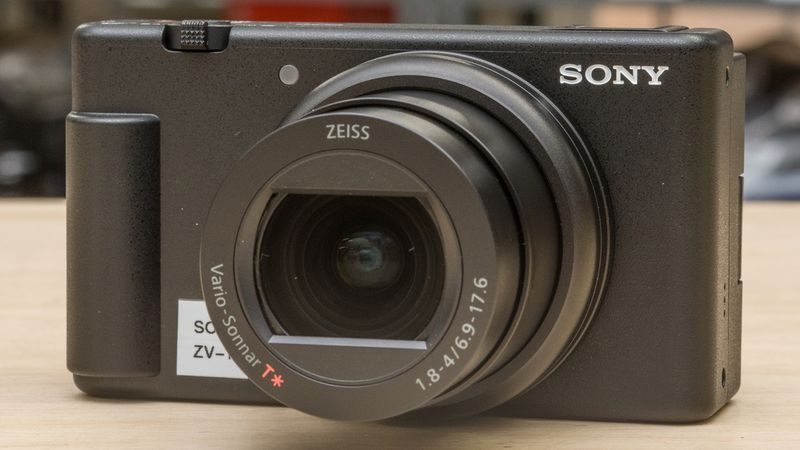
Content creators rejoice: Sony designed this around a 1.0-type sensor and a bright f/1.8 wide end specifically for handheld shooting in dim interiors. The ZV-1 II shines at night markets, indoor talking-head videos, and travel evenings where you bounce between photos and video clips.
The lens brightness drops toward f/4 as you zoom, so plan your shots accordingly. But that f/1.8 wide end handles low light beautifully for vlogs and environmental shots.
Sony clearly built this for hybrid shooters who need solid photo capabilities alongside video features, making it ideal for anyone documenting adventures after dark across multiple formats.
7. Leica D-Lux 8 (24–75mm f/1.7–2.8)
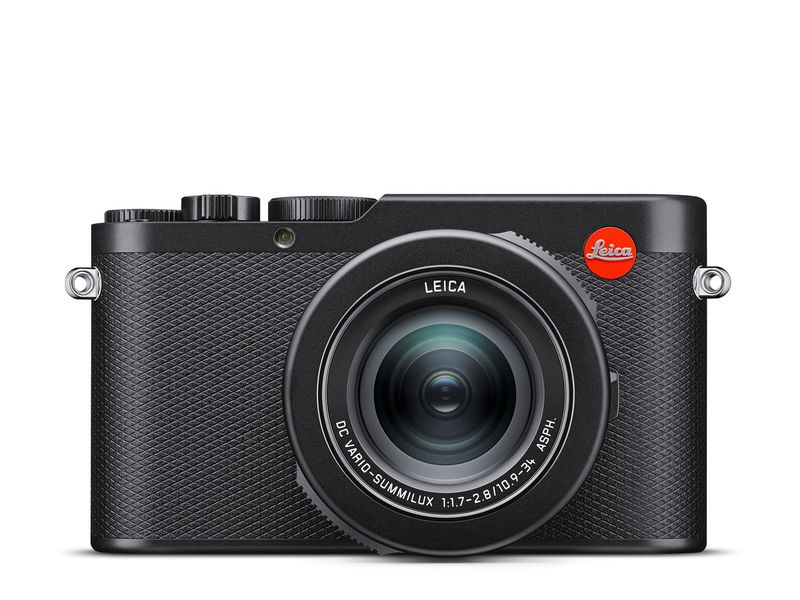
A Four Thirds sensor paired with a bright f/1.7-2.8 stabilized zoom creates exactly the recipe you want for indoor and nighttime shooting in a compact package. Leica brings its signature interface and color science to this low-light performer, making it feel more refined than typical point-and-shoots.
Low-light travel dinners, indoor scenes, and everyday carry situations all benefit from this combination. The premium pricing reflects the Leica badge and build quality rather than raw specs alone.
If you appreciate Leica’s approach to photography and want a compact that handles dim environments with style, the D-Lux 8 delivers beautifully crafted images when light gets scarce.



