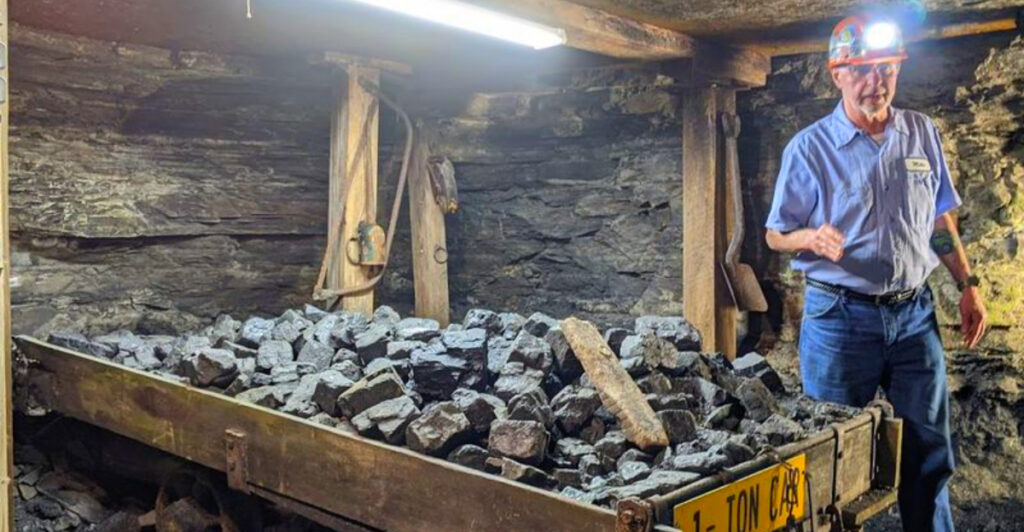
This Beckley attraction gives visitors a chance to do something few people ever experience: ride into a real former coal mine alongside guides who spent years working underground. Their firsthand stories bring the history of Appalachia’s coal industry to life in a way no museum exhibit or textbook can match.
The underground tour is the main draw, but it is only part of the experience. Visitors can also explore a recreated coal camp, tour a historic mountain homestead, visit a youth museum, and learn how mining families lived and worked throughout the region’s history.
For many travelers, it is one of the most memorable stops in southern West Virginia. Keep reading to discover what makes this former mine such a unique window into Appalachian life and why families continue to make the trip year after year.
What and Where This Place Actually Is
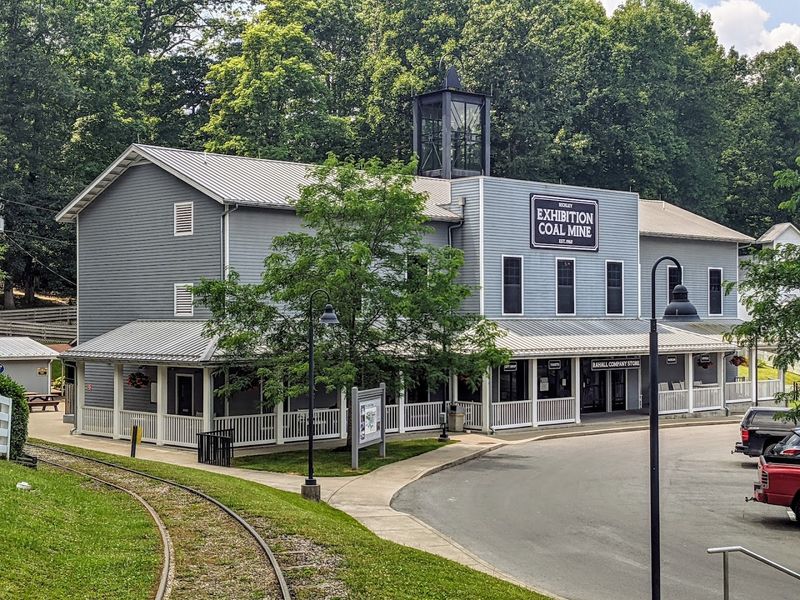
The Beckley Exhibition Coal Mine sits at 513 Ewart Ave, Beckley, West Virginia 25801, nestled within New River Park in Raleigh County. The site is open Monday through Sunday from 10 AM to 5 PM during its seasonal run, which typically stretches from April 1 through early November.
Known historically as the Phillips-Sprague Mine, this is not a replica or a Hollywood set. Commercial coal production here began in 1906, and miners worked these tunnels for nearly 50 years before the mine closed in 1953.
The City of Beckley purchased the property and transformed it into an educational destination, opening to the public in 1962 as the first historic site in the country dedicated solely to coal mining education. You can reach the site by phone at (304) 256-1747 or visit beckley.org/coal-mine to plan your trip before you arrive.
The Mine That Ran for Nearly Five Decades
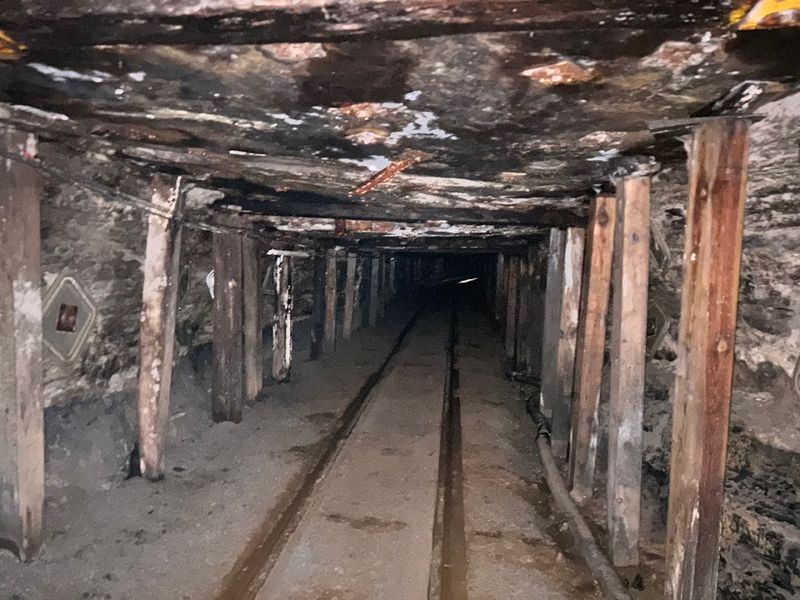
Most working mines leave behind nothing but sealed shafts and faded photographs. This one left behind 1,500 feet of restored underground passages and 3,000 feet of vintage track, all preserved well enough to walk and ride through today.
The original passages were only about four feet high. Miners did not stroll through on their way to work.
They crawled, crouched, and spent entire shifts on their knees or lying on their sides to extract coal from seams that barely gave them room to breathe.
The mine is classified as a drift mine, meaning it was dug horizontally into the hillside rather than straight down. That design made it easier to move coal out, but it did not make the work any less grueling for the men who spent their lives inside it.
Understanding that physical reality before you board the rail car changes how you experience every inch of the tour.
Boarding the Vintage Man Trip Rail Car
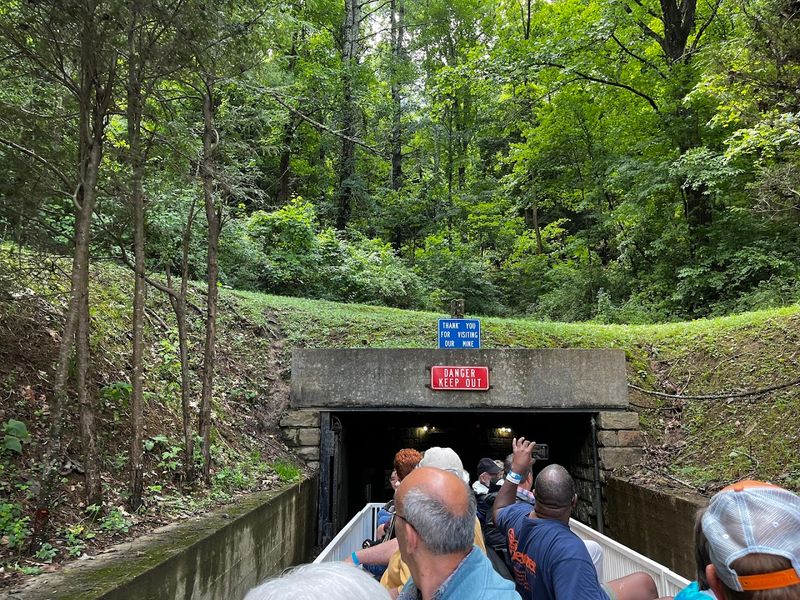
The centerpiece of the visit is the underground tour aboard a vintage man trip rail car, the same style of transport that carried miners to their work stations for generations. Each car holds approximately 35 people, and the tour runs on the hour and half-hour during peak season.
Walk-in visitors are welcome, which means you do not need a reservation unless you are arriving with a group of 15 or more. The tour lasts about 35 minutes, and the temperature inside holds steady at 58 degrees Fahrenheit year-round regardless of the season outside.
A jacket is genuinely worth packing, not just as a suggestion. The contrast between a warm summer afternoon and the cool underground air hits immediately as the car rolls into the tunnel.
Adults pay $22.00, seniors 55 and older pay $16.00, children ages 4 through 17 pay $12.00, and children under 4 ride free.
Guides Who Actually Lived the Story
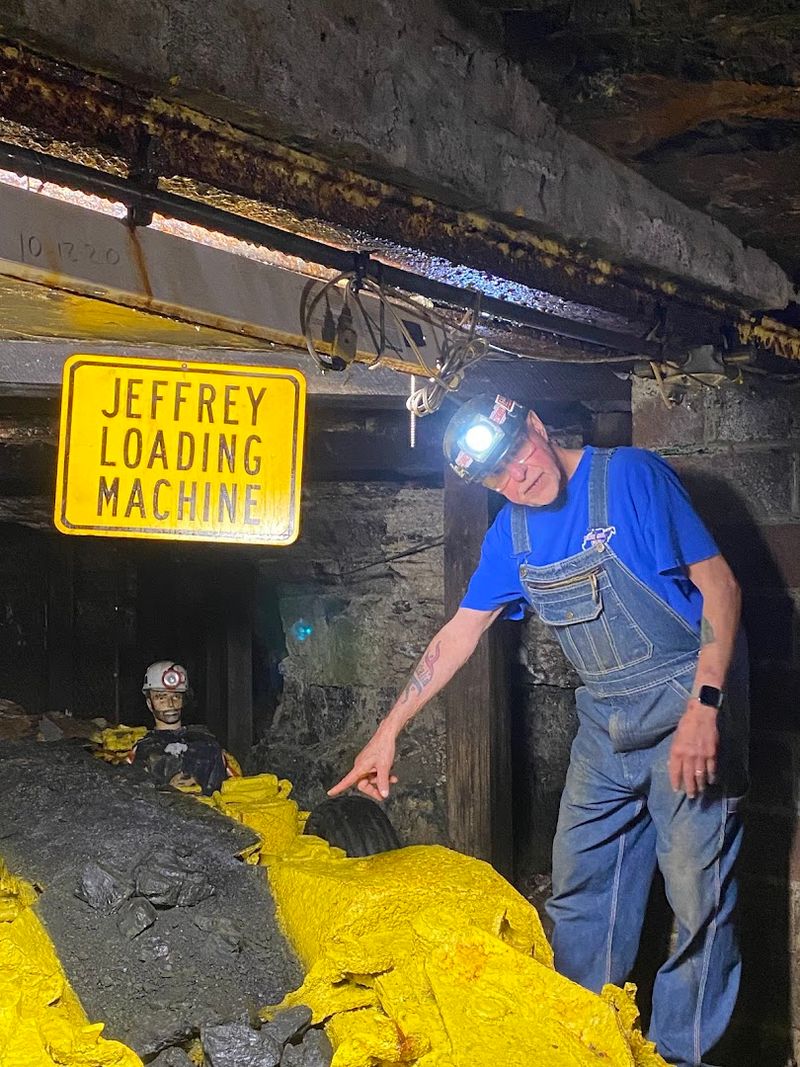
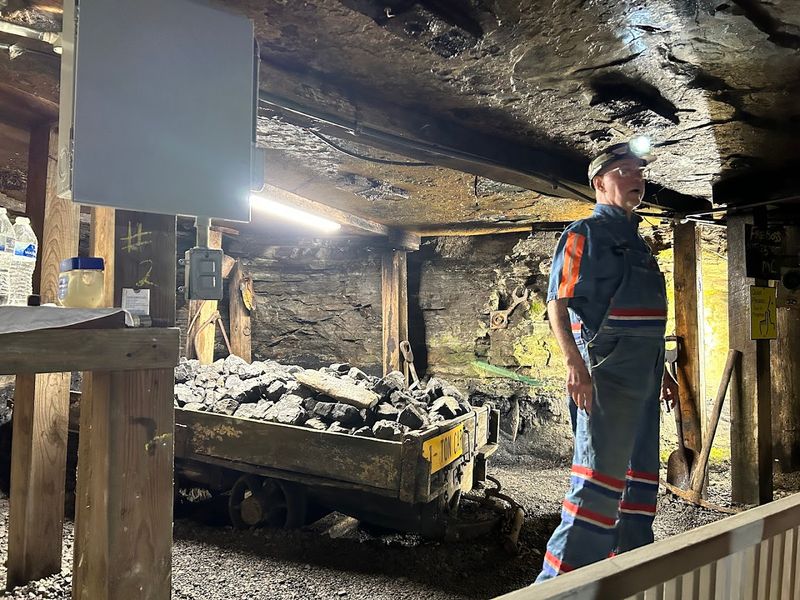
The guides at Beckley are not actors reading from a script. The site specifically hires retired or veteran coal miners to lead every underground tour, which means the person narrating your experience actually spent years working in conditions very similar to what surrounds you.
Some guides are second or third generation miners who grew up in coal camp communities. They share firsthand accounts of daily underground life, explain the mechanics of drilling and blasting, and describe how the company store system kept many mining families trapped in a cycle of debt for years.
There are moments during the tour when the storytelling gets genuinely moving, covering the hard realities of early mine safety, long hours, and the tight-knit communities that formed around these operations. The combination of personal history and professional knowledge creates an experience that no exhibit panel or documentary can fully replicate.
The stories stay with you long after you step back into the sunlight.
Original Machinery and Safety Equipment Underground
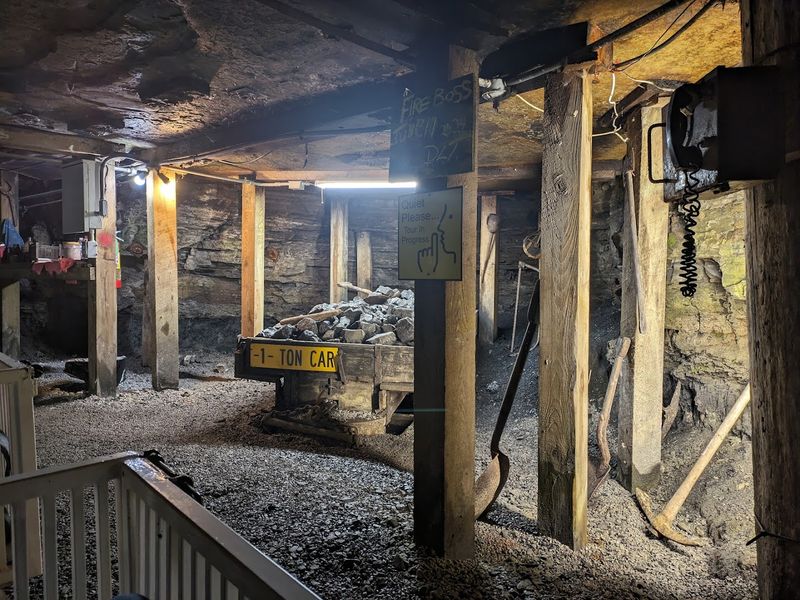
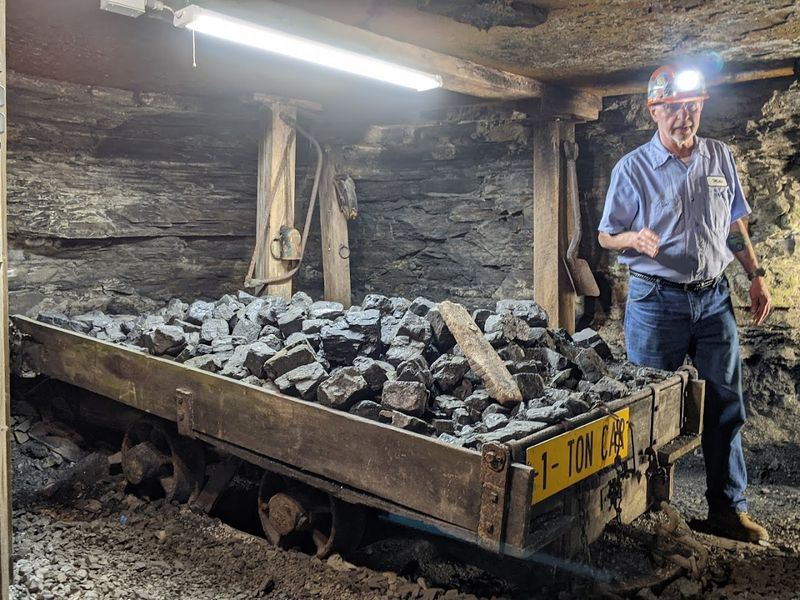
The underground passages contain original mining machinery and safety equipment positioned exactly where visitors can examine them up close. The tour covers the full process of coal extraction, from the initial drilling and blasting of the seam to the loading and transportation of coal out of the mine.
Seeing the actual scale of the equipment inside those low-ceilinged tunnels makes the working conditions immediately tangible. The machinery was not small, and the spaces were not generous, which raises an obvious question about how miners operated these tools shift after shift without serious injury.
Guides demonstrate how specific equipment functioned and explain the evolution of safety practices over the decades the mine operated. Early mining relied heavily on hand tools and animal power before mechanization changed the industry.
The original timber supports, ventilation systems, and coal transport setups are all part of what makes this tour feel like a time capsule rather than a polished museum display. Keep scrolling to see what awaits above ground.
The Recreated Coal Camp Above Ground
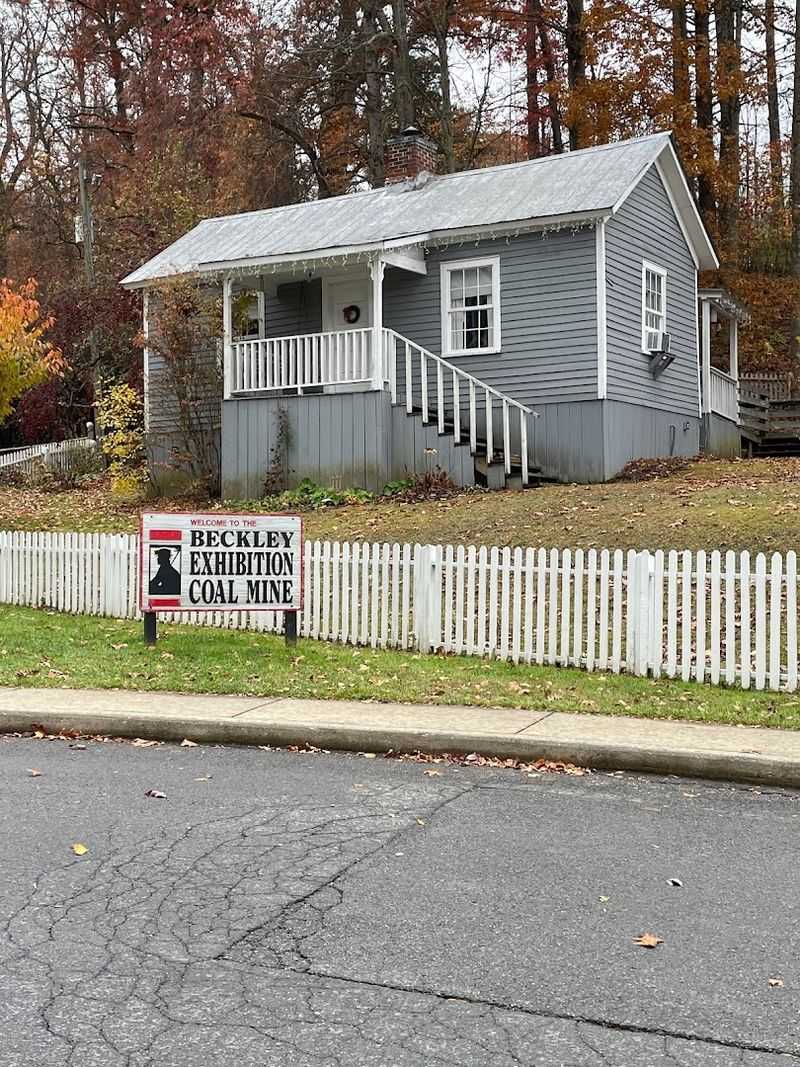
Above ground, the complex opens into a carefully restored 20th-century coal camp that brings the community side of mining history to life. The camp includes a Coal Company House, a Superintendent’s Home, the Pemberton Coal Camp Church, and the Helen Coal Camp School, all of which you can enter and explore.
Each building has been furnished with period-appropriate items, and trained interpreters are stationed throughout to answer questions and share details about daily life in a coal camp community. The schoolhouse is a particular highlight, with the woman stationed there sharing historical context that genuinely enriches the visit.
The superintendent’s home spans two floors of period-style rooms and gives a clear picture of the economic hierarchy that defined coal camp life. Miners and management lived in entirely different conditions despite working toward the same industrial goal.
Exploring both types of homes back to back makes that contrast land with real weight. There is more to discover just a short walk further along the boardwalk.
The Youth Museum and Mountain Homestead
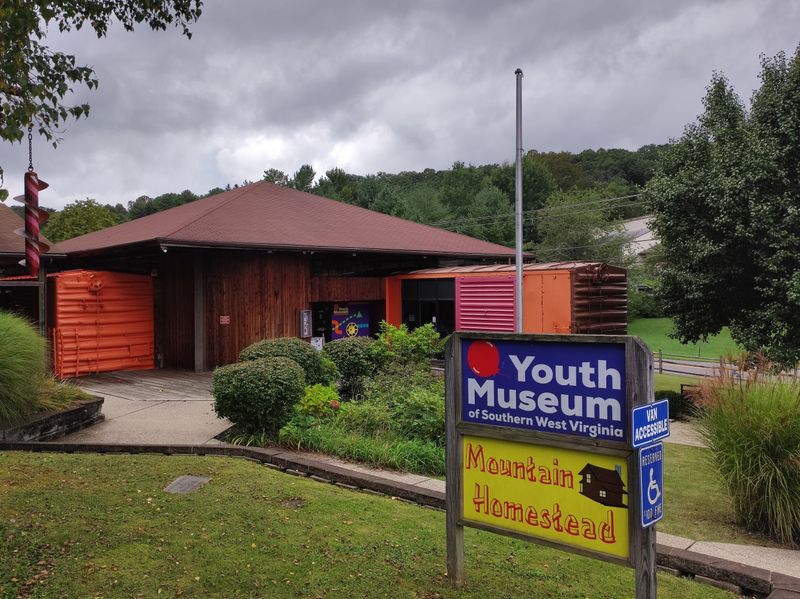
The admission ticket covers more than just the mine tour. The Youth Museum of Southern West Virginia and the Mountain Homestead are both included, and together they add a completely different dimension to the visit that younger travelers especially enjoy.
The Youth Museum features interactive exhibits, including displays connected to the works of Eric Carle, and it gives children a hands-on way to engage with regional history and culture. The Mountain Homestead extends the experience further with reconstructed historical buildings spread across a pioneer village setting.
Interpreters at the homestead explain the significance of each structure and describe what frontier life looked like in this part of Appalachia before coal transformed the region. The buildings are not roped off or treated as untouchable artifacts.
You open the doors, walk inside, and get a genuine sense of the spaces where people actually lived and worked. Plan for at least 2 to 2.5 hours to cover everything comfortably, though many visitors find they want more time.
New River Park and the Grounds Surrounding the Site
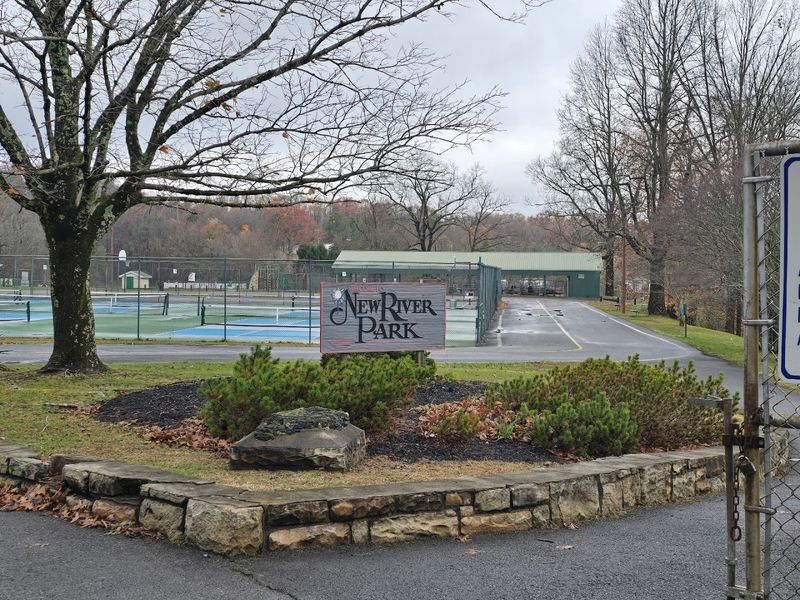
The entire complex is set within New River Park, which adds a pleasant outdoor dimension to the experience that goes well beyond the mine entrance. The park features inviting lawns, picnic areas, a coal miner statue, and a Peace Totem that give visitors a calm space to reflect between attractions.
The grounds are well maintained and genuinely pretty, with the surrounding Appalachian hills providing a natural backdrop that frames the historic buildings in a way that feels both peaceful and atmospheric. Families with young children appreciate having open space to run around between the more structured parts of the visit.
The wooden boardwalk connecting the coal camp buildings makes it easy to move between structures without losing your bearings. Everything is organized in a logical flow that guides you naturally from one part of the story to the next.
The coal miner statue near the park grounds is a quiet but powerful tribute to the workers whose labor shaped this entire region of West Virginia.
The Gift Shop, Homemade Fudge, and Coal Figurines
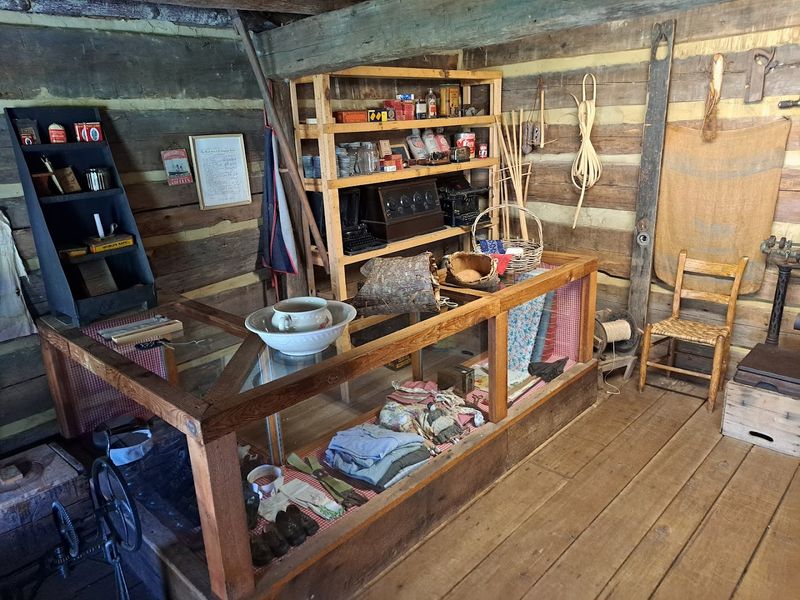
Gift shops at historic sites often feel like an afterthought, but the one here has earned its own reputation. The shop carries coal figurines, locally made crafts, and an assortment of items that are genuinely specific to the region rather than generic tourist merchandise.
The real draw, though, is the homemade fudge. Reviews mention it repeatedly and with real enthusiasm, describing generous portions and flavors that hold up to the hype.
A half-pound of fudge near the end of the day apparently tends to be a particularly good deal.
The pricing throughout the site is consistently noted as fair and accessible, which matters when you are traveling with a family. The Youth Museum also has its own gift shop with a separate selection, so there are two chances to find something worth bringing home.
Picking up a piece of coal-shaped art as a souvenir feels fitting given everything you will have just learned about the industry that defined this part of Appalachia.
Planning Your Visit: Seasons, Hours, and Tips
The mine operates seasonally from approximately April 1 through early November, so a visit outside that window means a closed gate. Hours run from 10 AM to 5 PM every day of the week during the open season, with tours departing on the hour and half-hour at peak times.
Packing a light jacket is not optional advice. The mine holds at a consistent 58 degrees Fahrenheit underground, and that chill is noticeable even on a hot summer afternoon.
Children and older visitors in particular benefit from having an extra layer ready before boarding the rail car.
Groups of 15 or more need advance reservations, but individual visitors and smaller groups can simply walk in. Arriving early in the day gives you the most flexibility for timing your mine tour and still having energy left for the coal camp, youth museum, and homestead afterward.
Most visitors find that 2.5 to 3 hours is the sweet spot for covering everything without feeling rushed.
The On-Site Campground for Overnight Stays
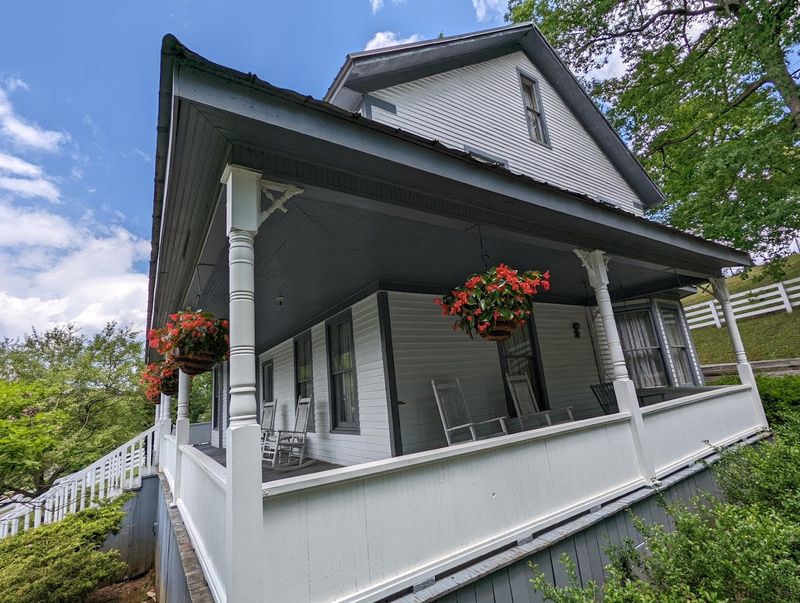
Not many historic attractions come with a campground attached, but this one does. The Beckley Exhibition Coal Mine Campground operates from April 1 through December 1, offering 17 paved RV sites with full hookups for travelers who want to extend their stay in the area.
Verizon and T-Mobile service are both reported to work well at the campground, which matters for anyone working remotely or keeping in touch with family during a longer road trip. The sites are described as spacious, quiet, and clean, which covers the basics that most RV travelers prioritize.
One thing worth knowing before you arrive with a large rig: the entry road to the campground involves a narrow stretch, a steep hill, and a sharp 90-degree turn. Maneuvering a longer vehicle through that approach takes patience and careful driving.
Once you are parked, though, the setting is peaceful and the proximity to the mine means you can explore at a relaxed pace across multiple days.
Why This Place Earns Its 4.8-Star Reputation
A 4.8-star rating from over 2,700 reviews is not something a place stumbles into. The consistency across thousands of visitor experiences points to something genuinely working well at every level of the operation, from the guides underground to the interpreters stationed in the coal camp buildings.
The combination of authentic setting, real human stories, and multiple attractions included in a single admission price creates a value equation that surprises most first-time visitors. Families with teenagers, couples interested in regional history, and solo travelers all seem to find something that resonates with them here.
The mine sits at the intersection of labor history, Appalachian culture, and hands-on education in a way that very few attractions manage to pull off without feeling forced or overly curated. The fact that the guides lived the story they are telling adds a layer of credibility that no amount of design or signage can manufacture.
This is one of those places that earns every star it carries.
Share this story