Noon in America can reveal more about a town than a postcard ever could. A lunch counter, food truck line, corner deli, or diner booth quietly tracks immigration, office culture, car travel, health trends, and the rise of chain convenience from the 1950s to now.
The details are specific, sometimes funny, and often surprisingly historical, from the paper-wrapped sandwich to the power bowl built for a laptop-era break. Keep going, and you will see how twelve places turn one ordinary meal into a record of local habits, changing workdays, and regional identity.
1. New York City, NY – Quick, Loud, and On the Move
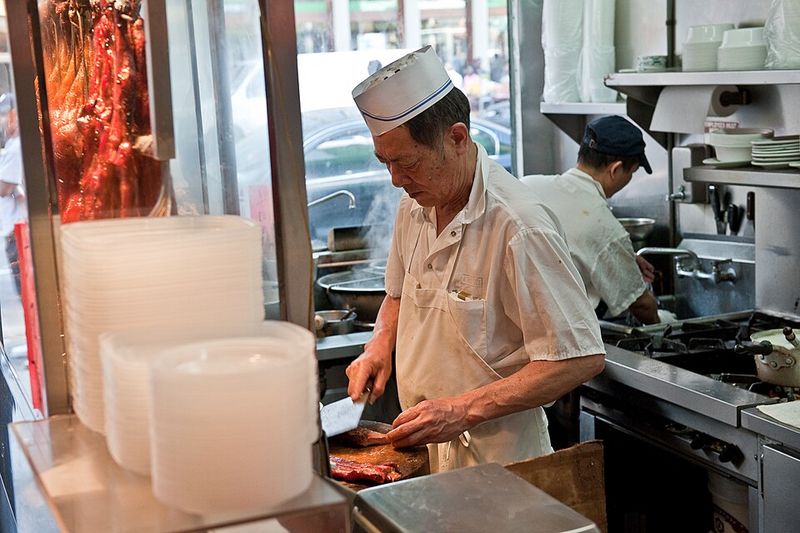
By noon, New York is basically running a relay race with sandwiches. Lunch here reflects a city shaped by immigrant food traditions, dense office districts, and a workday that rarely invites a slow sit-down meal.
The deli became a civic institution in the late nineteenth and early twentieth centuries, feeding waves of workers with fast, portable combinations of cured meats, rye bread, pickles, and mustard. By the postwar decades, pizza by the slice and halal carts joined the routine, giving Midtown, the Financial District, and countless neighborhoods a practical menu built for movement.
You can still trace the city through lunch alone: Jewish delis, Dominican counters, Korean grab-and-go spots, salad chains, and bodegas with chopped cheese all serve different versions of speed. What looks hurried is actually organized, because New Yorkers know exactly where to stand, what to order, and how to carry a meal while checking the time.
2. Austin, TX – Food Trucks and Flavor
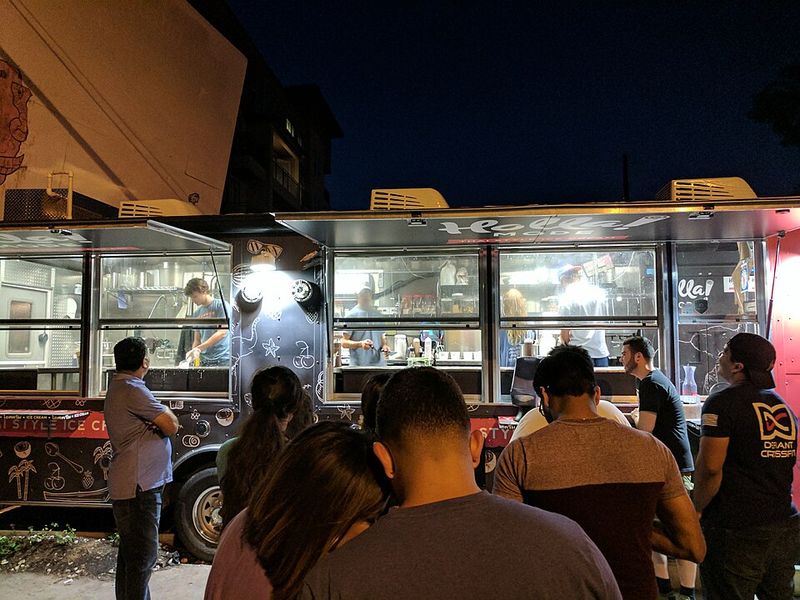
Some cities treat lunch like a task, but Austin treats it like a rotating guest list. The midday meal here tells the story of a city that mixed college-town habits, tech growth, and long-standing Texas food traditions into something unusually flexible.
Food trucks became central in the 2000s and 2010s, when lower overhead and a curious local audience made experimentation easier than opening a full restaurant. Tacos remained the backbone, but trucks also folded in Korean, vegan, barbecue, and breakfast-all-day ideas, turning parking lots and trailer courts into informal lunch hubs.
That creative streak fits Austin’s broader identity, where independent businesses still compete with rapid development and national chains. You are just as likely to see someone grabbing brisket tacos between meetings as lingering at a picnic table with a grain bowl and cold brew, which makes lunch feel social without needing ceremony.
3. Portland, OR – Local and Intentional
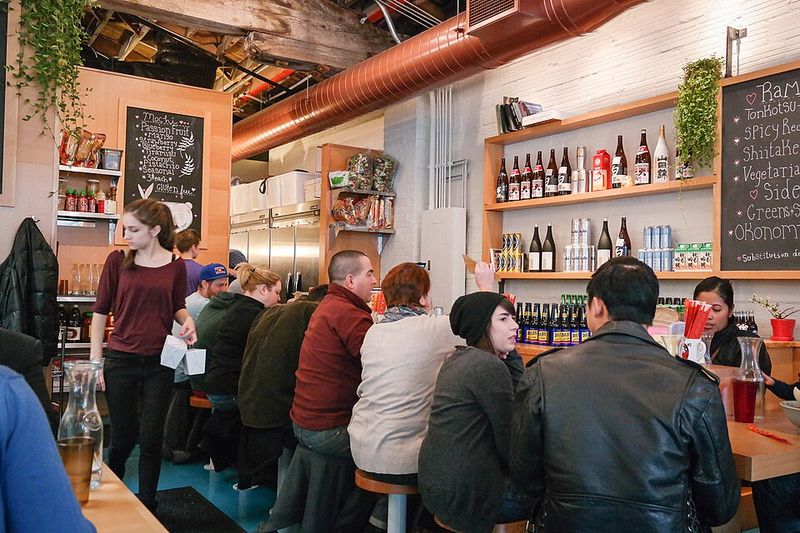
In Portland, lunch often arrives with a quiet thesis about where the ingredients came from. That habit grew from the city’s long embrace of farmers markets, environmental awareness, and independent cafes that turned midday eating into a statement about values as much as appetite.
By the 1990s and 2000s, Portland had built a reputation for supporting local farms, small roasters, and restaurants that listed suppliers almost as proudly as menu items. Vegan plates, grain bowls, house-made soups, and bakery sandwiches became common not because they were trendy everywhere, but because the city rewarded businesses that felt specific and transparent.
The pace matters too. Compared with larger financial centers, many Portland neighborhoods allow for a lunch break that feels less compressed, whether someone is stepping out from a design studio, bike commute, or remote-work setup.
You still get speed when needed, but the overall effect is intentional rather than rushed, which suits Portland perfectly.
4. Chicago, IL – Hearty and Filling
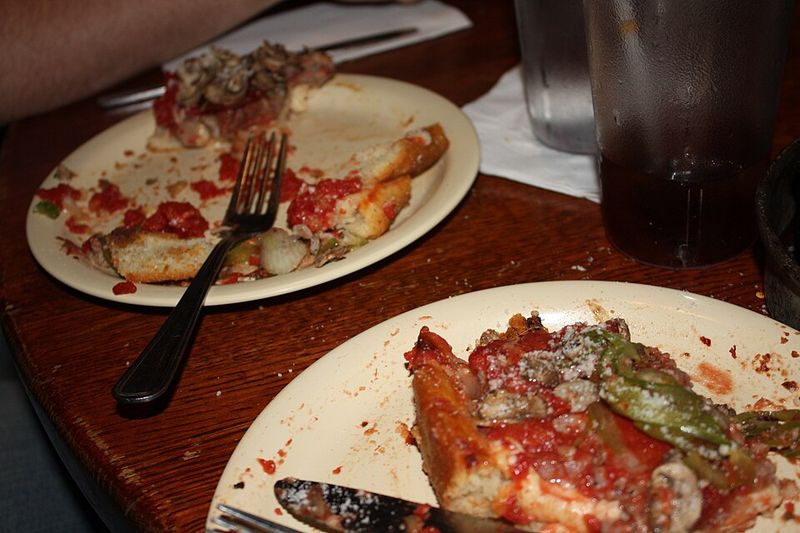
Chicago does not really bother with a delicate lunch reputation, and that is part of the appeal. Midday food here reflects an industrial city shaped by stockyards, factories, railroads, immigrant neighborhoods, and workers who expected a meal to hold up through the afternoon.
Italian beef, developed by Italian American communities, became one of the city’s signature quick lunches, especially in the twentieth century when inexpensive cuts could be stretched for large crowds. The Chicago-style hot dog, Depression-era practical in spirit, and tavern-cut pizza also fit the local preference for food with strong identity, clear rules, and no time wasted explaining itself.
Even as downtown added salad chains and sleek fast-casual counters, the older lunch logic never disappeared. You can still read Chicago through neighborhood stands, corner diners, and family-run spots that treat lunch as a serious civic service, not a decorative intermission between calendar alerts and commuter trains.
5. Los Angeles, CA – Health-Focused and Trendy
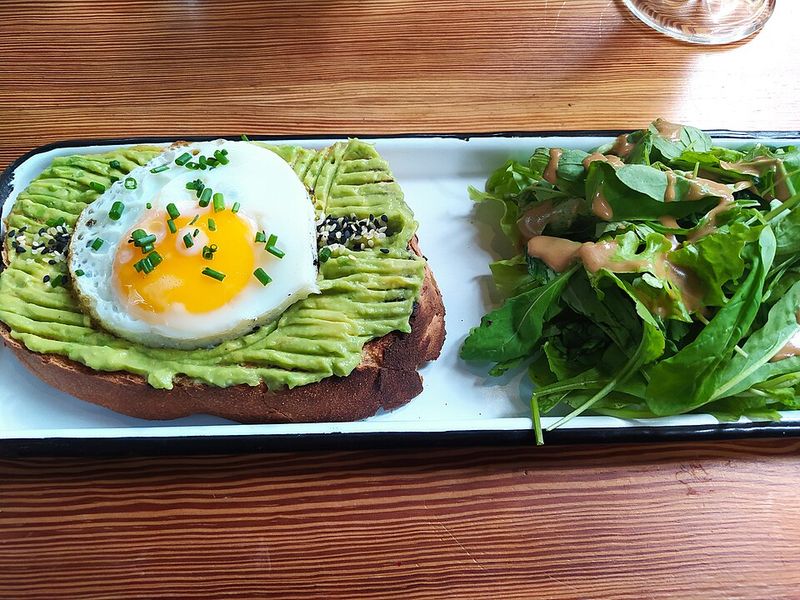
Lunch in Los Angeles can look like a casting call for convenience and self-improvement. The city’s midday habits grew from car culture, entertainment schedules, wellness marketing, and a broad mix of immigrant cuisines that made lighter, customizable meals especially popular.
By the late twentieth century, California health culture had already pushed salads, juice bars, and low-fat cafe menus into the mainstream. In the 2000s and 2010s, that evolved into protein bowls, avocado-heavy plates, smoothie add-ins, and photogenic fast-casual restaurants built for workers who wanted food that felt efficient, polished, and somehow camera-ready.
Still, Los Angeles lunch is more than trend language. Korean, Mexican, Persian, Japanese, Thai, and Armenian influences shape everyday options across the city, so a supposedly simple lunch hour can cover a remarkable range of neighborhood tastes.
What ties it together is presentation, portability, and the sense that lunch should fit into a carefully managed day.
6. New Orleans, LA – Rich and Unrushed
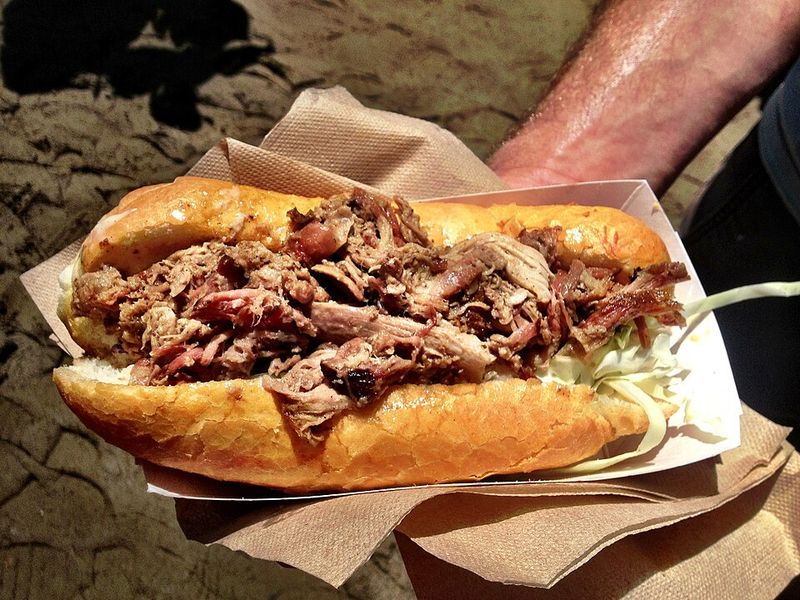
New Orleans turns lunch into a reminder that local history can be served on ordinary bread. The city’s midday table reflects French, Spanish, African, Caribbean, and Italian influences, all layered into a food culture that treats lunch as worthy of attention rather than a rushed obligation.
The po’boy has roots in the late 1920s, when it became linked to streetcar workers and affordable, filling meals. Gumbo, red beans, and jambalaya carry older regional histories, and neighborhood restaurants still preserve lunch traditions that connect daily eating with community routine instead of office-clock efficiency alone.
What stands out is the pace. Even when people are on break, New Orleans often leaves room for conversation, repeat visits to the same family-run spots, and menu loyalty that feels almost constitutional.
That does not mean lunch takes forever, only that the city never fully surrendered to the national idea that midday food should be anonymous, sealed, and forgotten by 1 p.m.
7. Miami, FL – Bright and Cultural
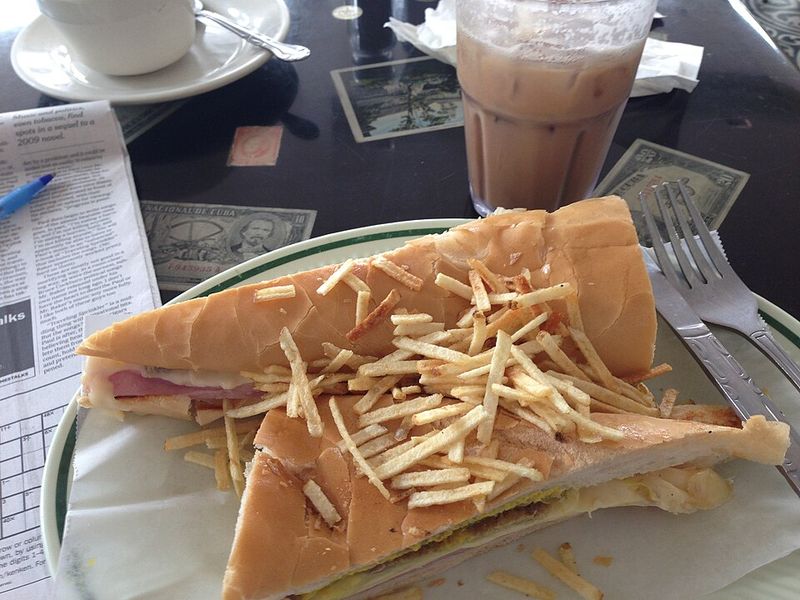
Miami’s lunch hour reads like a map of migration with better bread. The city has been shaped by Cuban, Puerto Rican, Colombian, Venezuelan, Haitian, and many other communities, so midday eating often reflects layered identities rather than one tidy regional script.
The Cuban sandwich and cafecito are among the best-known symbols, but Miami lunch extends far beyond postcards and airport clichés. Counter service remains important, especially in neighborhoods where quick plates, pressed sandwiches, croquetas, seafood, and bakery stops fit the rhythm of small businesses, office routines, and traffic patterns that encourage people to eat well but efficiently.
Climate and tourism influence the menu, yet the deeper story is cultural continuity. Families, longtime local spots, and cafeteria-style restaurants have carried familiar lunch habits across decades, even as luxury development and global branding changed the skyline.
You can see that contrast clearly at noon, when polished new districts and old neighborhood institutions are both trying to define what Miami tastes like.
8. Seattle, WA – Casual with Great Coffee
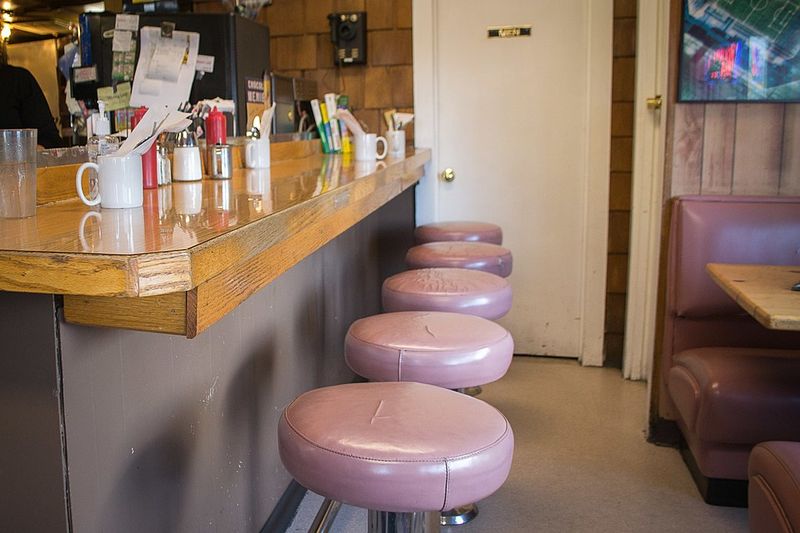
Seattle manages to make lunch look practical, thoughtful, and mildly caffeinated at all times. The city’s midday habits reflect maritime trade, coffee culture, tech expansion, and a regional preference for casual places where quality matters but presentation never tries too hard.
Soup, sandwiches, salads, and seafood have long worked well in a city with active downtown workers and neighborhood cafes that balance efficiency with repeat-customer familiarity. Then coffee changed everything.
As Seattle became internationally associated with specialty coffee in the late twentieth century, lunch increasingly paired with espresso culture, turning cafes into all-purpose spaces for meetings, remote work, and short breaks that still felt intentional.
Even now, the local lunch scene often avoids excess. A salmon chowder, banh mi, teriyaki plate, or turkey sandwich can all make equal sense depending on the block, which says a lot about Seattle’s blend of Pacific Northwest ingredients and immigrant influence.
The overall mood stays steady: capable food, good coffee, minimal fuss.
9. Nashville, TN – Comfort with a Kick
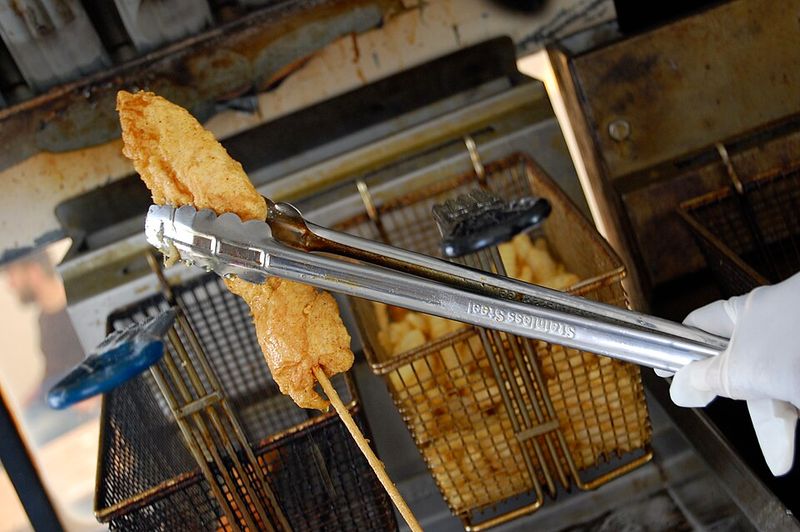
Nashville lunch has a way of looking straightforward right before it leaves a strong impression. The city built its midday reputation on Southern meat-and-three traditions, diner culture, and neighborhood restaurants where daily specials still matter as much as branding.
Hot chicken now gets national attention, but its local story runs through Black-owned businesses and longstanding community foodways rather than recent tourism alone. Add barbecue, biscuits, fried chicken plates, and vegetable sides, and lunch becomes a record of regional cooking that values familiarity, generosity, and recipes sturdy enough to survive changing demographics and a booming entertainment economy.
As Nashville expanded in the twenty-first century, new cafes and health-focused spots joined the mix, especially around office corridors and newer developments. Still, the old lunch logic remains visible.
People want food that feels grounded, portions that make sense, and places where the menu does not need a branding consultant to explain itself. In Nashville, lunch can be simple, but simple here is doing serious work.
10. Denver, CO – Active and Balanced
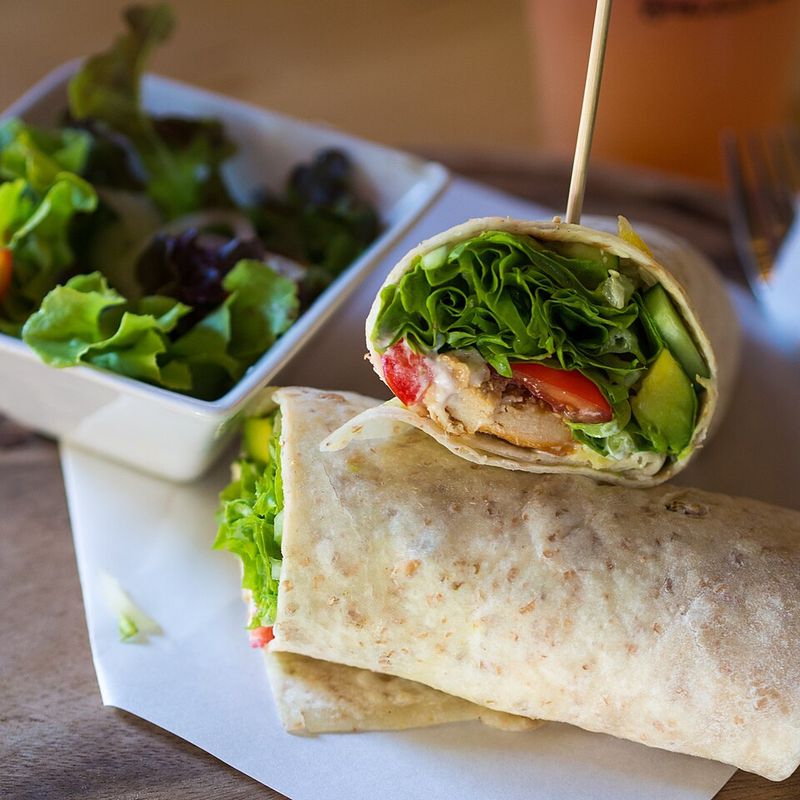
Denver eats lunch like it has somewhere to be afterward, because it usually does. The city’s midday style reflects outdoor culture, postwar growth, and a modern workforce that often favors meals designed to refuel without turning the afternoon into a slow-motion event.
Wraps, salads, burritos, grain bowls, and fast-casual sandwiches fit a city where hiking, biking, skiing, and fitness culture influence everyday decisions. That does not mean Denver lacks hearty options.
It means the dominant lunch idea leans toward portability, customization, and ingredients that promise energy rather than a nap disguised as a break.
There is also a western practicality to the menu. Office workers, students, healthcare staff, and people commuting across a spread-out metro area often need food that works in transit or between appointments.
Over time, that has helped create a lunch culture that feels balanced rather than flashy. Denver may not stage the most theatrical noon meal in America, but it understands efficiency with standards, which is its own kind of local signature.
11. San Francisco, CA – Fresh and Diverse
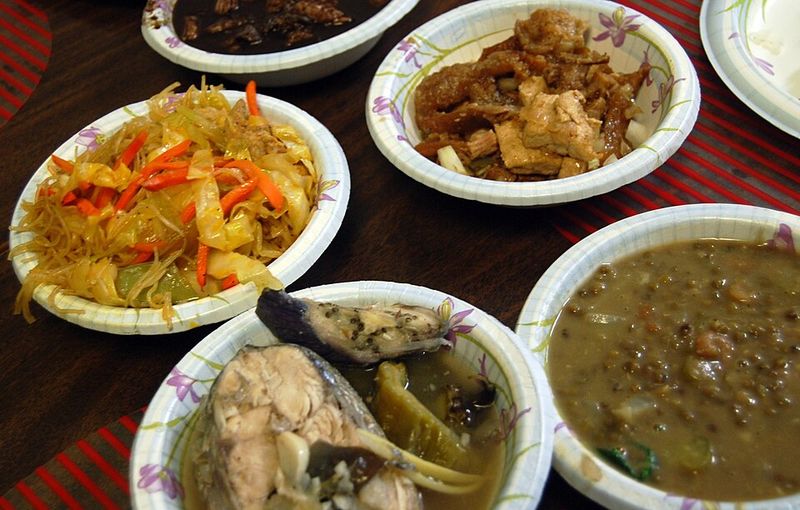
San Francisco treats lunch like an open syllabus with strong opinions about bread. The city’s midday food culture reflects immigration, counterculture health movements, tech money, labor history, and a long-standing interest in ingredients that feel local, seasonal, and a little self-aware.
Sourdough has deep Gold Rush-era roots, while the broader lunch scene grew through Chinese, Italian, Mexican, Japanese, Vietnamese, and many other community influences. By the late twentieth century, California cuisine and Bay Area food activism had pushed farmers markets, organic produce, and chef-driven casual meals into everyday expectations, which made even a simple lunch feel somewhat curated.
Yet the city never became just one kind of eater’s paradise. On any given block, a deli sandwich, salad, burrito, dim sum order, or sushi lunch all make equal cultural sense.
That variety is the point. San Francisco lunch reflects a city that keeps reinventing itself while insisting that freshness, range, and a good loaf of bread remain nonnegotiable parts of the deal.
12. Small-Town Midwest – Classic and Social
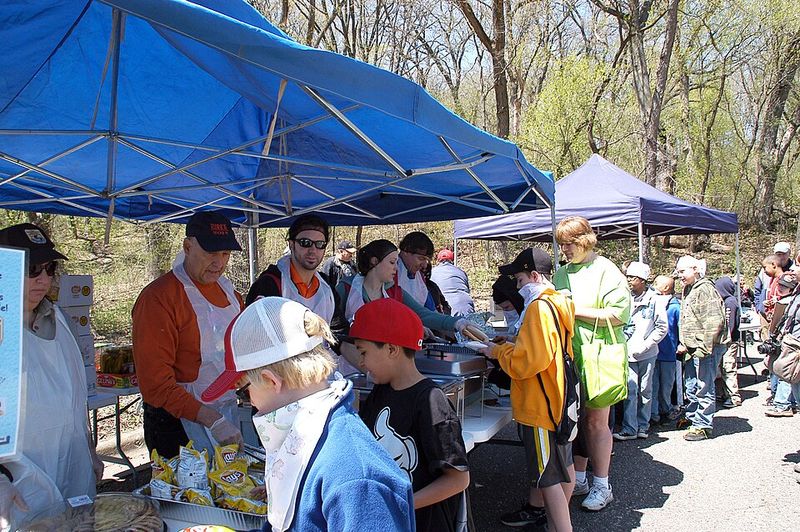
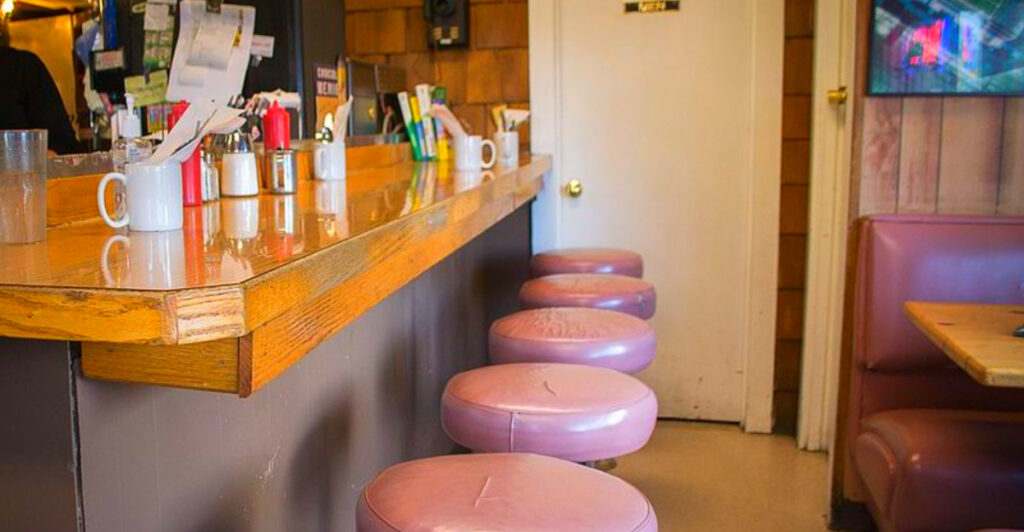
The most revealing lunch in America might be the one served beside a laminated pie list. In many small Midwestern towns, lunch still centers on diners, cafes, and family restaurants where the meal is tied as much to routine and conversation as to whatever appears on the daily special board.
These places grew alongside courthouse squares, farm supply stores, factories, and Main Street shopping districts, especially in the mid-twentieth century when local businesses anchored the noon crowd. Burgers, hot beef sandwiches, soup, pie, and blue-plate specials became reliable standards because they were affordable, recognizable, and easy to serve to regulars who returned on a near-scheduled basis.
What keeps this lunch style distinct is the social architecture around it. You are likely to find retirees, teachers, sales reps, and crews from nearby shops sharing the same room, often with first-name familiarity doing half the work of the menu.
Even when chains arrive at the edge of town, the local diner keeps offering something harder to franchise: continuity at noon.
Share this story