Some musicians are so talented that fans assume they’ll thrive no matter what. But stepping away from a successful band is a huge gamble, and not everyone wins.
Many rock and pop legends found that the chemistry of their group was the real magic behind their fame. Here’s a look at musicians whose solo careers didn’t quite live up to the legend they built with their bands.
1. Mick Jagger (The Rolling Stones)
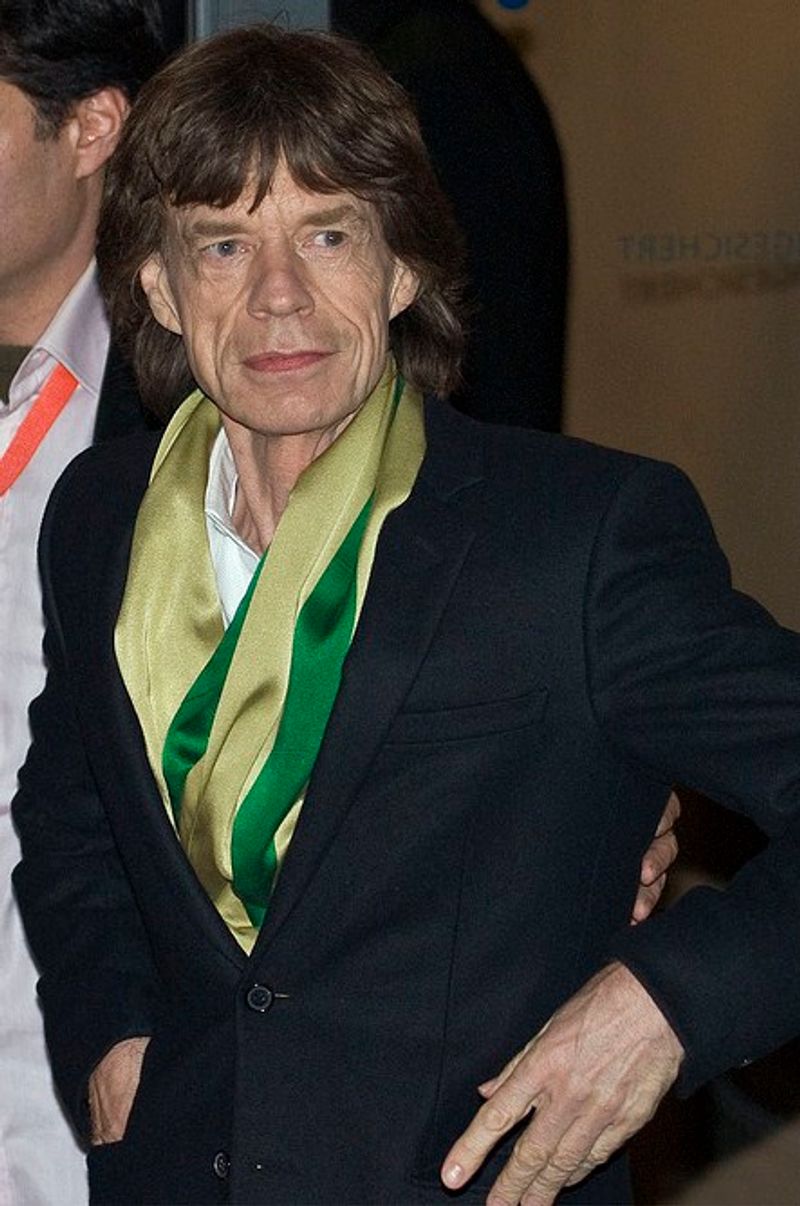
Mick Jagger is one of rock’s most recognizable faces, but being the frontman of The Rolling Stones didn’t guarantee solo glory. When he released his debut solo album “She’s the Boss” in 1985, critics were lukewarm and fans were underwhelmed.
The album sold modestly, but it didn’t come close to the massive commercial pull of the Stones.
His follow-up records faced similar struggles. The spark that made Jagger legendary seemed deeply tied to the band’s collective energy, especially the creative tension between him and Keith Richards.
Without that dynamic, his solo output felt like something was missing.
Jagger himself admitted that the solo years created significant friction within the Stones. In hindsight, his solo run is seen more as a creative detour than a serious career pivot.
The lesson was clear: some artists are simply better together than apart.
2. Roger Daltrey (The Who)
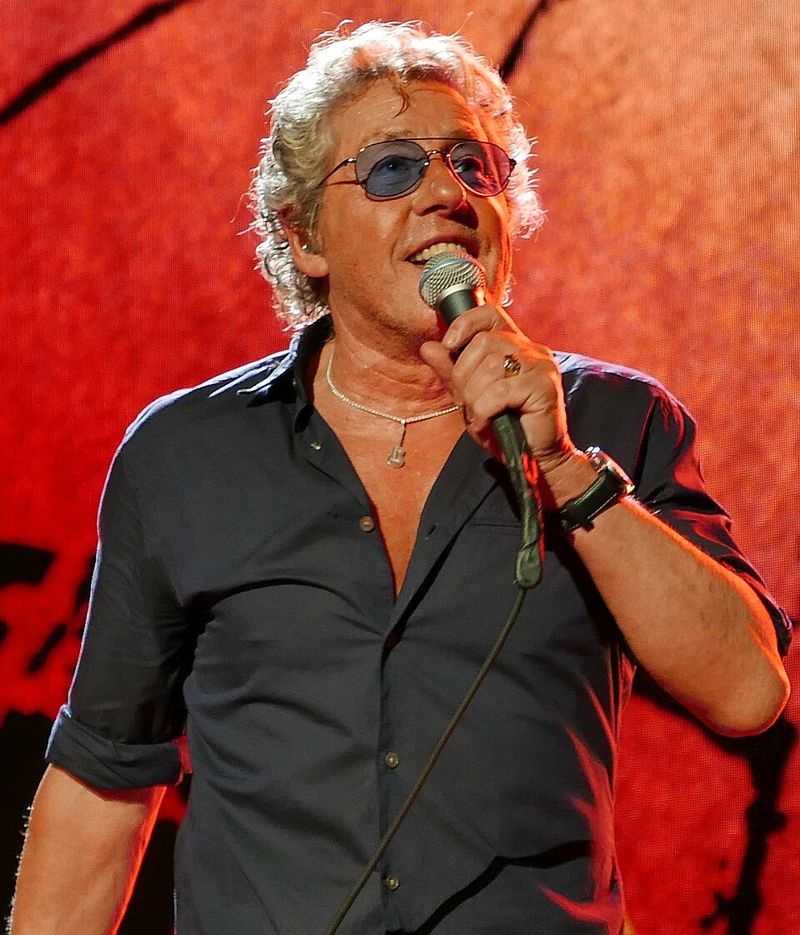
Roger Daltrey had one of the most powerful voices in British rock history, so expectations for his solo work were naturally sky-high. He released his first solo album in 1973, and while it showed off his vocal range, it lacked the explosive punch that The Who delivered so effortlessly.
Over the years, Daltrey put out several more solo records, but none of them cracked the cultural conversation the way albums like “Who’s Next” or “Tommy” did. He found more success acting in films, including the 1975 rock opera “Lisztomania,” than he did on the solo music charts.
His story highlights a truth many fans overlook: a great voice alone doesn’t make a great solo career. The Who’s success was built on the chemistry between Daltrey, Pete Townshend, Keith Moon, and John Entwistle.
That kind of band magic simply can’t be replicated alone.
3. Steven Tyler (Aerosmith)
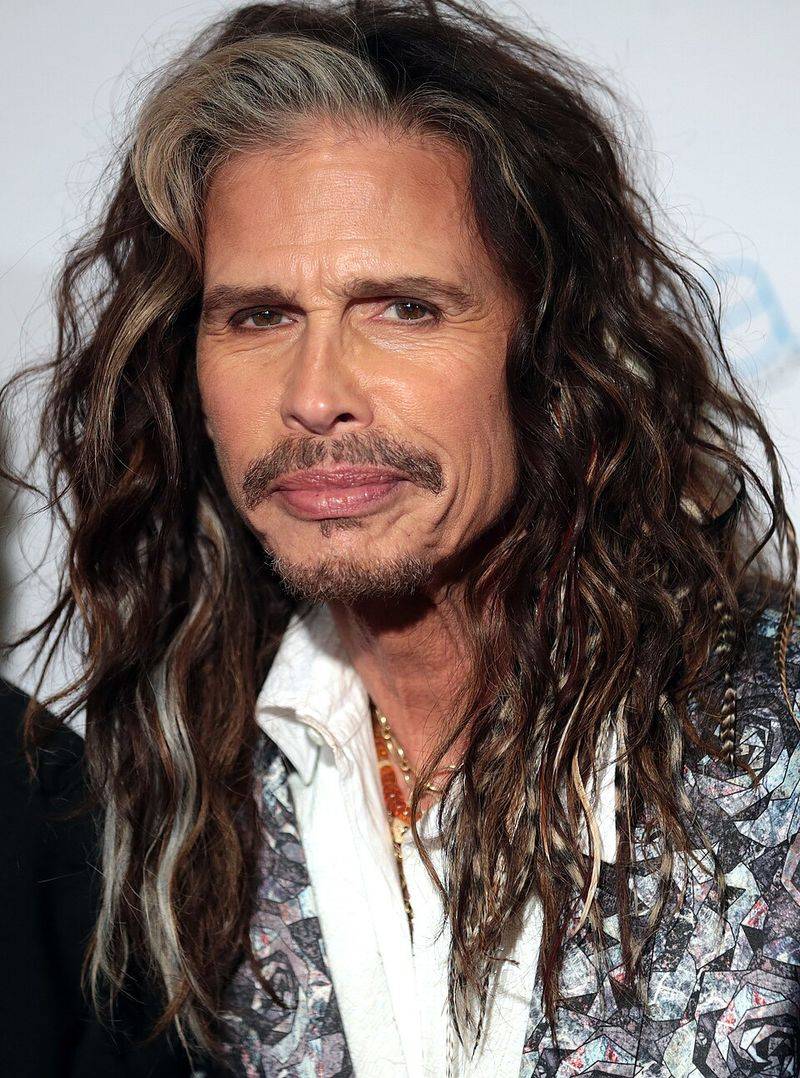
Steven Tyler’s voice is one of the most distinctive in rock history, instantly recognizable and full of raw energy. So when he stepped away from Aerosmith and released a country solo album called “We’re All Somebody from Somewhere” in 2016, the music world paid attention.
Unfortunately, the reaction was largely indifferent.
Country radio didn’t fully embrace him, and rock fans felt the shift was too jarring. The album debuted at a respectable position on country charts but quickly faded from public conversation.
Tyler’s genuine enthusiasm for the genre wasn’t enough to bridge the gap between his rock legacy and a new audience.
Aerosmith fans, meanwhile, weren’t particularly interested in hearing their idol sing country ballads. The project felt like a passion exercise rather than a career breakthrough.
It’s a reminder that reinventing yourself mid-career is a bold move that doesn’t always pay off the way artists hope.
4. Dennis DeYoung (Styx)
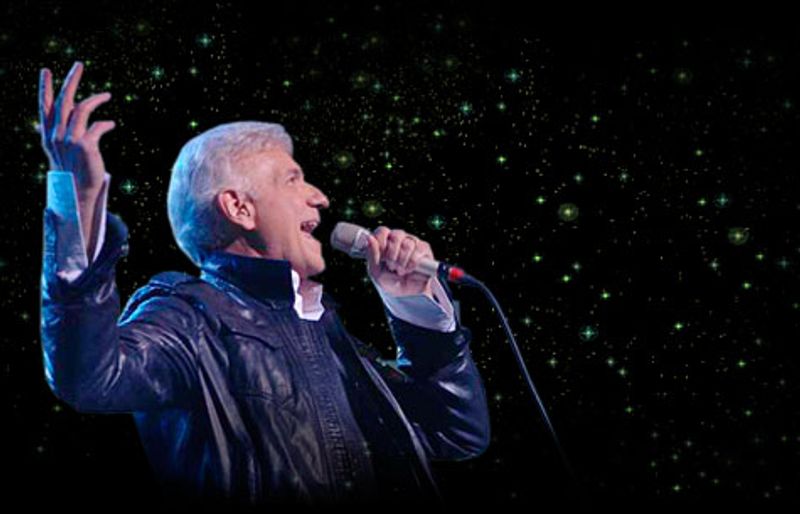
Dennis DeYoung was the creative backbone behind many of Styx’s most beloved songs, including the iconic “Mr. Roboto” and “Come Sail Away.” His theatrical approach to rock music helped define the band’s sound throughout the late 1970s and 1980s. So when he launched a solo career, some success seemed almost guaranteed.
He did manage moderate chart placements with songs like “Desert Moon” in 1984, which gave him a brief moment in the spotlight. But sustaining that momentum proved difficult.
Without the band’s collaborative engine behind him, DeYoung struggled to produce the same level of consistent commercial appeal.
His relationship with Styx also became famously complicated, leading to a long-running public dispute over the band’s direction and lineup. Fans were caught in the middle, unsure which version of Styx they were supporting.
DeYoung’s solo story is one of talent meeting real-world limitations outside a familiar creative structure.
5. David Lee Roth (Van Halen)
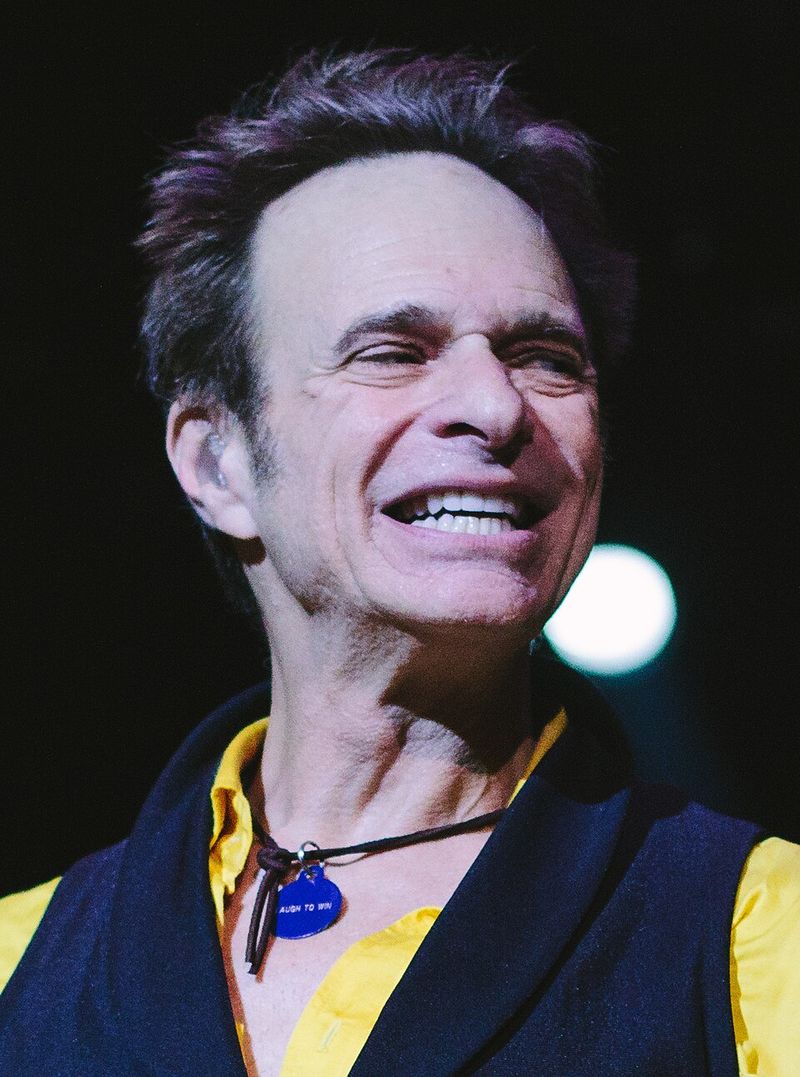
When David Lee Roth left Van Halen in 1985, many predicted he would dominate the music world on his own terms. His early solo work actually delivered some promise.
The “Crazy from the Heat” EP was a genuine hit, and songs like “California Girls” and “Just a Gigolo” got heavy MTV airplay.
But the momentum didn’t last. His debut full-length solo album “Eat ‘Em and Smile” performed well, yet subsequent releases saw declining sales and critical interest.
By the early 1990s, Roth’s flamboyant persona began to feel dated as grunge reshaped rock music entirely.
His attempts at a comeback never quite stuck, and a brief return to Van Halen only reminded fans of what had been lost. Roth had enormous charisma, but Van Halen’s guitar genius Eddie Van Halen was the musical foundation beneath all that showmanship.
Without Eddie’s riffs, the stage felt a little emptier.
6. Ace Frehley (KISS)
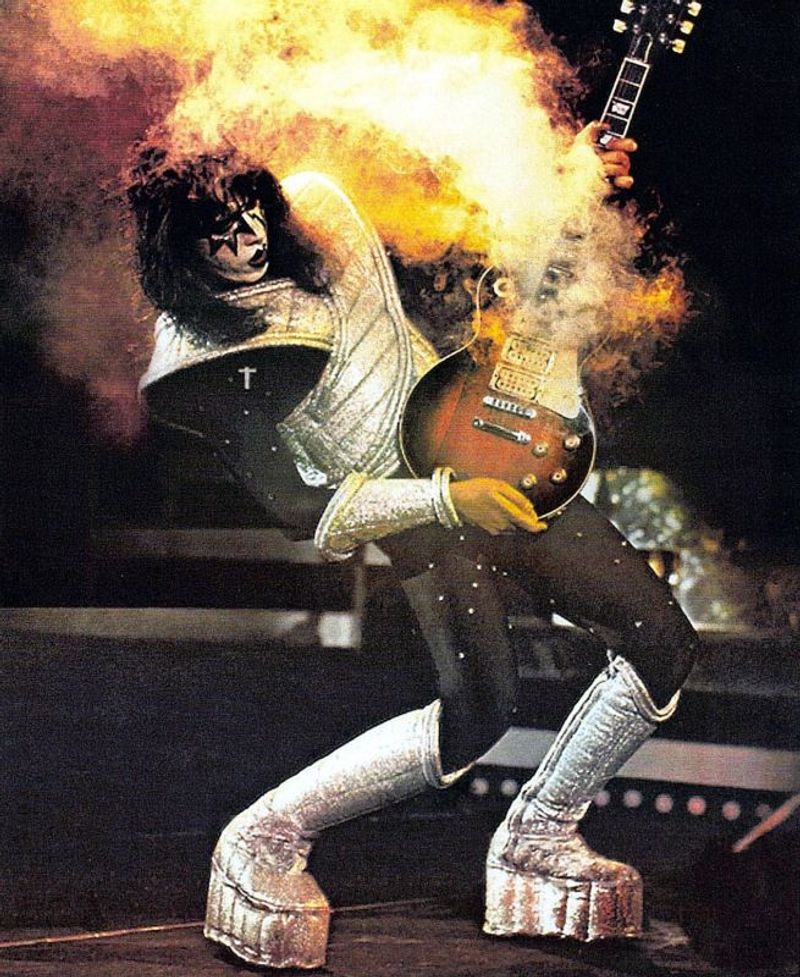
Ace Frehley was the original Space Ace of KISS, beloved for his flashy guitar solos and cosmic stage persona. When all four KISS members released solo albums simultaneously in 1978, Frehley’s was the clear fan favorite, outselling the others by a wide margin.
That early win gave him a strong foundation to build on.
His post-KISS solo career, however, told a different story. While he maintained a dedicated cult following, he never broke through to the mainstream audiences that KISS commanded at their peak.
Albums like “Frehley’s Comet” had their moments but didn’t generate lasting commercial success.
Personal struggles with substance abuse also interrupted his momentum at critical points. Frehley is genuinely respected among guitar fans, and his influence on rock is real.
But the combination of KISS’s theatrical brand and the band’s loyal fanbase was something his solo work could never fully replicate on its own.
7. Joe Perry (Aerosmith)
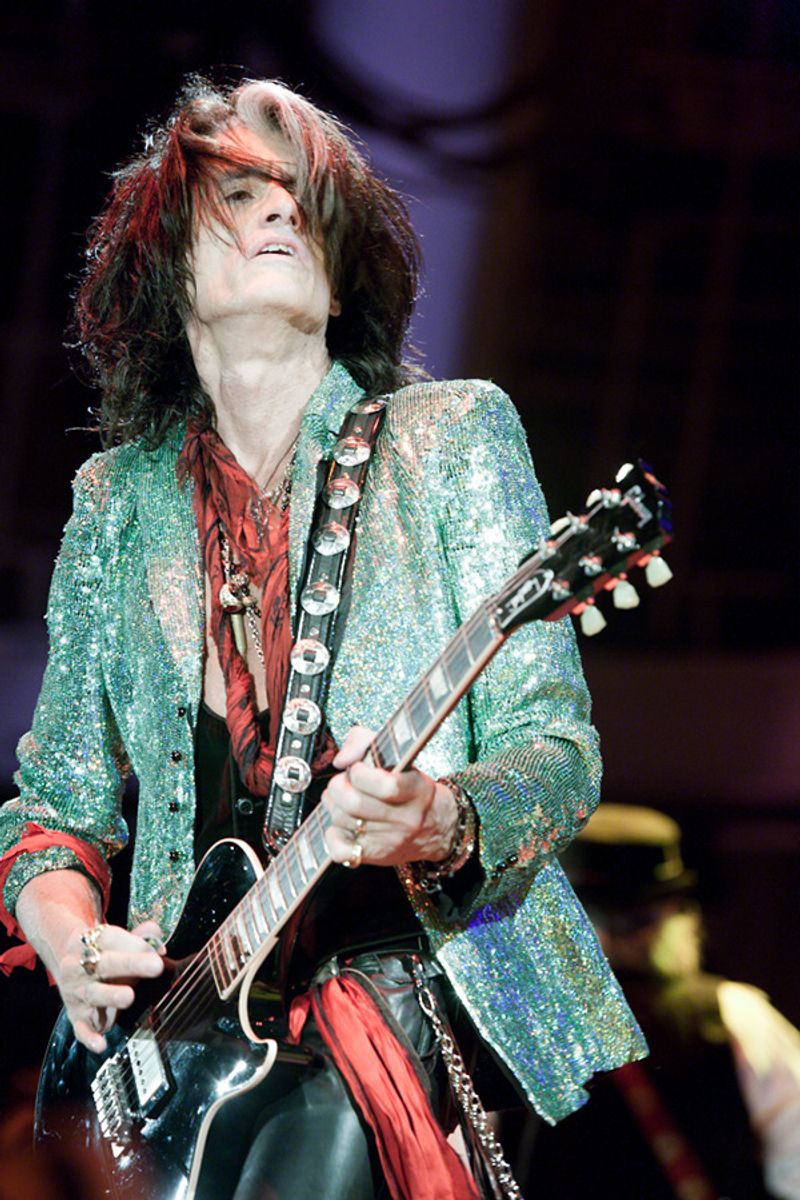
Joe Perry is widely regarded as one of rock’s greatest guitarists, the riff-master behind Aerosmith classics like “Walk This Way” and “Sweet Emotion.” When internal tensions within Aerosmith reached a breaking point around 1979, Perry left the band and formed The Joe Perry Project. The music world watched closely.
The project released three albums between 1980 and 1983, but none of them generated significant commercial traction. Critics acknowledged Perry’s guitar skills, yet something about the overall package didn’t connect with mainstream audiences the way Aerosmith had.
The frontman role didn’t suit him the way lead guitar did.
Perry eventually reunited with Aerosmith in 1984, and together they staged one of rock’s most celebrated comebacks. That reunion underscored just how much both Perry and Steven Tyler needed each other creatively.
Their partnership, not their individual ambitions, was always the real source of Aerosmith’s extraordinary staying power.
8. Peter Criss (KISS)
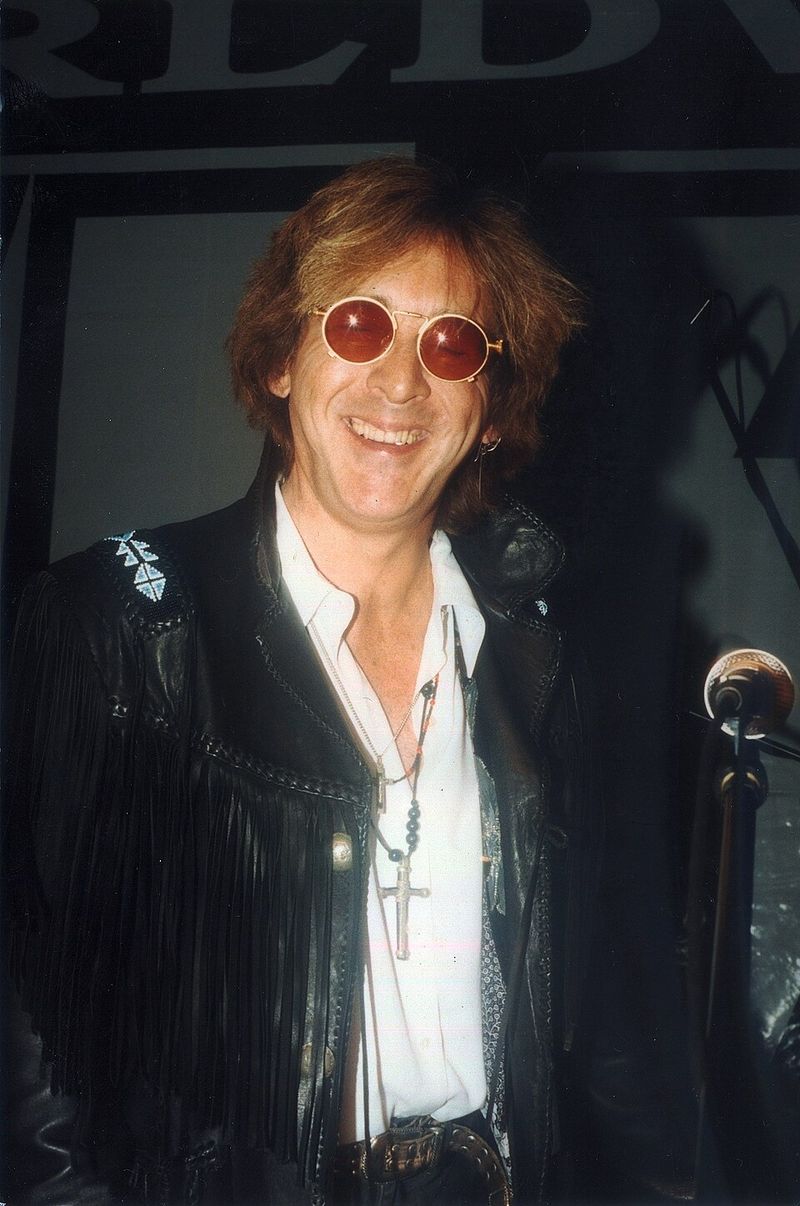
Peter Criss was the original Catman of KISS, known for his emotional ballad “Beth,” which became one of the band’s biggest hits almost by accident. That song showed a softer side of KISS that fans genuinely connected with.
When Criss eventually went solo, many hoped he could capture that same emotional resonance again.
Sadly, his solo albums failed to find an audience. His 1980 album “Out of Control” came and went without making much of an impression on the charts or in music conversations.
Without the KISS brand and theatrical framework around him, Criss struggled to define a compelling solo identity.
His later work remained largely under the radar, and his career visibility faded significantly after leaving the band. Criss is remembered fondly as a KISS founding member, but his solo journey serves as a reminder that even iconic rock drummers face steep odds when stepping out on their own.
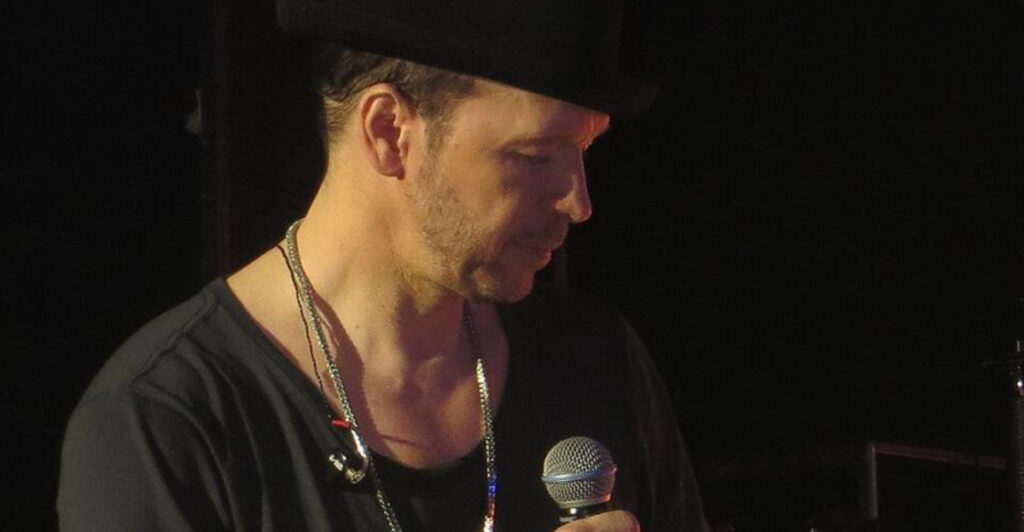
9. Donnie Wahlberg (New Kids on the Block)
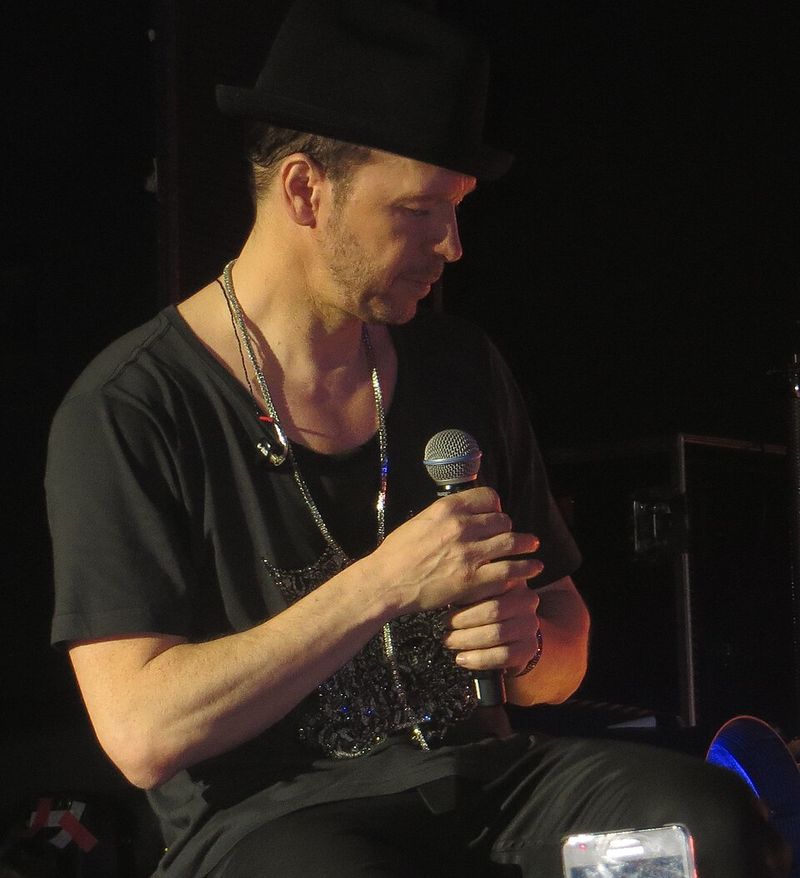
Donnie Wahlberg was the edgiest member of New Kids on the Block, often serving as the group’s street-credible anchor during their massive late-1980s run. When the group’s popularity cooled in the early 1990s, Wahlberg attempted to carve out a solo music path.
The results were underwhelming by most measures.
His solo music didn’t generate meaningful chart success, and he struggled to establish a clear artistic identity separate from the boy band world. Rather than pushing harder in music, Wahlberg made a smart pivot toward acting, eventually landing substantial roles in television and film.
Today, he’s probably best known for his long-running role on the TV drama “Blue Bloods” rather than any song he released alone. His story is actually one of the more successful redirections on this list.
Not every failed solo career is a dead end; sometimes it just points you toward where you were really meant to be.
10. JC Chasez (NSYNC)
JC Chasez was often considered NSYNC’s most technically skilled vocalist, and many industry insiders believed he had the strongest shot at a successful solo career among the group’s members. His 2004 debut album “Schizophrenic” was backed by solid production and genuine artistic ambition.
The anticipation was real.
But the album underperformed commercially, failing to match the blockbuster expectations that came with being an NSYNC alumnus. Critics gave it mixed reviews, and radio didn’t fully get behind it.
Meanwhile, his bandmate Justin Timberlake was redefining pop music with “Justified,” which made Chasez’s release look even more modest by comparison.
Chasez never released another solo studio album, though he remained active in the music industry as a songwriter and producer. His story is a tough one because the talent was undeniable.
Sometimes timing, competition, and public appetite simply don’t align, no matter how gifted the artist.
11. John Frusciante (Red Hot Chili Peppers)
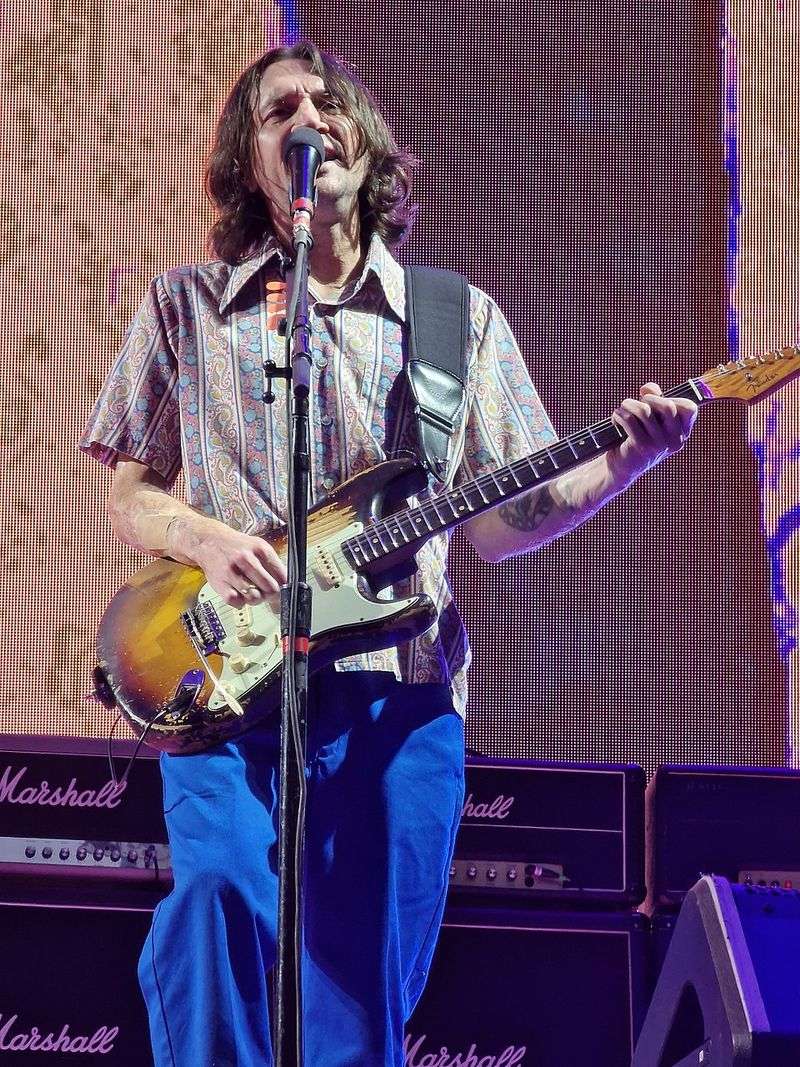
John Frusciante is frequently praised as one of the most gifted guitarists of his generation, and his work on Red Hot Chili Peppers albums like “Californication” and “Blood Sugar Sex Magik” cemented his legendary status. His solo catalog is genuinely impressive, spanning experimental rock, electronic music, and deeply personal acoustic work.
Critics have often responded warmly to his solo releases, recognizing the artistic courage behind records like “Shadows Collide with People” and “The Empyrean.” But critical appreciation rarely translated into mainstream commercial success. His solo albums sold modestly compared to the massive numbers the Chili Peppers routinely generated.
Frusciante seems largely unbothered by commercial metrics, approaching his solo work as pure artistic expression rather than chart chasing. That’s admirable, but it also means most casual music fans have never explored his solo catalog.
His story is less about failure and more about the gap between artistic ambition and mass-market appeal.
12. Izzy Stradlin (Guns N’ Roses)
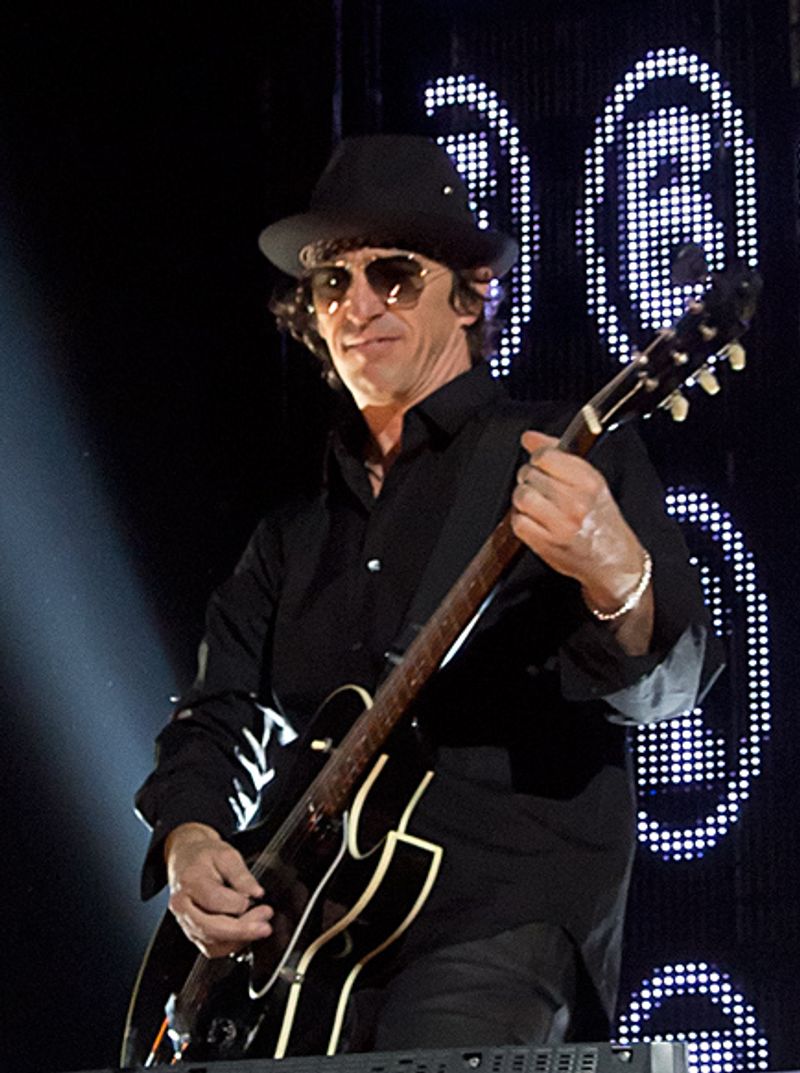
Izzy Stradlin was the quiet architect behind much of Guns N’ Roses’ early sound, co-writing classics like “Sweet Child O’ Mine” and “Paradise City.” When he quietly exited the band in 1991 at the height of their fame, fans were genuinely puzzled. He seemed to prefer a lower-key life over the chaos surrounding GNR at the time.
He formed Izzy Stradlin and the Ju Ju Hounds and released a self-titled album in 1992. The record was well-received by critics who appreciated its raw, unpretentious rock feel, but it barely registered commercially.
Subsequent solo releases followed a similar pattern: respected by those who found them, ignored by most everyone else.
Stradlin never seemed particularly bothered by the lack of mainstream attention, which says something about his motivations as an artist. Still, for someone who helped write some of the biggest rock songs of the 1980s, his solo career remained surprisingly invisible to the wider public.
13. Paul Rodgers (Bad Company / Free)
Paul Rodgers is frequently cited as one of the greatest pure rock vocalists who ever lived, and his work fronting both Free and Bad Company earned him enormous respect across decades of rock history. Songs like “All Right Now” and “Feel Like Makin’ Love” are enduring classics that still get radio play today.
His solo career, however, never generated that same level of cultural impact. Albums like “Cut Loose” showed off his voice beautifully but failed to produce hit singles that stuck in the public’s memory.
He later toured with Queen as a guest frontman, which drew more attention than anything on his solo discography.
Rodgers is a musician who clearly doesn’t need validation from chart positions, and his legacy is rock-solid regardless of solo sales figures. But the numbers tell a story: even the greatest voices in rock history need the right musical context to truly shine at their highest level.
14. Ronnie Wood (Rolling Stones / Faces)
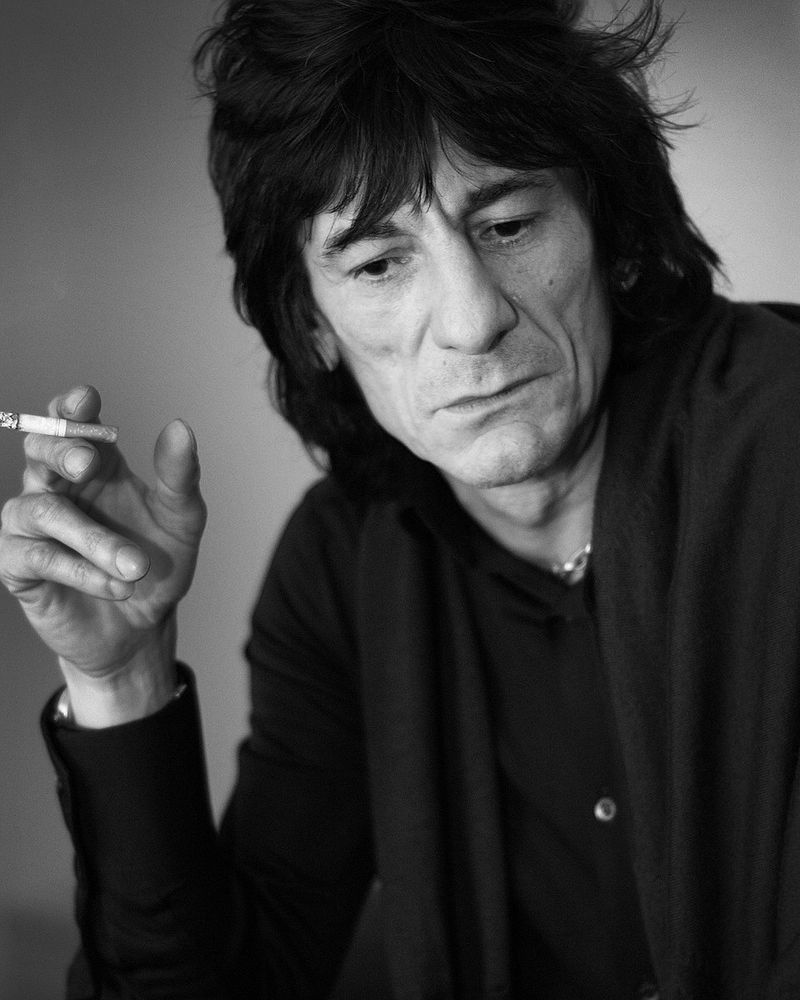
Ronnie Wood is one of rock’s most beloved personalities, a guitarist and visual artist who brought warmth and versatility to both the Faces and the Rolling Stones. His easygoing charm made him a fan favorite in both bands, and his guitar interplay with Keith Richards became a defining element of the Stones’ sound from the mid-1970s onward.
Wood released several solo albums over the years, including “I’ve Got My Own Album to Do” back in 1974, a title that practically winked at the audience about its own modest ambitions. The record was fun and loose but didn’t generate serious commercial momentum.
Later solo efforts followed a similar trajectory.
His solo catalog is best described as a pleasant side dish rather than a main course. Wood himself has always seemed more energized by collaboration than by solo pursuits, which might explain everything.
Some musicians genuinely thrive in the creative friction of a band, and Wood is a textbook example of that truth.
15. Brian McFadden (Westlife)

Brian McFadden was a central voice in Westlife, one of Ireland’s most successful pop groups, known for their polished ballads and devoted fanbase across Europe. When he left the group in 2004 to pursue a solo career, the split made headlines and fans were genuinely unsure what to expect next.
His first solo single “Real to Me” was a genuine hit, reaching number one in the UK and Ireland and suggesting a bright future ahead. But sustaining that momentum proved much harder than expected.
Subsequent releases struggled to replicate that early success, and his commercial presence gradually faded.
McFadden relocated to Australia and found some regional success there, but a return to the international spotlight never materialized. Westlife, meanwhile, continued successfully with a replacement member and eventually reunited with massive tours years later.
McFadden’s story is a classic case of a promising start that simply couldn’t be maintained over the long run.
Share this story