 Unearth The Voyage

Every year, researchers study countries around the world to figure out where people are truly thriving. They look at things like health, trust, freedom, and happiness to build a list that surprises almost everyone.
Some results are predictable, but others are genuine head-scratchers. Get ready, because this year’s top 15 is packed with familiar faces, unexpected guests, and a few countries that really have no business being this cheerful.
Finland – The Gold Standard of Everyday Calm
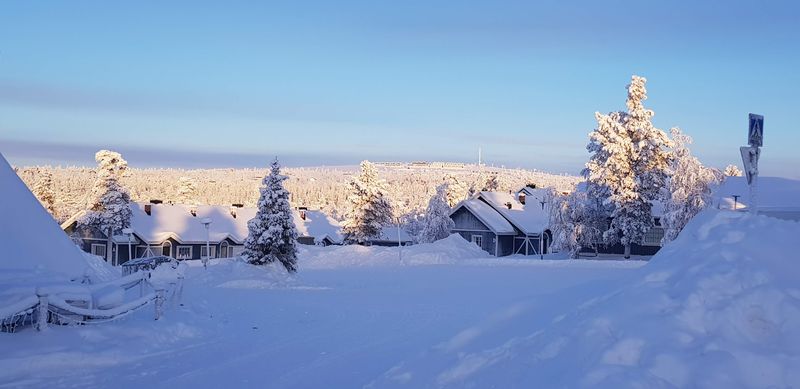
Finland has been sitting at the top of the World Happiness Report so long, it basically owns the penthouse. For the eighth year running, Finns claimed the number one spot in 2025.
That is not a streak. That is a dynasty.
What makes Finland tick? It is not flashy.
There are no giant skyscrapers or neon-lit tourist traps. Instead, Finns enjoy strong public services, low corruption, and a culture that genuinely values personal freedom and quiet time in nature.
I once read that Finland has more saunas than cars. That might be the most Finnish sentence ever written.
Whether it is universal healthcare, excellent education, or just the national love of silence, Finland has figured something out that most countries are still scribbling on a whiteboard. The rest of the world should probably take notes.
Denmark – High-Trust Living, Done Right
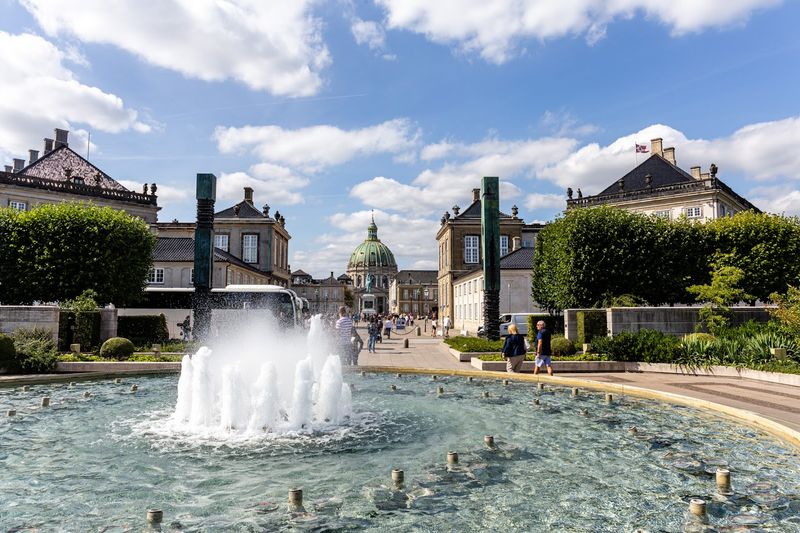
Denmark is the country where people leave their babies in prams outside cafes while they enjoy coffee inside. That sounds alarming to outsiders, but in Denmark, nobody bats an eye.
The level of social trust here is almost otherworldly.
That trust extends everywhere. Danes trust their government, their neighbors, and their institutions.
When a society operates on that kind of goodwill, daily life becomes remarkably low-stress. No wonder Denmark consistently ranks near the very top of global happiness lists.
The Danish concept of hygge, which loosely means cozy contentment, has become a global buzzword. But in Denmark, it is not a trend.
It is Tuesday. Add free university education, generous parental leave, and a strong social safety net, and you start to understand why Danes seem so permanently at ease.
It is not luck. It is a very deliberate way of organizing a society.
Iceland – Small Population, Big Well-Being

Iceland has roughly 370,000 people, which means the entire country has fewer residents than many single cities. Yet somehow, this tiny North Atlantic island keeps punching way above its weight in the happiness rankings.
Part of the secret is that everyone knows everyone. Iceland operates almost like a very large, very cold village.
Corruption is nearly impossible to hide, community ties are strong, and the government is genuinely accessible to ordinary citizens. In fact, Icelanders famously crowdsourced their constitution after the 2008 financial crisis.
Bold move.
Gender equality in Iceland is among the highest on the planet, consistently ranking number one on the Global Gender Gap Index. Women hold significant positions in business and government, and that equality ripples through family life in measurable ways.
Add geothermal energy keeping heating bills low and some of the world’s cleanest air, and Iceland starts to look less like a country and more like a well-run experiment in human flourishing.
Sweden – Stability, Support, and Strong Institutions
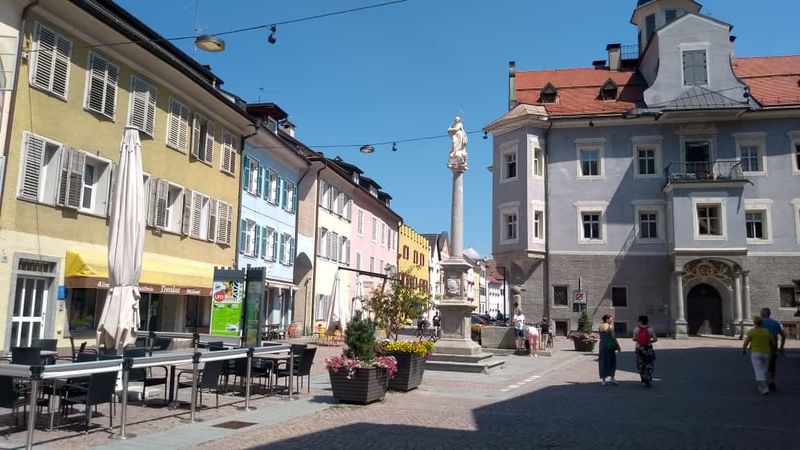
Sweden is the kind of country that makes you feel like the adults are in charge. Strong institutions, reliable public services, and a culture built around fairness have kept Sweden firmly in the global top five for well-being year after year.
Swedish parental leave is legendary. Parents can share up to 480 days of paid leave per child.
That policy alone reshapes how families function and how gender roles play out in the home and workplace. It is not just generous.
It is structurally transformative.
Sweden also scores brilliantly on press freedom, environmental quality, and healthcare access. The country is not perfect, and Swedes would be the first to tell you that.
But the baseline quality of life for the average person is genuinely impressive. When your biggest national debate is about whether taxes should be slightly higher or slightly lower, you are probably doing okay as a society.
Netherlands – The Non-Nordic That Keeps Pace
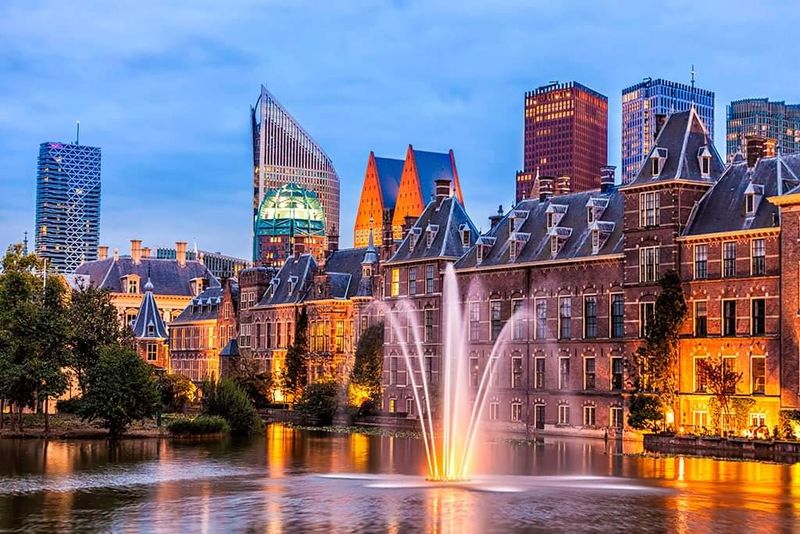
Not every country near the top of the happiness list speaks a Scandinavian language. The Netherlands crashes the Nordic party every single year, and honestly, nobody seems to mind.
The Dutch have built a society that works with remarkable efficiency and a refreshing dose of directness.
Dutch people are famously blunt. They will tell you exactly what they think, and somehow that honesty creates a culture of clarity rather than conflict.
Add to that one of the world’s most extensive cycling infrastructures, strong civil liberties, and a thriving economy, and you get a country that functions at an impressively high level.
The Netherlands also leads in work-life balance. Part-time work is normalized across all income levels, not just for caregivers.
That flexibility gives people genuine control over their time. When a country designs its systems around human needs rather than productivity metrics alone, the results show up clearly in the data.
The Dutch data is very good.
Costa Rica – The Happiness Standout Outside Europe
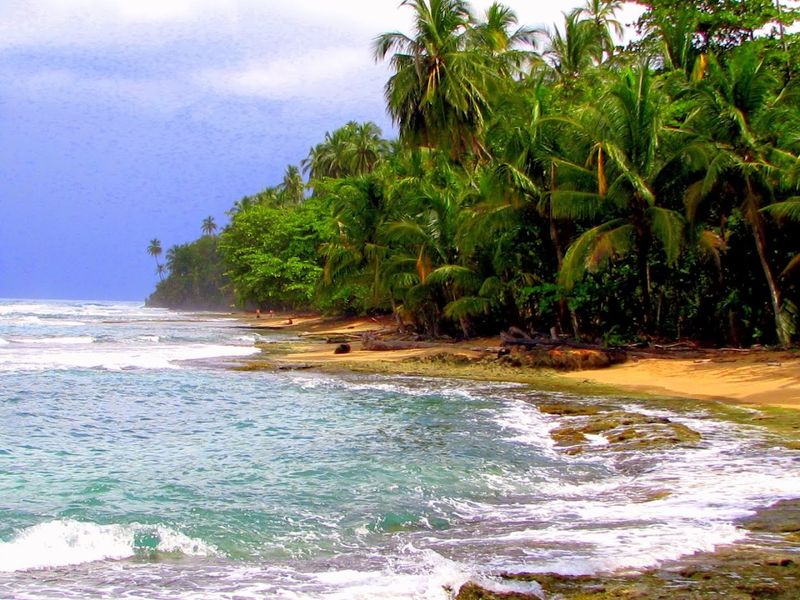
Costa Rica has absolutely no business being this happy, and yet here it is, grinning its way into the global top 10. This Central American country has no standing army, abolished in 1948, and redirected that military budget into education and healthcare.
That single decision changed everything.
The results speak loudly. Costa Ricans, known as Ticos, consistently report some of the highest life satisfaction scores in the world.
Life expectancy is high, literacy rates are strong, and the country powers itself largely on renewable energy. In some years, Costa Rica runs on 100 percent clean energy for months at a stretch.
There is also a local philosophy called pura vida, which translates roughly to pure life. It is a greeting, a farewell, and a worldview all at once.
It captures a genuine cultural attitude of gratitude and ease. Costa Rica proves that happiness is not just a Nordic export.
It grows in the tropics too.
Norway – Nordic Strength, Year After Year
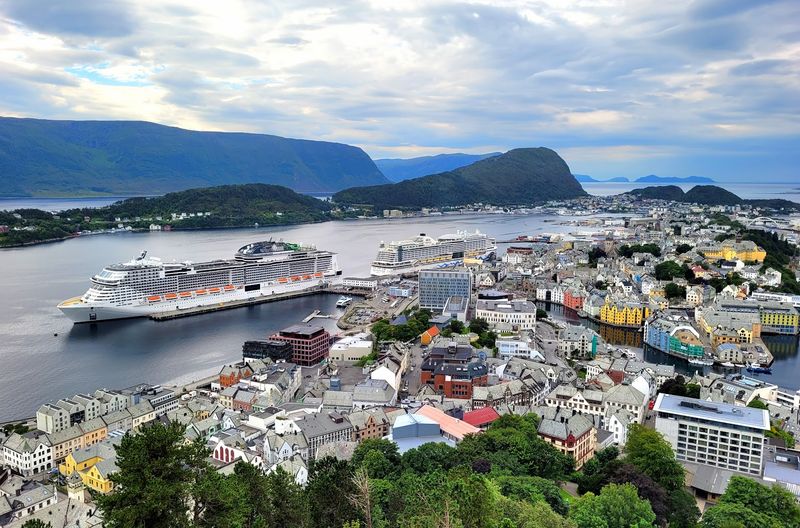
Norway sits on so much oil wealth that it has a sovereign fund worth over a trillion dollars. But here is the twist: Norwegians do not just pocket the cash.
They invest it for future generations while keeping public services exceptionally strong today. That kind of long-term thinking is genuinely rare.
The country scores near the top on almost every measure of well-being. Healthcare is universal, education is free through university, and the prison system is famously focused on rehabilitation rather than punishment.
Norwegian prisons look like college dorms, and recidivism rates are among the lowest in the world.
Norwegians also have a cultural concept called friluftsliv, which means open-air living. Spending time outdoors is deeply embedded in the national identity, rain or shine, and especially in the snow.
The right to roam freely across any natural land is actually protected by law. Norway takes its people’s well-being seriously, and the rankings reflect that every single year.
Israel – Still Among the Top-Ranked Countries
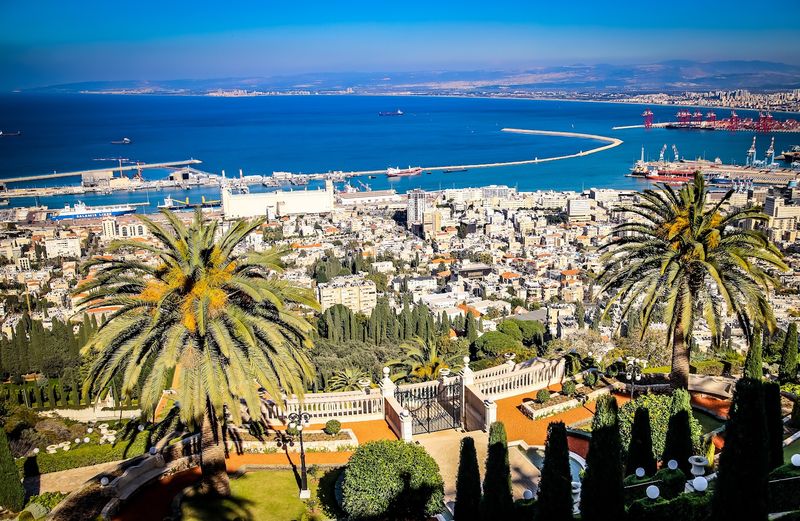
Israel’s consistent top-10 placement surprises many people, especially given the ongoing regional tensions that dominate international headlines. But happiness researchers measure something deeper than current events.
They track how people evaluate their lives over time, and Israelis rate theirs remarkably high.
Strong family bonds play a major role. Israeli culture places enormous value on close-knit family and community ties, and that social glue provides resilience that statistics alone cannot fully capture.
Friday night dinners are practically a national institution, and the warmth around those tables is real.
Israel also punches above its weight in innovation. It has more startups per capita than almost any other country on earth, earning the nickname the Startup Nation.
A culture of entrepreneurship, combined with world-class universities and a highly educated population, creates economic energy that translates into opportunity for many citizens. The data consistently shows that when people feel connected and purposeful, happiness follows.
Israel demonstrates that clearly.
Luxembourg – Small Country, Top-Tier Ranking
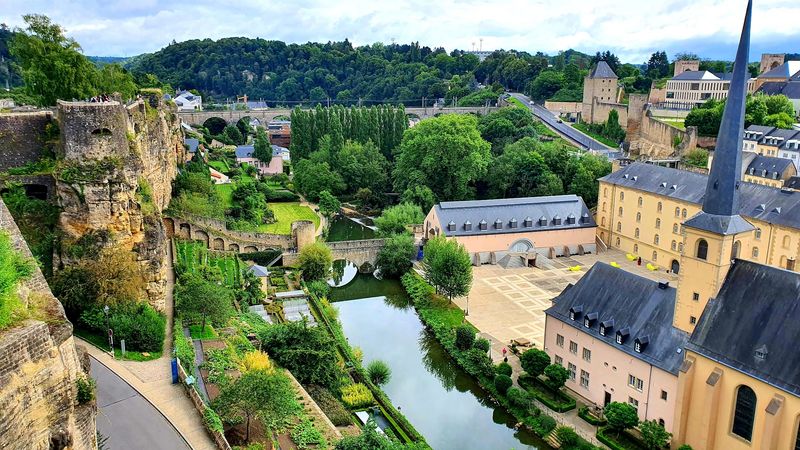
Luxembourg is so small you could drive across it in about an hour, but what it lacks in size it absolutely makes up for in quality of life. This tiny Grand Duchy consistently holds a top-10 spot on the global happiness index, and it earns every bit of it.
GDP per capita in Luxembourg is among the highest in the entire world. The country hosts major European Union institutions, a booming financial sector, and a remarkably multicultural population.
Nearly half the residents are foreign nationals, making Luxembourg one of the most internationally diverse countries on the planet.
Public transport in Luxembourg became completely free in 2020, the first country in the world to do so nationally. That is not a small policy tweak.
That is a statement about how a government views its relationship with citizens. Luxembourg may be easy to overlook on a map, but in the happiness rankings, it is impossible to miss.
Size, it turns out, is completely irrelevant.
Mexico – A Top-10 Surprise and a Big Headline
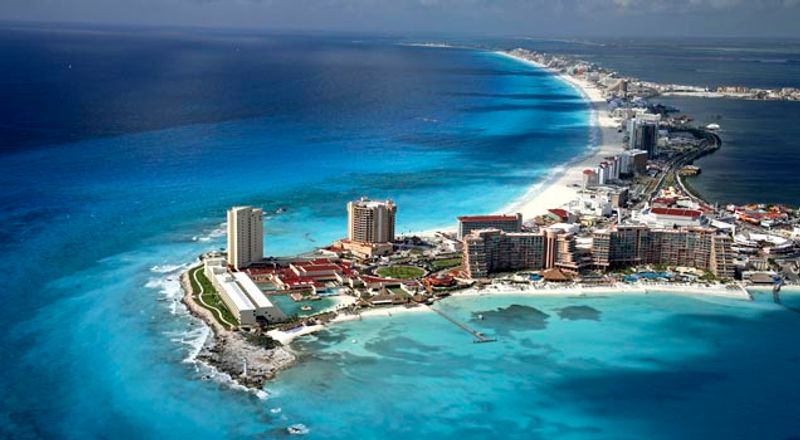
Mexico in the global top 10 for happiness? That raised some eyebrows.
But the World Happiness Report does not measure wealth alone, and that is exactly why Mexico belongs on this list. Mexicans report extraordinarily high levels of positive emotions, social connection, and life satisfaction.
The concept of familismo runs deep in Mexican culture. Family is not just important.
It is central to identity, daily decisions, and emotional support systems. Extended families often live close together or gather constantly, and that web of belonging provides something that money genuinely cannot buy.
Mexico also has a rich cultural life packed with festivals, music, food traditions, and community celebrations that keep social bonds strong. The Day of the Dead alone is a masterclass in communal memory and joy.
Critics point to inequality and safety concerns, and those are real issues. But the happiness data captures what people actually feel about their lives, and Mexicans, broadly speaking, feel pretty great about theirs.
Australia – Just Outside the Top 10

Dropping from the top 10 to number 11 sounds like a demotion, but let us be honest: ranking eleventh happiest country on earth is still an extraordinary achievement. Australia remains one of the most livable places on the planet by almost any measure you care to apply.
The lifestyle factor is real. Australians have access to stunning natural environments, a strong outdoor culture, and cities that consistently rank among the world’s most livable.
Melbourne and Sydney regularly appear near the top of global livability indexes, and for good reason.
Healthcare through Medicare, strong wages, and a multicultural society that has absorbed waves of immigration relatively successfully all contribute to a broadly positive national experience. Australians also have a cultural attitude called the fair go, a deeply held belief that everyone deserves a reasonable shot at a decent life.
That value shapes policy and social expectations in ways that show up clearly in well-being data. Eleven is still a very good number.
New Zealand – A Consistent High Performer
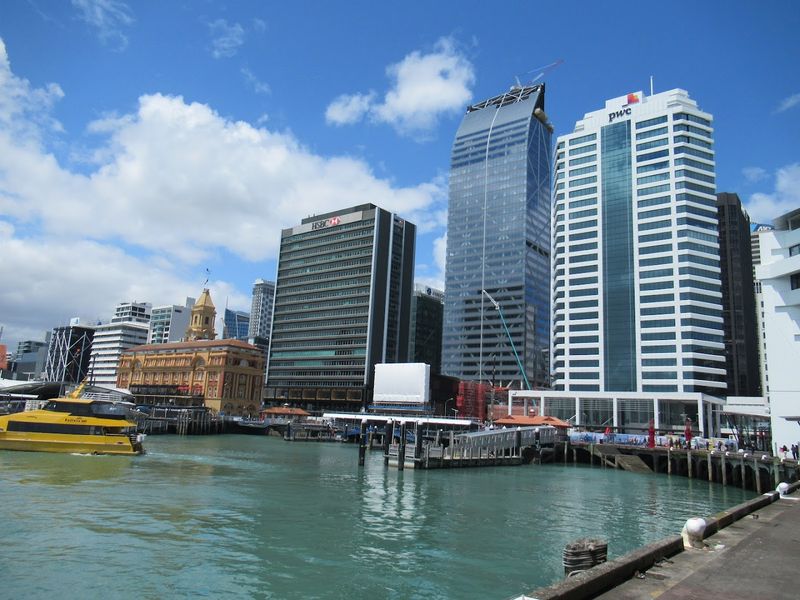
New Zealand keeps showing up near the top of global well-being lists, and the country has earned its reputation through genuine policy commitment rather than lucky geography. When Jacinda Ardern introduced a wellbeing budget in 2019, prioritizing mental health and child poverty over pure GDP growth, the world took notice.
That budget was not a gimmick. It reflected a broader national philosophy that a government’s job is to improve real lives, not just economic statistics.
New Zealand has followed through with investments in mental health services, housing, and environmental protection that reflect those stated priorities.
The country also benefits from spectacular natural beauty that residents genuinely use and value. Hiking, surfing, and outdoor recreation are woven into everyday Kiwi life in a way that supports physical and mental health naturally.
New Zealand is not without its challenges, particularly around housing affordability. But the foundation of trust, safety, and civic engagement keeps it firmly among the world’s happiest nations year after year.
Switzerland – A Familiar Name Near the Top
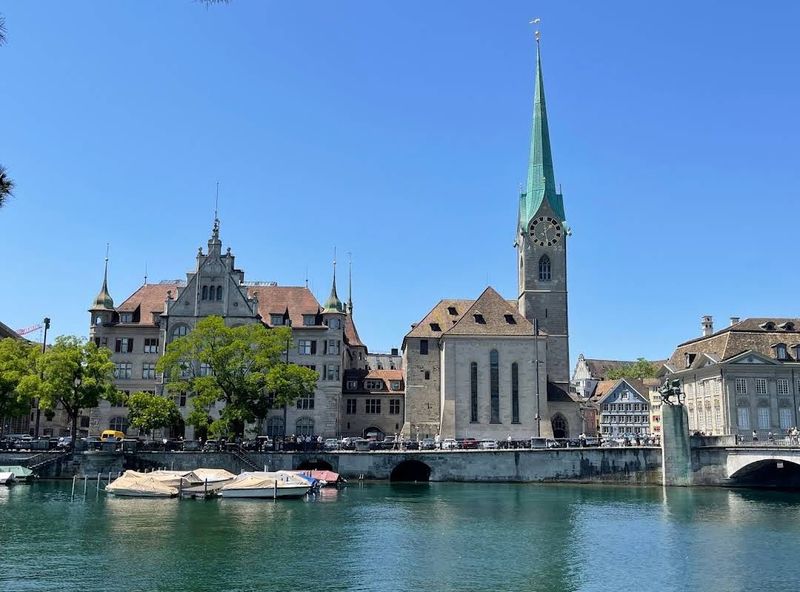
Switzerland is almost unfairly well-organized. Trains run on time.
The mountains are gorgeous. The chocolate is excellent.
And the political system gives citizens more direct democratic power than almost anywhere else on earth. It is the kind of country that makes you feel like someone really thought this through.
Direct democracy in Switzerland means citizens regularly vote on specific policy questions, not just for politicians. That level of civic involvement creates a population that feels genuinely connected to how their country is run.
Ownership of the political process is a powerful driver of life satisfaction.
Switzerland also has four official languages and a federal structure that lets different regions maintain distinct cultural identities. That diversity within unity is a remarkable achievement.
The country ranks brilliantly on healthcare quality, environmental standards, and economic stability. Coming in at number 13 in 2025 is slightly lower than Switzerland’s historical peaks, but it remains firmly in the conversation as one of the world’s most successful societies.
Belgium – Cracking the Top 15
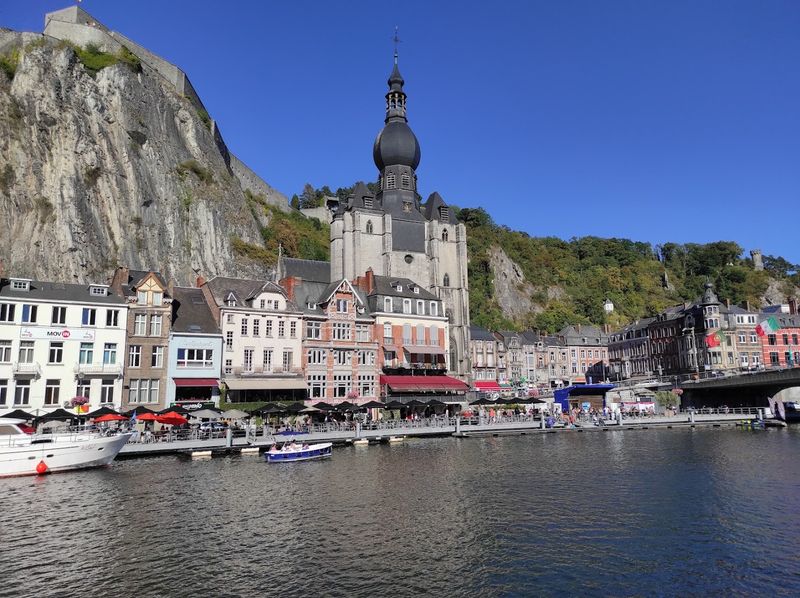
Belgium is the country that gave the world waffles, chocolate, and some of the finest beer ever brewed. Clearly, the Belgians have their priorities sorted.
Landing at number 14 on the 2025 happiness list, Belgium proves that good living does not require being Nordic or particularly large.
Brussels sits at the heart of the European Union, making Belgium a center of international diplomacy and commerce. That global connectivity brings economic strength and cultural richness to a country that already punches well above its weight in art, cuisine, and architecture.
Belgian social services are strong, healthcare is accessible, and the education system produces consistently high outcomes. The country also has a quirky national identity built partly on self-deprecating humor.
Belgians love to joke about their own country, particularly its famously complicated political structure. But behind the jokes is a society that genuinely works well for most people.
Number 14 in the world is nothing to laugh at. Well, unless you are Belgian.
Ireland – Rounding Out the Top Tier

Ireland closing out the top 15 feels fitting for a country whose entire cultural identity is built around warmth, storytelling, and an almost supernatural ability to find the craic in any situation. The Irish do not just talk about community.
They live it, loudly and with great enthusiasm.
The country has transformed dramatically over the past three decades. From one of Western Europe’s poorer nations to a thriving tech hub hosting the European headquarters of Google, Apple, and Meta, Ireland’s economic glow-up has been remarkable.
That prosperity has lifted living standards significantly across the population.
Strong family values, a vibrant pub culture that functions as genuine community space, and a literary tradition that prizes storytelling all contribute to a rich social fabric. Ireland also has some of the most stunning coastline anywhere in Europe, which residents use freely thanks to strong public access rights.
Fifteenth place in the world for happiness is, in Irish terms, absolutely grand.



