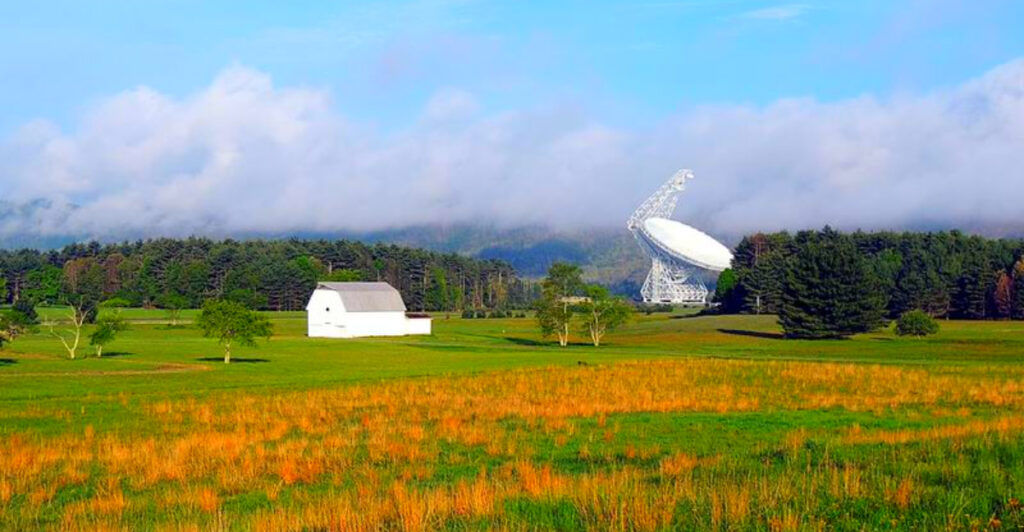
The Green Bank Observatory offers something increasingly rare: a place where modern wireless signals give way to scientific discovery. Located in a remote valley of West Virginia’s Allegheny Mountains, it is home to the world’s largest fully steerable radio telescope and one of the most unusual research sites in the country.
The observatory sits within the National Radio Quiet Zone, where restrictions on radio transmissions help protect sensitive scientific equipment from interference. Visitors can see the enormous telescope up close, learn how astronomers study signals from deep space, and experience a level of quiet that is difficult to find anywhere else.
It’s a combination of science, scale, and isolation that makes Green Bank unlike almost any other destination in the United States.
Where to Find This Radio Astronomy Wonder
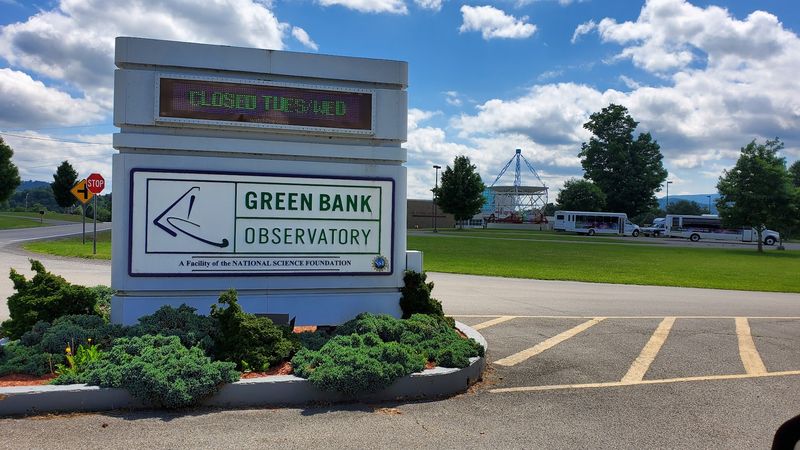
Tucked into the Pocahontas County hills of West Virginia, the Green Bank Observatory sits at 155 Observatory Road, Green Bank, WV 24944, about as far from city noise as you can get in the eastern United States.
The drive itself is part of the experience. Winding mountain roads through the Monongahela National Forest open up to a wide valley where a gleaming white telescope dish suddenly appears on the horizon, almost surreally large against the surrounding farmland and forested ridges.
The nearest major city is Charlottesville, Virginia, roughly two hours to the east, and Elkins, West Virginia, sits about an hour to the north. Plan your navigation before you arrive, because once you enter the National Radio Quiet Zone, your phone’s data connection disappears entirely.
Download your maps and directions ahead of time. The observatory is open seasonally, with extended hours during summer, and the visitor center typically welcomes guests from 9:30 a.m. to 6 p.m.
The Giant That Listens to the Universe
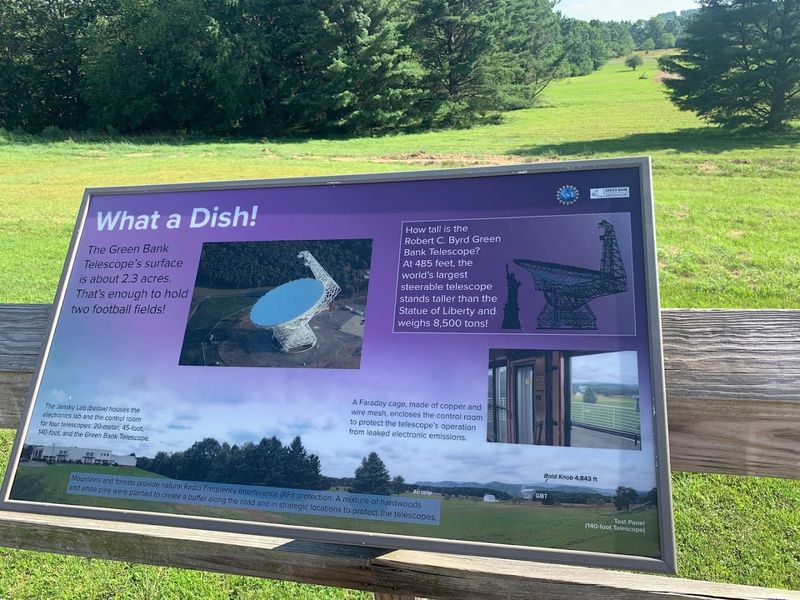
The Robert C. Byrd Green Bank Telescope is not just big.
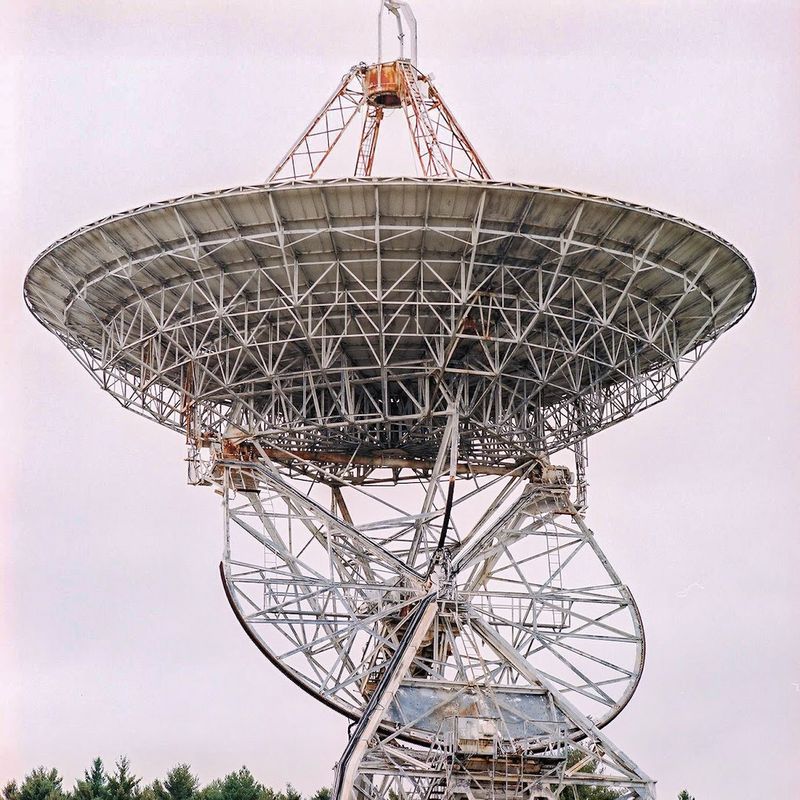
It is record-breakingly, jaw-droppingly, hard-to-photograph-in-one-frame big. Standing over 485 feet tall and weighing nearly 17 million pounds, it holds the title of the world’s largest fully steerable radio telescope.
Its dish covers 2.3 acres of collecting area, which means the surface gathering radio waves from deep space is roughly the size of two football fields side by side. The surface itself is accurate to within 260 microns, about three times the width of a human hair, which is what allows it to detect incredibly faint cosmic signals.
Construction was completed and observations began in 2000, and the telescope has been rewriting our understanding of the universe ever since. It can rotate a full 360 degrees and tilt from the horizon to straight up, giving astronomers access to 85 percent of the sky from this single location.
Seeing it from the base is a moment that genuinely stops you in your tracks.
A Zone of Silence Unlike Anywhere Else in America
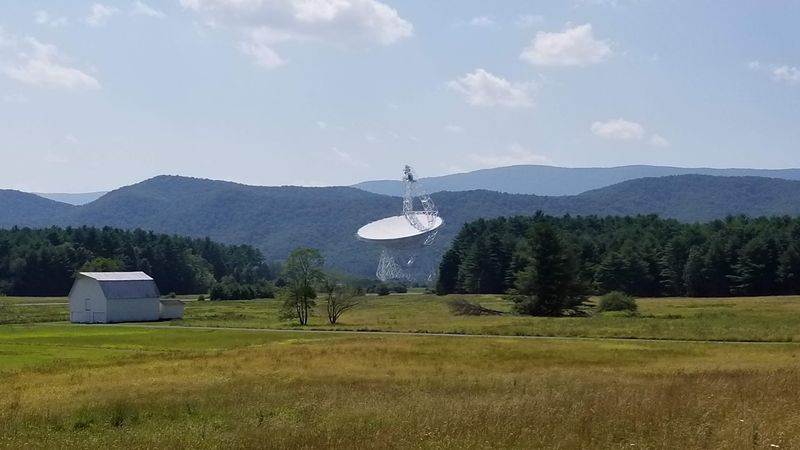
The National Radio Quiet Zone is a roughly 13,000-square-mile area centered on Green Bank, established by the Federal Communications Commission in 1958 to protect the observatory’s sensitive instruments from radio frequency interference.
Inside this zone, cell towers are restricted, Wi-Fi routers are banned near the facility, and even some household appliances are regulated. The observatory employs a full-time radio frequency interference officer who drives around the area in a specially shielded vehicle, tracking down any rogue signals from things like faulty microwave ovens or poorly insulated electronics.
For visitors, the experience of being in a place with zero cell service feels genuinely strange at first, then surprisingly refreshing. Conversations happen face to face.
People look up at the sky instead of their screens. The quiet is not just regulatory; it feels almost meditative.
That enforced digital detox turns out to be one of the most talked-about parts of any visit here, and many guests say they did not expect to enjoy it as much as they did.
From NRAO Origins to Independent Powerhouse
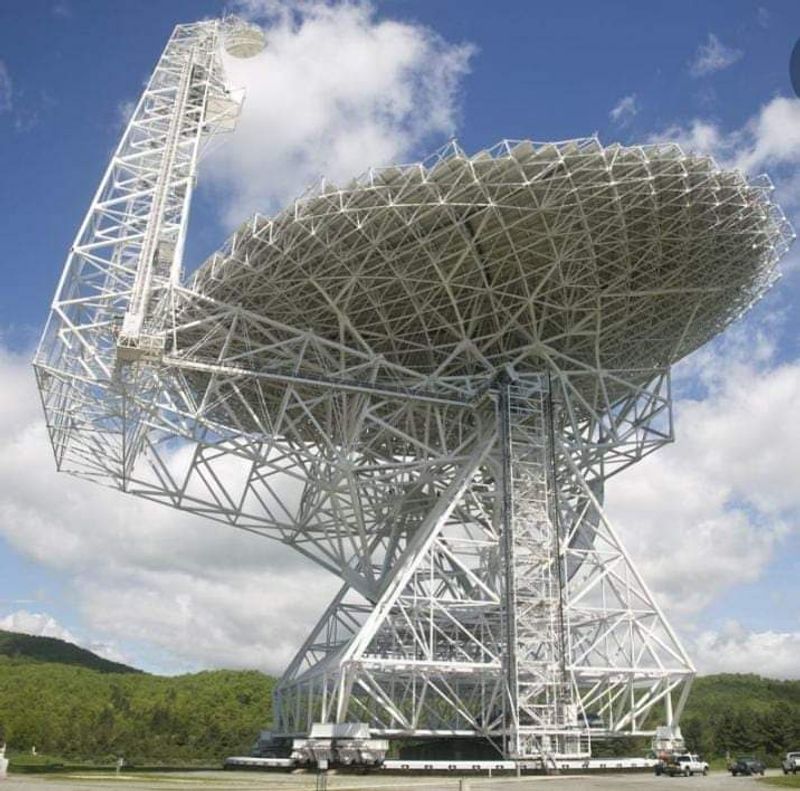
Green Bank has been listening to the cosmos since 1956, when it was established as part of the National Radio Astronomy Observatory. The site was chosen specifically because the surrounding mountains naturally block out radio interference from populated areas, making it one of the most electromagnetically quiet locations in the country.
The first telescope built here, a modest 85-foot dish, was the one used in 1960 for Project Ozma, the first organized scientific search for signals from intelligent life beyond Earth. That project, led by astronomer Frank Drake, planted the seeds of what would eventually become the modern SETI movement.
In October 2016, the observatory separated from NRAO and became an independent institution, now operated by Associated Universities, Inc., with partial funding from the National Science Foundation. That independence gave the facility more flexibility to pursue cutting-edge research partnerships and expand its public education programs.
Decades of groundbreaking science have flowed out of this valley, and the work here is very much ongoing today.
Scientific Discoveries That Rewrote the Textbooks
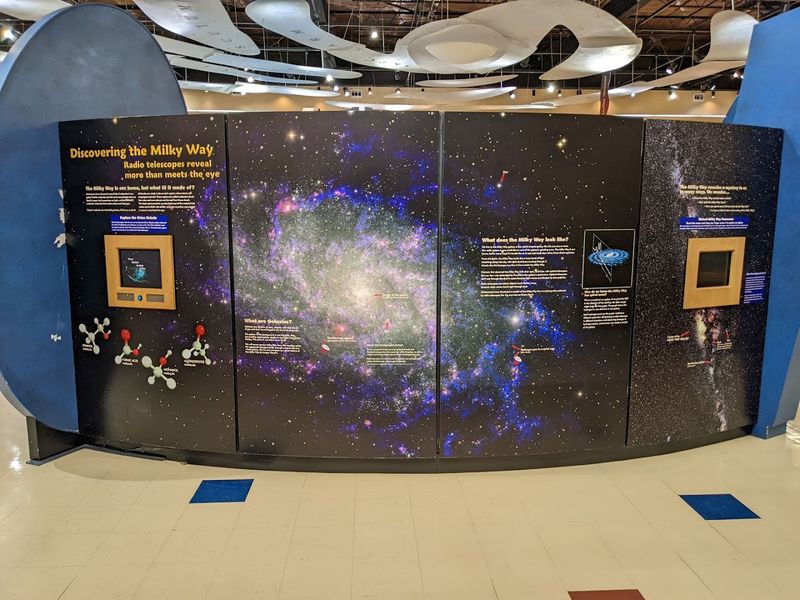
The research coming out of Green Bank reads like a highlight reel of modern astrophysics. The Green Bank Telescope has discovered over 50 new pulsars inside globular clusters, including the fastest-spinning pulsar ever recorded, one that rotates an astonishing 716 times per second.
It played a pivotal role in the first-ever detection of low-frequency gravitational waves from supermassive black holes, contributing roughly half of the sensitivity needed for that landmark discovery through pulsar timing array research. The telescope has also collaborated with the Event Horizon Telescope project, which produced the first-ever image of a black hole.
In the field of astrochemistry, the GBT has identified complex organic molecules in interstellar space, including simple sugars and precursors to nucleic acids, the building blocks of life’s chemistry. Most recently, it discovered the largest aromatic molecule ever found in space.
Each of these findings has reshaped what scientists understand about how galaxies form, how stars are born, and whether life’s chemistry might be scattered across the cosmos.
The Bus Tour That Makes It All Click
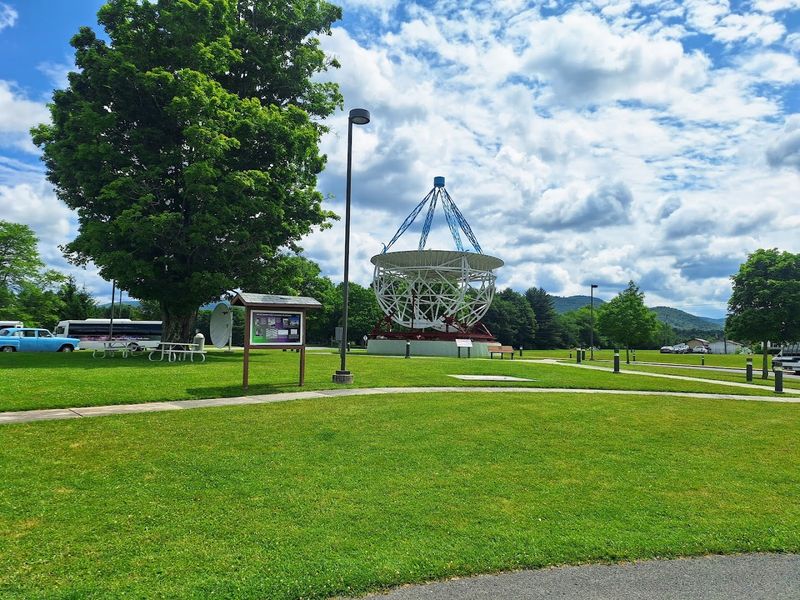
The guided bus tour is the single best way to experience what the observatory actually does, and the guides here are the kind of people who make you genuinely excited about science whether or not you came in as a fan.
Tours typically depart at 10 a.m. and run every two hours, with a ticket price around ten dollars for adults. The tour includes a short presentation and video inside the Science Center before boarding the bus and heading out to the telescope grounds.
Before the bus reaches the telescope area, everyone is asked to power down all electronics completely, including phones set to airplane mode, since even passive signals can register on the instruments.
Up close, the scale of the Green Bank Telescope becomes almost disorienting. The surface panels, the feed arm stretching out from the dish, the massive wheel-and-track system that allows the whole structure to rotate, all of it is visible and explained in detail.
Booking in advance is strongly recommended, especially for summer weekends when tours fill up quickly.
The Science Center and Its Hands-On Exhibits
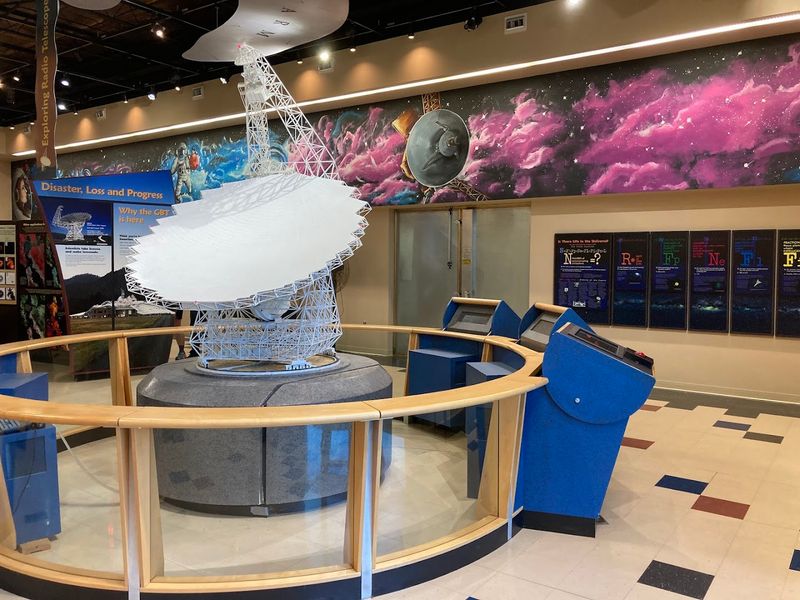
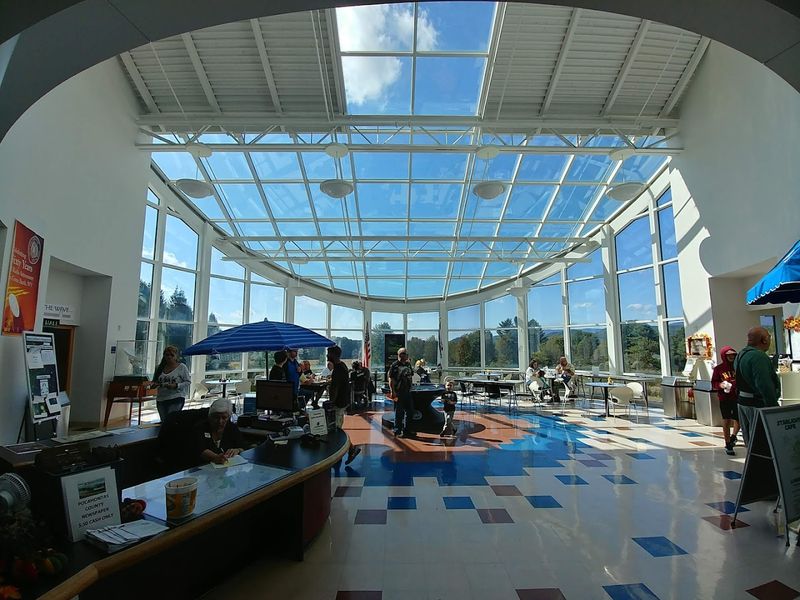
Even without taking a tour, the Science Center alone is worth the trip for curious minds of any age. The exhibits walk visitors through the basics of radio astronomy in ways that are genuinely accessible, using hands-on models, visual demonstrations, and clear explanations that do not require a physics degree to follow.
There are interactive activities designed with kids in mind, but adults consistently report getting just as absorbed in them. Topics covered include how radio waves differ from visible light, how the telescope’s dish focuses signals, and what kinds of cosmic objects produce detectable radio emissions.
A scale model of the solar system runs along the road leading to the telescope, with each planet placed at its correct proportional distance from the sun. Pluto’s marker sits all the way out near the largest telescope on the grounds, which gives a visceral sense of just how vast our solar system really is.
The gift shop carries reasonably priced science-themed merchandise, and the small cafe on site serves food that visitors consistently describe as surprisingly good.
Hunting for Signals From Intelligent Life
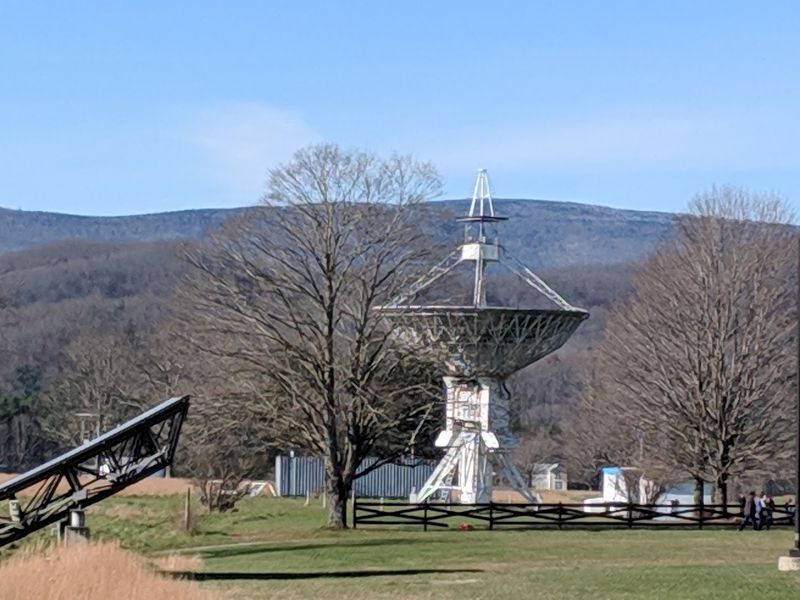
Few ideas in science capture the public imagination quite like the search for extraterrestrial intelligence, and Green Bank has been at the center of that search since the very beginning. Project Ozma, launched from this site in 1960, was the first systematic attempt to detect radio signals from other civilizations, targeting two nearby sun-like stars using an 85-foot telescope.
The project found nothing conclusive, but it established a framework for SETI research that shaped the field for decades. Green Bank later hosted Project Phoenix, one of the most sensitive SETI searches ever conducted in the 20th century.
Today, the Green Bank Telescope participates in Breakthrough Listen, a well-funded modern SETI initiative that surveys nearby stars and galaxies for unusual radio signatures. The telescope’s extraordinary sensitivity makes it one of the most capable instruments on Earth for this kind of work.
Trails, Wildlife, and Mountain Beauty on the Grounds
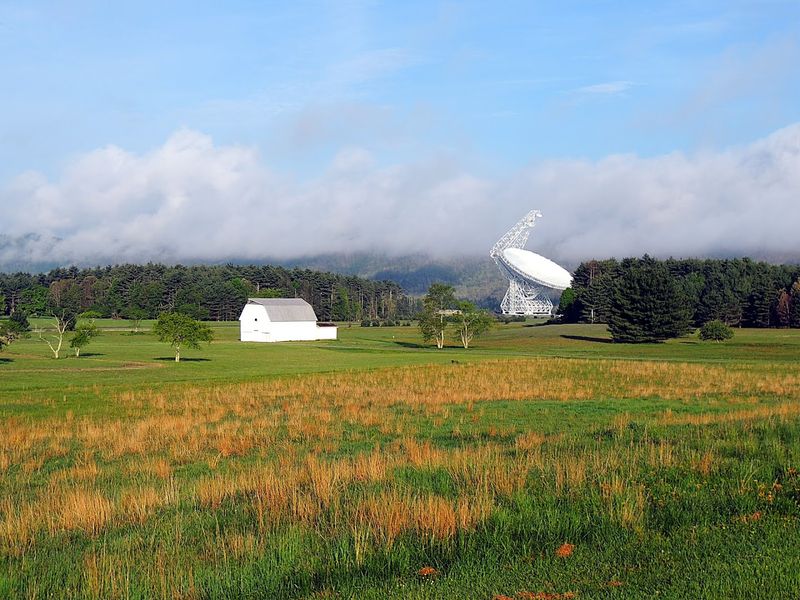
The observatory campus covers a substantial area of the Allegheny Mountain valley, and the grounds themselves are kept largely in their natural state, with forests, meadows, and mountain views extending in every direction. A self-guided hiking trail of roughly three to four miles takes visitors past all of the historic telescopes on the property before looping back through a nature trail.
Wildlife is a regular part of the experience here. Deer are spotted frequently along the walking paths, and the undisturbed habitat supports a healthy variety of birds and other native animals.
The surrounding landscape bursts into color during autumn, when the fall foliage of the Appalachian Mountains frames the white telescope dish in a way that photographers find hard to resist.
The trails are open to hikers, cyclists, and even horseback riders, making the campus unusually versatile for an active outdoor visit. Bringing a picnic and spending a full day here, mixing science exhibits with trail walking and telescope sightseeing, is a genuinely satisfying way to structure the experience.
Special Events and Stargazing Programs
The observatory runs a calendar of special events throughout the year that go well beyond the standard tour experience. Space Rumpus is a popular family-friendly event that draws repeat visitors, combining science activities, outdoor exploration, and the unique atmosphere of the campus in a festival-style format.
Stargazing programs take advantage of the extraordinarily dark skies above Green Bank, skies that are protected not only from light pollution but from radio frequency interference, creating conditions that amateur astronomers travel long distances to experience. The absence of cell towers and commercial radio signals means the night sky here is about as pristine as it gets in the eastern half of the country.
More in-depth technical tours are also available for visitors who want a closer look at the telescope’s mechanics and the science operations center. These tours require advance booking and sometimes include background checks for access to restricted areas, but participants consistently describe them as the most memorable part of their visit.
Checking the observatory’s event calendar before planning your trip is well worth the extra few minutes.
Mapping Asteroids and Protecting Planet Earth
Most people associate radio telescopes with listening, but the Green Bank Telescope can also transmit, and that capability turns it into one of the most powerful planetary radar tools on Earth. The telescope has been used to map asteroids, moons, comets, and planets with a level of detail that sometimes surpasses what orbiting spacecraft can achieve.
That is not a casual claim. Radar observations from Green Bank have provided surface maps of near-Earth asteroids accurate enough to inform decisions about potential impact risks, and the telescope played a direct supporting role in NASA’s DART mission, the first real-world test of asteroid deflection technology conducted in 2022.
Characterizing potentially hazardous asteroids requires knowing their exact size, shape, rotation, and composition, and the GBT contributes critical data to that effort. For a telescope best known for listening to distant galaxies, its role in planetary defense brings the science unusually close to home.
Planning Your Visit and What to Expect
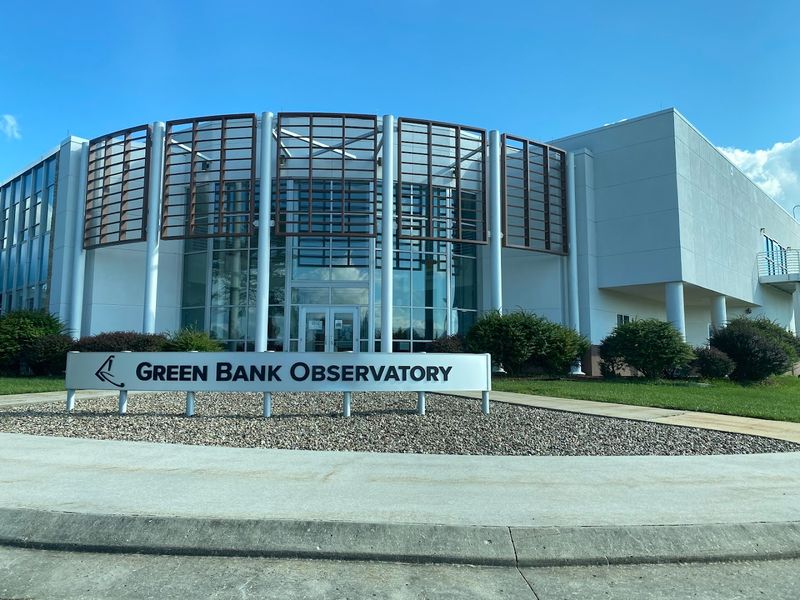
A visit to the Green Bank Observatory rewards people who prepare a little in advance. The facility sits in a genuinely remote area, so arriving with downloaded maps, a full tank of fuel, and no expectation of cell service makes the experience far smoother than showing up unprepared.
Tours run from 10 a.m. with departures every two hours, and the bus tour is widely considered the highlight of any visit. Tickets are affordable, but popular tours, especially the in-depth technical options, sell out well ahead of time and should be reserved online through the observatory’s website at greenbankobservatory.org.
Since electronics must be fully powered off near the telescopes, bringing a disposable camera is a practical tip for anyone who wants photographs from the telescope area itself. The observation deck near the Science Center does allow phones and cameras, so there are still plenty of opportunities for great shots.
The cafe serves solid food, the gift shop is genuinely well-stocked, and the whole experience runs at a pace that feels unhurried and welcoming for visitors of every age and background.
Share this story