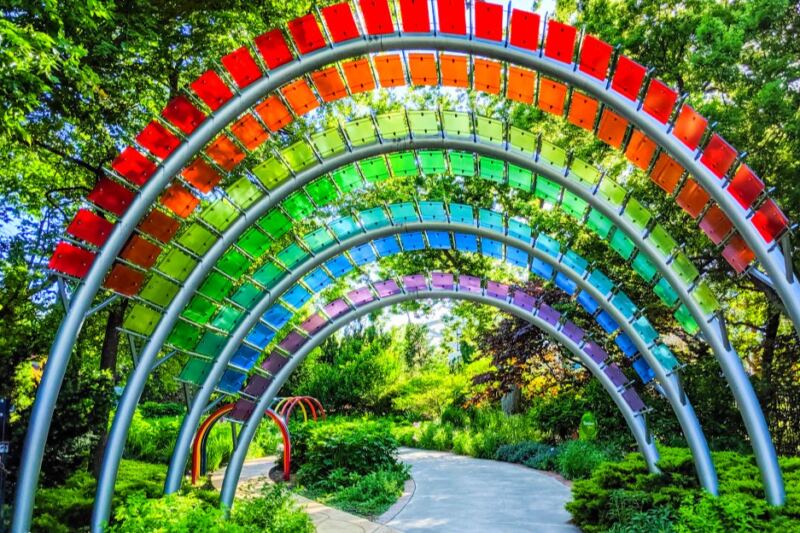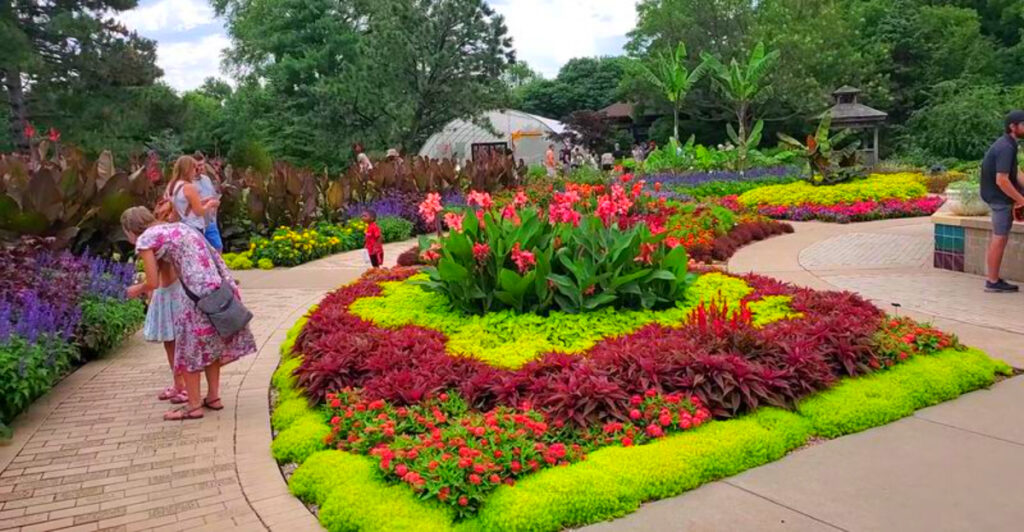
A botanical garden in Kansas has become a year-round destination by offering something completely different each season. In spring, more than 125,000 daffodils take over the grounds.
Summer brings a butterfly house filled with hundreds of free-flying butterflies, while winter transforms the entire property with more than 2 million holiday lights.
What makes the garden stand out is how much variety fits into its 20 acres. Visitors can explore themed gardens, ride a restored carousel, and wander through spaces inspired by landscapes from around the world, including a detailed Chinese garden.
Whether you come for the seasonal displays or simply a quiet afternoon outdoors, it is the kind of place that consistently exceeds expectations.
A Garden With Deep Roots: The Story and Setting of Botanica
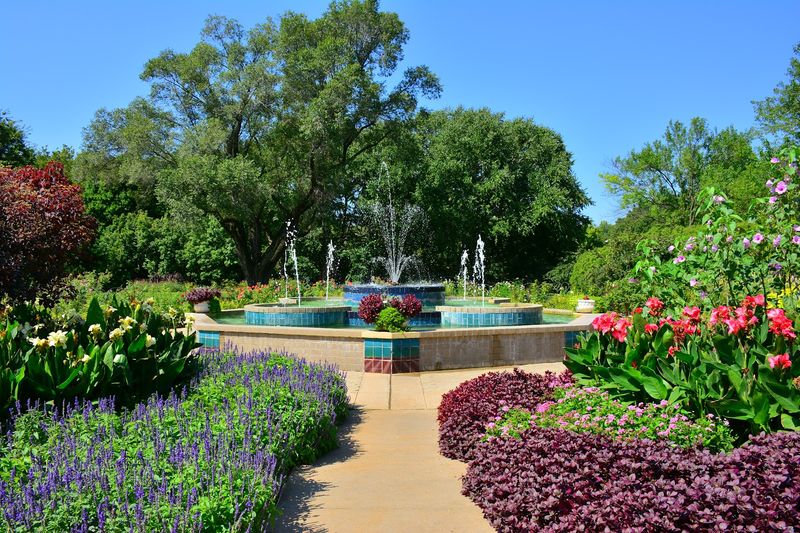
Botanica, The Wichita Gardens sits at 701 Amidon St, Wichita, KS 67203, right in the city but feeling worlds away from it. The garden opened in 1987 and has grown into a nationally recognized destination spanning 20 acres with more than 30 themed gardens and over 4,000 unique plant species.
The city of Wichita owns the land, but a non-profit organization handles daily operations, which means the focus stays squarely on education, conservation, and community. That structure shows in the details: every plant is labeled, every path is maintained, and the staff genuinely seems to care about the experience visitors have.
A full tour typically takes about 90 minutes, though I found myself stretching that to nearly two hours because there was always one more thing to see around the next bend. The garden is open daily from 9 AM to 8 PM, and you can reach them at 316-264-0448 or visit botanica.org for tickets and event schedules.
The Children’s Garden That Actually Delivers on Its Promise
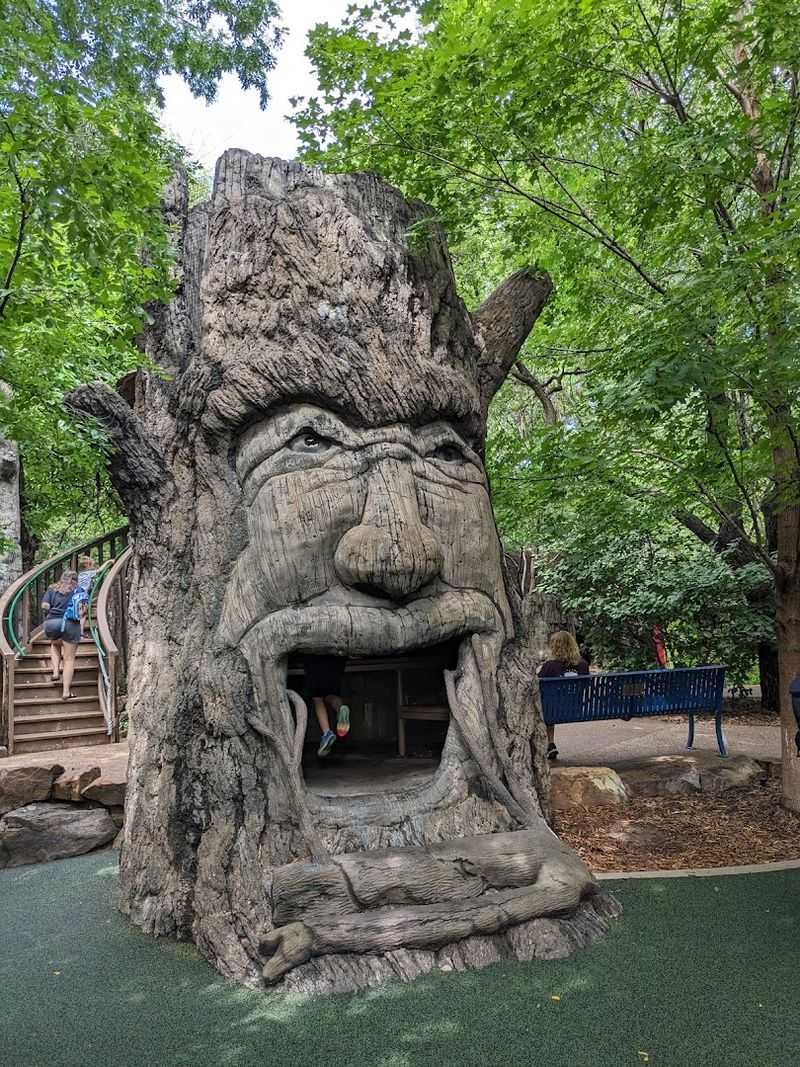
Most children’s gardens at botanical attractions are an afterthought, a small sandbox and a labeled flower bed. The 1-acre Downing Children’s Garden at Botanica is the opposite of that.
Kids can climb a treehouse, navigate a musical maze, explore a bee house, dig for dinosaur bones in a dedicated dig area, and roam a tree playground that has real physical challenge built into it. There is also a spot where children can try on little bee outfits, which, predictably, becomes a highlight for the under-ten crowd.
The design encourages curiosity rather than just observation, and that makes a real difference for younger visitors who need more than pretty flowers to stay engaged. Parents get to enjoy the surrounding gardens while kids burn energy in a safe, stimulating environment.
I watched one family spend nearly 45 minutes in this section alone before they even made it to the butterfly house, which, spoiler alert, is worth every minute of the walk there.
Free-Flying Butterflies and the Hatching House That Steals the Show
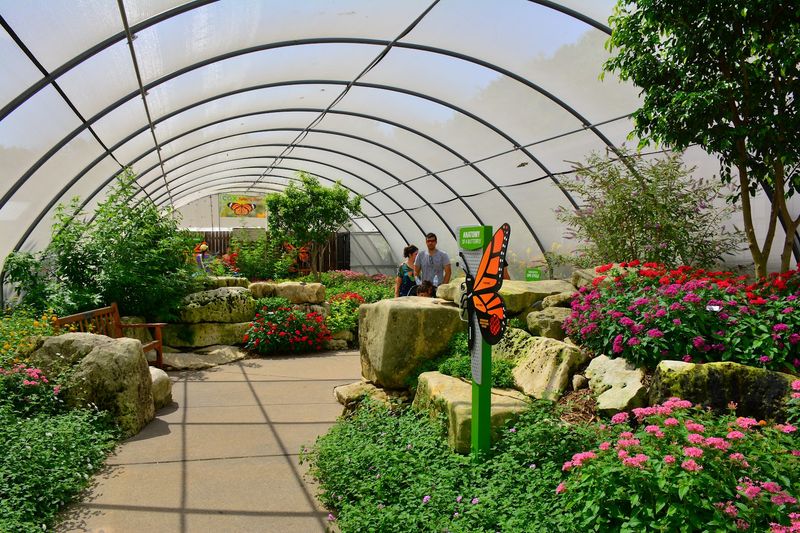
The Cox Butterfly House runs from June through September each year, and those four months are worth planning a trip around. The 2,880-square-foot netted habitat is home to nearly 400 free-flight butterflies at any given time, sourced primarily from farms in Florida and Texas.
About 150 chrysalides are stocked weekly, and the “Hatching House” lets visitors watch butterflies emerge in real time. That moment, when a newly formed wing catches the light for the first time, is genuinely breathtaking and completely free of any special effects or production value.
Outside the main structure, a dedicated Butterfly Garden is planted with nectar and host plants to attract native and migratory species. In fall, visitors can participate in tagging monarch butterflies before their migration south, which is a hands-on conservation activity that kids and adults both find meaningful.
From late fall through early spring, the space transforms into a Pansy House showcasing 24 varieties of pansies, so the location never really goes quiet.
The Carousel That Carries More History Than You Might Expect
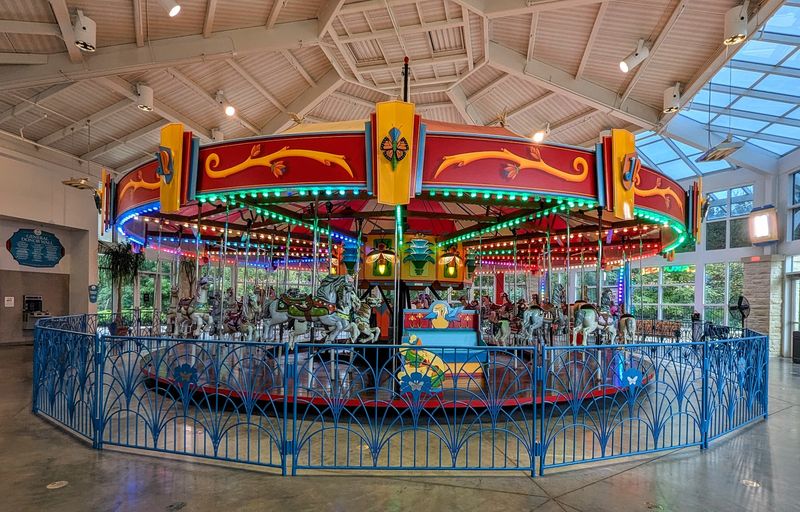
Hidden inside the Koch Carousel Gardens is one of the more remarkable objects in the entire garden: a fully restored Allan Herschell carousel that is one of only five remaining of its kind anywhere in the world. That is not a marketing claim, that is a genuinely rare piece of American amusement history.
The carousel has been meticulously restored and runs during regular garden hours. On an evening when the carousel was temporarily not operating during my visit, an attendant took the time to demonstrate the automatic music machine that powers the carousel’s soundtrack, essentially a large-scale player piano mechanism that is fascinating on its own terms.
The Koch Carousel Gardens also includes interactive and edible gardens and a striking “sleeping giant” sculpture that kids gravitate toward immediately. There is even a ping pong table tucked near the carousel area, which sounds random but turns out to be a charming little detail that perfectly captures the relaxed, community-centered spirit of the whole place.
Model Trains, Koi Ponds, and a Chinese Garden Worth Crossing Time Zones For
The Gene E. Spear Railroad Garden features large-scale model trains winding through miniature landscapes, and it is the kind of thing that sounds mildly interesting until you are actually standing there watching a perfectly detailed locomotive navigate a tiny bridge over a real stream.
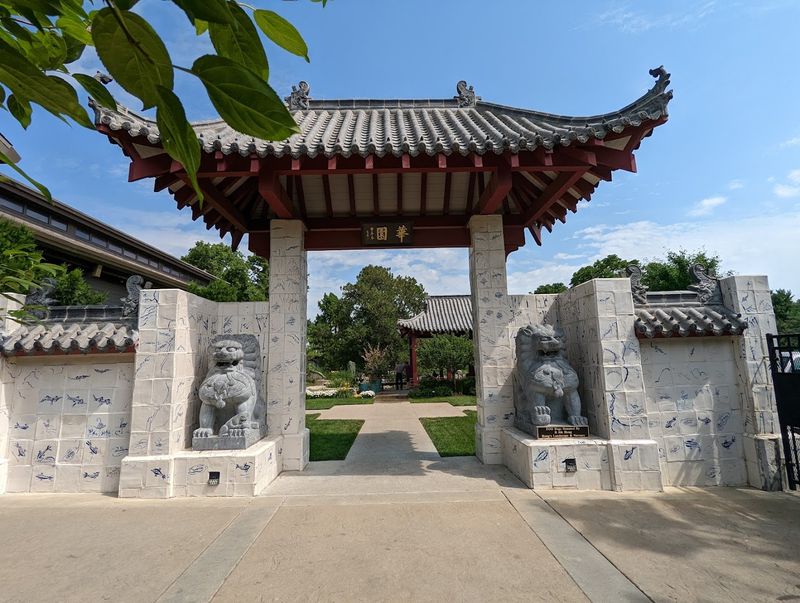
A short walk away, the Chinese Garden of Friendship offers something on a completely different emotional register. Built as a tribute to Wichita’s sister city of Kaifeng, China, the garden features a jade-colored tile gateway, a dragon wall, koi fish, and traditional architecture that feels genuinely transportive rather than decorative.
The Treasured Friend Pavilion within the Chinese Garden is particularly peaceful, a quiet, beautifully framed space that feels removed from the rest of the garden’s activity. The garden recently completed a long remodel, and the results are striking.
Visitors who have spent time in China have described it as an accurate and respectful representation, which is about the highest compliment a cultural tribute garden can receive.
Spring at Its Most Extravagant: 125,000 Daffodils and Tulipfest
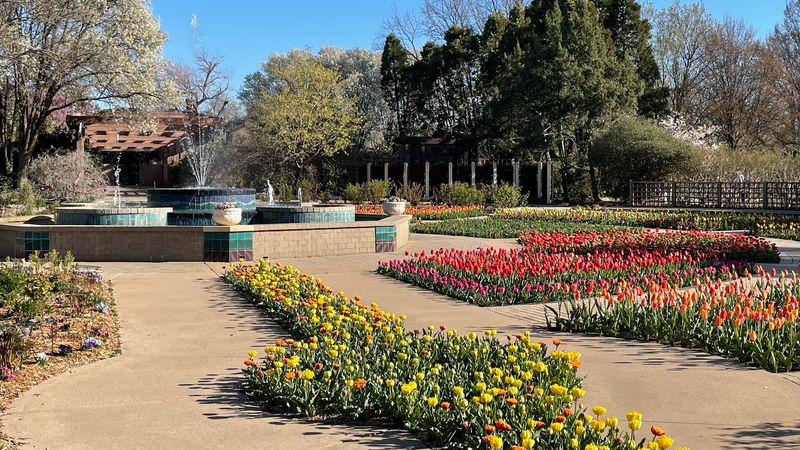
Spring at Botanica is not subtle. More than 125,000 daffodils begin blooming as early as February, covering large sections of the garden in yellow before most of the country has even thought about putting away its winter coats.
Following the daffodils, more than 50,000 tulip bulbs come into bloom, along with blossoming trees, shrubs, and perennials that fill every sightline with color. The annual Tulipfest celebration runs for a full month and draws crowds who come specifically for the tulip displays, and the density of blooms during peak weeks is genuinely hard to describe without photos to back it up.
Photographing the spring garden is a hobby in itself. My camera roll from a single spring visit looked like something from a professional shoot, and I am not a professional photographer by any stretch of imagination.
The labeled plant markers throughout the garden make it easy to identify exactly what you are looking at, which adds an educational layer that never feels forced or textbook-heavy.
Summer Abundance: Aquatic Plants, Prairie Wildflowers, and 20,000 Annuals
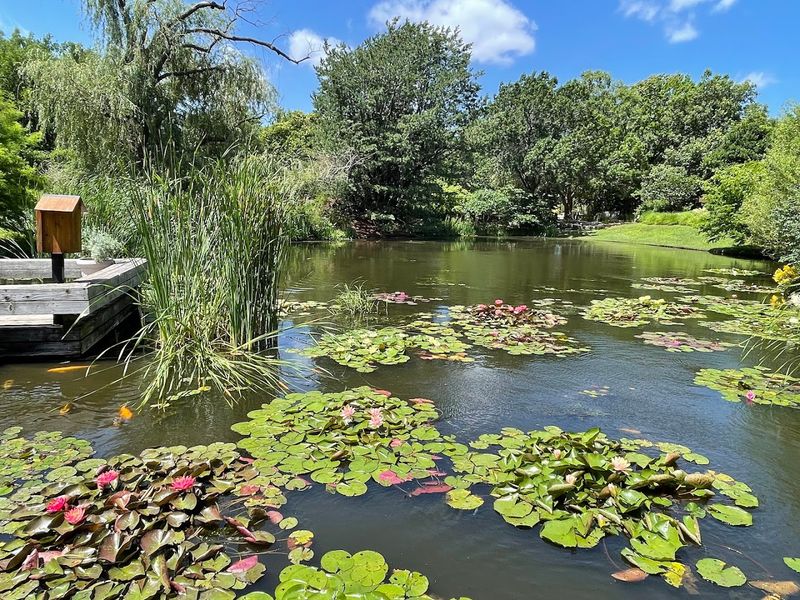
Summer brings its own kind of spectacle to Botanica. The aquatic plant collection is one of the most extensive features of the warm-season garden, with water lilies and floating plants covering pond surfaces in ways that make the Margie Button Memorial Fountain area particularly photogenic during the long afternoon light.
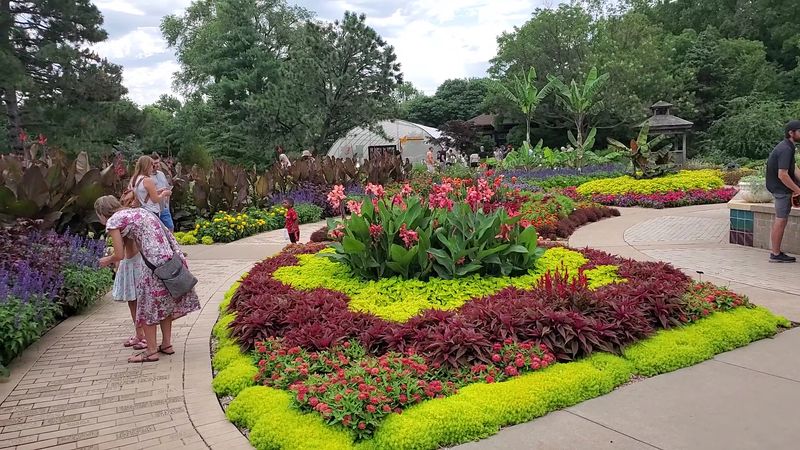
Over 20,000 annuals fill the beds throughout the grounds, and prairie wildflowers add a native, natural texture alongside the more curated displays. The sensory garden is especially worth a slow visit during summer, designed to engage touch, smell, and sight in ways that feel intentional rather than gimmicky.
The Rose Garden, featuring hundreds of varieties, reaches peak performance in early summer, and the juniper and peony collections nearby offer a quieter, more contemplative corner of the garden for visitors who want a break from the more active areas. Summer is also when the butterfly house is in full swing, so timing a visit to catch both the outdoor gardens and the butterfly habitat in the same afternoon is very much worth the planning.
BOOtanica and Fall Mums: The Autumn Season Goes All Out

Fall at Botanica has a personality all its own. The BOOtanica festival runs across three weekends and transforms the garden into a family-friendly autumn event featuring Mum-mania, which is exactly what it sounds like: more than 5,000 chrysanthemums in full bloom creating a warm, saturated color palette across the grounds.
Scarecrow Row adds a creative, community-made element to the experience, and the Spooky Woodland Light Show turns familiar garden paths into something a little more theatrical after dark. The Haunted Shakespeare Garden brings the garden’s existing Shakespearean area into the seasonal spirit in a way that feels clever rather than forced.
Beyond the festival, fall is genuinely one of the better times to visit for anyone who prefers smaller crowds. The asters, liriope, sedum, and chrysanthemums provide rich autumn color without requiring a special event ticket, and the cooler temperatures make walking the full grounds significantly more comfortable than a midsummer afternoon.
The transition into winter is where things get truly spectacular, and that story deserves its own section.
Illuminations: Two Million Lights and a 62-Foot Christmas Tree
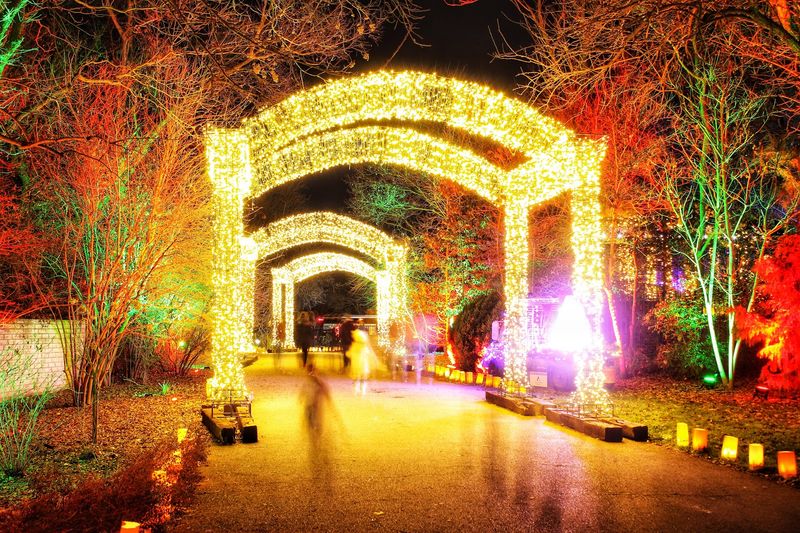
The Illuminations event runs from November through early January and has been recognized as one of the Top 10 Best Light Shows in the country, a ranking that feels completely believable the moment you step onto the grounds after dark.
Over 2 million lights, 300 lighted trees, and 18 themed holiday gardens cover the property. The centerpiece is a 62-foot Christmas tree synchronized to music, surrounded by a Candyland walk-through and a whimsical tulip light display in the Button Fountain area that reimagines the spring garden in glowing winter form.
Golf cart tours are available during Illuminations for those who want a guided experience, and the carts fill up fast, so booking online ahead of time is strongly recommended. The food trucks that set up during the event offer a solid lineup of options, and the heated areas scattered throughout the route make the cold manageable.
Going early in the season on a weekday evening means shorter lines and a much more relaxed pace through the displays.
Practical Tips, Membership Perks, and Why This Place Keeps People Coming Back
General admission runs around $13, which is a genuinely fair price for what the garden offers. Memberships are available and pay for themselves quickly for anyone planning more than two visits a year, and members consistently describe the access as something that improves their weekly routine rather than just their vacation plans.
The garden hosts weekly educational programs, traveling exhibitions, and special events including Symphony in the Gardens and Twilight Tunes on the Terrace, which bring live music into the outdoor setting during warmer months. A small children’s library on site is a quiet bonus for families with younger kids who need a short break from walking.
Comfortable shoes are a must, and for summer visits, arriving earlier in the day helps beat both the heat and the crowds. Weekday afternoons are noticeably quieter than weekends.
The staff throughout the garden are consistently described as helpful and genuinely enthusiastic, and that human element turns a beautiful place into a memorable one every single time.
Share this story