Most people know Minnesota for its jaw-dropping number of lakes, cold winters, and friendly locals. But here is a question that might stop you mid-thought: why are there absolutely no native sharks swimming in any of those 10,000 lakes?
It sounds almost too obvious to ask, yet the real answer goes much deeper than just “the water is cold.” Geography, geology, biology, and millions of years of Earth history all play a role in keeping Minnesota’s lakes completely shark-free.
Minnesota’s Lakes Are Freshwater, Not Saltwater
Sharks are almost entirely saltwater creatures. The overwhelming majority of shark species need salt water to survive because their bodies are built around a process called osmoregulation, which means they balance the salt and water levels inside their bodies by relying on the salty ocean around them.
Put a typical shark in fresh water, and its cells would absorb too much water, causing serious internal stress. Minnesota’s lakes are freshwater, fed by rain, snowmelt, and underground springs rather than ocean sources.
The Great Lakes nearby are also entirely freshwater, so there is no saltwater highway connecting Minnesota’s lakes to any ocean. This basic chemistry alone creates an environment where nearly all shark species simply cannot function.
A few rare species like bull sharks can tolerate fresh water for short periods, but they still depend on returning to salt water. Minnesota offers no such option.
The Geography Keeps Sharks Completely Landlocked
Minnesota sits squarely in the middle of North America. The nearest ocean coastline is roughly 1,500 miles away in any direction.
There is no river system that connects Minnesota’s lakes directly to an ocean in a way that would allow a shark to swim upstream and arrive.
The Mississippi River does begin in Minnesota at Lake Itasca, and it eventually flows all the way to the Gulf of Mexico. Bull sharks have actually been documented swimming far up the Mississippi River in the southern states, reaching areas like Illinois.
However, the journey from the Gulf of Mexico to Minnesota spans an enormous distance, and the river becomes too shallow, too cold, and too freshwater-dominated long before reaching the state.
Geography acts like a natural wall here. Distance alone is one of the most powerful reasons Minnesota’s lakes remain shark-free, and that is not changing anytime soon.
Water Temperature Would Be a Serious Problem for Most Sharks

Even setting aside the saltwater issue, Minnesota’s water temperatures would make life extremely difficult for most shark species. Minnesota winters are legendary for their intensity.
Lake surfaces freeze solid for months, and water temperatures can drop close to freezing even in the deeper layers.
Most sharks are cold-blooded, meaning their body temperature follows the surrounding water. Tropical and warm-water shark species like hammerheads, tiger sharks, and whale sharks would be in serious trouble the moment Minnesota’s temperatures began dropping in autumn.
Some cold-tolerant sharks like Greenland sharks thrive in near-freezing Arctic waters, so temperature alone is not an absolute barrier for every species. But Greenland sharks live in deep, cold, saltwater ocean environments, not shallow inland freshwater lakes.
Minnesota’s combination of cold temperatures and fresh water creates a double barrier that essentially no shark species is equipped to handle naturally.
How Minnesota’s Lakes Were Actually Formed
Here is something worth knowing: Minnesota’s thousands of lakes did not always exist. They were carved out by massive glaciers during the last Ice Age, which ended roughly 10,000 to 12,000 years ago.
As enormous sheets of ice advanced and retreated across the land, they gouged out depressions in the earth that eventually filled with meltwater.
This glacial origin means Minnesota’s lakes are geologically young compared to ancient ocean basins. They formed in a landlocked region with no connection to shark populations or ocean ecosystems.
No shark species was ever part of this freshwater, post-glacial environment.
The lakes that exist today are essentially the legacy of an Ice Age that reshaped the entire landscape of the upper Midwest. It is a fascinating origin story that explains not just the absence of sharks but also why Minnesota has so many lakes concentrated in one inland state far from any coastline.
The Mississippi River Connection and Bull Shark Limits
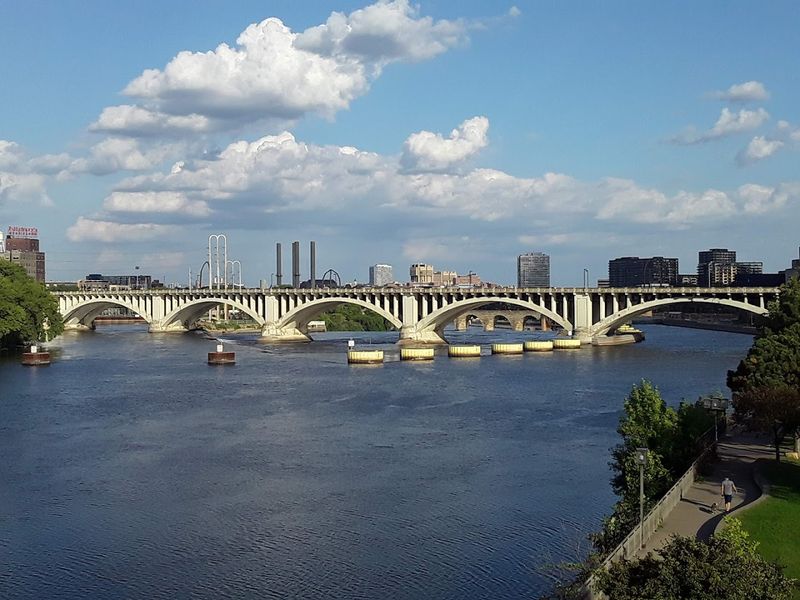
Bull sharks are genuinely remarkable animals. They are one of the only shark species capable of surviving in fresh water for extended periods, and they have been found hundreds of miles up the Mississippi River in states like Missouri and Illinois.
This fact alone raises an interesting question about whether one could theoretically reach Minnesota.
The honest answer is almost certainly not under natural conditions. The Mississippi River near its Minnesota source is shallow, narrow, rocky, and extremely cold for much of the year.
Bull sharks prefer warmer water, and the physical conditions of the upper Mississippi make it essentially impassable for a large fish like a shark.
The river also passes through countless dams, locks, and other human-built structures between the Gulf of Mexico and Minnesota. Even if a bull shark wanted to make the journey north, the infrastructure barriers alone would stop it long before reaching Minnesota’s border.
What Actually Lives in Minnesota’s Lakes
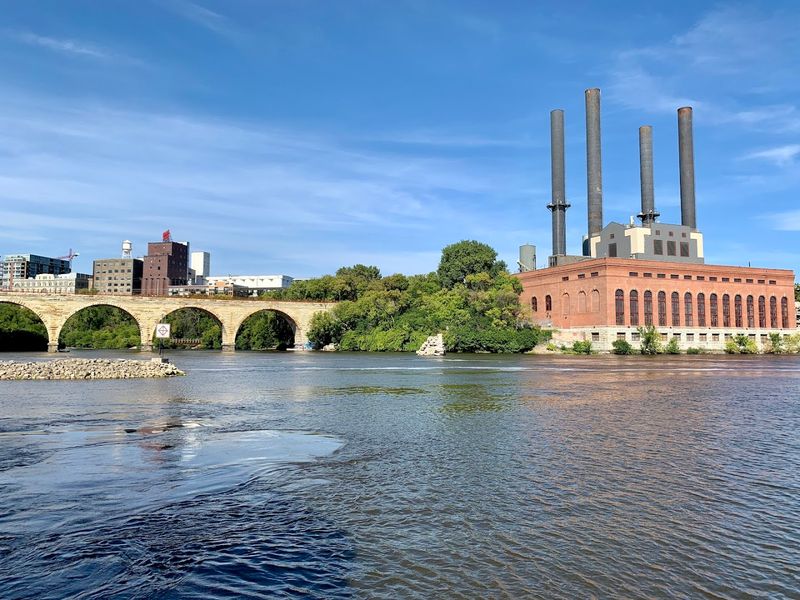
Minnesota’s lakes are anything but empty. The state is famous among anglers across the country for its outstanding freshwater fishing.
Walleye is practically the state fish of Minnesota in spirit, celebrated for both its sporting challenge and its flavor on the dinner plate.
Northern pike, largemouth bass, smallmouth bass, muskellunge, and various species of panfish fill the lakes with a thriving ecosystem that has nothing to do with sharks. These species evolved specifically for cold, freshwater environments and have dominated Minnesota’s lakes since the glaciers retreated.
The muskellunge, known locally as the muskie, is one of the most aggressive predators in any Minnesota lake. It can grow to impressive lengths and is known for striking hard and fighting fiercely on the line.
In a freshwater ecosystem, the muskie fills a role similar to a top predator, making sharks not just absent but also genuinely unnecessary in this environment.
Ancient Seas That Once Covered Minnesota
This is the part of the story that surprises most people. Hundreds of millions of years ago, long before the glaciers and long before humans, a shallow inland sea actually covered much of what is now Minnesota.
This ancient body of water was connected to ocean systems and supported marine life of all kinds.
Fossils found in Minnesota rock layers include ancient marine creatures from these prehistoric seas. So in a very distant geological sense, marine life did once exist in this region.
However, that was hundreds of millions of years ago, and the seas eventually retreated as the continent shifted and sea levels changed.
The sharks that exist today are modern animals that evolved long after those ancient seas disappeared from the Minnesota region. By the time modern shark species developed into their current forms, Minnesota had become a landlocked interior region with no ocean connection and no pathway for marine life to return.
Why No One Has Ever Introduced Sharks to Minnesota
You might wonder whether anyone has ever tried introducing sharks to Minnesota’s lakes, even as a novelty or experiment. The short answer is no, and for very good reasons.
Minnesota has strict environmental regulations governing what species can be introduced into its waters.
The Minnesota Department of Natural Resources actively works to protect the ecological balance of the state’s lakes. Introducing a predatory species that does not belong would threaten the existing fish populations that Minnesota’s fishing industry and recreational culture depend on.
Beyond the legal and ecological concerns, sharks would almost certainly not survive anyway. The freshwater chemistry, cold temperatures, and shallow lake depths would make long-term survival essentially impossible for any known shark species.
Nature has already answered this question quite firmly. Minnesota’s lakes represent a finely balanced freshwater ecosystem, and that balance is something the state works hard to preserve for the millions of people who fish, swim, and boat there every year.
The Role of Lake Depth and Size in Shark Survival

Shark species vary enormously in size and habitat preference, but many of the larger, more recognizable sharks require deep ocean water to thrive. Great white sharks, for example, range across open ocean environments and dive to significant depths.
Minnesota’s lakes, while numbering in the thousands, are mostly relatively shallow by ocean standards.
Even the deepest Minnesota lakes max out at depths that would feel extremely confined to an open-ocean shark species built for wide-ranging movement across vast ocean distances. Sharks like the great white travel hundreds or even thousands of miles through open ocean.
A Minnesota lake, regardless of how beautiful it is, simply does not offer the scale of environment these animals need.
Smaller shark species that prefer shallower coastal environments might theoretically fit better size-wise, but they still face the insurmountable freshwater and landlocked geography problems. Every angle of analysis leads back to the same conclusion: these lakes were never built for sharks.
Minnesota’s Lake Superior Connection and Why It Still Has No Sharks
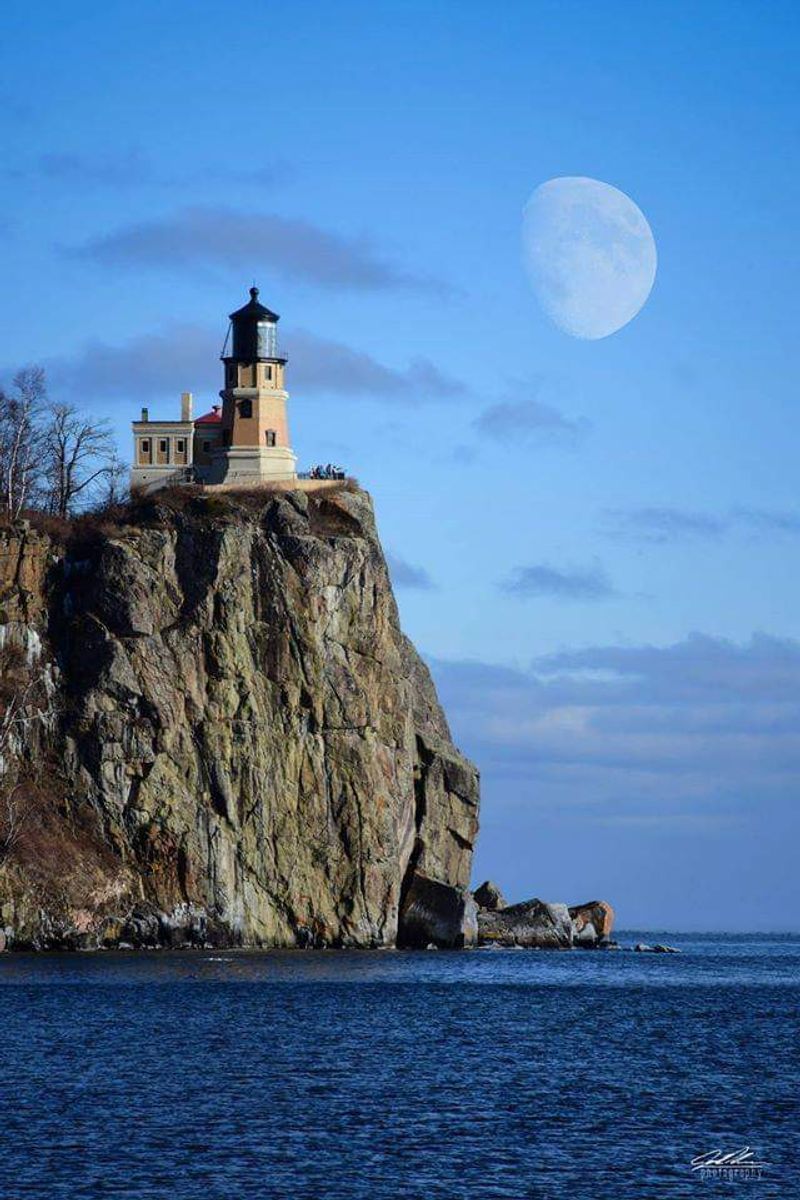
Minnesota borders Lake Superior, the largest of the Great Lakes by surface area and one of the largest freshwater lakes in the entire world. Its sheer size and depth can make it feel almost oceanic, with waves that rival coastal seas and water so cold and clear it looks like something from a northern wilderness documentary.
Despite its enormous size, Lake Superior is entirely freshwater. No sharks live there, and none are native to it.
The Great Lakes have no natural connection to any ocean that would allow saltwater species to enter, and the lakes themselves have been freshwater environments since long before modern shark species existed in their current forms.
Lake Superior does support its own remarkable ecosystem of cold-water fish species, including lake trout and various other native species. The absence of sharks in this massive lake reinforces just how thoroughly geography and water chemistry define which animals can live where, regardless of how large a body of water happens to be.
What Minnesota’s Shark-Free Lakes Mean for Swimmers
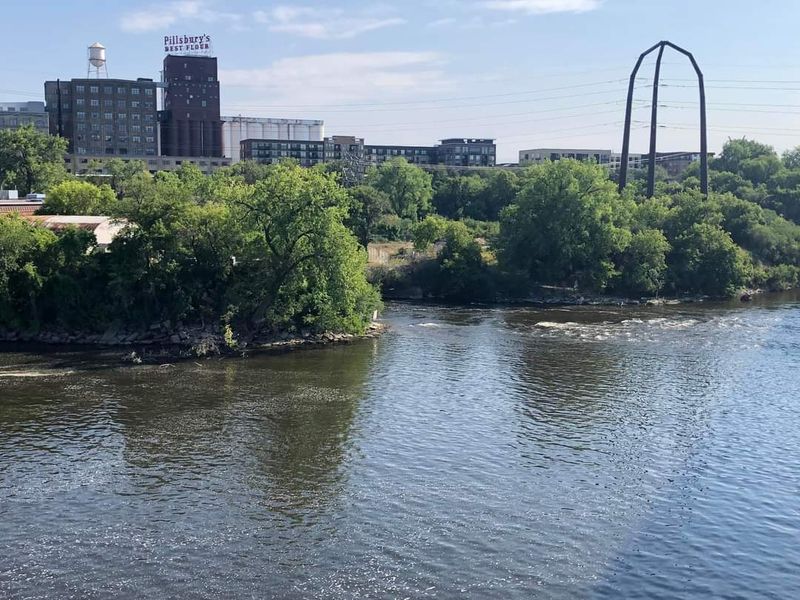
One genuinely cheerful side effect of Minnesota’s shark-free lakes is that swimming there carries zero risk of a shark encounter. That might sound obvious, but for anyone who has ever hesitated before wading into ocean water, there is something genuinely relaxing about knowing the local predator list tops out at northern pike and the occasional snapping turtle.
Minnesota’s lakes are popular summer destinations for families, and the comfort of freshwater swimming without ocean-related worries is part of the appeal. The water is clean, clear in many lakes, and refreshingly cold even in summer.
Of course, freshwater lakes have their own things to watch out for, including strong currents in rivers, sudden drop-offs in lake depth, and the importance of swimming near designated areas. But the overall experience of swimming in a Minnesota lake is one of the more genuinely carefree outdoor activities the state offers, and the absence of sharks is a small but real part of that peace of mind.
Why This Question Reveals Something Fascinating About Minnesota

Asking why Minnesota has no native sharks turns out to be one of those questions that opens up a much larger story. The answer touches on plate tectonics, glacial history, freshwater biology, river geography, and the specific evolutionary history of sharks as a group of animals.
Minnesota’s 10,000-plus lakes are a product of Ice Age forces that had nothing to do with ocean ecosystems. The state occupies a landlocked position that has been geographically isolated from ocean water for an enormous span of time.
Sharks, as saltwater animals that evolved in marine environments, never had a pathway into this region under any natural conditions.
What makes Minnesota special is not the absence of something dramatic like sharks but the presence of a thriving, beautiful, and genuinely unique freshwater ecosystem that has shaped the culture, economy, and identity of the state for generations. The lakes are extraordinary on their own terms, and no sharks required.
Share this story