Every year, thousands of wild birds are injured by windows, cars, fishing lines, and habitat loss, and most of them would have no chance without a little human help. Across North America, a dedicated network of wildlife centers works quietly behind the scenes, patching up broken wings, nursing sick birds back to health, and celebrating every release like a tiny victory for the natural world.
These places are not just hospitals. They are bridges between a bird’s worst day and its best flight.
From a small urban clinic in the heart of Manhattan to a raptor hospital near the wetlands of British Columbia, each center brings something unique to the mission of getting birds back where they belong. This list takes you inside 14 of the most remarkable wildlife centers doing exactly that, one feather at a time.
1. Tri-State Bird Rescue & Research, Newark, Delaware
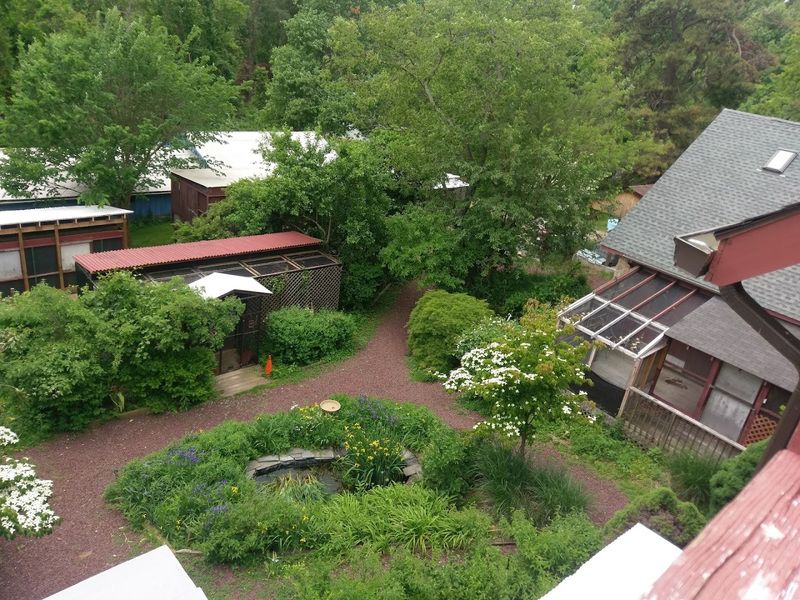
There is something quietly extraordinary about a center that has spent decades specializing in the exact moment between crisis and recovery. Tri-State Bird Rescue and Research in Newark, Delaware, has built a long reputation helping native wild birds that arrive injured, oiled, orphaned, or ill.
The center’s expertise in oil spill response sets it apart from many regional facilities. When large spill events affect the mid-Atlantic coast, Tri-State is often among the first responders on the ground.
Beyond emergency response, the day-to-day work involves careful, patient rehabilitation that requires both scientific knowledge and considerable hands-on skill. Getting feathers back to full function, rebuilding wing strength, and preparing a bird for the demands of wild life takes weeks or months of consistent care.
Tri-State approaches every case with the same focus, whether the patient is a common sparrow or a diving seabird.
2. Hawai’i Wildlife Center, Kapa’au, Hawaii
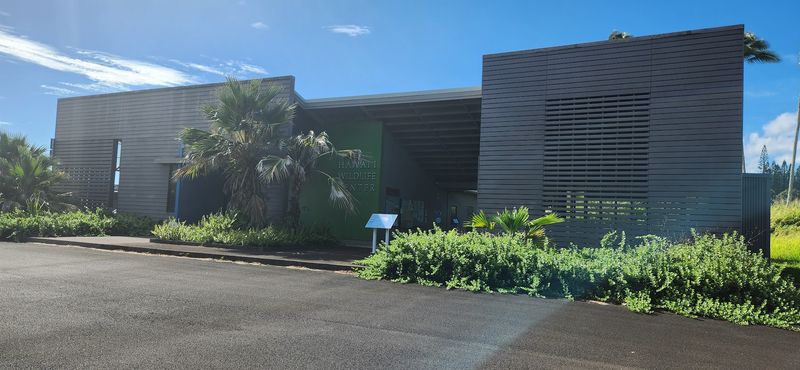
Caring for wildlife in Hawaii carries a weight that does not apply in most other places, because so many of the native species found here exist nowhere else on Earth. Hawai’i Wildlife Center in Kapa’au focuses specifically on native Hawaiian wildlife, with birds representing the most critically important part of its mission.
The center’s location on the Big Island places it close to habitat that is both spectacularly beautiful and genuinely fragile, shaped by millions of years of island isolation.
When a native Hawaiian bird arrives for care, the stakes are higher than they might appear. Some species have populations small enough that every individual represents a meaningful fraction of what remains.
Hawai’i Wildlife Center treats each patient with that reality in mind, combining solid rehabilitation practice with a conservation awareness that makes the work feel connected to something much larger than any single bird.
3. Orphaned Wildlife Rehabilitation Society, Delta, British Columbia
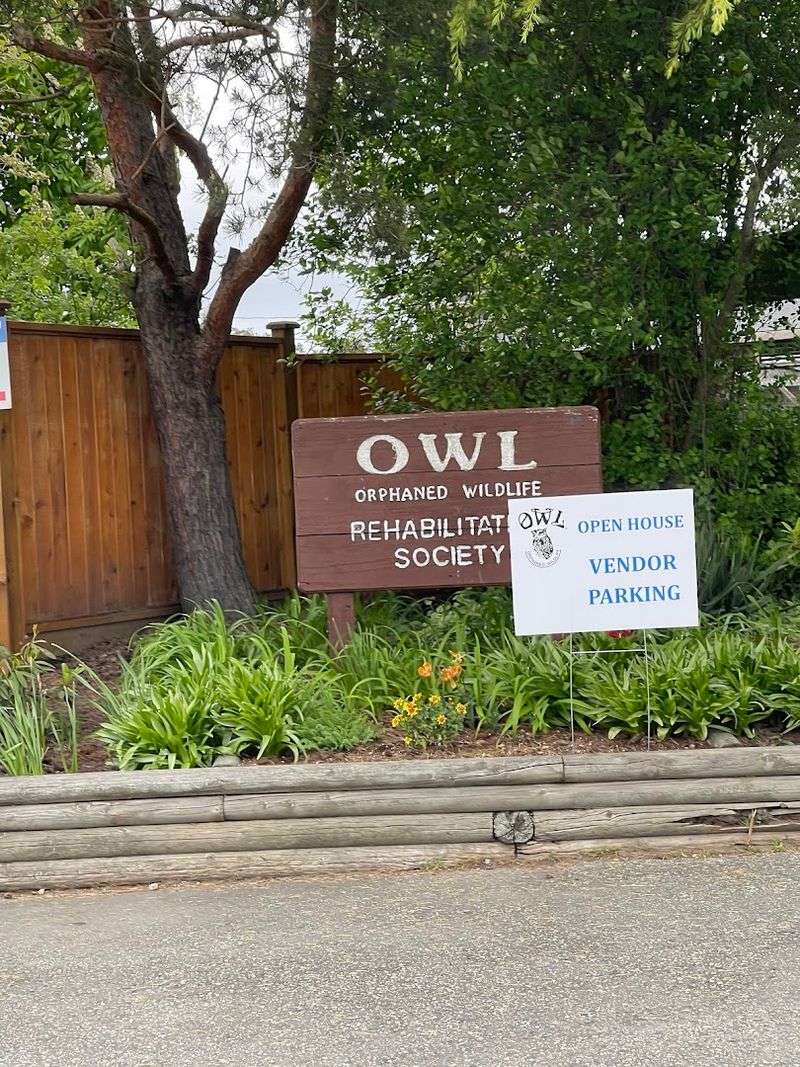
Eagles, hawks, falcons, owls, osprey, and vultures. That is the guest list at OWL, and it is not a casual one.
The Orphaned Wildlife Rehabilitation Society in Delta, British Columbia, focuses almost exclusively on raptors, making it one of the most specialized bird rehabilitation centers in western Canada.
Its location near wetlands and active migration routes is not coincidental. Delta sits along one of the Pacific Flyway’s most significant corridors, giving recovered birds a direct path back into the landscapes they came from.
The center’s raptor-only focus allows staff to develop deep expertise in the specific medical and behavioral needs of birds of prey, from the dietary requirements of a recovering great horned owl to the flight conditioning needed before an eagle is ready for release. OWL has been doing this work long enough to have built a genuinely impressive track record.
4. Alabama Wildlife Center, Pelham, Alabama
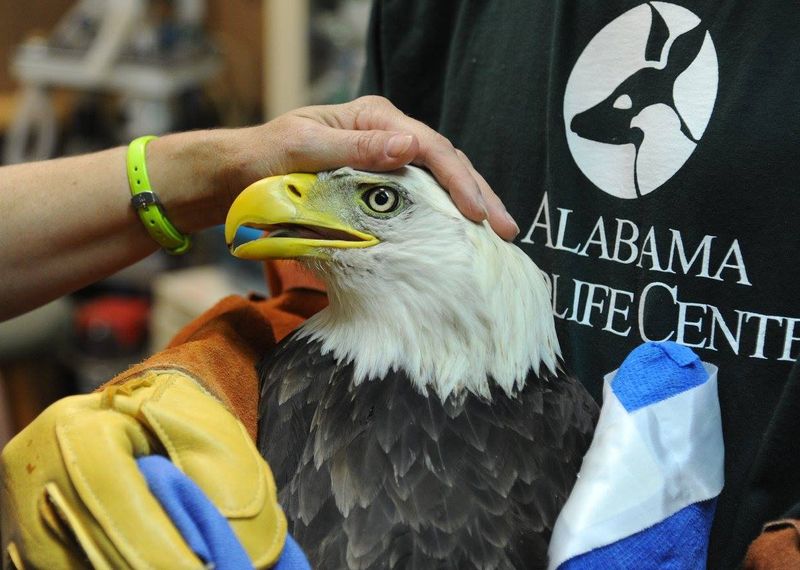
Alabama’s oldest and largest wildlife rehabilitation center has a setting that practically does half the therapy itself. Nestled inside Oak Mountain State Park in Pelham, Alabama Wildlife Center rescues, rehabilitates, and releases the state’s native wild birds, from tiny warblers to broad-winged hawks.
The woodland location is not just scenic. It gives recovering birds a gradual reintroduction to natural surroundings before release day arrives.
Visitors can combine a trip here with a full park day, which makes supporting conservation feel like a natural part of an outdoor adventure rather than a detour. The center accepts injured and orphaned birds brought in by concerned residents, making community involvement a core part of how it operates.
Alabama Wildlife Center proves that big conservation work can happen in a state park setting, one bird at a time.
5. Clinic for the Rehabilitation of Wildlife, Sanibel, Florida
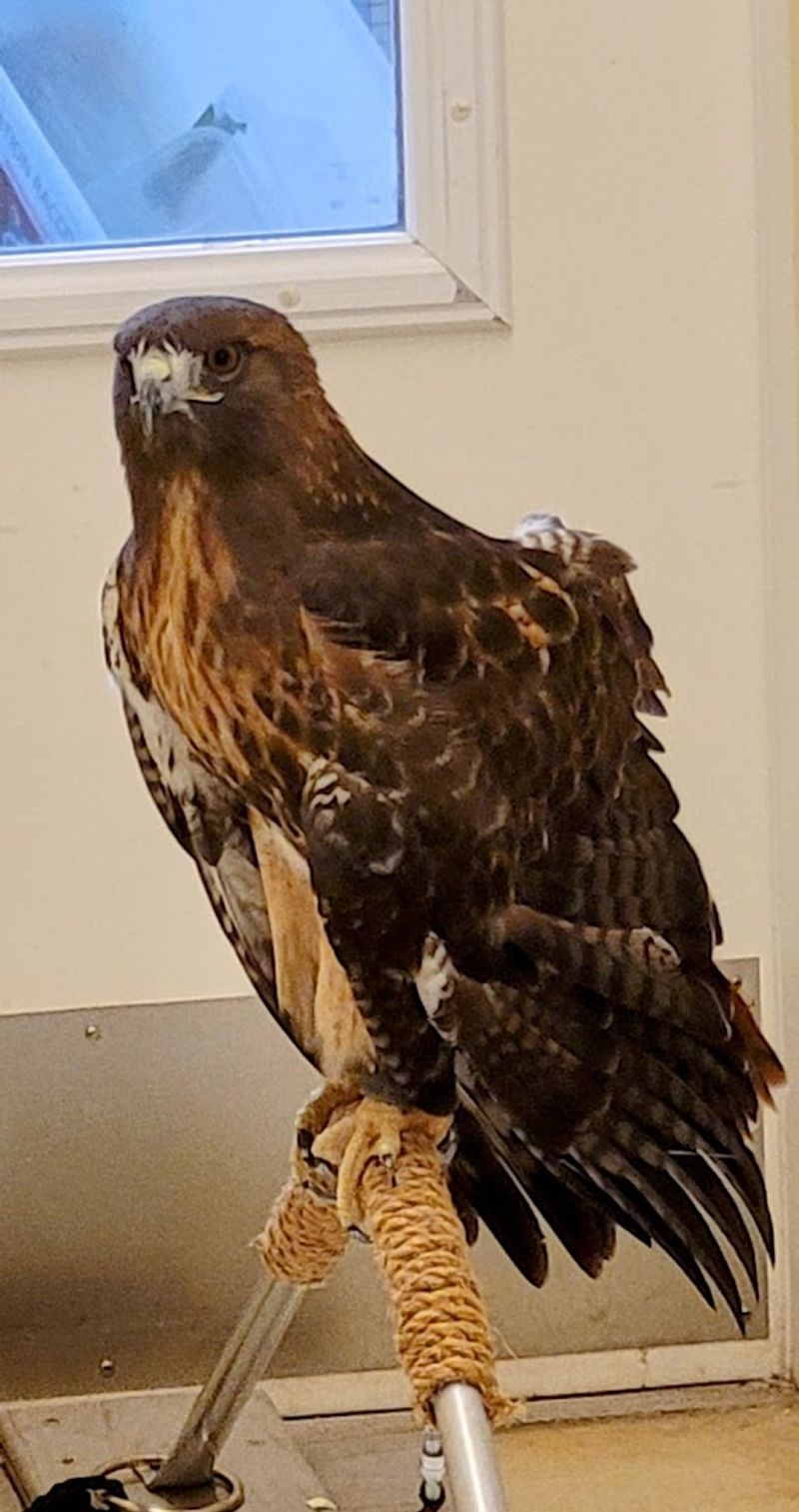
Most wildlife hospitals do not come with a Gulf Coast address and a dedicated education center, but CROW is not most wildlife hospitals. The Clinic for the Rehabilitation of Wildlife on Sanibel Island has spent decades treating injured, sick, and orphaned animals, with birds making up a large share of its caseload.
Pelicans, herons, and shorebirds from the barrier islands regularly find their way through its doors, often brought in by beachgoers or local residents.
The education center adds real depth to a visit, pulling back the curtain on what actually happens after a wounded bird is carried inside. Interactive exhibits, patient tracking displays, and knowledgeable staff make the experience genuinely informative.
CROW transforms what could be a sad story about an injured bird into an engaging lesson about coastal wildlife and the people committed to protecting it.
6. Pelican Harbor Seabird Station, Miami, Florida
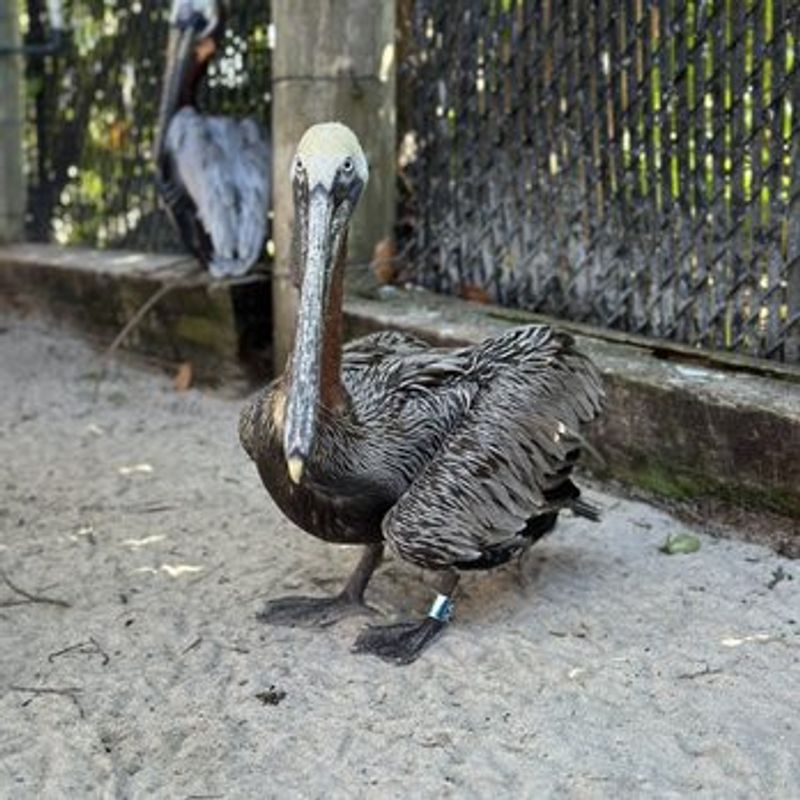
Brown pelicans practically wrote the origin story of this place. Pelican Harbor Seabird Station in Miami began its work focused on the large coastal birds that define South Florida’s waterways, and that founding purpose still shapes everything the center does.
Today, the station cares for a broader range of native birds alongside other wildlife, handling everything from tangled fishing line injuries to boat strikes and habitat displacement.
The name carries the spirit of old Florida, but the medical work is very much current, relying on trained rehabilitators and veterinary support to give patients a real shot at release. Its Miami location means the center operates at the intersection of dense urban life and rich coastal habitat, a combination that keeps the intake numbers high and the mission constantly relevant.
Few places make seabird rescue feel this immediate.
7. International Bird Rescue, Fairfield, California
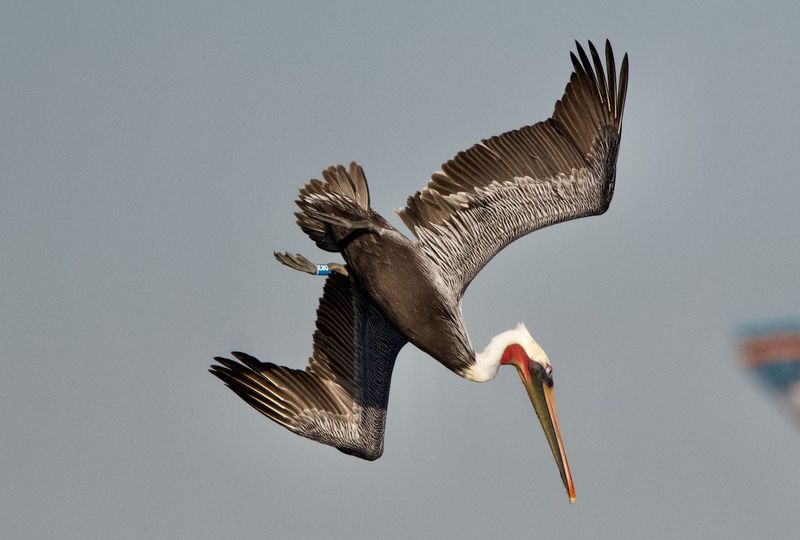
Since 1971, International Bird Rescue has built one of the most recognized names in aquatic bird rehabilitation anywhere in the world. Its Fairfield, California clinic is one of two California locations dedicated to helping seabirds and waterbirds recover from oil exposure, fishing line entanglement, and other coastal hazards.
The organization has admitted over 160,000 birds across its history, a number that puts the scale of its work into sharp perspective.
The rehabilitation process here is methodical and highly technical, requiring specialized skills to clean feathers without damaging the waterproofing that keeps seabirds alive. Public visibility into daily operations is limited, but the release footage that sometimes surfaces online has earned the center a loyal following of bird enthusiasts.
International Bird Rescue has turned the unglamorous work of cleaning oiled feathers into a genuine conservation legacy.
8. Wild Bird Fund, New York, New York
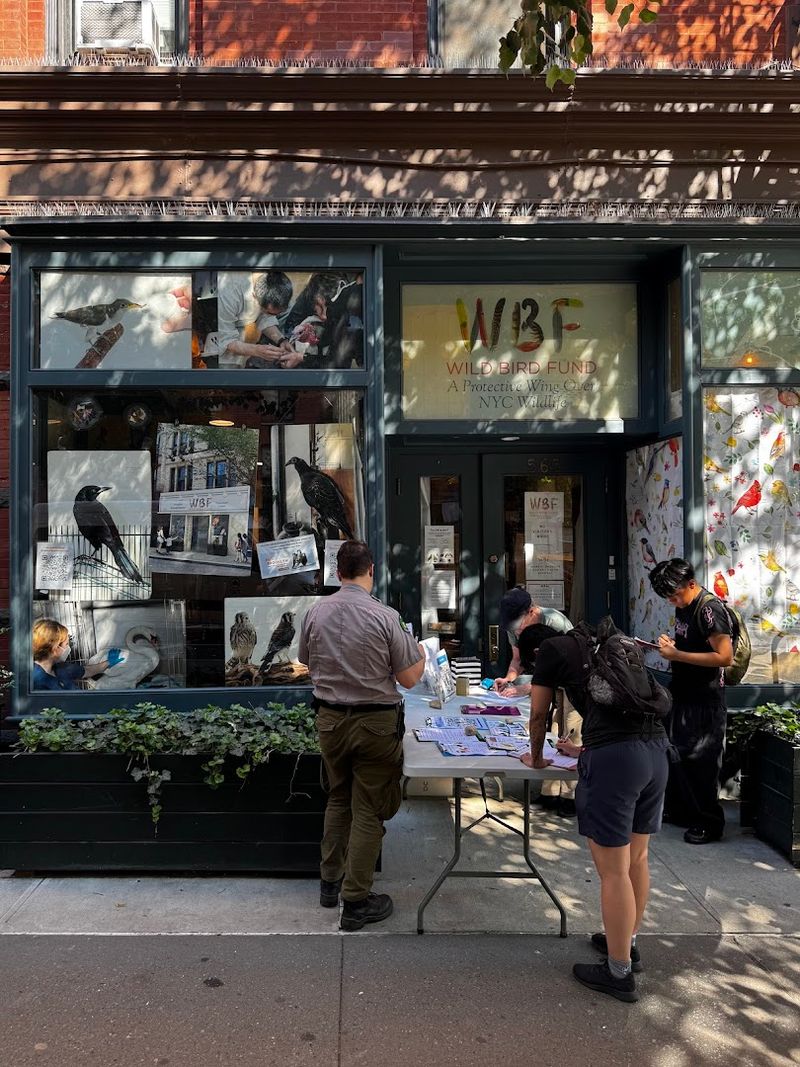
A wildlife rehabilitation center on the Upper West Side of Manhattan sounds like the setup for a joke, but Wild Bird Fund is completely serious about its work and remarkably effective at it. New York City’s only wildlife rehabilitation and education center operates seven days a week, caring for injured, sick, and orphaned birds alongside small mammals.
The urban environment creates a steady and unusual intake, including window-strike victims, birds tangled in netting, and migratory species disoriented by city lights.
Wild Bird Fund runs on a combination of trained staff, dedicated volunteers, and a community of New Yorkers who are far more invested in urban wildlife than the city’s reputation might suggest. Walk-in drop-offs are common, and the center has become a neighborhood fixture in the best possible way.
Wildness really does find its way into every corner of this city.
9. Carolina Raptor Center, Huntersville, North Carolina
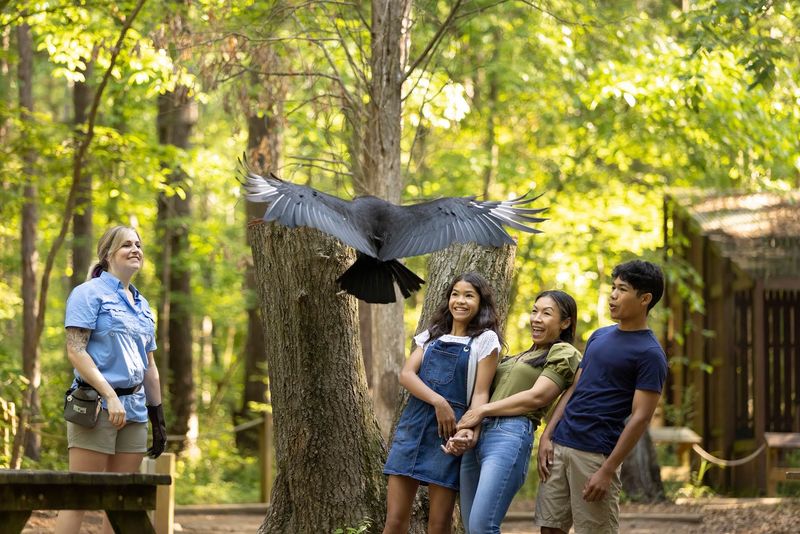
Owls, hawks, falcons, and eagles tend to inspire a particular kind of awe in people, and Carolina Raptor Center has built its entire mission around exactly that feeling. Located near Latta Nature Preserve in Huntersville, North Carolina, the center operates a full raptor hospital treating injured birds of prey brought in from across the region.
Birds that cannot return to the wild serve as ambassador animals, helping visitors understand raptor biology and behavior during public programs and educational visits.
The combination of a working hospital and a nature preserve setting makes a visit here feel layered. There is the education side, the conservation side, and then the pure, unscripted experience of standing a few feet from a great horned owl and realizing it is not particularly impressed by you.
Carolina Raptor Center handles all three elements with obvious expertise.
10. The Raptor Center, Saint Paul, Minnesota
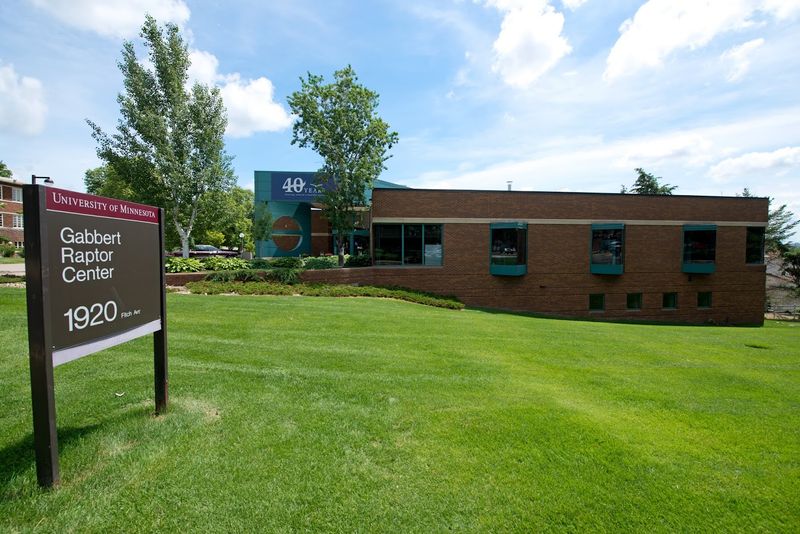
University-backed wildlife medicine is a different category of care, and The Raptor Center at the University of Minnesota demonstrates exactly why that matters. Based in Saint Paul, the center treats more than 1,000 raptors every year, ranging from bald eagles with a wingspan that demands respect to tiny American kestrels that fit in the palm of a hand.
The university connection brings advanced veterinary expertise, research capacity, and a training pipeline that sends skilled wildlife rehabilitators out into the broader conservation world.
Public programming gives visitors direct access to the center’s educational mission, including opportunities to see ambassador raptors up close. The combination of clinical rigor and genuine public engagement makes The Raptor Center feel both scientific and deeply personal.
Every healed hawk or eagle that returns to a Minnesota sky carries a piece of that institutional commitment with it.
11. Bird Alliance of Oregon Wildlife Care Center, Portland, Oregon
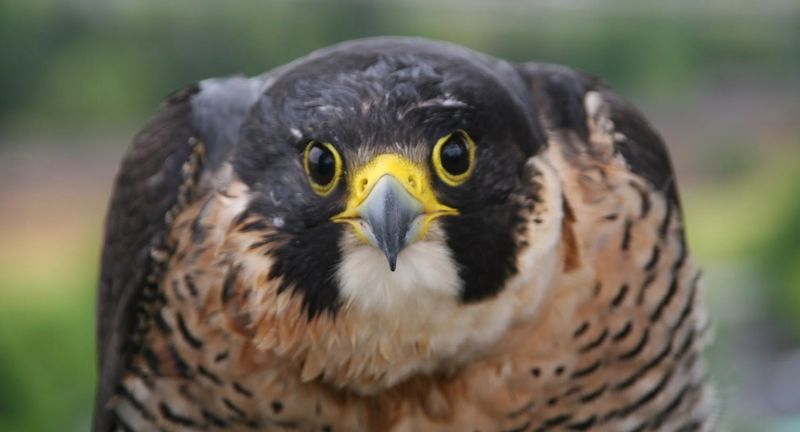
Portland has a well-earned reputation for caring about its natural surroundings, and Bird Alliance of Oregon’s Wildlife Care Center fits that identity perfectly. The center treats injured and orphaned native wildlife, with birds from Oregon and occasionally Washington making up a significant share of its caseload year-round.
The Pacific Northwest setting means the intake includes everything from migratory songbirds to raptors and water birds shaped by the region’s rivers, forests, and coastline.
The center operates where city edges and wild habitat overlap, which is precisely where many bird injuries occur. Staff and volunteers handle a wide range of species with varying needs, requiring both broad knowledge and specific skills.
For Portland residents who regularly spot wildlife in their backyards and neighborhoods, the Wildlife Care Center represents a tangible local resource that turns concern into action. The work is quiet, steady, and essential.
12. PAWS Wildlife Center, Snohomish, Washington
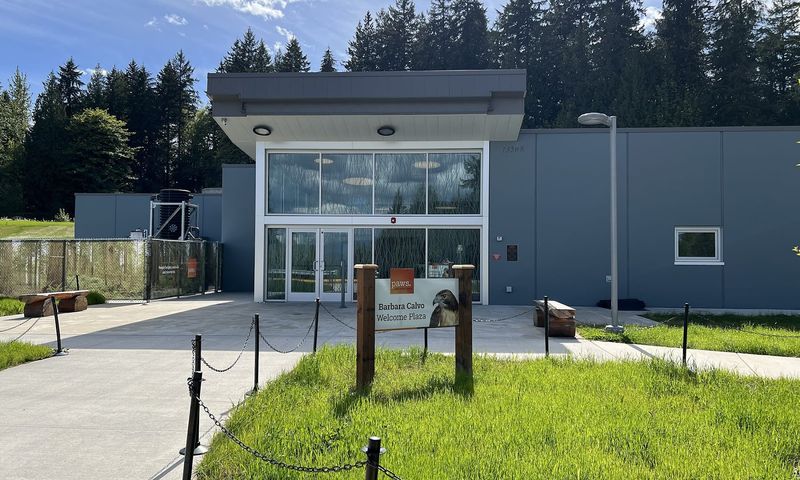
Running a 365-day wildlife hospital takes a level of commitment that most people underestimate until they think about it for more than ten seconds. PAWS Wildlife Center in Snohomish, Washington, never closes, providing year-round emergency care for sick, injured, and orphaned animals, with birds representing a major portion of its annual intake.
A newer campus gives the organization expanded space for specialized recovery areas, which matters enormously when you are trying to rebuild a bird’s flight strength before release.
Western Washington’s green, forested landscape generates a consistent flow of wildlife patients, especially during nesting season and migration periods. PAWS combines professional veterinary care with a well-organized volunteer program, creating a facility that functions efficiently even during high-volume periods.
The center’s long track record in the region has made it a trusted first call for anyone who finds an injured bird and is not sure what to do next.
13. California Wildlife Center, Calabasas, California
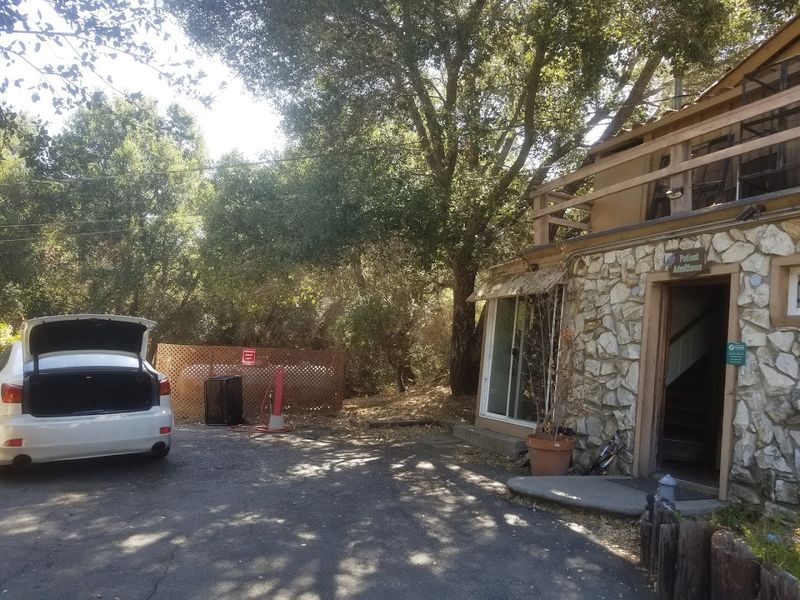
The Santa Monica Mountains are one of Southern California’s most biologically rich landscapes, and California Wildlife Center has planted itself right in the middle of that reality. Based in Calabasas, the center rescues and rehabilitates native California wildlife, with birds from the urban-wildland edge forming a consistent part of its patient population.
Canyon roads, housing developments, and wildfire pressure all contribute to the injuries and displacement that bring birds into the center’s care.
The work here reflects the particular challenges of operating in a region where human expansion and sensitive habitat exist in constant tension. Staff manage everything from injured raptors to small native songbirds, often receiving patients found by hikers, homeowners, or drivers on the canyon roads.
California Wildlife Center makes the wild side of Southern California visible in a way that few other institutions in the region can match.
14. WildCare, San Rafael, California
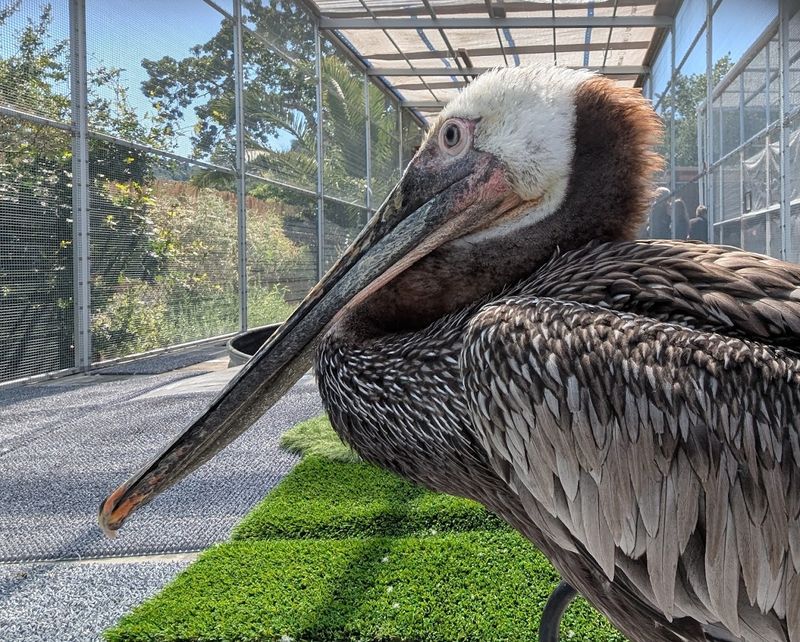
Few wildlife centers can claim a service area as ecologically varied as WildCare’s territory in Marin County. Based in San Rafael, WildCare has long served the Bay Area’s injured and orphaned wildlife, treating water birds, raptors, and songbirds that arrive from shoreline habitats, suburban neighborhoods, and open space preserves alike.
The range of species the center handles reflects how much wild habitat remains woven into the Bay Area’s landscape, even in its most developed corners.
WildCare’s education programs bring the rehabilitation story to schools, community groups, and visitors who want to understand what happens between a bird’s injury and its release. The center has navigated facility transitions while keeping its core mission intact, which speaks to the dedication of its staff and community supporters.
For Bay Area residents, WildCare is a reliable local anchor in the broader network of California wildlife care.
Share this story