Costa Rica is roughly the size of West Virginia, yet it holds nearly 6 percent of the entire planet’s biodiversity. That is a staggering fact for a country so small, and it explains why wildlife lovers from every corner of the world keep booking flights there. From rainforests teeming with monkeys to ocean waters patrolled by humpback whales, the country delivers one jaw-dropping encounter after another. This list covers 13 wildlife experiences that tend to stay with visitors long after they have returned home, packed their binoculars away, and started planning their next trip back.
1. Corcovado National Park, Osa Peninsula, Puntarenas Province, Costa Rica
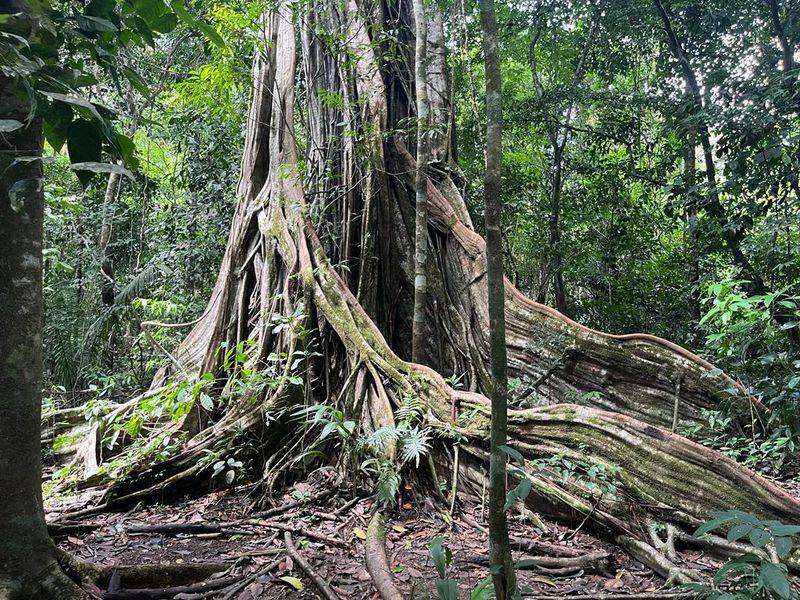
Scientists at the National Geographic Society once called Corcovado National Park the most biologically intense place on Earth, and a single afternoon on its trails makes that claim feel completely believable.
The park protects over 164 species of birds, 140 species of mammals, and more than 8,000 species of insects across its 424 square kilometers of primary rainforest.
Visitors who book a guided multi-day trek have reported seeing all four of Costa Rica’s native monkey species, Baird’s tapirs, and even puma tracks in the mud along river crossings.
Corcovado is not a drive-through experience. Access requires a boat or a long hike, which keeps crowds low and wildlife encounters genuinely wild.
Ranger-led tours are mandatory inside the park, which actually benefits visitors because guides know exactly where animals tend to appear. Booking a licensed guide well in advance is strongly recommended, especially during the dry season from December through April.
2. Tortuguero National Park, Limón Province, Costa Rica
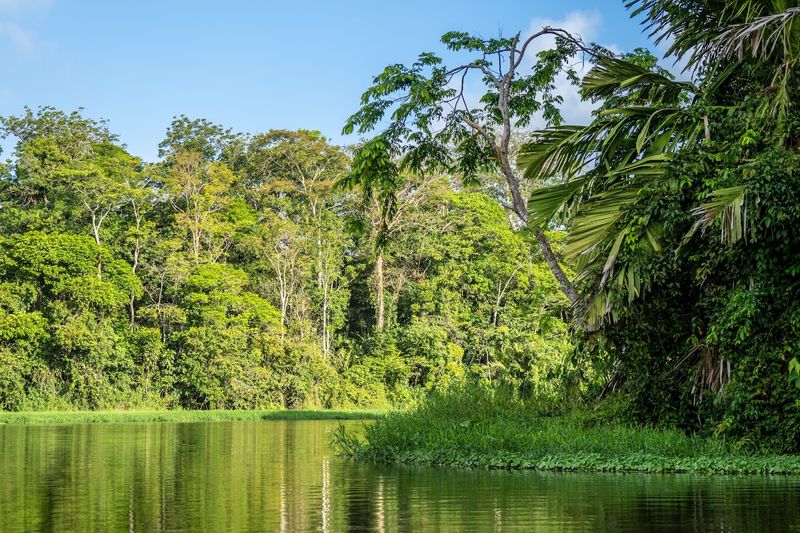
Every year, one of nature’s most ancient rituals plays out on the Caribbean coast, where green sea turtles haul themselves ashore to nest on the same beaches their ancestors used for millions of years.
Tortuguero National Park hosts the largest green sea turtle nesting colony in the Western Hemisphere, with nesting season running from July through October.
Leatherback and hawksbill turtles also nest here, giving visitors multiple species to watch under the guidance of certified turtle tour operators who work strictly within conservation rules.
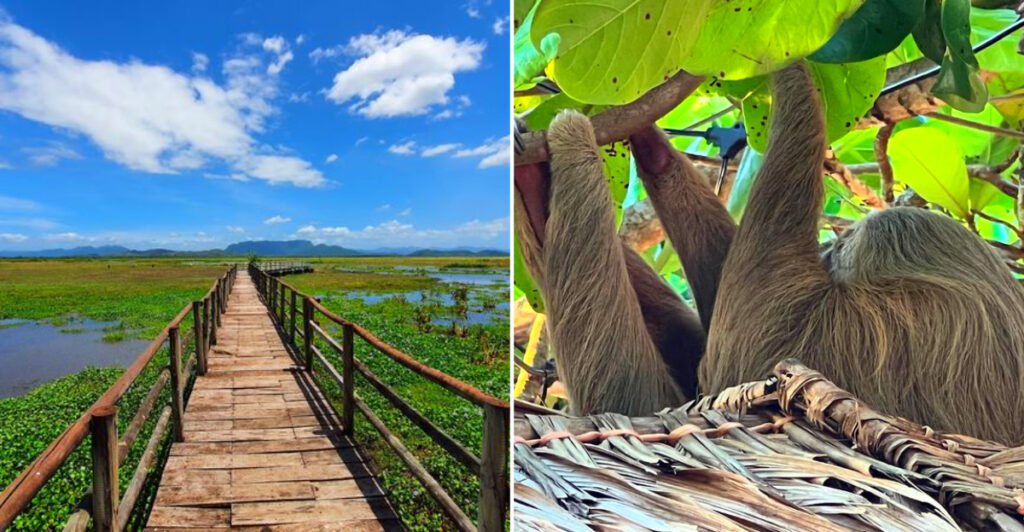
The park has no roads, so all transportation runs by boat through a network of jungle canals. Those canals are the real bonus: caimans rest on banks, three-toed sloths hang from cecropia trees, and great green macaws fly overhead.
Staying overnight in Tortuguero village gives visitors access to both evening turtle tours and early morning canal boat rides, which is the best way to maximize wildlife sightings in a single trip.
3. Monteverde Cloud Forest Reserve, Puntarenas Province, Costa Rica
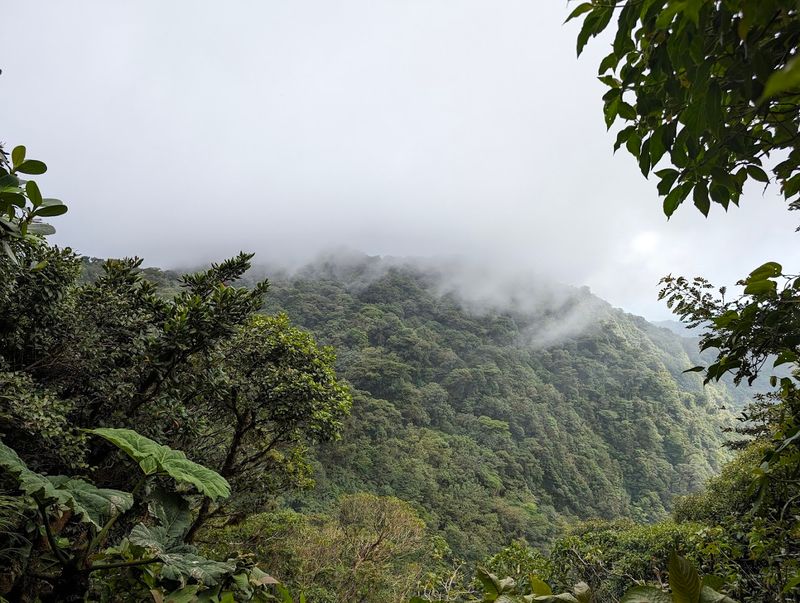
Birdwatchers have been known to travel across three continents just for a chance to see the resplendent quetzal, and Monteverde Cloud Forest Reserve gives some of the best odds of making that happen.
The reserve protects over 2,500 plant species, 400 bird species, and more than 100 mammal species within its 10,500 hectares of protected cloud forest habitat.
The quetzal breeding season runs from February through July, when males grow spectacular tail feathers that can reach up to one meter in length. Guides know the feeding trees and nesting areas well, making early morning tours especially productive.
Beyond quetzals, the reserve is excellent for spotting hummingbirds, coatis, Monteverde’s famous golden toad habitat areas, and several frog species on night walks.
The reserve operates a hummingbird garden near the entrance where multiple species feed at close range, which is a great starting point before heading deeper into the trails. Rubber boots are available to rent, and they are genuinely necessary on most days.
4. Manuel Antonio National Park, Quepos, Puntarenas Province, Costa Rica
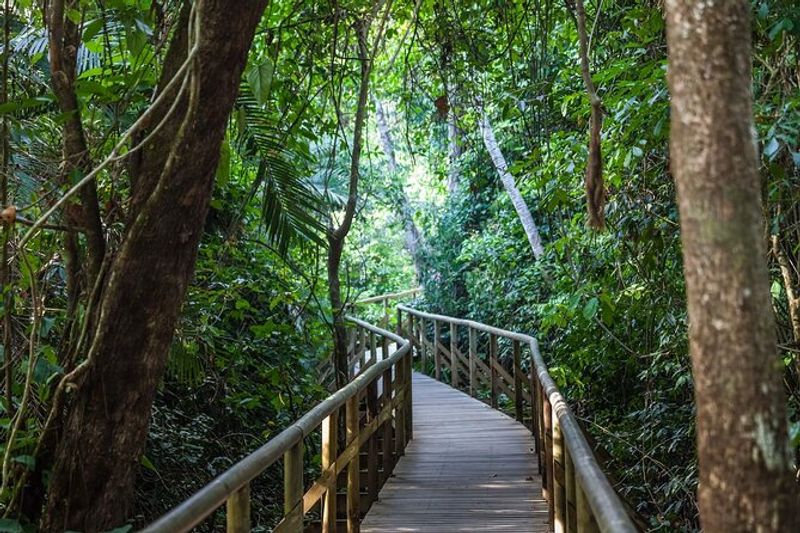
Manuel Antonio is proof that great things come in small packages. At just 1,983 hectares, it is one of Costa Rica’s smallest national parks, yet it consistently ranks among the most wildlife-rich per square kilometer in the entire country.
White-faced capuchin monkeys here have grown remarkably comfortable around people, often wandering along the trails at arm’s length. Wildlife officials ask visitors not to feed them, which is a reasonable rule since capuchins are clever enough to unzip backpacks when given the chance.
Three-toed sloths are regularly spotted in the cecropia trees lining the main path to the beach. Squirrel monkeys, one of Costa Rica’s most endangered primate species, are also found here and almost nowhere else on the Pacific coast.
The park limits daily visitor numbers, so tickets must be purchased online in advance. Arriving early on a weekday gives the best chance of quieter trails and more relaxed wildlife encounters before the mid-morning crowds arrive.
5. Cano Negro Wildlife Refuge, Alajuela Province, Costa Rica
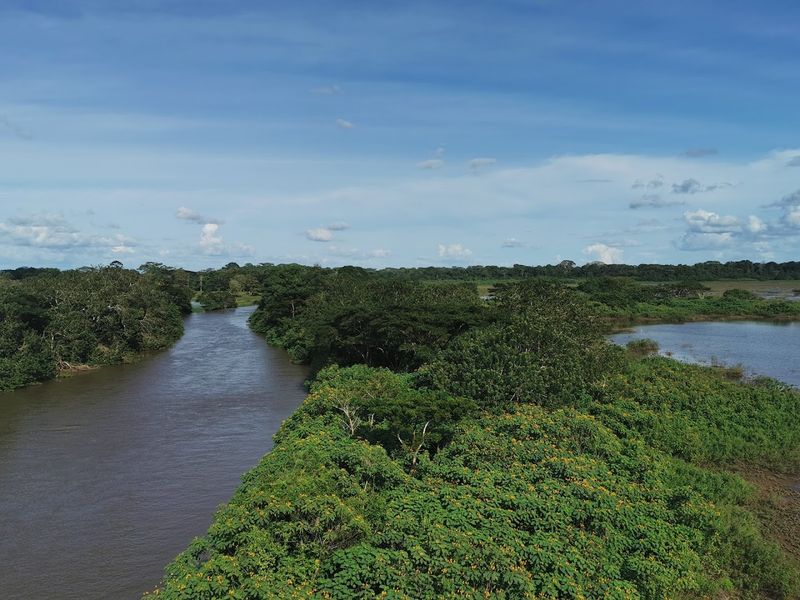
Far fewer tourists find their way to Cano Negro than to the big-name parks, which means the wildlife here gets far less attention and behaves far more naturally as a result.
This wetland refuge in the northern lowlands covers about 9,969 hectares and serves as a critical habitat for aquatic birds, reptiles, and mammals year-round. During the dry season from January through April, water levels drop and animals concentrate around the remaining waterways in extraordinary numbers.
Boat tours on the Rio Frio regularly turn up Nicaraguan grackles, roseate spoonbills, anhingas, and enormous flocks of cormorants. American crocodiles and spectacled caimans share the same stretches of water without much concern for the passing boats.
Howler monkeys, white-faced capuchins, and river turtles round out a list of regulars that makes Cano Negro feel like a birding and wildlife safari rolled into one affordable day trip.
Tours depart from the nearby town of Los Chiles or from La Fortuna, with most operators offering morning departures for the best light and animal activity.
6. Arenal Volcano National Park, La Fortuna, Alajuela Province, Costa Rica
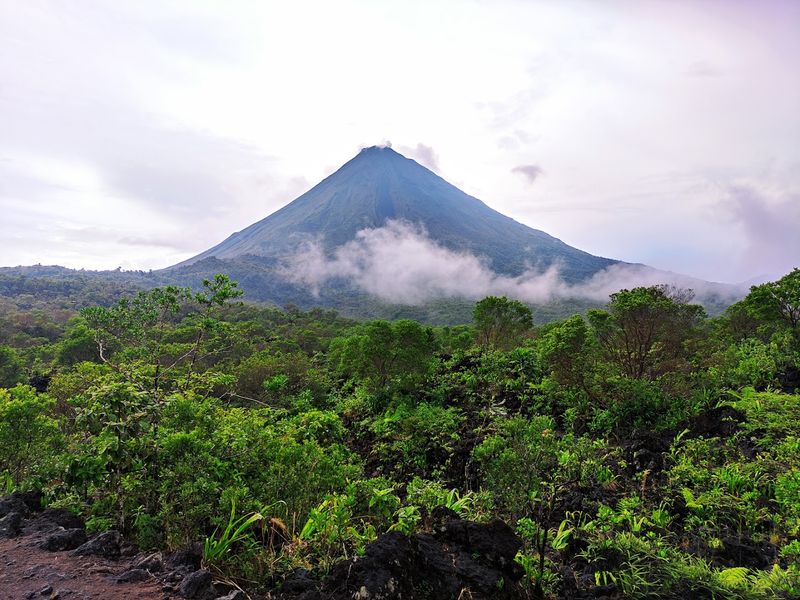
Most visitors arrive at Arenal with their eyes fixed on the volcano, but the forests surrounding it quietly steal the show once the wildlife starts appearing along the trails.
The national park and its surrounding private reserves protect a wide corridor of lowland and foothill rainforest that supports an impressive roster of species. Keel-billed toucans, collared aracaris, and several species of trogons are common sightings for birdwatchers who bring binoculars and a bit of patience.
Poison dart frogs in vivid blue and red patterns appear on the forest floor, particularly after rain. Coatimundis forage along the edges of trails, and howler monkey troops make their presence known from the treetops throughout the day.
Night tours in the La Fortuna area are especially productive. Local guides lead small groups to spots where red-eyed tree frogs, sleeping birds, and nocturnal snakes can be observed safely and up close.
The Bogarin Trail on the edge of La Fortuna town is a reliable and inexpensive option for spotting sloths within walking distance of the main street.
7. Marino Ballena National Park, Uvita, Puntarenas Province, Costa Rica
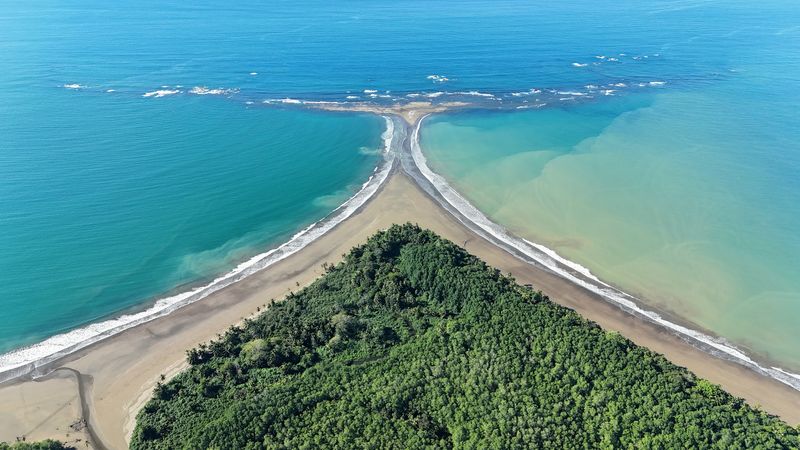
Humpback whales travel from both hemispheres to breed and give birth in the warm waters off Uvita, giving Marino Ballena National Park one of the longest whale-watching seasons found anywhere on the planet.
The Northern Hemisphere population arrives from December through March, while Southern Hemisphere whales show up from July through October. Peak months for sightings are January, February, August, and September, when boats regularly encounter mothers with calves.
Licensed boat operators run tours from Uvita beach, and regulations limit how close vessels can approach, which protects the whales while still delivering genuinely close encounters. Spinner and bottlenose dolphins are frequent bonus sightings on the same tours.
The park is also home to the famous whale-tail sandbar, a natural formation visible from above that has become a symbol of the region. Snorkeling around the sandbar reveals sea turtles, rays, and reef fish even on days when whales stay out of sight.
Booking a morning tour maximizes the chance of calmer water and better visibility for both above and below the surface.
8. Cahuita National Park, Limón Province, Costa Rica
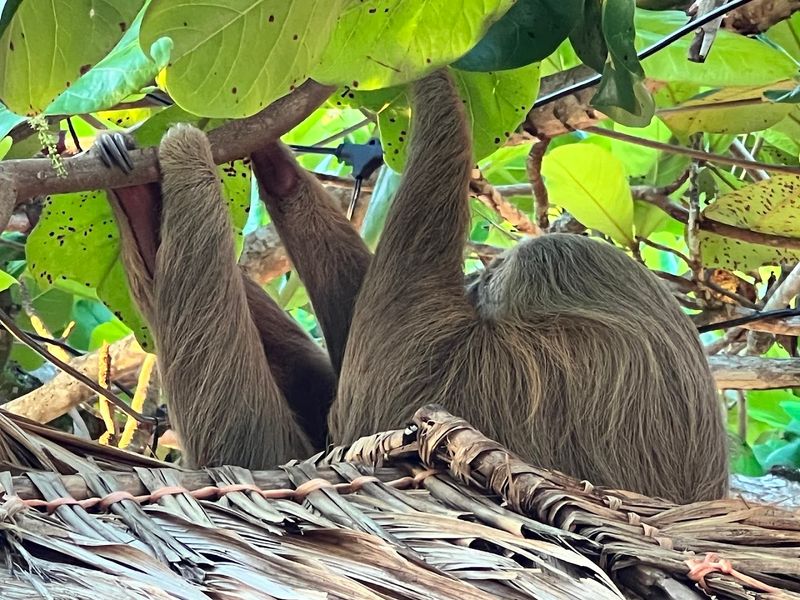
Cahuita National Park has a relaxed Caribbean personality that sets it apart from every other park on this list, and the wildlife seems to match that laid-back energy perfectly.
The coastal trail runs for about seven kilometers between Cahuita village and Puerto Vargas, passing through rainforest where three-toed sloths are a near-daily sighting. White-faced capuchin monkeys and raccoons patrol the trail with zero shyness, and howler monkeys announce their opinions loudly from above.
The park also protects one of Costa Rica’s few remaining coral reefs just offshore. Snorkeling reveals parrotfish, angelfish, sea turtles, and lobsters in a reef system that, while recovering from past storm damage, still delivers colorful encounters.
Entry to Cahuita National Park from the village side operates on a voluntary donation basis, which is a refreshingly accessible arrangement for budget travelers.
The best wildlife sightings tend to happen in the early morning, before the sun gets high and animals retreat into the shade of the forest canopy for the rest of the day.
9. Palo Verde National Park, Guanacaste Province, Costa Rica
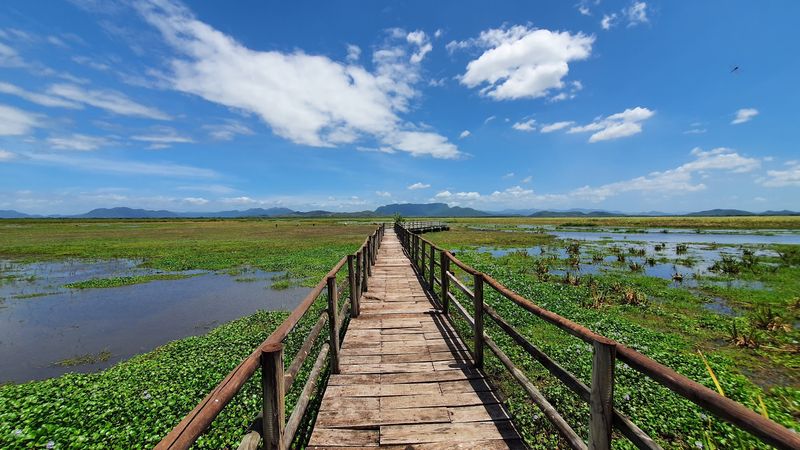
Palo Verde is not on every tourist itinerary, and that oversight is a genuine gift to the birders who do show up, because the place can produce staggering bird counts with almost no effort.
The park protects a mosaic of wetlands, seasonal lagoons, and dry forest in Guanacaste Province, and it serves as one of the most important waterbird habitats in all of Central America. During the dry season, thousands of black-bellied whistling ducks, wood storks, roseate spoonbills, and jabiru storks gather in concentrations that can seem almost unreal.
American crocodiles are a constant presence along the Tempisque River, where boat tours offer a reliable and safe way to observe them at close range. White-faced monkeys and mantled howlers also appear regularly in the riverside vegetation.
The Organization for Tropical Studies operates a research station inside the park that offers guided walks and accommodation. Booking a stay there puts visitors directly in the middle of the action from sunrise onward, which is exactly where a serious wildlife watcher wants to be.
10. Caño Island Biological Reserve, Osa Peninsula, Puntarenas Province, Costa Rica
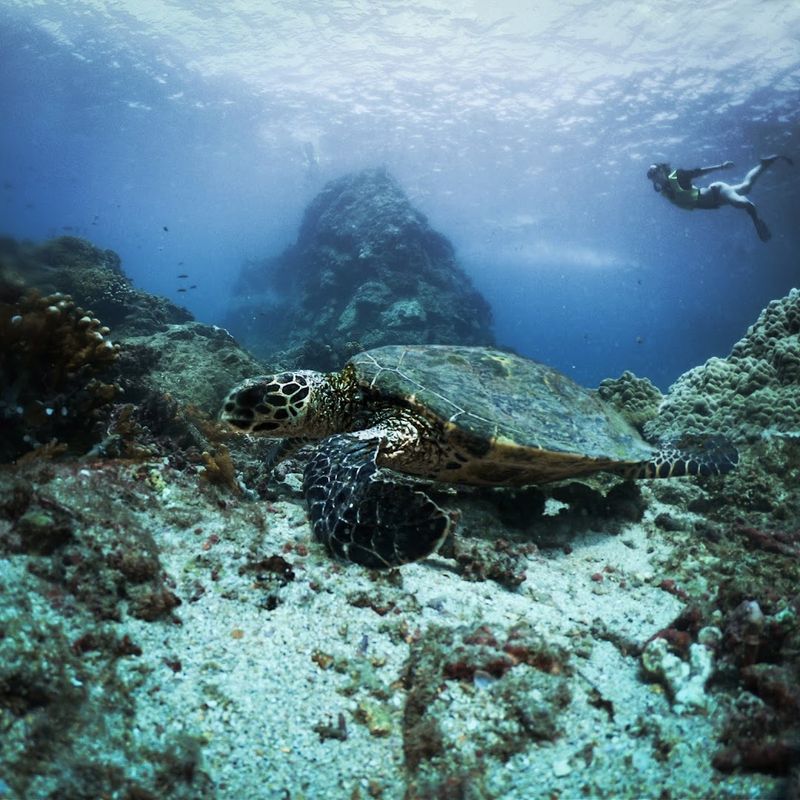
About 17 kilometers off the coast of the Osa Peninsula, Cano Island sits in a stretch of Pacific Ocean that marine biologists consistently rank among the most biodiverse dive sites in Central America.
The waters around the island are a protected biological reserve, which means fishing is prohibited and marine life has been recovering steadily for decades. Snorkelers and divers regularly encounter white-tipped reef sharks, bull rays, sea turtles, and enormous schools of jack and snapper moving in formation.
During humpback whale season, which runs twice a year due to migrations from both hemispheres, boats traveling to the island frequently spot whales and dolphins in the open water along the way.
Day trips to Cano Island depart from Drake Bay and Sierpe, with most tour operators combining snorkeling at multiple sites around the island for a full day on the water.
Visibility in the water regularly reaches 20 meters or more during the dry season, making January through April the most popular time to visit for underwater wildlife encounters.
11. La Selva Biological Station, Sarapiquí, Heredia Province, Costa Rica
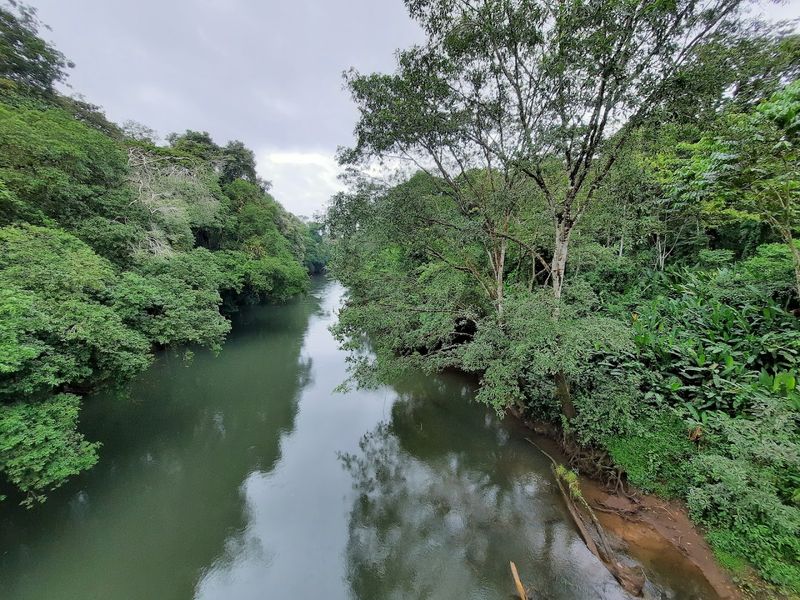
La Selva has been a hub of tropical science since 1954, and over 3,000 scientific publications have come out of research conducted in its forests, which gives every nature walk there a satisfying layer of real-world context.
The biological station protects 1,600 hectares of lowland tropical rainforest and serves as a corridor connecting to Braulio Carrillo National Park, effectively creating a massive protected zone for wildlife movement. Over 460 bird species have been recorded here, making it one of the top birdwatching sites in the entire country.
Visitors can join guided tours led by trained naturalists who explain not just what they are seeing but why it matters ecologically. Great green macaws, sunbitterns, and snowy cotingas are among the headline species, while poison dart frogs and basilisk lizards appear regularly at ground level.
Day visits and overnight stays are both available. Staying overnight allows access to early morning and evening tours when bird and mammal activity is at its highest, and the surrounding forest creates a genuinely immersive research station atmosphere.
12. Rio Celeste and Tenorio Volcano National Park, Alajuela Province, Costa Rica
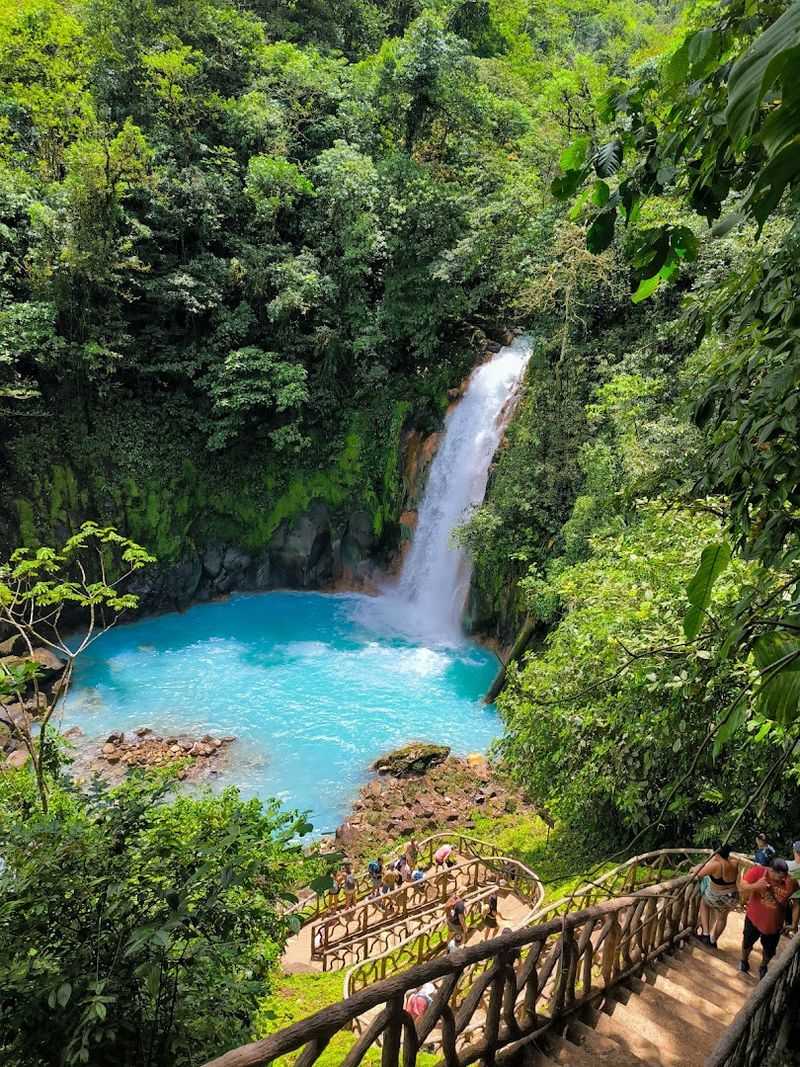
The river gets all the attention with its famously vivid turquoise color, but Tenorio Volcano National Park quietly delivers some of the best wildlife viewing in the northern lowlands once visitors look beyond the water.
The park’s forest is a reliable location for Baird’s tapirs, which are Costa Rica’s largest land mammal and a species classified as endangered across its range. Dawn and dusk are the best windows for tapir sightings along the main trail near the Tapir Valley Nature Reserve just outside the park boundary.
Toucans, spider monkeys, and blue morpho butterflies are regular trail companions throughout the hiking routes. Glass frogs and red-eyed tree frogs appear on vegetation near the river after dark, making a guided night walk a strong addition to any visit.
The park receives fewer visitors than Arenal or Manuel Antonio, which means animals here tend to behave more naturally and trail encounters feel less rushed.
Entrance fees are modest, and the hike to the main waterfall and the turquoise pools takes about two to three hours round trip at a comfortable pace.
13. Carara National Park, Tárcoles, Puntarenas Province, Costa Rica
Right off the main coastal highway between San Jose and Jaco, Carara National Park occupies a biological transition zone where dry Pacific forest and humid rainforest overlap, producing a species list that neither ecosystem could generate on its own.
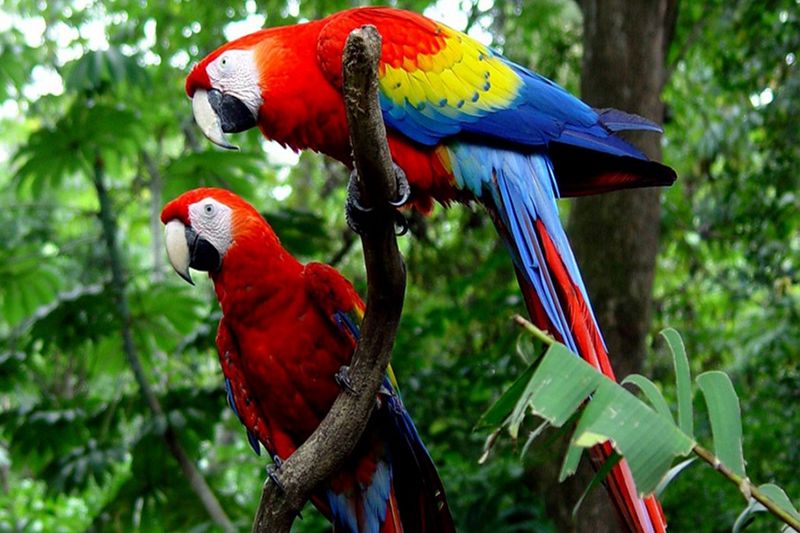
Scarlet macaws are the undisputed stars here. The population has grown significantly since the park was established, and large flocks now fly overhead in brilliant formations every morning and evening as they commute between roosting and feeding areas. Stopping at the Tarcoles River bridge just before the park entrance is also worth doing, since American crocodiles congregate there in numbers that tend to surprise first-time visitors.
Inside the park, the trail system is well-maintained and accessible even for visitors with limited hiking experience. Roseate spoonbills, lineated woodpeckers, and boat-billed herons are reliable sightings along the riverside trail.
Carara works well as a half-day stop combined with a crocodile boat tour on the Tarcoles River, which can be booked directly from the riverside operators near the bridge. Morning visits consistently produce the best macaw activity before the heat of midday sets in.
Share this story