Rhinos are some of the most ancient and impressive animals on Earth, yet several species are now hanging on by a thread. A combination of habitat destruction and illegal poaching has reduced populations that once numbered in the hundreds of thousands to just a few thousand individuals today.
Fortunately, a dedicated network of wildlife reserves around the world is pushing back hard against that trend. From the lush grasslands of India and Nepal to the sweeping savannas of Africa and the dense rainforests of Indonesia, these protected areas are giving rhinos a fighting chance.
Rangers, scientists, local communities, and international organizations are all working together inside these reserves to monitor, protect, and breed rhinos. Some of these places have already pulled species back from the very edge of extinction.
The twelve reserves featured here represent the best of what conservation can achieve when people truly commit to protecting wildlife.
1. Kaziranga National Park, Assam, India
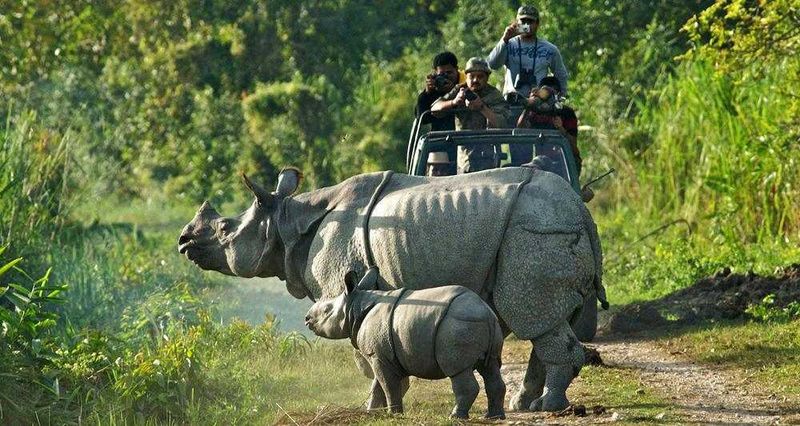
Back in the early 1900s, fewer than 200 greater one-horned rhinos existed on the planet. Today, Kaziranga National Park alone is home to roughly 3,500 of them, making it one of conservation’s most jaw-dropping turnarounds.
Spread across the Brahmaputra floodplains in Assam, the park covers a mosaic of tall grasslands, shallow wetlands, and dense forests that provide ideal habitat for rhinos year-round. The species was officially downlisted from endangered to vulnerable in 2008, largely because of the protection efforts centered here.
Rhinos are spotted regularly grazing in open meadows alongside wild water buffalo and Asian elephants, making wildlife viewing exceptionally rewarding. The park employs armed rangers and strict anti-poaching protocols to keep its population safe.
Kaziranga also holds UNESCO World Heritage status, which adds an extra layer of international accountability to its management. Visiting here means witnessing a genuine conservation miracle still unfolding in real time.
2. Pobitora Wildlife Sanctuary, Assam, India
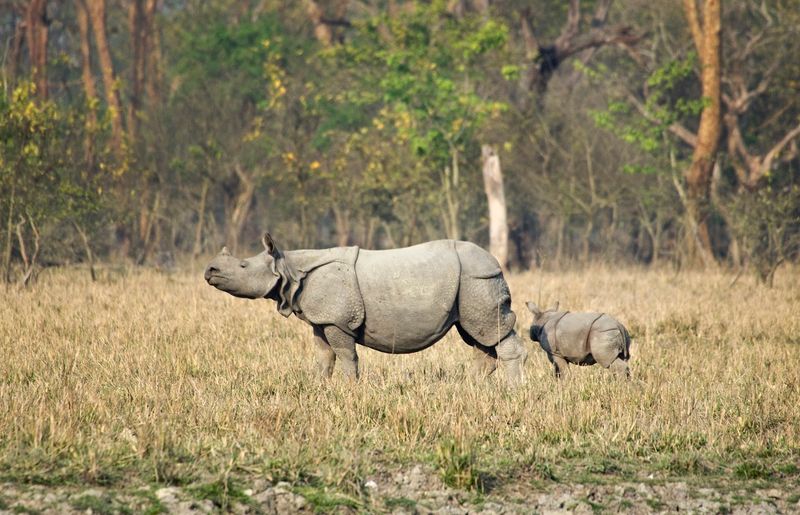
What Pobitora lacks in size, it more than makes up for in sheer rhino density. This compact sanctuary in Assam holds one of the highest concentrations of greater one-horned rhinos anywhere on Earth, packed into an area of just 38 square kilometers.
That remarkable density means rhino sightings here are almost guaranteed, which has made the sanctuary increasingly popular among wildlife enthusiasts who want a more intimate encounter than larger parks can offer. Visitors frequently spot multiple rhinos within a single jeep safari.
The sanctuary’s open, short grasslands give rhinos excellent grazing ground while also making them easier to observe and monitor. Park authorities have worked steadily to manage the growing population and reduce human-wildlife conflict with surrounding farming communities.
Pobitora may not have the international fame of Kaziranga, but it plays a genuinely important role in securing the future of the greater one-horned rhino across northeastern India. Small in size, massive in impact.
3. Chitwan National Park, Bagmati and Lumbini Provinces, Nepal
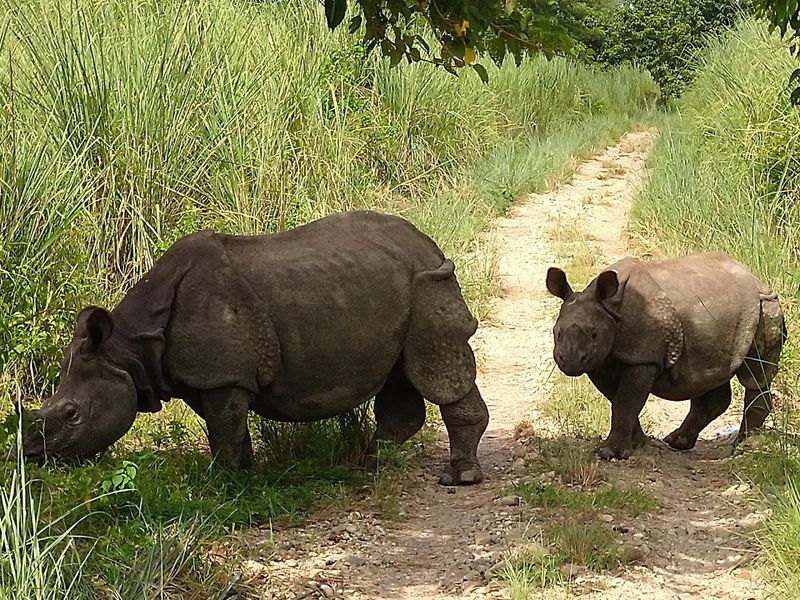
Nepal’s oldest national park has a rhino story worth telling at every dinner table. Chitwan once saw its greater one-horned rhino population drop to critically low numbers, but decades of determined conservation work have reversed that trend dramatically.
Today, the park supports a healthy and growing population of greater one-horned rhinos, frequently spotted along riverbanks, in tall grasslands, and near water holes throughout the reserve. Anti-poaching units, community awareness programs, and international funding have all contributed to this recovery.
Chitwan became a UNESCO World Heritage Site in 1984, a recognition that helped attract sustained global attention and resources to its conservation mission. The park spans subtropical forests, grasslands, and wetlands across two provinces, creating a rich and varied ecosystem.
Elephant-back safaris and canoe trips along the Rapti River give visitors memorable opportunities to observe rhinos in their natural environment. Chitwan’s success has helped inspire rhino protection strategies adopted across the broader South Asian region.
4. Bardia National Park, Lumbini Province, Nepal
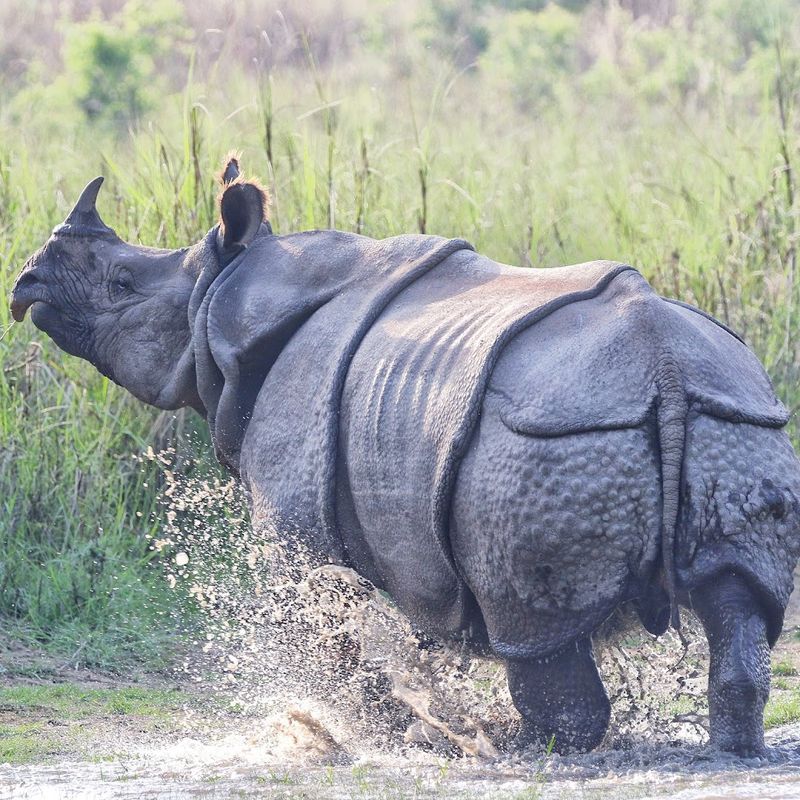
Far fewer tourists make it to Bardia compared to Chitwan, and the rhinos seem perfectly fine with that arrangement. This sprawling park in Nepal’s western lowlands offers a genuinely remote safari experience, where wildlife encounters feel unscripted and unhurried.
Bardia serves as a critical second stronghold for Nepal’s greater one-horned rhino population, reducing the conservation risk that comes from concentrating animals in a single location. Rhinos were reintroduced here as part of a broader national strategy to distribute and grow the species across multiple protected areas.
The park’s expansive sal forests, grasslands, and river systems provide excellent year-round habitat, and ranger teams actively monitor rhino movements to ensure their safety. Poaching pressure remains a concern, but Bardia’s management has consistently worked to strengthen anti-poaching efforts.
For travelers willing to venture off the beaten path, Bardia rewards patience with some of Nepal’s most spectacular wildlife viewing. The rhinos here share space with tigers, elephants, and gharial crocodiles, making every safari genuinely unpredictable.
5. Hluhluwe-iMfolozi Park, KwaZulu-Natal, South Africa
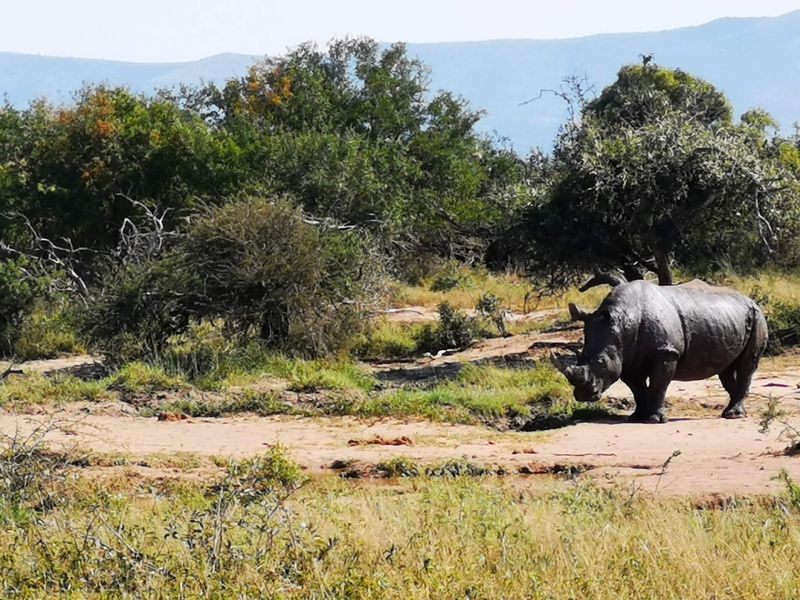
Every white rhino alive today owes something to this park. In the late 1800s, Hluhluwe-iMfolozi was the last place on Earth where southern white rhinos still survived, harboring the only remaining population of the species anywhere in the world.
The park became the birthplace of Operation Rhino, a landmark conservation program launched in the 1960s that captured and relocated white rhinos to reserves across Africa and beyond. That single initiative is responsible for rebuilding the global white rhino population from near-zero to tens of thousands of individuals today.
Hluhluwe-iMfolozi remains one of Africa’s most important rhino sanctuaries, supporting large populations of both white and black rhinos across its varied landscape of grasslands, bushveld, and riverine forest.
Visiting the park today means walking through living conservation history. Guided wilderness trails bring visitors close to rhinos in a way that few other African parks allow, offering a deeply personal connection to one of wildlife conservation’s greatest achievements.
6. Kruger National Park, South Africa
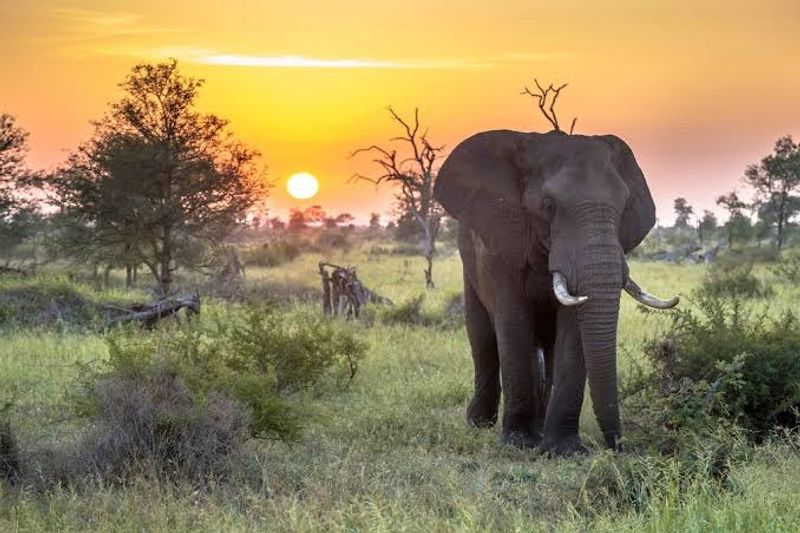
Kruger is so large that you could fit the entire country of Wales inside it, and yet it somehow manages to feel both wild and accessible at the same time. As South Africa’s flagship wildlife destination, it protects the continent’s largest rhino population.
Both white and black rhinos live within Kruger’s boundaries, though they favor different habitats. White rhinos prefer open grasslands in the southern sections of the park, where sightings are relatively common.
Black rhinos are more elusive, retreating into dense thickets where their solitary nature keeps them well hidden.
Kruger faces serious ongoing challenges from poaching, and the park has invested heavily in anti-poaching technology, ranger training, and intelligence networks to combat organized criminal activity targeting its rhinos.
Despite those pressures, Kruger remains an essential cornerstone of rhino conservation in southern Africa. Its sheer scale, resources, and international profile make it uniquely positioned to sustain large rhino populations while also driving broader policy change across the region.
7. Addo Elephant National Park, Eastern Cape, South Africa
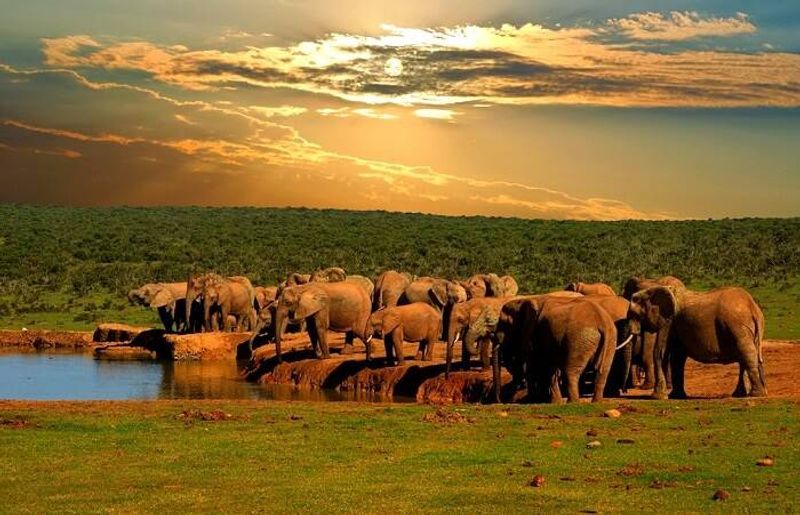
Most people show up at Addo expecting elephants and leave equally impressed by its rhinos. The park’s name may put the spotlight on its tusked residents, but Addo plays a genuinely important role in South Africa’s broader strategy for protecting both black and white rhino populations.
Black rhinos find the park’s dense Eastern Cape thicket particularly well-suited to their browsing habits and preference for cover, while white rhinos graze across more open sections of the reserve. This dual-species presence makes Addo one of the more versatile rhino conservation sites in the country.
The park has expanded significantly over recent decades, incorporating coastal and marine areas alongside its original inland sections, creating one of the most ecologically diverse national parks in Africa.
Conservation managers at Addo work closely with South African National Parks to monitor rhino health, track individual animals, and respond quickly to any threats. The park’s relatively lower profile compared to Kruger actually works in its favor, keeping poaching pressure somewhat lower.
8. Lewa Wildlife Conservancy, Meru County, Kenya
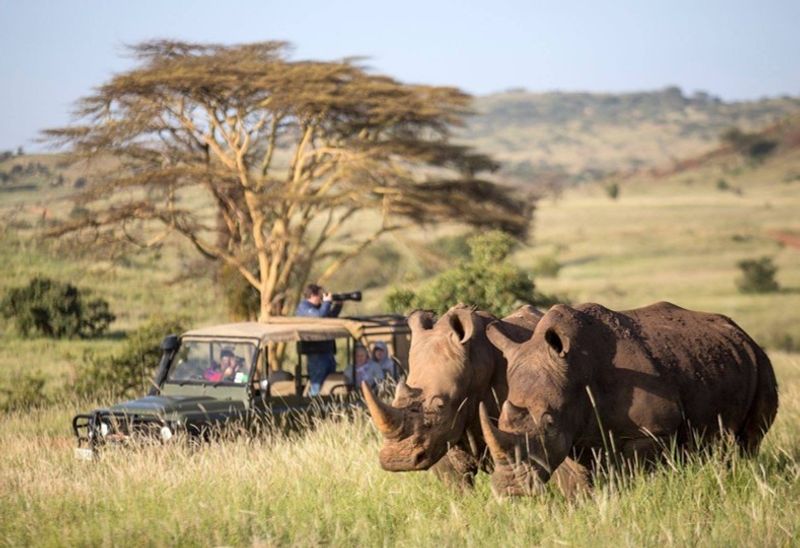
When black rhino numbers in Kenya collapsed in the 1980s, a small group of determined conservationists at Lewa decided to act rather than wait for someone else to fix things. They established a dedicated rhino sanctuary in 1983, beginning what would become one of Africa’s most celebrated conservation stories.
Today, Lewa holds UNESCO World Heritage status as part of the larger Mount Kenya ecosystem and is internationally recognized for stabilizing rhino populations across the region. The conservancy protects both black rhinos and southern white rhinos through intensive round-the-clock monitoring, trained ranger teams, and aerial surveillance.
Community partnerships are central to Lewa’s model. By ensuring that neighboring communities benefit directly from conservation, the conservancy has built a network of local support that significantly reduces poaching risk.
Lewa has also contributed rhinos to repopulation efforts in other Kenyan reserves, functioning as a source population that strengthens the broader national herd. Its approach has become a reference point for community-based conservation programs across East Africa.
9. Ol Pejeta Conservancy, Laikipia County, Kenya
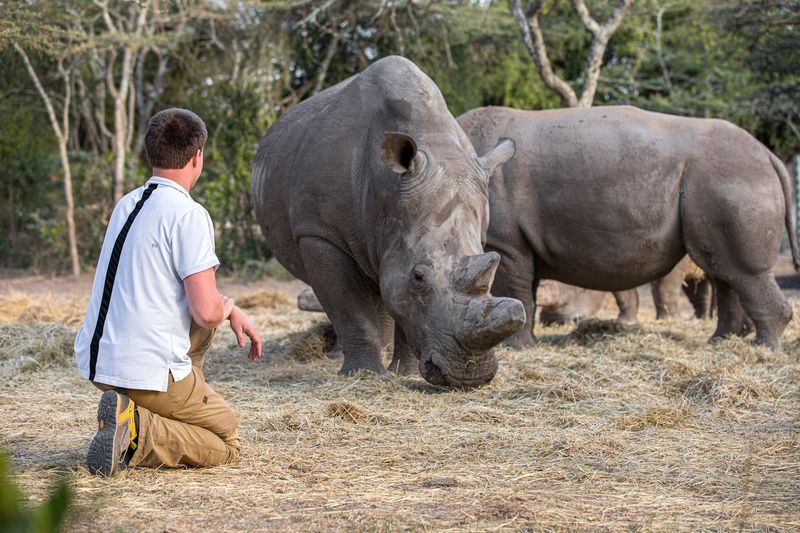
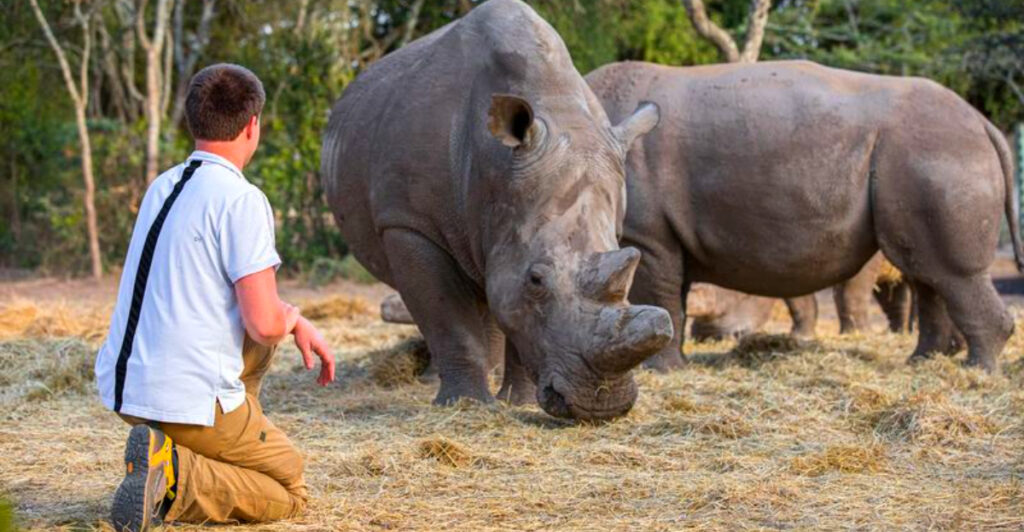
Ol Pejeta carries a conservation weight that few other places on Earth can match. It is home to the world’s last two northern white rhinos, both female, making it the final chapter of a subspecies story that humans are desperately trying to rewrite through science.
Beyond those two famous residents, Ol Pejeta supports East Africa’s largest population of black rhinos, with over 165 individuals living across the Laikipia Plateau. The conservancy employs canine anti-poaching units, rhino monitoring teams, and high-tech surveillance systems to keep its animals safe every single day.
Pioneering egg-harvesting procedures have been carried out here as part of an international scientific effort to produce northern white rhino embryos using assisted reproduction technology. The goal is eventual surrogate birth through closely related southern white rhino females.
Ol Pejeta is also a community-focused operation, ensuring that local people participate in and benefit from conservation work. For visitors, the chance to see both black rhinos and the last northern whites in one location is extraordinary.
10. Mkomazi National Park, Tanzania
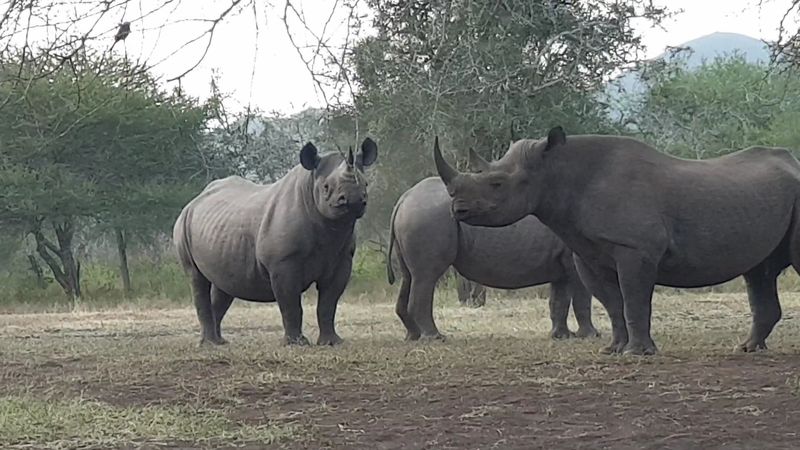
Tanzania is not always the first country that comes to mind for rhino conservation, but Mkomazi has been quietly doing exceptional work for decades. The park established a highly secured black rhino sanctuary that operates as a refuge within a refuge, giving critically endangered animals a protected space inside an already protected landscape.
Black rhinos were introduced to Mkomazi through carefully managed translocation programs, and the population has grown steadily under strict protection. The sanctuary uses electric fencing, armed ranger patrols, and intensive individual monitoring to ensure every animal is accounted for.
Mkomazi sits in northeastern Tanzania near the Kenyan border, covering a landscape of dry thornbush, grasslands, and rocky terrain that suits black rhinos well. The broader park also supports significant populations of elephants, wild dogs, and other wildlife.
International conservation organizations have partnered with Tanzanian authorities to fund and develop the rhino program here. Mkomazi’s model of a secured inner sanctuary within a national park has drawn attention as a replicable approach for other at-risk rhino populations across Africa.
11. Ujung Kulon National Park, Banten, Indonesia
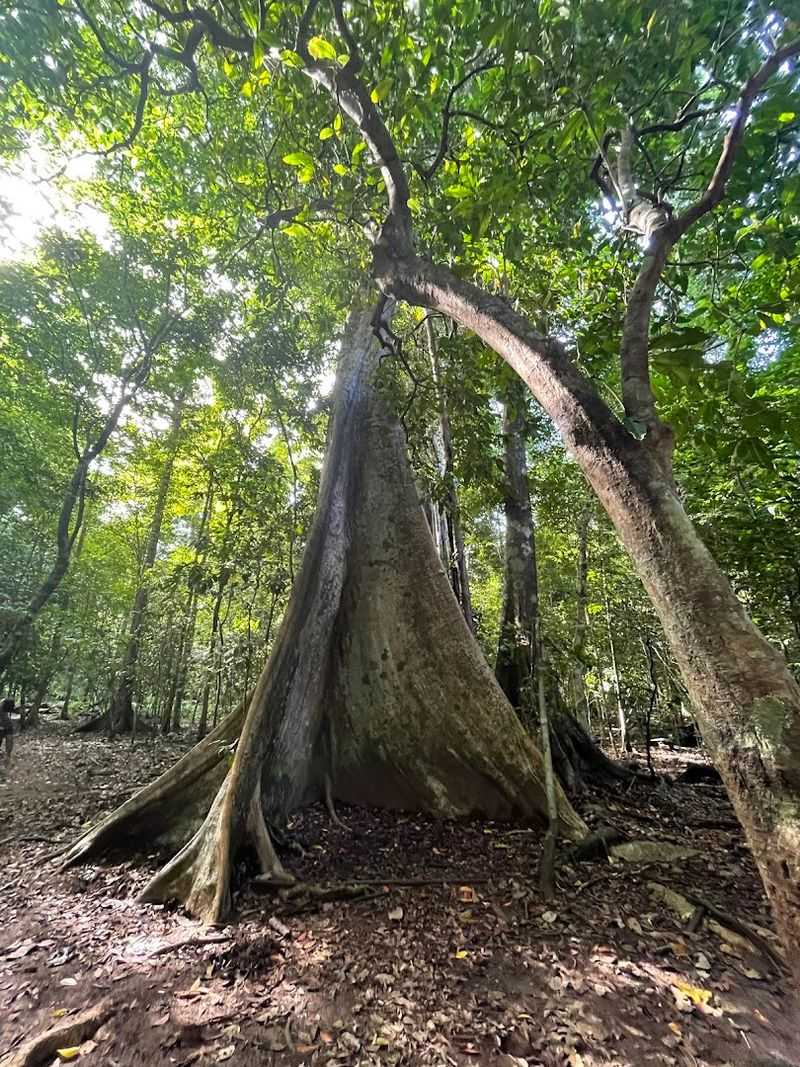
There is only one place left on Earth where Javan rhinos still exist in the wild, and that place is Ujung Kulon. Perched on the far western tip of Java, this national park is the sole sanctuary for an estimated 76 individuals of the world’s rarest large mammal species.
Javan rhinos are extraordinarily secretive, living deep within the park’s dense lowland tropical rainforest. Most of what scientists know about them comes from camera trap footage rather than direct observation, because the animals are almost never seen by humans.
WWF supports dedicated Rhino Protection Units inside the park, teams of trained rangers who patrol continuously to prevent poaching and monitor habitat conditions. The park also holds UNESCO World Heritage status, providing additional international recognition and protection.
The stakes at Ujung Kulon could not be higher. A single disease outbreak or natural catastrophe could devastate a population this small.
Conservation teams are actively working on habitat expansion and disease management to reduce those risks and give the Javan rhino a more secure future.
12. Way Kambas National Park, Lampung, Indonesia
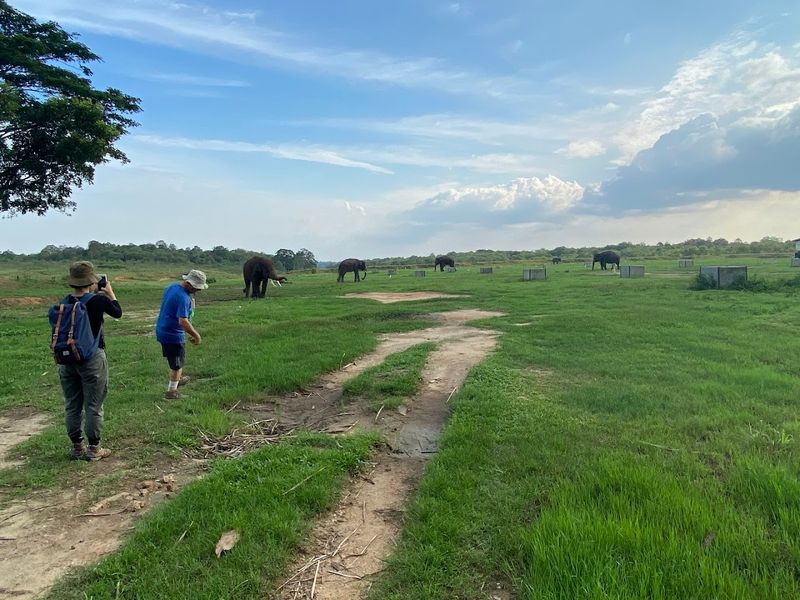
The Sumatran rhino is the smallest rhino species in the world and also one of the most critically threatened, with fewer than 80 individuals believed to remain. Way Kambas National Park in Lampung Province, Indonesia, hosts the Sumatran Rhino Sanctuary, a semi-wild breeding facility that represents one of the last best hopes for the species.
Rhinos at the sanctuary live in large forest enclosures that mimic natural conditions as closely as possible, allowing them to behave naturally while remaining under close veterinary and scientific supervision. The facility functions as both a breeding program and a research center advancing understanding of Sumatran rhino biology and reproduction.
Several calves have been born at the sanctuary over the years, each birth celebrated internationally as a meaningful victory for the species. The captive population serves as an insurance group while efforts continue to protect the small number of individuals still living in the wild.
Way Kambas also protects Sumatran elephants, tigers, and tapirs, making it one of Indonesia’s most biodiverse and conservation-critical national parks.
Share this story