 Unearth The Voyage
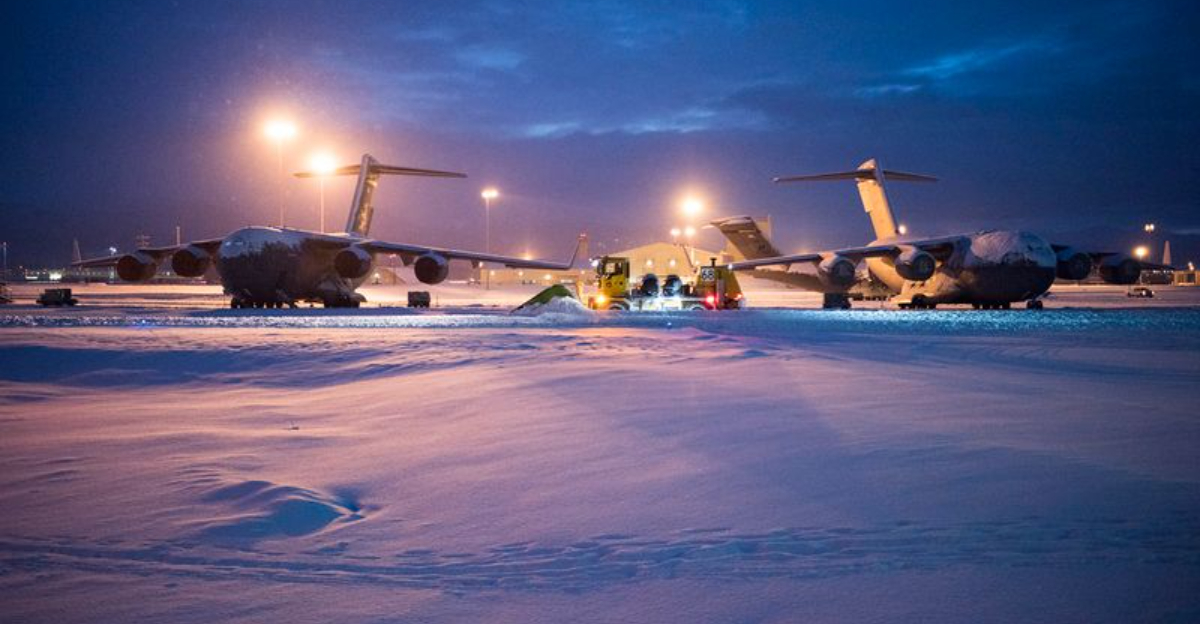
Travel plans can change in a heartbeat when winter weather hits a major hub like Schiphol. You might be refreshing your app, watching delays stack up, and wondering what is really going on behind the scenes. A sudden squeeze on de-icing fluid during a fierce cold snap has pushed airlines to slow or stop departures. Here is what that means for your flight and how to navigate the chaos with less stress.
Winter weather seized Schiphol with snow, freezing rain, and stubborn subfreezing temperatures, and the ripple was immediate. You could feel the tension in the terminal as departure boards flickered with red alerts and cancellations. Ground crews battled slick ramp conditions while pilots waited on precise briefings and clearance.
The pinch point became painfully clear when the de-icing queue crawled. Limited fluid and fewer slots meant some aircraft simply could not leave before holdover times expired. Airlines, including KLM, trimmed schedules to preserve safety, even if that meant overnight stays for unlucky passengers.
Schiphol’s role as a European crossroads magnified the disruption. Missed connections spilled across networks from London to Singapore, forcing rebookings and alternate routings. You were not alone if you refreshed your phone every few minutes looking for a green light.
Officials repeated the same message: safety first, speed second. Until weather relaxed and supplies stabilized, normal operations were out of reach. Travelers were urged to check status constantly, accept rebooking options early, and pack patience alongside passports.
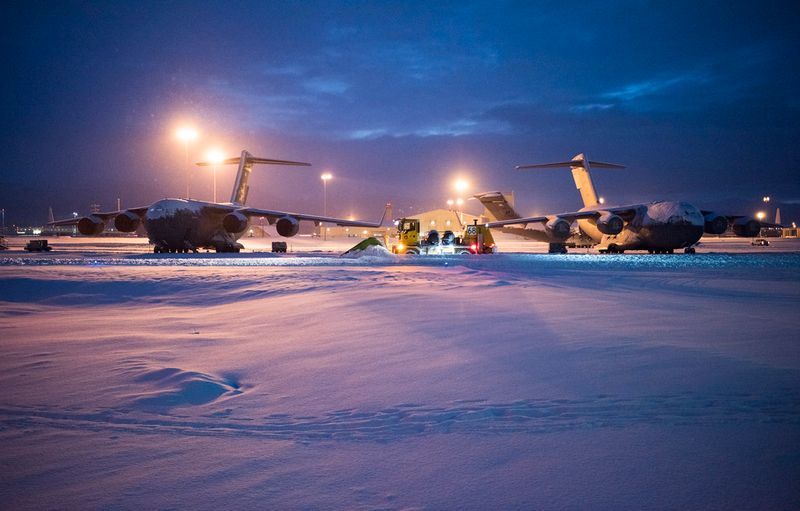
Bad weather alone slows airports, but a de-icing fluid squeeze can stall them. During the prolonged cold snap, demand soared beyond forecasts, and supplies thinned faster than expected. You could see the impact in the growing line of aircraft waiting for treatment as precious minutes ticked away.
De-icing removes contamination and protects against refreezing for a limited holdover time. When precipitation keeps falling, jets may need repeat cycles, which multiplies fluid usage. With inventories tight, operators prioritized flights to preserve safety margins.
That triage reduced capacity and cascaded into cancellations. Some aircraft lost their slot, missed holdover windows, and returned to gates. Airlines warned that even when skies cleared, the backlog would take time to unwind.
Supply chains were also strained as multiple European airports chased the same chemicals. You might not see the trucks and tanks, but those logistics decide whether your plane departs on time. Patience and flexible rebooking became smart strategies while inventories recovered.
KLM, Schiphol’s largest carrier, pulled back its schedule to match the reality on the ramp. With fewer de-icing slots and strict holdover times, running a full timetable would have magnified gridlock. You might have felt the sting of a cancellation, but the alternative risk was unacceptable.
Pilots and ground crews must deliver ice-free wings and surfaces every time. Regulations offer no shortcuts, even during peak periods. Airlines across alliances mirrored the slowdown to keep taxiways and gates from choking.
Both European hops and long-haul flights felt the cutbacks. Some travelers received hotel vouchers, others rebooked through alternate hubs, and many chose to stay home rather than gamble at the airport. Communication channels buzzed with alerts, waiver codes, and queue numbers.
Aviation experts remind us that winter ops are precision choreography. One missed timing window can unravel an hour of preparations. Scaling back, while frustrating, protects safety margins and clears space for essential movements.
Schiphol’s rough day is a snapshot of winter air travel everywhere. When a cold spell hits, success depends on forecasting, ground crew stamina, and chemical logistics working in sync. If one piece slips, delays stack up and connections crumble.
For travelers, preparation pays off. Build buffer time into itineraries, choose refundable fares when storms loom, and enable airline alerts. You can pack a small kit with snacks, chargers, and meds to stay comfortable during lengthy waits.
Airports learn from each event. Expect reviews of de-icing supply management, contingency stock levels, and supplier redundancy. Crews will refine queue strategies and tug choreography to squeeze out minutes.
It is frustrating to watch plans derail, but strict procedures are the difference between inconvenience and danger. The safest flight is the one that departs only when ready. Keep expectations flexible in deep winter, and you will navigate the season with less stress.



