 Unearth The Voyage
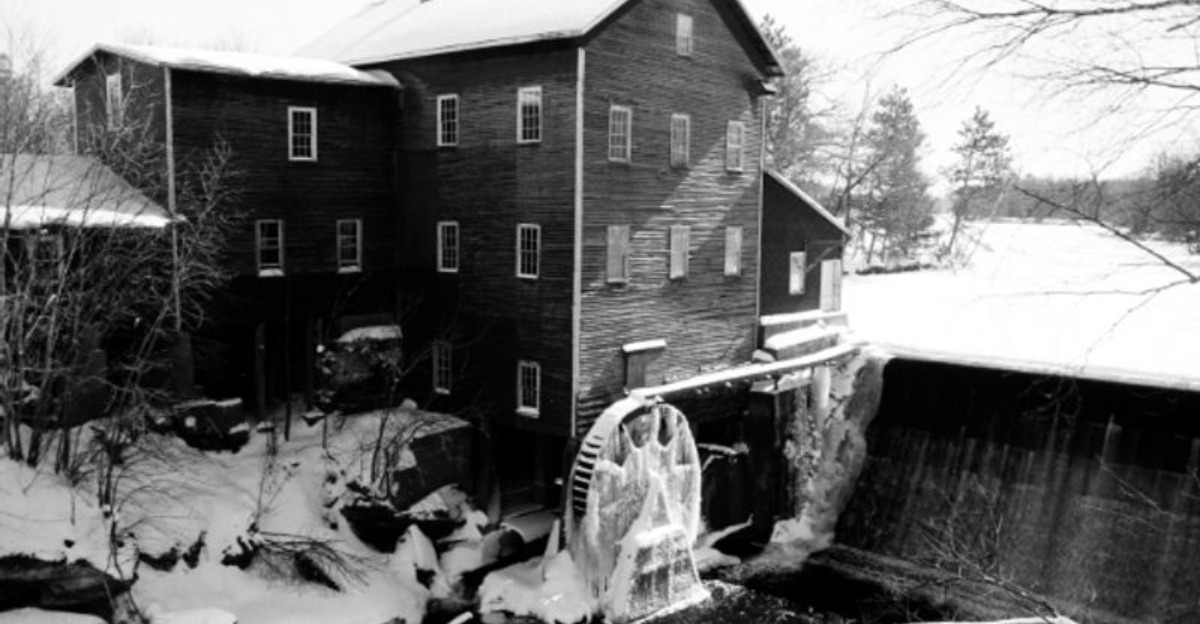
There is a place tucked into the hills of western Wisconsin where the past is not just preserved behind glass but actually still running, grinding grain the same way it did more than 160 years ago. The water still flows, the wooden gears still turn, and the smell of fresh-milled flour hangs in the air like something out of a history book brought to life.
A knowledgeable owner named Herman leads tours with the kind of pride that only comes from truly caring about a place, and volunteers whose families have been tied to the mill for generations are happy to share stories. This is not a reconstructed replica or a themed attraction.
Every beam, every millstone, and every hand-forged tool is the real thing, and that makes all the difference.
The address is E18855 County Road V, Augusta, WI 54722, and the drive out to find it is part of the charm. Augusta is a small town in Eau Claire County in western Wisconsin, the kind of place where the roads narrow and the trees thicken as you get closer to something worth seeing.
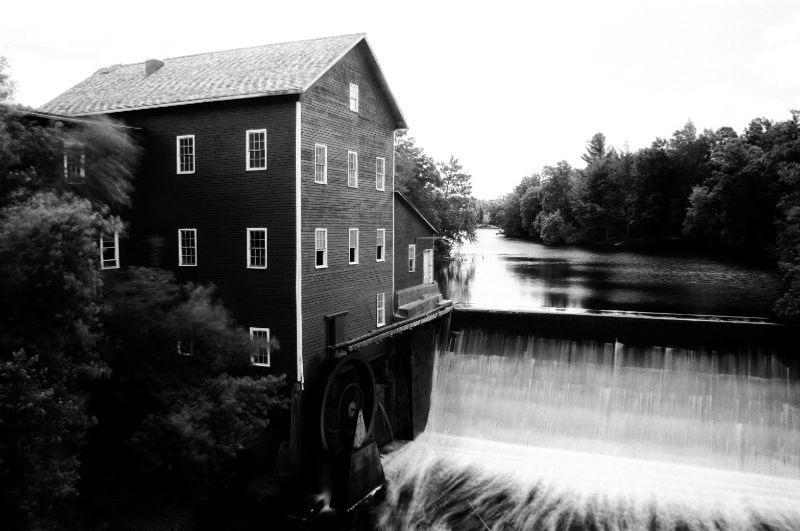
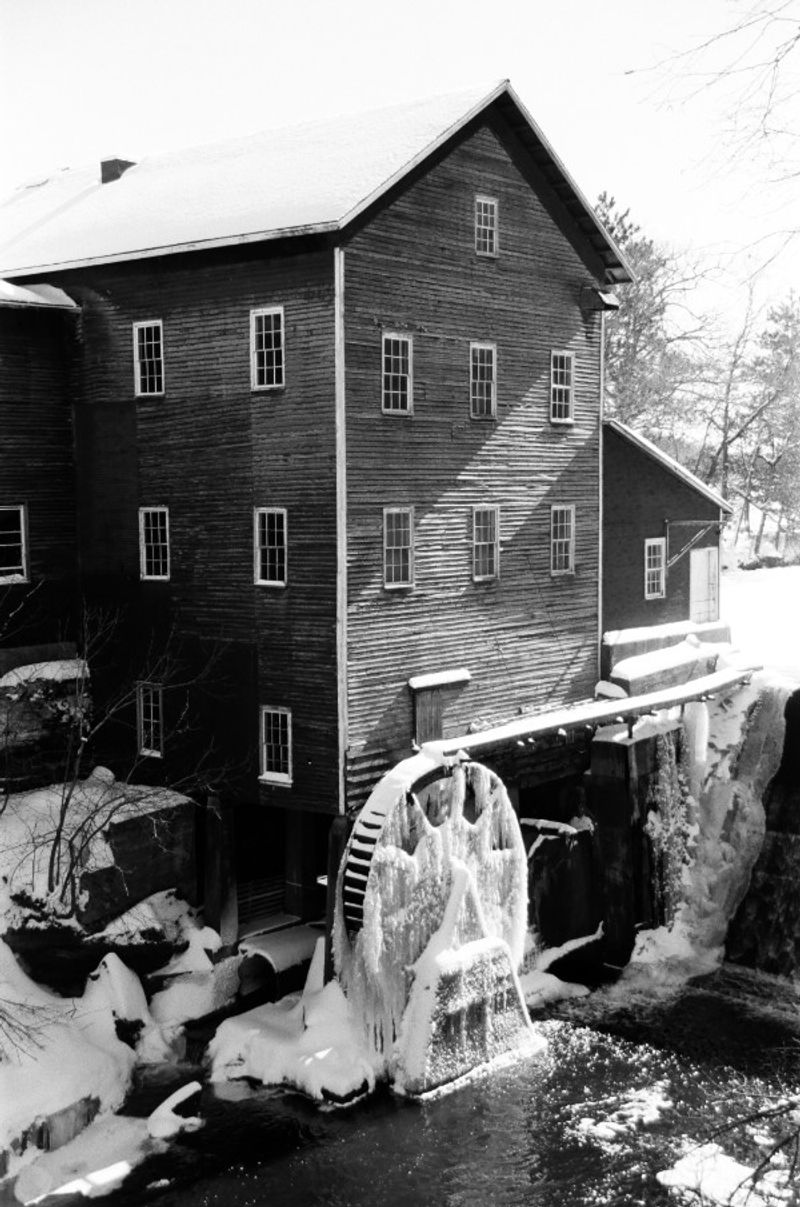
The mill sits along a creek, and the sound of rushing water greets you before the building even comes into full view. That five-story wooden structure rising above the tree line is not something you forget quickly.
The property is open on Fridays and Saturdays from 9 AM to 5 PM, so planning ahead matters. Showing up mid-week will leave you admiring the exterior only, which is still beautiful but only half the story.
Check the website at dellsmill.com before making the trip so you do not arrive to a locked door and a quiet waterfall.
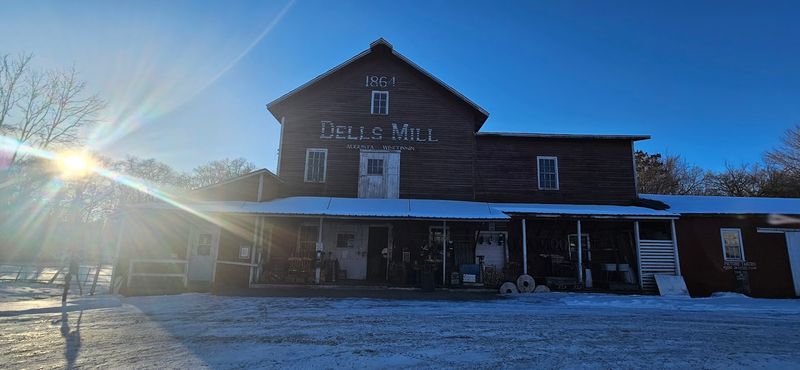
Built in 1864, the Dells Mill has been standing longer than most states have had paved roads. It was constructed during a time when mills were the backbone of rural communities, turning locally grown wheat and corn into the flour that fed entire regions through long Wisconsin winters.
The mill operated continuously for decades under a series of owners, with one family connected to the property for more than 130 years. A volunteer named John Clark, whose family owned the mill for that remarkable stretch of time, still greets visitors and shares the story with warmth and detail that no museum placard can replicate.
What makes this history feel so alive is that nothing about it has been sanitized or simplified for tourist comfort. The wear marks on the wooden floors, the patched beams, the hand-cut stone foundations all tell a story that goes far deeper than any exhibit label.
History here is something you can touch, and that tactile connection is genuinely rare.
Most mills that survive into the modern era end up as static displays, their equipment frozen mid-turn behind velvet ropes. The Dells Mill took a different path entirely.
After years of careful restoration led by current owner Herman, the mill is once again a fully functioning gristmill, processing grain on site just as it did in the 1800s.
Watching the millstones turn is oddly mesmerizing. The whole building hums with mechanical purpose, and you can feel the vibration through the floorboards as water-powered gears transfer energy up through the floors.
Herman has spent over a decade restoring every component to working order, and the result is something genuinely impressive.
Grain milled right there on the property is available for purchase in the shop, so you can take home a bag of flour that was ground using 160-year-old equipment. That is not a souvenir you find at every roadside stop, and it connects you to a tradition of craft and self-sufficiency that feels especially meaningful in today’s world of mass production.
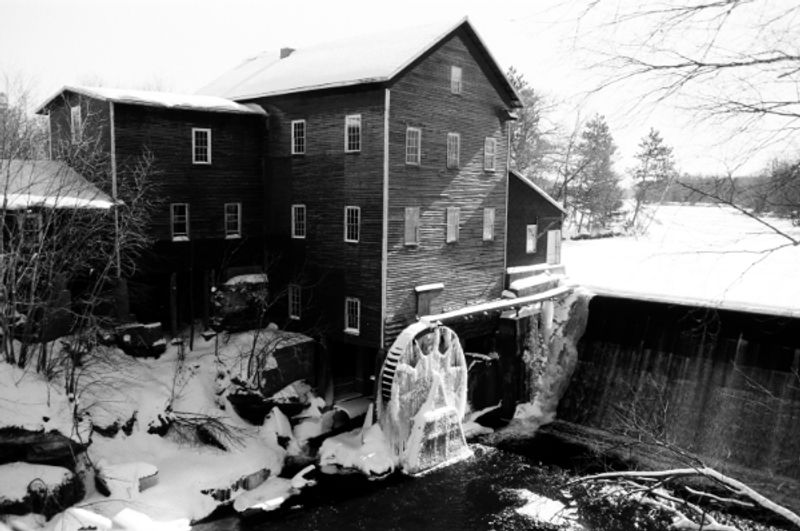
The full tour at Dells Mill runs about ten dollars per person and is worth every cent. Herman leads guests from the basement all the way up to the top floor, explaining each level of the milling process with the kind of hands-on knowledge that comes only from years of working with the equipment himself.
The basement reveals the water intake system and the foundational mechanics that keep everything moving. Each floor up adds another layer of complexity, with wooden shafts, leather belts, and cast-iron gears all working together in a system that feels almost impossibly elegant for something built in the mid-1800s.
The top floor view alone justifies the climb. You can see the surrounding countryside and the creek below, and the scale of the building becomes clear only when you are standing at its peak looking down through the open floors.
Groups on the tour tend to get quieter as they move higher, not from boredom but from genuine awe. Herman has a way of making even the most mechanical details feel like a good story being told around a fire.
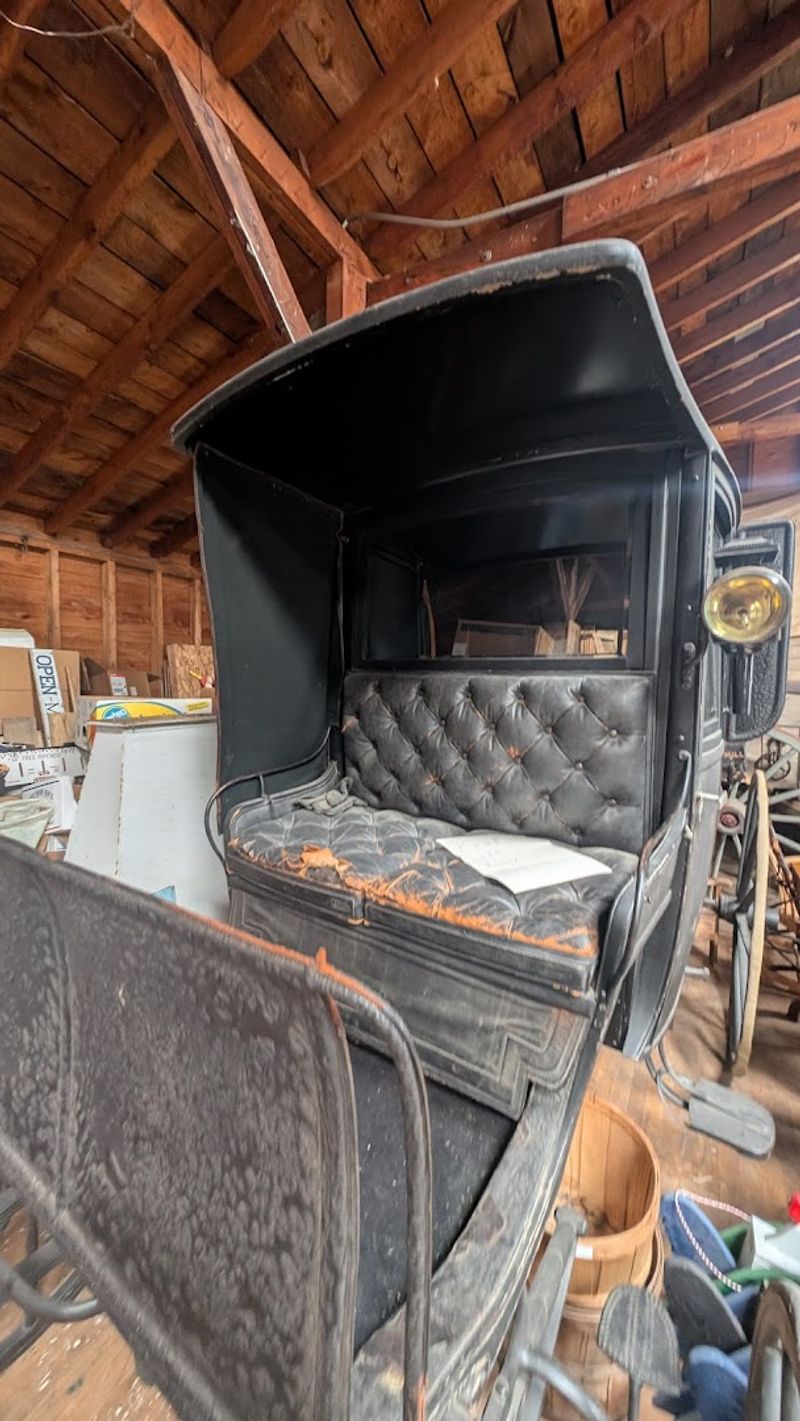
Beyond the milling machinery itself, the museum section of the property holds an impressive collection of pioneer-era artifacts and antique tools. Amish farming implements, hand-forged iron tools, wooden yokes, and equipment from the early settlement period of Wisconsin are displayed throughout the building in a way that feels organic rather than curated.
These are not replicas sourced from a catalog. Many of the pieces have direct connections to the region’s agricultural past, and some were used by families who lived and worked within a few miles of the mill itself.
The context makes them feel alive in a way that traditional museum displays rarely achieve.
A particularly interesting corner of the collection features tools that most visitors cannot immediately identify, which sparks conversation and curiosity in equal measure. Herman and the volunteers are happy to explain what each piece was used for, and those explanations often lead to longer conversations about what daily life actually looked like for Wisconsin settlers.
It is the kind of educational experience that does not feel like education at all.
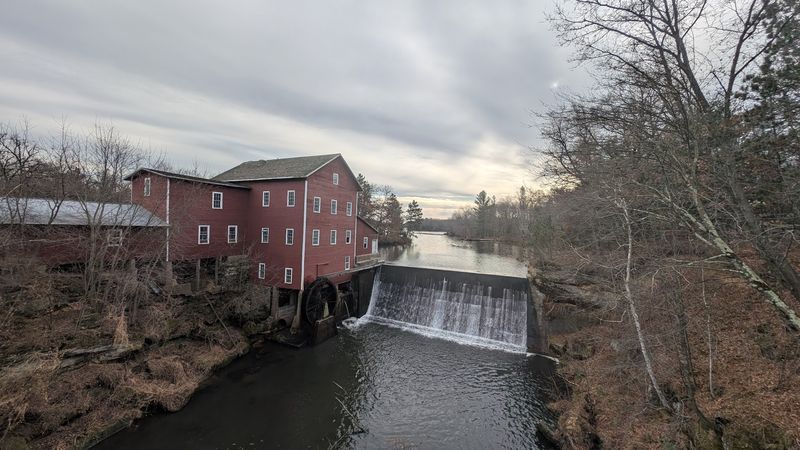
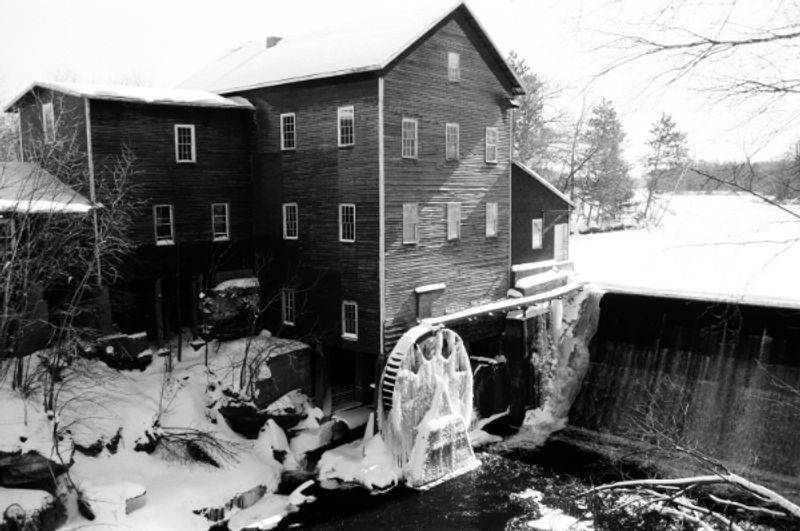
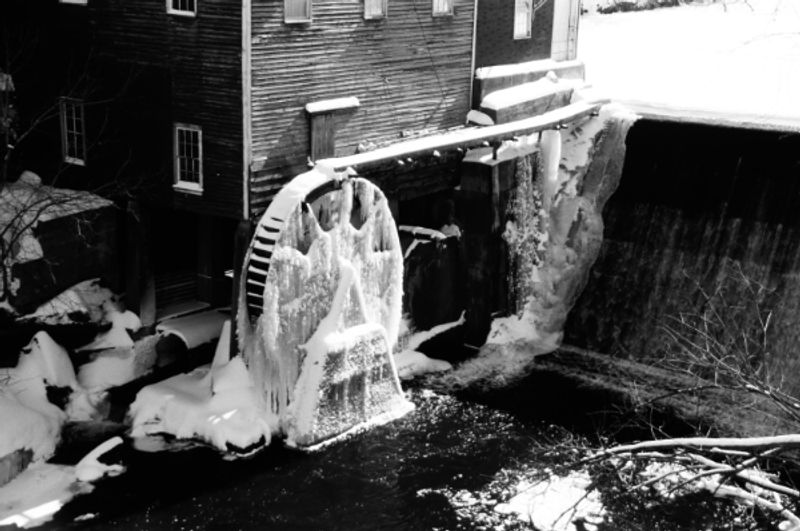
The natural setting around the Dells Mill is the kind that makes people stop mid-sentence and just look. A waterfall tumbles alongside the mill, feeding the water wheel system that has powered the operation since the 1860s.
The sound of it is constant and soothing, and it creates an atmosphere that no amount of landscaping could manufacture.
The creek carves through a wooded ravine, and the view from the nearby bridge is considered iconic by locals who have grown up with it as a landmark. Visitors who arrive before the shop opens often spend the extra time photographing the mill from different angles along the water, and it is easy to understand why.
Fall is a particularly spectacular time to visit. The foliage frames the old wooden building in shades of orange and red that make every photo look like a painting.
One visitor who had been coming back for years noted that the autumn colors here are genuinely beautiful, and that returning in different seasons reveals new details each time. The waterfall does not slow down in any season, and its steady presence anchors the whole property with a sense of timeless continuity.
The connection to Amish craftsmanship runs deep at Dells Mill. The current owner and operator Herman comes from the Amish community, and that background is reflected in both the quality of the mill’s restoration work and the handmade goods available in the shop.
Every joint, every repaired beam, every replaced gear housing shows the kind of careful attention that is increasingly rare in a world that prizes speed over precision.
Wooden cutting boards are a particular standout in the shop, and visitors consistently mention them as some of the most beautiful they have ever seen. The grain patterns, the finish, and the weight of them communicate a standard of craft that goes well beyond the functional.
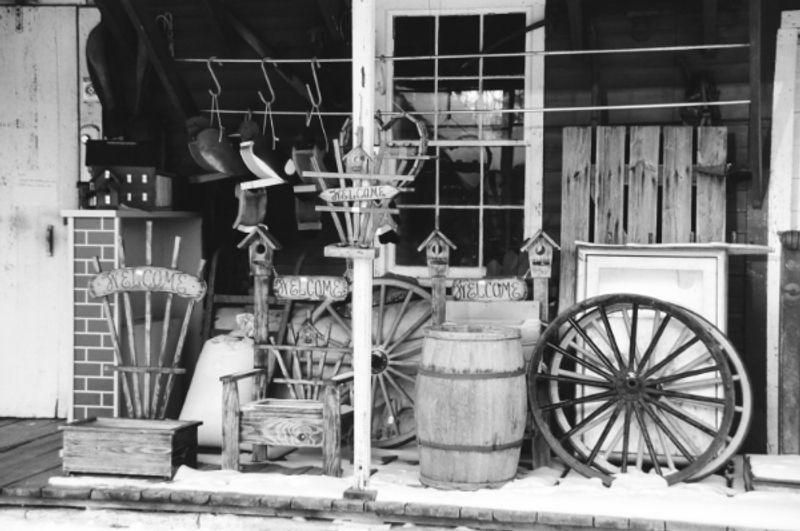
Amish farming tools and handmade items are also available for sale alongside the antiques on display. Browsing the shop feels less like shopping and more like walking through a working gallery where everything has a story and a purpose.
The prices are fair, the quality is exceptional, and bringing something home from this place feels like carrying a piece of genuine heritage rather than a mass-produced memento.
The general store attached to Dells Mill carries the kind of food that reminds you what homemade actually means. Fresh-baked pies, loaves of bread, jams, and baked goods made from grain milled right on the property fill the shelves on days when the store is open.
The connection between the grain being ground downstairs and the bread sitting on the counter above is not lost on anyone who thinks about it for a moment.
Homemade pickles and locally produced maple syrup round out the selection in a way that feels genuinely regional. These are not products shipped in from a warehouse.
The maple syrup in particular carries that unmistakably deep, complex flavor that distinguishes real Wisconsin-produced syrup from anything you would find in a grocery store chain.
Visitors who arrive expecting just a mill tour often leave with their arms full, which is a pleasant surprise. The store operates on the same Friday and Saturday schedule as the tours, so timing your visit right means you can pick up both an education and a very good pie.
Few places manage to combine those two things so naturally, and the Dells Mill pulls it off without any effort at all.
For anyone who cooks with intention and cares about where their ingredients come from, the grain products at Dells Mill are a genuine find. Whole grain flour milled on site using the original 1864 millstones carries a texture and flavor that commercially processed flour simply cannot match.
The slow, stone-ground milling process preserves more of the grain’s natural character, and bakers who know their craft can taste the difference immediately.
The shop stocks a selection of organic and whole grain options that appeal to health-conscious visitors and traditional bakers alike. These are not novelty items packaged to look rustic.
They are functional, high-quality products that happen to come from one of the most historically significant mills still operating in Wisconsin.
Taking home a bag of stone-ground flour from a mill built in 1864 is one of those experiences that turns a road trip into something more meaningful. It is worth noting that stock varies depending on what has been milled recently, so calling ahead or checking the website can help you avoid disappointment if a specific product is what brought you out to Augusta in the first place.
Herman is the kind of person who makes a place feel like more than just a destination. Over the past decade or more, he has poured enormous effort into restoring the Dells Mill from a deteriorating historic structure into a fully functioning gristmill, and the results speak for themselves in every gear that turns and every bag of flour that gets milled.
His guided tours are not scripted presentations. They are genuine conversations driven by deep knowledge and real enthusiasm for the craft of milling and the history of the building.
Visitors consistently describe leaving his tours having learned far more than they expected, not because the content was dense but because his way of explaining things makes it easy to absorb.
The pride he takes in the restoration is visible in details most visitors would never think to notice: the precision of a repaired wooden shaft, the smoothness of a gear that was rebuilt by hand, the care taken to use period-appropriate methods wherever possible. Herman is the kind of steward that historic places desperately need, and Dells Mill is fortunate to have found him at a moment when the building needed saving most.
The most important thing to know before making the drive to Augusta is that Dells Mill operates on a limited schedule. Tours and the general store are open Fridays and Saturdays from 9 AM to 5 PM only.
The mill is closed every other day of the week, and arriving outside those hours means admiring the exterior from the road and not much else.
Tour tickets run about ten dollars per person for the full experience, which includes access to all five floors and the basement. That price is genuinely reasonable for the amount of time and information packed into the experience.
Bringing cash is a smart move, as rural Wisconsin businesses do not always have reliable card processing.
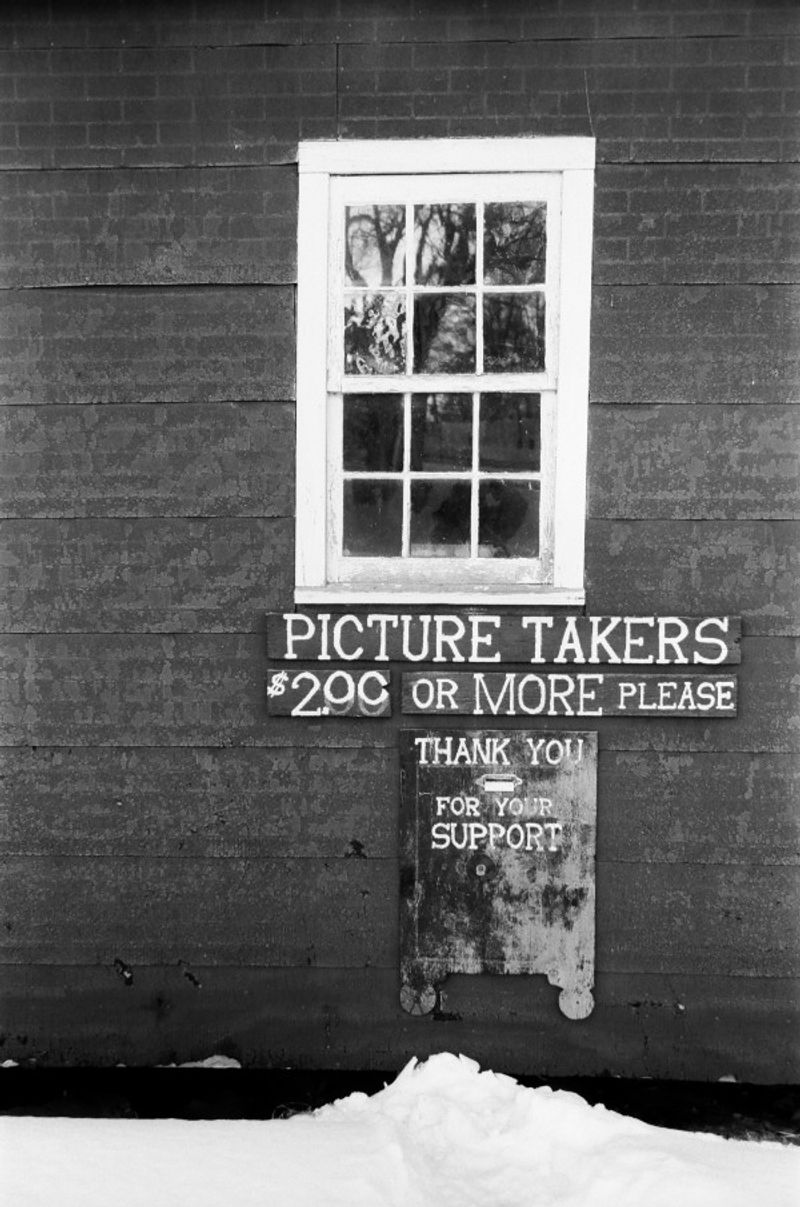
A voluntary donation of two dollars or more is requested for photographs taken on the property, which is worth keeping in mind if you plan to bring a camera. The drive out to County Road V can feel remote, so a full tank of gas and a downloaded map are both good ideas.
Augusta is not far from Eau Claire, making it a natural addition to a longer road trip through western Wisconsin, and the mill rewards the effort it takes to find it.
Places like Dells Mill are not common anywhere in the country. A working 19th-century gristmill with original equipment, passionate stewardship, homemade food, handcrafted goods, and a waterfall out front is a combination that takes decades and a lot of dedication to maintain.
Most historic mills across the country have either been converted into restaurants or left to collapse, which makes this one genuinely special.
Visitors who make the trip to Augusta consistently leave surprised by how much there is to experience in a single stop. The tours educate, the shop delights, the scenery satisfies, and the conversations with Herman and the volunteers leave a lasting impression.
That combination is harder to engineer than it sounds.
Road trips through Wisconsin tend to follow well-worn paths through the Dells or up toward Door County, but the quieter western part of the state holds some of the most authentic experiences in the region. Dells Mill is proof of that.
Whether you are a history enthusiast, a food lover, a photographer, or simply someone who appreciates things built to last, this place has something real to offer. And real, these days, is worth going out of your way to find.



