Hidden within Philadelphia is a 112-acre working farm that offers a rare glimpse of rural life in the heart of the city. One of only two working farms entirely within Philadelphia, Fox Chase Farm has welcomed visitors since 1682 with farm animals, historic buildings, and hands-on agricultural experiences.
Throughout the year, guests can enjoy seasonal events, educational programs, hayrides, and demonstrations while exploring open pastures and historic barns. Blending history, farming, and family-friendly activities, Fox Chase Farm remains one of the city’s most unique attractions.
A Farm Address That Surprises Every First-Time Visitor
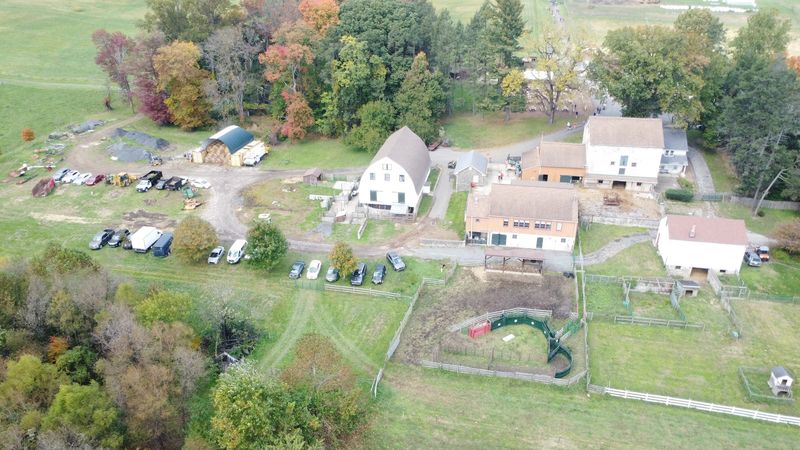
Most people do not expect to find a fully operational farm tucked inside a major American city, but that is exactly what waits at 8500 Pine Road, Philadelphia, Pennsylvania 19111, in the Fox Chase neighborhood of Northeast Philadelphia.
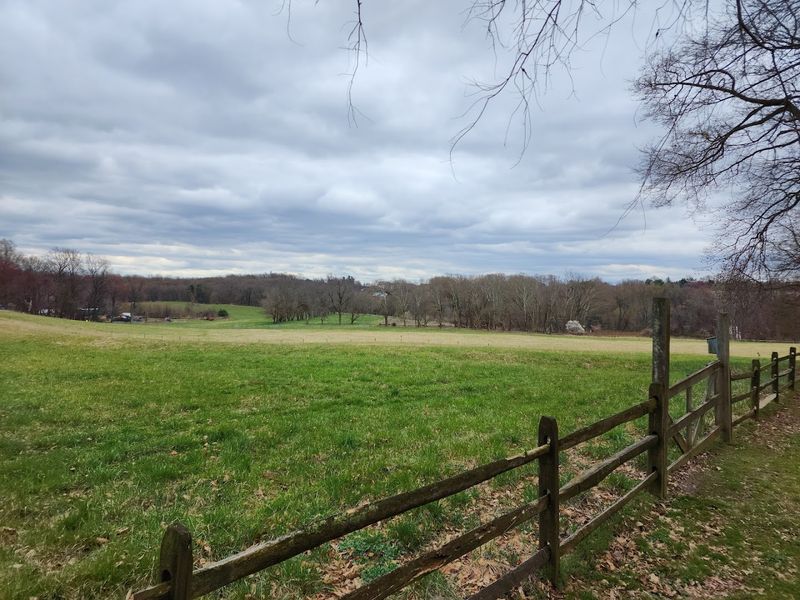
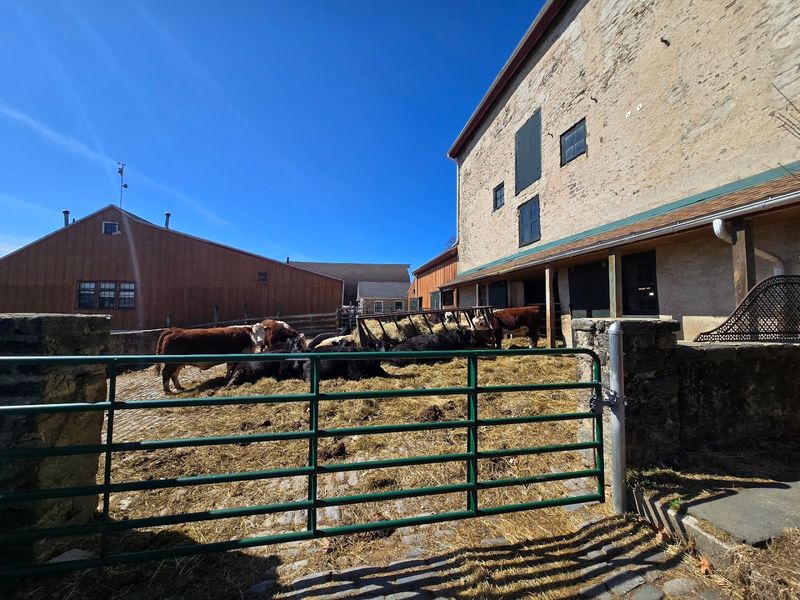
The farm sits right on the border with Montgomery County, which gives it a countryside feel that is hard to believe exists within city limits. Trees line the long driveway leading up to the historic barn and homestead, and the pastures roll gently down the side of Mount Stanley.
Fox Chase Farm spans over 112 acres and is managed by the School District of Philadelphia within Fairmount Park. It is one of only two working farms located entirely within Philadelphia’s city boundaries.
That detail alone tends to stop people mid-sentence when they hear it for the first time. You can reach the farm by car, with parking available along Pine Road, and the walk up the driveway is a pleasant way to ease into the rural atmosphere.
Over Three Centuries of History Rooted in This Land
The story of this land begins in 1682, when William Penn deeded the property to William Stanly, and the farm was originally known as Mt. Stanley. That is not a typo from a history book, that is actual colonial-era American history sitting quietly in Northeast Philadelphia.
Over the following centuries, the land passed through several notable families, including the McVeigh family, who homesteaded here for 200 years, and later the Wistar family. The Society of Friends also owned the property at one point, running it as a working dairy farm that produced milk and vegetables.
The Lorimer family eventually acquired the estate in the early 20th century, followed by Harold Butler in 1939, who expanded livestock operations to include cattle, sheep, pigs, and horses. A caretaker named Irwin Glancy managed the farm for over four decades during that era.
In 2005, Fox Chase Farm was added to the National Register of Historic Places under its original name, Stanley, a recognition that feels completely earned given everything this land has seen.
The Rescue That Saved the Farm From Disappearing Forever
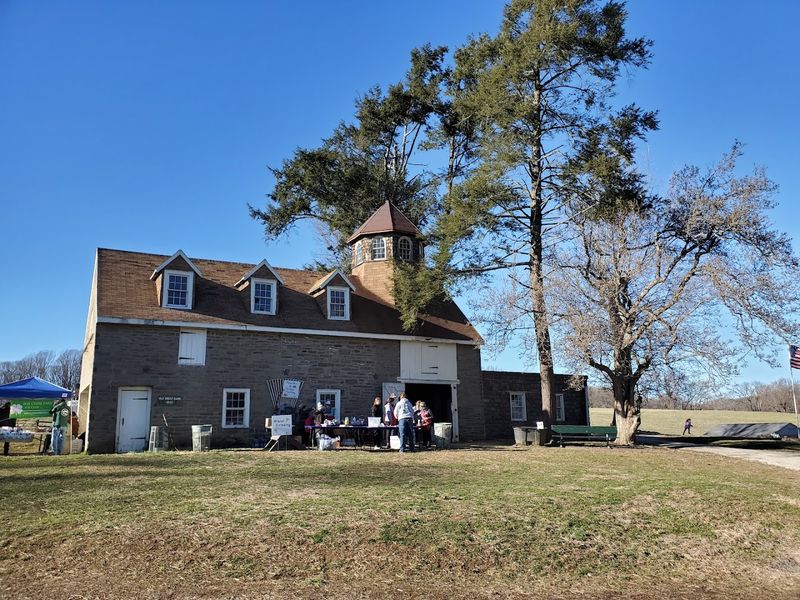
Not every historic place makes it through the pressures of urban development, and Fox Chase Farm came dangerously close to being lost more than once. The farm faced serious threats of development between 1876 and 1901, and again during a critical period from 1969 to 1975.
That second threat was the one that nearly ended everything. By 1975, the City of Philadelphia stepped in and purchased 30.5 acres of the land, effectively halting the development plans that could have erased centuries of agricultural history.
Additional acreage was acquired in 1980, with Philadelphia, Abington Township, and Montgomery County working together with federal assistance to secure more of the property. That collaborative effort is the reason visitors today can still walk up that long driveway and hear sheep calling from the pasture.
Many of the farm’s original historic structures, including its barns and stone buildings, continue to stand and remain in active use. Their survival is a quiet testament to what can happen when a community decides that some things are simply worth protecting.
62,000 Students a Year and a Mission Bigger Than Most Schools
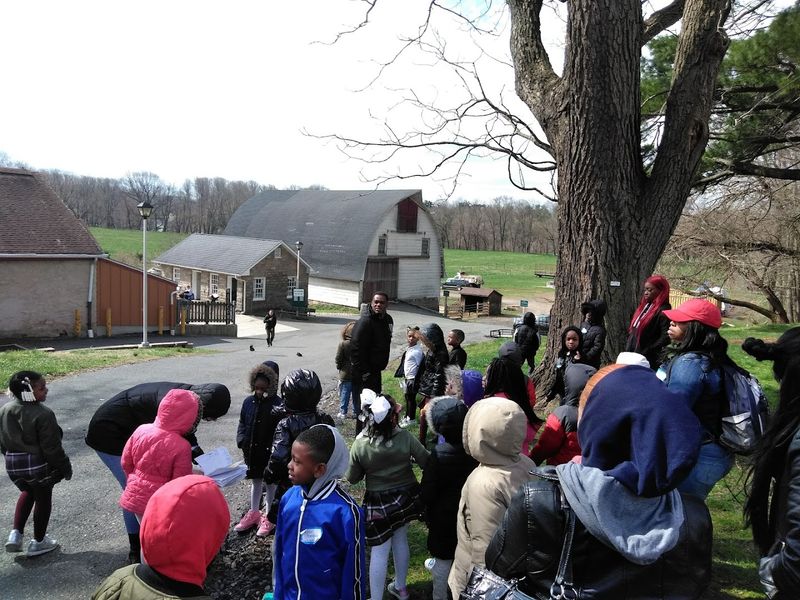
The number that tends to make people pause is 62,000. That is how many students Fox Chase Farm educates every single year, drawing from 60 schools across the School District of Philadelphia, from Pre-K all the way through 12th grade.
The farm functions as the School District’s central hub for agricultural education, and its programs go well beyond a simple field trip where kids pet a goat and go home. The Agriculture Empowerment Program, student internships, and apprenticeships give young people direct experience with crop production, livestock care, and even the business side of farming.
Students learn how to grow produce, and some even develop entrepreneurial skills by making and selling what the farm produces. The goal is to prepare the next generation to understand food systems, sustainability, and agricultural technology in ways that classroom walls simply cannot replicate.
The farm is envisioned as an educational sanctuary where the soil, animals, and seasons become the teachers, and that philosophy shows up clearly in every program it runs. The animals themselves play a surprisingly big role in that learning, which is worth exploring next.
Goats, Cows, Donkeys, and the Barnyard Crew Worth Meeting
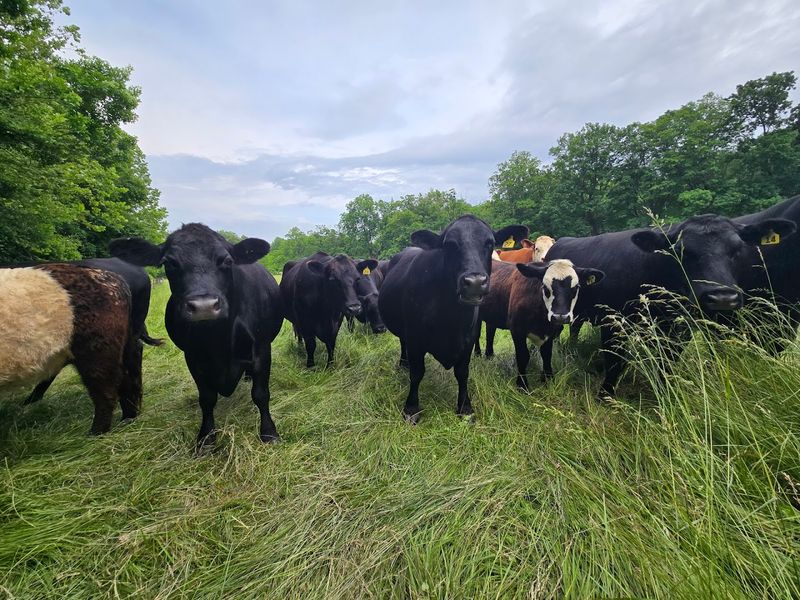
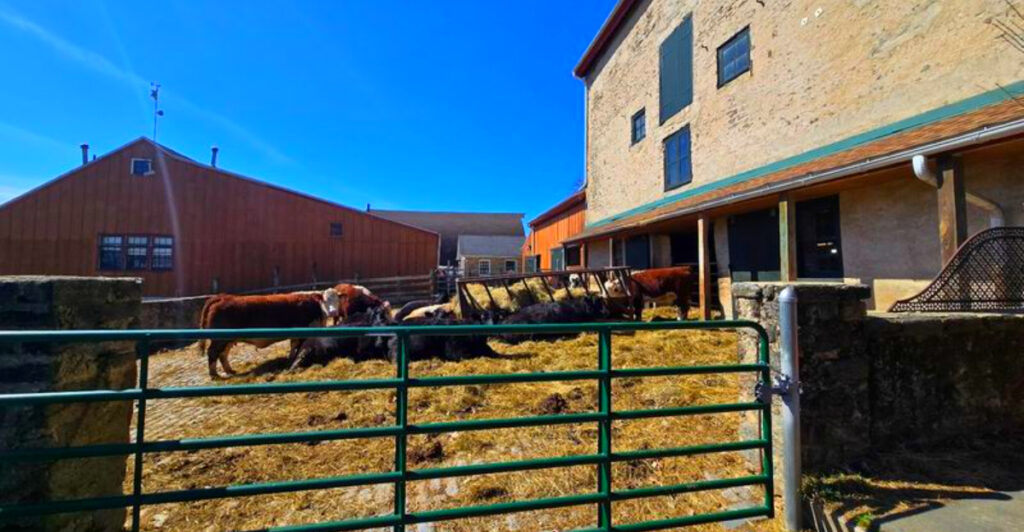
There is something genuinely delightful about rounding a corner on a city farm and finding a cow staring back at you from the other side of a fence. At Fox Chase Farm, that moment happens regularly, because the cows tend to roam close to the fence line along the pastures on the side of Mount Stanley.
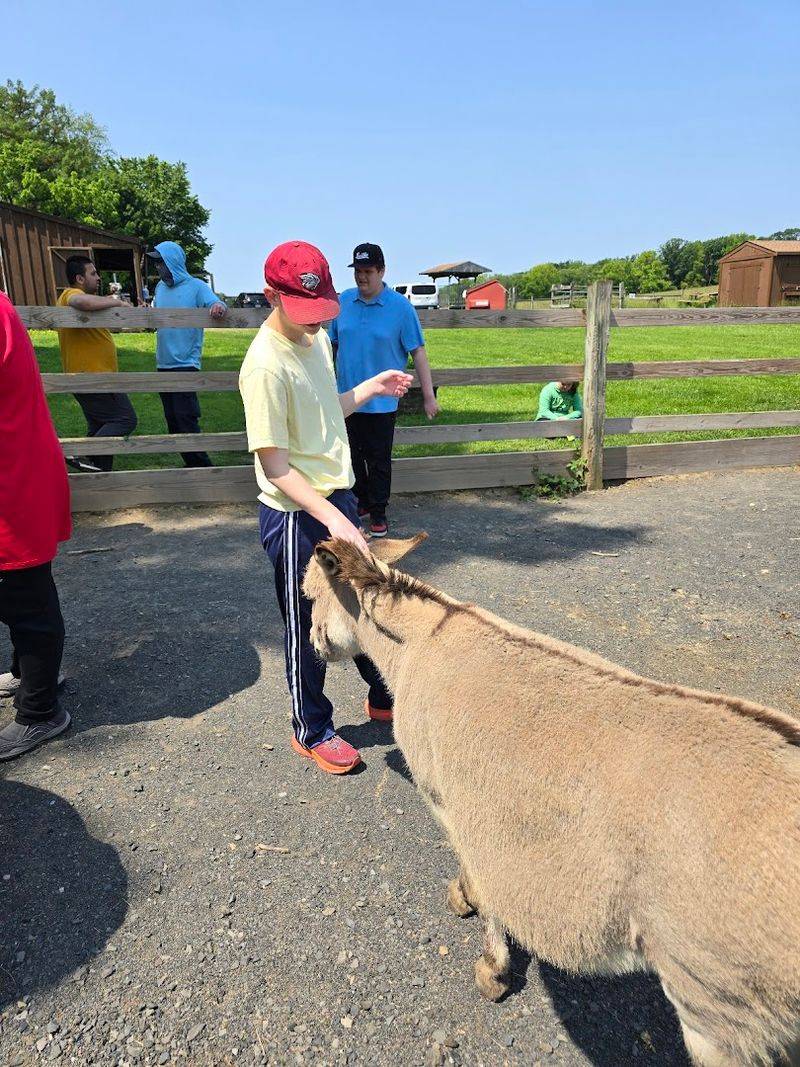
The full barnyard roster includes goats, chickens, donkeys, pigs, sheep, and cows, giving visitors a well-rounded introduction to farm animal life. The sheep population is particularly interesting, with breeds including Baby Doll and Hampshire Sheep, each with their own distinct look and personality.
An active 4-H club meets at the farm regularly, and its members take direct responsibility for caring for pigs, sheep, and cows. For younger students, specific programs allow for hands-on animal interactions, including learning about rabbits and even listening to their heartbeats with the help of farm educators.
The donkeys have also earned a loyal fan base among repeat visitors, often positioning themselves near the fence during hayrides as if they know exactly when the audience is largest.
Sheep Shearing Day Is the Kind of Event You Do Not Forget
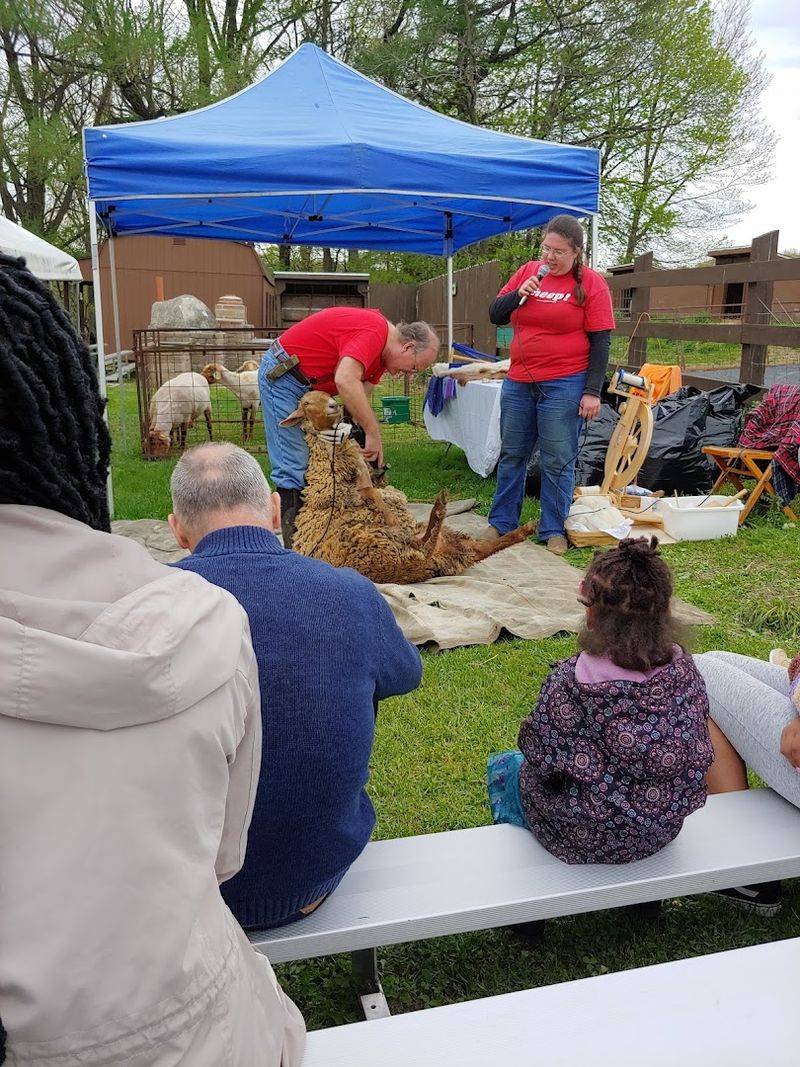
Sheep Shearing Day at Fox Chase Farm is one of those events that sounds simple on paper and turns out to be far more layered and entertaining than expected. The main attraction is watching the sheep receive their annual wool removal, a process that is faster and more skillful than most first-timers anticipate.
Beyond the shearing itself, attendees can follow the fleece through its entire journey: washing, carding, dyeing, and spinning, with demonstrations provided by the Pennsylvania Handweavers Guild. That progression from raw wool to finished fiber gives the event an educational depth that sets it apart from a typical farm outing.
Live music plays throughout the day, and blacksmith and woodworking demonstrations add an old-craft atmosphere that feels genuinely immersive. Family games, crafts, and hayrides round out the schedule, making it a full day rather than a quick stop.
A small admission fee applies for ages three and up, and the farm stand is usually open during the event. The Maple Sugaring event offers a similarly rich experience and is worth adding to your calendar as well.
Maple Sugaring Season Brings Pancakes and a Sweet Surprise
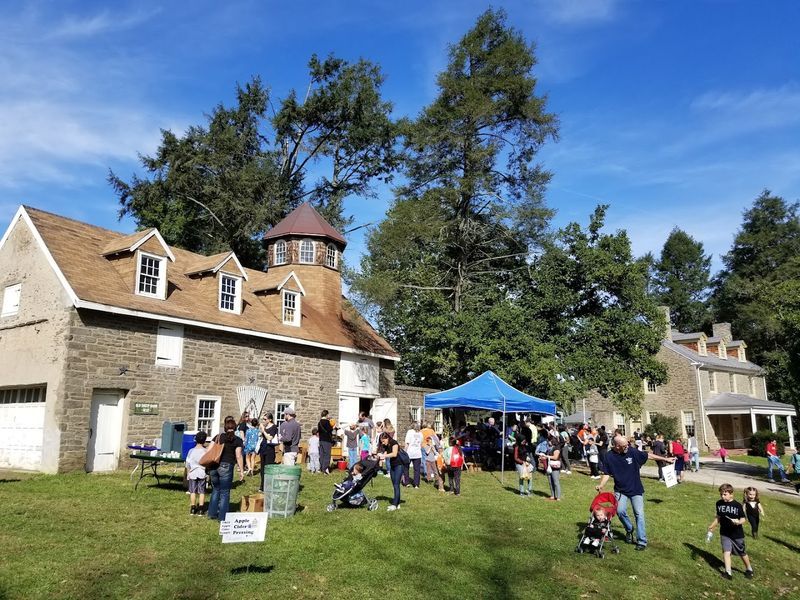
Few seasonal events manage to be both educational and genuinely delicious at the same time, but the Maple Sugaring event at Fox Chase Farm pulls it off with impressive consistency. Visitors get a front-row look at the syrup-making process, from how sap is collected to how it is transformed into the sweet, amber syrup most people only know from a bottle.
One particularly memorable feature is the on-site wheat grinding, where staff mill wheat right in front of attendees and use it immediately to make pancakes. Those pancakes, drizzled with fresh maple syrup, have earned a reputation as some of the best a visitor could taste at any Philadelphia event.
Sand art, baked goods for sale, and hands-on activities for children make the event welcoming for families with kids of all ages. The atmosphere is relaxed and community-oriented, with enough going on to keep everyone occupied without feeling rushed or overwhelming.
For city residents who rarely experience anything resembling rural life, the Maple Sugaring event offers a refreshing and memorable contrast to the usual Philadelphia weekend outing.
The Farm Stand and the Fresh Finds Worth the Walk
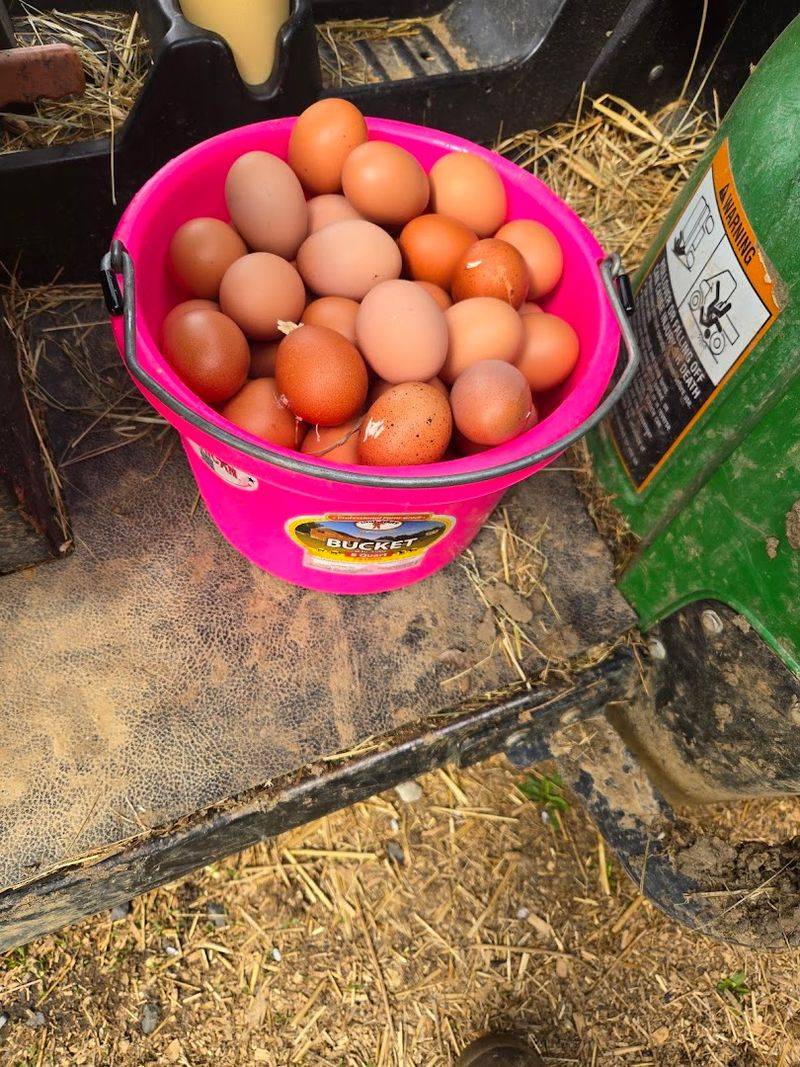
Not every visit to Fox Chase Farm needs to revolve around a scheduled event. On days when the farm stand is open, a walk up the driveway from Pine Road rewards visitors with farm-fresh eggs, apple butter, and homemade spaghetti sauce that tastes like someone’s grandmother spent the afternoon in the kitchen.
The stand is small, which means selection varies and selling out is a real possibility, so arriving earlier in the day tends to work better. The items available reflect what the farm actually produces, making each purchase feel connected to the land rather than pulled from a generic supply chain.
The walk itself is worth noting: parking on Pine Road is standard, and from there it is a little over half a mile up the farm driveway to reach the main activity areas. That walk, especially in autumn when the foliage is at its best, offers some genuinely beautiful scenery and solid photo opportunities.
Bringing your own snacks is permitted during events, and the farm appreciates visitors who help keep the grounds clean throughout their stay.
Hayrides, Games, and the Relaxed Pace That the City Rarely Offers
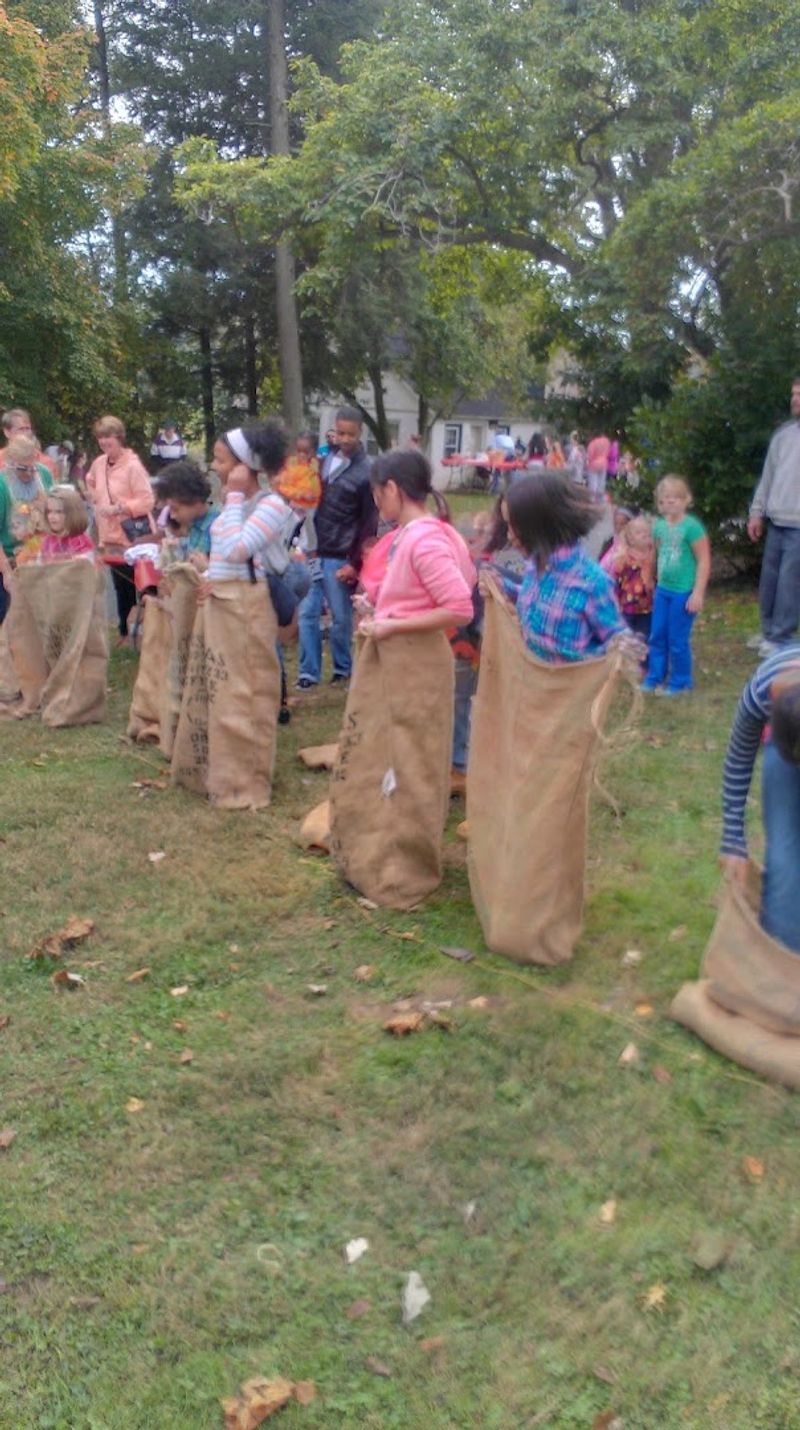
The hayride at Fox Chase Farm is one of those low-key experiences that ends up being a highlight for most visitors, including adults who initially figured it was primarily for the kids. The wagon rolls through the farm’s open spaces, giving passengers a comfortable way to take in the full scale of the property without rushing.
Along the route, the cows and donkeys often appear near the fence, seemingly unbothered by the passing wagon and perfectly happy to be admired from a short distance. Games and crafts typically accompany hayride events, creating a loose, unhurried schedule that feels refreshingly different from the pace of city life.
The farm’s vast natural spaces and gently rolling terrain make the outdoor setting genuinely calming, which explains why so many visitors describe the experience as a peaceful retreat rather than just another family activity. The quiet here is real, not manufactured.
Local artists and photographers regularly visit the farm to capture its combination of historic structures and open landscape, and it is easy to understand why once you see the afternoon light hitting the old stone barn from the right angle.
Practical Tips for Planning a Visit That Actually Works
Fox Chase Farm is not a traditional open-to-the-public attraction with daily hours and a ticket booth at the gate. The farm operates primarily as an educational facility, which means public access is centered around specific events and seasonal programming rather than casual drop-in visits.
The official website at philasd.org/foxchasefarm and the farm’s phone number, 215-400-3310, are the best resources for confirming upcoming events, admission details, and any changes to the schedule. Some events, including Sheep Shearing Day, charge a small fee for visitors ages three and up.
Pets are not permitted on the farm grounds, which is worth knowing before loading the car. Accessibility accommodations may not be available for all activities, particularly the hayrides, so contacting the farm in advance is a smart move for visitors with specific needs.
Public transportation can get you to the area, though the journey tends to be longer than driving. For those who want to extend the outing, nearby Lorimer Park in Montgomery County offers hiking trails with views of Fox Chase Farm from Mount Stanley, making for a full and rewarding day outdoors.
Why This Urban Farm Matters More Than Most People Realize
A working farm that has survived since 1682, outlasted multiple development threats, educated over 62,000 students annually, and managed to keep cows, sheep, and donkeys thriving inside a major American city is not a small thing. Fox Chase Farm represents something that most urban environments have long since paved over.
The farm’s presence inside Philadelphia’s city limits is a reminder that agriculture is not a relic of the past, it is an active, evolving practice that shapes how communities think about food, sustainability, and the environment. Every student who learns to grow a crop or care for an animal here carries that knowledge back into the city with them.
For visitors without any educational connection to the farm, the experience still resonates. The combination of historic structures, open pastures, seasonal events, and genuine barnyard animals creates something that feels rare and worth protecting precisely because it is.
Fox Chase Farm is the kind of place that earns repeat visits, not because it constantly changes, but because what it offers, space, history, animals, and community, remains consistently valuable in a city that rarely slows down long enough to notice what it still has.
Share this story