 Unearth The Voyage
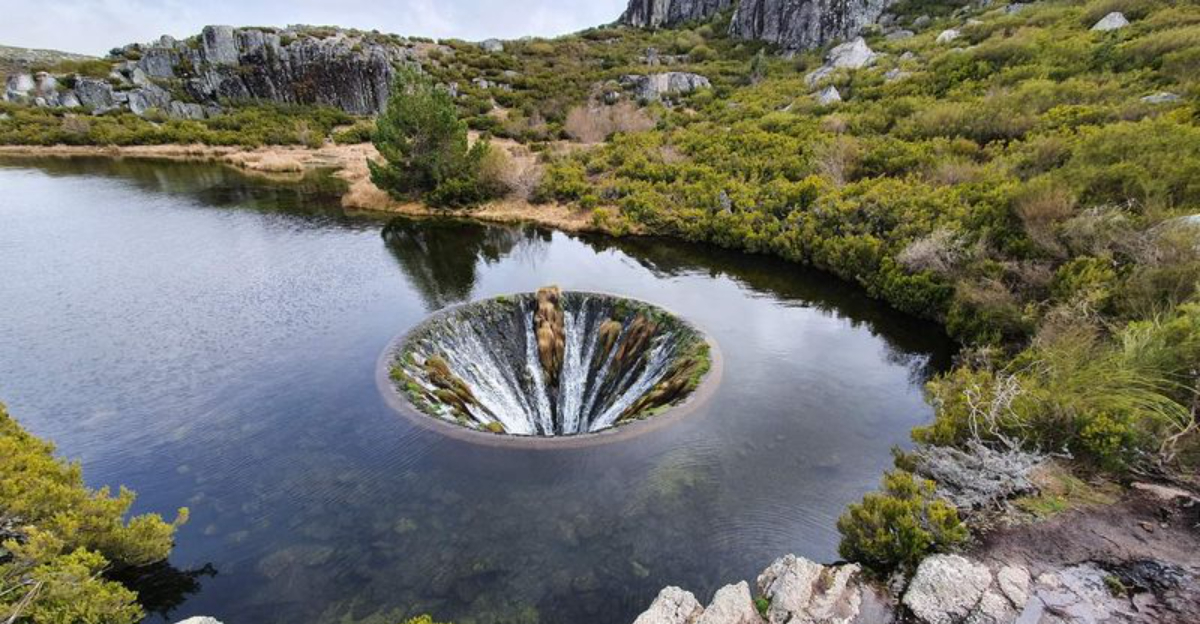
The United Nations just announced its 2025 Best Tourism Villages, and the list is full of hidden gems you have probably never heard of. These special places combine authentic culture, natural beauty, and community-driven tourism that helps local people thrive. From mountain sanctuaries in Japan to coral-rich bays in Indonesia, each village offers travelers a chance to explore somewhere truly unique and off the beaten path.
1. Pemuteran, Indonesia (Bali)
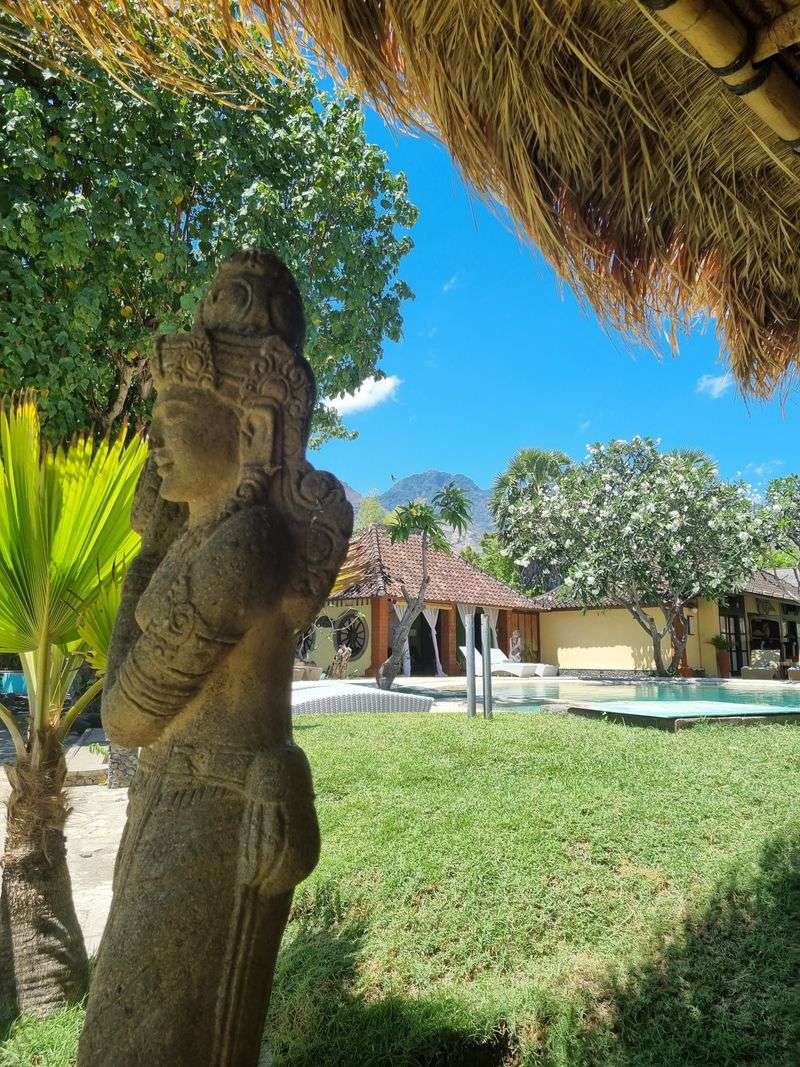
Tucked away on Bali’s quieter northwest coast, Pemuteran offers something rare: a peaceful beach escape without the crowds. The calm, reef-rich bay sits beneath dramatic mountains, creating a stunning natural backdrop. Local communities here have pioneered coral restoration using BioRock technology, turning damaged reefs into thriving underwater gardens.
Staying in one of the low-key homestays means you will experience genuine Balinese hospitality. Snorkeling and diving are world-class, with healthy corals and colorful fish just offshore. The village commitment to environmental protection earned it a spot on the UN Tourism 2025 list.
Unlike southern Bali resorts, Pemuteran remains authentically laid-back. You can watch sunrise over volcanoes, explore nearby temples, or simply relax on black sand beaches. This recognition celebrates how tourism can actually help restore nature when communities lead the way.
2. Koyasan, Japan (Wakayama)
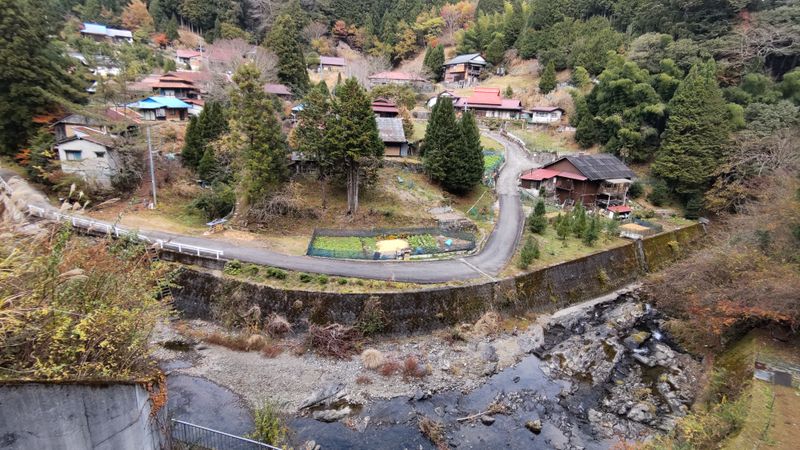
High in the mountains of Wakayama, Koyasan has been a sacred Buddhist center for over 1,200 years. More than 100 temples dot this spiritual town, many offering shojin-ryori vegetarian meals and tatami-mat lodging. Staying overnight in a monastery lets visitors experience meditation, morning prayers, and centuries-old rituals firsthand.
The Okunoin forest cemetery is absolutely magical, with thousands of moss-covered stone monuments beneath towering cedars. Pilgrimage trails wind through misty forests, connecting Koyasan to other sacred sites. The town feels like stepping back in time, yet welcomes curious travelers warmly.
Being named a 2025 Best Tourism Village highlights how Koyasan balances deep tradition with thoughtful tourism. Winter brings snow-dusted temples, while autumn paints the mountains gold and crimson. Whether you seek spiritual reflection or cultural immersion, this mountaintop sanctuary delivers an unforgettable experience far from Japan’s bustling cities.
3. Ezcaray, Spain (La Rioja)
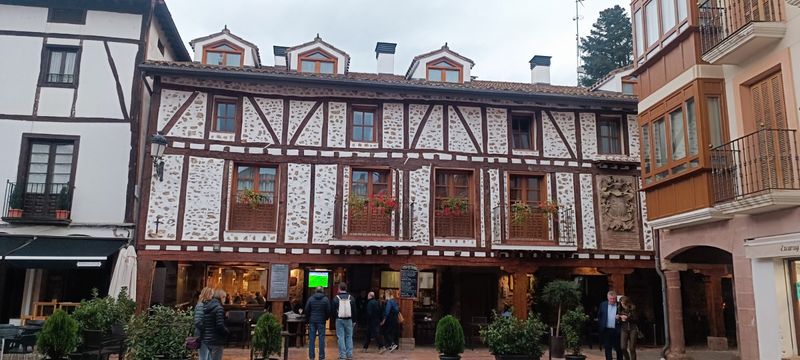
Nestled in the Sierra de la Demanda mountains, Ezcaray charms visitors with its honey-colored stone buildings and centuries-old plazas. This La Rioja gem sits at the gateway to stunning beech forests crisscrossed with hiking trails. The village has preserved its architectural heritage beautifully, with wooden balconies and wrought-iron details decorating traditional homes.
Local artisans still practice wool-weaving and furniture-making, crafts that have sustained the community for generations. Foodies love Ezcaray for its Michelin-starred restaurants and hearty mountain cuisine. The nearby Valdezcaray ski area adds winter sports appeal.
UN Tourism recognized Ezcaray in 2025 for maintaining authentic mountain culture while welcoming visitors thoughtfully. Summer brings wildflower meadows and cool forest shade, perfect for escaping Spain’s heat. Autumn mushroom hunting and winter snow sports keep the village lively year-round, making it a four-season destination that feels genuinely Spanish rather than touristy.
4. Agaete, Spain (Canary Islands, Gran Canaria)
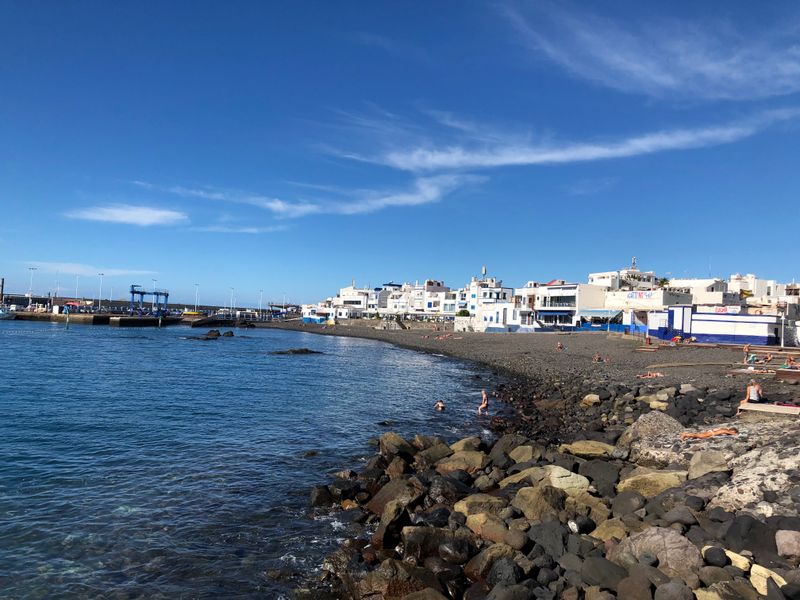
On Gran Canaria’s rugged northwest coast, Agaete clings to volcanic cliffs above the Atlantic. Whitewashed houses line narrow streets that lead down to natural rock pools where locals swim. The village has kept its fishing-town character despite being part of a popular island, offering an authentic Canarian experience.
Coffee plantations on nearby slopes produce Europe’s only commercial coffee, and the valley behind town bursts with tropical fruit orchards. The annual Bajada de la Rama festival sees villagers carry branches to the sea in a rain-calling ritual dating back centuries. Fresh seafood restaurants serve catches brought in daily.
Inclusion on the 2025 list highlights how Agaete showcases the Canary Islands’ rural diversity beyond beach resorts. Hiking trails connect the village to mountain villages through dramatic barranco gorges. Sunsets here paint the cliffs orange and purple, while crashing waves provide constant soundtrack to this peaceful Atlantic hideaway.
5. Asolo, Italy (Veneto)
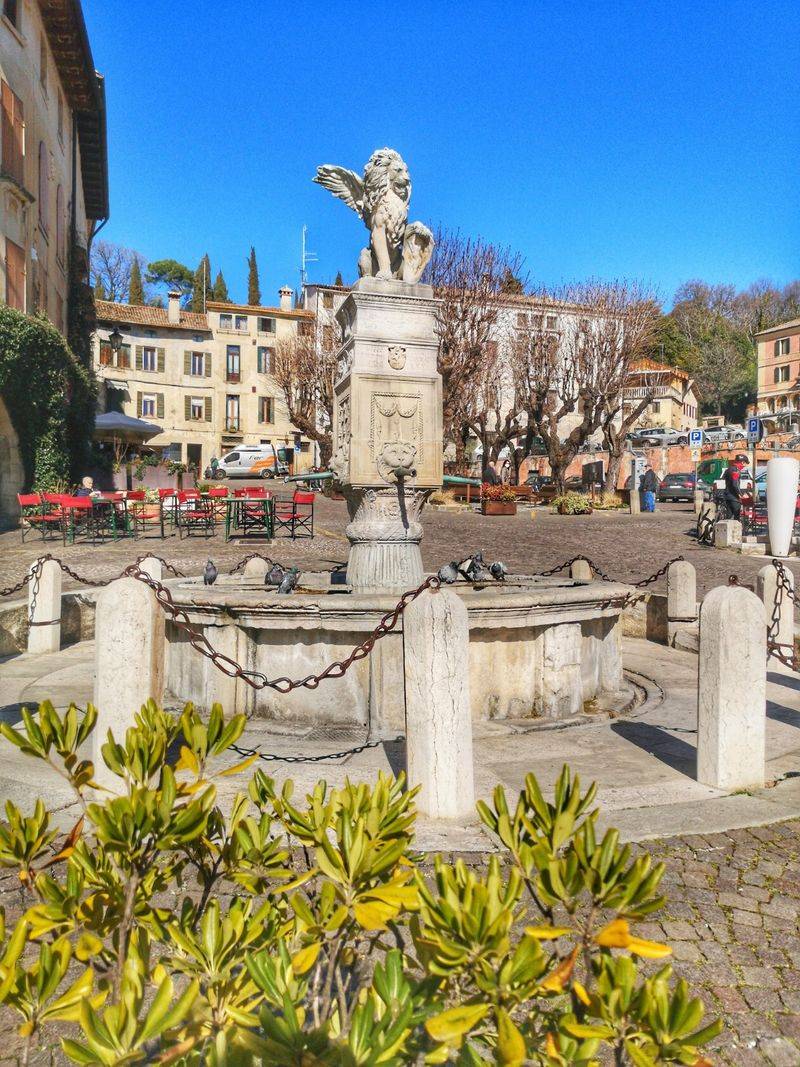
Perched on Veneto hills with Dolomite views, Asolo has inspired poets and artists for centuries. Renaissance palaces line cobbled streets, and a medieval castle crowns the hilltop. This tiny town punches above its weight culturally, with artisan workshops producing silk textiles, ceramics, and handcrafted goods using traditional methods.
Cafes spill onto piazzas where locals gather for evening aperitivo, creating scenes that feel timeless. The surrounding countryside offers vineyard walks and villa gardens open to visitors. Asolo’s nickname, the City of a Hundred Horizons, comes from stunning panoramas visible from nearly every corner.
UN Tourism’s 2025 recognition celebrates how Asolo preserves Renaissance heritage while supporting living craft traditions. Spring brings wildflowers to the hills, while fall harvest festivals showcase local wines and produce. Unlike crowded Venice just an hour away, Asolo moves at a gentle pace that lets you truly savor northern Italian village life at its finest.
6. Bellano, Italy (Lake Como)
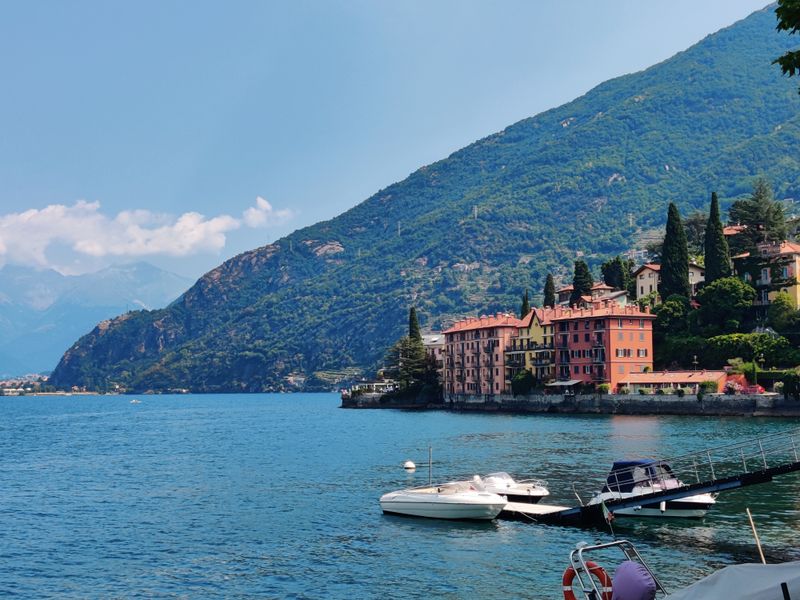
While celebrities flock to Como’s famous towns, Bellano remains blissfully under the radar. This medieval lakeside village offers the same stunning scenery without the crowds or inflated prices. Narrow alleys climb steeply from the waterfront, opening onto hidden piazzas with ancient churches.
The Orrido di Bellano, a dramatic gorge carved through the village center, thunders with waterfalls accessible via walkways bolted to rock walls. It is thrilling and beautiful in equal measure. Lakeside promenades invite leisurely strolls, with mountains rising dramatically across the water.
Making the 2025 list puts Bellano on the map as a quieter Lake Como alternative. Family-run trattorias serve fresh lake fish and homemade pasta at reasonable prices. Ferry connections make it easy to explore other lakeside villages while returning to a more authentic, less touristy home base. Bellano proves that sometimes the best travel experiences happen in places that have not yet become Instagram famous.
7. Valendas, Switzerland (Grisons)
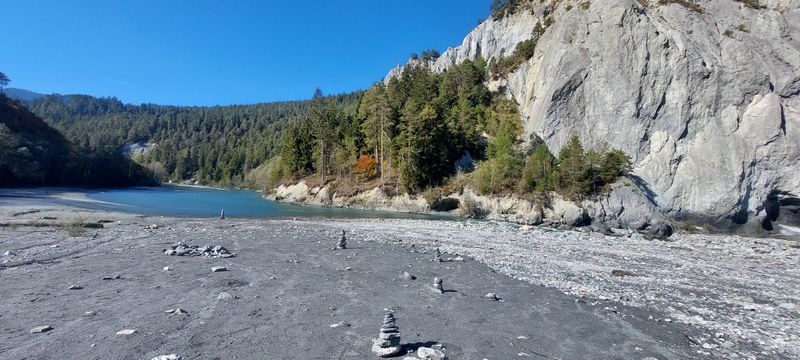
Clinging to a mountainside above the Rhine Gorge, Valendas nearly became a ghost town before winning awards for thoughtful revitalization. Historic timbered houses have been lovingly restored, blending modern comfort with centuries-old architecture. The village now serves as a model for how rural communities can thrive without sacrificing character.
Walking paths connect weathered barns and stone fountains, with gorge views appearing around every corner. Local initiatives support organic farming and traditional crafts, keeping mountain culture alive. Visitors stay in converted historic buildings where old beams and new design coexist beautifully.
Selection for the 2025 list recognizes Valendas as proof that rural areas can reverse decline through quality tourism. The nearby Via Mala gorge offers dramatic hiking, while the village itself invites slow exploration. Autumn brings golden larches to surrounding peaks, and winter snow transforms it into an alpine postcard scene without the ski resort crowds found elsewhere in Switzerland.
8. Loriga, Portugal (Serra da Estrela)
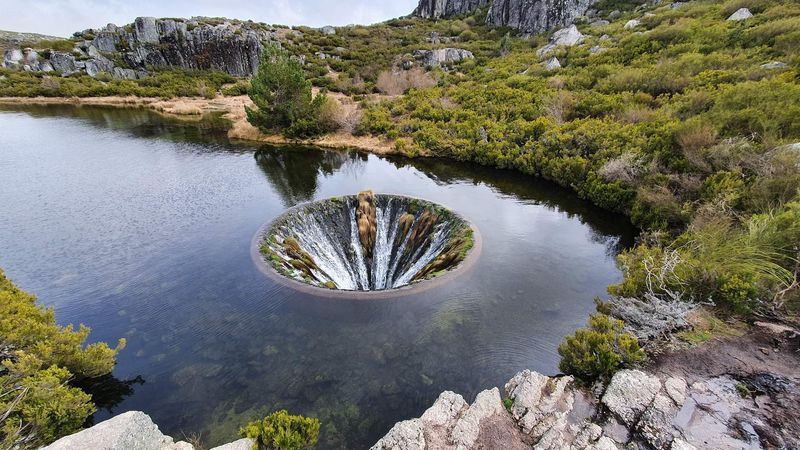
Portugal’s highest village sits in a glacial valley where a mountain river forms natural beaches. Granite houses climb steep slopes in Serra da Estrela, the country’s only ski region. Loriga feels remote and rugged, with shepherd trails leading to high pastures where famous Serra cheese is made.
The village nearly emptied as young people left for cities, but recent years have seen creative residents return to open guesthouses and outdoor activity companies. Summer brings hikers tackling Torre, Portugal’s highest peak, while winter attracts skiers to nearby slopes. The river beach becomes a gathering spot when weather warms.
Joining the 2025 Best Tourism Villages list gives Loriga well-deserved recognition for preserving mountain traditions. Local cheese-makers still use centuries-old methods, and you can visit working dairies. Stone lanes echo with history, yet the village looks forward, balancing heritage with sustainable tourism that brings life back to these beautiful, challenging mountains where resilience runs deep.
9. Pacto, Ecuador (Chocó Andino)
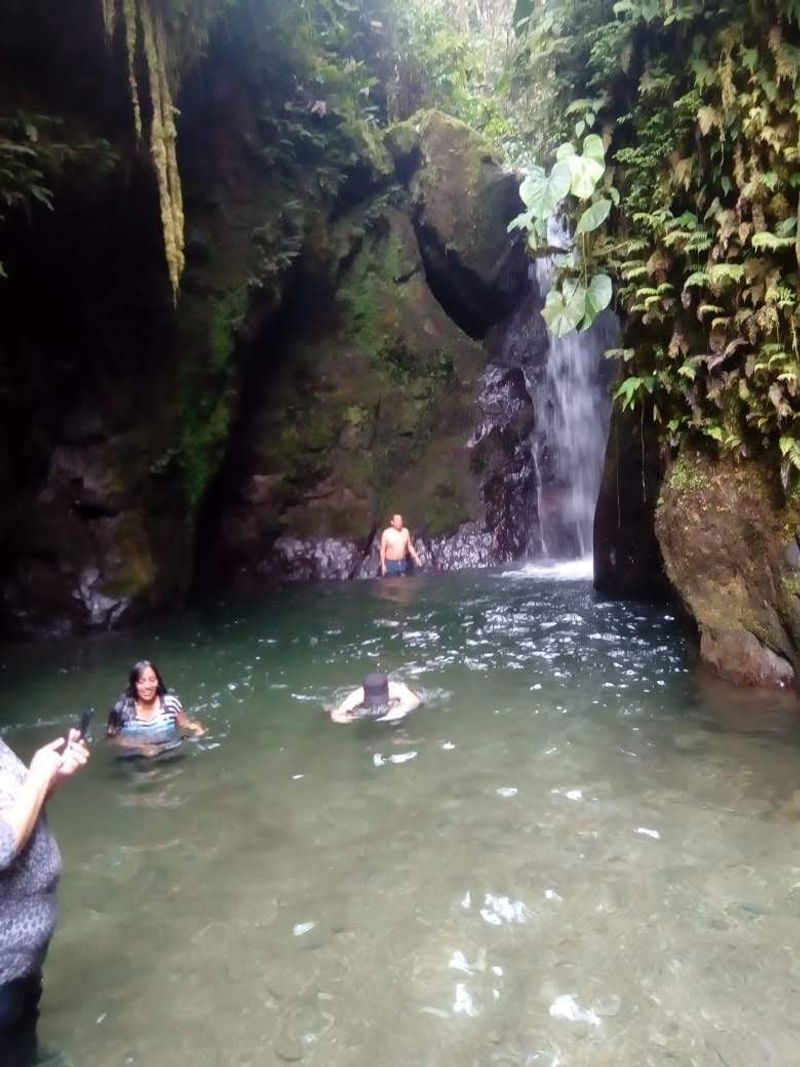
Deep in Ecuador’s cloud forests northwest of Quito, Pacto has earned the nickname Capital of Panela for its traditional cane sugar production. Watching panela-making is fascinating: workers feed cane into wooden mills, boil the juice in huge copper pots, then pour it into molds to harden into sweet, caramel-flavored blocks used throughout Latin America.
The surrounding Chocó Andino biosphere reserve explodes with biodiversity. Birdwatchers come specifically for toucans, tanagers, and hummingbirds found nowhere else. Hiking trails disappear into misty forests dripping with orchids and bromeliads.
UN Tourism profiled Pacto for the 2025 list, highlighting community-based tourism that supports conservation. Local families offer farm stays where you can help with panela production or coffee harvesting. The village remains genuinely rural and welcoming, offering an authentic glimpse into Andean agricultural life. Mornings here smell like wood smoke and sweet cane juice, with bird calls providing the soundtrack to this special cloud forest community.
10. Masfout, United Arab Emirates (Ajman)
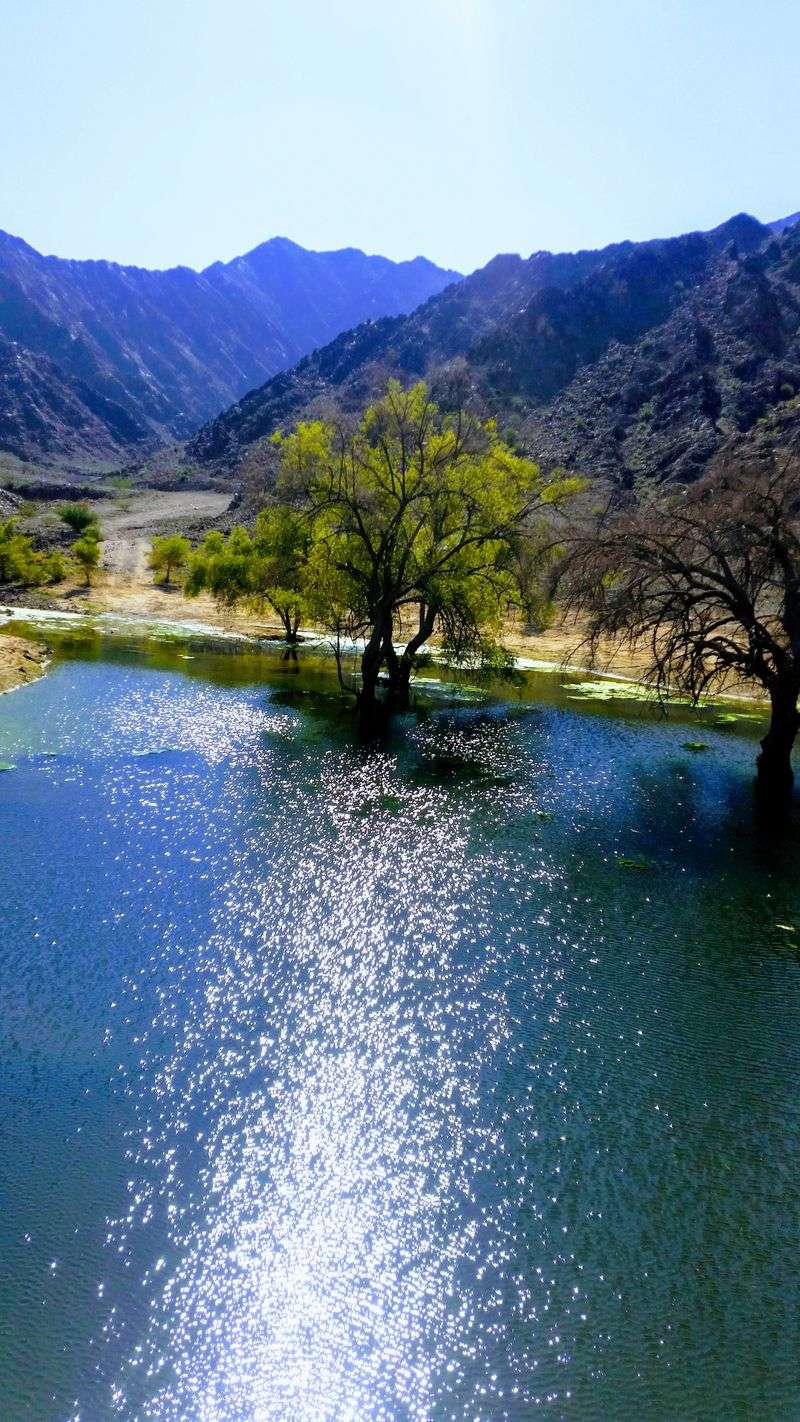
Most people picture UAE as all skyscrapers and desert, but Masfout tells a different story. This mountain enclave in Ajman emirate sits among the Hajar Mountains, where cool temperatures and seasonal wadis create an oasis feel. Heritage farms still grow dates and vegetables using ancient falaj irrigation systems.
Rocky valleys invite exploration, with hiking trails leading to hidden pools that fill during winter rains. The village has preserved traditional architecture and agricultural practices while adding comfortable guesthouses. It offers a completely different UAE experience from coastal cities.
Being named a 2025 Best Tourism Village surprises many who did not know this side of Emirates existed. Weekends bring Emirati families escaping city heat for mountain air and picnics by wadis. Stargazing here is incredible, with dark skies revealing the Milky Way. Masfout proves that even in one of the world’s most developed countries, authentic rural communities still thrive when given support and recognition they deserve.
11. Khinalig, Azerbaijan (Greater Caucasus)
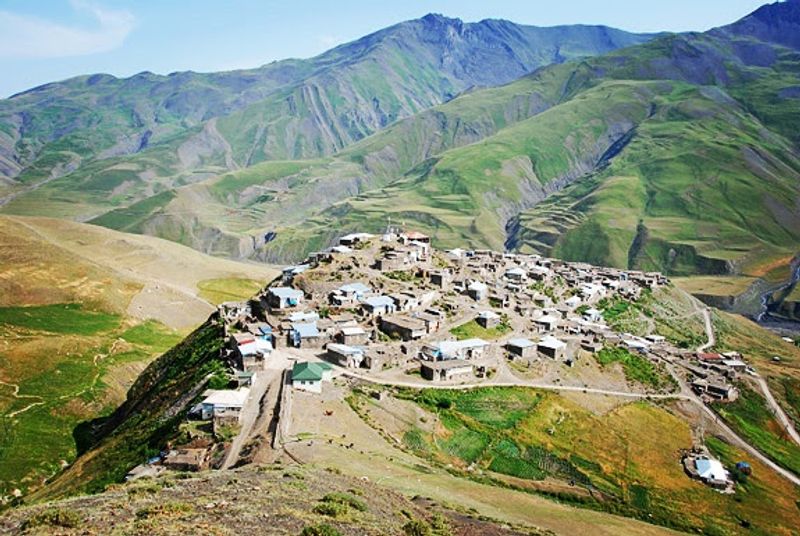
At over 2,300 meters elevation, Khinalig ranks among the Caucasus’s highest continuously inhabited villages. Stone houses stack up the mountainside like a natural fortress, built to withstand brutal winters. The village speaks its own unique language, unrelated to Azerbaijani or any neighboring tongue, making it linguistically fascinating.
Life here follows rhythms unchanged for centuries. Shepherds still drive flocks to summer pastures, and women weave carpets with patterns passed down through generations. The road up from Quba town is an adventure itself, switchbacking through increasingly dramatic scenery.
Recognition in 2025 brings attention to this remarkable community’s cultural survival. Homestays let visitors experience mountain hospitality, with hosts serving hearty meals and sharing stories. Summer wildflowers carpet the slopes, while winter snow isolates the village for months. Khinalig is not easy to reach, but that is precisely what has preserved its authenticity, making it one of the most unique cultural experiences in the entire Caucasus region.
12. Krupa na Vrbasu, Bosnia & Herzegovina (near Banja Luka)
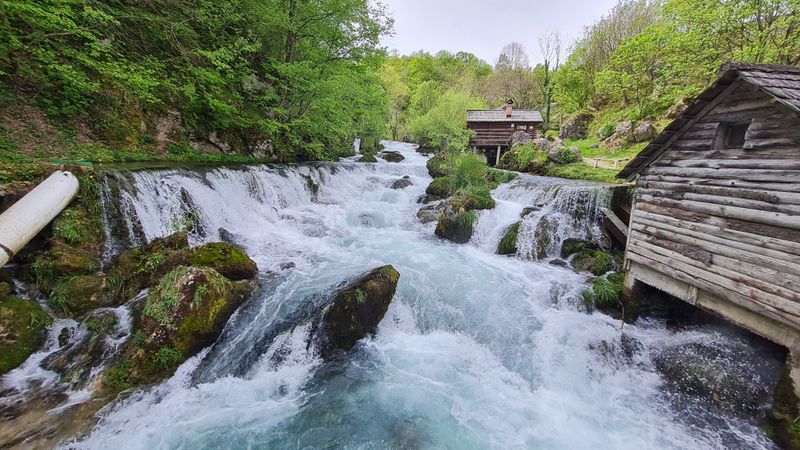
Where the Krupa River meets the Vrbas, wooden watermills perch above cascading emerald waters like something from a fairy tale. This photogenic village has preserved its traditional mills, some still grinding grain using water power. The sound of rushing water fills the air, and rainbows dance in the spray on sunny days.
Stone paths lead between old houses and across wooden bridges, with swimming spots tempting visitors on hot days. Local families run simple restaurants serving fresh trout and homemade bread. The area remains refreshingly uncommercial despite its stunning natural beauty.
Joining the UN Tourism network in 2025 puts Krupa na Vrbasu on travelers’ radars as a rural Bosnia highlight. Spring runoff makes waterfalls most dramatic, while summer brings perfect conditions for river activities. The village offers a peaceful escape where nature and traditional life blend seamlessly, showing a side of Bosnia and Herzegovina that few international visitors discover but everyone who does absolutely loves.
13. Plateliai, Lithuania (Samogitia)
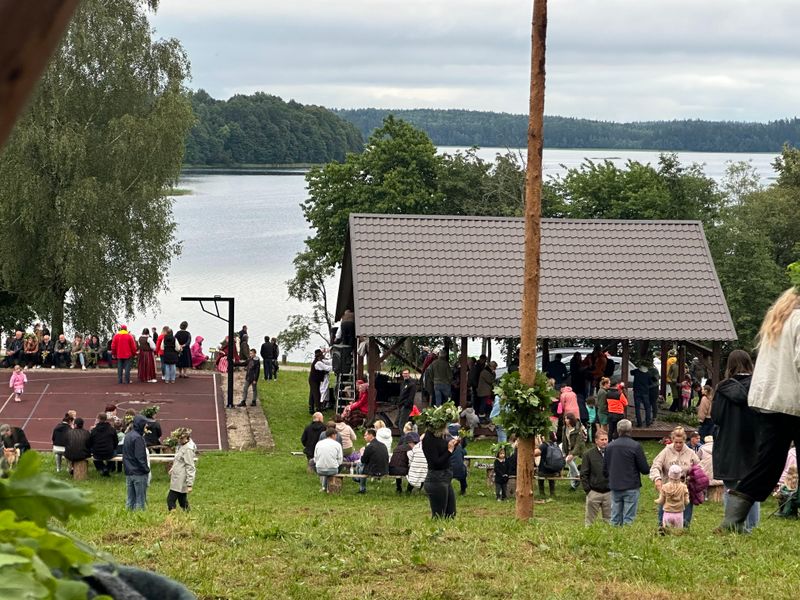
Lithuania’s largest and deepest lake surrounds this forest-village on three sides, creating a peninsula setting of quiet beauty. Plateliai served as a summer retreat for centuries, with a manor house and distinctive church anchoring the small center. But the village holds a darker secret: a former Soviet nuclear missile base hidden in nearby forests.
Today that Cold War site is a museum, offering chilling insight into recent history. Meanwhile, the village itself focuses on nature tourism, with cycling trails circling the lake and through Samogitian National Park. Swimming beaches, kayak rentals, and forest walks make it a peaceful outdoor destination.
Part of the 2025 cohort, Plateliai represents Lithuania’s rural tourism potential. Summer brings long northern daylight perfect for exploring, while autumn colors reflect brilliantly in still lake waters. The combination of natural beauty, historic architecture, and Cold War history creates unexpected depth, making this Samogitian village far more interesting than its small size might suggest.
14. Maimará, Argentina (Jujuy)
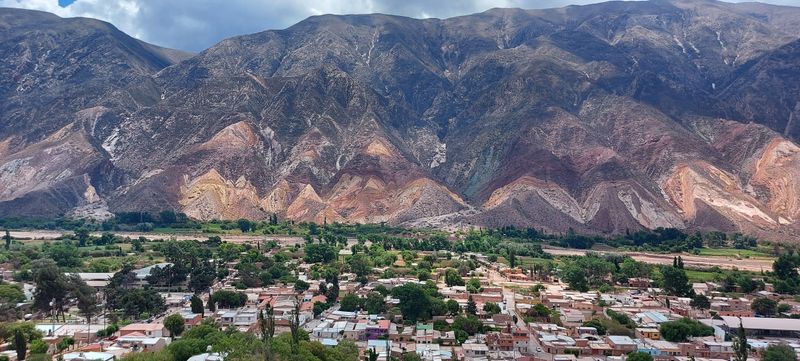
Behind this small Andean village rises one of Argentina’s most stunning natural artworks: Cerro Paleta del Pintor, the Painter’s Palette Mountain. Geological layers create stripes of red, purple, yellow, green, and white across the hillside, changing color with the shifting light. It is geology as pure visual spectacle.
Maimara sits along the Quebrada de Humahuaca, a UNESCO World Heritage valley where indigenous culture remains strong. Adobe houses cluster around a colonial church, and local markets sell weavings and crafts made by Andean communities. The village serves as a base for exploring the dramatic, colorful landscapes of Jujuy province.
Listed in 2025, Maimara highlights Argentina’s cultural and scenic diversity beyond Buenos Aires. Morning and late afternoon light make the striped mountain most vivid, drawing photographers from around the world. Traditional festivals celebrate Pachamama (Mother Earth) with music and offerings. This is Argentina’s indigenous northwest, where ancient traditions persist amid landscapes painted by millions of years of geological artistry.
15. Yangsuri, Republic of Korea (Gyeonggi)
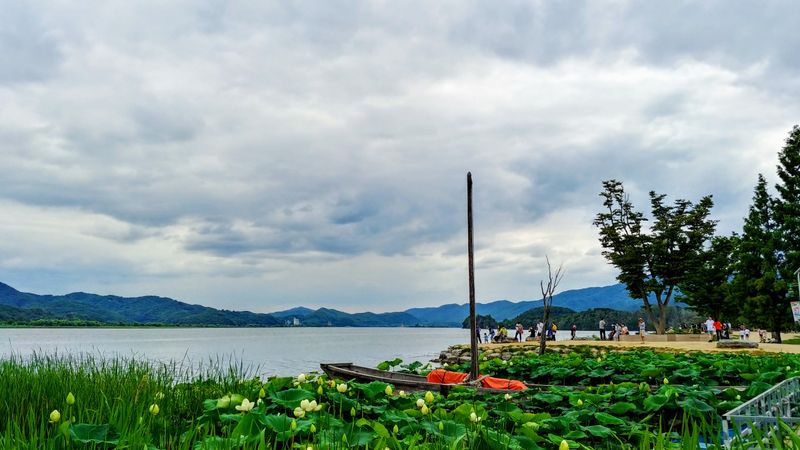
Where the North and South Han Rivers meet, Yangsuri has become South Korea’s answer to slow travel. The village sits at this scenic confluence, with cycling paths following both riverbanks through countryside surprisingly close to Seoul. Weekenders pedal up from the capital, but the village maintains a peaceful, rural atmosphere.
Eco-friendly guesthouses and cafes have opened in renovated traditional buildings, focusing on sustainability and local food. River views dominate, with walking trails and picnic spots taking advantage of the natural setting. The area attracts kayakers and those simply seeking nature without traveling far.
Among 2025 winners, Yangsuri shows how villages near major cities can offer authentic experiences through careful planning. Cherry blossoms frame the rivers in spring, while autumn brings fiery foliage. The slow-travel philosophy encourages staying longer, cycling slower, and connecting more deeply with place and community. It is Korean rural life reimagined for modern travelers who want nature, culture, and comfort without sacrificing environmental values.



