 Unearth The Voyage
History books often focus on the big wars, famous leaders, and major discoveries. But tucked away in the dusty corners of the past are bizarre events that sound too weird to be true. From dancing plagues to battles against birds, these strange moments reveal just how unpredictable and fascinating human history can be.
1. The Dancing Plague of 1518 (Strasbourg, France)
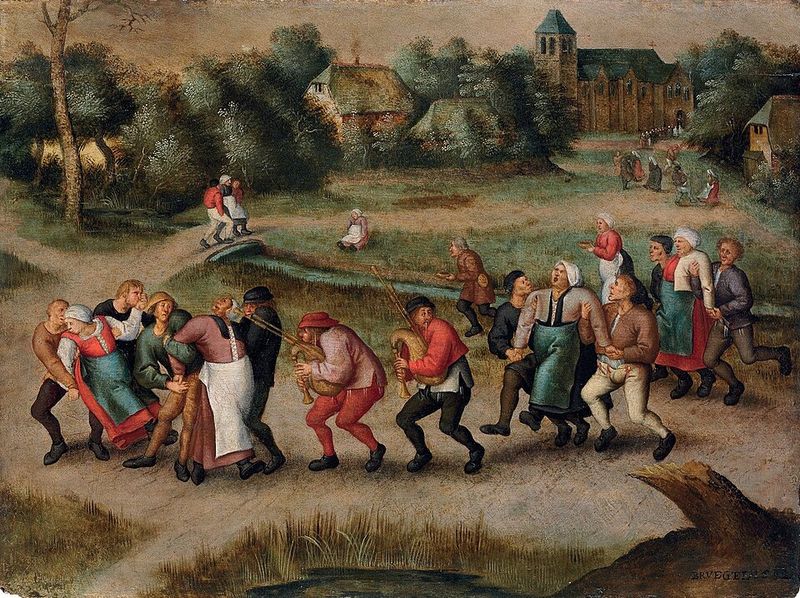
Dancing for days without rest became a terrifying reality in Strasbourg during the scorching summer of 1518. A woman named Frau Troffea stepped into the street and began dancing wildly-and she could not stop.
Within a week, dozens more joined her in this bizarre trance. The dancing continued relentlessly, day and night. Some collapsed from sheer exhaustion, while others actually died from heart attacks or strokes.
Doctors at the time were completely baffled. They thought the cure was more dancing, so they built stages and hired musicians. That only made things worse. Modern historians believe it might have been caused by stress, mass hysteria, or even poisoning from moldy grain.
The outbreak eventually faded after about a month, leaving behind one of history’s most puzzling medical mysteries.
2. The Great Emu War (Australia, 1932)
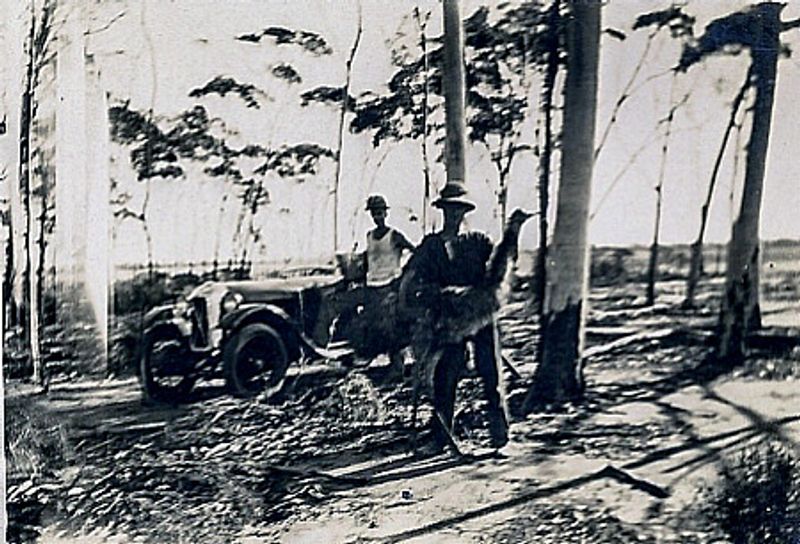
Australia once declared war on birds and lost spectacularly. After World War I, veterans settled in Western Australia to farm wheat. But 20,000 emus migrated through their crops, destroying everything in sight.
Frustrated farmers demanded help, so the government sent soldiers armed with machine guns. The military figured it would be an easy victory. They were wrong. Emus proved to be surprisingly tactical opponents, scattering into small groups whenever soldiers approached.
The birds could run at speeds up to 30 miles per hour, making them nearly impossible to hit. After wasting thousands of rounds of ammunition and killing only a handful of emus, the military admitted defeat and withdrew. Newspapers had a field day mocking the government.
The emus kept munching on crops, unbothered by their military victory.
3. Tulip Mania (Netherlands, 1630s)

Tulips nearly destroyed the Dutch economy during the 1630s. These flowers, newly imported from Turkey, became status symbols among wealthy merchants. Prices skyrocketed as everyone wanted the rarest varieties with unique color patterns.
At the peak of the craze, a single tulip bulb could cost more than a luxurious house in Amsterdam. People traded land, jewelry, and life savings for bulbs. Some varieties sold for ten times the annual income of a skilled craftsman.
Professional tulip traders emerged, and futures contracts were created for bulbs still in the ground. Then, in February 1637, the bubble burst without warning. Buyers suddenly stopped showing up to auctions, and prices collapsed overnight.
Thousands of investors were financially ruined. The event became one of history’s first recorded economic bubbles and a cautionary tale about speculation.
4. The Cadaver Synod (Rome, 897 AD)
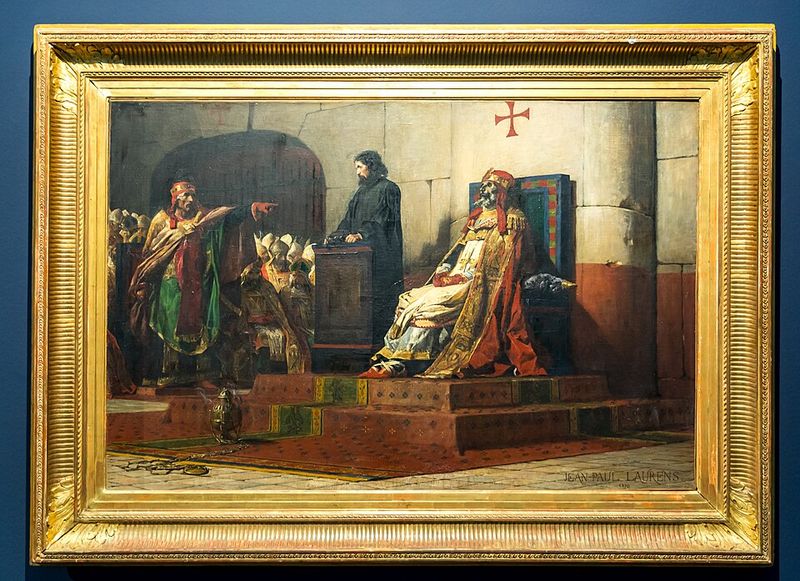
Pope Stephen VI really held a grudge. In January 897, he ordered the corpse of his predecessor, Pope Formosus, dug up from its grave. The rotting body was dressed in papal robes and propped up in a chair for trial.
A deacon stood behind the corpse, speaking for the deceased pope during the bizarre proceedings. Formosus was charged with various crimes, including perjury and illegally becoming pope. Unsurprisingly, the corpse was found guilty on all charges.
As punishment, the papal vestments were torn from the body. Three fingers used for blessings were cut off, and the corpse was thrown into the Tiber River. A monk later retrieved it and gave it a proper burial.
The gruesome spectacle horrified even medieval Romans, and Stephen VI was eventually imprisoned and strangled for his actions.
5. The Phantom Time Hypothesis (Medieval Europe)
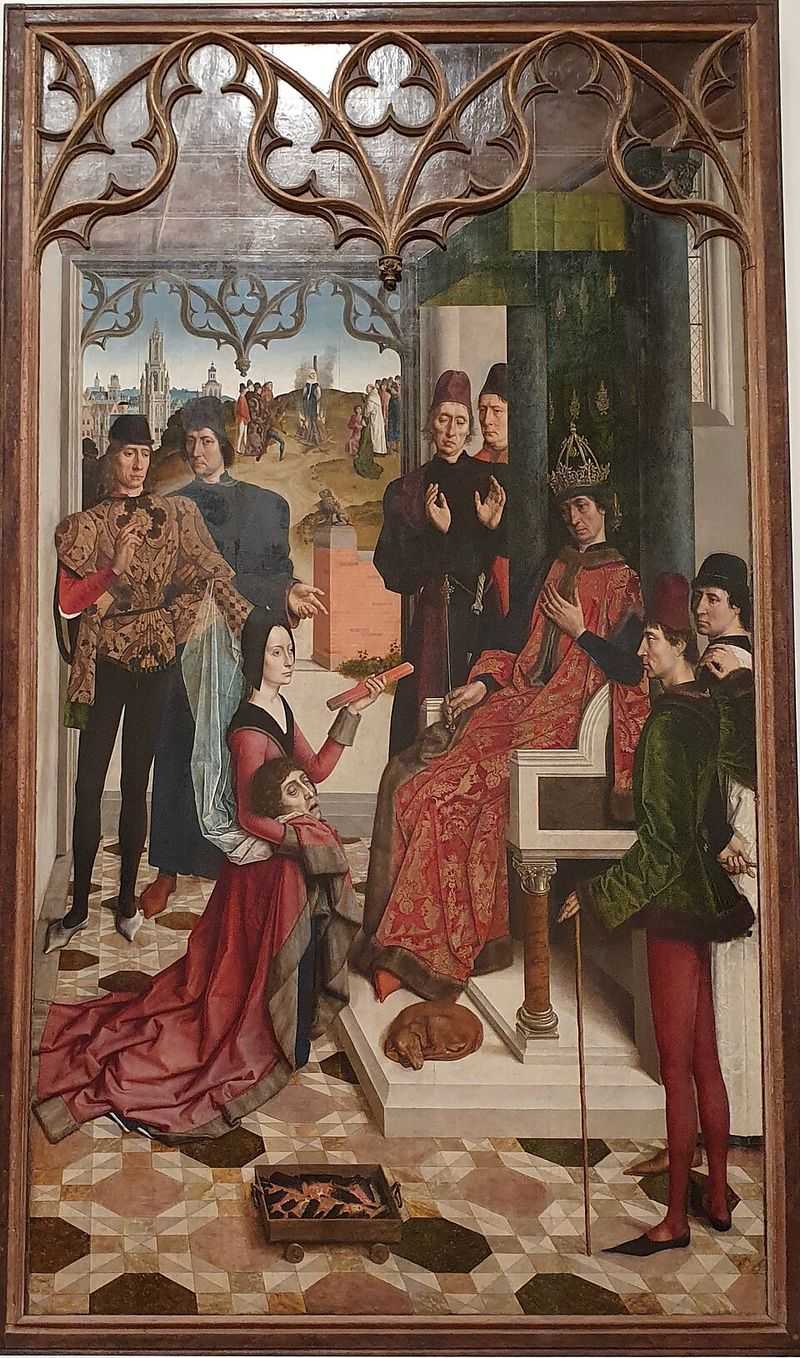
What if 300 years of history never actually happened? German historian Heribert Illig proposed this wild theory in 1991. He suggested that the years between 614 and 911 AD were completely fabricated by Holy Roman Emperor Otto III and Pope Sylvester II.
According to Illig, they wanted to position themselves at the significant year 1000 AD. To accomplish this, they allegedly altered calendars and forged historical documents. This would mean Charlemagne and other famous medieval figures never existed.
The hypothesis points to a supposed lack of archaeological evidence from this period. However, mainstream historians have thoroughly debunked the theory. There’s overwhelming evidence from multiple cultures and astronomical records confirming these years occurred.
Still, the idea captures imaginations and reminds us to question how we understand history.
6. The Tanganyika Laughter Epidemic (Tanzania, 1962)
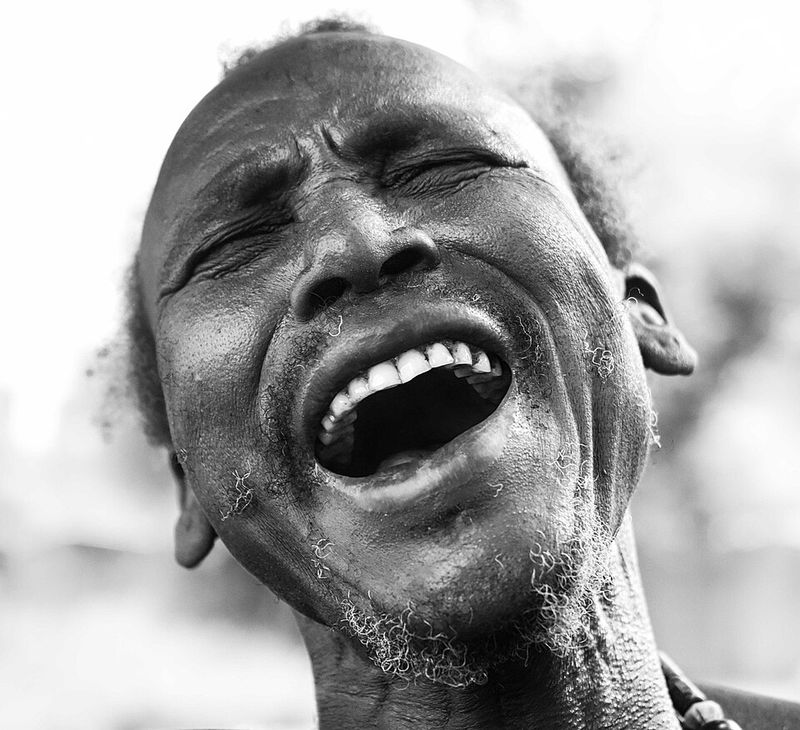
Laughter spread like wildfire through Tanzania in 1962, but nobody found it funny. It started at a boarding school for girls in the village of Kashasha. Three students began laughing uncontrollably and couldn’t stop, even when they wanted to.
Within hours, the laughter had infected 95 students out of 159. The fits lasted from a few hours to 16 days straight. School officials had no choice but to close the institution temporarily.
But closing the school only spread the problem further. Students returned to their home villages and infected family members and neighbors. Over the next several months, the laughter epidemic affected more than 1,000 people across multiple villages and schools.
Symptoms included crying, screaming, and fainting alongside the laughter. Scientists believe it was a case of mass psychogenic illness triggered by stress in a rigid educational environment.
7. Operation Paul Bunyan (Korean DMZ, 1976)
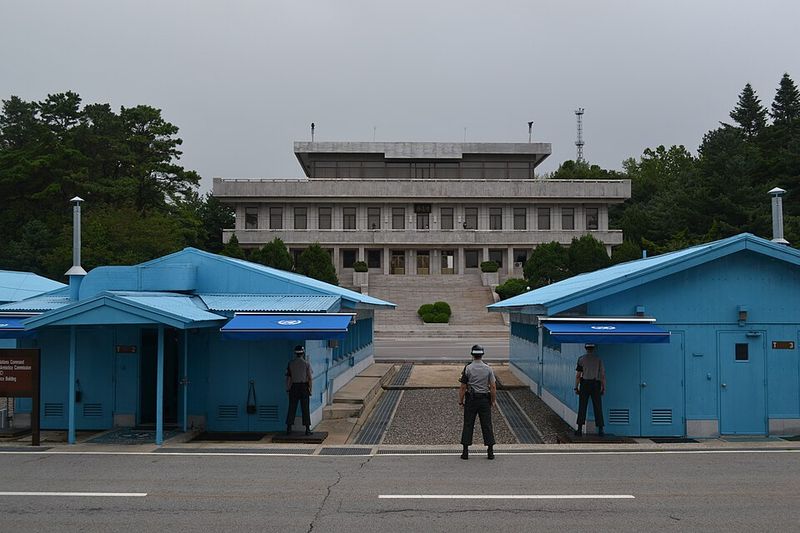
A tree trimming turned into one of the most dramatic military operations of the Cold War. In August 1976, US and South Korean soldiers went to prune a poplar tree blocking visibility in the Demilitarized Zone between North and South Korea.
North Korean soldiers attacked them with axes, killing two American officers. The incident could have sparked another war. Instead, the US planned Operation Paul Bunyan, an overwhelming show of military force to cut down one tree.
Three days later, a convoy of 23 vehicles carrying heavily armed soldiers approached the tree. Attack helicopters circled overhead while B 52 bombers flew nearby. Fighter jets streaked across the sky as South Korean special forces took defensive positions.
North Korean leader Kim Il Sung watched nervously from his compound. The tree came down in 42 minutes without a shot fired, sending a clear message about American resolve.
8. The Great Molasses Flood (Boston, 1919)
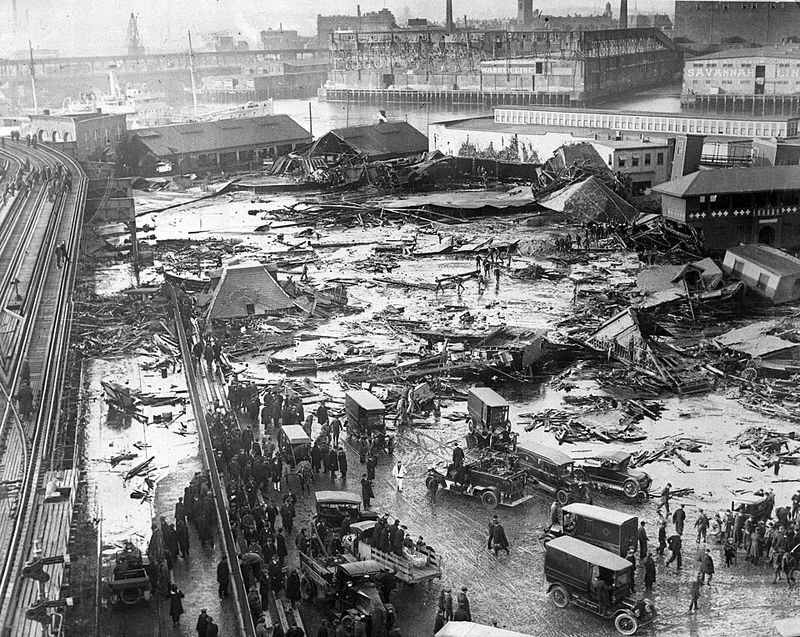
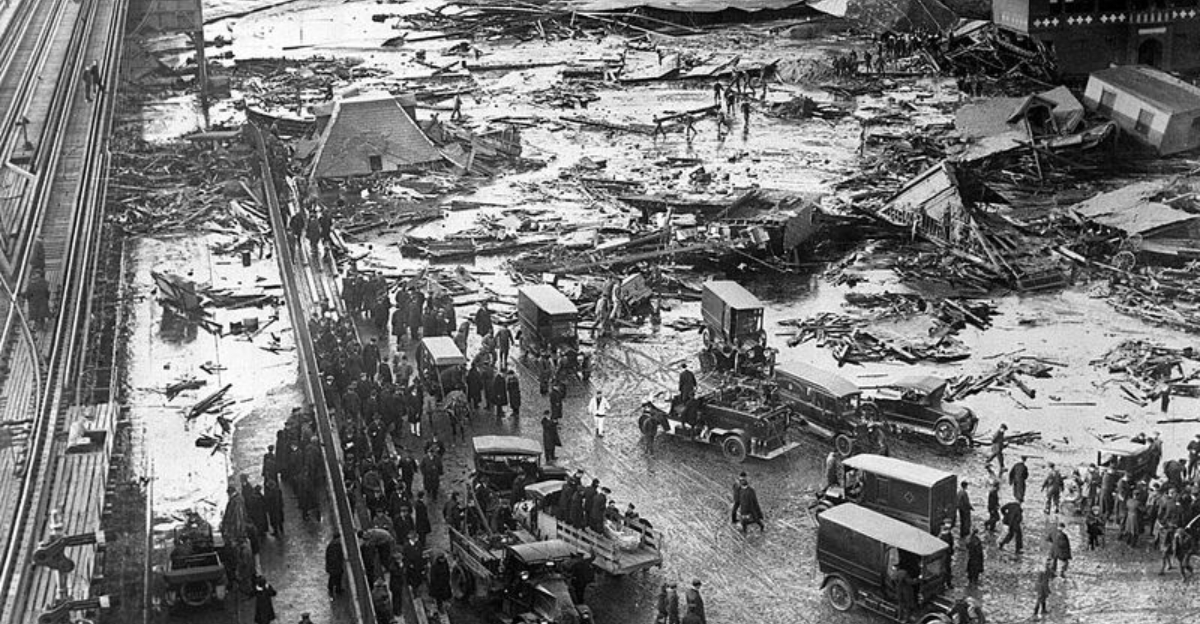
Boston experienced one of the stickiest disasters in history on January 15, 1919. A massive storage tank holding over 2 million gallons of molasses suddenly exploded in the North End neighborhood. The tank was poorly constructed and overfilled.
A 25 foot wave of thick, brown syrup rushed through the streets at 35 miles per hour. The molasses was so powerful it crushed buildings, knocked over elevated train supports, and swept people off their feet. Escaping was nearly impossible because the sticky substance trapped victims.
Twenty one people died, and 150 were injured in the disaster. Horses drowned in the molasses. Cleanup took weeks, with workers using saltwater to wash away the goo.
For decades afterward, residents claimed they could still smell molasses on hot summer days. The company that owned the tank was found liable and paid out settlements.
9. The Year Without a Summer (1816)
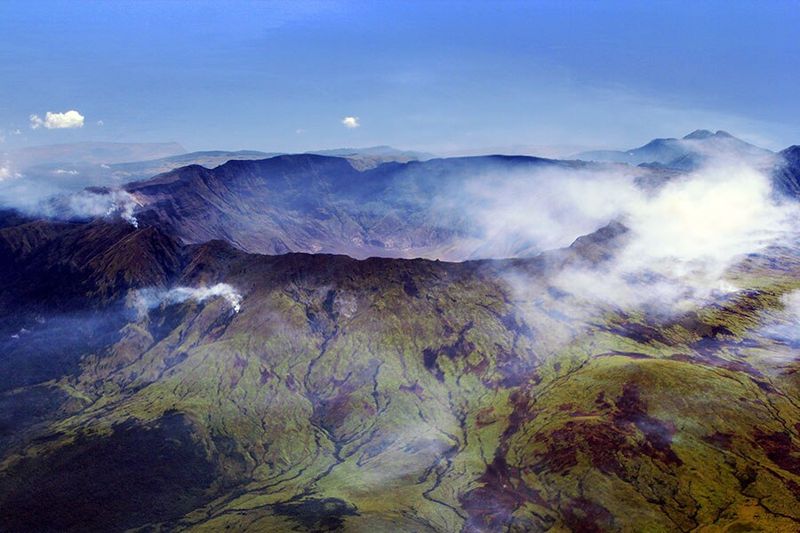
Summer never arrived in 1816, creating worldwide catastrophe. Mount Tambora in Indonesia had erupted the previous year in the most powerful volcanic explosion in recorded history. The eruption sent enormous amounts of ash and sulfur into the atmosphere, blocking sunlight across the globe.
Snow fell in June across New England and Europe. Crops froze in the fields, leading to the worst famine of the 19th century. Food prices skyrocketed as harvests failed. Riots broke out in many European cities as desperate people fought over scarce resources.
In Switzerland, the dreary weather trapped writer Mary Shelley indoors, where she wrote Frankenstein. The climate disruption caused crop failures in China and India too, leading to disease outbreaks. Tens of thousands of people died from starvation and related illnesses.
The event demonstrated how vulnerable human civilization is to natural disasters.
10. The Defenestrations of Prague
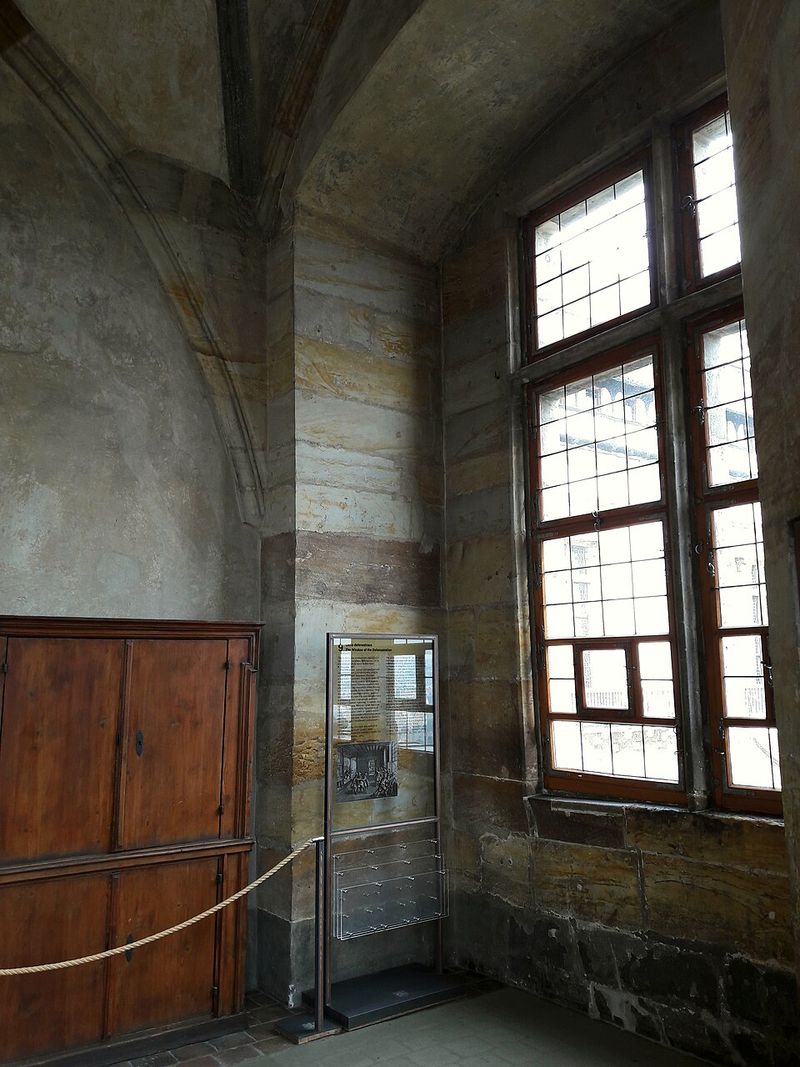
Prague developed a unique tradition of solving political disputes by throwing people out of windows. The term defenestration literally means throwing someone from a window, and Prague made it an art form. The most famous incident occurred in 1618.
Protestant nobles were furious with Catholic officials appointed by the Holy Roman Emperor. They stormed Prague Castle, grabbed two imperial governors and their secretary, and hurled them from a third story window. All three survived by landing in a pile of manure below.
Catholics claimed angels caught them and broke their fall. Protestants insisted the dung heap saved them. Either way, this Defenestration of Prague sparked the Thirty Years War, one of Europe’s most destructive conflicts.
Earlier, in 1419, another defenestration involved Hussite protesters throwing seven city council members from a window. These dramatic window exits became symbols of Czech resistance to outside authority.
11. The Dancing Plague of Madagascar (1863)
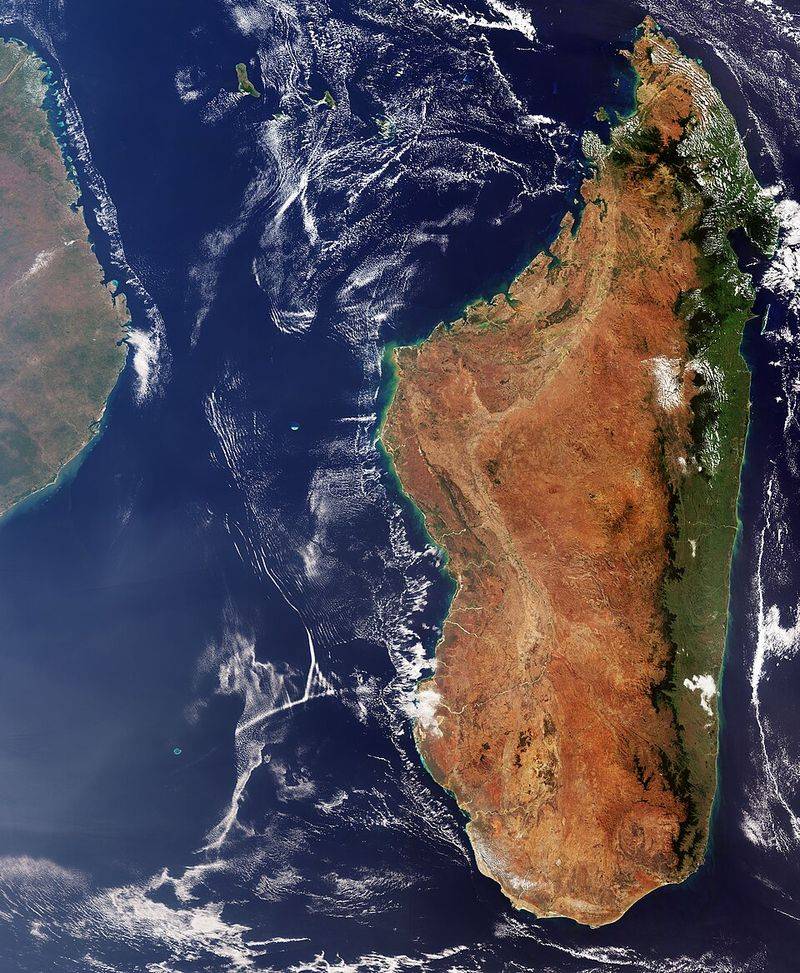
Madagascar experienced its own version of uncontrollable movement in 1863. Similar to the Strasbourg incident, people suddenly began dancing, laughing, and moving without being able to stop themselves. The outbreak affected multiple villages across the island nation.
Witnesses described victims laughing hysterically for days until they collapsed from exhaustion. Some people reported feeling compelled to dance even though they desperately wanted to rest. Local healers and colonial doctors were equally powerless to stop the phenomenon.
The outbreak was documented in the Journal of Mental Science in 1865. Researchers noted the symptoms resembled other cases of mass psychogenic illness. Cultural tensions between traditional Malagasy society and increasing European colonial influence may have contributed to collective stress.
The epidemic eventually subsided on its own after several weeks. These strange dancing and laughing plagues remain mysterious, showing how psychological distress can manifest in unexpected physical ways across different cultures.
12. The Cabbage War in Slovenia (1914)
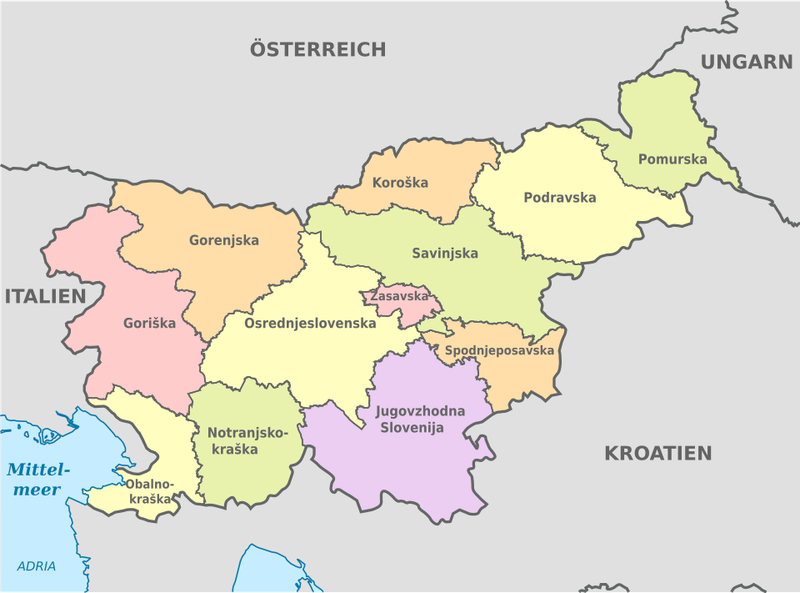
Slovenian farmers went to war over cabbage in 1914, creating one of history’s most unusual protests. The Austrian government imposed a new tax specifically on cabbage, an essential crop and dietary staple for Slovenian peasants. The timing couldn’t have been worse, as World War I was beginning.
Outraged farmers organized a creative rebellion. They loaded wagons with cabbages and dumped them in town squares and on government buildings. Streets became slippery with crushed cabbage as protesters clashed with bewildered police officers.
The protests disrupted commerce and embarrassed local officials. Authorities tried to arrest protest leaders, but the movement had spread too widely. Farmers refused to harvest their cabbage crops, threatening food shortages.
Eventually, the government backed down and reduced the tax. The Cabbage War demonstrated how even seemingly minor policies can spark major resistance when they threaten people’s livelihoods and cultural traditions.



