 Unearth The Voyage
Travel plans for 2026 might need a few adjustments. Some of the world’s most beloved landmarks and attractions are temporarily stepping back for renovations, safety repairs, or special exhibitions. Whether you’re dreaming of European museums or American national parks, knowing what’s closed or restricted will help you avoid disappointment and plan smarter trips.
1. Centre Pompidou (Paris, France)

Paris lovers, take note: one of the city’s boldest architectural icons is taking a break. The Centre Pompidou is shutting its doors for a multi-year renovation that will transform the aging building. This modern art museum, famous for its inside-out design with colorful pipes and escalators, needs serious updates to its structure and systems.
If you’re planning a Parisian adventure in 2026, you’ll have to skip this spot. The closure affects all galleries, exhibitions, and that famous rooftop view. Check your travel dates carefully and build your itinerary around other museums like the Louvre or Musée d’Orsay instead.
2. Pergamonmuseum (Berlin, Germany)
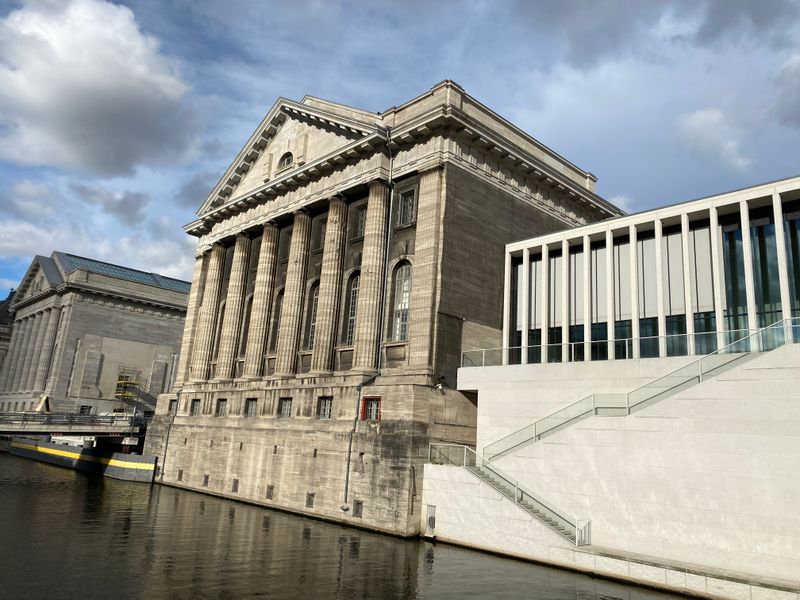
Berlin’s treasure trove of ancient wonders stays locked up through all of 2026. The Pergamonmuseum, home to the stunning Ishtar Gate and the Market Gate of Miletus, continues its lengthy refurbishment with no access until spring 2027. Massive construction work is reshaping the entire museum complex, which means visitors are completely out of luck for now.
History buffs visiting Berlin will need backup plans. The city offers plenty of alternatives, including the Neues Museum with its famous Nefertiti bust. Don’t expect any sneak peeks or partial openings during the year.
3. Smithsonian Castle (Washington, D.C., USA)
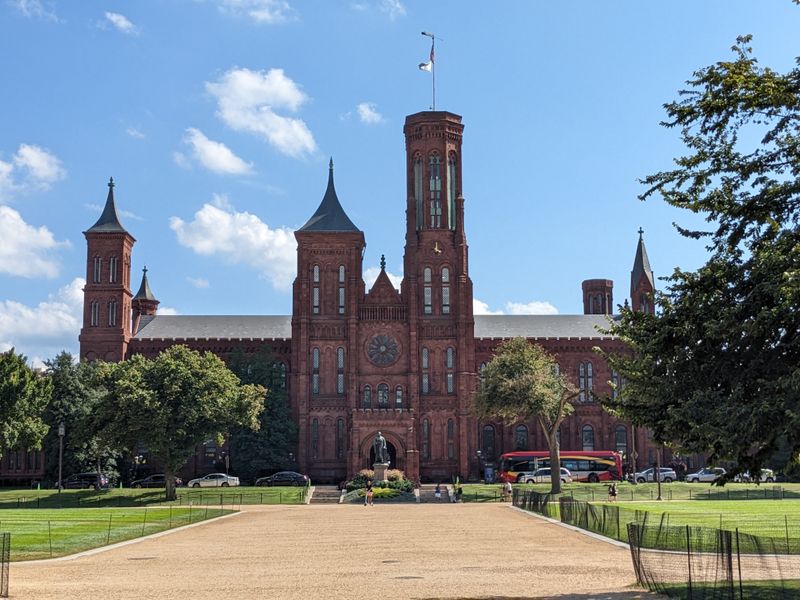
Washington’s most recognizable red sandstone landmark is getting a major makeover. The Smithsonian Castle, that fairy-tale building on the National Mall, is closed for approximately five years of renovations. Built in the 1850s, the structure needs extensive repairs to preserve it for future generations.
While the Castle typically serves as a visitor center and houses administrative offices, you won’t be stepping inside during 2026. The good news? All other Smithsonian museums remain open and free. Plan your Mall visit around the Air and Space Museum or Natural History Museum for equally amazing experiences.
4. The Bayeux Tapestry (Bayeux, France)

Here’s a twist: the famous embroidery is traveling abroad for the first time in centuries. From September 2026 through July 2027, the Bayeux Tapestry will be displayed at the British Museum in London instead of its usual French home. This medieval masterpiece, depicting the Norman Conquest of England, is making a rare journey across the Channel.
If Bayeux is on your Normandy itinerary during that period, you’ll find an empty display case. Want to see it? Head to London instead. The town of Bayeux still offers D-Day history and charming streets worth exploring.
5. Johnston Ridge Observatory (Mount St. Helens, Washington, USA)
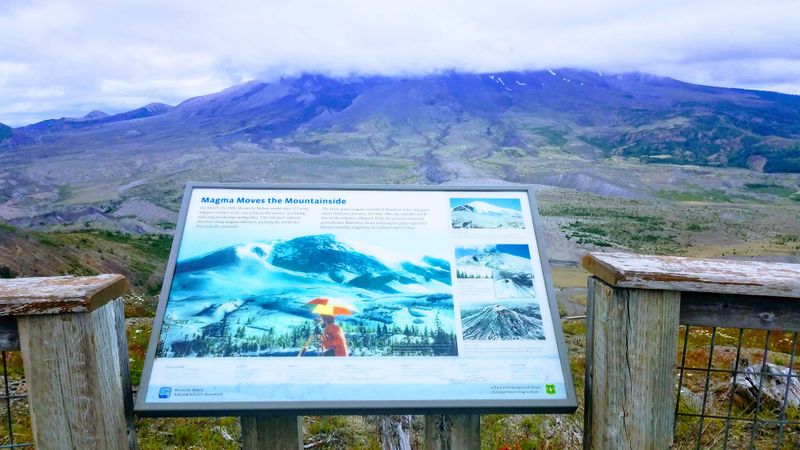
One of the Pacific Northwest’s most dramatic viewpoints stays closed through 2027. Johnston Ridge Observatory, which offers front-row seats to Mount St. Helens’ blown-out crater, is inaccessible while crews repair roads and bridges damaged by time and weather. The observatory sits just five miles from the volcano’s gaping mouth, making it the most impressive visitor facility in the monument.
Volcano enthusiasts visiting in 2026 should explore alternative viewpoints like Windy Ridge or the Hummocks Trail. These spots still showcase the mountain’s raw power and the landscape’s remarkable recovery since the 1980 eruption.
6. Chisos Basin (Big Bend National Park, Texas, USA)
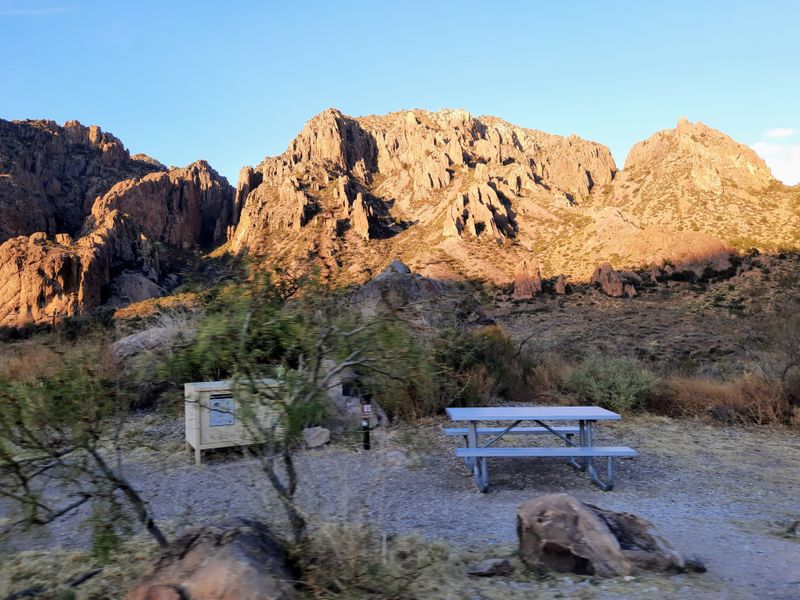
Big Bend’s mountain heart is getting reconstructed starting May 1, 2026. Chisos Basin, the park’s most popular area nestled in the mountains, will see major infrastructure work that affects lodging, dining, and trail access. This high-elevation oasis provides relief from desert heat and serves as the trailhead for scenic hikes like the Window Trail.
Early 2026 visitors can still enjoy the Basin, but plan alternative accommodations if your trip falls after May. The park’s river areas, desert landscapes, and hot springs remain accessible. Consider exploring the Ross Maxwell Scenic Drive or Santa Elena Canyon instead.
7. Lehman Caves (Great Basin National Park, Nevada, USA)
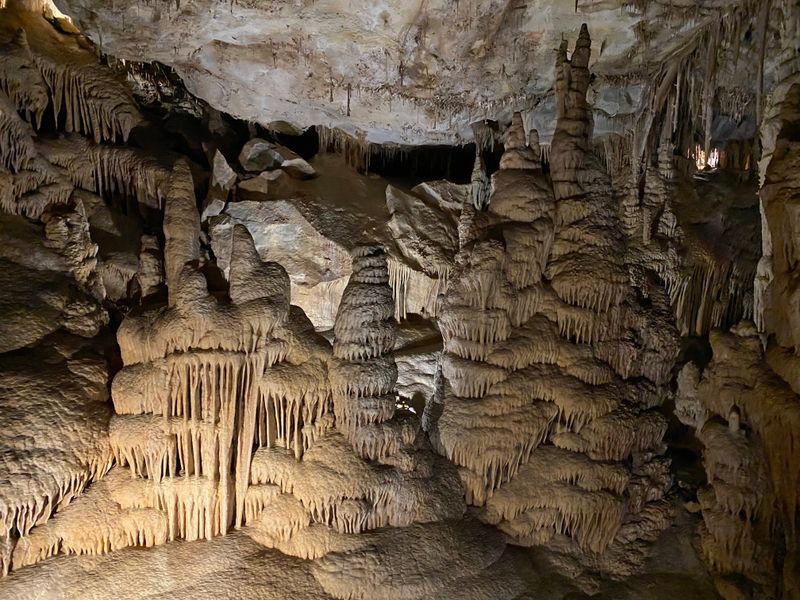
Underground explorers face a wait at Great Basin. Lehman Caves and its visitor center are closed for electrical and lighting system upgrades, with completion expected in late spring 2026. This marble cave system, decorated with rare shield formations and delicate stalactites, needs modern lighting to protect its features while showcasing their beauty.
Planning a Nevada park visit in early or mid-2026? You’ll miss the cave tours entirely. Focus instead on the park’s ancient bristlecone pines, high-altitude hiking, and stargazing programs. Check the park website for specific reopening dates before booking your trip.
8. Scotty’s Castle (Death Valley National Park, California, USA)
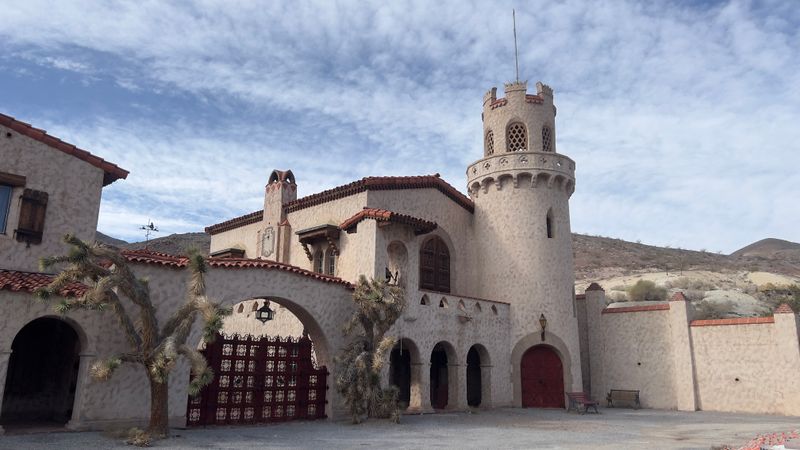
Death Valley’s quirky desert mansion remains mostly off-limits. Scotty’s Castle, damaged by catastrophic flooding in 2015, stays closed indefinitely with only limited special tours offered on select dates like January through March 2026. This Spanish-style villa, built in the 1920s, tells the colorful story of a con man and a millionaire’s unlikely friendship.
Don’t count on casual drop-in visits. Tours require advance tickets and happen sporadically. Focus your Death Valley time on accessible highlights like Badwater Basin, Zabriskie Point, and the mesmerizing sand dunes at Mesquite Flat.
9. Holocaust Museum LA (Los Angeles, USA)
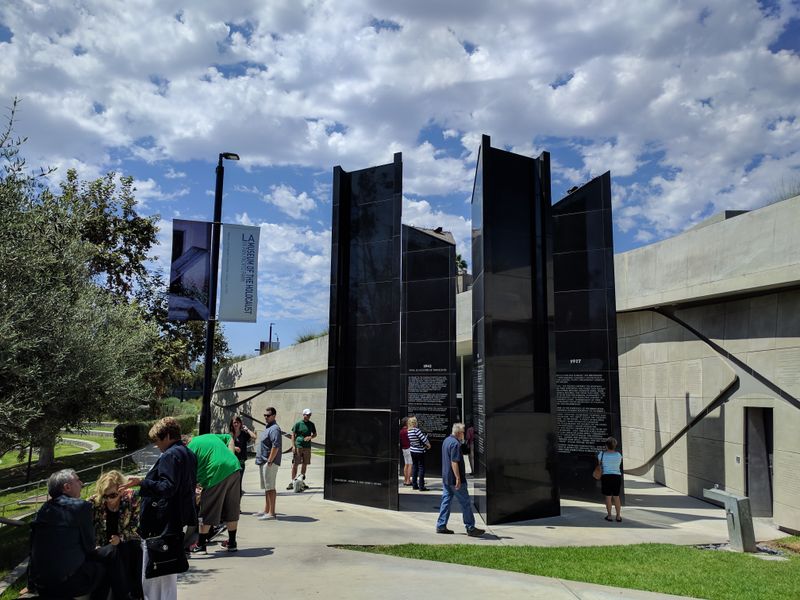
Los Angeles visitors won’t be able to access this important institution for half the year. Holocaust Museum LA announced a closure lasting through June 2026 for facility improvements and exhibition updates. The museum preserves survivor testimonies and educates visitors about the Holocaust’s history and lessons.
If you’re planning an LA trip before summer, you’ll need to skip this stop. After June, check the museum’s website to confirm reopening before visiting. Meanwhile, Los Angeles offers numerous other cultural institutions, including the Museum of Tolerance, which covers related themes of human rights and dignity.
10. Discovery Park Visitor Center (Seattle, USA)
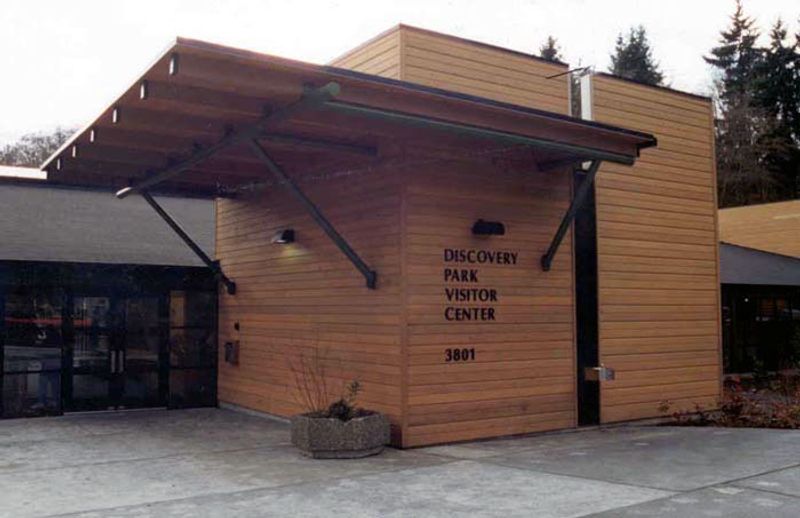
Seattle’s largest park remains open, but its hub is not. The Discovery Park Visitor Center stays closed until summer 2027, which means limited services and information for 2026 visitors. The 534-acre park still offers beach access, forest trails, and lighthouse views, but you won’t find staff assistance or indoor exhibits.
Grab trail maps online before you go, since the physical visitor center can’t help. The park’s natural beauty, Puget Sound views, and miles of pathways are fully accessible. Download a park app or print directions to help navigate the extensive trail system independently.
11. Dry Falls Visitor Center (Washington State, USA)
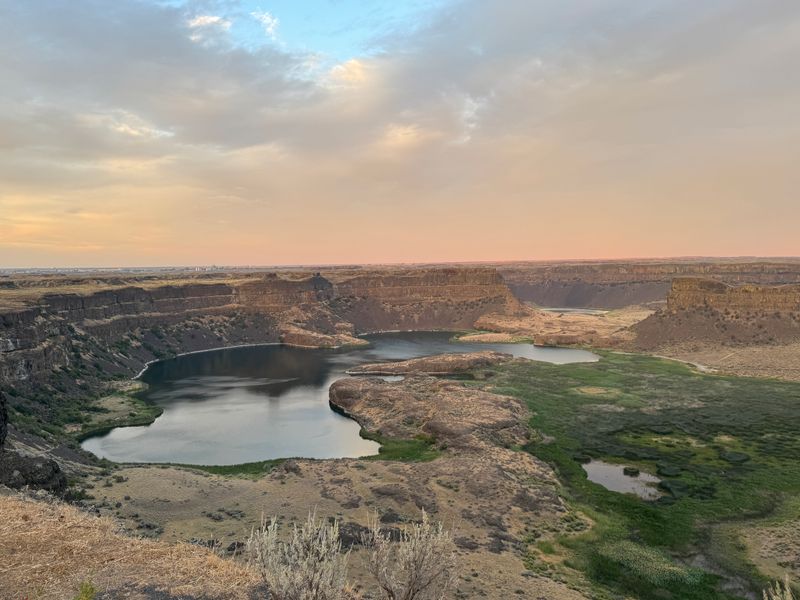
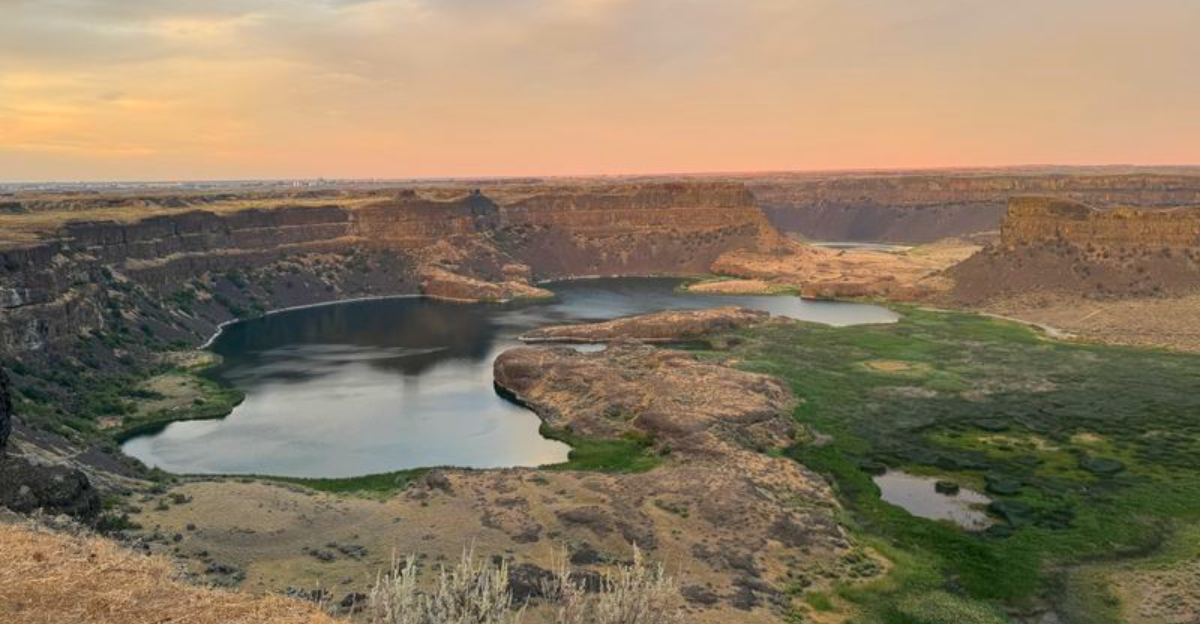
Washington’s Ice Age wonder loses its interpretive center starting January 1, 2026. The Dry Falls Visitor Center, which explains how massive glacial floods carved this 3.5-mile-wide cliff, is closed with reopening dependent on construction timelines. Dry Falls itself remains viewable from roadside pullouts, but you’ll miss the educational exhibits and ranger programs.
Road-tripping through central Washington? You can still photograph the dramatic geological feature from overlooks. Bring your own research or download information beforehand to understand what you’re seeing. The sheer scale of this ancient waterfall, five times wider than Niagara, speaks for itself.
12. Motown Museum (Detroit, USA)

The birthplace of the Motown sound goes quiet temporarily. Detroit’s Motown Museum, located in the original Hitsville U.S.A. recording studio, is closing during 2026 for expansion work. This tiny house launched legends like Stevie Wonder, Diana Ross, and Marvin Gaye, and the expansion will add exhibits and preserve more musical history.
Music fans visiting Detroit should check the museum’s official timeline before planning. The closure duration ties directly to construction progress. Meanwhile, explore Detroit’s other cultural attractions, including the Detroit Institute of Arts and the revitalized downtown riverfront district with its rich musical heritage.
13. Aloha Tower Observation Deck (Honolulu, Hawaii, USA)
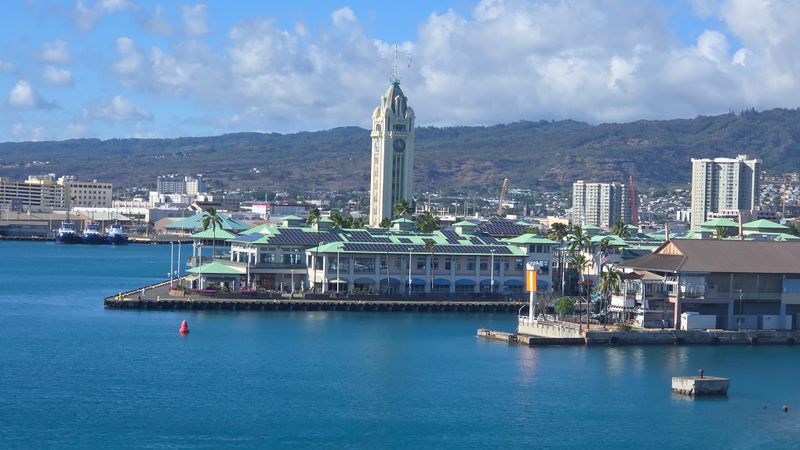
Honolulu’s historic lighthouse tower stands tall, but you can’t climb it. The Aloha Tower Observation Deck remains closed indefinitely for repairs, with no confirmed reopening date as of 2026. Built in 1926, this ten-story landmark once greeted arriving steamship passengers and offered panoramic harbor views.
The tower itself is still a recognizable waterfront landmark worth photographing from ground level. For elevated Honolulu views in 2026, try Diamond Head’s summit trail or the Tantalus Lookout instead. Both provide spectacular perspectives of the city, coastline, and surrounding mountains without the wait for tower repairs.
14. Rock ‘n’ Roller Coaster Starring Aerosmith (Disney’s Hollywood Studios, Florida, USA)
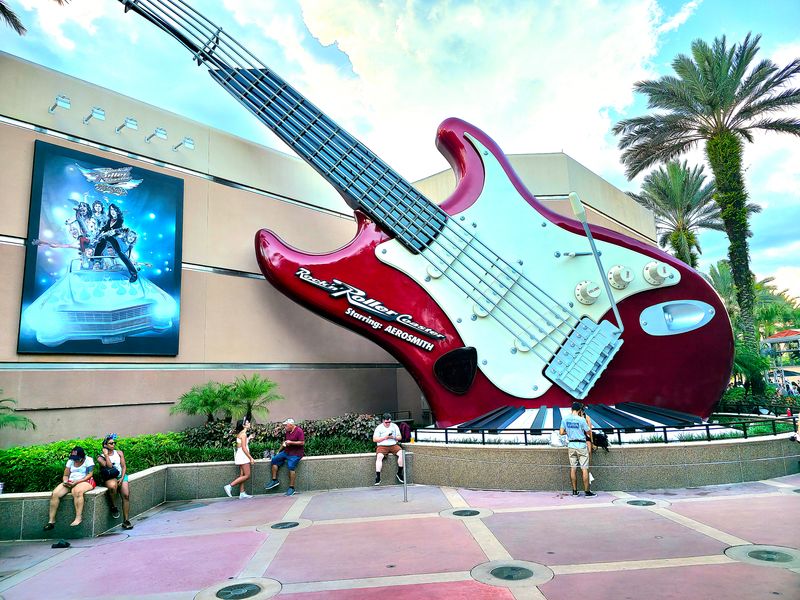
Theme park fans, mark your calendars: this high-speed indoor coaster closes March 1, 2026 for a complete re-theme. Rock ‘n’ Roller Coaster, which launches riders from zero to 60 mph in 2.8 seconds while blasting Aerosmith hits, is getting a new identity. The closure affects at least part of the year, possibly longer.
If you’re visiting Hollywood Studios before March, ride it while you can. After closure, the coaster track stays but everything else changes. Disney hasn’t announced what replaces Aerosmith’s soundtrack and theme, adding mystery to your future visits.
15. Cliffs of Moher Coastal Walk (County Clare, Ireland)
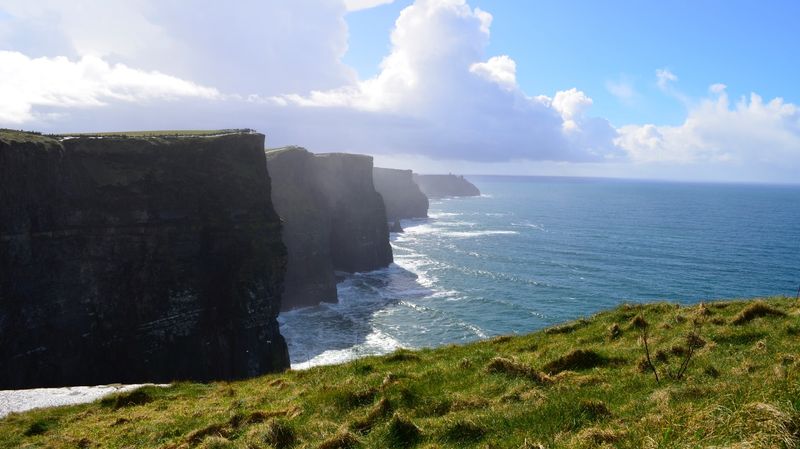
Ireland’s most photographed natural wonder has limited access along its coastal paths. Major sections of the Cliffs of Moher Coastal Walk remain closed due to erosion and safety concerns, with extended restrictions likely through 2026. While the main viewing platforms stay open, the traditional clifftop walks that let you explore beyond the visitor center are significantly restricted.
You can still visit the cliffs and capture stunning photos from designated areas. Just don’t expect the full walking experience advertised in older guidebooks. The 700-foot drops and Atlantic views remain breathtaking even from limited vantage points.



