 Unearth The Voyage
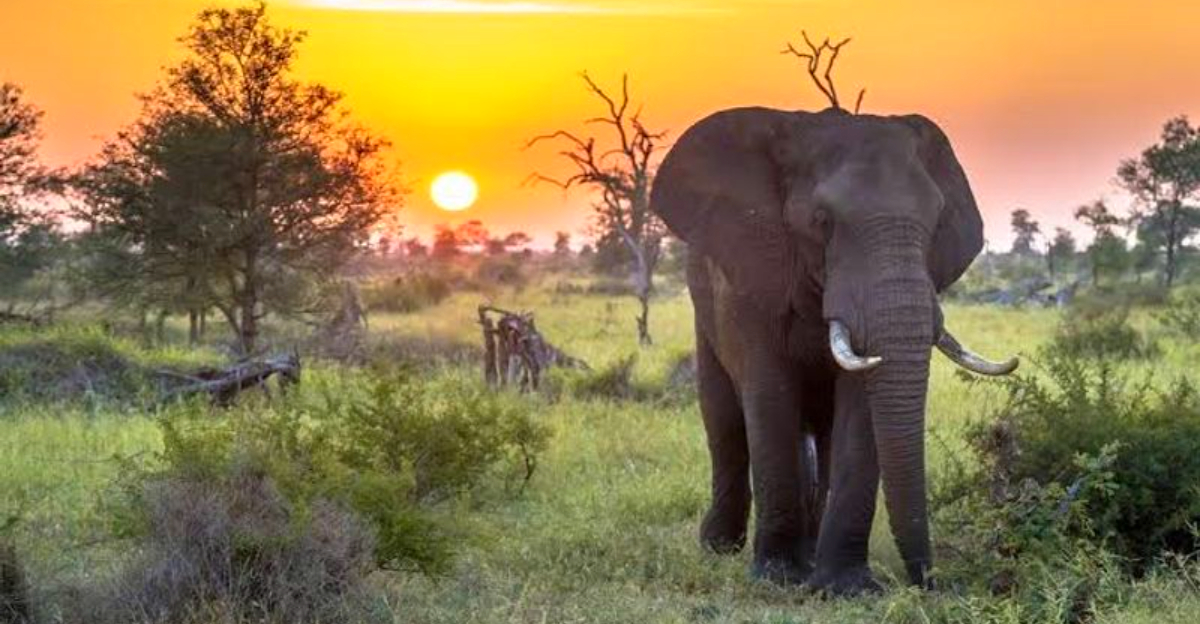
Our planet holds some of the most breathtaking landscapes you could ever imagine, and national parks protect these natural wonders for everyone to enjoy. From towering mountains and crystal-clear lakes to dramatic coastlines and wildlife-filled plains, these parks showcase nature at its absolute finest. Travel experts from around the globe have ranked the most stunning national parks, and their choices will inspire your next adventure.
1. Acadia National Park, USA
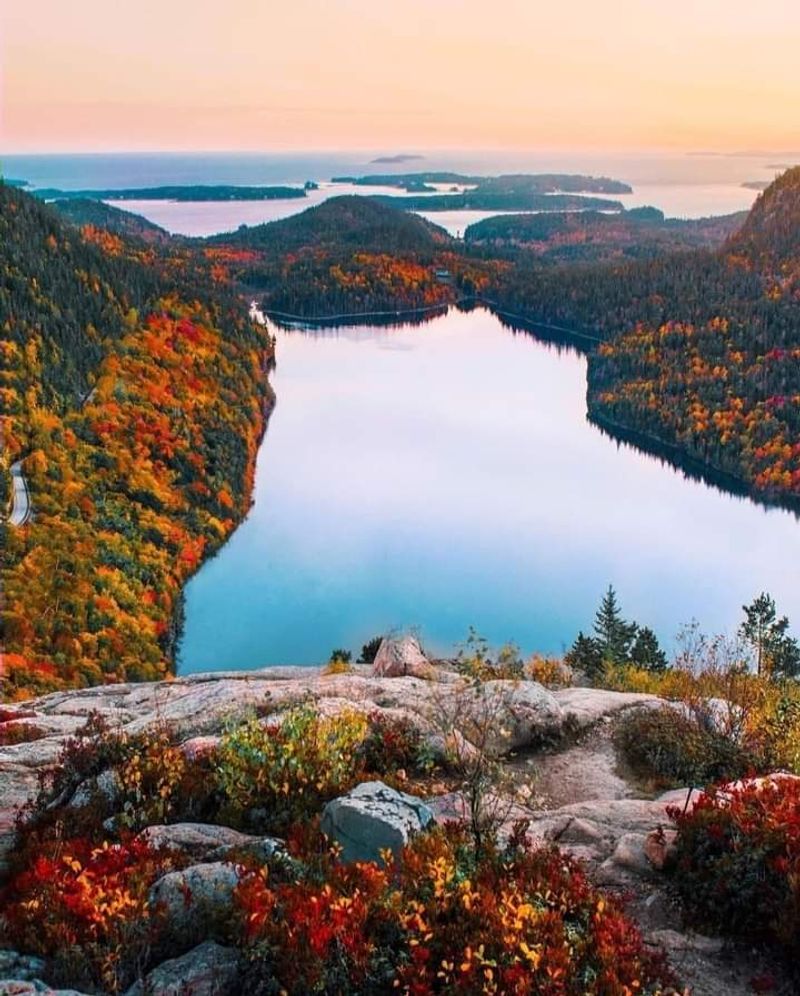
Perched along Maine’s rugged coastline, Acadia brings together oceans, mountains, and forests in one spectacular package. Cadillac Mountain stands as the tallest peak on the U.S. Atlantic coast, offering sunrise views that draw visitors year-round.
Jordan Pond looks like something from a postcard, with its mirror-smooth water reflecting rounded peaks called the Bubbles. Historic carriage roads wind through the park, perfect for biking or peaceful walks.
The nearby town of Bar Harbor adds charm and convenience, making Acadia both wild and welcoming at once.
2. Banff National Park, Canada
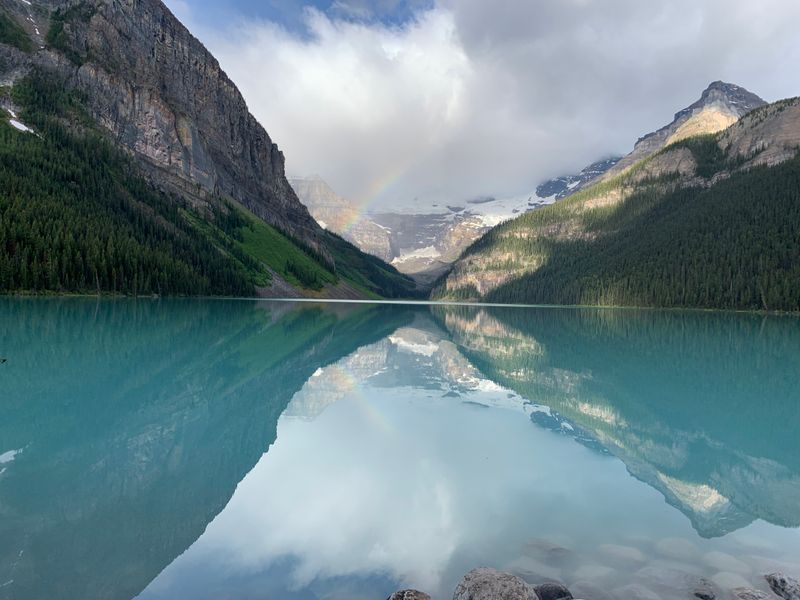
Banff helped launch Canada’s entire national park system back in 1885, and it remains one of the country’s crown jewels. Jagged peaks tower over impossibly turquoise lakes like Louise, Moraine, and Minnewanka, all colored by glacial flour.
Whether you visit in summer for hiking or winter for skiing, the scenery feels almost too perfect to be real. Sunrise at Moraine Lake paints the mountains in shades of pink and gold.
Hot springs tucked into the valleys offer a relaxing reward after a day exploring the trails and peaks.
3. Plitvice Lakes National Park, Croatia
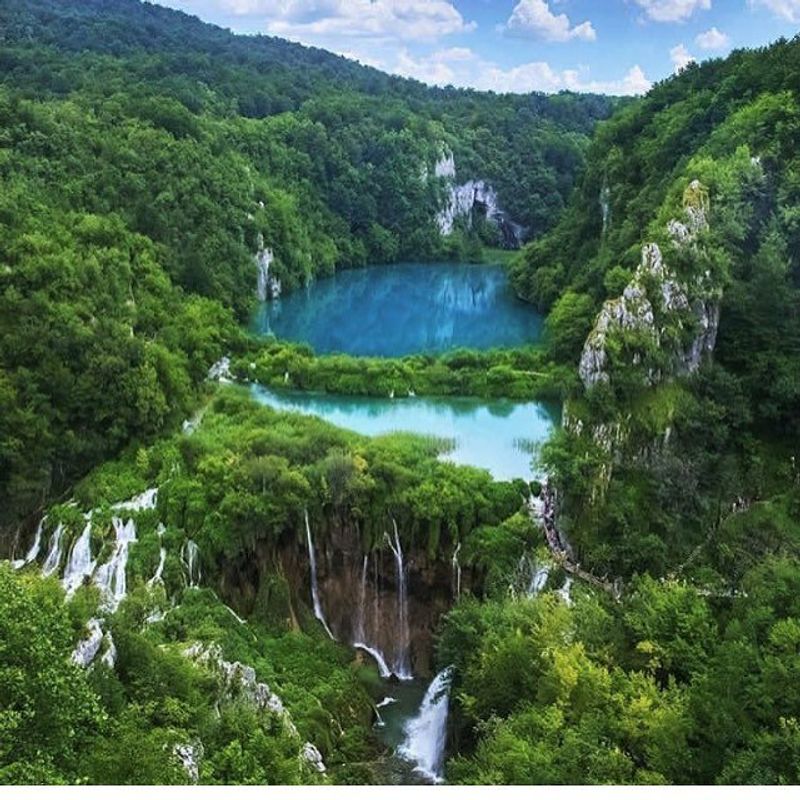
Plitvice became Croatia’s first national park in 1949 and earned UNESCO World Heritage status thirty years later.
Natural processes create travertine dams that form sixteen terraced lakes connected by countless waterfalls. Fallen trees rest visible many meters below the surface in water so clear it looks unreal.
Every season transforms the park, from vibrant summer greens to golden autumn leaves to frozen winter cascades that glitter like diamonds.
4. Fiordland National Park, New Zealand
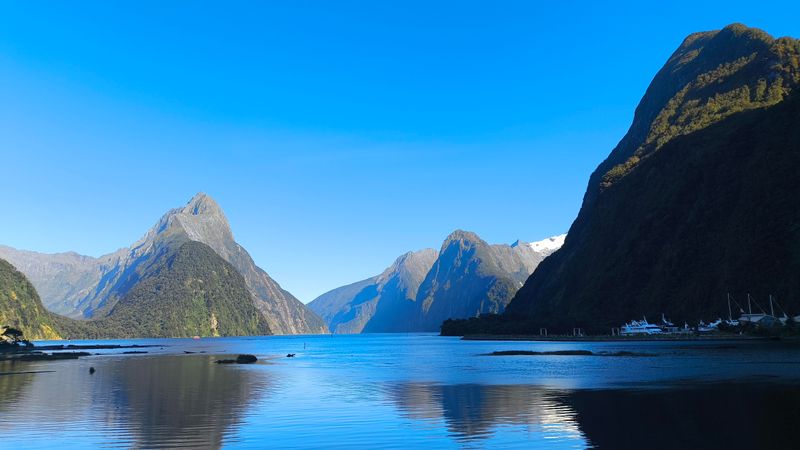
Fiordland sprawls across the remote southwest corner of New Zealand’s South Island, where deep fiords slice between vertical cliffs that disappear into clouds. Rudyard Kipling famously called Milford Sound the eighth wonder of the world, and one look explains why.
Rain falls frequently here, creating hundreds of temporary waterfalls that stream down sheer rock faces. Doubtful Sound offers even more isolation and drama for those willing to venture farther.
Multi-day hiking trails like the Milford Track reveal just how vast and untouched this wilderness truly remains.
5. Torndirrup National Park, Australia
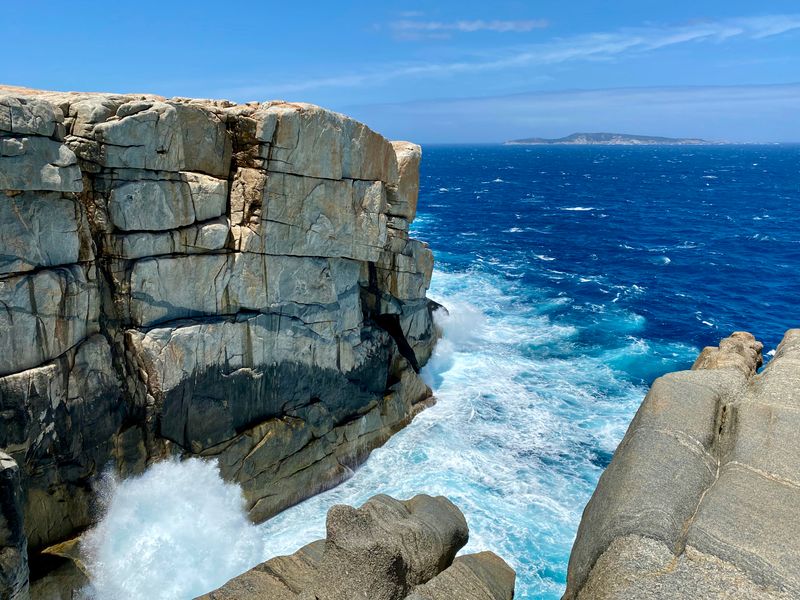
Waves from the Southern Ocean hammer into 40-meter granite cliffs with stunning force at Torndirrup, near Albany in Western Australia. The Gap and Natural Bridge show what millions of years of erosion can carve from solid rock.
A cantilevered platform lets you stand directly above the churning water below, safe but definitely thrilling. Wild coastal heathlands stretch between dramatic formations, while blowholes shoot spray high into the air.
Sweeping views from Bald Head to West Cape Howe reveal one of Australia’s most powerful coastal landscapes.
6. Crater Lake National Park, USA
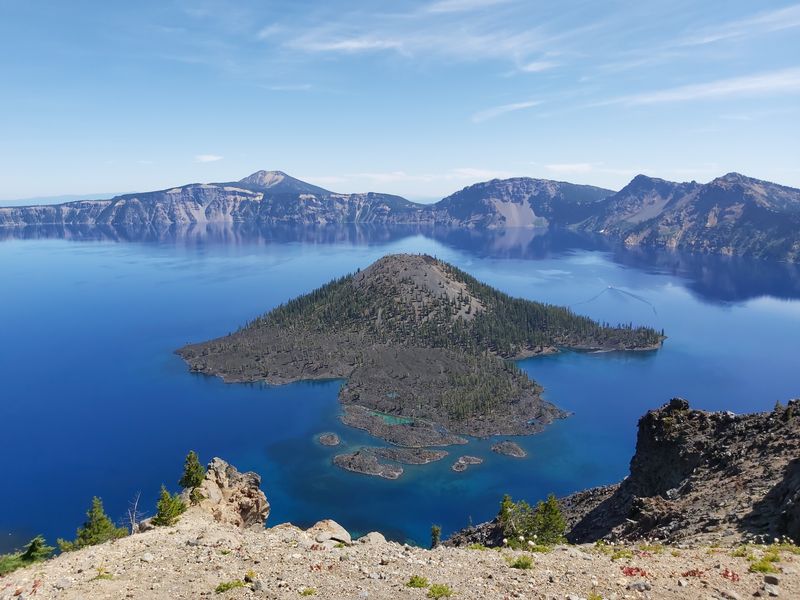
About 7,700 years ago, Mount Mazama collapsed and created a massive caldera that now holds the deepest lake in the United States. Crater Lake plunges nearly 2,000 feet down, and its intense blue color comes from exceptional clarity and depth.
No rivers flow in or out, so only rain and snow feed the lake, keeping it incredibly pure. Wizard Island rises from the western shore, a small volcanic cone that adds mystery to the scene.
Even from rim viewpoints, the circular perfection and vivid blue feel almost otherworldly.
7. Torres del Paine National Park, Chile
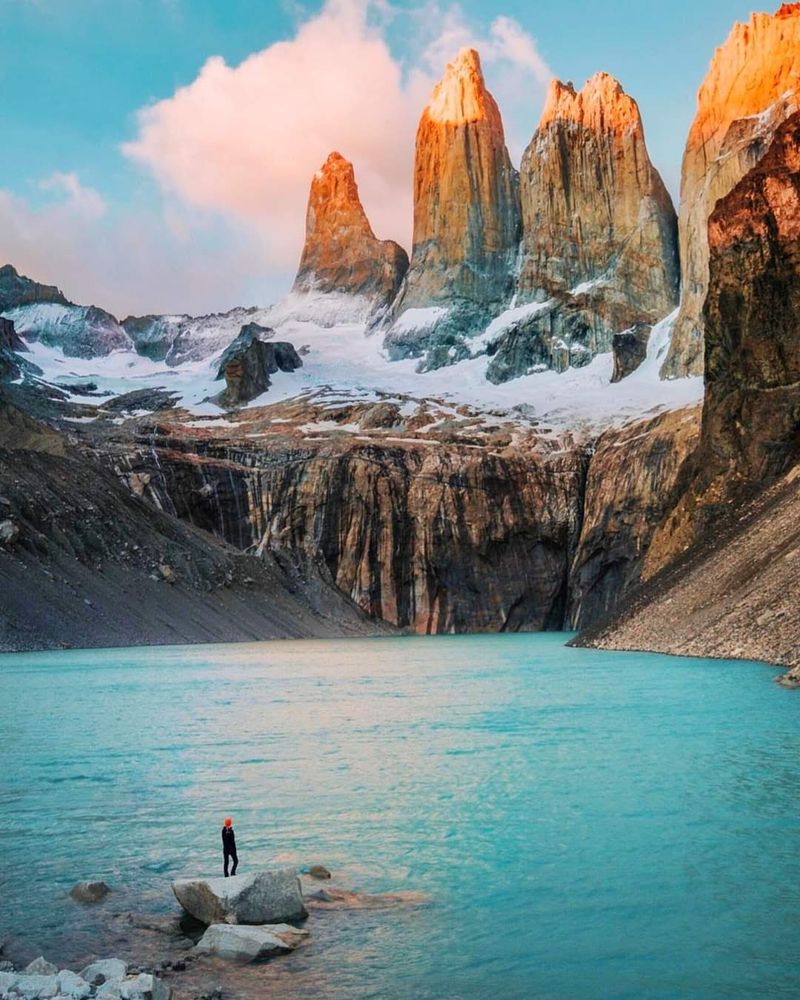
Three granite spires shoot skyward like natural skyscrapers in Chilean Patagonia, giving Torres del Paine its name and its fame. Time Out magazine ranks it as the number one national park worldwide, and trekkers from every continent agree.
The legendary W-circuit trail winds past glaciers, turquoise lakes, and windswept pampas where guanacos graze peacefully. Lenga forests glow gold in autumn, contrasting with icy blue glacier tongues.
Every angle offers drama, whether you’re watching sunrise light the towers or listening to ice crack off Grey Glacier.
8. Etosha National Park, Namibia
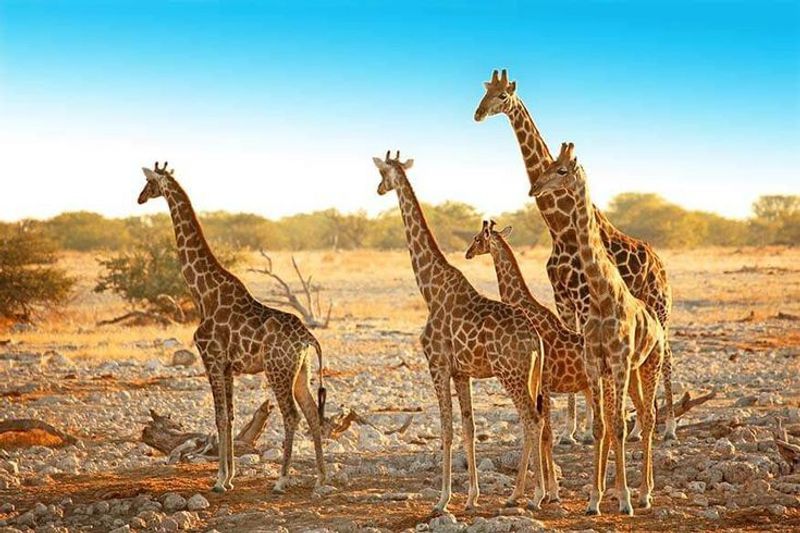
A vast salt pan stretches so wide you can see it from space, shimmering white under the African sun. Etosha built its reputation around this pan and the waterholes that ring it, where wildlife gathers in staggering numbers.
Elephants dust-bathe while springbok and zebra gather by the thousands during dry months. Lions, cheetahs, and hyenas patrol the edges, waiting for their chance.
Etosha also protects endangered black rhinos, and lucky visitors spot these magnificent animals more often here than almost anywhere else in Africa.
9. Jiuzhaigou National Park, China
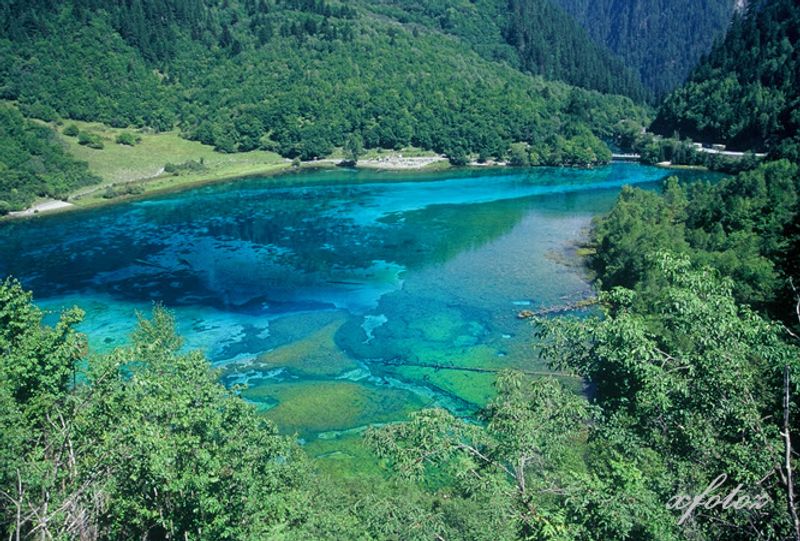
Lakes in impossible shades of turquoise, emerald, and sapphire fill a valley in Sichuan province that looks straight out of a fantasy painting. Jiuzhaigou holds both UNESCO World Heritage and World Biosphere Reserve status for its unique travertine formations.
Five Flower Lake shows off vivid colors so bright they seem artificial, yet they’re completely natural. Pearl Shoal and Nuorilang waterfalls cascade across broad rock shelves in layers.
Autumn transforms surrounding forests into blazing reds and golds, making the already magical scenery even more stunning and surreal.
10. Göreme Historical National Park, Turkey
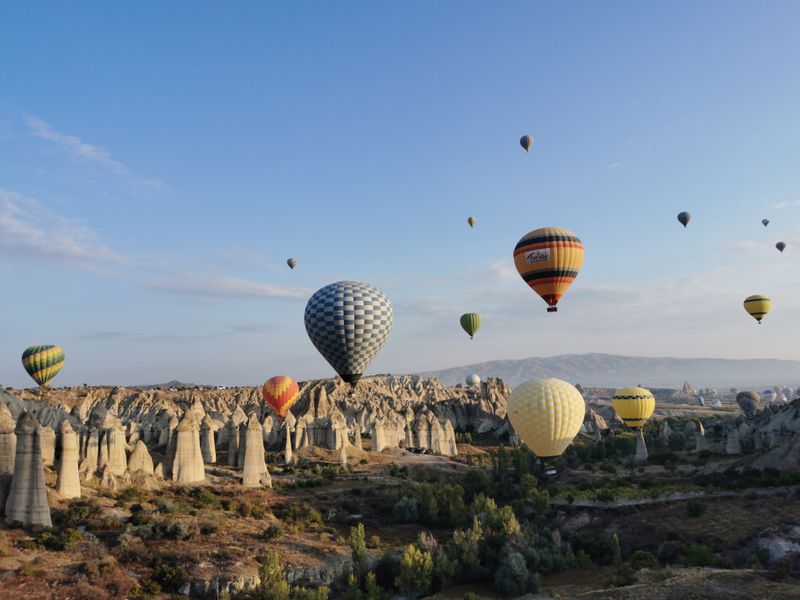
Erosion carved soft volcanic rock into pinnacles, cones, and valleys that look like something from another planet. Göreme stands apart because humans added their own layer of wonder, carving churches, monasteries, and entire underground cities into the stone.
Byzantine cave art decorates hidden chapels, blending cultural heritage with geological marvels. UNESCO recognizes both aspects as World Heritage worthy.
At sunrise, dozens of hot-air balloons drift above the fairy chimneys, creating scenes so dreamlike that cameras barely capture the magic of being there.
11. Kruger National Park, South Africa
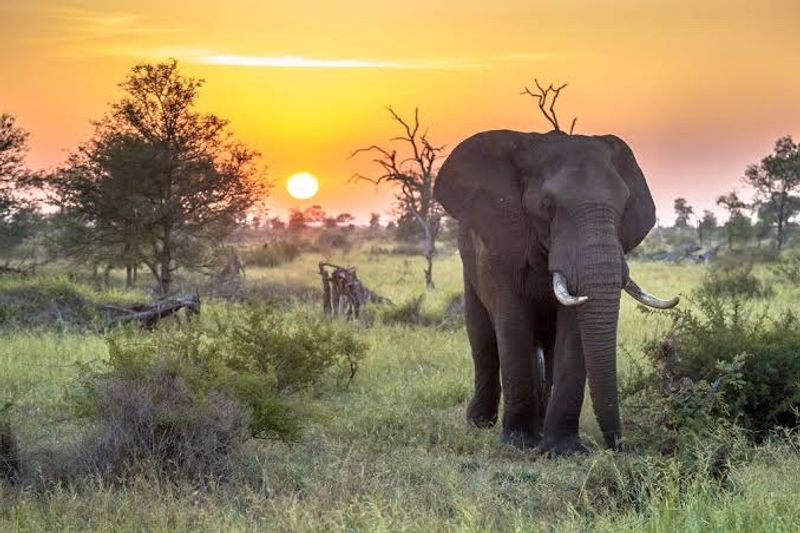
Kruger sprawls across nearly 20,000 square kilometers of South African bushveld, making it one of Africa’s largest and most accessible game reserves. All of the Big Five live here: lion, leopard, elephant, rhino, and buffalo roam freely.
More species of large mammals call Kruger home than any other African reserve, creating incredible wildlife diversity. Paved roads and a range of accommodation options make safaris possible for nearly any budget.
The Greater Kruger ecosystem, including private reserves, extends the wilderness even farther for those seeking deeper immersion in African wildlife.
12. Jasper National Park, Canada
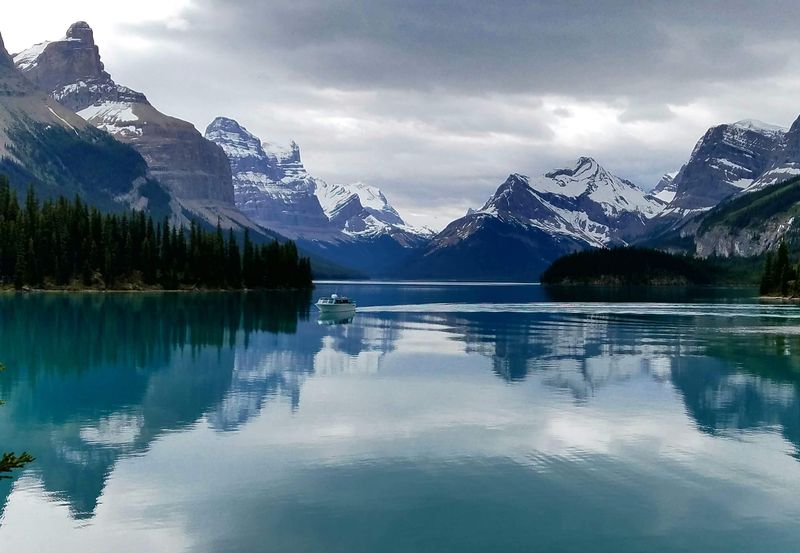
Jasper protects some of the Canadian Rockies’ most stunning glacier-carved valleys, but what you see at night makes it truly special. As one of the world’s largest Dark Sky Preserves, Jasper keeps light pollution minimal.
On clear nights, the Milky Way stretches across the sky in a brilliant band, and stars shine so brightly they cast shadows. Annual dark-sky festivals celebrate stargazing, astrophotography, and Indigenous sky stories.
By day, turquoise lakes and rugged peaks rival any mountain scenery in North America, creating a park beautiful around the clock.
13. Great Barrier Reef Marine Park, Australia
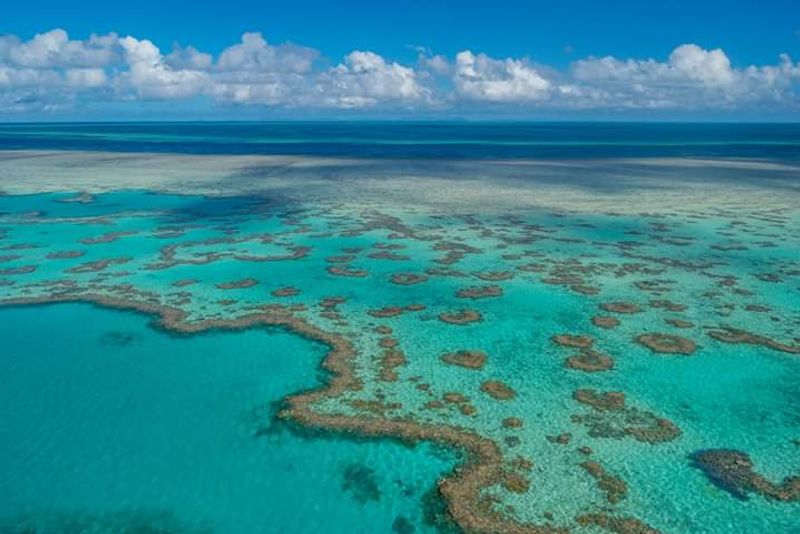
Stretching over 2,300 kilometers off Queensland’s coast, the Great Barrier Reef forms the world’s largest coral reef system with about 3,000 individual reefs. This World Heritage site hosts hundreds of coral species and thousands of fish species in staggering biodiversity.
Climate-driven bleaching has damaged sections in recent years, yet scientists emphasize the reef’s remaining beauty and ecological importance. Conservation efforts focus on protecting what remains and helping coral resilience.
Snorkeling or diving here still reveals an underwater world of color, movement, and life found nowhere else on Earth.
14. Serengeti National Park, Tanzania
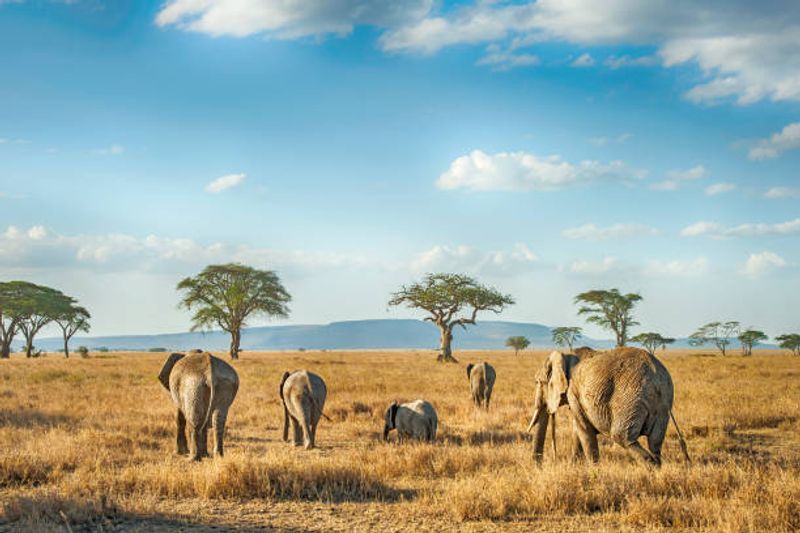
About 1.5 to 2 million wildebeest thunder across the plains each year in the Great Migration, joined by hundreds of thousands of zebras and gazelles. This ancient movement defines the Serengeti and creates one of Earth’s most spectacular wildlife events.
Endless grass plains dotted with acacia trees stretch to the horizon, while lions, cheetahs, and leopards follow the herds. Few places still support wildlife migrations on this massive scale.
Conservationists warn that climate change and human activity threaten these patterns, making visits both inspiring and urgent.
15. Zion National Park, USA
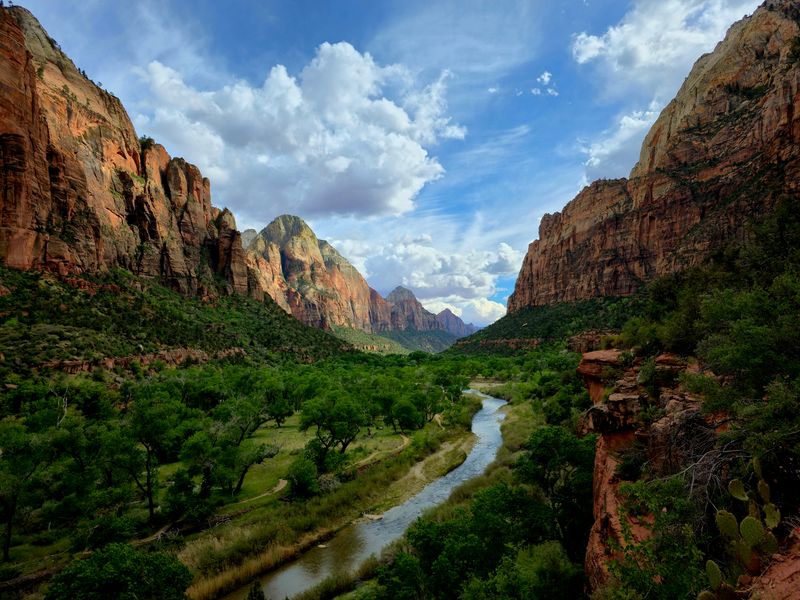
Sheer sandstone cliffs in red, cream, and orange tower above a surprisingly green canyon floor where the Virgin River flows. Zion feels like a natural cathedral, with walls reaching skyward and light filtering down in golden shafts.
The Narrows hike takes you directly into the river between vertical walls that rise hundreds of feet. Angels Landing offers a chain-assisted scramble along a narrow ridge with dizzying drops on both sides.
AAA highlights Zion among the world’s most beautiful places, and its mix of geology and adventure captures imaginations worldwide.
16. Grand Teton National Park, USA
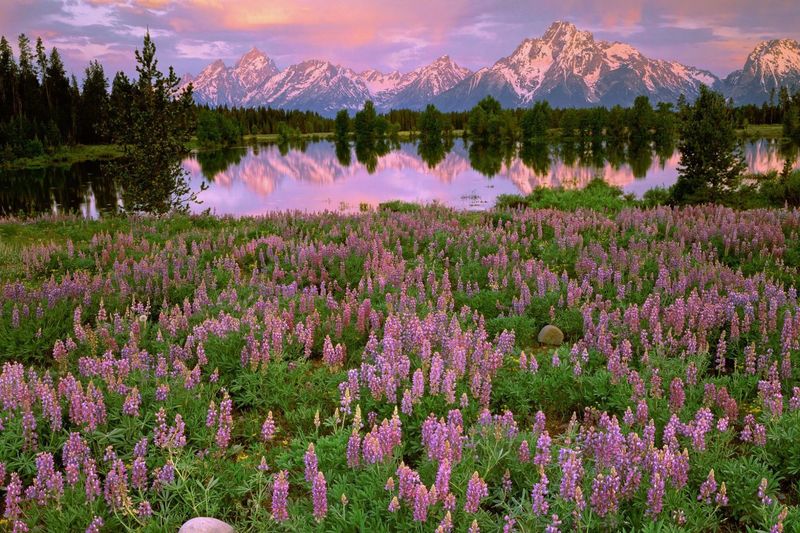
The Teton Range shoots straight up from Jackson Hole valley without foothills to soften the drama, creating one of America’s most striking mountain profiles. Sharp, glacier-carved peaks tower over more than forty named alpine and subalpine lakes.
Moose wade through willow marshes while elk bugle in autumn meadows, and grizzly bears roam the backcountry. Reflections of the peaks in Jenny and Jackson Lakes create postcard-perfect scenes that photographers chase endlessly.
AAA includes Grand Teton in its list of most beautiful places, and many visitors pair it with Yellowstone for an unforgettable mountain journey.



