 Unearth The Voyage
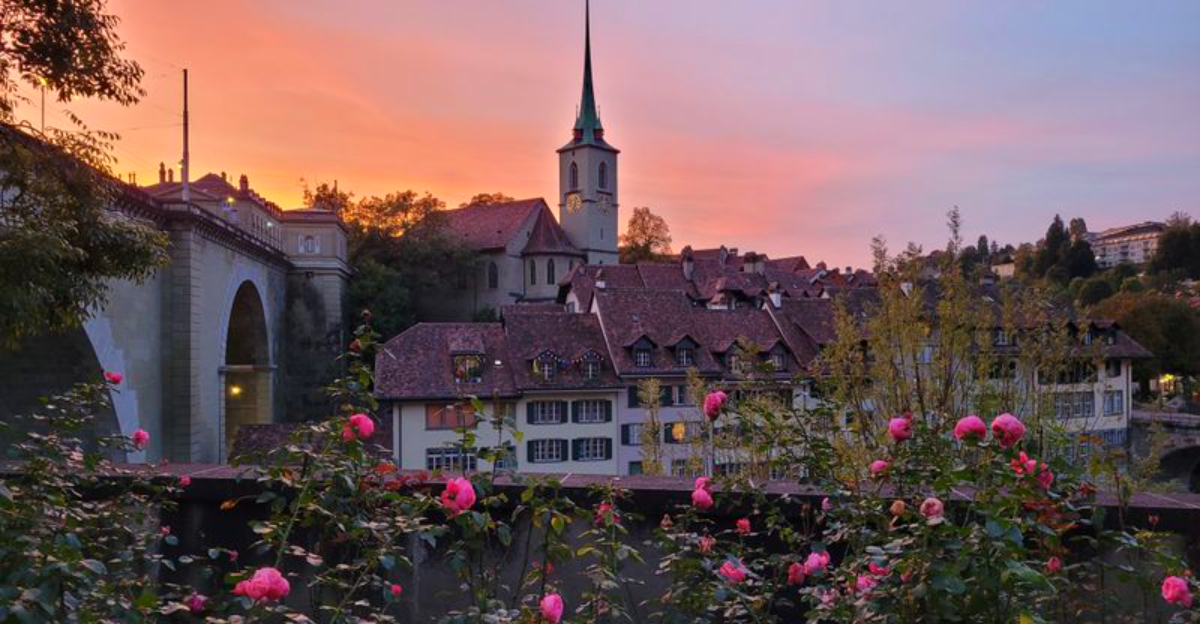
Cities around the world are transforming their streets to make cycling safer, faster, and more enjoyable for everyone. From protected bike lanes to massive parking facilities, these urban areas show what happens when bikes get serious attention. In 2026, fifteen cities stand out as global leaders, proving that prioritizing cyclists creates healthier, happier communities.
1. Utrecht, Netherlands
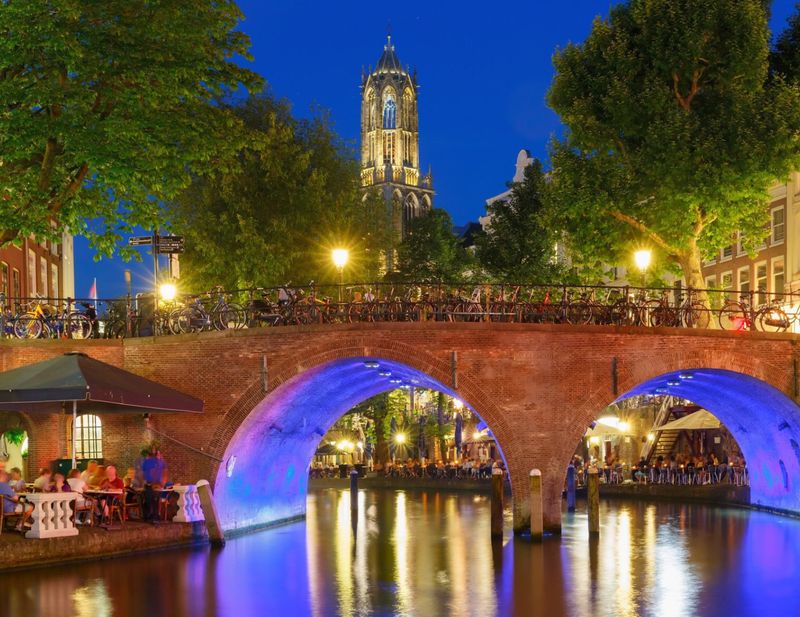
Utrecht claims the top spot in the Copenhagenize Index 2025, setting the global standard as we roll into 2026. What makes this Dutch city truly exceptional? Security matters here.
With 89 bicycle parking spaces per 1,000 residents, Utrecht understands that people need safe places to leave their bikes. The central station parking facility alone holds between 12,500 and 13,500 bicycles, depending on how you count the adjacent areas.
That makes it the world’s largest bike parking structure, a title Utrecht wears proudly. Imagine an underground garage, but instead of cars, it’s filled with thousands of bikes neatly organized and protected from weather and theft. When infrastructure gets this good, cycling becomes the obvious choice for daily errands, commutes, and everything in between.
2. Copenhagen, Denmark
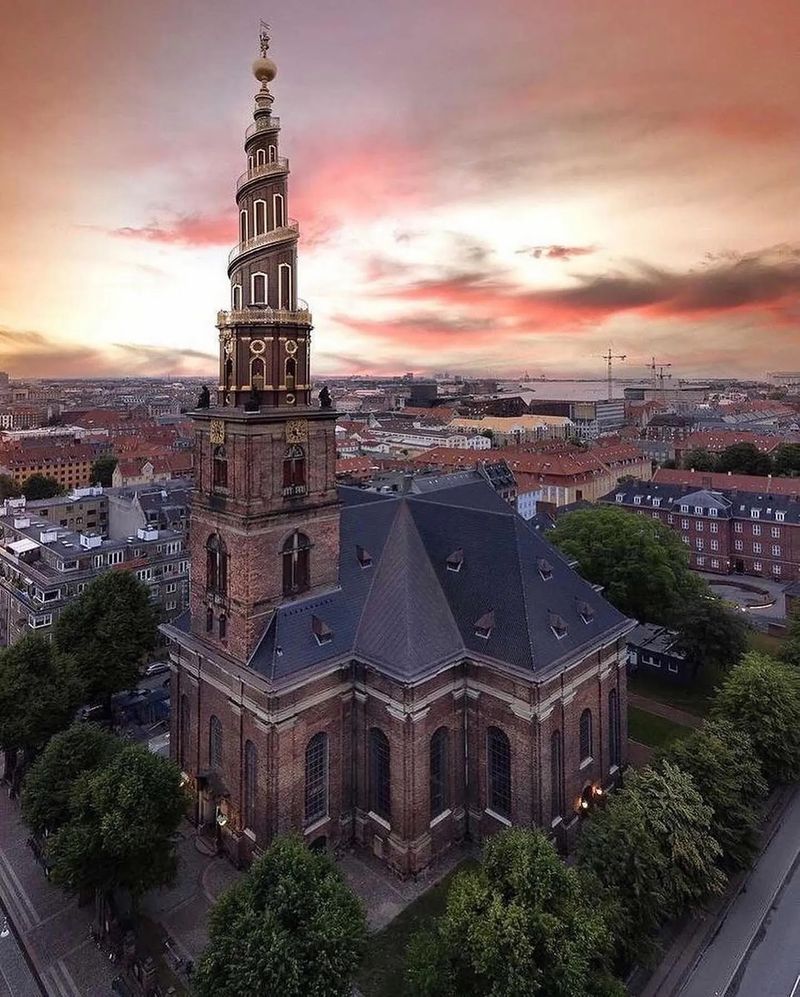
Copenhagen continues to dominate global cycling performance as 2026 approaches. The numbers tell an impressive story: 52 kilometers of protected bicycle lanes exist for every 100 kilometers of roadway throughout the city.
Protected means physical barriers separate cyclists from cars, not just painted lines. But Copenhagen doesn’t stop at safety infrastructure. The city coordinates traffic signals in what locals call a green wave, timing lights so cyclists can maintain steady speeds without constant stopping.
Recent reports confirm the city keeps expanding this system, making bike commutes smoother and faster. When you design an entire transportation network around bicycles instead of treating them as an afterthought, everyone benefits. Fewer cars mean cleaner air, quieter streets, and healthier residents who get exercise built into their daily routines.
3. Amsterdam, Netherlands
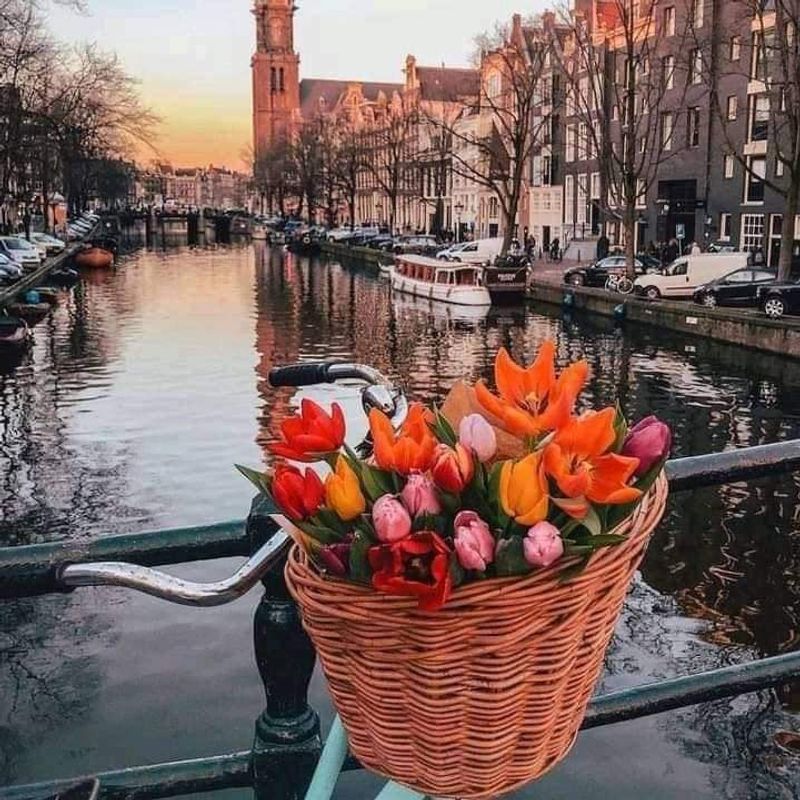
Amsterdam sits comfortably in the very top tier of the 2025 Index, consistently recognized worldwide as a cycling paradise. But here’s the secret: Amsterdam isn’t chasing flashy innovations or trendy projects.
Instead, the city masters what experts call the boring stuff. Continuous networks that connect everywhere, high-quality infrastructure maintained year after year, and cycling normalized as the default transportation choice for millions of daily trips. The Index rewards exactly this approach because consistency matters more than novelty.
When your grandmother, your boss, and elementary school kids all ride bikes to get around, you’ve achieved something special. Amsterdam proves that cycling excellence isn’t about being exciting or cutting-edge. It’s about making bikes the easiest, most practical option day after day, decade after decade, until riding becomes as natural as walking.
4. Ghent, Belgium
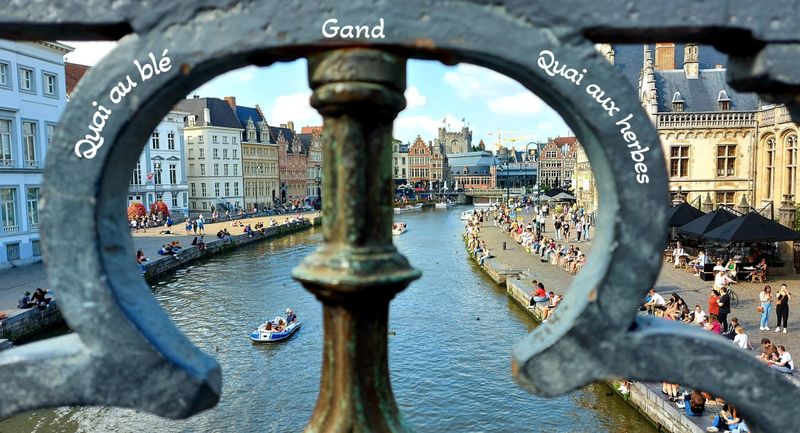
Ghent earns recognition among the top performers in the Copenhagenize Index 2025, punching above its weight for a mid-sized Belgian city. Secure parking plays a major role in Ghent’s success story.
The city provides 68 bicycle parking spaces per 1,000 inhabitants, ranking it among the Index’s leaders in this crucial category. Why does parking matter so much? People won’t bike if they worry about theft.
Ghent understands this psychology and invests accordingly. The city combines medieval charm with modern cycling infrastructure, creating an environment where residents naturally choose bikes for transportation. Belgium might be famous for chocolate and beer, but Ghent proves the country also excels at building bike-friendly communities. When smaller cities achieve this level of cycling infrastructure, they demonstrate that you don’t need massive populations or unlimited budgets to prioritize bikes effectively and create lasting change.
5. Paris, France
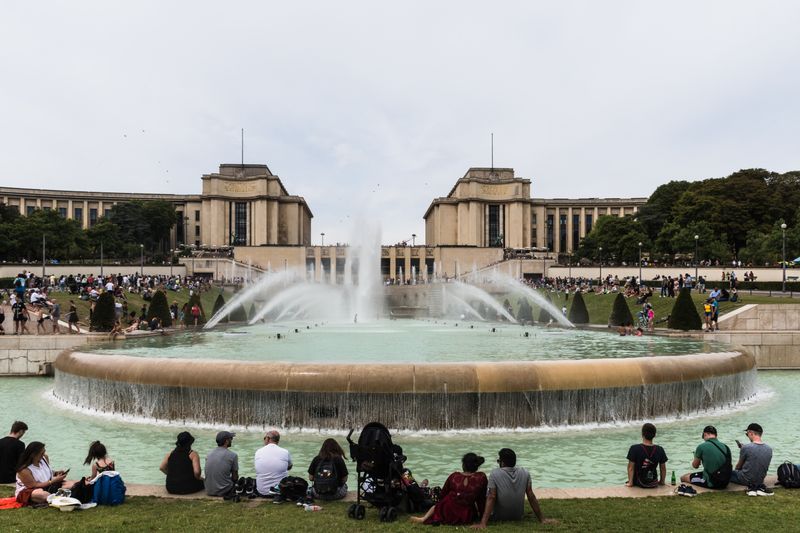
Paris completes the top five in Copenhagenize’s 2025 ranking, but what’s really remarkable is the speed of change. From 2019 to 2024, Paris increased its cycling modal share by 6.2 percentage points, the strongest growth recorded in the entire Index.
That’s not hype or wishful thinking. Real Parisians are abandoning cars and metro rides for bicycles in significant numbers. The transformation feels dramatic because it is.
Streets once dominated by honking taxis now feature protected bike lanes carrying thousands of cyclists daily. Mayor Anne Hidalgo’s administration invested heavily in cycling infrastructure, and the data proves the investment paid off. Paris demonstrates that even cities with established transportation systems can pivot toward bikes when leaders commit seriously. The City of Light is becoming the City of Bikes, showing that cultural change happens faster than skeptics imagine.
6. Helsinki, Finland
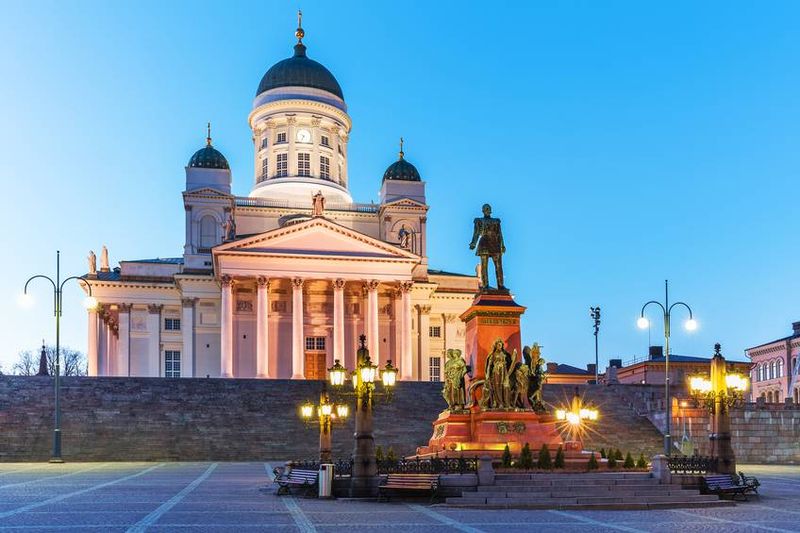
Helsinki emerges as a major city on the rise, approaching the top performers in cycling infrastructure and usage. Here’s what makes Helsinki fascinating: the Index explicitly notes that climate isn’t destiny.
Despite snowy winters and freezing temperatures, Helsinki thrives as a cycling city. How? Commitment to year-round maintenance of bike paths, including snow clearing and salting that matches what car roads receive.
When cities treat cycling infrastructure as essential rather than optional, weather becomes less of an obstacle. Finnish cyclists bundle up and keep riding through winter because the paths stay clear and safe. Helsinki proves that northern cities can’t blame cold weather for poor cycling numbers. The real barrier isn’t temperature; it’s political will and infrastructure investment. If Finland can make winter cycling work at 60 degrees north latitude, almost any city can prioritize bikes successfully regardless of climate.
7. Antwerp, Belgium
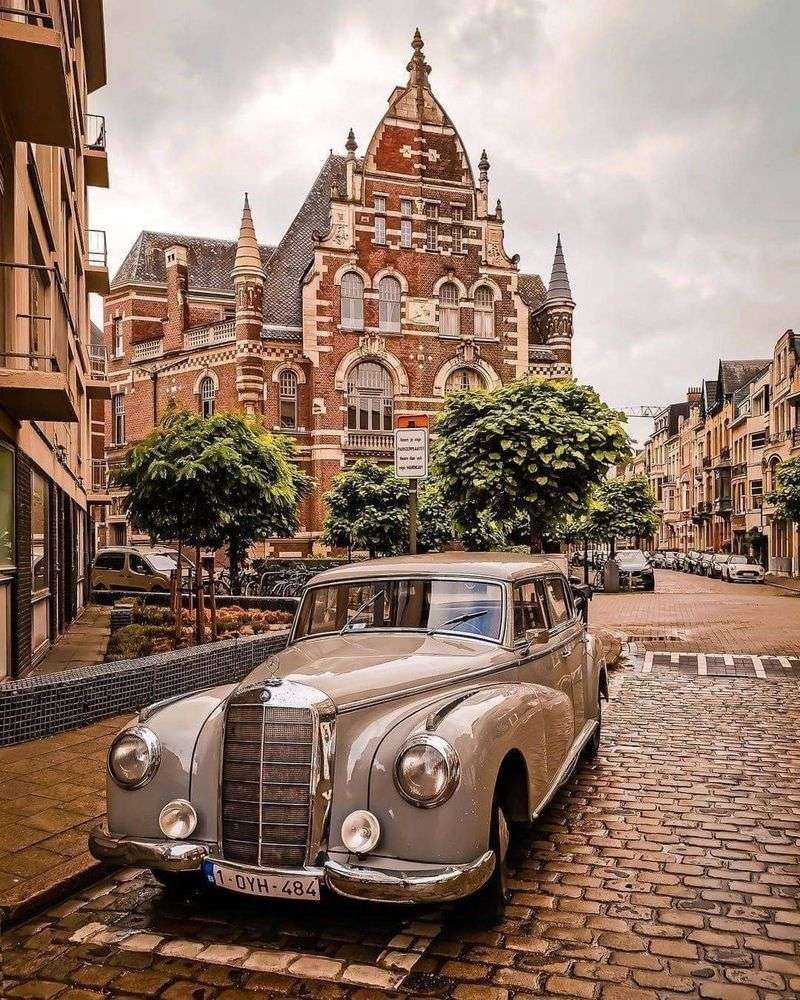
Antwerp ranks among the cities close behind the top performers, climbing steadily thanks to consistent investment across multiple cycling policy areas. Belgium’s second-largest city doesn’t chase headlines with dramatic announcements.
Instead, Antwerp takes a methodical approach, improving infrastructure piece by piece, year after year. New protected lanes connect to existing networks. Parking facilities expand near transit stations. Traffic signals get adjusted to favor cyclists.
Each improvement alone might seem small, but together they create momentum. Antwerp’s strategy shows that cycling transformation doesn’t require revolutionary change overnight. Steady progress works just as well, maybe better, because it allows communities to adapt gradually.
Residents notice the improvements, start riding more, and demand further expansion. This creates a positive cycle where success builds on itself, pushing Antwerp closer to the elite tier with each passing year.
8. Münster, Germany
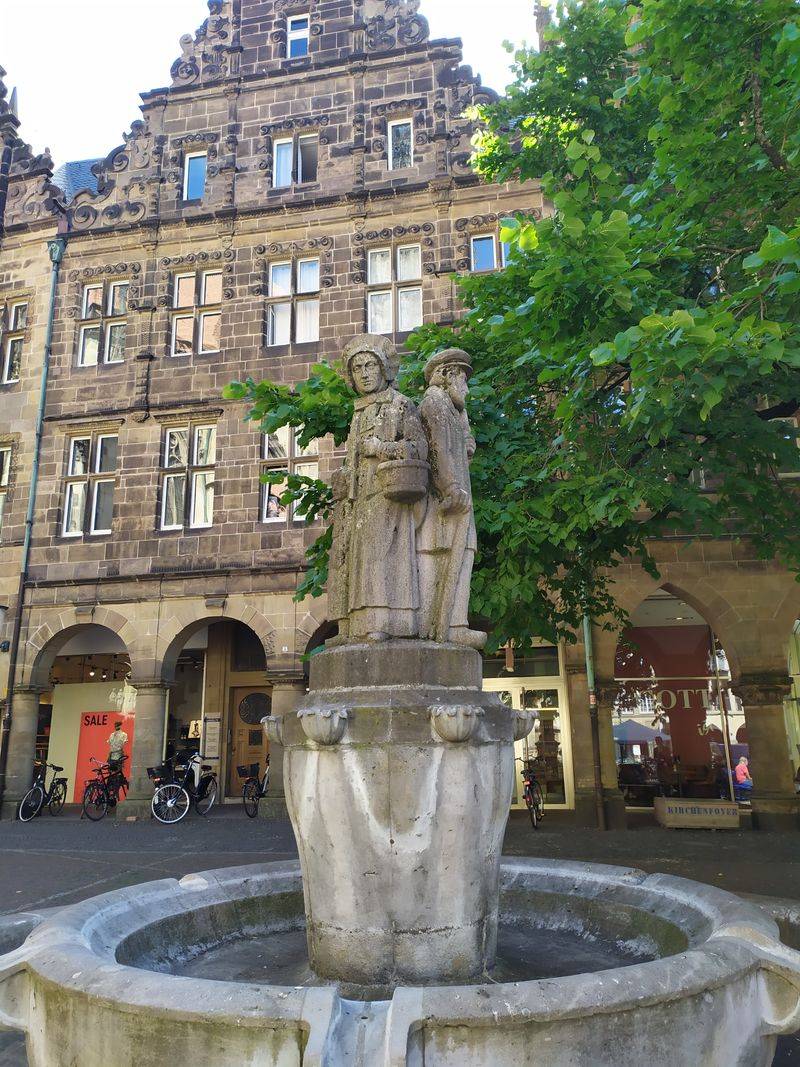
Münster appears among the close behind group in the Index’s Top 30, maintaining its reputation as Germany’s unofficial cycling capital. This university town in North Rhine-Westphalia has prioritized bikes for decades.
Students, professors, families, and retirees all cycle as their primary transportation method. Münster’s cycling culture runs so deep that the city feels more Dutch than German in its transportation patterns. The flat terrain certainly helps, but geography alone doesn’t explain Münster’s success.
Continuous political support for cycling infrastructure across different administrations made the real difference. When both conservative and progressive governments agree that bikes matter, progress continues regardless of election results. Münster proves that cycling shouldn’t be a partisan issue. It’s simply smart urban planning that benefits everyone through reduced congestion, cleaner air, and healthier residents. German efficiency applied to bicycle infrastructure creates impressive results worth studying.
9. Bordeaux, France
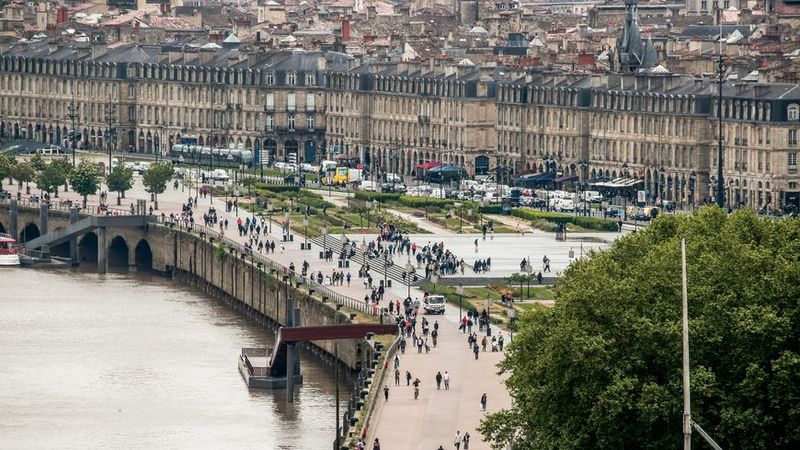
Bordeaux joins the cities closing the gap in the Top 30 discussion, benefiting from France’s nationwide embrace of cycling-friendly policies. One statistic stands out: 89 percent of Bordeaux’s street network operates under 30 km/h speed limits.
That creates fundamentally calmer conditions for everyone. Lower speeds mean drivers have more time to react, cyclists feel safer sharing space, and crashes cause less severe injuries when they do occur. The Index highlights French cities specifically for these widespread speed reductions.
Bordeaux combines this calmer traffic environment with expanding protected bike lanes and improved parking facilities. The wine capital is becoming a cycling capital too, proving that even cities known for car culture can shift priorities. When streets feel safe and comfortable, people naturally choose bikes for more trips. Bordeaux demonstrates that policy changes like speed limits deliver results as effectively as expensive infrastructure projects.
10. The Hague, Netherlands

The Hague earns its place as close behind the leaders, reflecting consistent performance across infrastructure, usage, and policy categories. As the Netherlands’ political capital and royal residence, The Hague sets an important example.
Government employees, diplomats, and international workers all cycle alongside long-time residents, creating a diverse cycling population. The city doesn’t match Utrecht or Amsterdam’s top rankings, but it maintains the high Dutch standard that would place it above most cities worldwide.
The Hague benefits from national cycling culture while adding its own innovations and improvements. Protected lanes connect neighborhoods to government districts, the beach, and surrounding cities. Parking facilities accommodate both daily commuters and tourists visiting the Peace Palace or Scheveningen coast. The Hague proves that even within a country famous for cycling, cities can distinguish themselves through continued investment and attention to detail that keeps residents pedaling.
11. Strasbourg, France

Strasbourg appears among the close behind cities in the Index’s Top 30 snapshot, maintaining its status as one of France’s cycling pioneers. Located on the German border, Strasbourg blends French and German cycling influences effectively.
The city started building serious cycling infrastructure decades ago, long before Paris embraced bikes. This head start shows in the mature network that connects the entire city seamlessly. Strasbourg’s position as home to European Parliament institutions adds interesting dynamics.
International workers from across Europe bring diverse cycling expectations and experiences. The city must accommodate everyone from Dutch diplomats who expect Utrecht-level infrastructure to visitors from less bike-friendly countries just learning to ride in traffic. Strasbourg handles this diversity well, offering routes for confident cyclists and protected paths for nervous beginners. The result is a cycling system that works for residents and international visitors alike, spreading cycling culture across borders.
12. Montréal, Canada
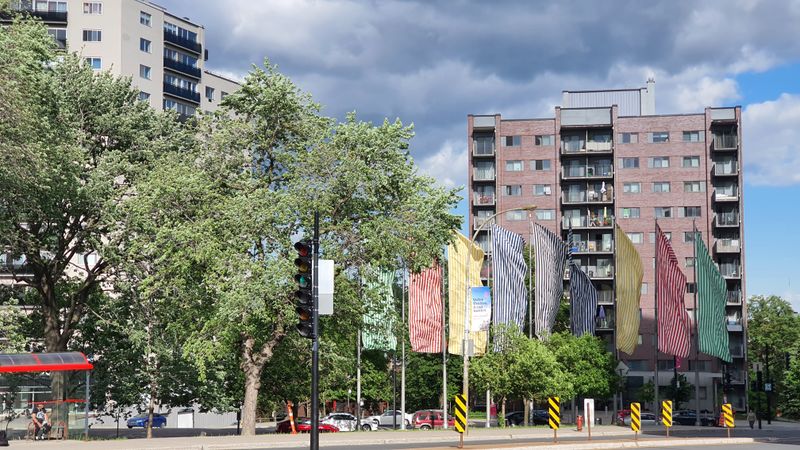
Montréal appears among the cities closing the gap in the Top 30, earning special recognition as one of very few non-European cities reaching elite status. That distinction matters significantly.
North American cities typically lag far behind Europe in cycling infrastructure and culture. Montréal breaks that pattern, showing that car-dependent continents can change with proper commitment. The city expanded protected bike lanes aggressively over recent years, creating networks that actually connect destinations rather than offering disconnected fragments.
Winter presents challenges, but Montréal increasingly maintains key routes year-round, following Helsinki’s example. The city’s French heritage might contribute to cycling culture, connecting Montréal more to European attitudes than typical North American car dependency. Regardless of reasons, Montréal’s success provides hope for other Canadian and American cities. If it works in Montréal’s climate and North American context, it can work almost anywhere with sufficient political will and investment.
13. Nantes, France
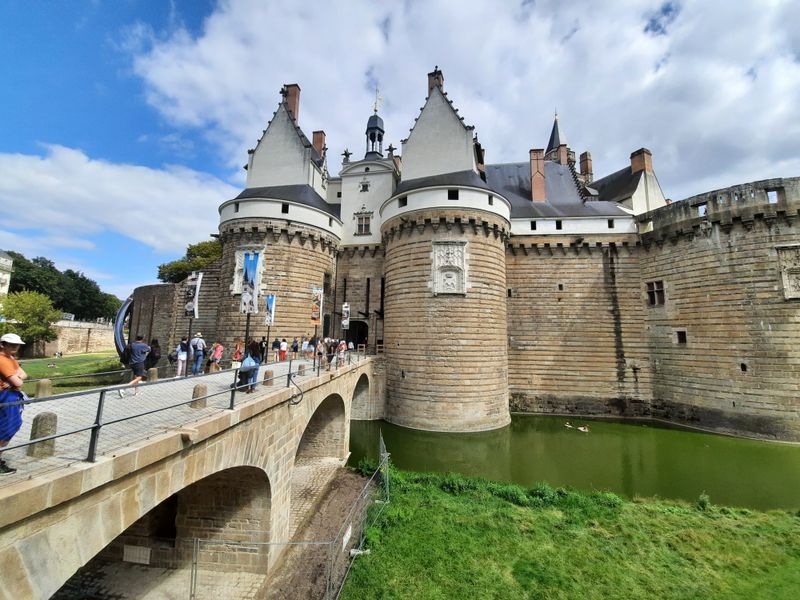
Nantes gets explicitly called out as back on top in the Index narrative after disappearing from the previous edition. That return signals renewed commitment and successful policy implementation.
What happened? Nantes refocused on cycling infrastructure after a period of stagnation, investing heavily in protected lanes, parking, and traffic calming. The results came quickly enough to earn recognition again. Like Bordeaux, Nantes benefits from France’s speed limit revolution, with 88 percent of streets operating under 30 km/h conditions.
This Loire River city combines calmer traffic with expanding cycling networks, creating an environment where families feel comfortable riding together. Nantes’ comeback story offers an important lesson: cities can lose ground on cycling if they stop investing, but they can also regain momentum with renewed commitment. Progress isn’t permanent without continued effort. Nantes proves that cycling rankings reflect current policies, not past achievements, motivating cities to maintain momentum.
14. Bern, Switzerland
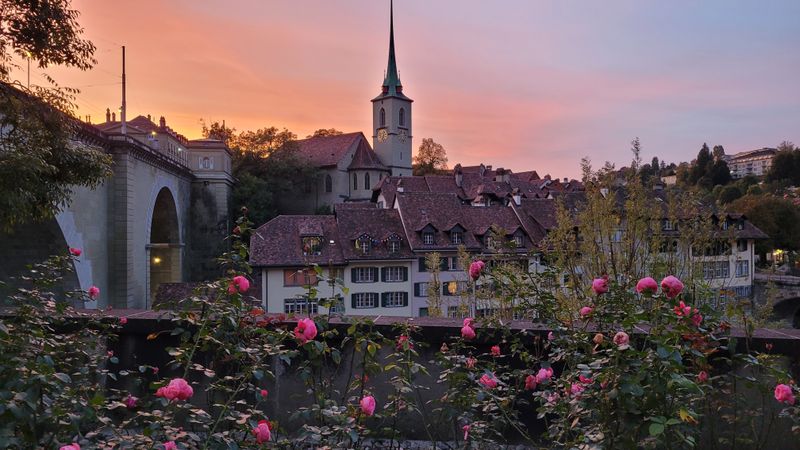
Bern enters the Index for the first time as a newcomer to watch, signaling accelerating momentum in Switzerland’s capital. First-time appearances matter because they indicate cities reaching critical mass in cycling infrastructure and usage.
Bern didn’t suddenly start caring about bikes; the city has been building toward this recognition for years. Now the pieces have come together sufficiently for international recognition. Switzerland’s reputation for precision and quality extends to cycling infrastructure.
Bern applies Swiss engineering standards to bike lanes, parking, and traffic management, creating systems that work reliably. The city’s compact medieval center actually benefits from cycling, as bikes navigate narrow streets more easily than cars. Bern demonstrates that historic cities can embrace cycling without compromising character. Protected lanes can wind through ancient neighborhoods when designed thoughtfully. As a first-time Index entry, Bern represents the next wave of cycling cities emerging globally.
15. Stockholm, Sweden
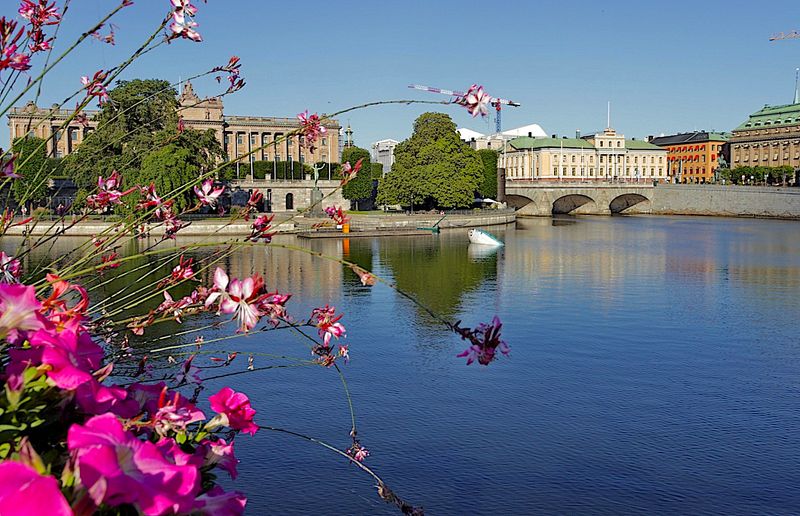
Stockholm joins the Index as a first-time entrant, marking Sweden’s capital as a city with accelerating cycling progress worth tracking in 2026. Like Bern, Stockholm’s debut signals that years of infrastructure investment are finally reaching visible critical mass.
Swedish cities traditionally lagged behind Danish and Dutch neighbors in cycling, despite similar geography and climate. Stockholm’s emergence suggests that’s changing. The city benefits from Scandinavian design sensibilities applied to cycling infrastructure, creating beautiful and functional bike lanes that fit naturally into urban landscapes.
Island geography presents unique challenges, but Stockholm turns this into an advantage by creating dedicated cycling routes across bridges connecting different parts of the city. Winter maintenance follows Nordic best practices, keeping paths clear and safe year-round. Stockholm’s Index debut should motivate other Swedish cities to accelerate their own cycling investments, creating healthy regional competition that benefits everyone.



