 Unearth The Voyage
Some islands look like paradise until you learn what waits beyond the shoreline. From venom-packed jungles to forbidden shores guarded by arrows, these places turn wanderlust into a cautionary tale. You are about to meet islands where nature, history, and human limits collide in terrifying ways. Keep reading before curiosity books you a one way trip you might not return from.
1. Ilha da Queimada Grande (Snake Island), Brazil
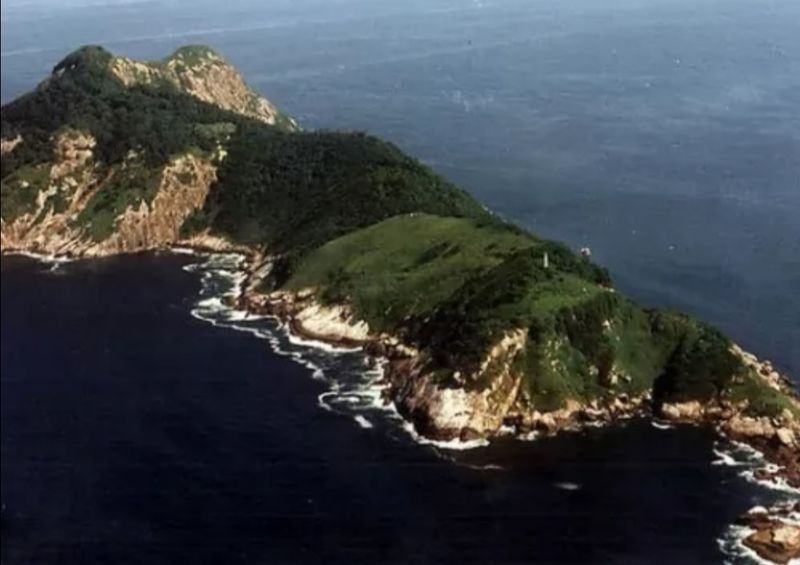
Picture a lush green island where every rustle could be a golden lancehead viper. Reports suggest pockets with one to five snakes per square meter, which means your next step might be your last. Their venom acts fast, potentially fatal in under an hour, and help is miles of ocean away.
The Brazilian Navy bans public access for a reason, and even researchers tread carefully with escorts. Dense brush, steep rocks, and relentless humidity hide fangs at ankle height. If a bite lands, evacuation delays turn a bad decision into a final one.
You do not need bravery here. You need distance and respect for a place that evolution armed to the teeth. Paradise does not always welcome visitors.
2. North Sentinel Island, Andaman Sea (India)

North Sentinel looks like a dream from a postcard until you notice the warning line you should never cross. The Sentinelese fiercely protect their shores, meeting boats with arrows and stones. Approaching is illegal to safeguard them and you from violence and disease.
Any landing attempts have ended badly, with damaged boats and injured or dead outsiders. There is no safe harbor, no welcome committee, and no permission. Even rescue and research missions keep their distance.
You are not just uninvited here, you are a threat simply by being alive. One cough could devastate a people with no immunity. The most respectful and safest choice is to admire the island from far offshore.
3. Bikini Atoll, Marshall Islands
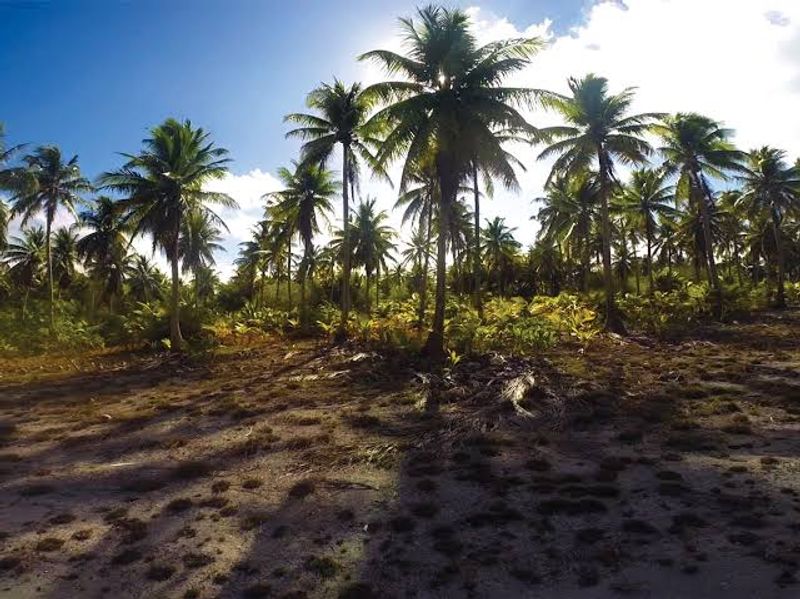
Sunlight sparkles on a flawless lagoon, yet the ground holds a radioactive past. Between 1946 and 1958, the United States detonated 23 nuclear devices here. Fallout contaminated soil, coconuts, and fish, turning paradise into a long experiment in lingering risk.
Radiation levels vary, but food safety remains a serious concern for long stays. Even short visits demand strict guidance, and permanent habitation is still considered unsafe. The atoll’s silence feels beautiful and eerie at once.
You can dive famous wrecks and see surreal blue water if permitted. But you cannot see strontium or cesium, and that is the problem. Invisible danger does not care how careful or excited you feel.
4. Gruinard Island, Scotland

Gruinard’s rugged shoreline hides a dark chapter of science. In 1942, anthrax spores were tested here, leaving the island lethally contaminated for decades. Decontamination in 1986 reduced risks, but the reputation and cautionary signs linger.
Anthrax spores are notoriously persistent, and historical restrictions lasted for generations. While officially declared safe, access remained tightly controlled for long periods. The lesson is simple: some experiments haunt landscapes long after the headlines fade.
You will not find cozy cottages or welcoming trails. You will find a stark reminder that biological weapons do not retire easily. If curiosity draws you north, let prudence keep your boots off this shore.
5. Ramree Island, Myanmar
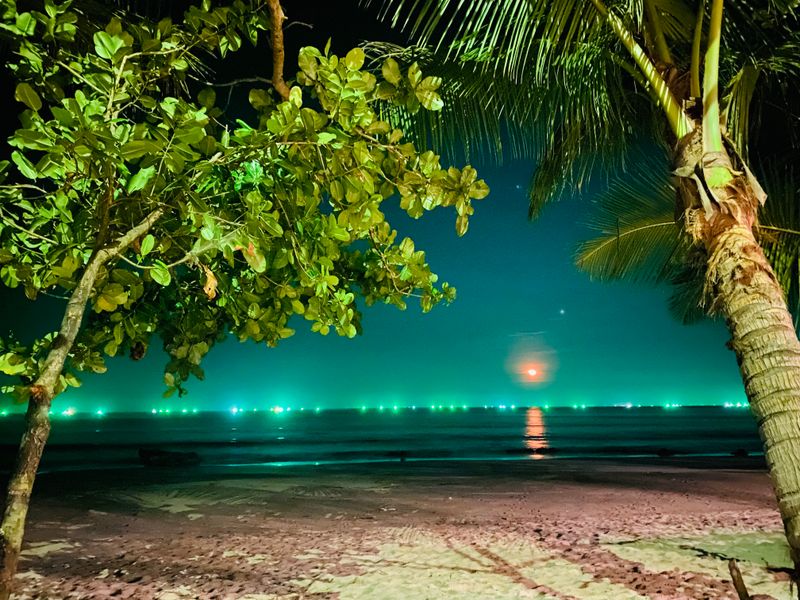
Mangrove channels wrap Ramree Island like a maze, and crocodiles own every turn. Saltwater crocodiles are big, fast, and frighteningly patient, able to launch from still water with brutal power. During World War II, chaos in these swamps turned into horror as soldiers vanished into jaws.
The terrain works against you, sucking at your boots and hiding threats inches away. Visibility is poor, escape routes vanish at high tide, and even small mistakes become permanent. Locals respect the water because the water bites back.
You might hear birds and think it is peaceful. That is when the ambush happens. If adventure calls, answer with distance and a boat that never stops watching the banks.
6. Miyake-Jima, Japan
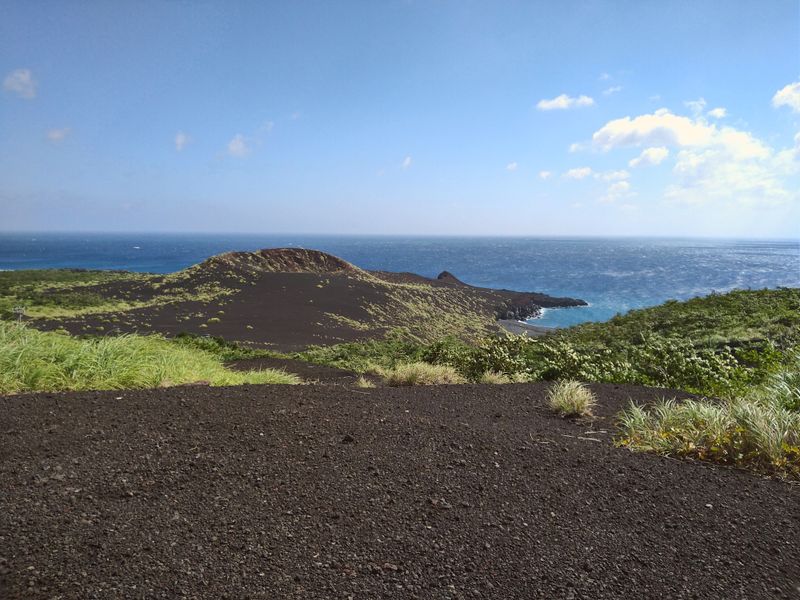
Miyake-Jima looks serene until gas alarms cut through the breeze. Mount Oyama’s volcanic system breathes sulfur dioxide, forcing residents to carry gas masks and watch the wind. Even clear days can turn risky when the plume shifts without warning.
Volcanic ash, corrosive air, and sudden evacuation orders are not vacation vibes. The island is inhabited, but daily life dances with hazard. Visitors must monitor alerts, heed signage, and respect restricted zones.
You might crave adventure, but lungs prefer clean air and predictable forecasts. If you go, go informed, and never ditch the mask. Nature writes the schedule here, and comfort bows to chemistry.
7. Reunion Island, Indian Ocean (France)
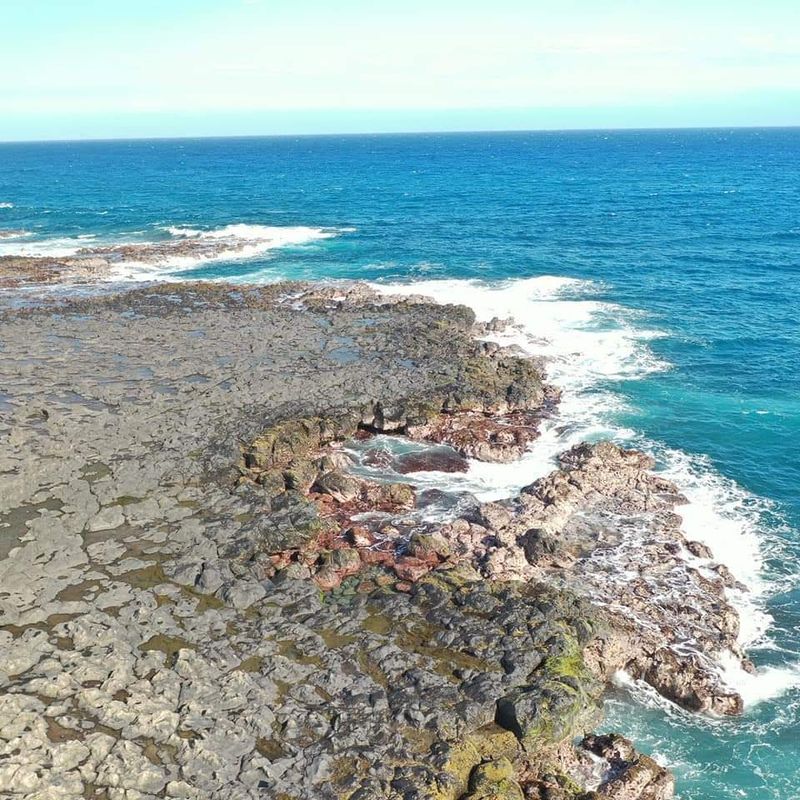
Reunion’s beaches are gorgeous, but the surf hides a predator problem. Tiger and bull sharks patrol the coast, and attack rates have pushed authorities to close many beaches. Surfing here is not just rebellious, it is statistically reckless.
Protective nets and monitoring help, yet conditions change fast and gaps remain. The island’s steep underwater drop offs bring deep water close, inviting big sharks to the lineup. Even skilled locals pick their spots with caution.
You can hike volcanoes and waterfalls safely inland. The ocean, though, demands humility and local advice. When signs say beach closed, they mean it with teeth.
8. Poveglia Island, Italy
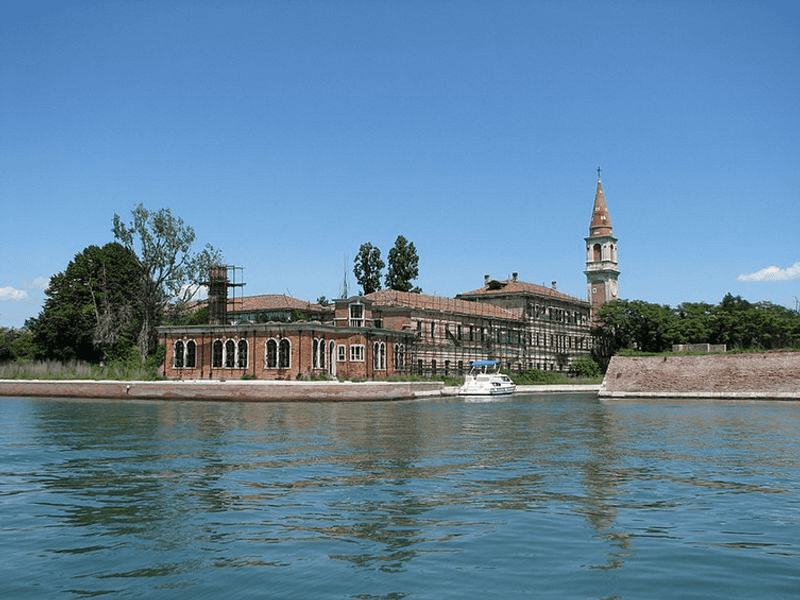
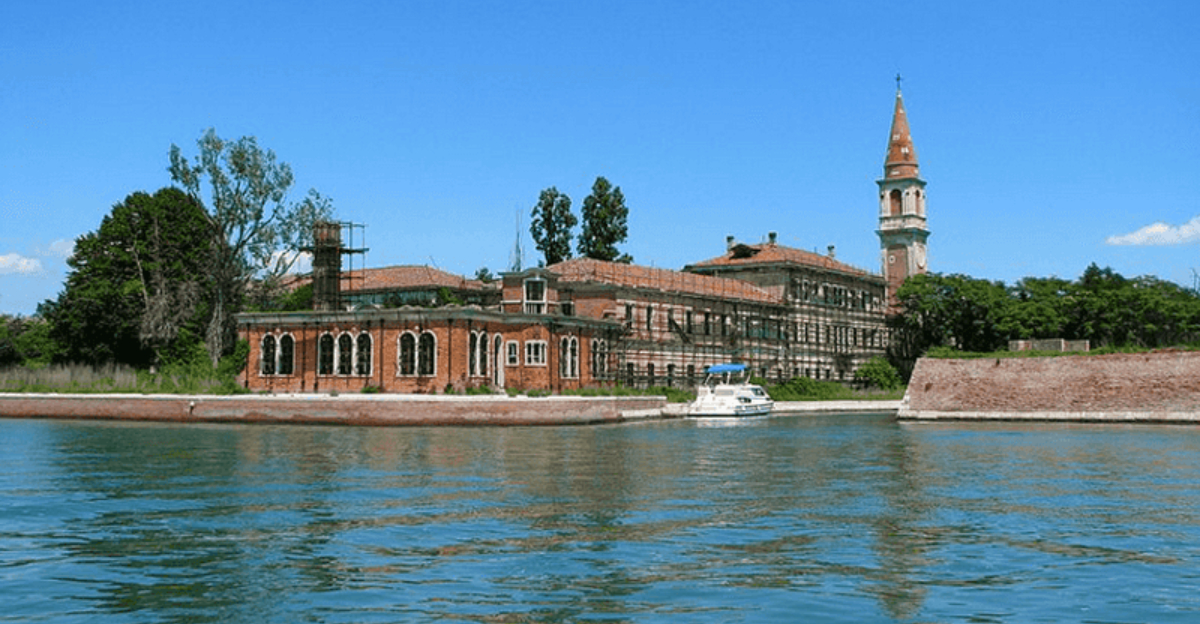
Poveglia sits between Venice and the open lagoon, a quiet stage for grim history. Once a quarantine station and plague burial site, it absorbed centuries of fear and loss. Buildings now sag and splinter, making every step a structural gamble.
The danger is not ghosts but gravity and decay. Floors collapse, stairways crumble, and restricted access exists for good reasons. Storms and tides add another layer of risk to any illicit landing.
You do not need paranormal thrills to feel the weight here. Respect the closures, and let the island rest. History already paid the admission fee in full.
9. Saba Island, Caribbean (Netherlands Antilles)
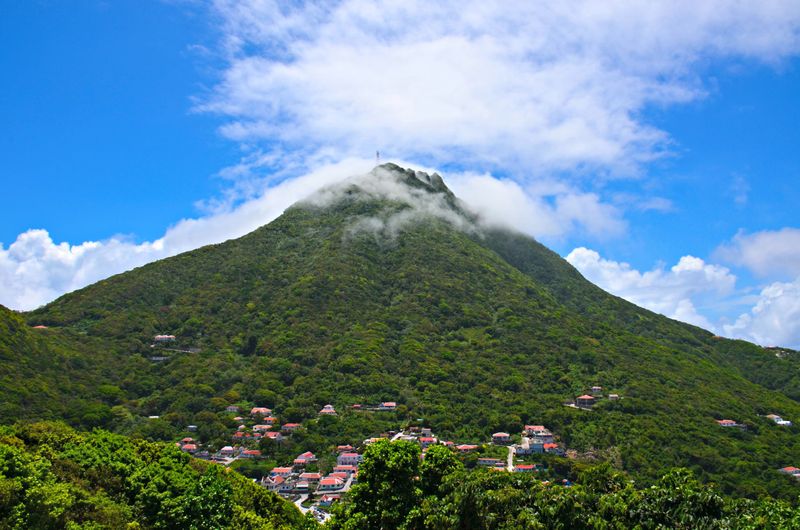
Saba rises almost straight from the sea, all cliffs and clouds. The island sits on an active volcanic system, and tremors remind you that the ground is temporary. Even getting there is a thrill, with one of the world’s shortest and most intimidating runways.
Roads cling to slopes, hairpins stacked like switchback ladders. Weather shifts fast, fog swallows visibility, and pilots earn every landing. Hiking rewards you with views but demands strong legs and steady judgment.
You can love Saba and still respect its edges. Here, gravity negotiates nothing. If you do not plan carefully, the island will plan your day for you.
10. Fraser Island (K’gari), Australia

K’gari’s dunes glow gold while hidden hazards stack up around you. Dingoes here are bold, with one of Australia’s highest attack rates. In the water, box jellyfish, sharks, and strong rips make a simple swim a tactical decision.
Driving requires a capable 4×4 and sharp tide timing. Soft sand traps vehicles and rising water swallows mistakes. Inland lakes look inviting but demand care with depth, footing, and wildlife.
You can have an incredible trip if you treat the island like a wild park, not a resort. Secure food, give dingoes space, and respect marine warnings. Safety starts before the ferry leaves the mainland.
11. Socotra Island, Yemen

Socotra looks like a science fiction set, but the risk is real world. The island itself is not biologically hostile, yet geopolitics complicate everything from flights to emergency help. Piracy in nearby waters and regional conflict raise stakes you cannot control.
Medical facilities are limited, evacuations can be slow, and permissions change with little warning. Travel insurance might not fully cover what can go wrong here. Logistics turn simple mishaps into serious problems.
If you dream of dragon’s blood trees, research deeply and read current advisories. Patience and flexibility help, but they do not stop bullets or bureaucracy. Sometimes the smartest adventure is the one you delay.
12. Heard Island & McDonald Islands (Australia – Antarctic Territory)
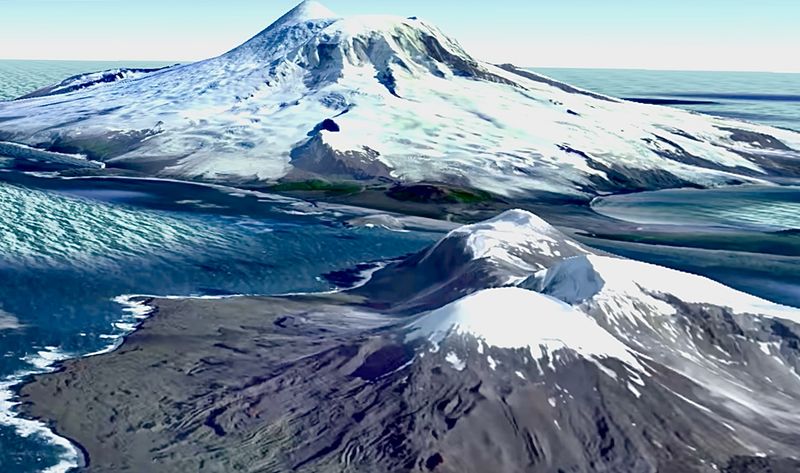
These sub Antarctic specks punish the unprepared. Big Ben, an active volcano, steams above glaciers while the Southern Ocean shreds plans with sudden storms. Temperatures bite, winds roar, and there is no easy shelter or rescue.
Landing requires a narrow weather window and robust expedition skills. Lava flows, crevasse fields, and surf landings combine mountaineering with seamanship. If something breaks, help might be weeks away.
You could taste true wilderness here, but it will taste like ice and fear. Evacuation is nearly impossible when seas rise and skies close. Romantic ideas about remoteness meet reality very quickly.
13. Bear Island (Svalbard, Norway)

Bear Island looks empty until the weather turns and everything wants you gone. Polar bears roam the region, unpredictable and powerful, and you are not top of the food chain. There is no permanent population to call for help.
Arctic storms slam the coast, icing gear and swallowing visibility. Cold water steals body heat fast, and cliffs funnel brutal winds. Navigation and shelter become survival problems, not inconveniences.
If you insist on coming, bring serious polar experience, deterrents, and a plan B through Z. The island will not compromise with you. Respect the ice, or it writes the ending.
14. New Britain Island, Papua New Guinea
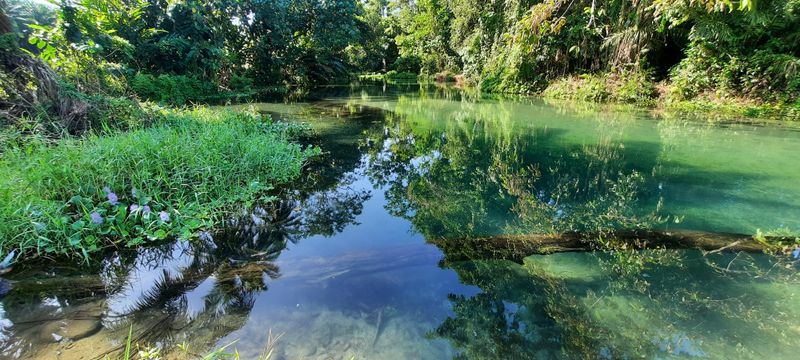
New Britain sits on the Pacific Ring of Fire, and the ground never truly rests. Mount Ulawun ranks among the world’s most hazardous volcanoes, sending towering ash plumes skyward. Eruptions disrupt air travel, coat villages, and trigger evacuations.
Lahars and landslides follow heavy rain, while earthquakes shake already steep terrain. Roads vanish, rivers change course, and ash turns lungs and engines into complaints. Planning is a moving target here.
You might chase adventure, but the volcanoes set the tempo. Local alerts and evacuation drills are not suggestions. When Ulawun rumbles, it is time to leave, not film.
15. Komodo Island, Indonesia
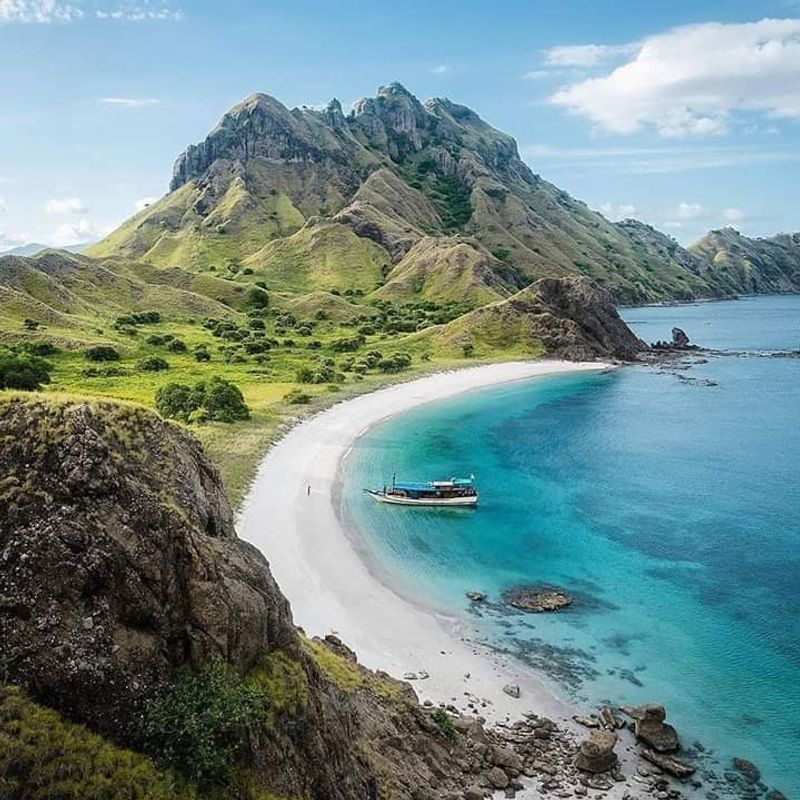
Komodo’s dragons are not myths, they are muscle and venom on four legs. Adults can reach ten feet and sprint in short bursts, with a bite that delivers anticoagulants and infection risk. Rangers carry sticks for a reason, and they still give ground.
Visitors who crowd for photos learn the hard way that dragons test boundaries. Heat, rough terrain, and deceptive distances add strain that slows reactions. The ocean nearby holds strong currents and stinging creatures too.
Keep space, follow your guide, and never bring food into encounters. These lizards read your body language better than you read theirs. Respect turns a terrifying meeting into a safe memory.



