 Unearth The Voyage
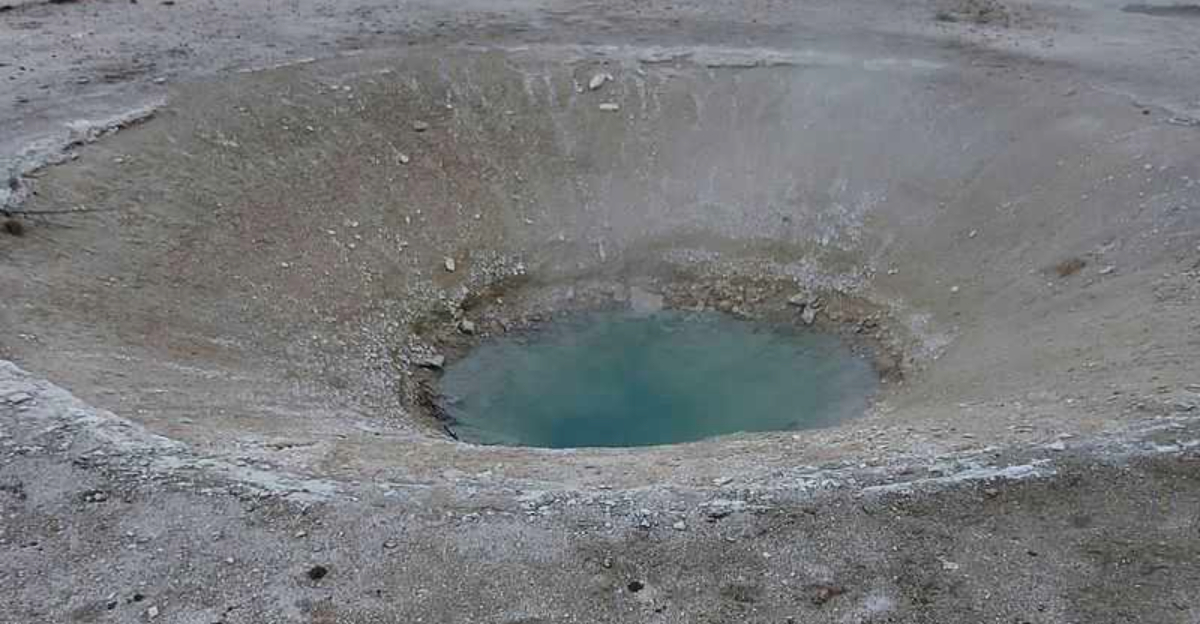
Yellowstone’s most dramatic fountain has fallen strangely silent, and you can feel the suspense in the steam. Steamboat Geyser, famous for blasts over 300 feet, has entered a quiet phase that breaks its recent rhythm. Minor splashes still whisper from the vent, but the headline eruptions have mostly stopped. If you are wondering what it means, you are not alone: scientists are watching closely, and the story is far from over.
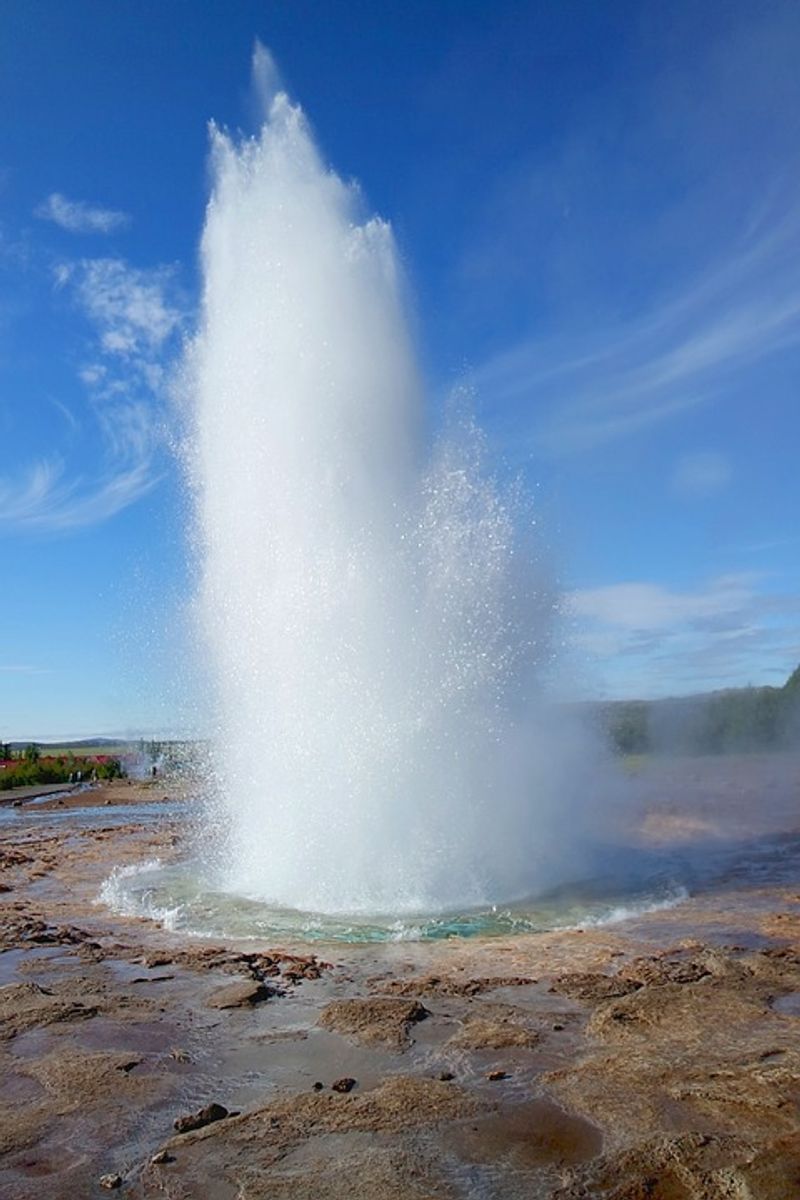
You may have noticed the headlines: Steamboat Geyser has slowed way down. After a flurry of activity from 2018 to 2023, only two major eruptions have been logged in 2025, and as of December it has been more than 200 days since the last big show. The world’s tallest active geyser appears to have broken its recent habit of frequent eruptions, leaving visitors to wonder what changed and when the next plume will come.
Scientists at the Yellowstone Volcano Observatory emphasize that Steamboat is not dead. Minor eruptions continue, but they no longer seem to build toward the full power surges that defined the recent cycle. Seismicity and ground deformation are at background levels, suggesting no imminent large eruption, even though the system remains hot, pressurized, and dynamic beneath your feet.
So what should you expect if you go now? You might catch hissing vents, splashing pulses, and drifting steam that hint at energy down below. The quiet phase could last months, years, or even decades, and nobody can promise a timetable. For now, the safest bet is patience: Steamboat is alive, its behavior has shifted, and the next chapter is being written in sulfur scented whispers you can feel on the boardwalk.
Steamboat has always been a wildcard, and its long memory adds context to what you are seeing now. Historical accounts document decades of silence, including a striking 50 year dormancy from 1911 to 1961, followed by intermittent revivals. The 2018 to 2020 stretch was astonishing, with an unprecedented burst of major eruptions that seemed to reset expectations for what normal could be.
Since then, the pace has eased. Published counts tallied 11 major eruptions in 2022, 9 in 2023, 6 in 2024, and only 2 so far in 2025, marking a clear slowdown. The pattern echoes earlier stop start eras, reminding you that geysers can toggle between loud chapters and quiet pages without warning or apology.
Why should you care about the history? Because it anchors your expectations in evidence, not hype. Steamboat’s on off rhythm could reflect shifts in water supply, subtle plumbing rearrangements, or climate nudges that modulate how much recharge reaches its reservoir. When you stand at Norris, remember that today’s hush fits a long story of dormancy and revival, and patience has often been rewarded by sudden, unforgettable roars.
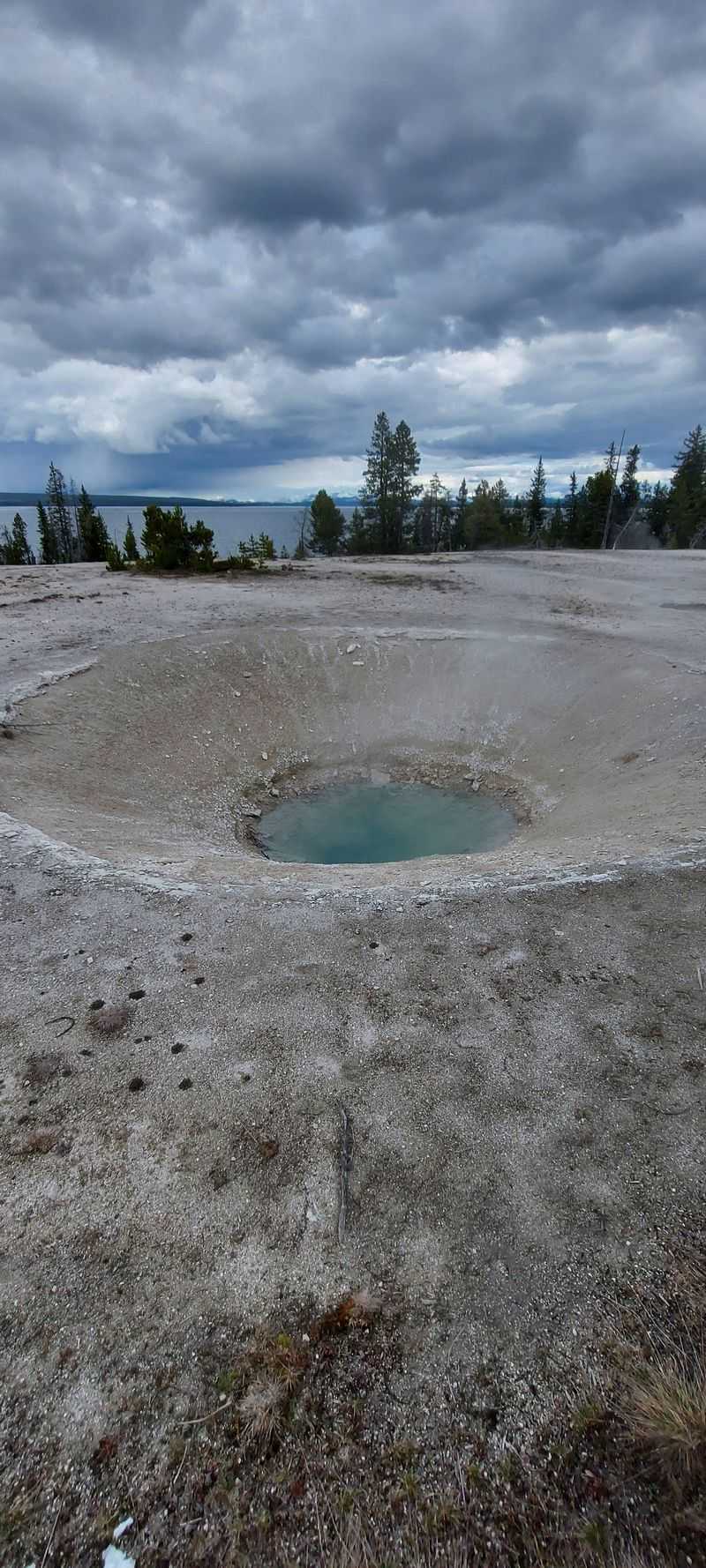
If you are asking why Steamboat went quiet, you are in good company. Experts currently weigh several plausible mechanisms, and none has clinched the case. One leading idea is silica and mineral precipitation partially clogging the vent system, a slow choke that reduces the ability to generate large, organized blasts.
Another possibility is a subtle reroute of heat or water underground, shifting how and where fluids pressurize before release. Yellowstone’s hydrothermal plumbing is famously complex and in motion, so supply changes are not surprising. Climate may also play a role, with drier periods lowering groundwater recharge and stretching intervals between major eruptions.
The consensus is cautious. Researchers report no evidence that a volcanic event is brewing, and minor activity continues without growing into big eruptions. For visitors and watchers at home, the takeaway is humility: multiple factors could be cooperating, and the quiet could persist until plumbing, water, or heat conditions tip again. Keep an eye on updates, but do not expect a neat, single cause to solve this mystery.
Steamboat is not just a crowd pleaser. It is a natural laboratory where you can watch heat, water, and rock interact in real time, yielding clues about hydrothermal dynamics and aquifer recharge. Even in a lull, instruments and careful field notes turn quiet intervals into data that sharpen models for how these systems breathe.
The pause underlines a humbling truth: geyser behavior is inherently unpredictable, and normal is a moving target. That uncertainty matters for planning, research, and your expectations on the boardwalk. The USGS view is clear that geyser swings do not signal imminent volcanic change, but they do remind us that energy remains stored beneath thin ground.
For safety, treat calm days with respect. Hot ground, unstable crust, and sudden hydrothermal bursts can occur without warning, so stay on marked paths and follow ranger guidance. If the geyser reawakens, celebrate the spectacle, not a false omen. The real lesson in this pause is curiosity paired with caution, a mindset that will keep you safe while Yellowstone writes its next line of steam.



