Most of us can name dozens of countries without breaking a sweat, but their capitals are a completely different story. Some nations have capitals that almost nobody outside their borders can recall, and a few have even switched capitals without the world noticing.
Geography textbooks often highlight the big, famous cities while quietly skipping over the ones that really matter to the people who live there. Get ready to meet 15 capitals that deserve a spot on your mental map.
1. Ngerulmud, Palau
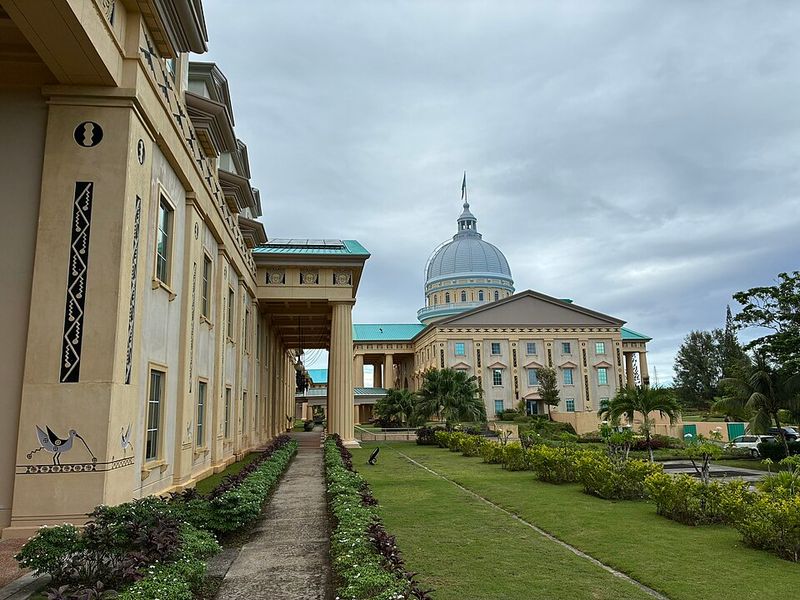
Chances are you have never said the word “Ngerulmud” out loud, and that is perfectly understandable. It holds the title of the least populous national capital on the entire planet, with fewer than 400 residents.
That is smaller than most elementary schools.
Palau itself is a stunning island nation in the western Pacific Ocean, known for its crystal-clear waters and world-class diving. The capital sits on the island of Babeldaob, surrounded by thick jungle rather than city skyscrapers.
It replaced the former capital, Koror, back in 2006.
The government complex there is modern and purpose-built, designed to resemble the U.S. Capitol building in a nod to Palau’s close relationship with the United States.
Visiting Ngerulmud feels less like visiting a capital city and more like discovering a quiet government campus carved out of paradise.
2. Yamoussoukro, Cote d’Ivoire
Ask almost anyone to name the capital of Cote d’Ivoire, and they will confidently say Abidjan. They would be wrong.
Yamoussoukro became the official capital back in 1983, yet Abidjan still handles most government functions and grabs most of the international attention.
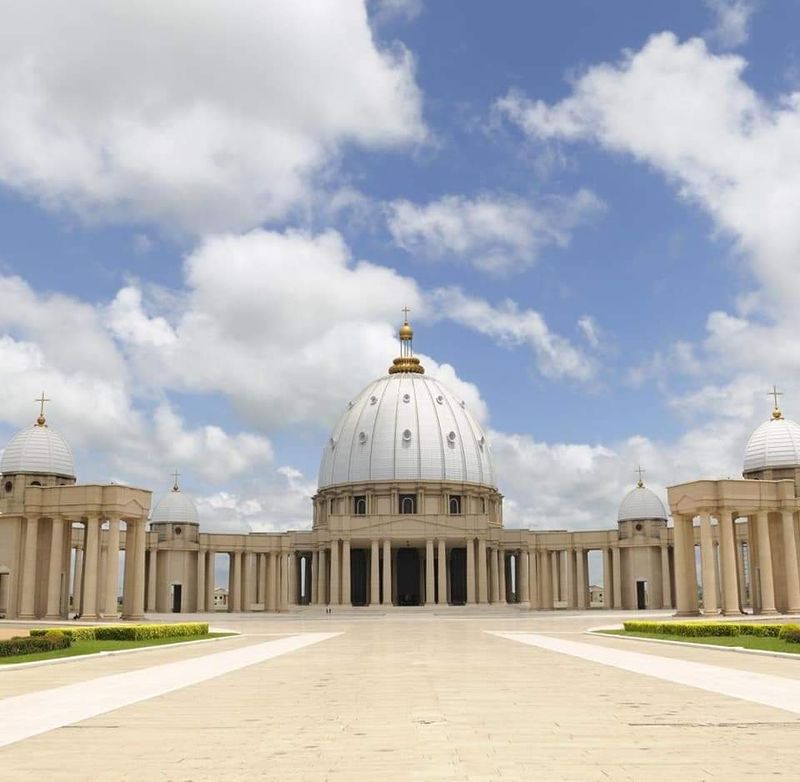
What makes Yamoussoukro genuinely unforgettable is the Basilica of Our Lady of Peace, completed in 1989. It is modeled after St. Peter’s Basilica in Rome and is officially recognized as the largest church in the world by the Guinness World Records.
The building sits in a city of roughly 300,000 people, making the scale feel almost surreal.
Former president Felix Houphouet-Boigny was born in Yamoussoukro and pushed hard to develop his hometown into a proper capital. Wide, nearly empty boulevards stretch through the city, giving it a grand but slightly ghost-town atmosphere that visitors find both fascinating and puzzling.
3. Belmopan, Belize
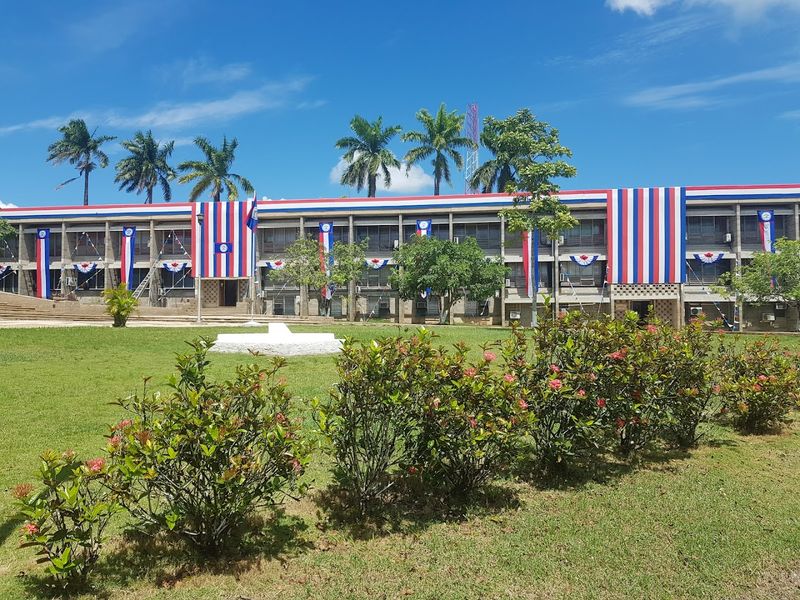
Belize City sits right on the Caribbean coast and feels like the obvious capital, with its markets, history, and international airport. But Belmopan, tucked inland about 50 miles away, officially holds that title and has since 1970.
The switch happened after Hurricane Hattie devastated Belize City in 1961, prompting the government to rebuild the capital somewhere safer and higher up. Belmopan was carefully planned from scratch, making it one of the few purpose-built capitals in the Western Hemisphere.
Despite decades as the official seat of government, its population remains modest, hovering around 20,000 people.
Many Belizeans still consider Belize City the real hub of daily life, commerce, and culture. Belmopan functions more quietly, handling the administrative side of things without much fanfare.
For geography fans, it is a fascinating example of how a natural disaster can permanently reshape a country’s identity.
4. Dodoma, Tanzania
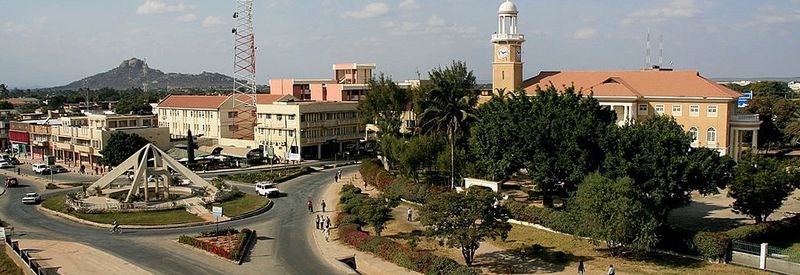
Dar es Salaam is Tanzania’s largest city, its economic powerhouse, and the place most people picture when they think of the country. So it genuinely surprises people to learn that Dodoma, a mid-sized city in the country’s geographic center, is the actual capital.
Tanzania began the transition to Dodoma in 1974 under President Julius Nyerere, who wanted the capital placed closer to the country’s heart rather than on its coast. The full transfer of government functions took decades and is arguably still not completely finished.
Dar es Salaam continues to host many embassies and major offices.
Dodoma sits on a semi-arid plateau at about 3,700 feet above sea level, giving it a noticeably drier climate than the coastal regions. The city is growing steadily, and its parliament building is a recognizable landmark.
Tanzania’s dual-city identity makes it one of Africa’s most interesting geographic stories.
5. Thimphu, Bhutan
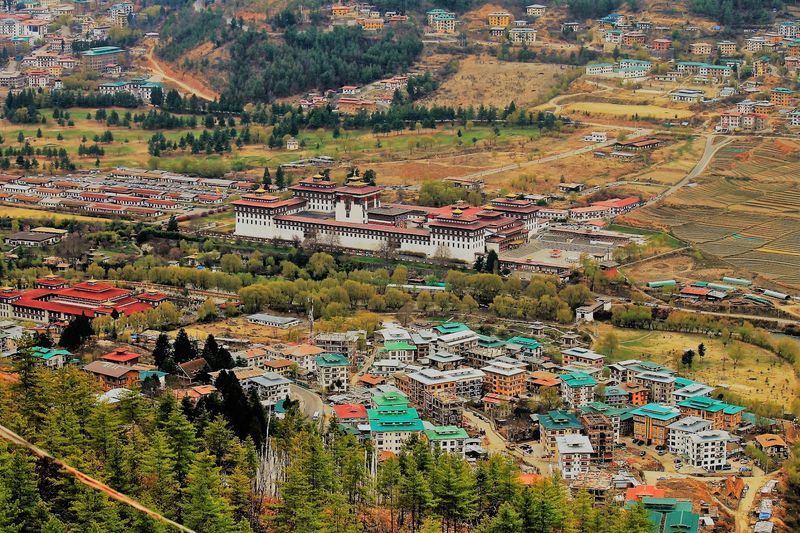
Thimphu is one of those rare capitals that feels genuinely different from anywhere else on Earth. Nestled in a valley of the Himalayas at around 7,700 feet above sea level, it is the political and cultural heart of the Kingdom of Bhutan, a country famous for measuring Gross National Happiness instead of just economic output.
Until the 1960s, Bhutan had no official capital at all. Thimphu was designated as the permanent capital in 1961 under King Jigme Dorji Wangchuck.
Today it is home to roughly 115,000 people and the magnificent Tashichho Dzong, a fortress-monastery that also houses government offices.
One quirky distinction: Thimphu is one of the only capitals in the world with no traffic lights. A police officer manually directs traffic at the main intersection, which residents reportedly prefer.
That detail alone tells you a lot about how Bhutan approaches modern life on its own terms.
6. Bandar Seri Begawan, Brunei
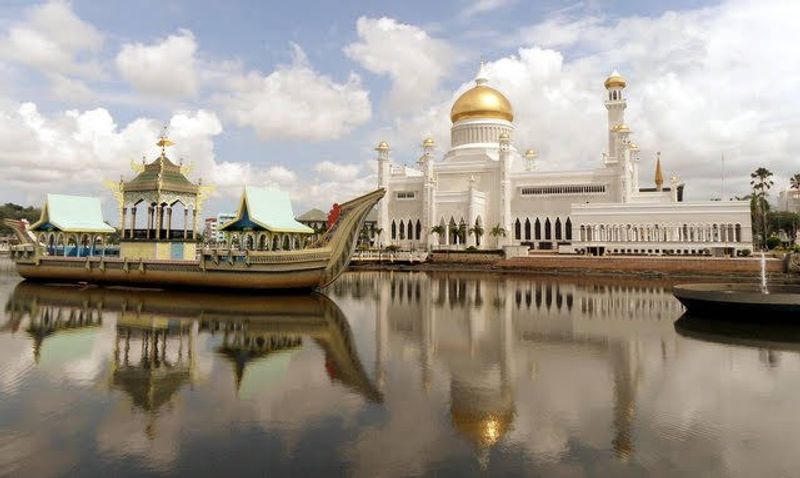
Say it slowly: Ban-dar Se-ri Be-ga-wan. Even people who know Brunei well sometimes stumble over the name of its capital.
It is a mouthful by almost any standard, and geography teachers around the world have probably heard every possible mispronunciation of it.
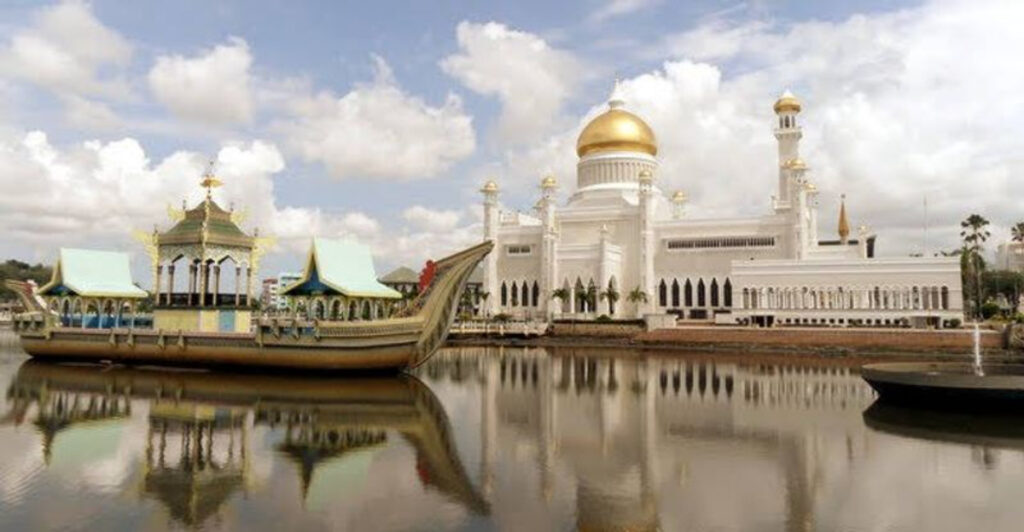
The city sits along the Brunei River in the northwest of Borneo and serves as the seat of government for one of the wealthiest nations per capita on the planet. Oil revenues have funded stunning architecture, including the iconic Omar Ali Saifuddien Mosque, which opened in 1958 and remains one of the most photographed buildings in all of Southeast Asia.
One of the city’s most unique features is Kampong Ayer, a water village built entirely on stilts over the river, housing around 30,000 people. It has existed for centuries and is often called the Venice of the East.
Bandar Seri Begawan rewards anyone patient enough to learn how to say it.
7. Podgorica, Montenegro
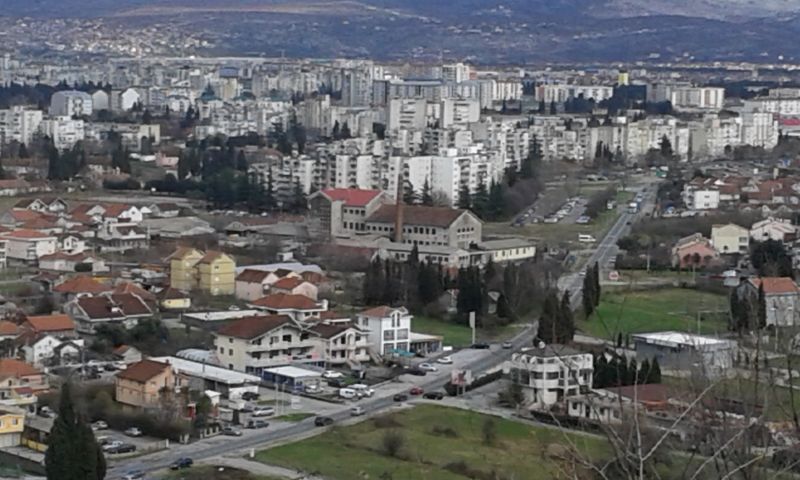
Montenegro punches well above its weight as a travel destination. Its dramatic coastline, medieval walled city of Kotor, and rugged mountain scenery attract visitors from across Europe.
Yet ask those same visitors to name the capital, and many will go quiet.
Podgorica became the capital when Montenegro declared independence from Serbia in 2006, making it one of Europe’s newest capitals. The city itself has a long history, having been known as Titograd during the Yugoslav era in honor of Marshal Tito.
It reverted to its original name after the fall of communism.
Sitting at the confluence of two rivers, the Moraca and the Ribnica, Podgorica has a population of about 150,000 and a growing cafe culture that locals are proud of. It is not the most glamorous capital in Europe, but it is an honest, lively city that reflects Montenegro’s determined path toward its own identity.
8. Skopje, North Macedonia
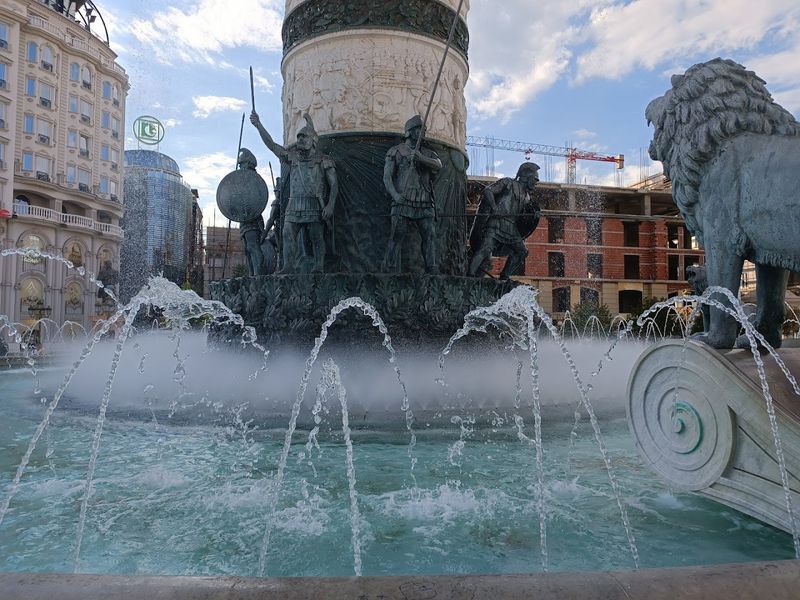
Skopje has one of the most dramatic makeovers in modern European history. Starting around 2010, the North Macedonian government launched a massive project called Skopje 2014, filling the city center with neoclassical fountains, oversized statues, and ornate facades.
The result is equal parts impressive and controversial.
The city sits along the Vardar River and has been continuously inhabited for thousands of years, serving as a regional hub long before North Macedonia existed as a modern state. A massive earthquake in 1963 destroyed much of the old city, which explains why so much of Skopje was rebuilt in the 20th century.
North Macedonia’s name itself is relatively new, changed from the Former Yugoslav Republic of Macedonia in 2019 following a landmark agreement with Greece. Skopje, with its wild mix of Ottoman bazaars, Byzantine churches, and baroque statues, captures that complicated, layered identity better than any history book could.
9. Chisinau, Moldova
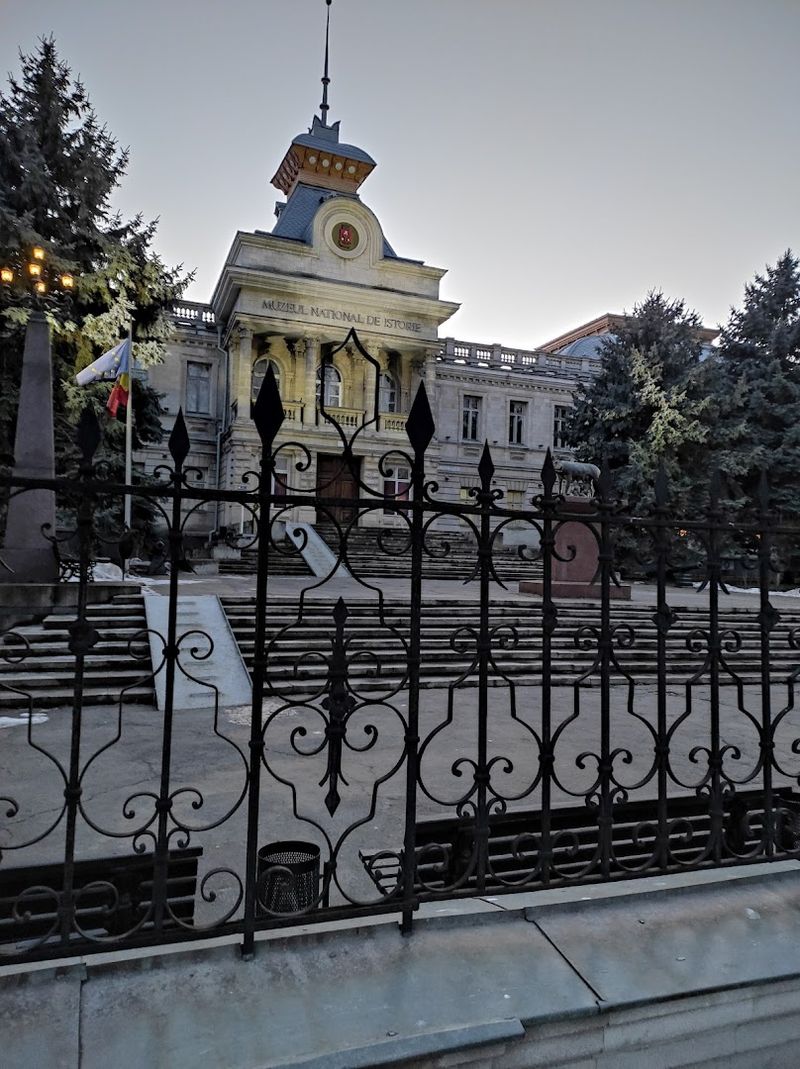
Moldova is consistently ranked as one of the least-visited and least-recognized countries in Europe, which means its capital, Chisinau, flies almost completely under the radar. Tucked between Romania and Ukraine, this landlocked nation often gets overlooked even by seasoned European travelers.
Chisinau, pronounced roughly as “Kee-shee-now,” is home to about 700,000 people, making it by far Moldova’s largest city. Much of the city was rebuilt after World War II, giving it a strong Soviet architectural character with wide boulevards and monumental public buildings.
Beneath that layer, older Orthodox churches and green parks offer a softer side.
Moldova is one of the poorest countries in Europe by GDP, but Chisinau has a surprisingly vibrant arts scene, excellent local wine culture, and a growing number of cafes and startups. The city is quietly building a reputation as an underrated gem for curious travelers willing to step off the beaten path.
10. Bishkek, Kyrgyzstan
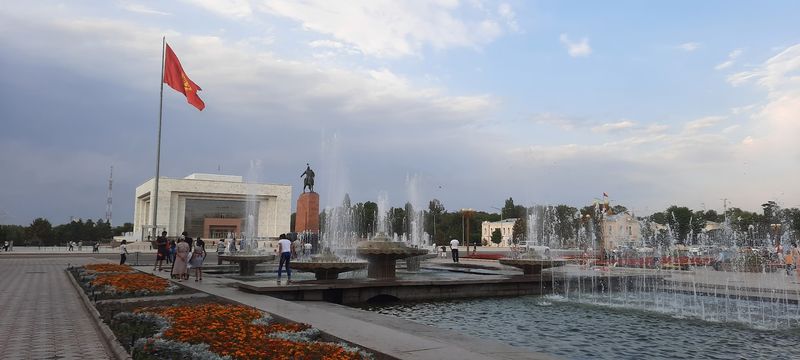
Geography enthusiasts often use Central Asia as the ultimate test of capital city knowledge, and Bishkek is one of the trickiest answers to pull out. Kyrgyzstan itself is not a country most people can easily locate on a map, which makes knowing its capital feel like a genuine achievement.
Bishkek sits in the Chuy Valley at the foot of the Tian Shan mountain range, at an elevation of about 2,600 feet. With around one million residents, it is a city of contrasts: Soviet-era apartment blocks stand alongside modern shopping centers, and traditional yurt culture coexists with a buzzing coffee shop scene.
The city was called Frunze during the Soviet period, named after a Bolshevik military commander born in the region. It reclaimed the name Bishkek after Kyrgyzstan gained independence in 1991.
Today, the city is the country’s cultural, economic, and political center, surrounded by some of the most spectacular mountain scenery in all of Asia.
11. Dushanbe, Tajikistan
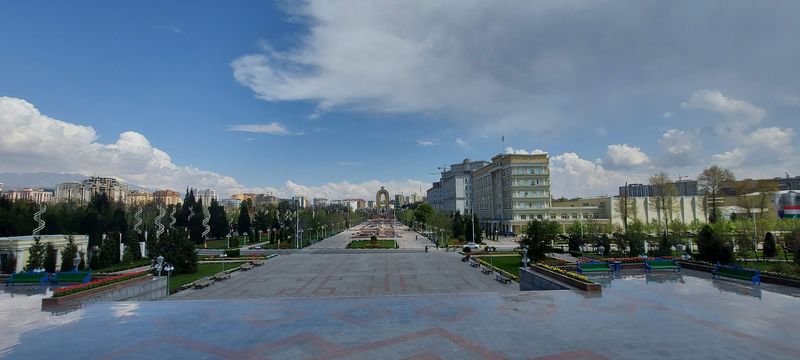
Dushanbe translates to “Monday” in Tajik, a name rooted in the fact that the city originally grew around a Monday market held at a small village on the site. That kind of origin story is rare for a national capital, and it gives the city a charmingly humble beginning.
Today, Dushanbe is home to around 900,000 people and serves as the political, economic, and cultural center of Tajikistan, the smallest country by population in Central Asia. The city features wide, Soviet-designed avenues lined with trees, and Rudaki Avenue is its proud main boulevard, named after a celebrated 9th-century Persian poet.
Tajikistan is bordered by Afghanistan, China, Kyrgyzstan, and Uzbekistan, and its mountainous terrain means Dushanbe is one of the few relatively flat areas in the country. The Pamir Mountains loom dramatically in the background, making the city’s skyline unlike almost any other capital on Earth.
12. Astana, Kazakhstan
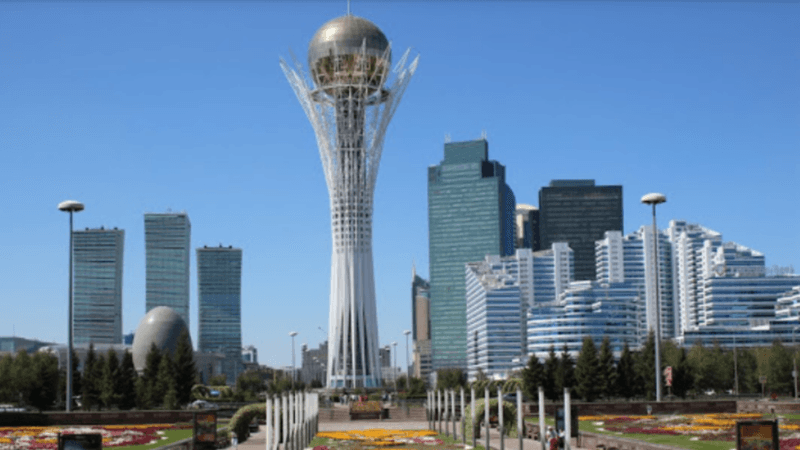
Kazakhstan is the world’s largest landlocked country, and for decades most people associated it with Almaty, the sprawling southern city that served as the Soviet-era capital. But since 1997, the official capital has been Astana, a city that looks like it was designed by a science fiction novelist.
Built largely from scratch on the windswept steppe of northern Kazakhstan, Astana features futuristic towers, a giant glass pyramid called the Palace of Peace and Reconciliation, and the iconic Baiterek Tower, which symbolizes a mythical tree of life. The city has changed names multiple times: it was Akmola, then Astana, then briefly Nur-Sultan in 2019 to honor former president Nursultan Nazarbayev, before reverting to Astana in 2022.
Winters there are brutally cold, with temperatures regularly dropping below minus 30 degrees Celsius. Despite that, the city has grown rapidly to over one million residents and continues to expand its role as Central Asia’s most architecturally adventurous capital.
13. Funafuti, Tuvalu
Tuvalu is one of those countries that most people have never heard of, let alone visited. Located in the central Pacific Ocean between Hawaii and Australia, it is the fourth smallest country in the world by land area.
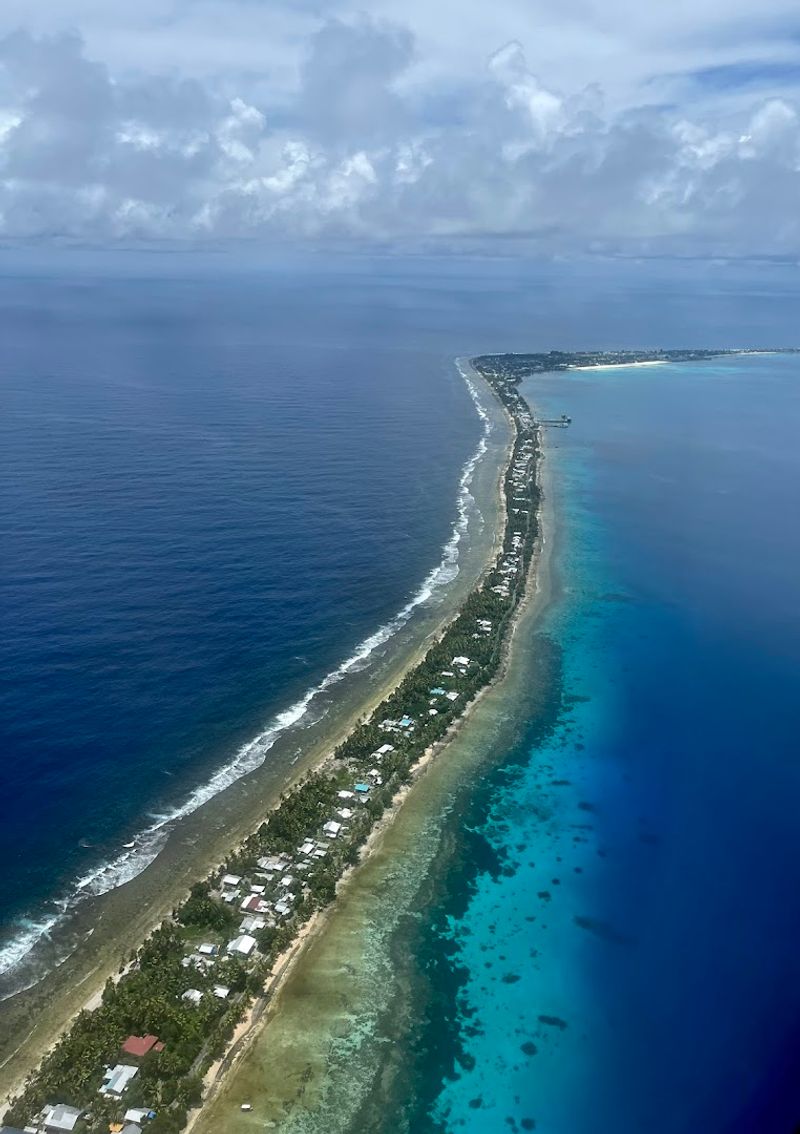
Its capital, Funafuti, sits on a coral atoll so narrow that in some places you can see the ocean on both sides just by standing in the middle of the road.
The entire atoll is only about 10 square miles of dry land spread across a lagoon roughly 13 miles long. Around 6,000 of Tuvalu’s 11,000 residents live in Funafuti, making it one of the most densely populated places relative to its size anywhere on Earth.
Climate change poses an existential threat to Tuvalu, as rising sea levels could eventually make the islands uninhabitable. The government has already begun negotiations with other nations about potential relocation.
Funafuti is not just an obscure capital; it is one of the most vulnerable places on the planet.
14. Banjul, The Gambia
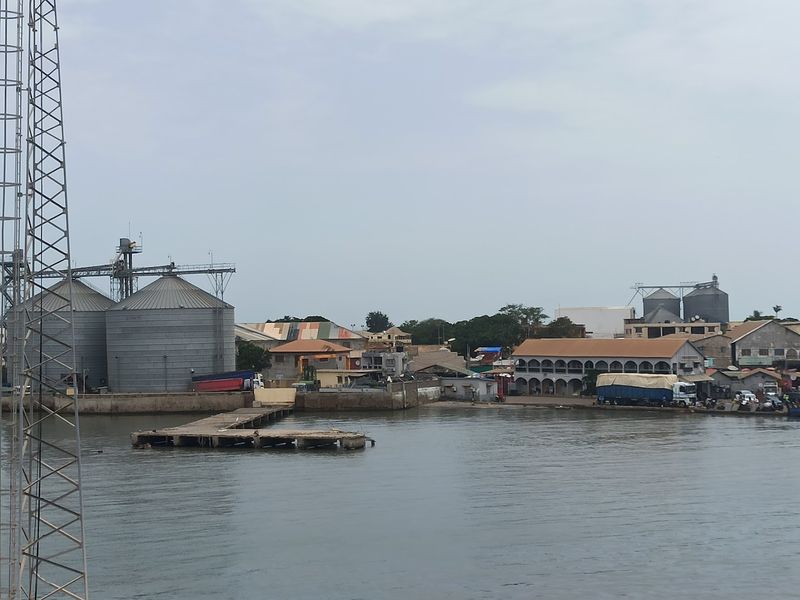
The Gambia is shaped like a long, thin finger of land poking into Senegal, following the course of the Gambia River. It is the smallest country on the African mainland, and its capital, Banjul, sits right at the river’s mouth where it meets the Atlantic Ocean.
That geography alone makes it one of the more unusual capitals in the world.
Banjul was founded by the British in 1816 as a trading post and base for suppressing the slave trade. Its colonial past is visible in some of the older architecture, though the city has evolved significantly since Gambian independence in 1965.
The population is relatively small for a capital, hovering around 30,000 within the city proper.
Most visitors to The Gambia actually stay in the tourist resort areas along the coast rather than in Banjul itself. The capital is worth a visit for its lively markets, the National Museum, and the Albert Market, one of the most colorful trading spots in West Africa.
15. Port Louis, Mauritius
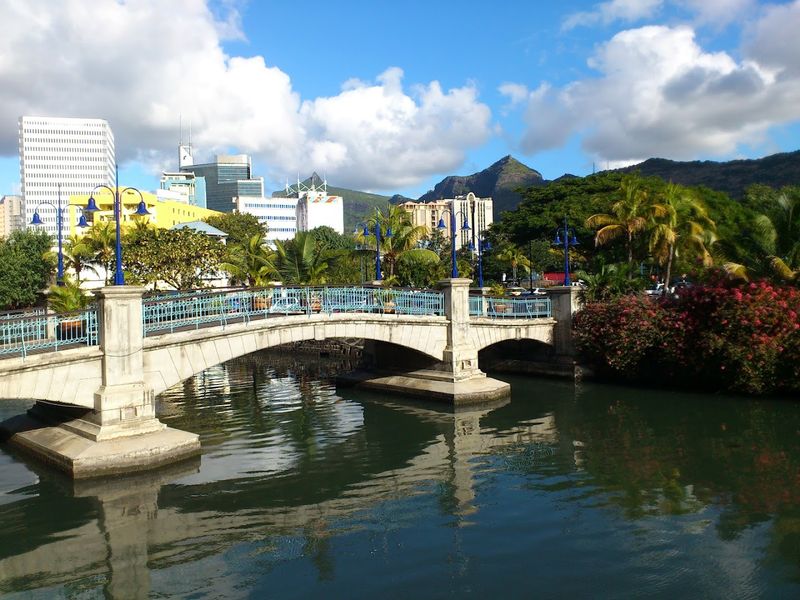
Mauritius is well known as a luxury travel destination, famous for its turquoise lagoons, white sand beaches, and high-end resorts. But Port Louis, the capital, is where real Mauritian life actually happens, and it deserves far more recognition than it gets from geography quizzes.
Perched on the northwest coast of the island and surrounded by a dramatic ring of volcanic mountains, Port Louis is a remarkably multicultural city. Its population reflects centuries of French, British, Indian, Chinese, and African influence, all layered together in markets, temples, mosques, churches, and restaurants that sit within walking distance of each other.
The city is home to the Aapravasi Ghat, a UNESCO World Heritage Site where indentured laborers arrived from India in the 19th century, and the Caudan Waterfront, a modern hub of shopping and dining along the harbor. Port Louis balances colonial history with a forward-looking energy that makes it one of the Indian Ocean’s most compelling capitals.
Share this story