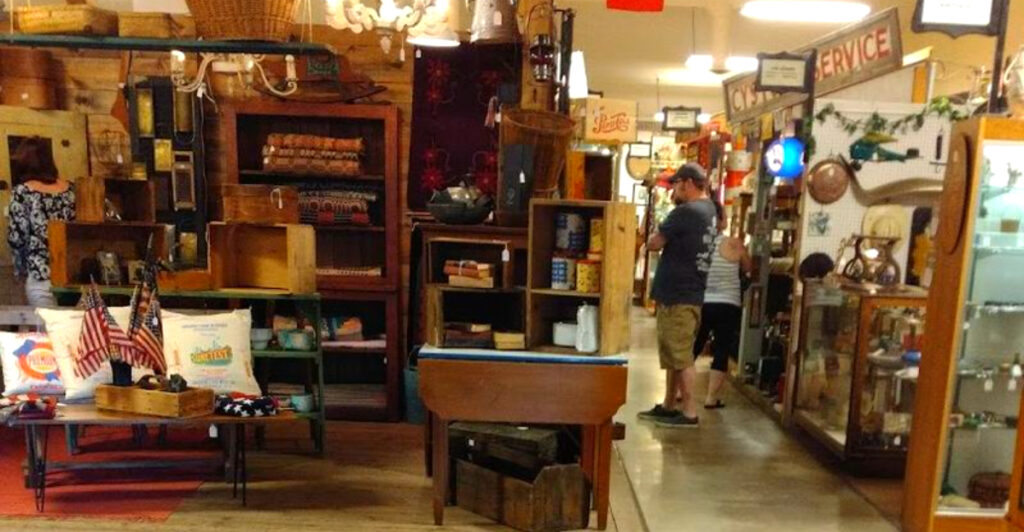
A massive antique market housed inside a barn-style building in mid-Michigan has become a destination for collectors, decorators, and anyone who enjoys digging through history one booth at a time. Hundreds of vendors fill the space with everything from 19th-century pocket watches and vintage scales to carnival glass, farmhouse tools, furniture, and hard-to-find collectibles.
What makes the market stand out is the sheer density of inventory. Every aisle holds something unexpected, and it is easy to spend hours browsing without seeing the same thing twice.
For visitors willing to make the drive, the experience feels less like casual shopping and more like exploring a constantly changing museum where nearly everything is for sale.
Where to Find It and What to Expect at the Door
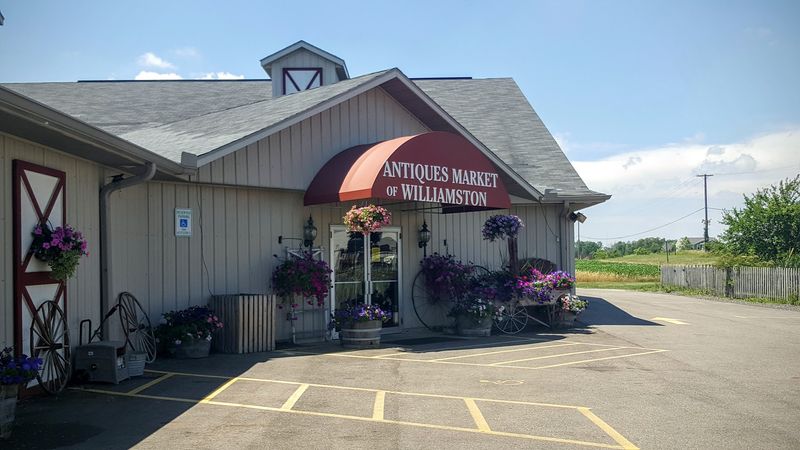
The Antiques Market of Williamston sits at 2991 N Williamston Rd, Williamston, MI 48895, and the building announces itself with classic red and white barn-style trim that feels completely at home in the Michigan countryside.
You can reach them at 517-655-1350, and the market is open every day of the week from 10 AM to 6 PM, closing only on Thanksgiving and Christmas. That kind of consistent schedule is genuinely refreshing when so many similar spots keep unpredictable hours.
The parking lot is large and easy to navigate, so arriving with a truck or SUV to haul a furniture find is no problem at all. First-time visitors sometimes underestimate how long they will spend inside, so giving yourself at least two to three hours is a smart move before you even step through the front door.
The Scale of the Place Will Catch You Off Guard
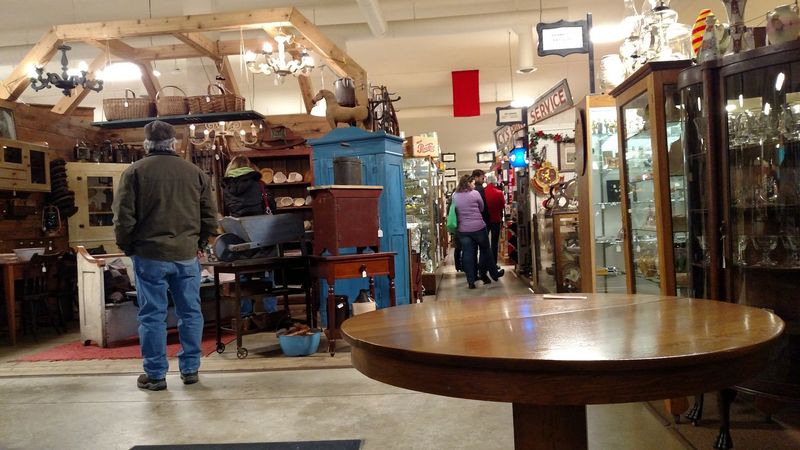
Walking through the front entrance, the first thing that hits you is just how much is here. Over 200 vendor booths fill the space, and the market earns its reputation as one of the most densely packed antique destinations in Michigan without any exaggeration.
Room after room opens up as you move deeper inside, each one holding a different mix of items from different dealers. The wide, well-kept walkways make it easy to move around without bumping into displays, which is a real courtesy when you are surrounded by breakable things on every side.
The barn-style layout gives the whole experience a warm, slightly rustic feel that matches the inventory perfectly. Some visitors arrive expecting a small regional shop and leave genuinely surprised by how much ground there is to cover.
That pleasant shock of scale is honestly one of the best parts of the first visit, and it keeps people coming back every season.
A Rotating Inventory That Rewards Repeat Visits
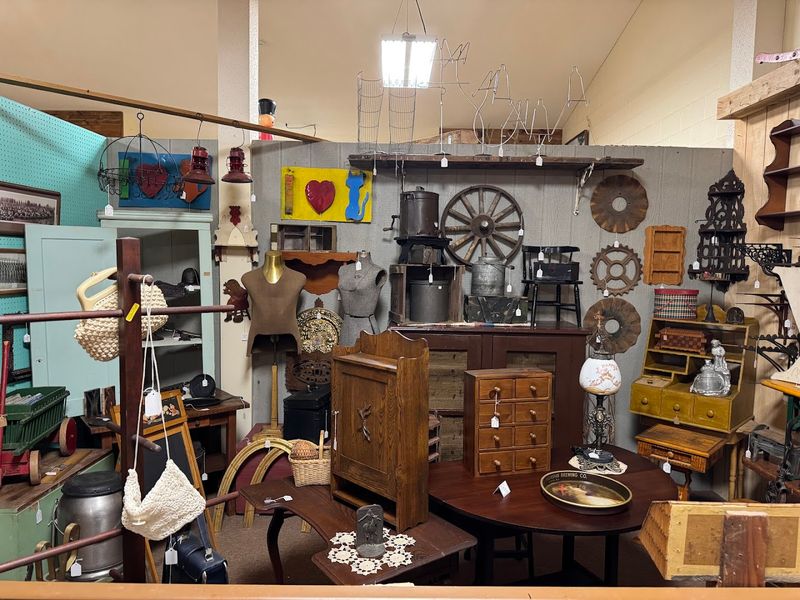
One of the smartest things about a market run by multiple independent dealers is that the inventory never truly stays the same. New items arrive regularly as vendors restock, rotate pieces, or bring in fresh finds from estate sales and private collections.
That constant churn means a visit in April might turn up completely different treasures than a trip in October. Regulars who come back every few months consistently find things they have never seen before, which keeps the experience from ever feeling stale or predictable.
The variety on any given day already spans an impressive range, from vintage kitchen tools and old farm implements to sports memorabilia, coins, baseball cards, and decorative paintings. Each dealer brings a personal focus to their booth, so the collective result feels more like a curated neighborhood of specialists than a single generic store.
That layered quality is exactly what separates a great antique market from a forgettable one.
True Antiques, Not Repurposed Reproductions
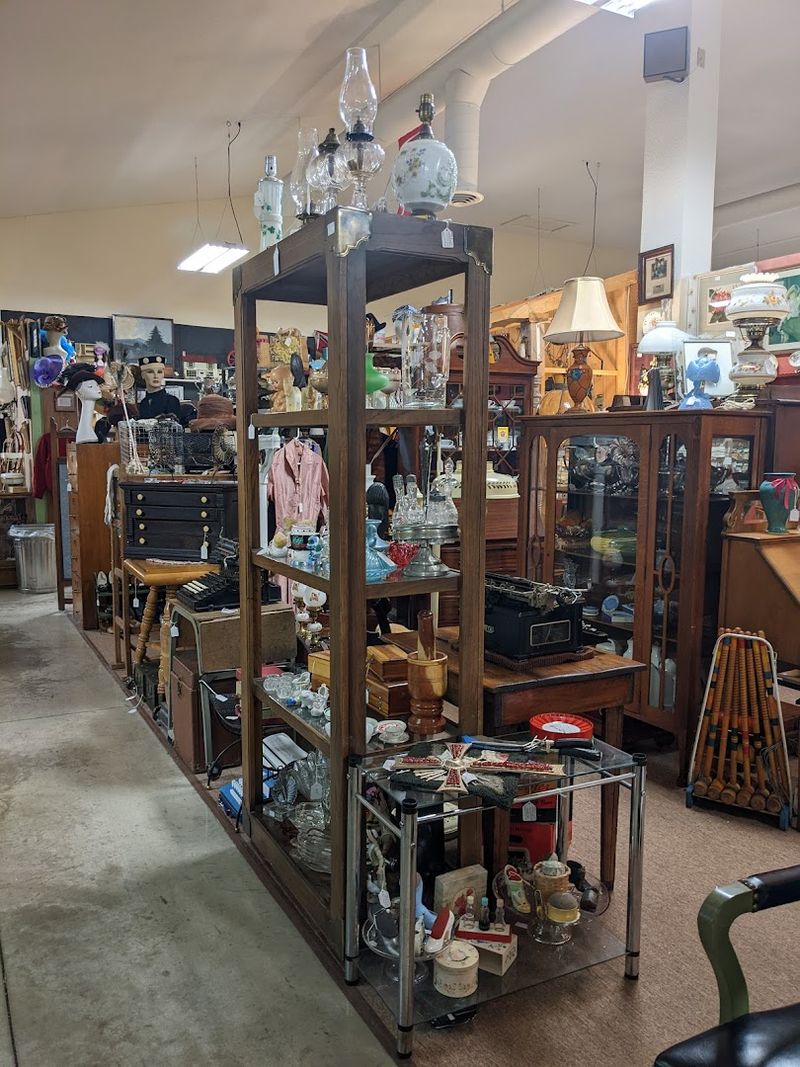
Something that genuinely sets this market apart from many competitors is its commitment to real antiques. Plenty of shops around Michigan have quietly shifted toward selling refurbished or repurposed items dressed up to look old, but that is not the approach here.
The dealers at this market take authenticity seriously, and it shows in the quality of what fills the booths. Depression glass, carnival glass, original vintage mercantile scales, authentic hardware, and genuine farmhouse pieces are the kinds of things you encounter regularly, not decorative knockoffs designed to mimic the past.
For collectors who care about provenance and originality, that distinction matters enormously. There is a satisfying honesty to browsing a booth where every price tag represents something that actually lived through the era it came from.
A pocket watch made in 1889, for example, carries a completely different weight than a modern reproduction, and this market consistently delivers that kind of genuine, historically grounded find.
Furniture Hunters Have Plenty to Get Excited About
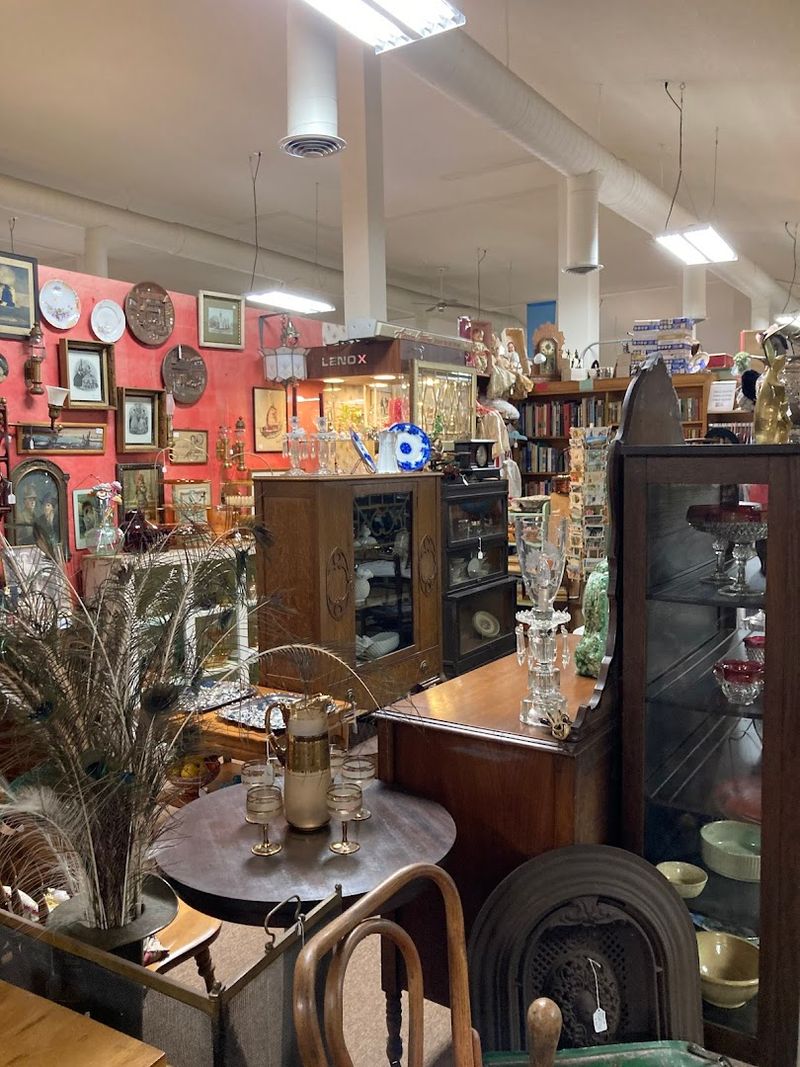
Vintage and antique furniture is one of the stronger categories at this market, and the selection tends to lean toward well-preserved, character-rich pieces rather than the stripped-down or heavily painted items you sometimes find elsewhere.
Dressers, cabinets, chairs, and tables from various decades show up regularly across multiple booths, giving furniture hunters a real reason to walk every aisle rather than heading straight for a single section. The wide walkways genuinely help here because maneuvering around large pieces without knocking anything over is much easier than in tighter, more cramped markets.
The staff are also notably helpful when it comes to loading larger purchases into vehicles, which removes one of the biggest practical headaches of buying antique furniture on a day trip. Whether you are furnishing a farmhouse, decorating a living room with vintage character, or hunting for a specific period piece, the furniture selection here is worth making the trip for on its own.
And the glassware waiting in the next section is just as compelling.
Glassware, Jewelry, and the Smaller Finds That Steal the Show
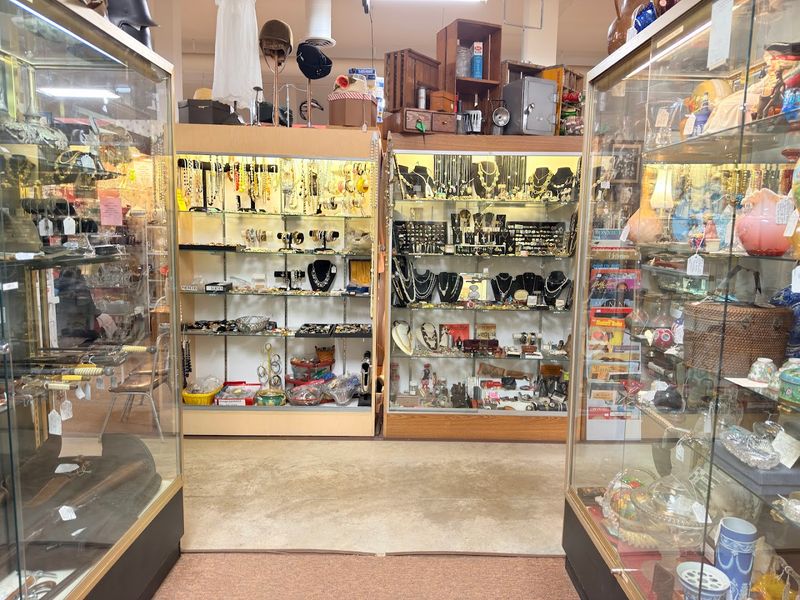
Not every great find at this market requires a pickup truck to haul home. Some of the most impressive inventory here fits in a coat pocket or a small bag, and the glassware and jewelry sections are proof of that.
Depression glass and carnival glass show up in beautiful condition across multiple booths, with colors ranging from pale amber to deep cobalt and iridescent green. Collectors who focus on these categories will find enough variety to spend a serious amount of time comparing pieces and checking marks.
The jewelry selection is similarly strong, with vintage pieces spanning different eras and styles. One booth, known internally as Janet’s Jewels, has earned a dedicated following among visitors who appreciate a well-curated display of beautiful items.
Coins and pocket watches also appear regularly, and finding a working piece from the late 1800s at a reasonable price is not unheard of here. Small finds like these are often the ones that end up meaning the most.
Industrial Pieces and Old Signs That Tell a Story
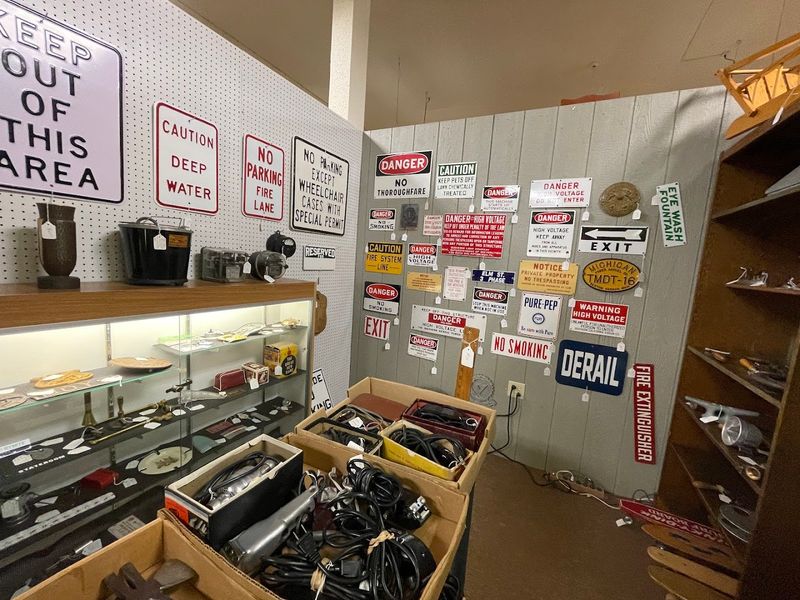
Beyond the domestic and decorative items, there is a strong industrial and commercial thread running through many of the booths here. Vintage mercantile scales, old hardware, retail signs, and farm implements give the market a grounded, working-history feel that appeals to a completely different kind of collector.
Old advertising signs are particularly satisfying to browse because they carry both visual appeal and cultural history in a single object. Finding a sign from a regional brand or a long-closed business feels like recovering a small piece of Michigan’s commercial past.
The farm implement section draws in visitors who grew up around agricultural life and want to reconnect with the tools and equipment of earlier generations. These are not delicate decorative pieces but sturdy, honest objects built to last, and they have.
For anyone decorating a barn-style home, a workshop, or a garage with authentic vintage character, the industrial category at this market offers more depth than most comparable destinations in the region. The sports memorabilia section is worth noting too.
Sports Memorabilia and Nostalgic Collectibles for Every Era
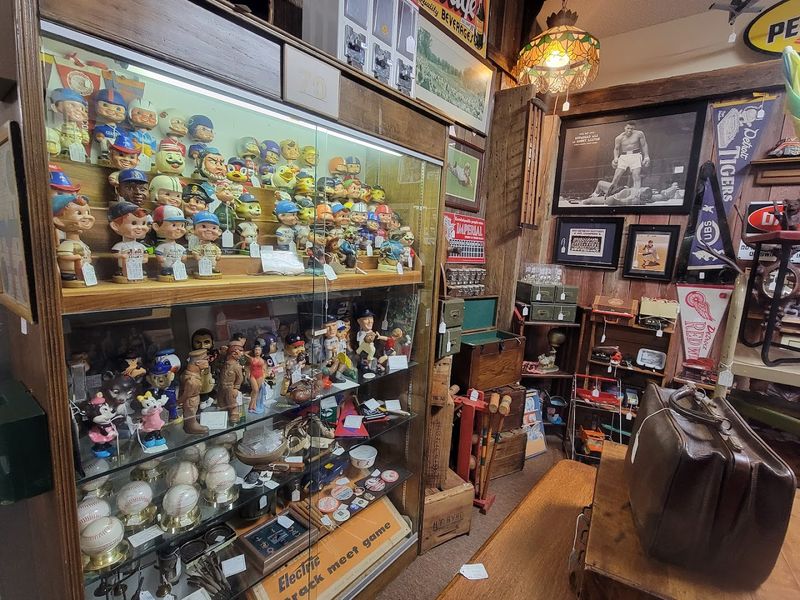
There is a section of this market that feels almost like a time capsule for anyone who grew up loving sports or collecting cards. Baseball cards, sports memorabilia, vintage toys, and nostalgic items from past decades fill several booths with the kind of inventory that triggers instant recognition for visitors of a certain age.
Finding a baseball card from a specific player or a toy from a childhood decade is the kind of small, personal victory that makes antique shopping genuinely exciting rather than just a browsing exercise. The market’s mix of dealers means these items come from different sources and different collections, so the range of what appears is broad.
Coins also show up consistently in this category area, and the combination of coins, cards, and collectibles makes this corner of the market a reliable stop for anyone chasing nostalgia. The inventory changes often enough that coming back a few months later frequently turns up something completely new and unexpected in these booths.
Pricing: What to Expect and How to Find the Deals
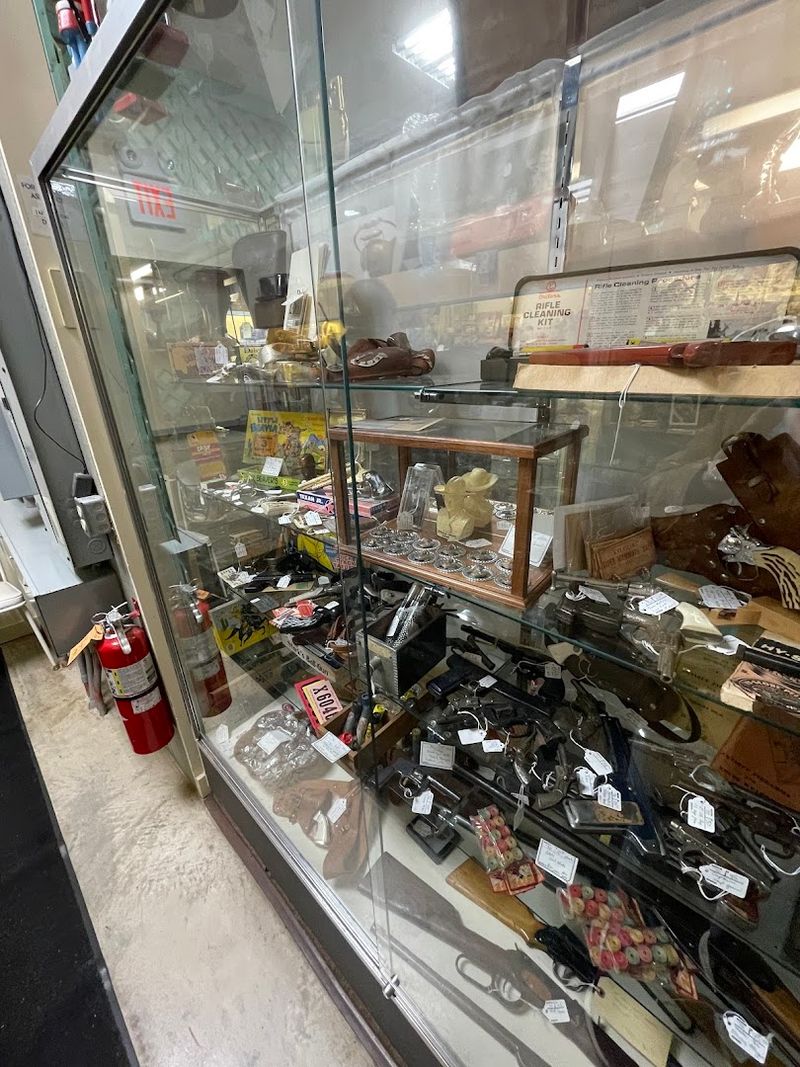
Pricing at this market is one of the most discussed aspects among visitors, and the honest answer is that it varies significantly from booth to booth. Some dealers price aggressively, and certain items will cost more here than comparable pieces found at a flea market or online.
That said, deals absolutely exist if you are willing to take the time to look. A working pocket watch from 1889 priced at twenty-five dollars is the kind of find that reminds you why browsing every corner of the market is worth the effort, even when other pieces nearby carry much steeper tags.
Because each booth is run independently, pricing reflects each dealer’s individual assessment of value. Some are clearly motivated to move inventory, and others are holding firm on pieces they consider rare.
Patience and a willingness to explore every corner of the space consistently reward visitors who do not give up after the first aisle. The staff can also help point you toward booths that match your budget and interests.
The Staff, the Cleanliness, and the Small Details That Matter
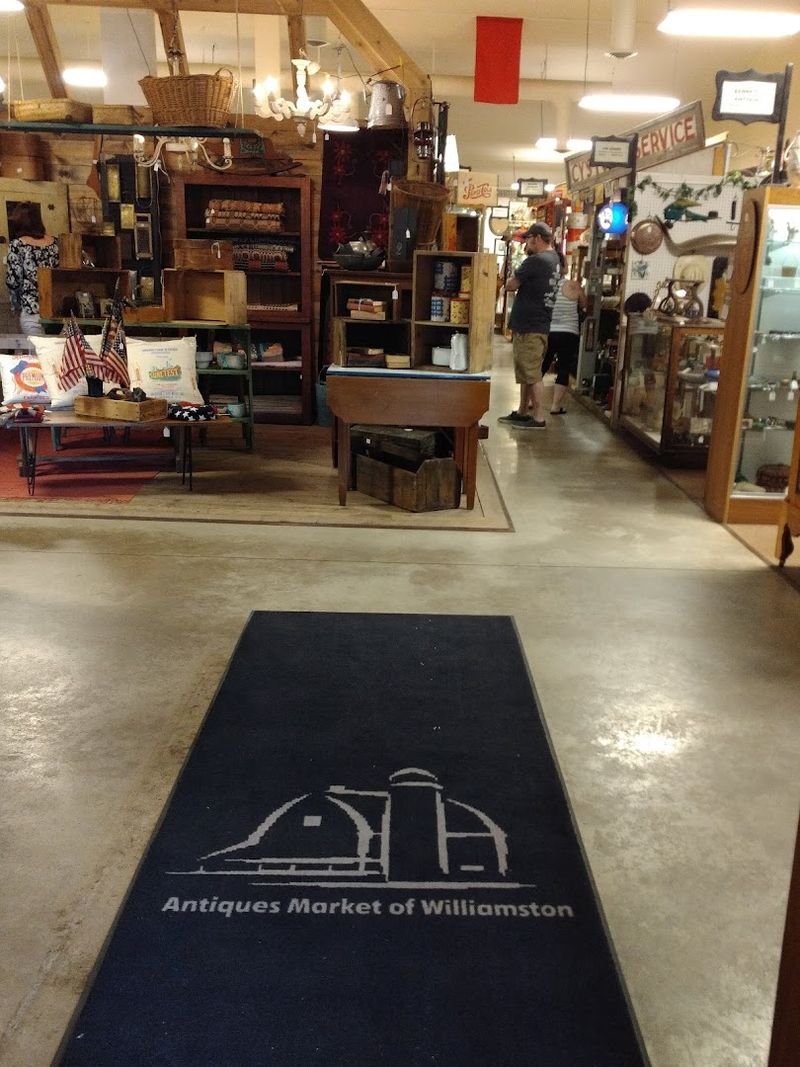
A market this large could easily feel chaotic or neglected, but the Antiques Market of Williamston keeps things noticeably clean and well-organized throughout. The walkways are wide and clear, the booths are thoughtfully arranged, and the overall environment feels maintained rather than just functional.
The staff have earned consistent praise for being approachable and genuinely helpful, whether that means answering questions about a specific item, pointing visitors toward a particular booth, or helping load a large purchase into a car after checkout. That kind of hands-on helpfulness makes a real difference when you are navigating a space with over 200 vendors.
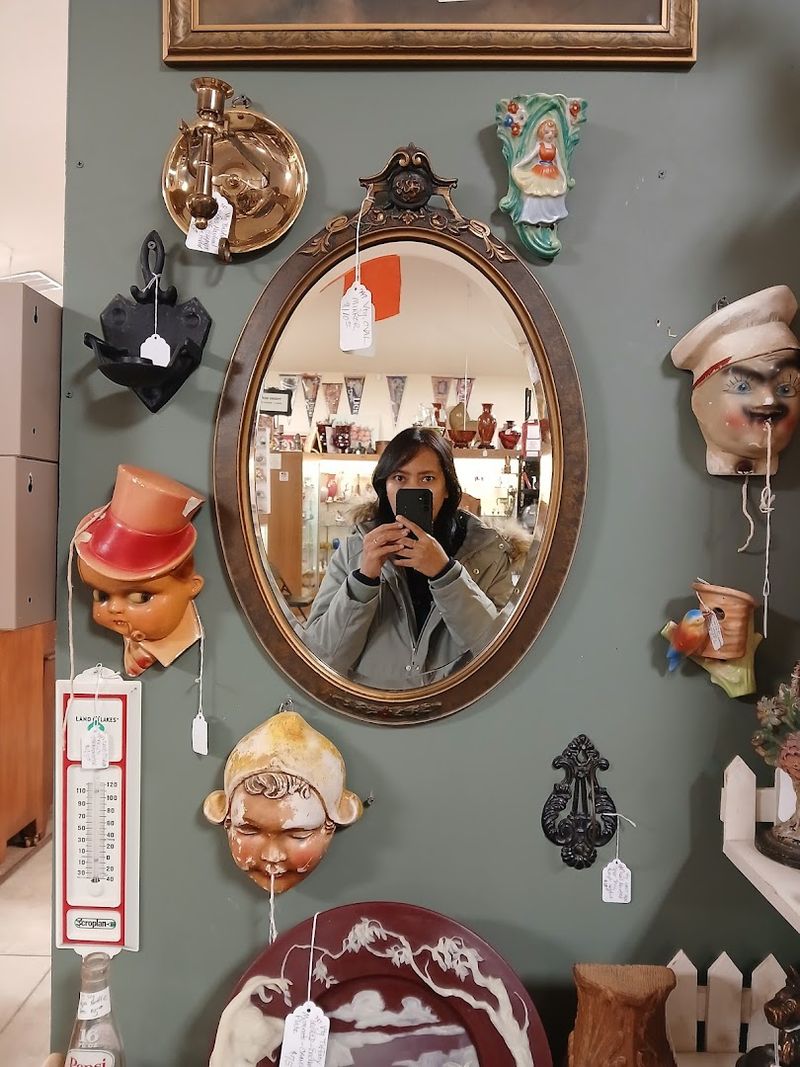
One detail that has genuinely surprised more than a few visitors is the cleanliness of the restrooms, which apparently even feature antiques for sale on the walls. It is a quirky touch that perfectly captures the spirit of the place.
Every corner of this market seems to have been thought through, and that attention to detail shows in the overall experience from arrival to departure.
Planning Your Visit for the Best Experience
Saturdays tend to draw the biggest crowds at this market, so arriving early in the morning gives you the best chance to browse without feeling rushed or crowded. Weekday visits offer a quieter, more relaxed pace that many regulars prefer for serious shopping.
The market is open every day from 10 AM to 6 PM, which means a half-day trip from Lansing, Detroit, or any mid-Michigan town is completely realistic. Bringing cash is a practical choice since some dealers prefer it, and wearing comfortable shoes is genuinely important given how much ground there is to cover.
The website at williamstonantiquesmarket.com occasionally features updates on special sales and events, so checking it before a visit can turn a good trip into a great one. Whether you are a seasoned collector with a specific target or a casual browser with an open afternoon, this market consistently delivers enough variety, depth, and authentic character to make the drive absolutely worthwhile.
Share this story