 Unearth The Voyage
Some of the world’s most stunning destinations are facing a serious problem. As millions of travelers flock to iconic landmarks and hidden gems, the very beauty that draws people in is starting to fade. Overcrowding, pollution, and wear-and-tear are forcing local governments to take drastic action to protect these treasured spots before it’s too late.
1. Venice, Italy
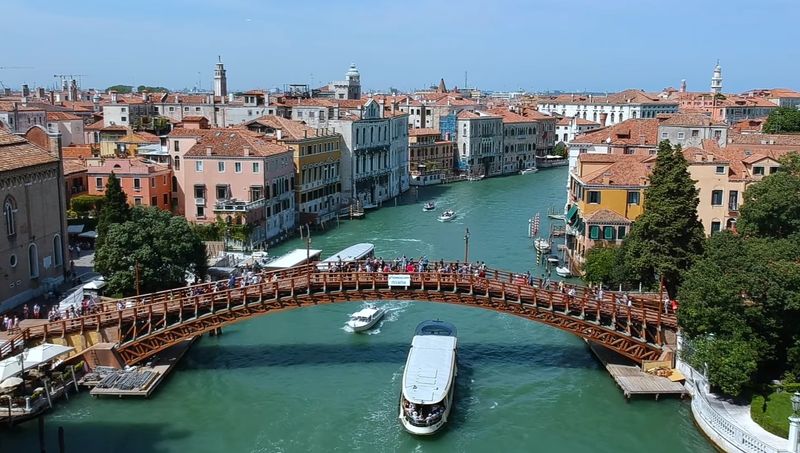
Swarms of day-trippers flood the narrow bridges and winding alleys of this floating city, turning its romantic charm into a chaotic maze. Venice started charging a seasonal entrance fee in 2024, ranging from 5 to 10 euros depending on peak times, hoping to thin the crowds.
Early results show the city is raising money, but visitor numbers haven’t dropped as much as officials hoped. Locals worry their home is becoming more theme park than living city, with shops catering only to tourists replacing neighborhood bakeries and markets.
2. Mount Fuji (Yoshida Trail), Japan

Climbers racing to summit Japan’s sacred peak in one night – called bullet climbing – created dangerous bottlenecks and left trails littered with trash. Yamanashi Prefecture responded by installing a gate that charges 2,000 yen and caps daily hikers at 4,000 during the season starting in 2024.
Entry times are now restricted to spread out the flow and reduce midnight stampedes. Rangers hope the new rules will protect both the mountain’s fragile ecosystem and climber safety, but some worry the fees will exclude budget travelers while wealthier tourists continue unchecked.
3. Gion District (Kyoto), Japan

Hungry visitors chasing geisha and maiko through private lanes turned this historic quarter into a harassment zone is exactly what’s happening here. Residents grew so frustrated that the district banned tourists from entering certain alleys and posted keep-out signs with fines starting in spring 2024.
What was once a quiet neighborhood where geiko practiced their art has become a celebrity safari, with some travelers blocking doorways and grabbing performers’ kimonos for selfies. Local business owners support the crackdown, saying respect for tradition matters more than tourist dollars when cultural heritage hangs in the balance.
4. Amalfi Coast Drive (SS163), Italy
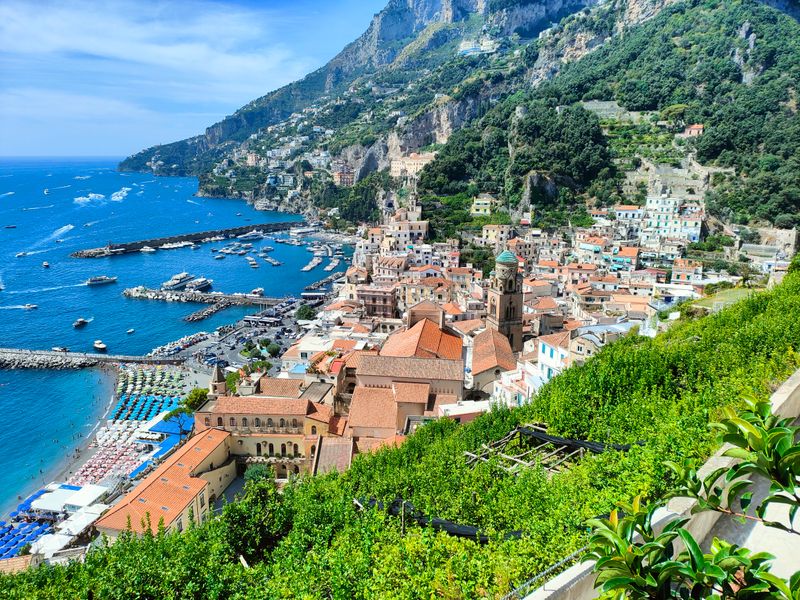
Rental cars and tour buses clog the breathtaking cliffside highway so badly that authorities had to get creative. Now, on the busiest dates, drivers can only use the road on alternating days based on whether their license plate ends in an odd or even number.
Day-trippers racing between Positano, Amalfi, and Ravello create gridlock that can last hours, trapping locals who need to get to work or school. The odd-even rule sounds quirky, but it’s a desperate attempt to keep this scenic ribbon of asphalt from becoming a parking lot suspended over the sea.
5. Santorini & Mykonos, Greece
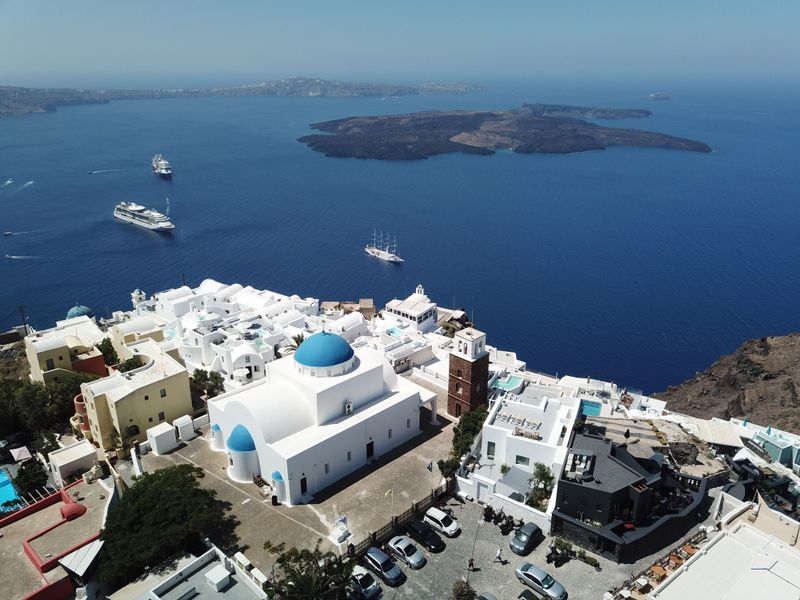
When a giant cruise ship docks, it can dump thousands of passengers onto these tiny islands in a single morning, overwhelming every cafe, shop, and sunset viewpoint. Greece approved new cruise levies and plans to cap the number of passengers and berths starting in 2025 to fight back against the tide.
Island residents say the cruise crowds bring little economic benefit because passengers eat and sleep on the ship, yet they clog narrow streets and drive up prices for locals. The new limits aim to balance tourism income with quality of life, preserving the postcard-perfect villages that made these islands famous.
6. Barcelona, Spain
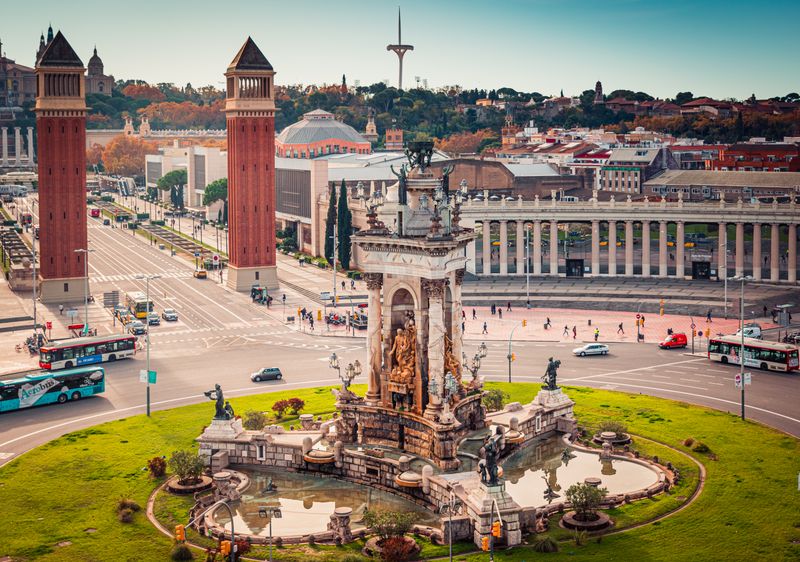
Frustration boiled over into street protests as locals blamed tourist apartments for skyrocketing rents and pushing families out of their own neighborhoods. Barcelona’s government responded with a bold plan: phase out all licensed short-term rentals by November 2028, a move courts approved in 2025.
Regional tourist taxes are also climbing to fund services strained by millions of annual visitors. Critics argue the city became more playground than home, with entire blocks converted into Airbnb hotels. Supporters of the crackdown hope it will return housing to residents and restore the authentic character that originally attracted travelers.
7. Dubrovnik, Croatia
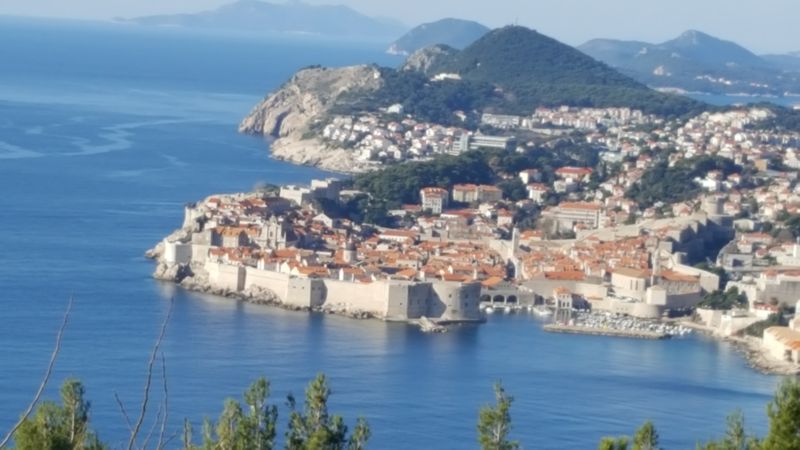
Fame from Game of Thrones transformed this medieval gem into a bottleneck of selfie sticks and tour groups. The port authority now limits cruise ship arrivals under a strict system, rejecting excess requests to keep daily passenger volume under control.
On peak days, the ancient limestone streets become nearly impassable, and locals joke they need a map just to navigate their own city. The cruise cap helps, but many residents still feel their hometown has been turned into a fantasy film set where real life takes a backseat to photo ops and souvenir shops catering to day-trippers.
8. Hallstatt, Austria
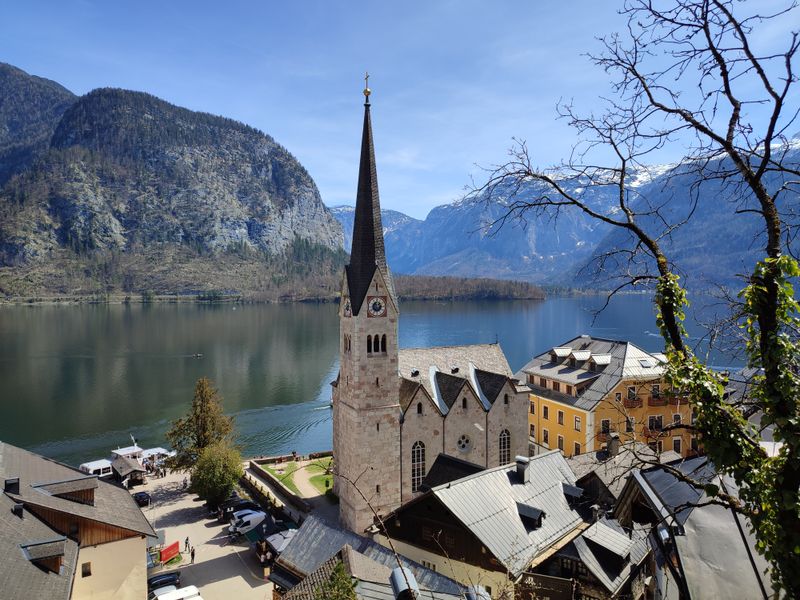
With only around 700 residents, this fairy-tale village became a victim of its own postcard beauty when social media made it go viral. Tour buses arrived by the dozen, and frustrated locals staged protests and even erected a partial fence to block the most famous photo angle.
Imagine trying to buy groceries while thousands of strangers crowd your street for the perfect Instagram shot. Town leaders are debating stricter visitor limits, including possible reservations or caps, to preserve daily life. The irony is painful: the charm that made Hallstatt beloved is vanishing under the weight of adoration.
9. Maya Bay (Koh Phi Phi), Thailand
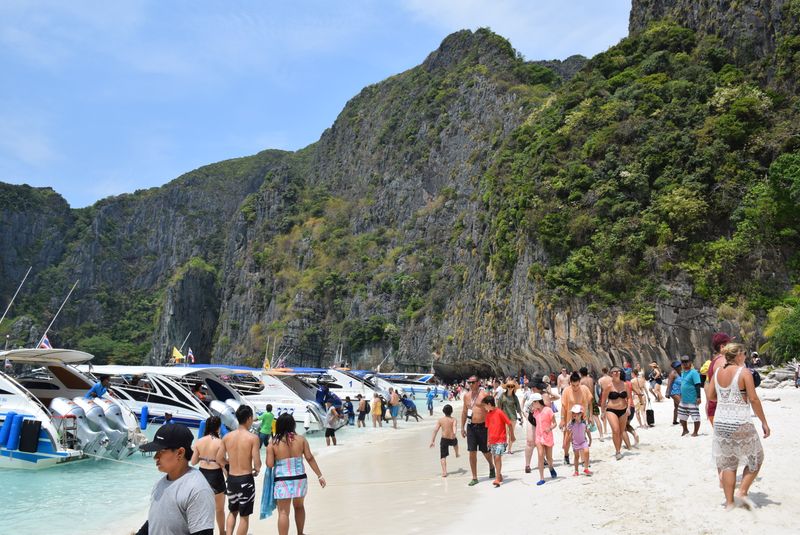
Mass tourism brought ecological disaster to this tropical paradise, with boat anchors shredding coral and thousands of daily visitors trampling the sand and reefs. After the damage became undeniable, authorities now close the bay seasonally – typically August through September – to give nature a chance to heal.
Even when open, stricter rules limit boat numbers and visitor behavior. Scientists monitoring the recovery report coral regrowth and fish returning, proof that rest works. The closures frustrate tour operators who depend on the income, but most agree a dead bay helps no one in the long run.
10. Hanauma Bay, O’ahu (Hawai’i), USA

Snorkelers once packed this volcanic crater bay so tightly that coral was dying under a blanket of sunscreen and careless fins. Now, visitors must book advance reservations and pay an entry fee, a system that continues to evolve in 2025 to keep numbers sustainable.
Educational videos teach guests how to snorkel without damaging the reef, and daily caps ensure the ecosystem isn’t overwhelmed. Locals appreciate the calmer atmosphere, and marine biologists note healthier coral and more abundant fish. The trade-off is planning ahead, but most agree a living reef beats a crowded, dying one any day.
11. Moraine Lake (Banff NP), Canada

Instagram turned this turquoise gem into such a sensation that the tiny parking lot became a dawn battleground, with cars lining the highway for miles. Since 2023, private vehicles are banned on Moraine Lake Road during peak season – visitors must take shuttles or public transit instead.
The change frustrated some travelers used to driving wherever they please, but it drastically reduced roadside chaos and environmental damage from illegal parking. Park rangers say the shuttle system also improves safety and visitor experience, letting people enjoy the view without circling for hours hunting for a spot that doesn’t exist.
12. Zion National Park (Angels Landing), USA
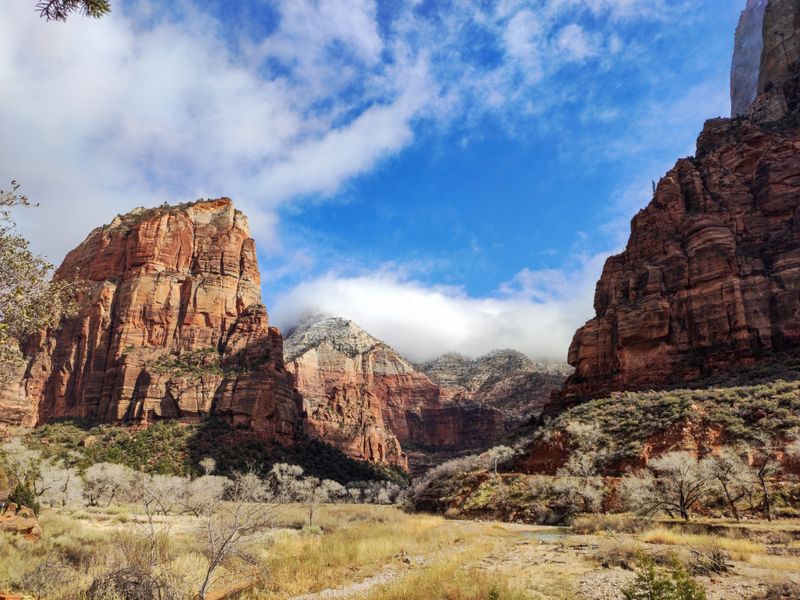
Gridlock at the chain section of this vertigo-inducing hike created dangerous backups on a cliff edge with thousand-foot drops. Starting in 2022, a lottery permit system limits who can attempt the trail each day, and rangers report it significantly cut crowding and improved safety.
Hikers who snag a permit now enjoy the experience without waiting in line on a cliff, and rescue calls have dropped. Critics argue lotteries feel unfair, but park officials counter that unlimited access was turning an iconic adventure into a life-threatening traffic jam. Sometimes protecting a place means saying no to some visitors.
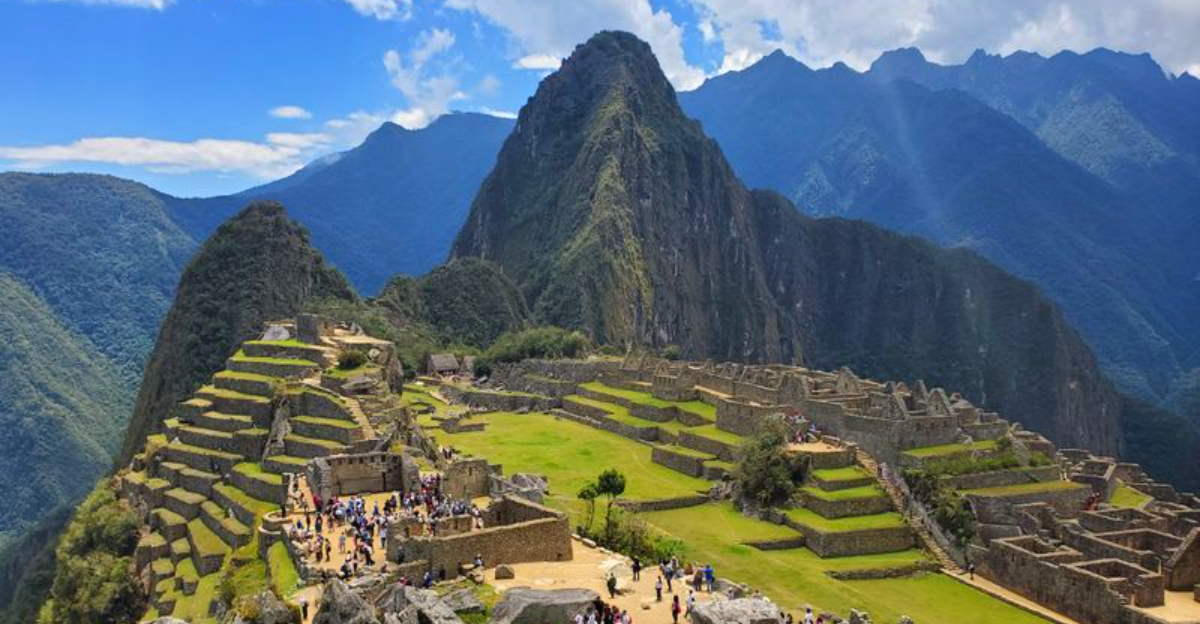
13. Machu Picchu, Peru
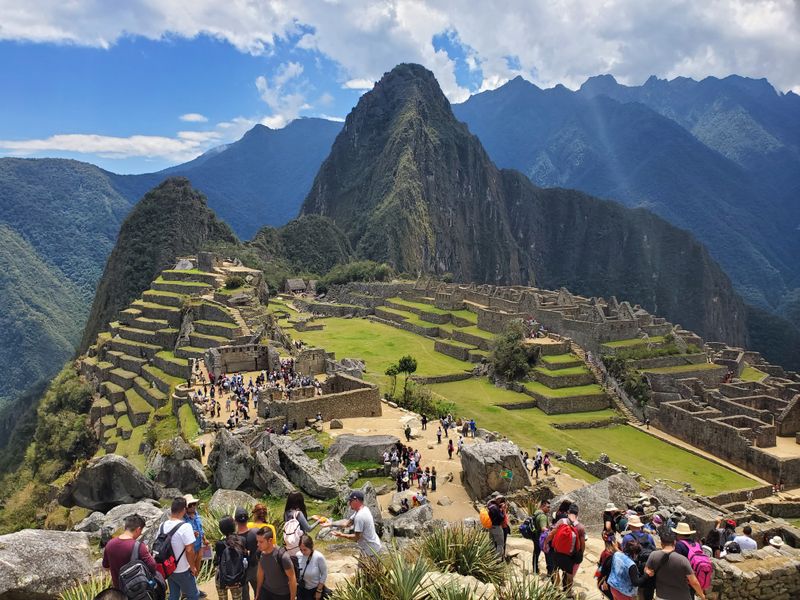
Wear from millions of footsteps and congestion on narrow Inca paths pushed Peru to reform ticketing and cap daily visitors. The limit was raised to 5,600 on certain dates, with timed entry circuits spreading people across different zones to reduce impact on fragile stonework.
A new centralized ticketing system sparked protests from local tour operators worried about losing control, but officials argue coordination is essential to prevent the site from crumbling. Archaeologists warn that without strict limits, one of the world’s greatest wonders could be loved to death, eroded by the very admiration that keeps it famous.
14. Hạ Long Bay, Vietnam

Iconic limestone towers rising from emerald water face a growing threat from plastic pollution and unchecked development of hotels and cruise boats. Authorities and UNESCO have flagged escalating environmental risks and are reviewing stricter controls to prevent permanent damage.
Trash from tour boats and coastal construction runoff cloud the once-pristine waters, threatening marine life and the bay’s World Heritage status. Local fishermen who have lived here for generations worry their livelihoods will vanish if the ecosystem collapses. Protecting Hạ Long Bay requires balancing tourism revenue with tough pollution enforcement and development limits that some businesses resist.
15. Capri, Italy
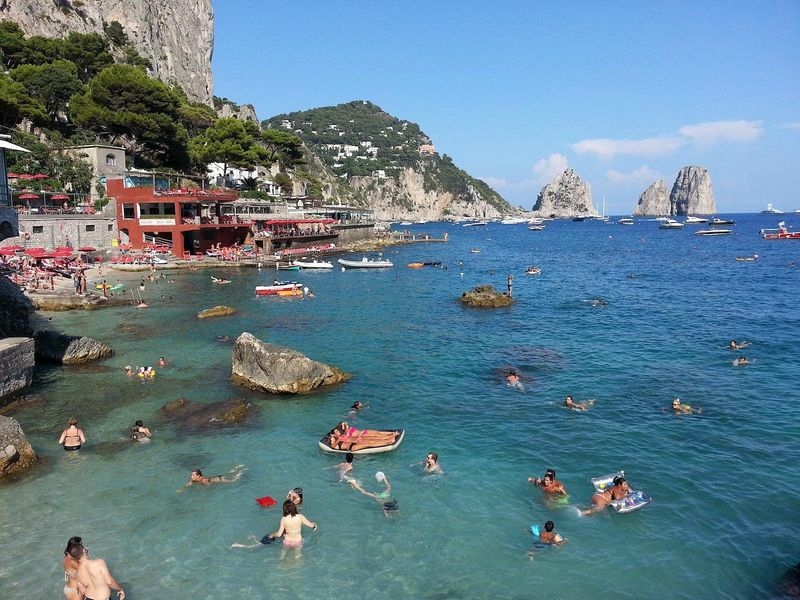
Summer day-trippers flood this glamorous island in such numbers that basic infrastructure buckles under the strain. During a water emergency in June 2024, the mayor took the extraordinary step of temporarily banning all tourist arrivals – a dramatic signal of how fragile Capri’s systems have become.
Ferry after ferry unloads thousands who overwhelm the tiny streets, drain water supplies, and leave mountains of trash, then depart before sunset. Year-round residents feel like extras in someone else’s vacation movie, unable to access their own island’s services. The water crisis proved that unlimited tourism isn’t sustainable when essential resources can’t keep up.



