A tropical-style mansion in the middle of small-town Michigan is not something most visitors expect to find. But in Marshall, one historic home has stood out since 1860 with its island-inspired design, wraparound veranda, and interiors influenced by Hawaiian architecture and culture.
Built by a former U.S. diplomat who became deeply connected to Hawaii, the mansion looks completely different from the Victorian homes surrounding it. High ceilings, rare woodwork, and hand-painted details give the house a style that feels far removed from the Midwest.
Its unusual backstory and extensive restoration efforts have helped turn it into one of Michigan’s most recognizable historic homes.
A Michigan Address With a Tropical Soul
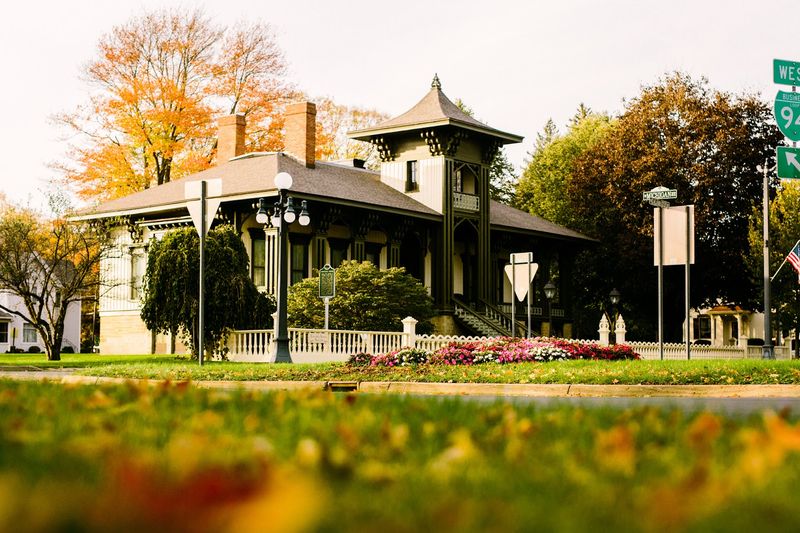
Right in the heart of Marshall, Michigan, at 107 N Kalamazoo Ave, Marshall, MI 49068, sits a house that simply refuses to blend in with its surroundings. The Honolulu House Museum is tucked inside Marshall’s National Historic Landmark District, a town already celebrated for its remarkably preserved 19th-century architecture.
Marshall itself is a quiet, charming city in Calhoun County, and the Honolulu House stands as its most visually striking landmark. The building rises with a confident, exotic flair that catches your eye long before you reach the front steps.
The wraparound porch, the tall observation platform, and the ornate exterior details all signal that this is no ordinary historic home. It is the kind of address that makes you stop your car and stare for a moment before you even think about going inside.
The museum is open Thursday through Sunday from 1 to 4 PM, and reaching them at +1 269-781-8544 is easy if you want to plan ahead.
The Man Who Brought Hawaii to the Midwest
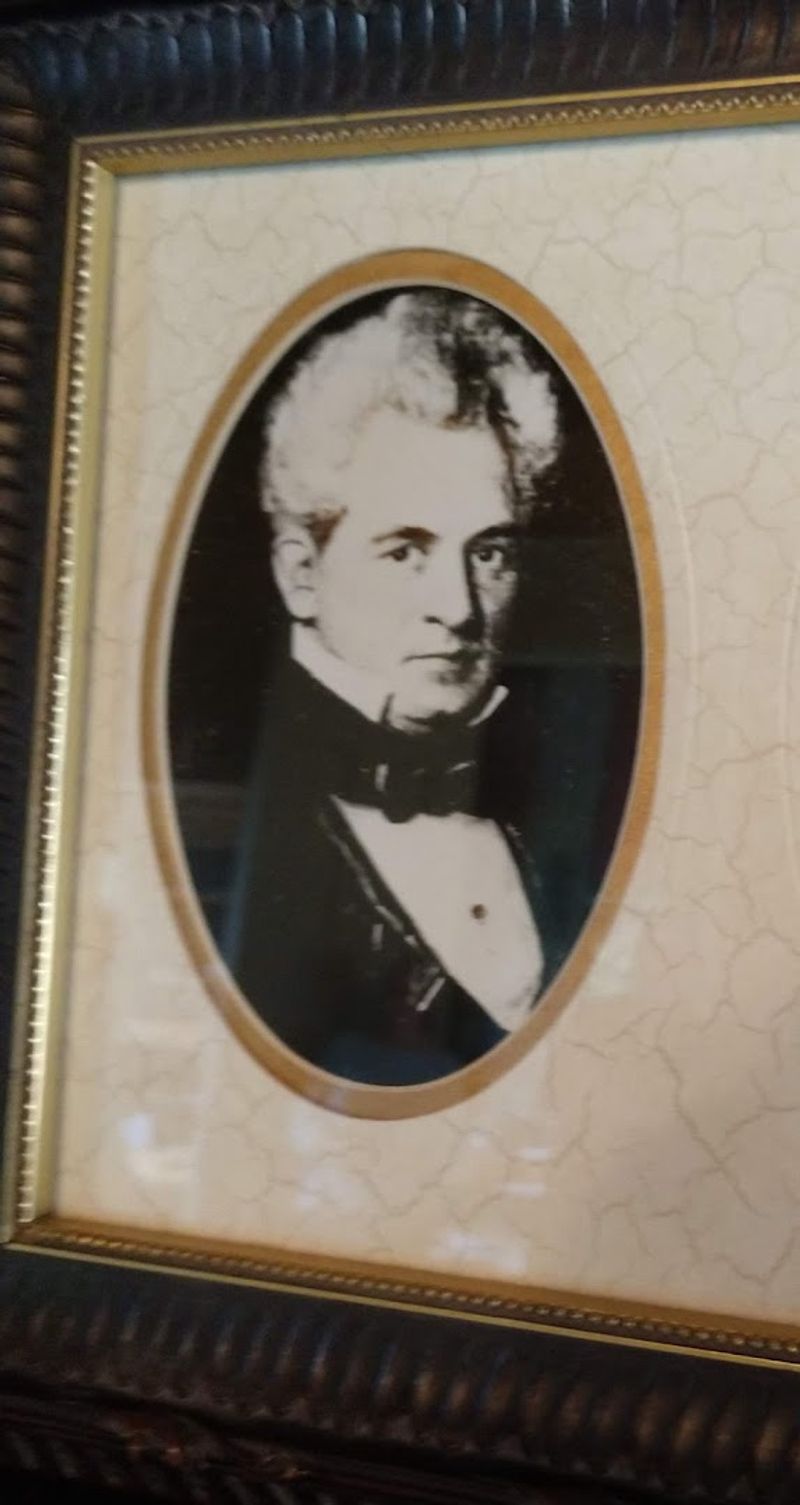
Abner Pratt was not the kind of man who settled for ordinary. A former Associate Justice of the Michigan Supreme Court, he was appointed as United States Consul to the Hawaiian Islands, which were then known as the Sandwich Islands, and the experience changed him completely.
Hawaii’s lush landscapes, warm breezes, and relaxed architectural style captured his imagination so thoroughly that when he returned to Michigan, he was determined to recreate that world on a Midwest street corner. He commissioned the Honolulu House in 1860, pouring his memories of the islands into every design decision.
Pratt reportedly continued wearing his light tropical clothing even during Michigan winters, a habit that contributed to his passing from pneumonia in 1863, just three years after the house was completed. His story carries a poignant quality: a man so devoted to a place he loved that he carried it with him, quite literally, to the very end.
That devotion is still visible in every inch of this extraordinary building.
When Gothic Revival Met the Pacific Islands
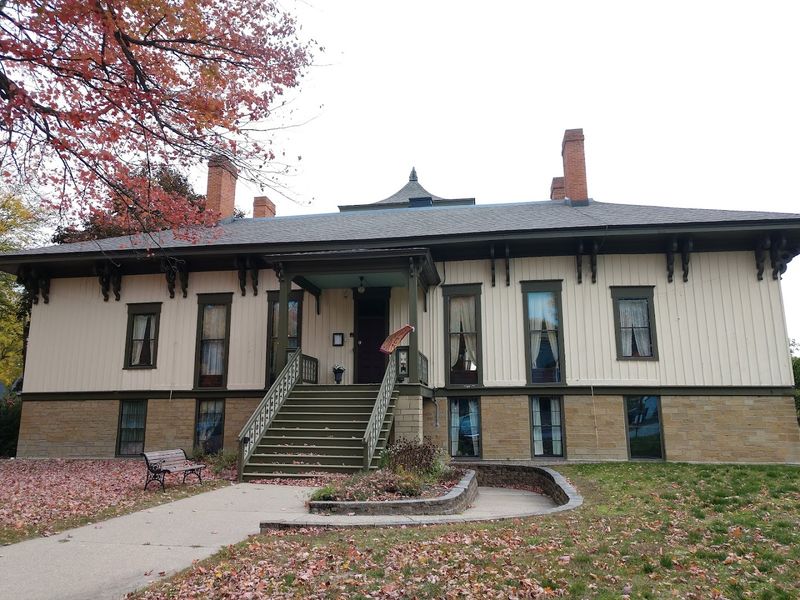
Few buildings in the United States can claim an architectural style quite like this one. The Honolulu House is a bold mashup of Italianate, Gothic Revival, and Polynesian influences, and somehow, against all odds, it works beautifully together.
Gothic Revival brought the pointed arches and decorative woodwork. Italianate design contributed the elegant proportions and refined details.
And the Polynesian inspiration showed up in the raised veranda, the observation platform, and the overall sense that this structure was meant to breathe in warm, open air rather than brace against Michigan winters.
The ten-foot doors and fifteen-foot ceilings add a dramatic sense of scale that feels genuinely theatrical. Exotic woods like teak and ebony were incorporated into the interior, materials that were rare and expensive in 1860s Michigan.
The result is a building that architectural historians find genuinely fascinating, and that first-time visitors find almost impossible to fully absorb in a single visit. There is always one more detail you missed.
Tropical Murals That Transported You to Another World
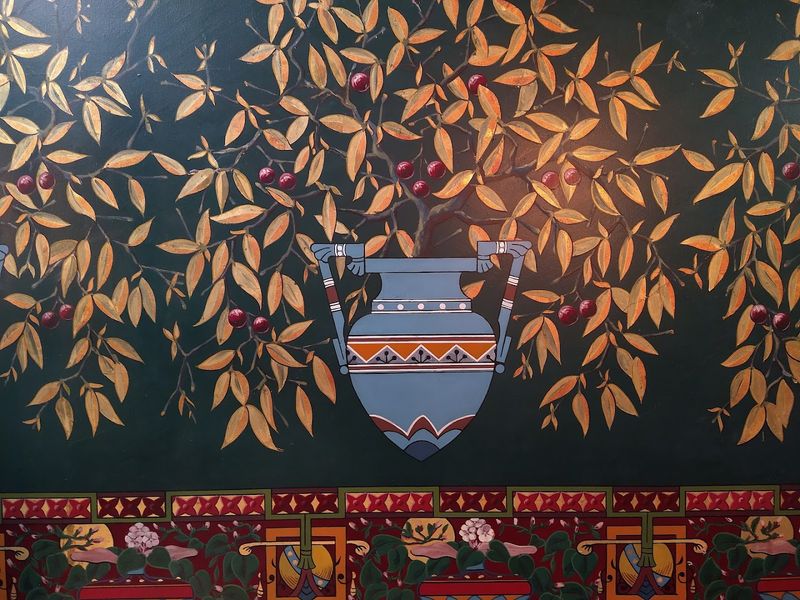
The moment you cross the threshold of the Honolulu House, the interior murals stop you cold. The original walls were painted with sweeping tropical scenes, vivid depictions of Hawaiian landscapes that turned every room into something resembling an immersive panorama of the islands.
These were not simple decorative touches. They were ambitious, large-scale works of art designed to make Abner Pratt feel surrounded by the world he had left behind.
The effect, even today, is striking and a little surreal in the best possible way.
In 1887, the murals were updated to reflect the high Victorian aesthetic that was fashionable at the time, layering a new artistic sensibility over the original tropical vision. The Marshall Historical Society has worked carefully to preserve and restore these painted surfaces, treating them as the irreplaceable cultural artifacts they truly are.
The ceiling and wall painting restorations alone represent years of painstaking effort, and the results speak for themselves when you stand in the middle of the main rooms and look up.
A Wraparound Porch That Deserves Its Own Fan Club
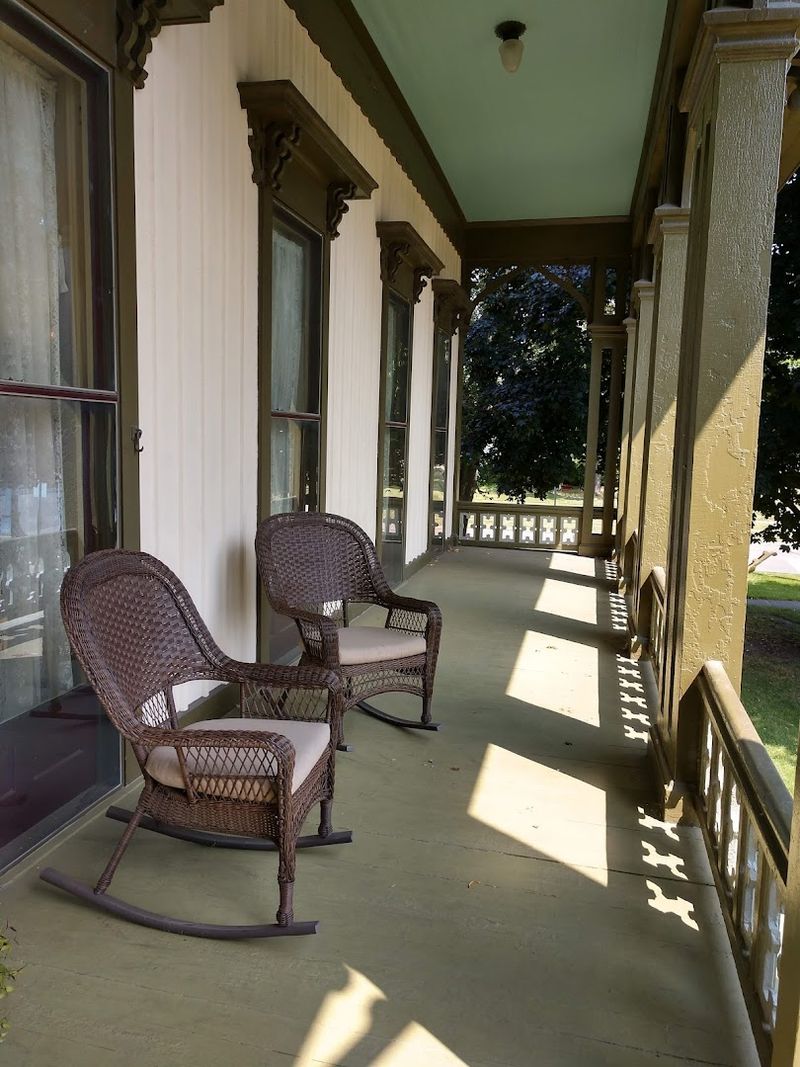
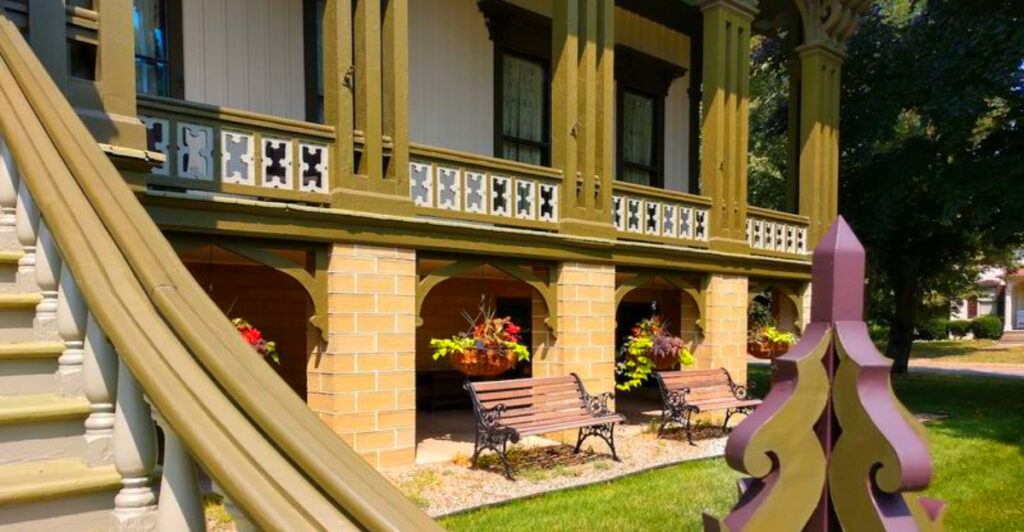
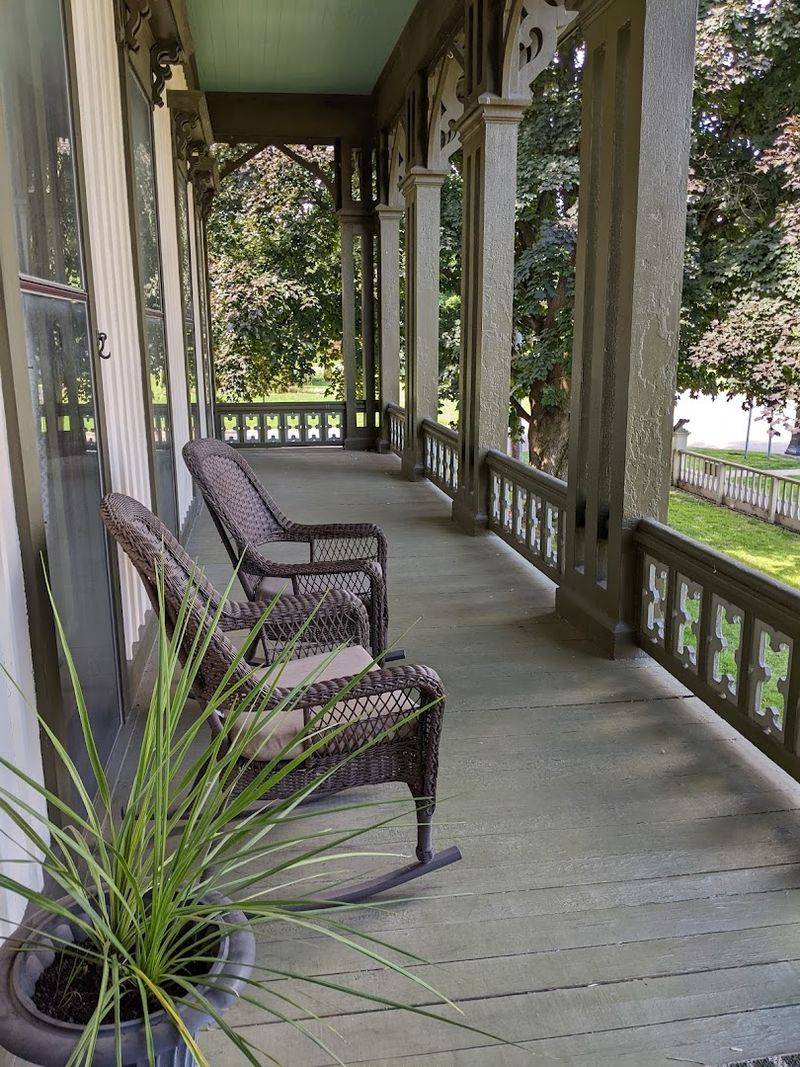
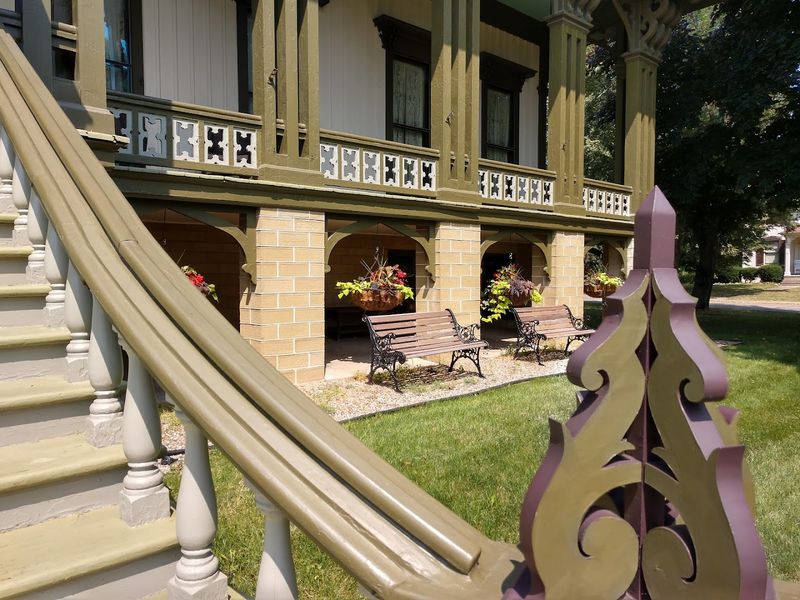
The wraparound porch of the Honolulu House is the kind of architectural feature that makes you want to pull up a chair and stay for the afternoon. Broad, shaded, and edged with decorative woodwork, it was designed to mimic the open-air living style Pratt had experienced in Hawaii.
This porch has drawn comparisons to the famous Iolani Palace in Hawaii, which is a remarkable thing to say about a structure sitting in mid-Michigan. The visual connection is real: both share that sense of generous, covered outdoor space that invites you to slow down and notice the air around you.
Above the main level, an observation platform adds another layer of visual drama to the exterior. From the street, the combination of porch, platform, and ornate detailing creates a silhouette that looks nothing like any other building in the neighborhood.
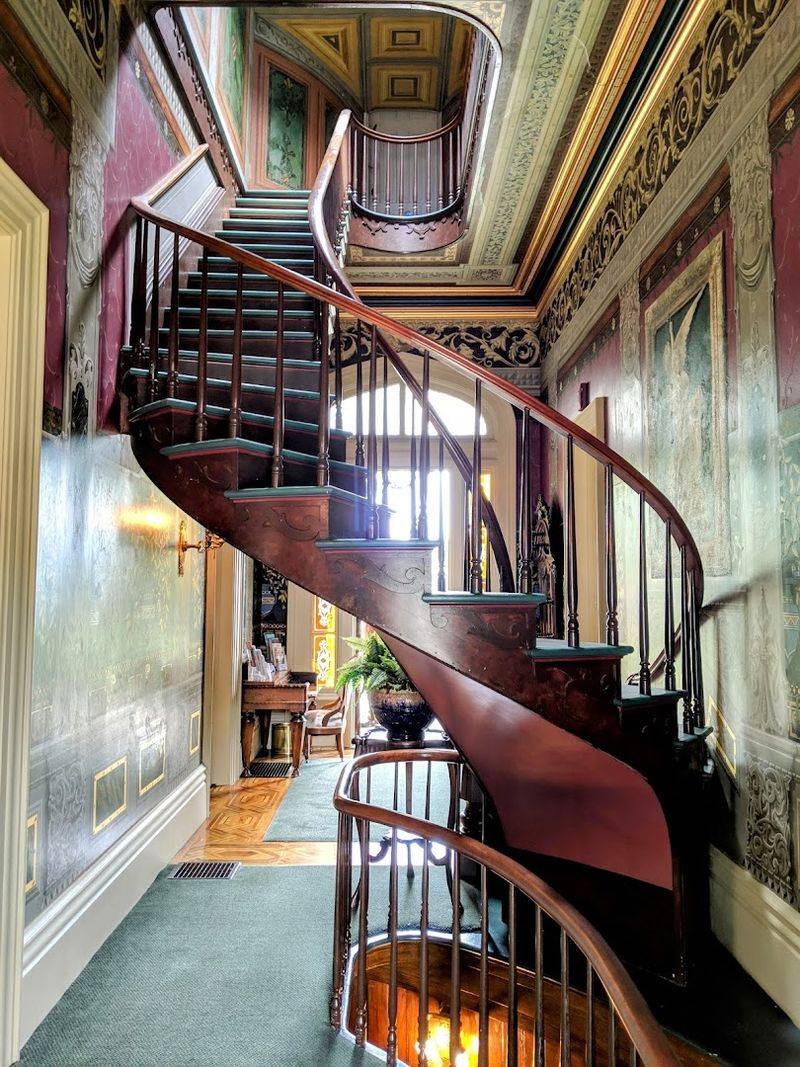
The Marshall Historical Society continues to invest in porch and stair repairs as part of its ongoing restoration commitment, ensuring this beloved feature remains as impressive as Pratt intended it to be.
How the Marshall Historical Society Saved This Treasure
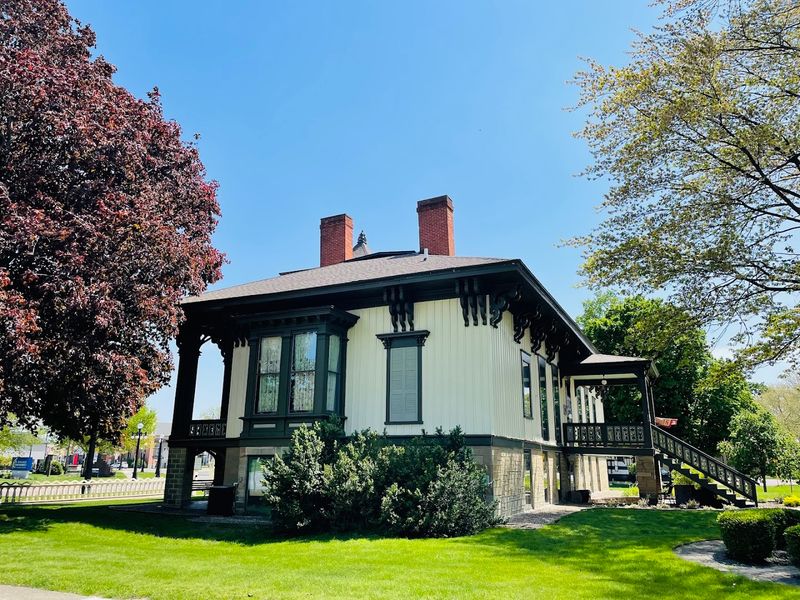
By the time the 1960s arrived, the Honolulu House had lived a long and eventful life, and it needed serious help. The Marshall Historical Society stepped in, acquired the property, and transformed it into the museum it remains today, also using it as their organizational headquarters.
What followed was decades of careful, dedicated restoration work. The Society has tackled foundation issues, repaired ceilings and walls, restored the painted murals, and addressed ongoing porch and stair maintenance.
A particularly clever piece of detective work happened in 1985, when exterior paint scrapings were analyzed to determine the original 1885 color scheme. The house was then repainted to match those historical colors, bringing the exterior back to life in a way that feels authentic rather than guessed at.
The total investment has reportedly reached around two million dollars, a figure that reflects just how seriously the community takes this building’s survival. Every dollar spent shows in the careful details that greet visitors at every turn, making the tour feel like a genuine journey through a meticulously preserved past rather than a faded approximation of one.
What a Guided Tour Actually Feels Like
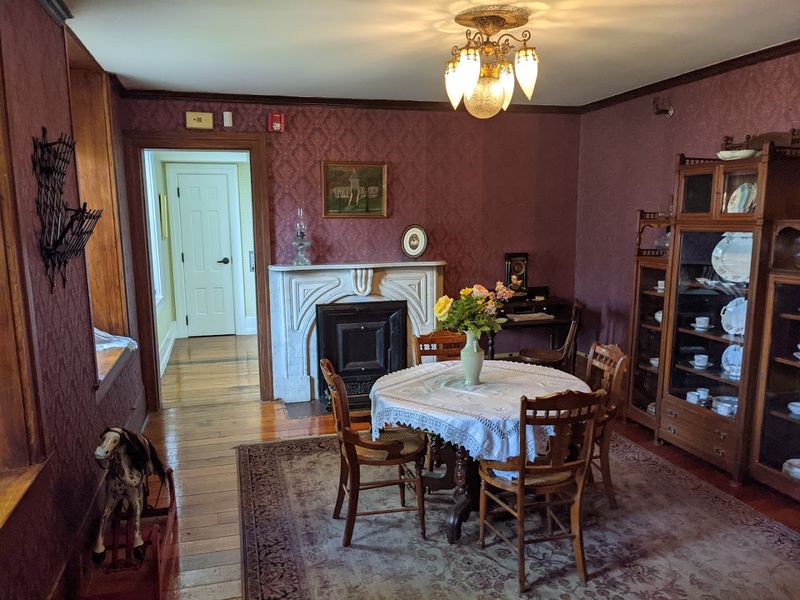
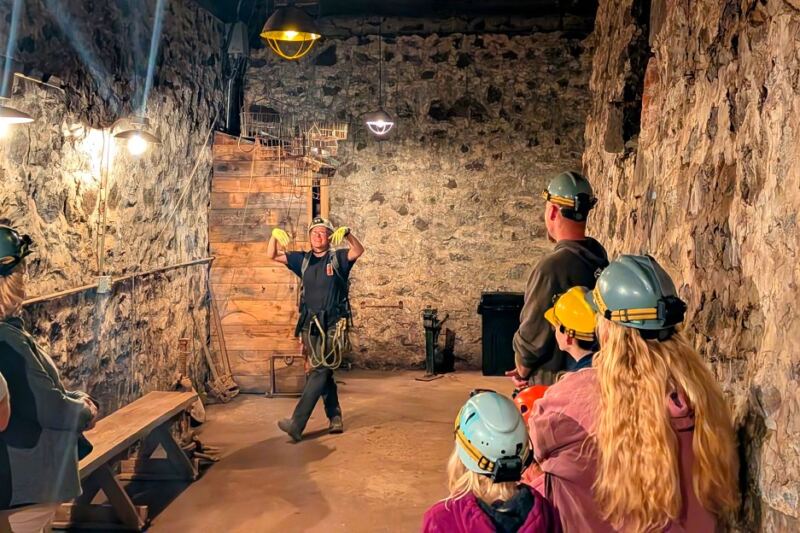
The guided tours at the Honolulu House are genuinely one of the highlights of visiting Marshall. The docents bring an enthusiasm and depth of knowledge that turns a walk through old rooms into something closer to a compelling conversation about Michigan history, Pacific Island culture, and 19th-century ambition.
Tour guides answer questions about the architecture, the murals, the original owner, and the town itself with the kind of confident familiarity that only comes from truly caring about the subject. History comes alive in a way that feels personal rather than scripted.
The tour runs about an hour and covers the major rooms and features of the house, giving you enough time to absorb the details without feeling rushed. At ten dollars per person, the experience offers solid value, especially considering the depth of history packed into every room.
Visitors often mention that they leave wanting to know more, which is probably the best compliment a museum tour can receive. The next section reveals what those walls are hiding above your head.
Fifteen-Foot Ceilings and the Drama They Create
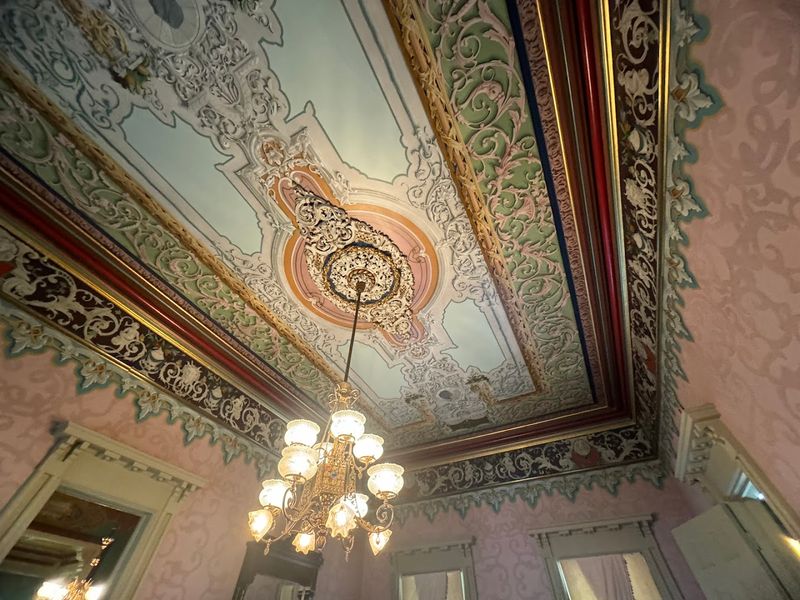
There is something almost theatrical about standing inside the Honolulu House for the first time. The fifteen-foot ceilings create a vertical space that feels completely out of proportion with what you expect from a Michigan home of this era, and that surprise is entirely intentional.
Pratt designed the interior dimensions to reflect the open, airy quality of Hawaiian architecture, where spaces breathe rather than confine. The ten-foot doors reinforce this sense of grand scale, making even tall adults feel appropriately small in the best possible way.
The exotic woods used throughout the interior, including teak and ebony, add a warmth and richness that standard Victorian woodwork simply cannot match. Running your eyes along the trim and door frames, you notice the quality of the materials and the care that went into selecting them.
These were deliberate choices made by a man who wanted his home to feel like a world apart from the ordinary Midwest streetscape just outside his windows. And it absolutely does.
Marshall’s National Historic Landmark District
The Honolulu House does not exist in isolation. It sits within Marshall’s National Historic Landmark District, a designation that reflects the remarkable concentration of well-preserved 19th-century architecture found throughout the entire city.
Marshall was once positioned to become Michigan’s state capital, a plan that ultimately did not materialize, but the ambition behind that dream left behind an unusually rich collection of historic buildings. The city essentially froze in architectural time, and the result is a walkable urban landscape that feels like a living museum well beyond the walls of the Honolulu House itself.
The Honolulu House is also listed on the Historic American Buildings Survey and the National Register of Historic Places, recognitions that confirm its architectural and historical significance on a national level.
Seasonal Hours and Smart Planning Tips
Before you make the drive to Marshall, a quick note about timing can save you a frustrating trip. The Honolulu House Museum is open Thursday through Sunday from noon to 4 PM, and it is closed Monday through Wednesday.
Hours can shift seasonally, so a quick call to +1 269-781-8544 before you visit is always a smart move.
Arriving close to closing time is a risk worth avoiding. The tour takes a solid chunk of time, and arriving with only thirty or forty minutes to spare means you will likely feel rushed through rooms that deserve more attention.
Plan to arrive at noon or shortly after for the most relaxed experience.
The museum also hosts special events tied to the holiday season, and visiting during December offers the added charm of seasonal decorations that complement the Victorian character of the space beautifully. The Marshall Historical Society’s website at marshallhistoricalsociety.org keeps current event and hours information updated, making it the most reliable source before your trip.
A little planning goes a long way here.
Christmas at the Honolulu House
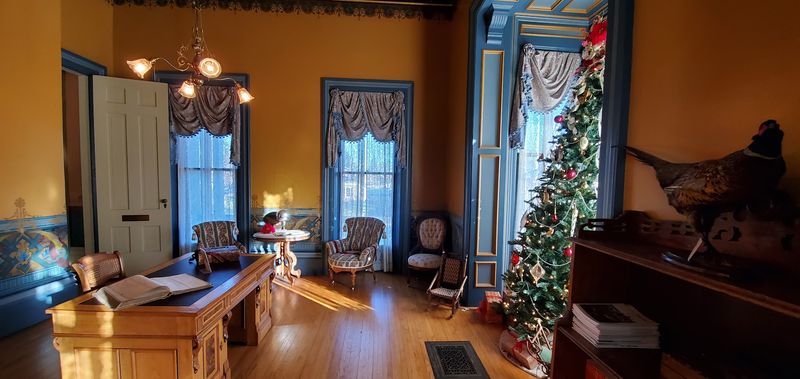
The Honolulu House takes on a completely different personality during the holiday season, and it is one of the more charming seasonal experiences available in mid-Michigan. The Victorian interiors, with their tall ceilings and elaborate woodwork, provide a natural backdrop for Christmas decorations that feel genuinely period-appropriate rather than forced.
Docents and volunteers put real care into the holiday presentation, selecting decorations that complement the 1880s character of the space. A Christmas tree rising toward those fifteen-foot ceilings creates a visual impact that most modern homes simply cannot replicate.
Visitors who have toured the house during December consistently describe the experience as memorable in a way that goes beyond the typical holiday attraction. The combination of historical depth and festive warmth creates something genuinely special.
If your schedule allows for a visit between Thanksgiving and the new year, the holiday version of the Honolulu House tour is worth prioritizing. And if tropical murals surrounded by Christmas garland sounds like an odd combination, trust that it works far better than you might expect.
Why This House Still Matters Today
More than 160 years after Abner Pratt hammered the first nail into his Hawaiian dream on a Michigan lot, the Honolulu House still commands attention and conversation in a way that few historic buildings manage. It survives not just as a museum but as a genuine testament to personal vision and architectural courage.
The Marshall Historical Society’s ongoing stewardship ensures that the building continues to tell its story accurately and compellingly. Restoration work is never truly finished on a building this old, and the Society’s commitment to maintaining the 1880s color scheme, the painted murals, and the structural integrity of the porch and foundation reflects a community that understands what it has.
For anyone curious about American history, architectural diversity, or the strange and wonderful ways that personal experience shapes the built environment, this museum delivers something genuinely rare. It is a place where one man’s love for a distant island culture became a permanent, beautiful fixture in the Michigan landscape, and that story has not lost a single bit of its power over time.
Share this story