Feeding a giraffe from an elevated platform while zebras roam across an open savanna is not something most people expect to find in Michigan. But at Binder Park Zoo in Battle Creek, visitors can walk through one of the Midwest’s largest African wildlife exhibits without ever leaving the state.
Spread across 433 acres, the zoo is far bigger than a typical city zoo, with a 50-acre Wild Africa area built around an 18-acre free-roaming savanna. Giraffes, cheetahs, lions, zebras, and painted dogs live in spacious habitats designed to encourage natural behavior rather than close-up displays.
It’s the kind of place that feels surprisingly expansive, especially for visitors expecting a small regional zoo.
Where to Find This Hidden Midwest Safari
Most people picture Michigan and think of lakes, car factories, or maybe a Wolverines game. A sprawling African safari experience is not usually the first thing that comes to mind, but that is exactly what waits at 7400 Division Dr, Battle Creek, MI 49014.
Binder Park Zoo sits comfortably off the beaten path, away from highway noise, which means the sounds you actually hear on the grounds are birds, rustling leaves, and the occasional distant roar from the lion habitat.
General admission runs around $18 to $20 per person, with a small $3.50 parking fee on top of that.
Hours run Tuesday through Friday from 9 AM to 5 PM, Saturday and Sunday from 9 AM to 6 PM, and Monday from 9 AM to 5 PM. You can also reach the zoo by phone at +1 269-979-1351 or visit binderparkzoo.org to plan ahead.
How 433 Acres Changes the Entire Zoo Experience
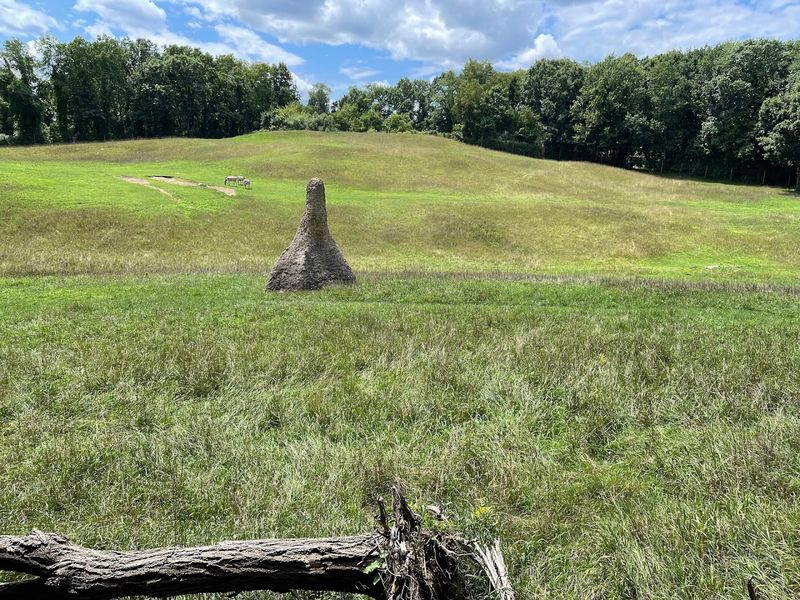
There is a noticeable difference between a zoo where animals pace in tight enclosures and a zoo where they actually have room to roam, and Binder Park Zoo firmly belongs in the second category.
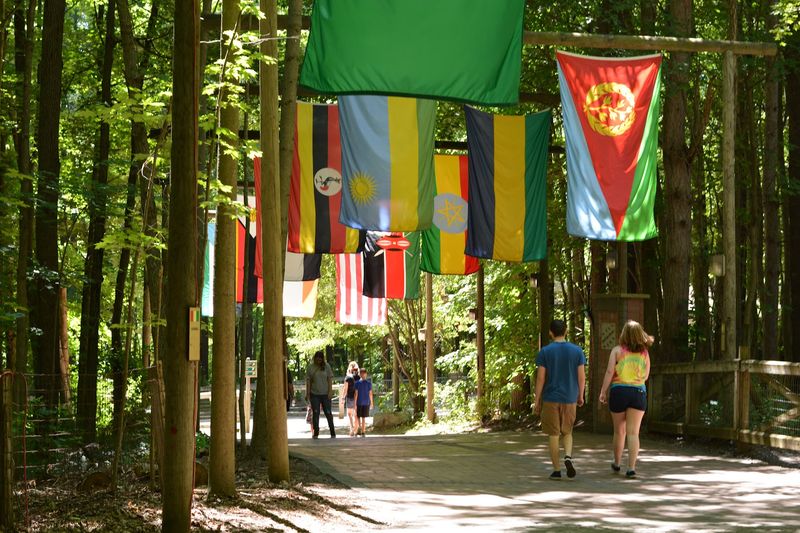
The entire property covers 433 acres, which gives the zoo a genuinely open, park-like atmosphere that feels more like a nature reserve than a typical urban zoo. Paths wind through heavy tree cover, so even on warm summer days, much of the walk stays shaded and comfortable.
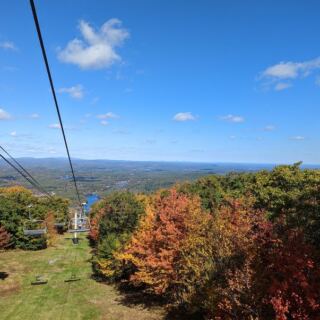
That tree coverage also makes autumn visits spectacular, with colored leaves turning the whole grounds into something that feels almost theatrical. Visitors consistently mention how clean and well-maintained the walking paths are throughout the property.
The size does mean real walking, so comfortable shoes are a must. For those who need a break from the trails, mobility scooters are available to rent for around $30, with a refundable deposit, making the zoo accessible to a wide range of visitors.
The Wild Africa Exhibit That Redefines What a Zoo Can Be
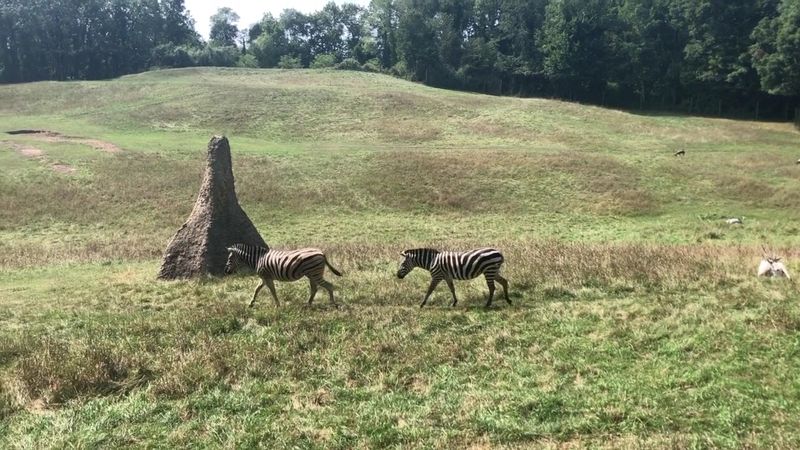
The Wild Africa exhibit is the reason many people drive hours to reach Battle Creek, and it earns every bit of that reputation. Covering 50 acres in total, with an 18-acre open savanna at its heart, the complex is designed to replicate the actual feel of an African national park rather than a traditional zoo enclosure.
The entire experience is themed around a fictional “Zuri National Park,” complete with ranger stations, a parked safari jeep, and educational panels about conservation and anti-poaching efforts. The attention to environmental storytelling is genuinely impressive and makes the walk feel like more than just animal-watching.
Visitors access Wild Africa either by boarding the free zebra-patterned wilderness tram or by walking a half-mile path from the main zoo area. Once inside, the trail runs as a one-way 0.8-mile loop that begins and ends in an African-themed village featuring a restaurant and gift shops.
The whole section rewards those who take their time, and most visitors spend at least a couple of hours here alone.
A Giraffe Herd So Large It Stands Out Nationally
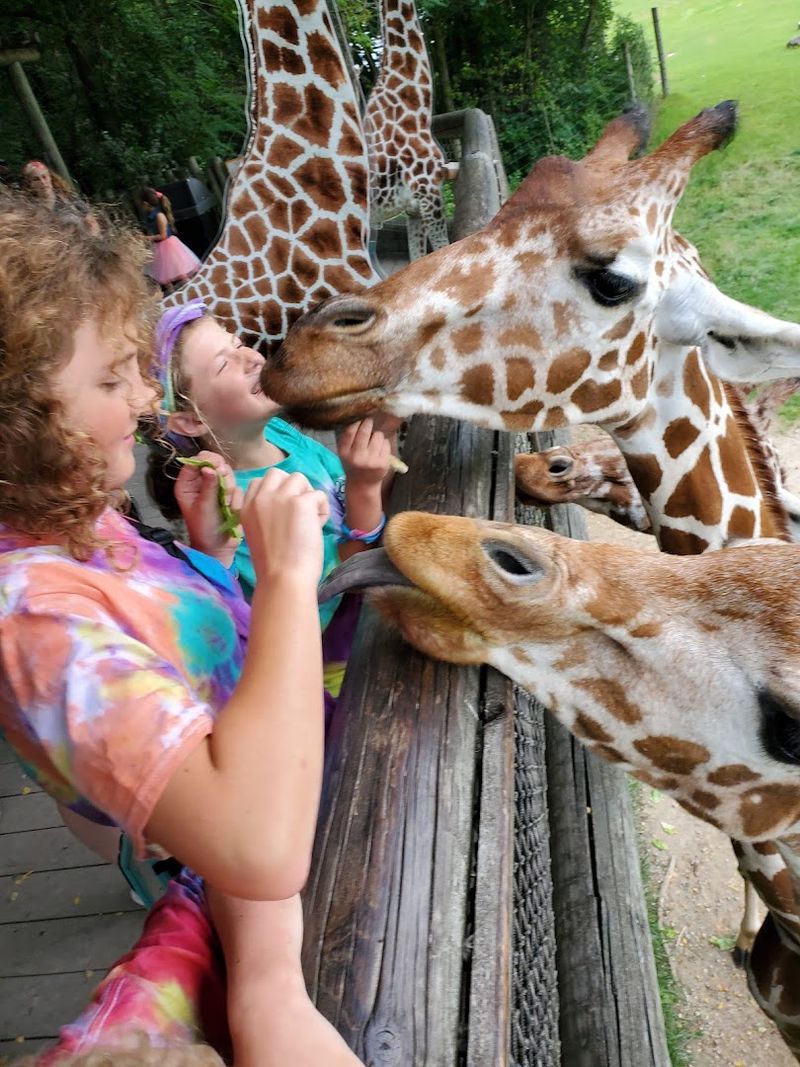
Binder Park Zoo is home to one of the largest giraffe herds in the entire country, which is not something you expect to hear about a zoo in southwestern Michigan. The giraffes live in the open savanna section of Wild Africa, where they have genuine space to move, graze, and interact naturally with each other.
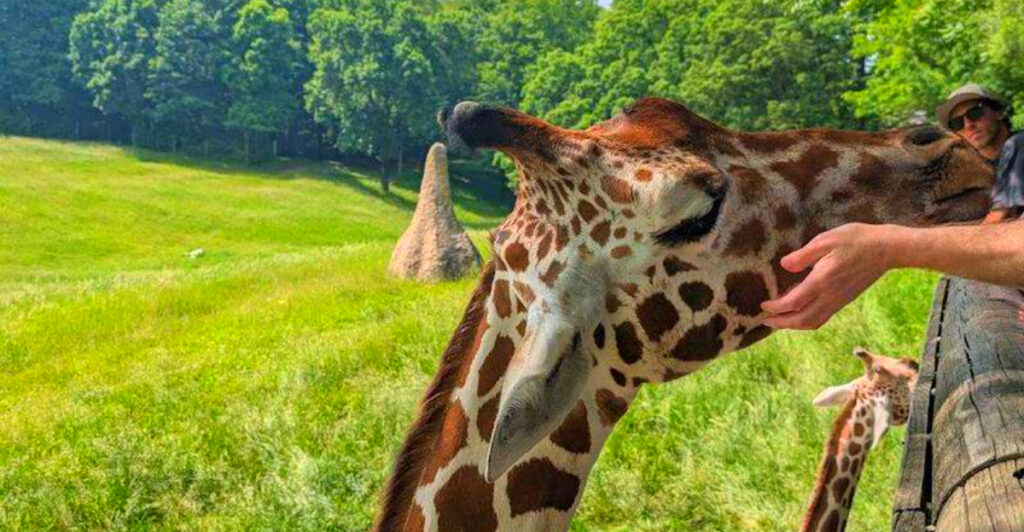
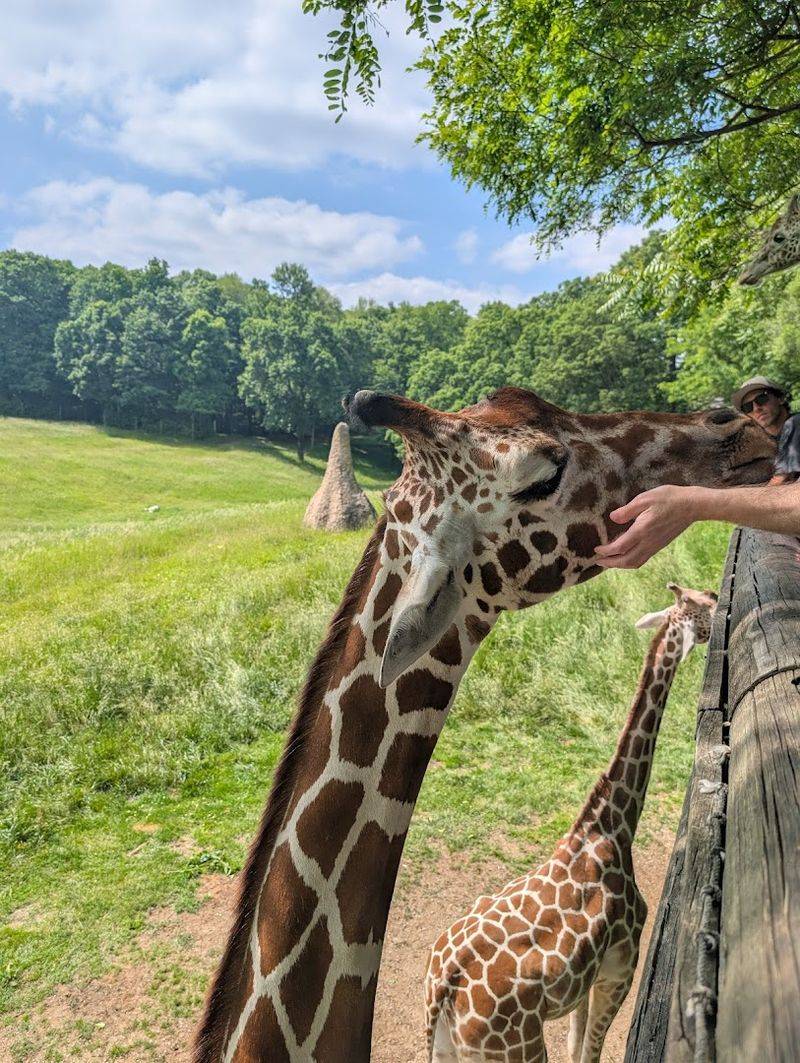
The real highlight for most visitors is the Twiga Overlook, an elevated boardwalk that puts you at eye level with these animals and lets you feed them directly. Romaine lettuce is available for purchase, with single pieces running about $2 and a five-piece bundle priced at $9.
Getting nose-to-nose with a giraffe while it gently pulls lettuce from your fingers is one of those experiences that sticks with you long after you leave. The overlook also offers sweeping views across the savanna, so even visitors who skip the feeding still get an impressive vantage point.
There is something almost surreal about the whole moment, and it tends to be the memory families talk about on the drive home.
The Savanna Animals Sharing Space With the Giraffes
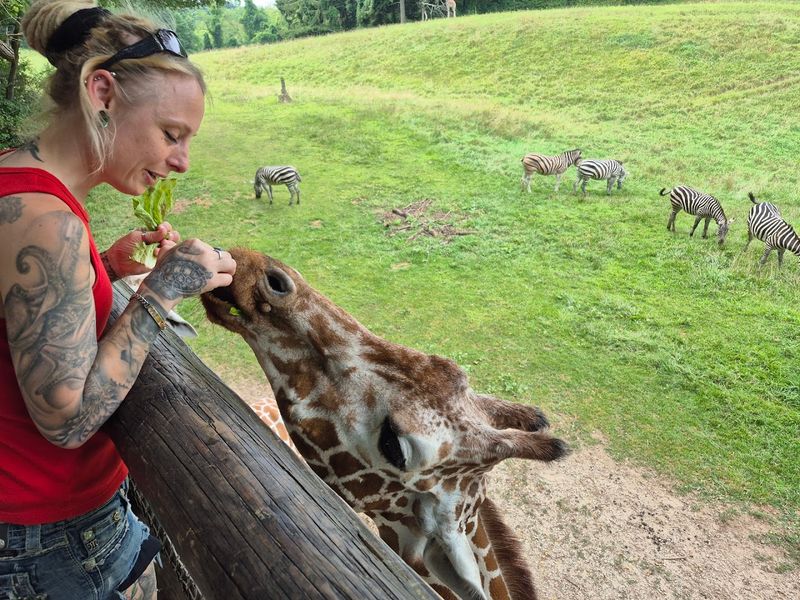
Giraffes get most of the attention in Wild Africa, but the savanna they share is packed with other remarkable species that deserve equal appreciation. Grant’s zebras move freely across the open landscape, and their bold black-and-white patterns against the Michigan grassland create a visual that genuinely surprises first-time visitors.
Alongside the zebras, the exhibit includes impalas, greater kudu, bontebok, addax, waterbuck, and addra gazelles, all living together in a mixed-species environment that reflects how these animals coexist in the wild. Common ostriches and marabou storks add a different dimension to the habitat, moving through the same space on foot.
Cinereous vultures are also part of the Wild Africa collection, perched at heights that make their impressive wingspan easy to appreciate. The variety within a single exhibit is one of the things that sets this zoo apart from facilities that keep each species in a separate, isolated pen.
Watching multiple species interact within the same open space is a reminder of why natural habitat design matters so much in modern zoo keeping.
Predators That Actually Keep You on Your Toes
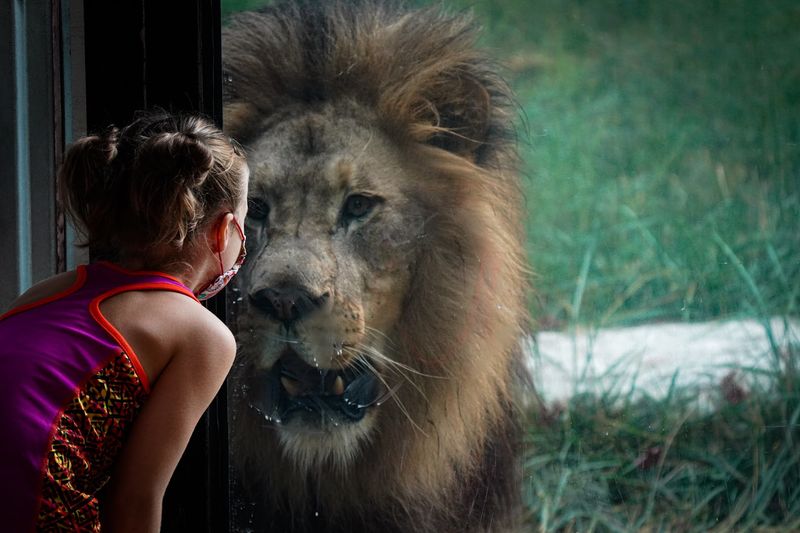
Not every part of Wild Africa is peaceful grazing and gentle giants. The lion habitat at Binder Park Zoo has earned a strong reputation for something that sounds simple but is actually rare: the lions are awake and active during visitor hours.
At many zoos, big cats spend most of the day sleeping in the back of their enclosures, leaving visitors staring at an empty rock. The lions here are regularly seen moving, interacting, and engaging with their environment, which makes the experience feel dramatically more alive.
The zoo also offers a lion training experience as a separate ticketed activity, where guests can watch keepers work with the animals up close. African painted dogs are another predator highlight in the Wild Africa section, known for their energy and social behavior that makes them endlessly watchable.
Cheetahs round out the big predator lineup, and their sleek builds and alert posture make them one of the more photogenic species on the entire trail. The predator section alone is worth the price of admission.
Primates, Tortoises, and the Unexpected Cast of Wild Africa
Beyond the open savanna and big predators, Wild Africa includes a supporting cast of animals that catch visitors off guard in the best possible way. Red-capped mangabeys bring a lively, social energy to their section of the exhibit, and their expressive faces make them genuinely entertaining to watch.
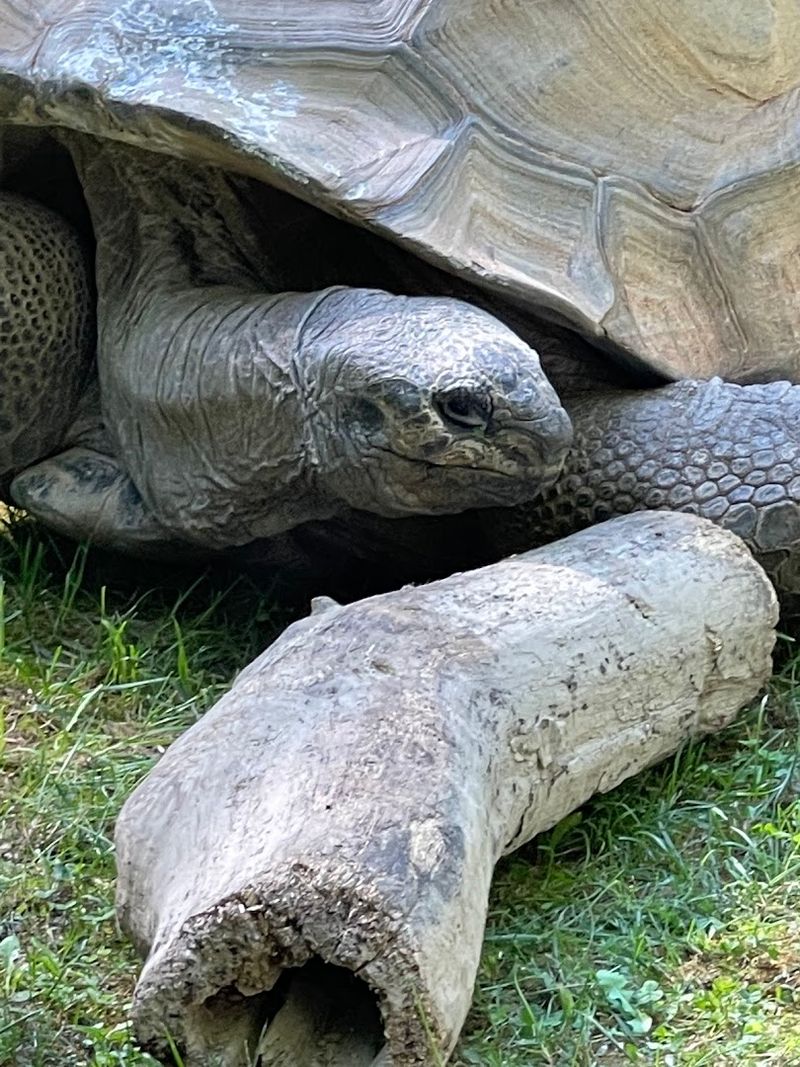
Colobus monkeys are also part of the lineup, their striking black-and-white coloring making them easy to spot against the foliage. Aldabra giant tortoises add a slower, more ancient presence to the mix, their sheer size alone enough to make children stop and stare.
These species sit outside the typical savanna grouping, which gives Wild Africa a layered quality where each turn of the trail reveals something new. The educational signage throughout the exhibit connects visitors to conservation stories about each species, adding real depth to what could otherwise be a passive walk-and-look experience.
That combination of variety and storytelling is what keeps the Wild Africa section from feeling like a checklist and turns it into something closer to an actual journey worth taking slowly.
The Zebra Tram That Makes Getting There Half the Fun
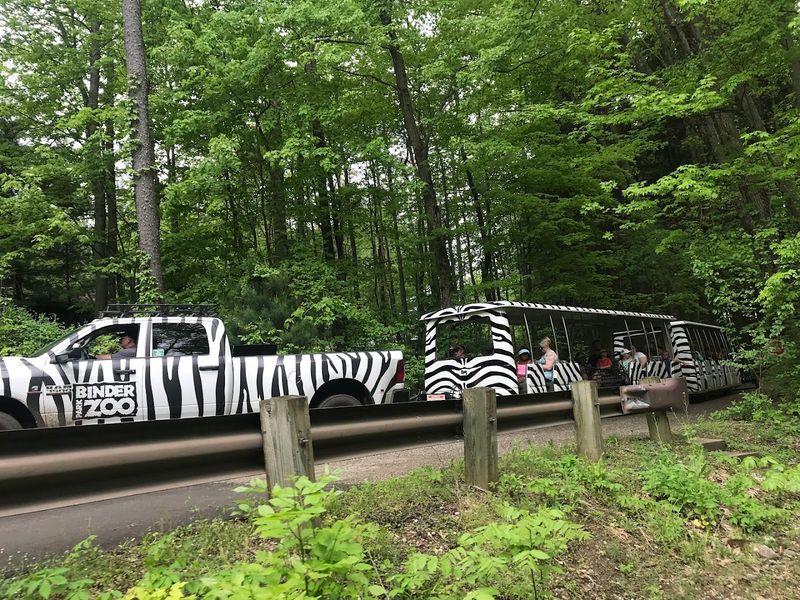
The journey to Wild Africa starts before you even arrive at the exhibit, and the free zebra-patterned wilderness tram is a big part of that experience. The tram runs from the main zoo area out to the Wild Africa entrance, covering roughly half a mile of trail through the wooded zoo grounds.
Kids tend to love the ride just for the novelty of the zebra design and the open-air feel, while adults appreciate not having to hike uphill before the real exploration begins. Multiple tram vehicles operate during busy periods, so the line moves faster than it might initially appear.
Visitors who prefer to walk have that option too, and the half-mile path through the trees has its own quiet appeal. On the return trip, walking back through the main zoo is a popular choice for families who want to revisit exhibits they passed on the way in.
Either way, the tram adds a playful, theme-park-adjacent quality to the visit that younger guests especially seem to carry with them all day long.
Beyond Africa: What the Rest of the Zoo Offers
Wild Africa is the marquee attraction, but the rest of Binder Park Zoo holds its own with a solid collection of animals and activities spread across the broader 433-acre property. The zoo houses more than 600 animal specimens in total, covering a wide range of species beyond the African lineup.
Bears, for example, are frequently seen active and visible during visitor hours, which is not always guaranteed at larger facilities. A petting zoo section gives younger children a hands-on encounter with more approachable animals, which tends to be a highlight for the toddler crowd.
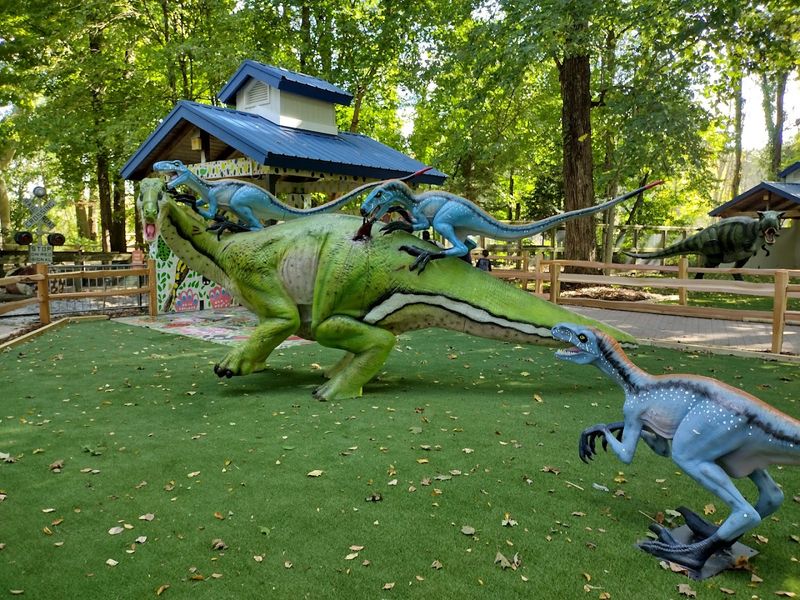
A dinosaur-themed area adds a playful, imaginative element that families with young kids consistently mention as a fun bonus. The carousel is another classic touch that breaks up the walking and gives smaller children a moment of pure, simple joy between animal exhibits.
The Skylark Ropes Course That Surprised Everyone
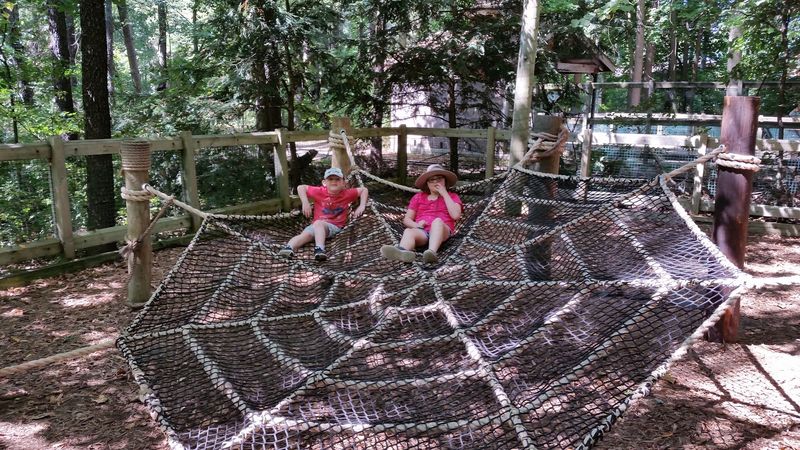
Nobody expects a zoo to have a ropes course, but Binder Park Zoo added the Skylark aerial adventure attraction, and it has become a genuine crowd-pleaser for the more active visitors. The course features zip lines, rope bridges, and elevated challenges set among the trees, with different difficulty levels designed for various ages.
A dedicated Little Lark section serves younger children, giving even small kids a chance to participate in the aerial fun at a scaled, age-appropriate height. The courses are not included in general admission, with the full Skylark experience running around $17 as an add-on.
For families with energetic kids who need more than just walking between exhibits, the ropes course serves as a natural midday reset. The wooded setting makes the experience feel integrated into the zoo environment rather than tacked on as an afterthought.
Practical Tips That Will Actually Improve Your Visit
A few smart choices before you arrive can make a real difference in how much you enjoy the day. Visiting on a weekday morning is the single best move for avoiding crowds, as the zoo is noticeably quieter on Tuesday through Friday, giving you more breathing room at popular exhibits like the giraffe feeding platform.
Comfortable walking shoes are non-negotiable given the amount of ground the zoo covers. Bringing a small bag with snacks and water is a good idea too, though the zoo does have food options including at least one restaurant inside the Wild Africa village and additional spots on the main grounds.
Budget a full four to five hours if you want to see everything without rushing. The giraffe feeding is worth planning around, so check current pricing at the overlook when you arrive since it may vary slightly by season.
Mobility scooters are available to rent for those who need them, and the zoo has made real efforts to improve accessibility across the property in recent years, which is worth knowing before you plan the trip.
Overnight Adventures and Special Events Worth Knowing About
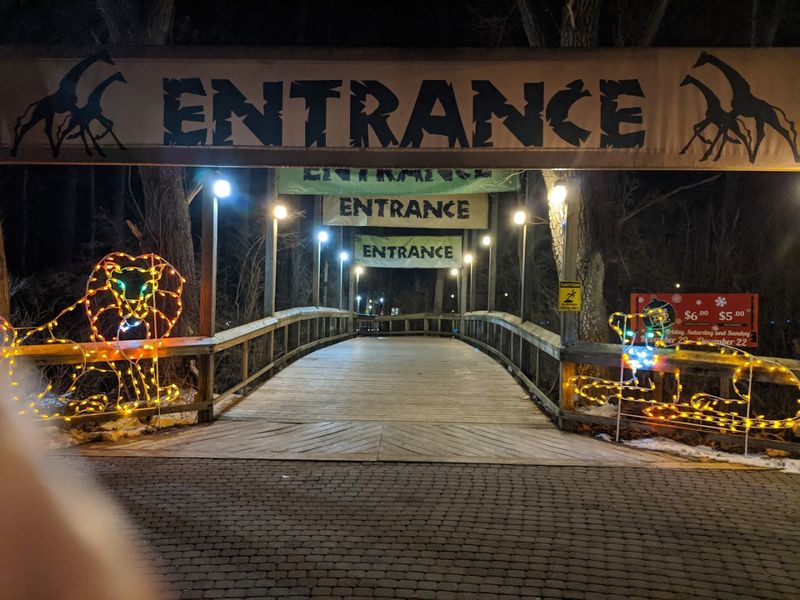
Binder Park Zoo is not just a daytime destination. The zoo runs a program called Zoo Snooze, an overnight experience that lets groups spend the night on the zoo grounds, and the reviews from families who have done it are genuinely enthusiastic.
Girl Scout troops, school groups, and adventurous families have all taken advantage of the program, describing it as a memorable experience that feels nothing like a standard zoo visit. Waking up surrounded by animal sounds in the early morning hours is a different kind of magic entirely.
The zoo also hosts adult-oriented evening events throughout the year, giving grown-ups a chance to explore the grounds after hours in a completely different atmosphere. Those events tend to sell out, so checking the zoo’s website well in advance is the smart move.
Whether you go for a single afternoon or plan a full overnight adventure, Binder Park Zoo has clearly put thought into creating experiences that go well beyond a standard walk-through, and that intentionality shows in nearly every corner of the property.
Share this story