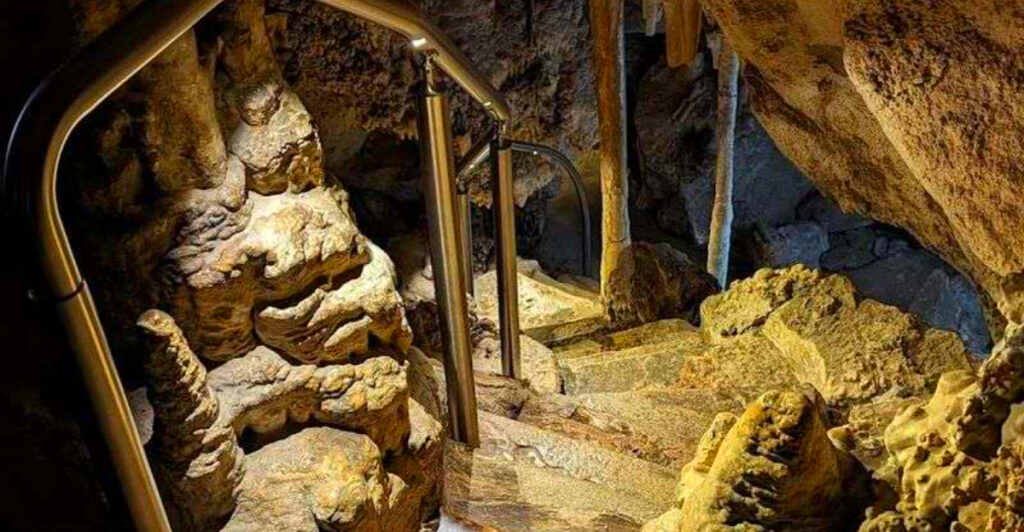
Montana’s first state park offers far more than a typical cave experience. Visitors can explore a vast limestone cavern filled with striking formations that have been developing for millions of years, all in a comfortable year-round climate.
Beyond the cave, the park features scenic hiking trails and sweeping mountain views that highlight the beauty of southwestern Montana. Combining geology, history, and outdoor recreation, it remains one of the state’s most unique and rewarding natural attractions.
Where in the World You Actually Are
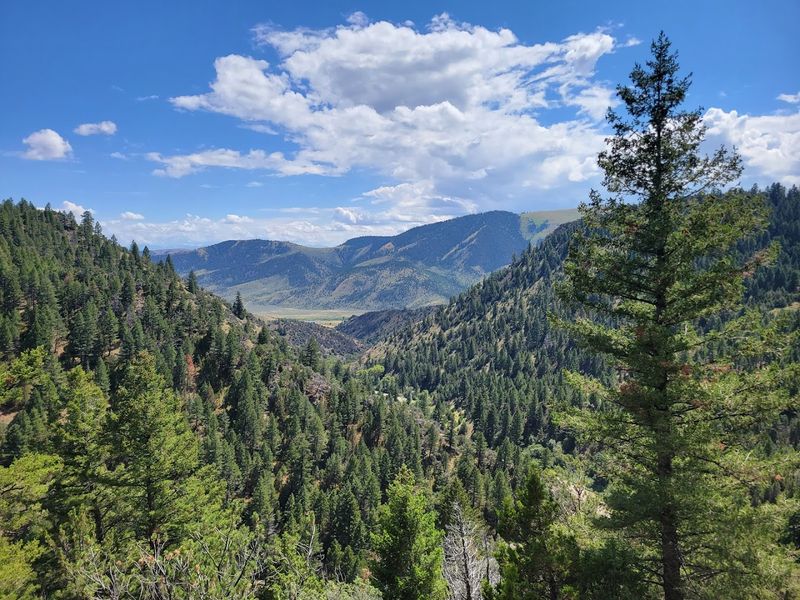
Montana has a way of hiding its best surprises in plain sight, and Lewis and Clark Caverns State Park is proof of that. The park sits at 25 Lewis and Clark Caverns Road, Whitehall, MT 59759, tucked into Jefferson County about 19 miles east of Whitehall along Highway 2.
The park covers 3,015 acres of rolling limestone hills, open meadows, and forested slopes above the Jefferson River valley. You can reach it by car with no special equipment, and the main parking area gives you an immediate sense of how big the landscape really is.
Montana’s first state park, established in 1937, the site carries both geological and historical weight. The Lewis and Clark Expedition passed near this area in 1805, though the caverns themselves were not explored until local hunters stumbled upon them in 1892.
The park’s phone number is +1 406-287-3541, and the grounds are technically open 24 hours, though cave tours only run May through September.
How Millions of Years Built These Rooms
The caves did not form overnight, and understanding how they got here makes every formation inside feel even more impressive. The process started with Madison Limestone, a rock layer that dates back hundreds of millions of years to a time when a shallow sea covered much of what is now Montana.
Over an enormous stretch of time, slightly acidic groundwater seeped through cracks in the rock and slowly dissolved it from the inside out. As the water drained away, it left behind hollow chambers and passageways that make up the cavern system visitors explore today.
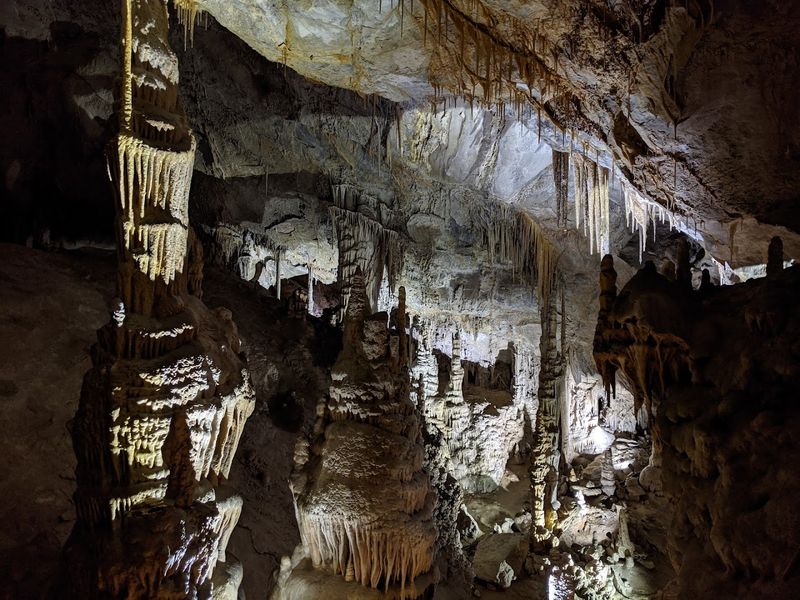
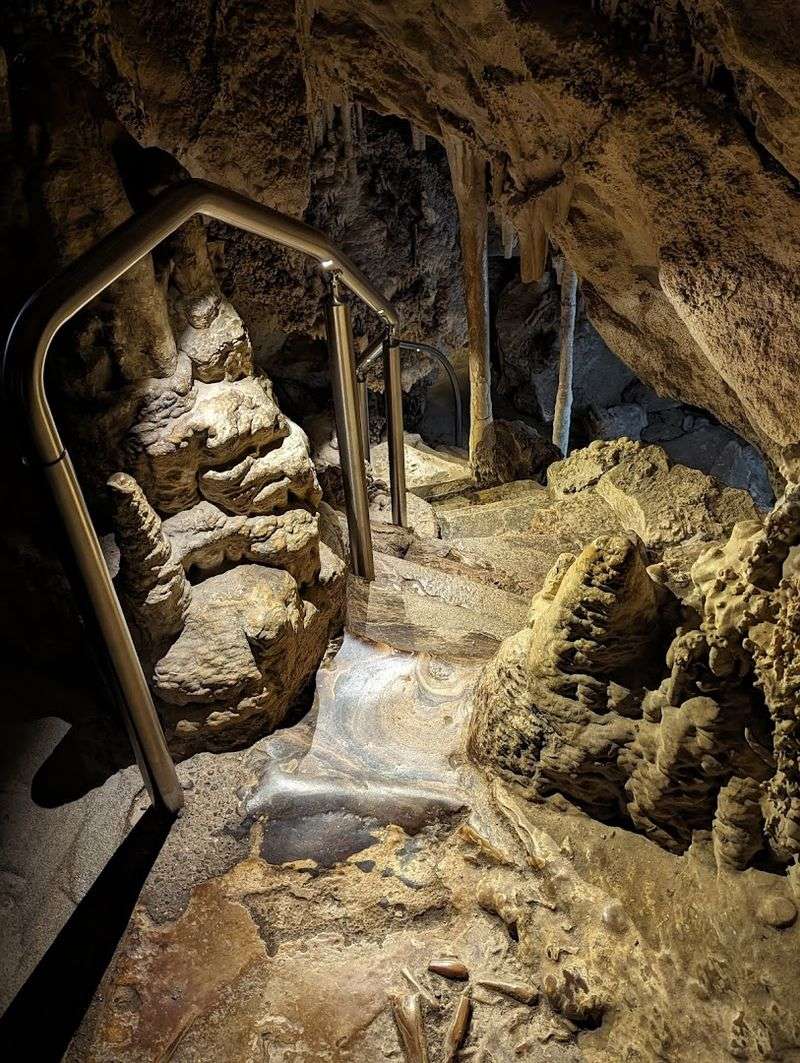
The decorations, meaning the stalactites hanging from the ceiling, the stalagmites rising from the floor, the columns, the helictites, the flowstones, and the peculiar formations called cave popcorn, all grew from mineral-rich water dripping and seeping through the rock over thousands of years. Each one represents a timeline that makes human history feel very short by comparison, and that perspective alone is worth the trip.
The Classic Tour Is Not for the Faint of Legs
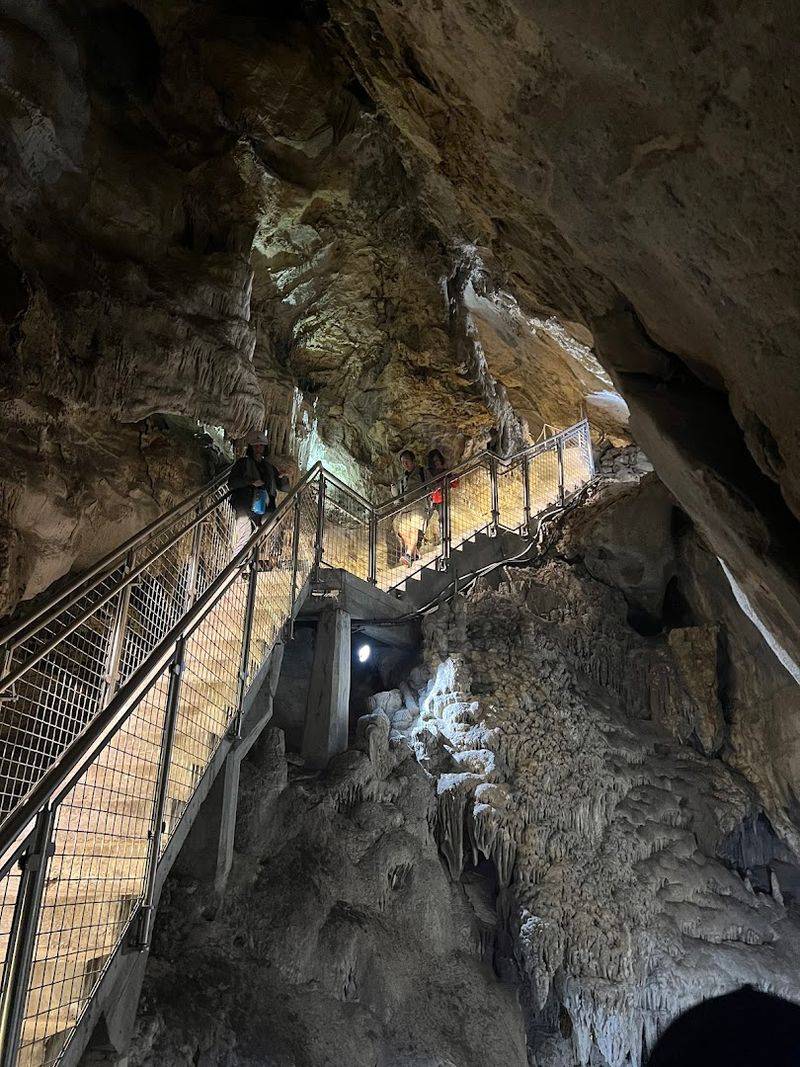
The Classic Tour is the one that gets talked about most, and for good reason. It covers two miles and takes about two hours, with a 300-foot elevation gain just to reach the cave entrance before you even set foot inside.
Once you enter, the real adventure begins. There are more than 100 ascending stairs and over 500 descending stairs, narrow passages that require crouching, tight turns, and moments of genuine awe when a massive chamber opens up around you.
The park does not recommend this tour for children under five, and the uphill hike to the entrance has a time limit, so arriving ready to move is a smart idea.
Bags of any kind are not allowed on the Classic Tour, with the exception of necessary medical bags. What you do get is a guide who keeps the group entertained with humor and solid cave knowledge throughout the full two hours.
The tour sells out regularly between Memorial Day and Labor Day, so booking your reservation in advance is strongly encouraged.
A Gentler Path Into the Underground
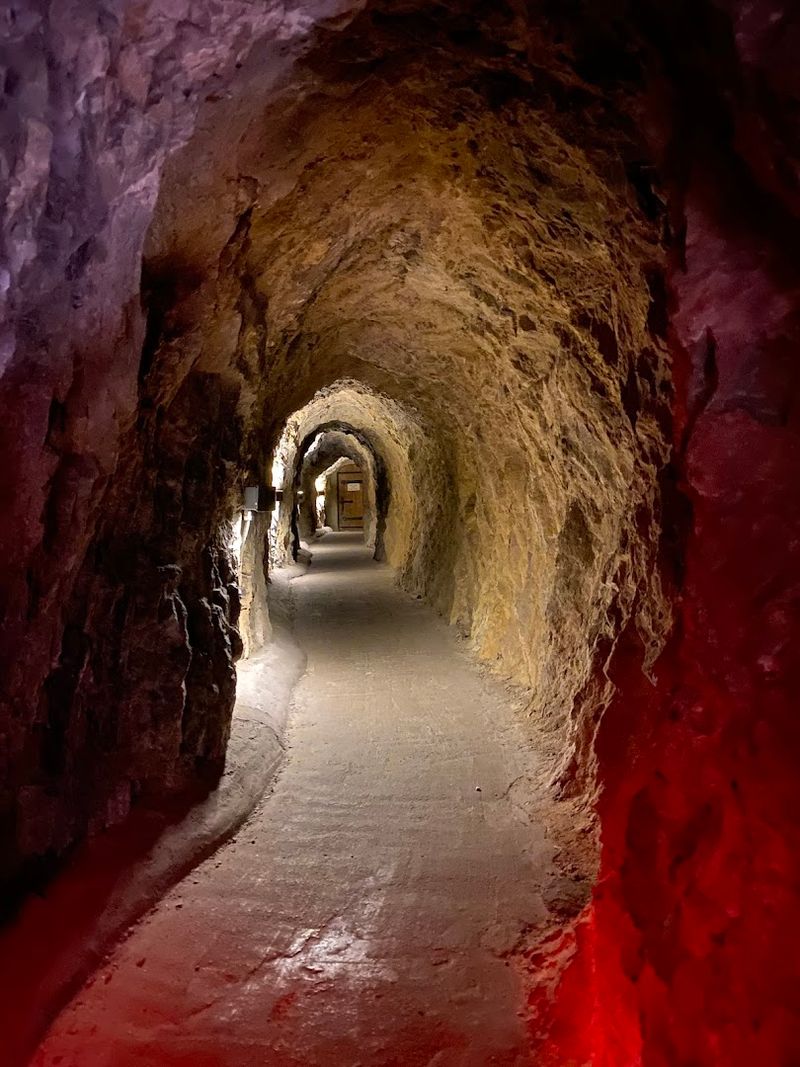
Not everyone wants to tackle 600 stairs and a steep uphill hike, and the park has a smart answer to that. The Paradise Tour runs about 1.5 hours, covers one mile, and involves only 15 stairs throughout the entire route.
The path is mostly level, well-lit, and designed to be accessible for families with young children or visitors with limited mobility. You still get to see genuine cave formations, hear the full story from a knowledgeable guide, and experience the cool, humid underground atmosphere that makes this park so memorable.
The Paradise Tour takes you into the first section of the cavern, where impressive formations are visible right from the start. Some visitors who have taken this tour come back specifically to try the Classic Tour on a return visit, which says a lot about how the experience builds curiosity rather than satisfying it completely.
Both tours require reservations, so planning ahead is just as important for the shorter route as it is for the longer one.
What You Actually See Inside the Cave
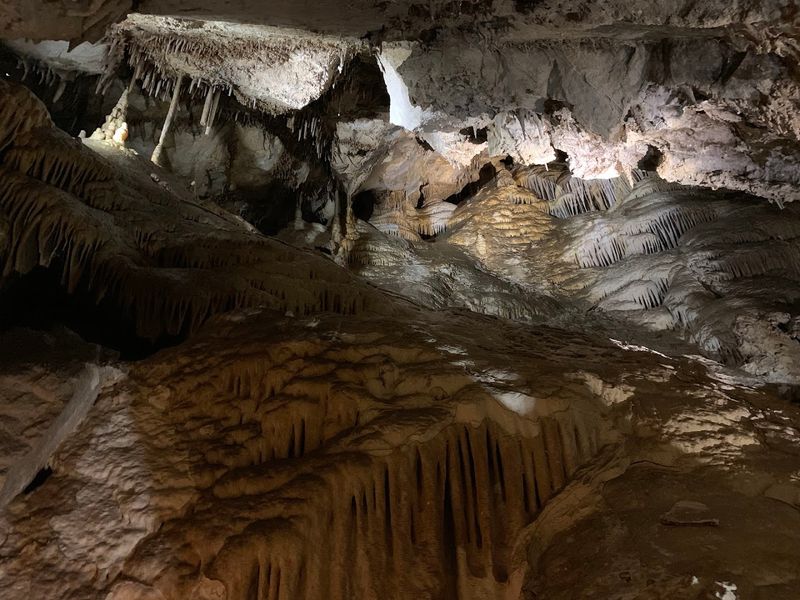
The formations inside the cavern are genuinely hard to describe without sounding like you are exaggerating. Stalactites hang from the ceiling in clusters that look like stone curtains, while stalagmites rise from the floor in shapes that range from thin spires to wide, rounded mounds.
Columns form where the two meet after thousands of years of slow growth. Flowstone covers sections of the cave walls in smooth, rippling sheets that look like frozen waterfalls.
Cave popcorn, which is exactly what it sounds like, covers other surfaces in bumpy white mineral clusters that have no business looking as interesting as they do.
Helictites twist in unexpected directions, defying what you would expect gravity to do with dripping water. The cave maintains a constant temperature of around 50 degrees Fahrenheit with humidity above 90 percent, which means the air inside feels noticeably cool and damp the moment you enter.
Guides often demonstrate total darkness during the tour, turning off all lights to show visitors what true underground blackness actually feels like.
The Bats That Call This Cave Home
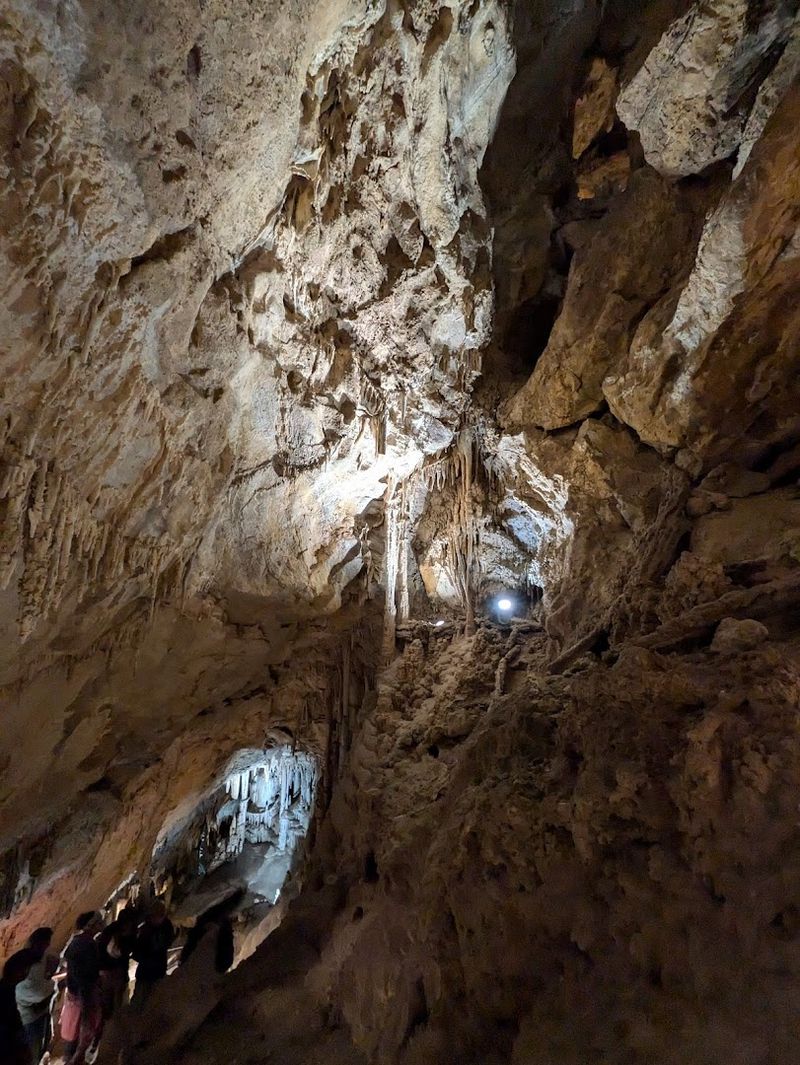
One of the more unexpected highlights of a summer visit is the wildlife living inside the cave itself. The caverns serve as a summer roosting site for Townsend’s big-eared bats, a species known for its dramatically oversized ears and its impressive ability to navigate in complete darkness.
Visitors on the Classic Tour sometimes spot bats resting on the cave ceiling or catch a glimpse of the babies during the warmer months. The park takes bat conservation seriously, which is why visitors are asked not to bring clothing or gear that has been used in other caves.
The reason for that request is white-nose syndrome, a fungal disease that has caused significant population declines in bat colonies across North America. This cave has remained free of the disease, and the park works hard to keep it that way.
Seeing the bats up close, hanging quietly overhead while your guide explains their habits, adds a layer to the cave experience that you simply cannot plan for or replicate.
The Trails Above Ground Are Worth the Effort
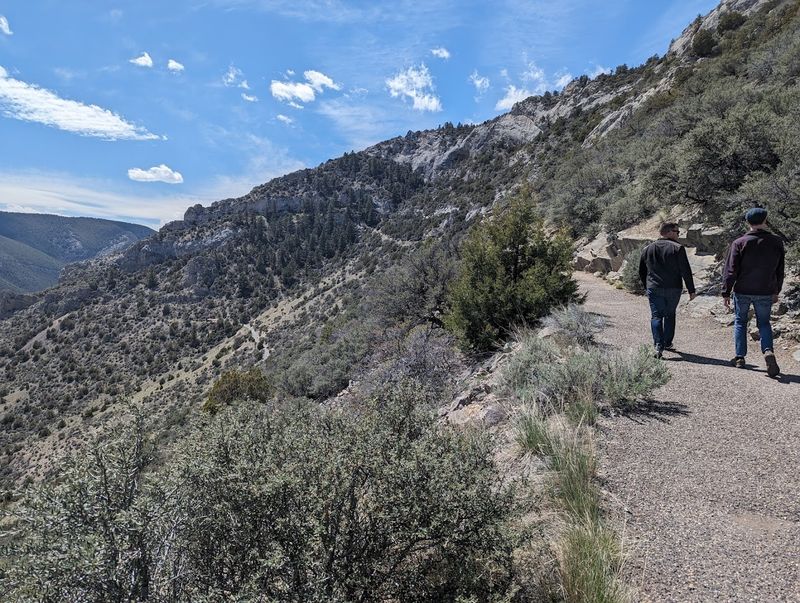
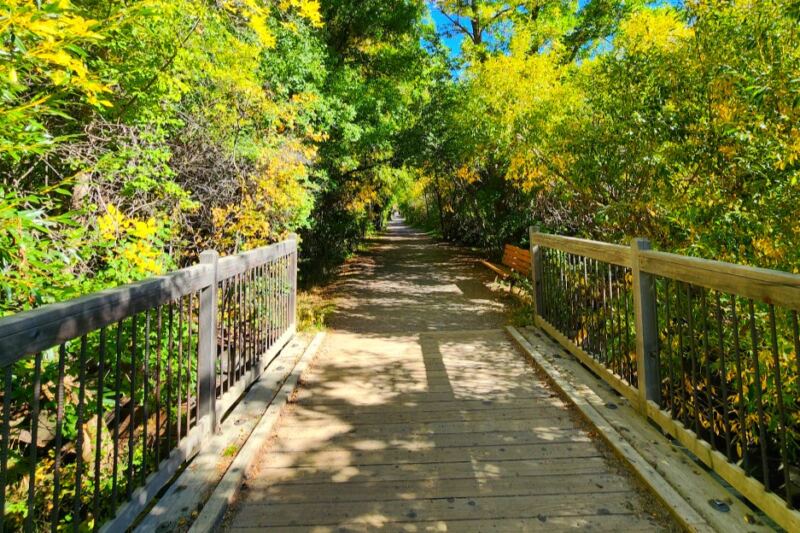
The cave gets most of the attention, but the trails above ground deserve their own conversation. The park offers more than 10 miles of hiking and biking routes, with elevation changes exceeding 1,000 feet across the network.
Some trails are short and relatively easy, making them suitable for families who want to stretch their legs without committing to a full mountain workout. Others are steep, rocky, and genuinely challenging, rewarding those who push through with panoramic views of the Jefferson River valley and the surrounding landscape that feels almost too big to take in at once.
Mountain biking is permitted on designated trails, and the terrain provides enough variety to keep riders engaged across different skill levels. Bird watching along the trails is particularly rewarding in spring and early summer when migratory species pass through the area.
The combination of trail options means you can easily spend a full day at the park without setting foot underground, and the scenery makes that a perfectly reasonable choice.
Camping Under Montana’s Wide Open Sky
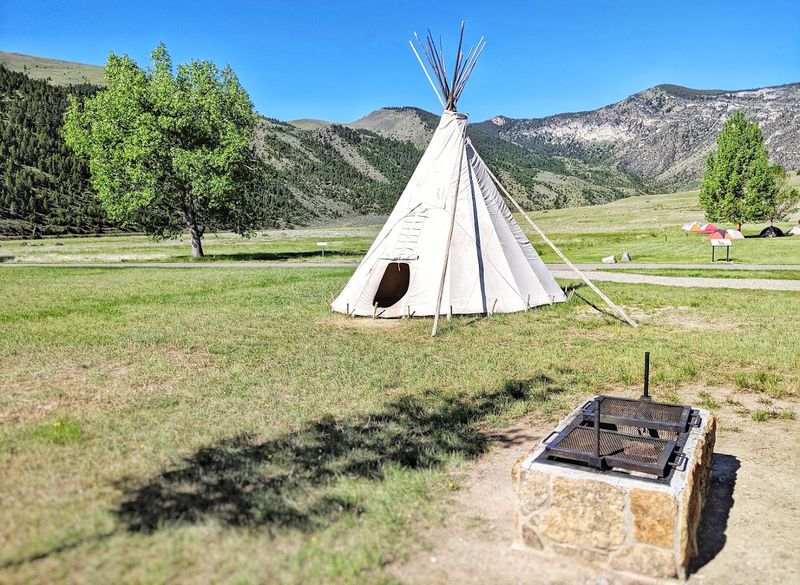
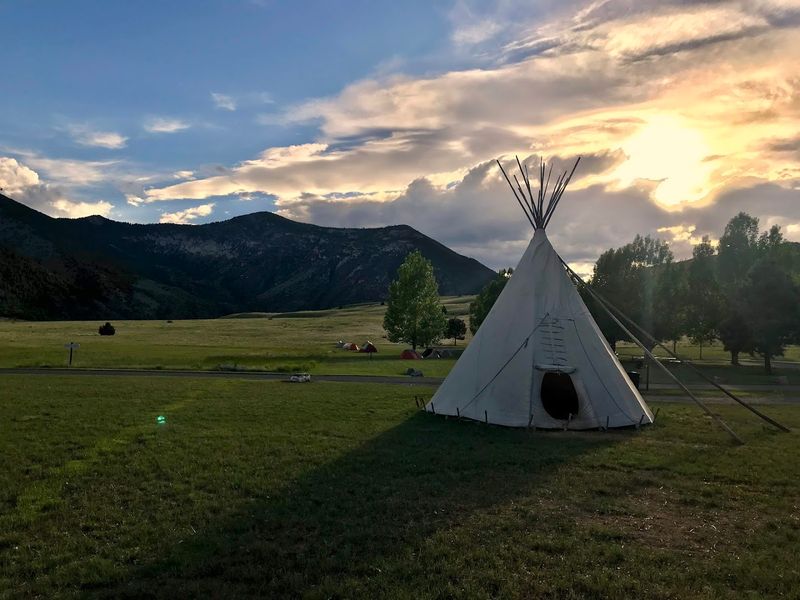
Spending one night at this park is rarely enough once you see how much there is to do. The campground offers 40 campsites for tents and RVs, along with three cabins, a wall tent, and a tipi that can all be reserved in advance through Montana’s state park reservation system.
Hiker and biker sites are available on a first-come, first-served basis for those traveling without a vehicle reservation. From May through September, the campground is fully operational with showers, flush toilets, potable water, and an RV dump station.
Outside those months, the campground remains open but with reduced services.
Waking up inside the park means you can be first in line for an early tour reservation, hit the trails before the afternoon heat sets in, or simply sit outside and watch the Jefferson River valley light up at sunrise. The tipi in particular tends to book up quickly during summer weekends, so reserving early is the kind of advice that sounds obvious until you miss your chance.
The Visitor Center, Cafe, and Everything Else at the Top
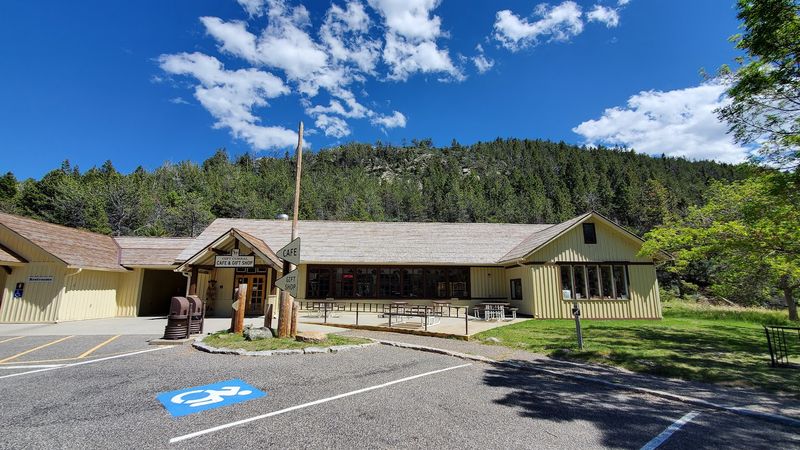
The visitor center at the top of the hill does a lot of work for a relatively compact building. It houses interpretive displays that walk you through the geology of the cave, the history of the park, and the wildlife that lives in and around the caverns.
The gift shop carries souvenirs ranging from the expected to the genuinely useful, and the staff are consistently described as friendly and helpful when it comes to answering questions about tours and trail conditions. The cafe on site serves food that goes well beyond typical park fare, with the bison burger drawing particular attention from visitors who were not expecting a proper meal at a state park.
An amphitheater and picnic areas round out the facilities, making the park a practical full-day destination rather than just a quick stop. The views from the visitor center area alone, looking out over the valley with the limestone hills rolling in every direction, are worth the drive up even before you factor in the cave.
The History Behind the Name and the Place
The name of this park carries real historical weight, even though Lewis and Clark themselves never actually entered the caverns. The expedition passed through the Jefferson River valley in 1805 during their famous journey to the Pacific, and the area around the park was very much part of their route.
The caverns were not discovered by outside explorers until 1892, when local hunters came across the entrance and began telling others about what they had found. The site passed through several hands and faced various development proposals before eventually becoming Montana’s first state park in 1937.
In 2018, the Lewis and Clark Caverns Historic District was added to the National Register of Historic Places, recognizing not just the natural significance of the site but its cultural and architectural history as well. The buildings and structures from the early park development era are part of what gives the site its layered character, blending natural wonder with a genuinely interesting human story that spans more than a century of Montana history.
Wildlife, Fishing, and the Jefferson River Connection
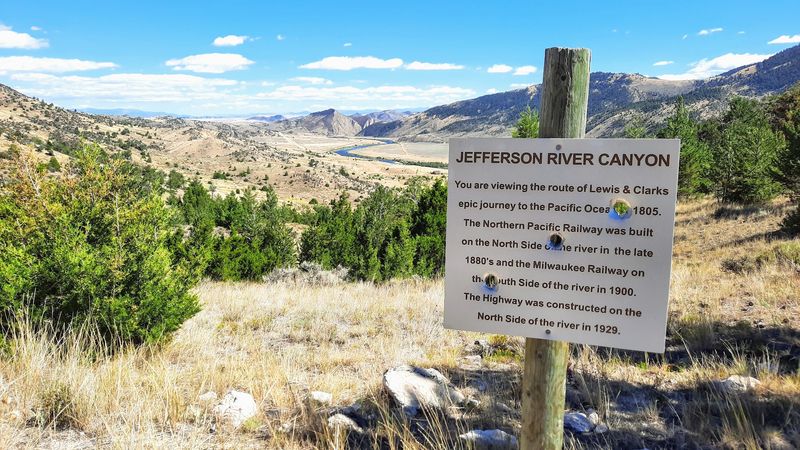
The park is not just about the cave, and the Jefferson River running nearby makes that point clearly. Fishing access along the river gives anglers a chance to cast for trout and other species in water that moves through one of Montana’s most scenic valleys.
Wildlife viewing throughout the park is consistently rewarding for those who take the time to look carefully. Mule deer, wild turkeys, and various raptor species are commonly spotted along the trails and in the open meadows surrounding the campground.
Bird watchers find the park particularly productive during migration seasons when the variety of species passing through increases noticeably.
The combination of riparian habitat along the river, open grassland, and forested hillsides creates a range of microenvironments that support a genuinely diverse wildlife community. Visiting in the early morning hours, before the cave tours begin and before the trails fill up with day visitors, gives you the best chance of spotting animals going about their business without any interruption from the crowds that arrive later in the day.
Smart Tips Before You Book Your Visit
A little preparation goes a long way at this park, and a few practical details can make the difference between a smooth visit and a frustrating one. Tour reservations are required, especially between Memorial Day and Labor Day when spots fill up days or even weeks in advance.
Wear comfortable, closed-toe shoes with good grip, because the trails and cave stairs are uneven in places. The cave temperature holds steady at around 50 degrees Fahrenheit year-round, so bringing a light jacket is genuinely useful even on the hottest summer days.
No bags are allowed on the Classic Tour except for necessary medical bags, so plan your pockets accordingly.
The park also has outdoor kennels available for dogs, which is a thoughtful detail if you are traveling with a pet. Candlelight tours run in December on a limited basis for those who want a winter experience.
The park’s website at stateparks.mt.gov/lewis-and-clark-caverns has current tour schedules, pricing, and reservation links that are worth checking before you make the drive out to Jefferson County.
Share this story