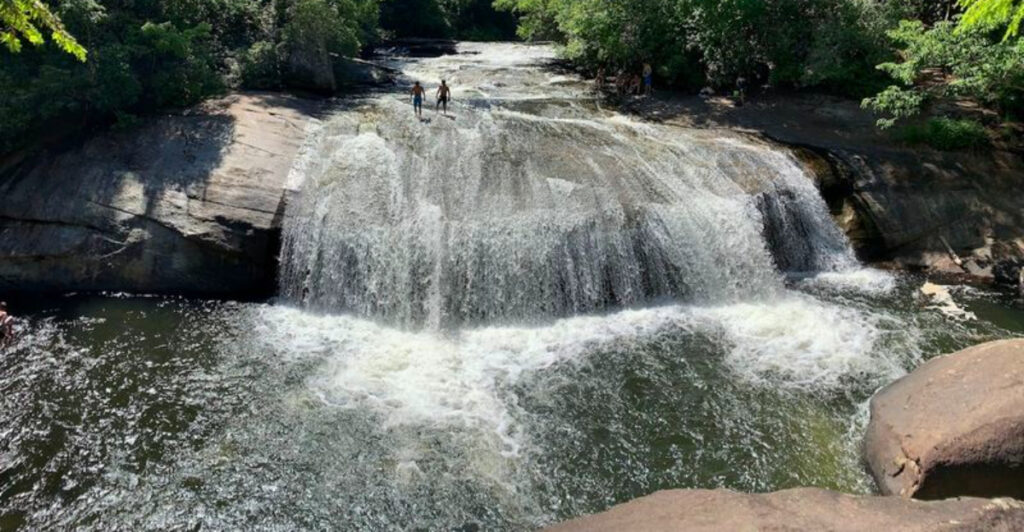
There is a place tucked into the western corner of North Carolina where the forest gets so thick and wet that it earns the title of the state’s rainiest spot. The trails plunge down steep gorges, waterfalls roar year-round, and the air smells like moss and cool mountain water.
This is not the kind of park you visit once and forget. Gorges State Park in Sapphire, NC, has a way of pulling you back, whether you came for a quick day hike, a family camping trip, or just to stand in front of a waterfall and feel genuinely small in the best possible way.
A Park Like No Other: The Address, Location, and Setting
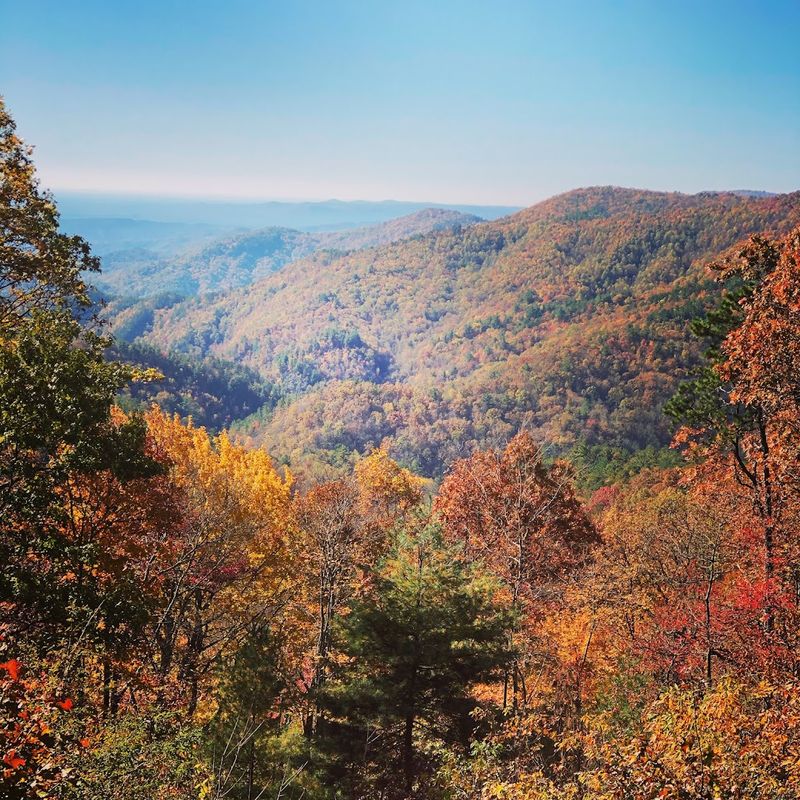
Gorges State Park sits at 976 Grassy Ridge Rd, Sapphire, NC 28774, nestled in the southwestern corner of North Carolina near the South Carolina border. The park rises from around 1,000 feet at the base of the gorges all the way up to 3,000 feet at the rim, creating a dramatic landscape unlike anything else in the state.
The park covers roughly 7,500 acres of temperate rainforest, and it receives more rainfall annually than almost anywhere else in the eastern United States. That rain is what keeps the waterfalls thundering and the trout streams cold and clear all year long.
The closest town is Cashiers, just about 20 minutes away by car, which means you get true wilderness without being completely cut off from food or fuel. The park is open daily from 9 AM to 5 PM, and the phone number for the visitor center is +1 828-966-9099.
More details are available at ncparks.gov/gorges-state-park. This is the kind of place that feels genuinely off the beaten path, even though it is remarkably easy to reach.
The Visitor Center That Sets the Tone
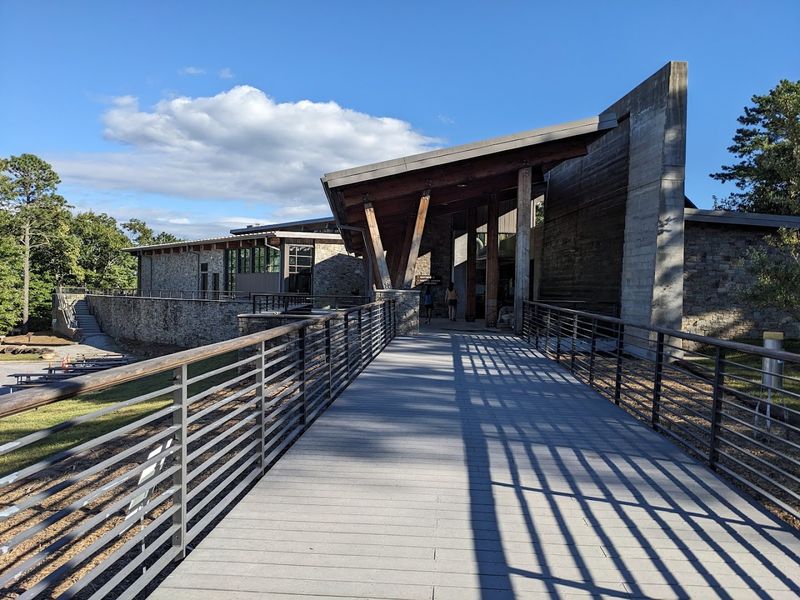
Before hitting any trail, the visitor center at Gorges State Park deserves a proper stop. The building is well-designed and spacious, with educational displays that explain the ecology of the gorge, the unique rainfall patterns, and the wildlife that calls this temperate rainforest home.
There is an informative short film about the gorge that gives first-time visitors a solid sense of what they are about to walk into. The gift shop stocks park merchandise, field guides, and souvenirs that are actually worth buying.
The restrooms are cleaned regularly and are among the most spotless I have seen at any public park.
Rocking chairs face out toward the mountains just outside the building, and picnic tables are scattered around the grounds for a relaxed pre-hike snack. The staff and rangers at the center are genuinely knowledgeable and happy to answer questions about trail conditions, wildlife sightings, or camping availability.
Parking is plentiful near the visitor center, which is a welcome relief during busy weekends. The whole setup signals that this park takes its visitors seriously, and that first impression carries through every part of the experience.
Rainbow Falls Trail: The Star of the Show
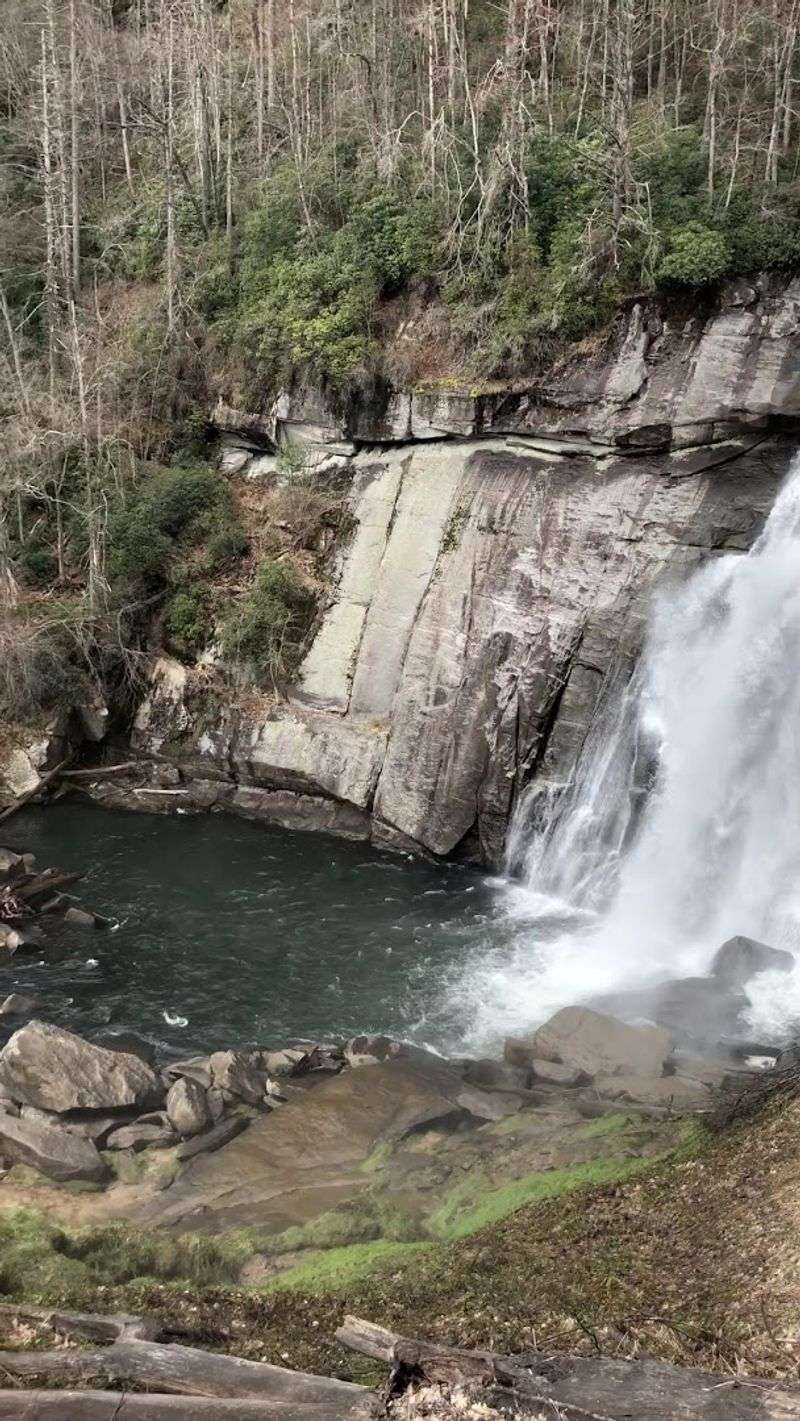
Rainbow Falls is the trail most people come to hike, and it earns every bit of its reputation. The round trip clocks in at roughly three miles, but do not let that distance fool you into packing light.
The descent to the falls is steep and relentless, with rocky footing, exposed roots, and sections that demand careful attention to where your feet land.
At the bottom, the waterfall drops dramatically into a wide, deep pool that stays full and powerful even during drier stretches of the year. The pool is popular for swimming, and on warm days you will find people of all ages wading in.
The rocks near the base offer good viewing angles, and the mist from the falls keeps everything deliciously cool.
The trail back up is the part that surprises people. What felt manageable going down becomes a genuine cardio workout on the return.
Bringing plenty of water, snacks, and wearing shoes with solid grip is non-negotiable here. The trail is well-marked and maintained, but it rewards those who come prepared.
Once you reach the top again, that sense of accomplishment feels completely earned and thoroughly satisfying.
Turtleback Falls and Drift Falls: Hidden Rewards Along the Way
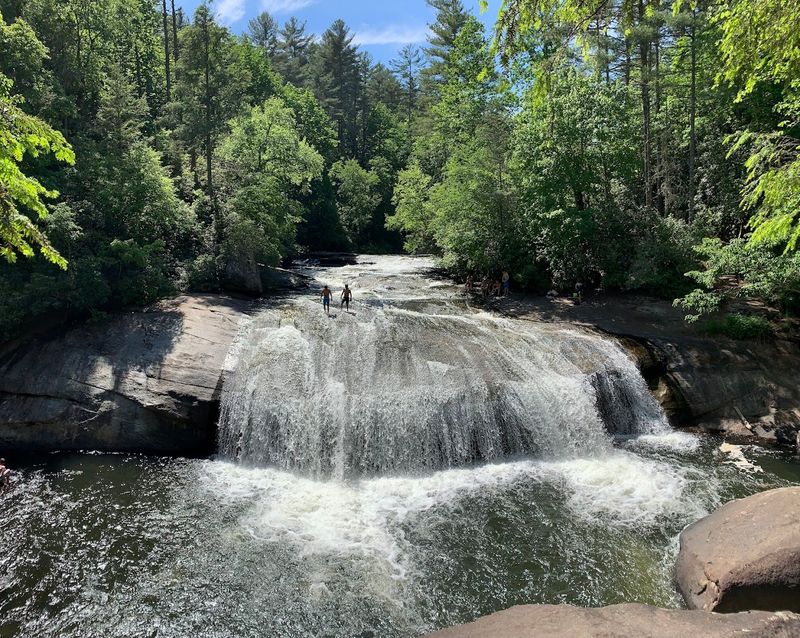
Not far from Rainbow Falls, two other waterfalls make the same trail network worth exploring thoroughly. Turtleback Falls has a completely different personality from its more famous neighbor.
The water slides over a smooth, rounded rock face into a natural pool below, and on a hot day, the natural water slide effect makes it one of the most playful spots in the entire park.
Drift Falls is quieter and a bit more tucked away, but the short detour to reach it is absolutely worth taking. The water cascades gently over layered rock shelves, and the surrounding forest keeps the area shaded and cool.
Both falls can be combined with Rainbow Falls into a single hike that totals around 4.5 miles, and the variety of what you see makes the mileage feel shorter than it is.
The trail connecting all three is clearly signed and well-worn, so navigation is straightforward. Locals frequent both Turtleback and Drift Falls regularly, which tells you something about how good these spots actually are.
Waterfall variety like this in a single outing is genuinely rare, and Gorges State Park delivers it without asking for a single dollar at the gate.
The Campground: Where the Real Magic Happens After Dark
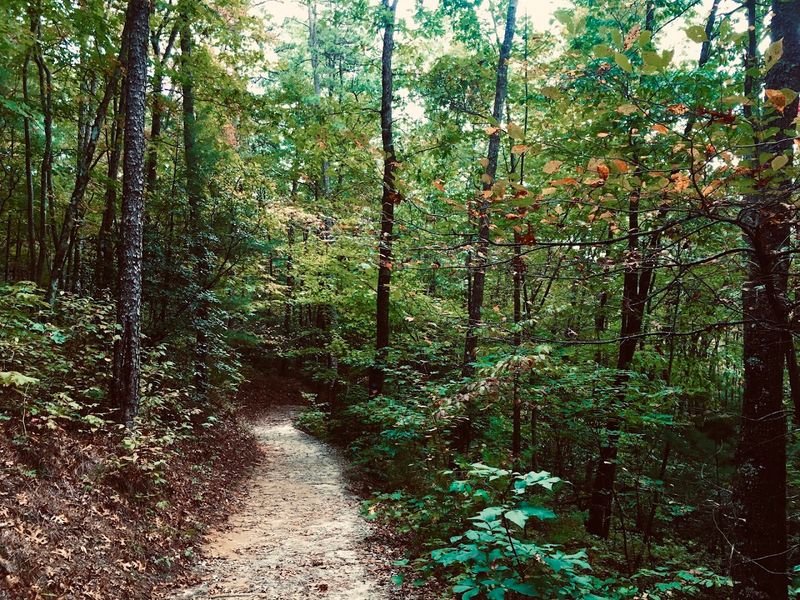
Spending a night at Gorges State Park changes the experience entirely. The campground is thoughtfully laid out, with tent sites, RV spots with full hookups, and small cabins that sleep up to six people on bunk beds.
Each section of the campground is separated enough that it feels organized without being cramped.
The cabins are close to the bathrooms and shower facilities, which are cleaned daily and maintained to a standard that genuinely impresses. Potable water spigots are spread throughout the grounds, and the whole setup feels more comfortable than many private campgrounds I have stayed at across the country.
After dark, bats dart through the trees above the campsites, and the call of the whip-poor-will echoes through the forest in a way that is equal parts eerie and enchanting. The campground host makes rounds each evening, greets campers by name, and checks in to make sure everyone has what they need.
That personal touch is something you rarely encounter anymore. Weekends fill up fast, so booking ahead through the state park website is strongly recommended.
A night here, with the forest sounds surrounding you, is the kind of rest that a regular hotel simply cannot replicate.
Wildlife and Nature Encounters Worth Slowing Down For
The wildlife at Gorges State Park is one of those aspects that sneaks up on you when you are focused on the trails and waterfalls. The temperate rainforest ecosystem supports a surprising variety of animals, from white-tailed deer and wild turkey to salamanders and native brook trout in the cold streams.
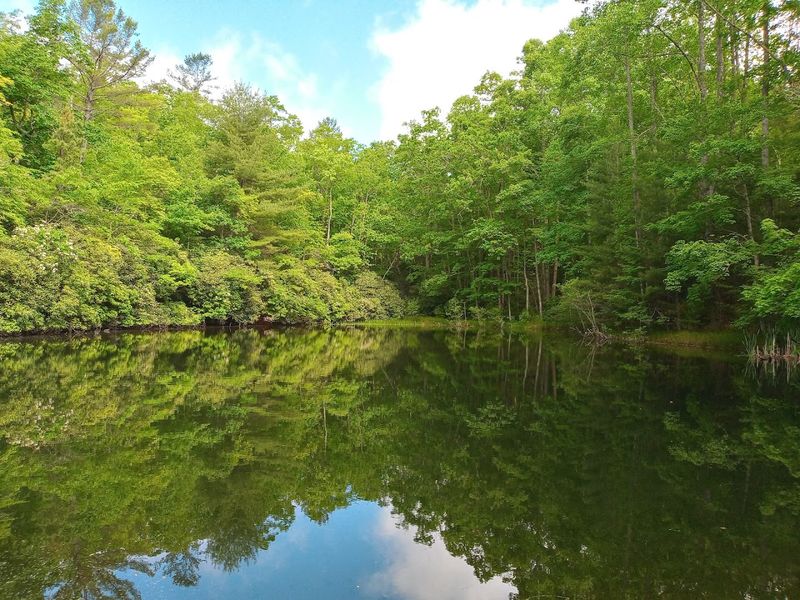
Raymond Fisher Pond inside the park is one of the quieter corners worth seeking out. The pond sits peacefully among the trees and serves as a natural gathering point for birds and other wildlife.
Sitting near the water for even fifteen minutes with no particular agenda turns out to be one of the more restorative things you can do at this park.
The truly rare sighting here is the white squirrel, an unusual color variant that has been spotted in the park on more than one occasion. Seeing one feels like finding a lucky coin in an old coat pocket.
Dogs are welcome on the trails as long as they are kept on a leash, and the park has a welcoming attitude toward four-legged visitors that makes family trips with pets much easier to plan. The natural diversity here rewards patience and curiosity in equal measure.
The Foothills Trail Access: A Gateway to Bigger Adventures
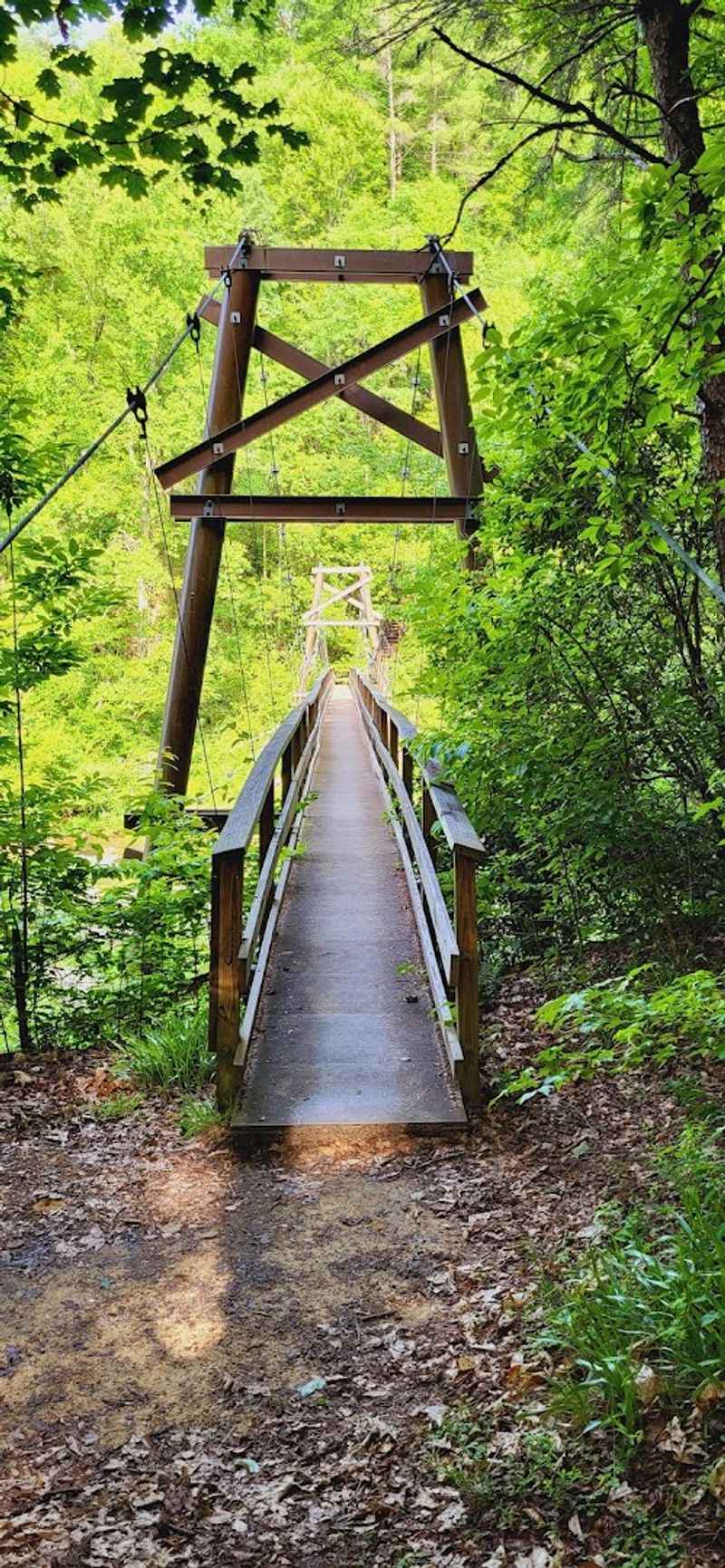
Gorges State Park serves as one of the access points for the Foothills Trail, a long-distance hiking route that stretches approximately 77 miles across the mountain and piedmont region straddling North Carolina and South Carolina. Having that access from within the park adds a whole other dimension to what is possible here.
Serious hikers who want to tackle multi-day sections of the Foothills Trail can use the park as a logical starting or ending point. The trail passes through some of the most rugged and remote terrain in the entire region, and the sections near Gorges are among the most dramatic.
Elevation changes are significant, and the views from the ridge lines are expansive on clear days.
Day hikers who are not ready for the full Foothills experience can still sample sections of it from within the park without committing to an overnight backcountry trip. The park rangers can point you toward the best entry points depending on your fitness level and how much time you have.
This kind of layered trail system is part of what makes Gorges State Park stand out among state parks not just in North Carolina, but across the entire Southeast, including parks far beyond the region toward Oklahoma.
The Jeep Trail: An Off-Road Angle on the Forest
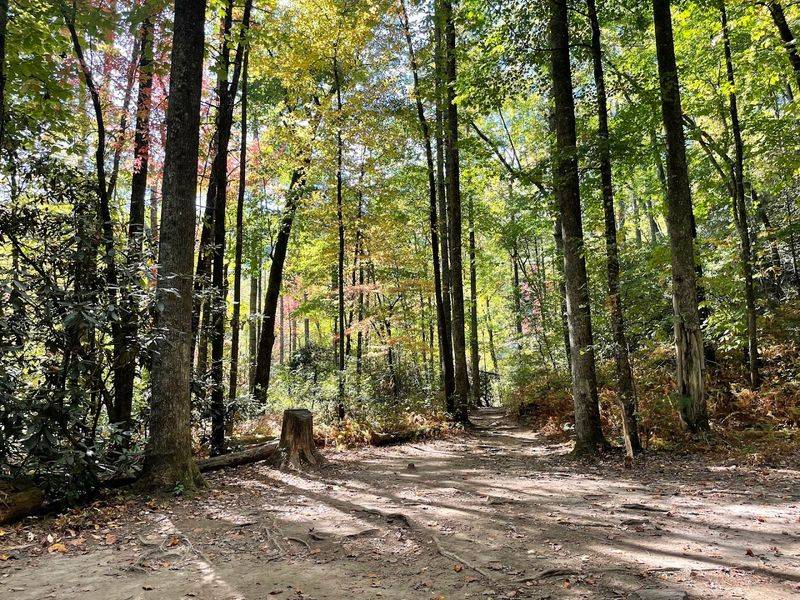
Not everything at Gorges State Park requires hiking boots and trekking poles. The park also has a jeep trail that cuts through the forest and gives off-road enthusiasts a completely different way to experience the landscape.
The trail is rugged and unpredictable, which is exactly what makes it appealing to the crowd that prefers four wheels over two feet.
The jeep trail winds through sections of the park that most casual visitors never reach, offering a sense of exploration that feels genuinely adventurous. The terrain includes muddy stretches, rocky patches, and tight turns through dense tree cover.
A capable vehicle with decent clearance is a practical necessity, not just a recommendation.
Regulars who use this trail often combine it with a waterfall hike on the same visit, making for a full day of varied outdoor activity. The dual nature of the park, welcoming both hikers and off-road drivers, gives Gorges State Park a broader appeal than most state parks in the region.
Whether you are the type to lace up your boots or buckle into a 4×4, this park has a route that fits your style and keeps the adventure genuine from start to finish.
The Wettest Spot in North Carolina: What That Really Means
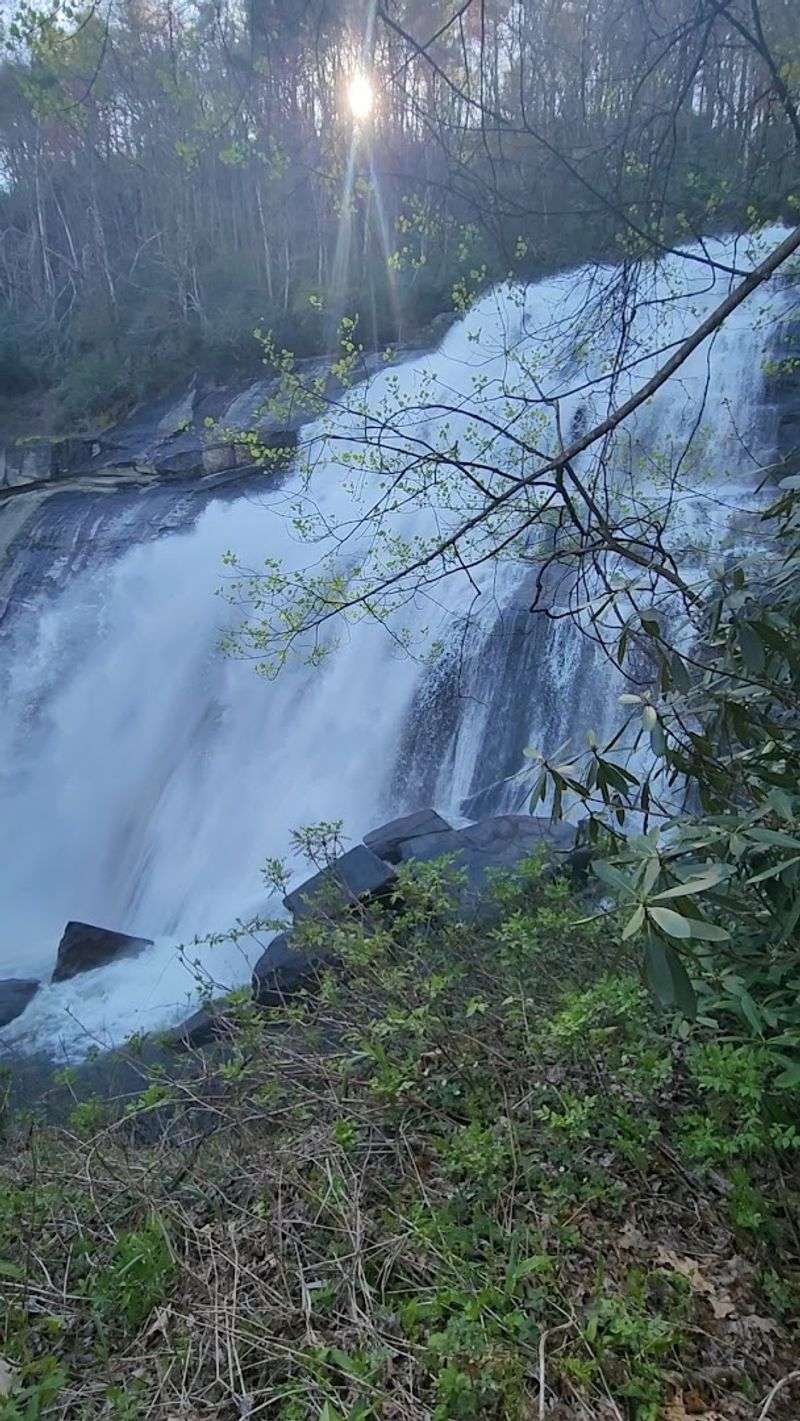
Gorges State Park holds an unusual title for a state park in the eastern United States. It sits in the wettest corner of North Carolina, receiving somewhere between 80 and 100 inches of rainfall per year in some areas.
That is more than double the national average, and it shapes everything about the park’s character.
The rainfall is what feeds the waterfalls year-round, keeps the trout streams cold and healthy, and creates the lush, moss-draped temperate rainforest environment that makes the park look more like the Pacific Northwest than the Southeast. Ferns carpet the forest floor, lichens cling to every rock surface, and the air carries a consistent dampness that feels refreshing rather than uncomfortable.
This level of precipitation does mean that trail conditions can change quickly, and waterproof footwear is a smart choice regardless of the forecast. The upside is that even during dry spells, the waterfalls here maintain impressive flow because the surrounding watershed is so consistently saturated.
Understanding this ecological quirk helps explain why the park feels so dramatically different from other green spaces in the region, including well-known parks as far away as Oklahoma, where rainfall patterns tell a completely different story.
Tips for First-Time Visitors: What to Know Before You Go
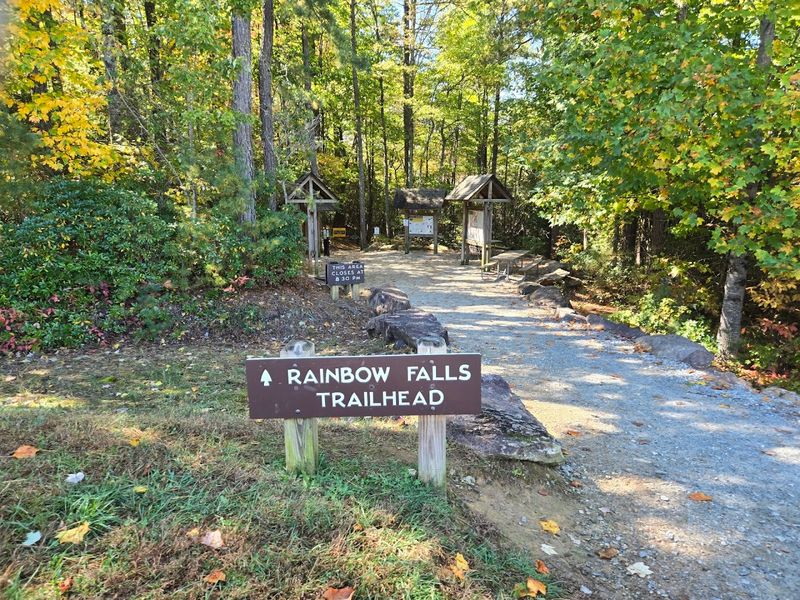
A few practical details can make the difference between a smooth visit and a frustrating one at Gorges State Park. Entry to the park is completely free for day visitors, which makes it one of the best value outdoor experiences in North Carolina.
Camping and cabin reservations do carry fees and need to be booked in advance through the state park website, especially for weekend stays.
The trails are labeled by difficulty, and those ratings are accurate. The strenuous designation on certain trails is not decorative.
Bringing more water than you think you will need, wearing shoes with real traction, and packing snacks for longer hikes are all genuinely useful habits here. Some sections of trail have no ropes or handholds along steep drop-offs, so moving carefully and staying aware of footing is important.
For the full gorge hike that reaches the river at the bottom, a permit and a training class are required. That requirement exists for good reason, and the rangers at the visitor center can walk you through the process.
The park is open daily from 9 AM to 5 PM, and the trails close at 9:30 PM for those already inside. A little preparation goes a long way toward making this an outstanding trip.
Why This Park Stands Out Among the Best in the Region
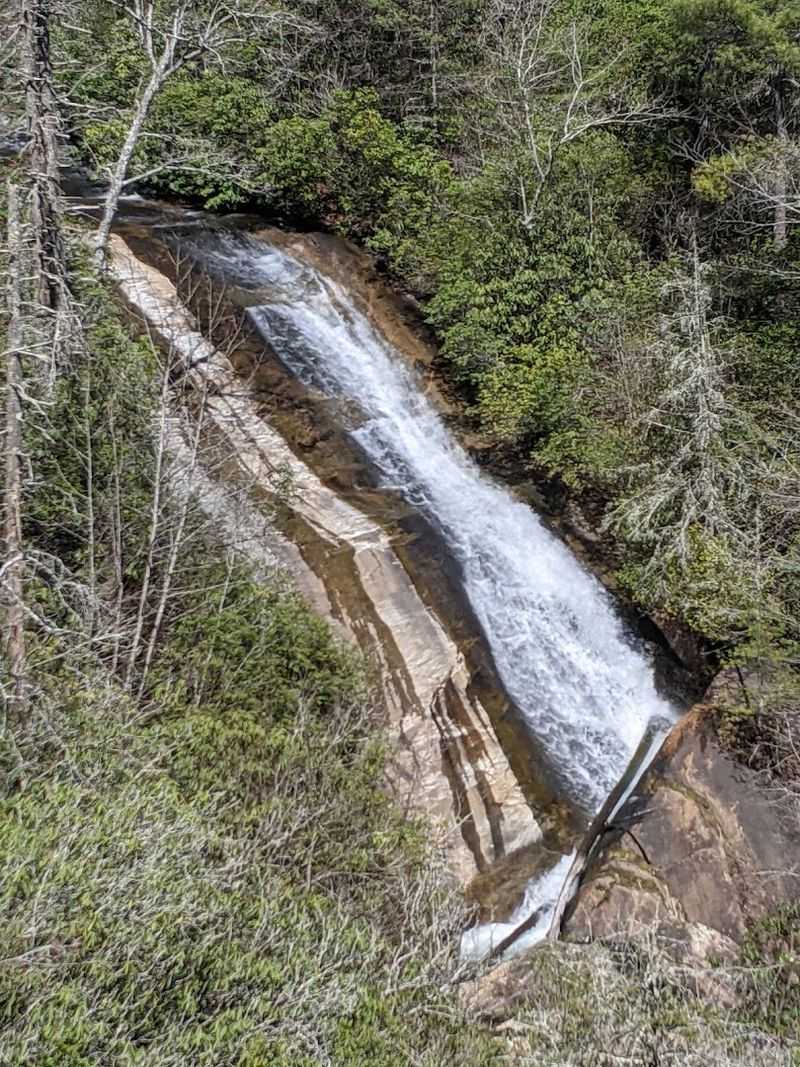
There are hundreds of state parks scattered across the eastern United States, from Florida up through New England and west toward Oklahoma, but Gorges State Park holds a genuinely distinct place among them. The combination of a free admission policy, a world-class visitor center, multiple waterfalls on a single trail network, full-hookup camping, and a temperate rainforest ecosystem is not something you find bundled together very often.
The park carries a 4.8-star rating across nearly 1,500 reviews, and the consistency of that praise across different types of visitors, families, solo hikers, campers, and off-road drivers, says something real about the quality of the experience. The staff and rangers receive repeated compliments for being helpful and approachable, which adds a human warmth to what could otherwise feel like a purely transactional park visit.
What keeps people coming back, and what kept me thinking about this place long after I left, is the feeling that the park respects its visitors enough to maintain everything to a high standard without charging them for the privilege of showing up. In a landscape full of options, that combination of natural beauty, thoughtful management, and genuine accessibility makes Gorges State Park something worth telling every outdoor enthusiast you know about, no matter where they are traveling from, whether nearby or from as far as Oklahoma.
Share this story