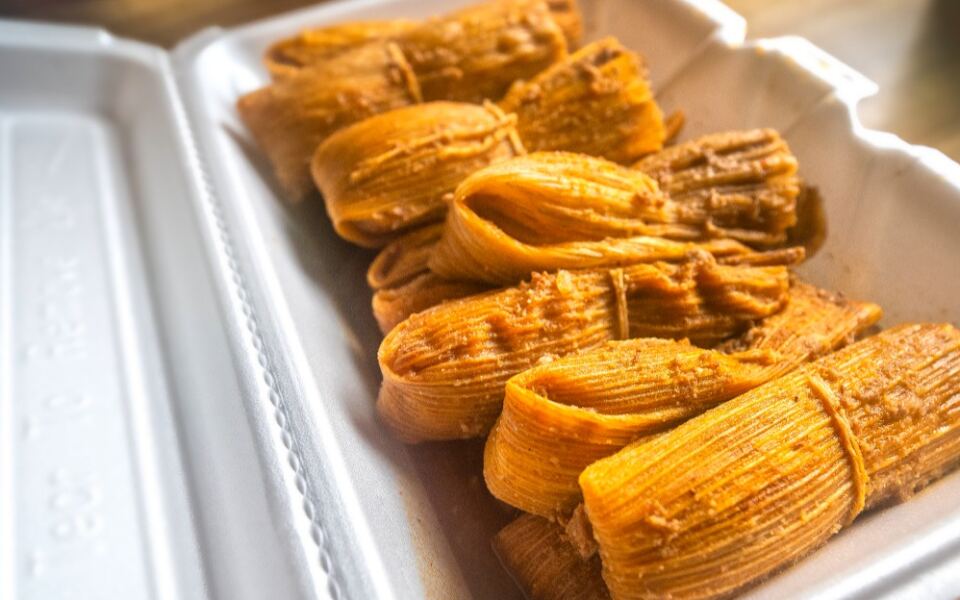
Hot tamales have a long and distinctive history in the Mississippi Delta, and Arkansas developed its own chapter of that story. Delta-style tamales are generally smaller than many traditional Mexican tamales, built with coarser cornmeal, seasoned meat, and a cooking method that often involves simmering the wrapped bundles in a flavorful liquid.
What makes the Arkansas version so fascinating is how far it has traveled, from riverside family operations that go back over a century to pizza restaurants in the middle of the Ozarks. The 10 stops below trace that journey across the state, from the river towns where the tradition first took root to the modern casual restaurants carrying it into new territory.
Some of these places have been making tamales the same way for generations. Others are newer converts to the cause.
All of them have something worth knowing about.
1. Pasquale’s Original Tamales, Helena-West Helena, Arkansas
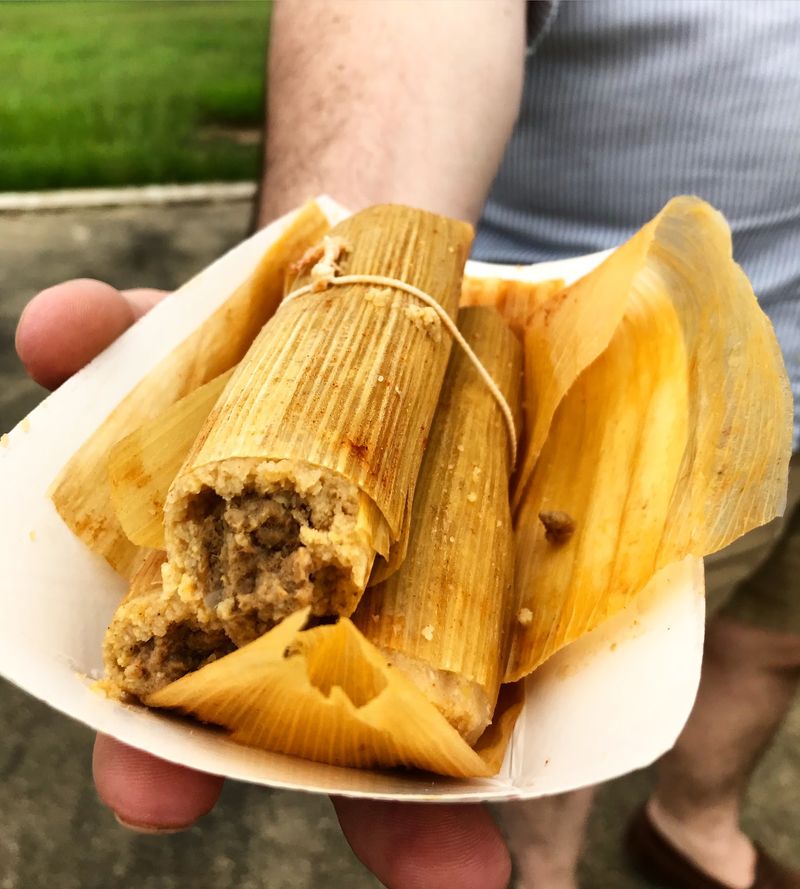
The origin story behind this Helena-West Helena institution might be the most remarkable one on the entire Arkansas tamale trail. Sicilian immigrant Pasquale St. Columbia learned tamale making from Mexican laborers along the Mississippi River in the early 1900s, and his family has been refining that recipe ever since.
Joe St. Columbia Jr. now runs the operation, using masa made from freshly ground yellow cornmeal, high-quality beef, and a blend of spices. Each batch is hand-rolled and then simmered in a spicy broth for six full hours, a method that sets these tamales apart from steamed versions found elsewhere.
The business operates as a concession stand on Fridays and Saturdays, opening at 10:30 AM and selling until the supply runs out. Tamales are also available for online ordering and nationwide shipping, which says a great deal about their reputation beyond Arkansas.
The menu rounds out with tamale plates, muffalettas, chili, and chili pies, all made from scratch. Getting there early on a Saturday is not optional advice; it is essential planning.
2. Heights Taco & Tamale Co., Little Rock, Arkansas
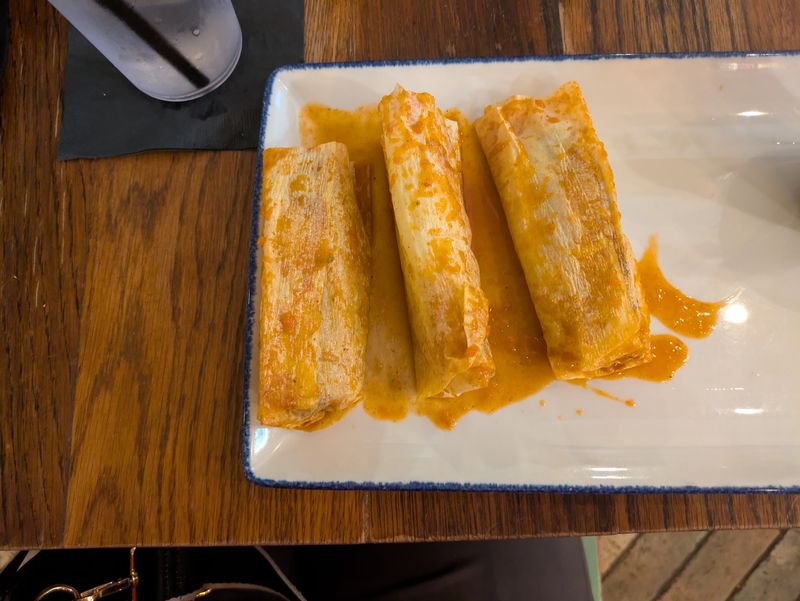
Heights Taco & Tamale Co. gives the Delta tradition a distinctly modern Arkansas interpretation. The Little Rock restaurant has been serving its self-described Ark-Mex style since 2015, combining Mexican and Tex-Mex influences with Arkansas ingredients and regional food traditions.
Tamales are important enough to have their own section on the current menu. The Pulled Pork Delta Tamales combine braised pork and beef with red chile broth, while the Sweet Potato Delta Tamales take the idea in a completely different direction with sweet potato, black beans, chipotle, corn, and tomatillo-lime broth.
Both are made from scratch each morning.
That makes this a useful stop for showing how the Delta tamale continues to evolve. Instead of simply reproducing an old recipe, the restaurant takes a regional Arkansas food tradition and builds something contemporary around it.
3. Lost Pizza Co., Jonesboro, Arkansas
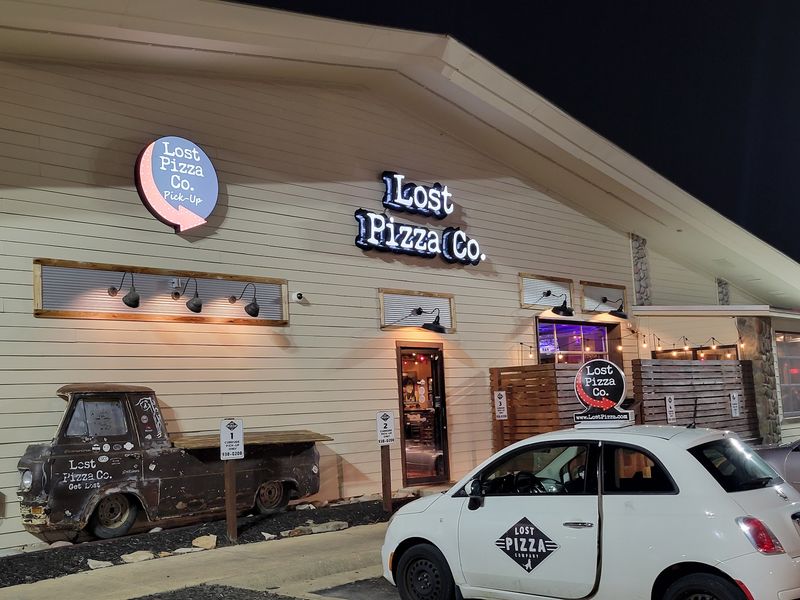
A pizza restaurant might seem like an odd place to track down Delta tamales, but Lost Pizza Co. in Jonesboro has a specific reason for including them. The founders had direct connections to the Mississippi Delta, and tamales were part of the menu from the beginning rather than a later novelty addition.
The current menu dedicates a full section to “Mississippi Delta Hot Tamales,” described as hand-wrapped and made in the Delta. That label is not decorative; it reflects an actual sourcing and preparation connection to the region where the style originated.
Jonesboro sits in Craighead County in northeast Arkansas, which puts it closer to the Delta than most of the other stops on this list outside of Lake Village and Helena. That proximity gives the tamale’s presence here a geographic logic that the Fort Smith and Fayetteville locations do not share.
Lost Pizza Co. operates two Jonesboro locations, which means visitors to the city have more than one opportunity to encounter this regional specialty without having to coordinate around limited weekend hours or sell-out risks.
4. The Tamale Factory, Gregory, Arkansas
There are not many restaurants in Arkansas where you can eat tamales within sight of a working quarter horse barn, but The Tamale Factory near Gregory makes that a reality. The building itself is a converted section of a family-owned farm, and horses are often visible on the property during dinner service.
George Eldridge, connected to the Doe’s Eat Place tradition in Little Rock, chose this rural location to develop and refine his tamale recipe before opening it as a restaurant. The kitchen staff spends weekdays producing between 5,000 and 6,000 tamales to keep up with weekend demand.
The menu pairs those tamales with steaks, catfish, burgers, and shrimp, giving visitors a full dinner rather than just a tamale tasting. Service runs Friday and Saturday evenings from 5 PM to 9 PM, which means this is a planned destination, not a spontaneous stop.
The drive out to Gregory along Highway 33 is part of the experience, cutting through flat farmland that looks almost unchanged from the Delta landscape of decades past.
5. Doe’s Eat Place, Little Rock, Arkansas
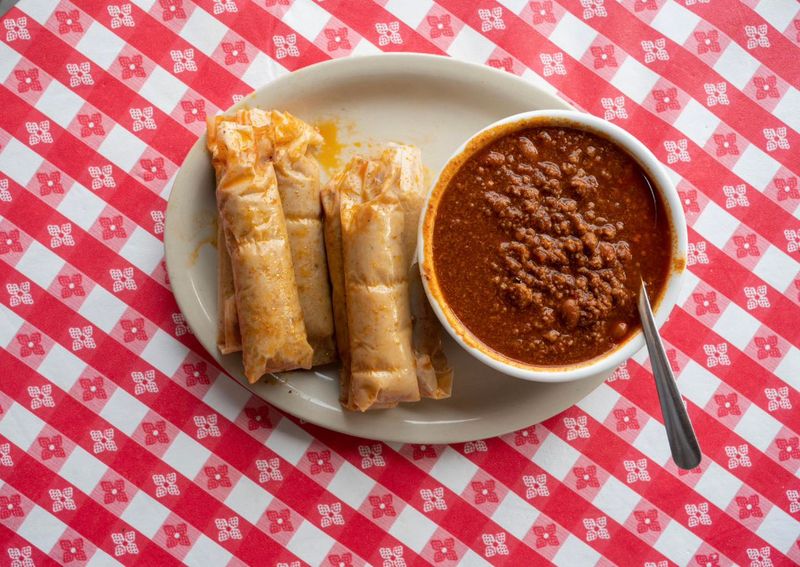
One of the most well-known culinary pairings in the Mississippi Delta is enormous steaks served alongside hot tamales, and Doe’s Eat Place in Little Rock carries that tradition directly into the state capital. The restaurant traces its inspiration to the original Doe’s in Greenville, Mississippi, where tamales became a permanent fixture on the menu alongside thick-cut beef starting in 1941.
The Little Rock menu lists these as “Doe’s Delta Hot Tamales,” prepared from the same all-beef recipe that made the Greenville original famous. They are available in multiple quantities and frequently ordered with a side of homemade chili, which adds another layer to an already substantial plate.
The presentation is straightforward, which is part of the point. There is no reinvention here, just a reliable reproduction of a Delta classic that has been feeding people the same way for decades.
For visitors who want context before exploring the smaller tamale stands farther east, starting with Doe’s in Little Rock provides a clear reference point for what the Delta steak-and-tamale combination actually looks like on a plate.
6. McClard’s Bar-B-Q Restaurant, Hot Springs, Arkansas
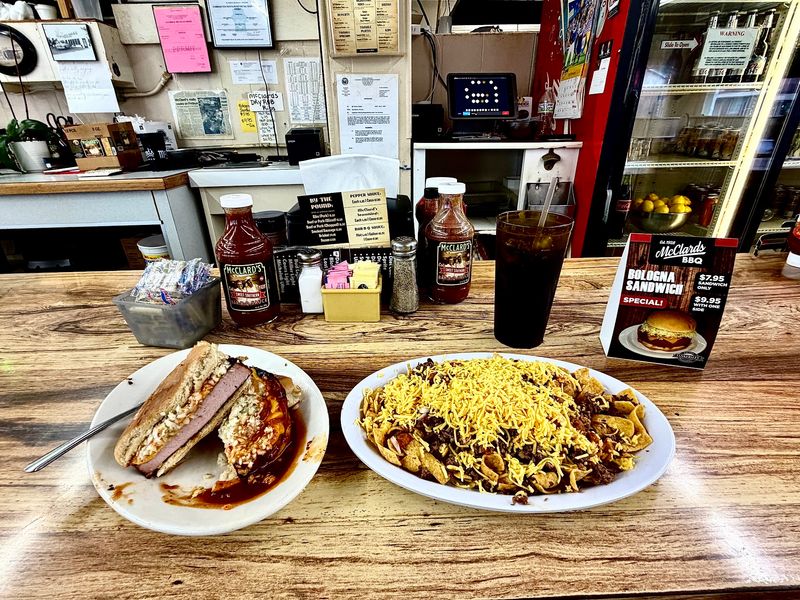
Alex and Gladys McClard opened their Hot Springs restaurant in 1928, and tamales have been on the menu ever since. That makes McClard’s one of the clearest examples of the Delta tamale tradition spreading well beyond the river communities where it started.
The tamales here differ slightly from the Helena or Lake Village versions. McClard’s uses a beef and pork filling and steams the tamales in paper rather than corn husks, a small but telling variation that reflects how the recipe adapted to a different regional context.
The most distinctive menu item is the “Tamale Spread,” a layered construction of Fritos, tamales, beans, chopped beef, barbecue sauce, and onions, often finished with shredded cheese on top. That combination is a product of the restaurant’s barbecue identity absorbing the tamale tradition and creating something entirely its own.
Now in its fourth generation of family ownership, McClard’s still prepares tamales and many other dishes by hand daily. The Hot Springs location puts this tradition far enough from the Delta to underscore how widely the influence actually traveled.
7. Lost Pizza Co. Hilltop, Jonesboro, Arkansas
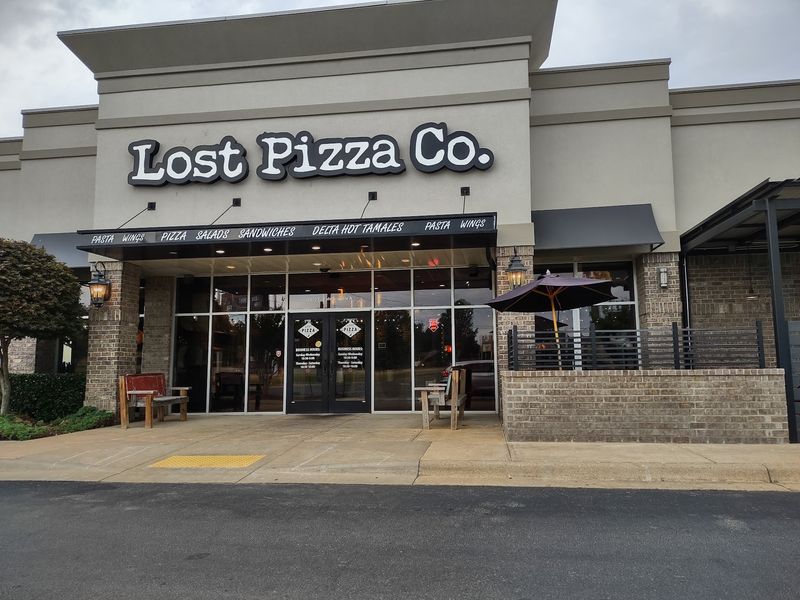
The Hilltop location gives Jonesboro a second entry point into the Delta tamale story, and it handles the subject with the same specificity as the other Lost Pizza location across town. The menu labels these as “Mississippi Delta Hot Tamales” rather than using a generic term, and the distinction matters for anyone tracking regional food authenticity.
Service follows the classic Delta presentation: tamales arrive with saltine crackers and hot sauce on the side. That combination is not accidental.
Saltines and hot sauce have been the standard accompaniment at Delta tamale stands for generations, and maintaining it inside a modern casual restaurant is a deliberate nod to tradition.
Operating hours run Sunday through Wednesday from 10:30 AM to 9 PM and Thursday through Saturday from 10:30 AM to 10 PM, making this one of the more accessible stops on the entire list. No weekend-only service, no sell-out risk by noon.
For travelers who want to observe how an old regional specialty survives inside a contemporary dining format, the Hilltop location offers a clear, low-pressure example without requiring a detour off the main road.
8. Lake Village Country Club, Lake Village, Arkansas
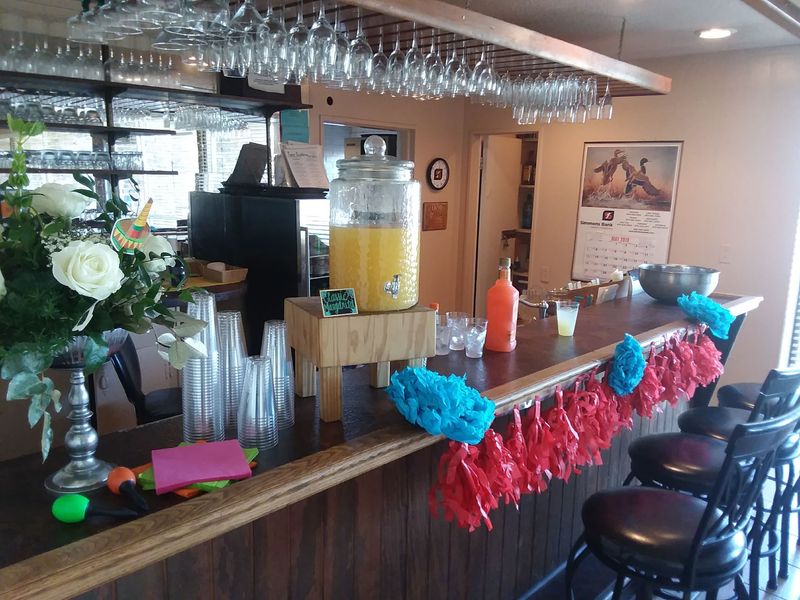
Lake Village sits in one of the most important corners of Arkansas for understanding Delta hot tamales, but the version served at Lake Village Country Club adds an unexpected twist.
Rather than serving its hot tamales in the more familiar simmered style, the club currently lists fried hot tamales among its appetizers. Diners can order them by the half-dozen or dozen, placing them alongside other Southern favorites such as fried crawfish and fried pickles.
The location makes the dish particularly interesting. Lake Village sits near the Mississippi River in the Arkansas Delta, the same community where Rhoda’s Famous Hot Tamales became one of the state’s best-known keepers of the tradition.
Having both stops in the same town also shows how one regional specialty can take very different forms.
For a tamale trail, that contrast is more valuable than adding another location of the same restaurant chain. One stop preserves a deeply rooted family tradition, while this one demonstrates how the Delta hot tamale can be transformed into a crispy restaurant appetizer.
9. Lost Pizza Co., Cabot, Arkansas
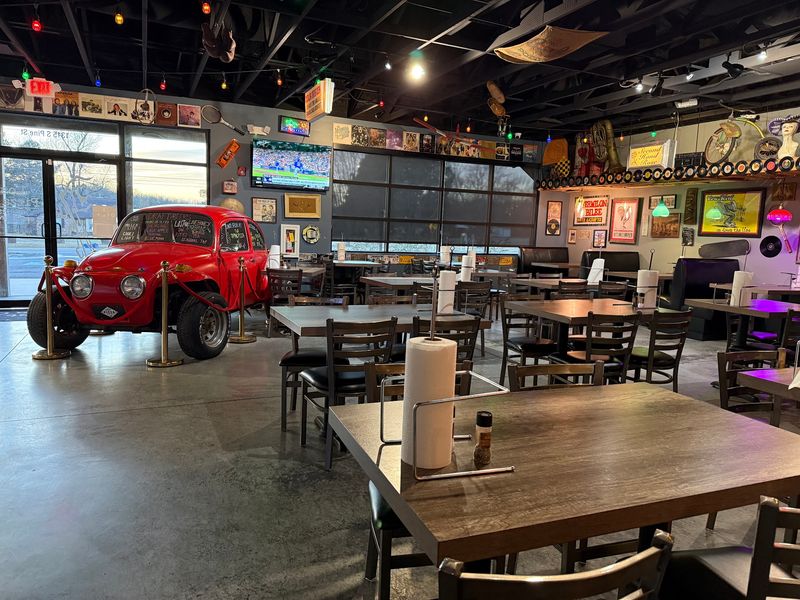
Cabot makes a fitting final stop because it captures the full arc of the Delta tamale’s journey across Arkansas in a single menu item. The Lost Pizza Co. location here offers “Mississippi Delta Hot Tamales” in three- and six-tamale portions, served with saltine crackers and hot sauce, the same presentation used at every other Lost Pizza location on this list.
The distance from Cabot to Lake Village, where Rhoda’s has been making tamales since the 1980s, is roughly 150 miles. The distance from Cabot to Pasquale’s in Helena-West Helena, where a Sicilian immigrant first learned the recipe from Mexican laborers in the early 1900s, is similar.
Both of those origin points feel far removed from a daily-service pizza restaurant in central Arkansas.
That gap between origin and destination is the whole point. The Delta tamale started as a hyper-local specialty tied to a specific stretch of river and a specific set of cultural exchanges.
Over the course of a century, it became something Arkansans could order on a Tuesday afternoon in a suburban strip.
Cabot’s Lost Pizza Co. is open daily from 11 AM to 9 PM, closing out this tour on a note that is equal parts ordinary and quietly remarkable.
10. Rhoda’s Famous Hot Tamales, Lake Village, Arkansas
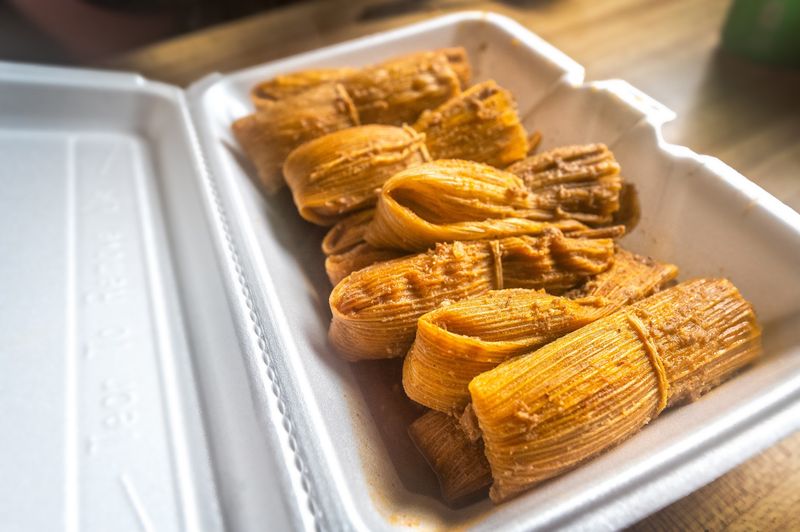
Lake Village sits close enough to the Mississippi River that the Delta tamale tradition practically grew up in its backyard, and Rhoda’s has been one of its most reliable keepers since the 1980s.
Rhoda Adams originally started her business selling pies before her husband’s aunt’s tamale recipe changed the direction of her career entirely. The tamales combine beef, chicken fat, and a carefully guarded spice blend, producing the soft, deeply seasoned style that became her calling card across Arkansas.
After Rhoda’s passing in 2023, her family continued the operation, keeping the menu intact with additions like smothered chicken, fried catfish, and homemade pecan and sweet potato pies. The restaurant runs Tuesday through Friday from 8 AM to 4 PM and Saturday from 8 AM to 3:30 PM.
Its location near Lake Chicot, the largest oxbow lake in North America, connects visitors to the geographic and cultural core of the Arkansas Delta. Arriving early is a practical strategy since portions are limited and the tamales move fast.
Share this story