Walk down the right Main Street in New England and you can read the region’s history in the buildings. Some streets were rebuilt after a fire, some grew up around a harbor, and others started as coach roads or village greens.
This list covers 10 small towns across Massachusetts, Vermont, New Hampshire, Connecticut, Rhode Island, and Maine. Each one has a Main Street with real historic roots, plus shops, museums, or waterfronts that make it easy to explore on foot.
Read on to find the street that fits your next road trip.
Main Street, Stockbridge, Massachusetts
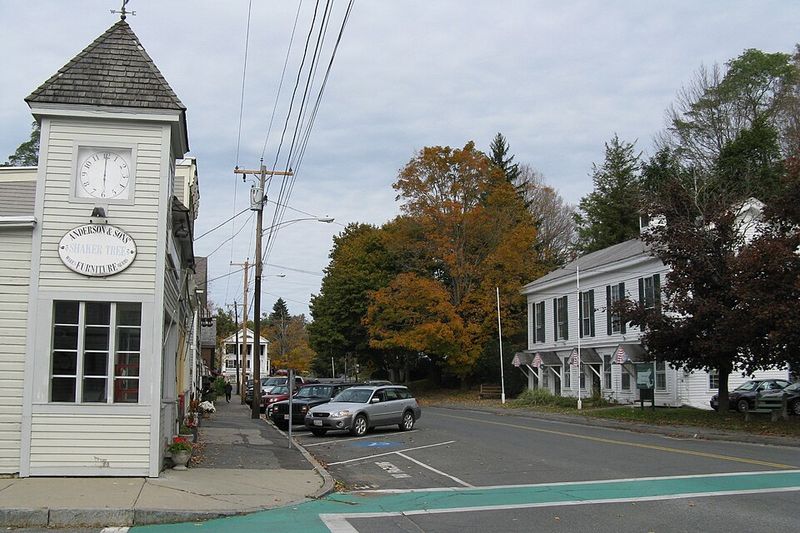
Norman Rockwell painted this street, and you can see why. Stockbridge’s Main Street Historic District holds buildings from the Colonial period through the 20th century, and it was added to the National Register of Historic Places in 2002.
The Red Lion Inn, first established in 1773, is the best-known landmark on the street. Nearby you will find the Stockbridge Library, historic town buildings, small shops, and the village green.
The careful preservation of this setting helped inspire some of Rockwell’s most famous images of small-town America. That makes a walk here feel a bit like stepping into one of his illustrations, minus the canvas frame.
Plan to go on foot. The district is compact, so you can pass the inn, the library, and the green in a single relaxed stroll.
Bring a camera and look up at the rooflines and porches, since many of the details sit above eye level.
Main Street, Concord, Massachusetts
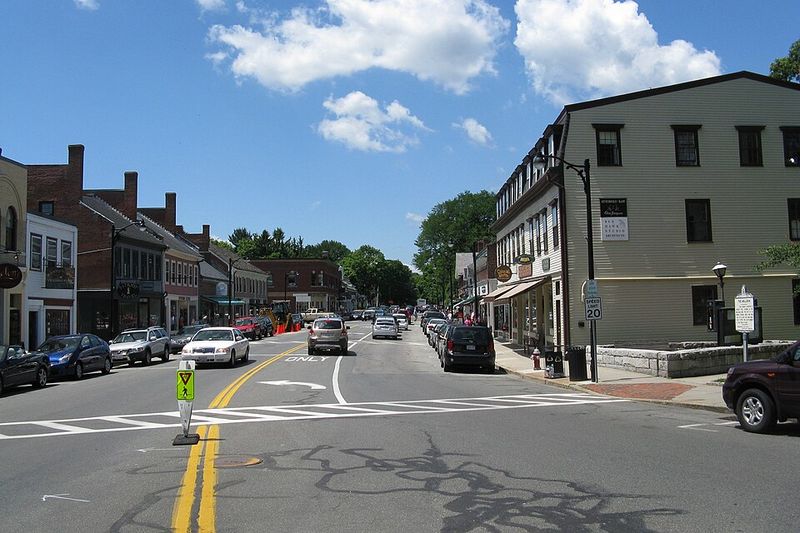
Few streets sit inside as much American history as Main Street in Concord. Concord Center is bordered by buildings and landscapes from the 18th through 20th centuries, and it forms part of a National Historic District.
The town also keeps a separate Main Street Historic District. It centers on the old commercial area known as the Milldam, which has served as the town’s business core for generations.
What keeps the area from feeling like a museum is how many people still use it. Locally owned shops, cafes, restaurants, and galleries line the street, and the visitor center is close by if you want a map or local tips.
A good approach is to treat the street as a starting point. Browse the storefronts, grab lunch, and then let the surrounding historic landscape set the pace for the rest of your day.
Main Street, Manchester, Vermont
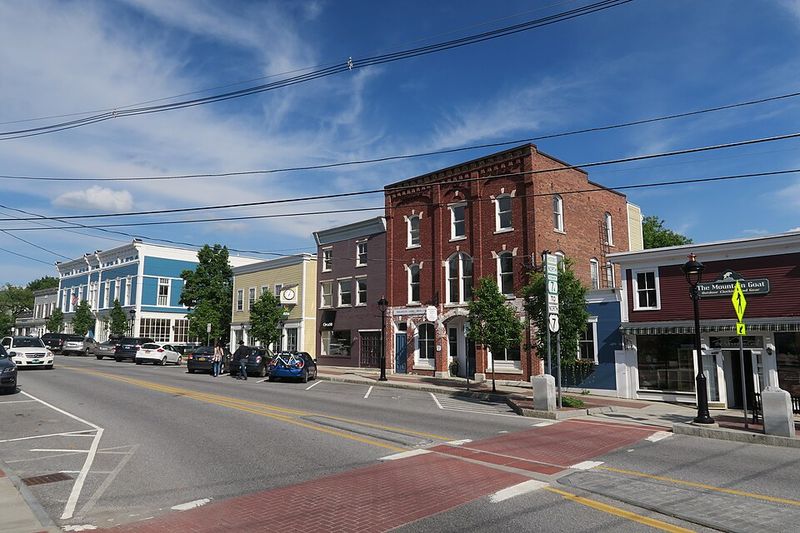
Street trees, storefronts close to the sidewalk, and a layout made for walking give Manchester a classic village feel. Its Historic Main Street has kept many of the features that define a traditional New England village.
Town preservation documents point to several landmarks, including the Baptist Church and historic bank buildings around the commercial district. These older structures help explain how the center of town was built up over time.
Manchester is popular for shopping and recreation, so it is easy to arrive with a to-do list and miss the architecture. Slow down for a few minutes and the older character of the community comes into focus.
Try pairing a shopping trip with a short architecture walk. Look at how the buildings sit close to the street, and you will notice the pedestrian-friendly design that has lasted through the years.
Main Street, Stowe, Vermont
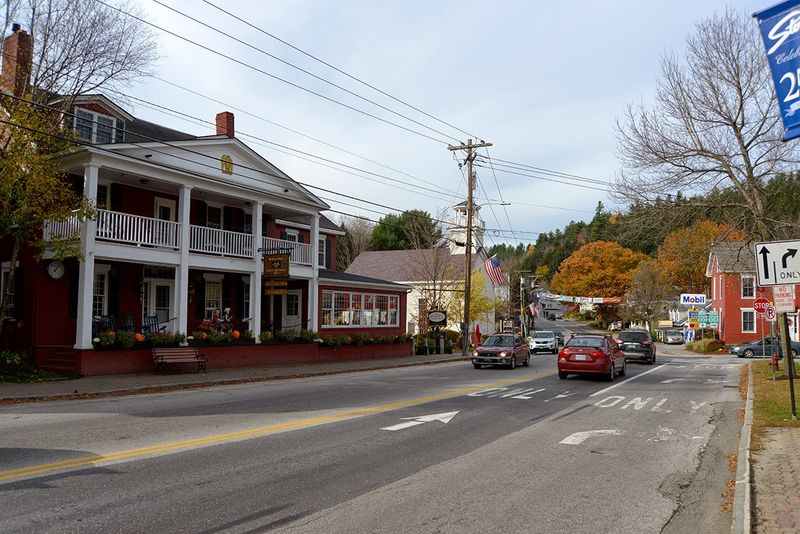
Long before skiing made Stowe famous around the world, its village center was already a classic Vermont community. Main Street runs through the Stowe Village Historic District, and that older story is still easy to see.
Historic buildings, churches, homes, businesses, and civic spaces preserve the layout of the old settlement. State preservation documents continue to recognize the village as a historic district.
The street is not frozen in time, though. Shops and restaurants fill the surrounding buildings, so Main Street remains a working part of modern Stowe.
For a good visit, look beyond the ski-town reputation. Walk the village at a relaxed pace, notice how churches and civic buildings anchor the street, and you will see the community that existed well before the slopes arrived.
Main Street, Littleton, New Hampshire
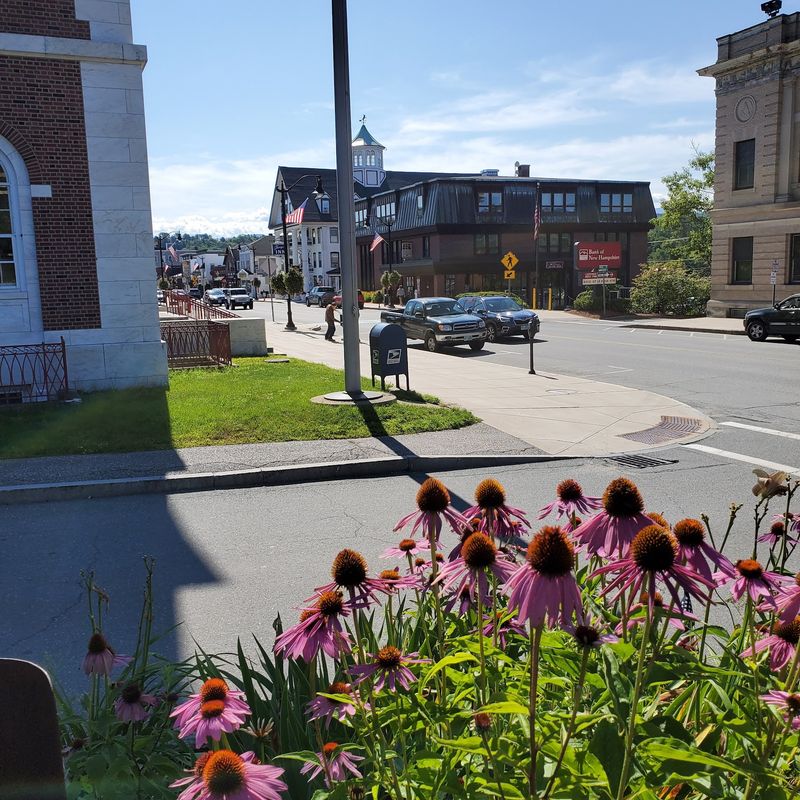
An early 19th-century coach road is where Littleton’s Main Street got its start. Over time it became the commercial center of this northern New Hampshire town.
Today the street mixes historic architecture with bookstores, galleries, restaurants, and locally owned businesses. The nearby Ammonoosuc Riverwalk adds a place to stretch your legs between stops.
The Littleton Area Chamber describes the downtown as both historic and walkable, and the Main Street corridor is still the heart of the community’s commerce.
Book lovers will have fun here. Pop into a shop, take your purchase down to the Riverwalk, and read for a bit before heading back to the street.
It is a simple plan, but it fits the way this downtown is laid out.
Main Street, Essex, Connecticut
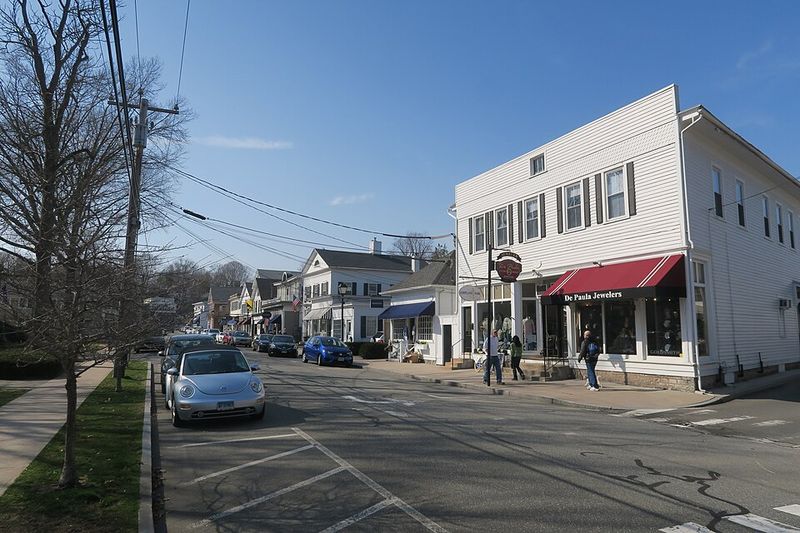
Follow Main Street in Essex and it leads you straight toward the Connecticut River. Along the way, you pass a remarkably well-preserved collection of historic buildings.
The village is known for Colonial and Federal architecture. Its central streets also include longstanding institutions such as the Griswold Inn and the Connecticut River Museum.
Essex has pursued National Register recognition for a larger village district that would include Main Street, North Main Street, Pratt Street, and surrounding areas. That effort shows how much of the village is considered worth protecting.
A smart plan is to walk downhill with the river as your goal. Look at the building styles on the way, stop at the museum to learn about the waterway, and then circle back along a neighboring street for a different view.
Main Street, Ridgefield, Connecticut
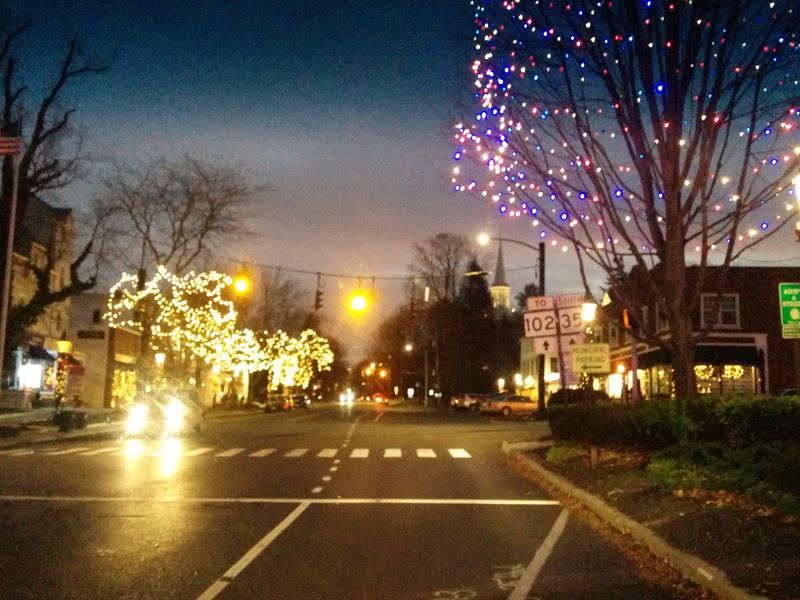
Three centuries is a long time for a street to stay relevant, yet Ridgefield manages it. The town was founded more than 300 years ago, and its long Main Street is still one of its defining features.
Connecticut’s official tourism site describes it as a historic Main Street lined with boutiques and attractions. Museums and historic properties sit nearby, including the Keeler Tavern Museum.
Rather than being only a preserved district, Main Street works as a shopping, dining, cultural, and community corridor. That blend gives the area a lived-in feel.
If you enjoy mixing history with errands, this is a good fit. Browse the boutiques, plan a stop at the museum, and let the length of the street give you plenty of room to stroll without feeling rushed.
Main Street, Wethersfield, Connecticut
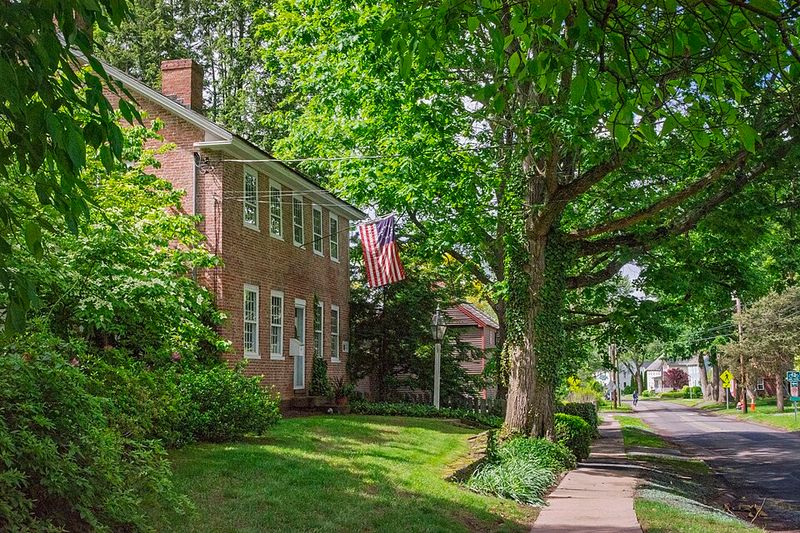
More than 375 years of recorded history sit behind Wethersfield’s streets. Old Wethersfield holds some of Connecticut’s earliest surviving streetscapes, and Main Street runs right through the historic village center.
Preservation plans point out the area’s pedestrian scale, mature trees, older road patterns, and historically significant buildings. Many of those buildings are now used as shops, offices, and other everyday spaces.
The surrounding district adds historic homes, museums, churches, and other landmarks, so there is plenty to explore beyond the main road.
Wear comfortable shoes and take a slow loop. Notice how the road pattern feels different from modern streets, and see how old buildings have found new uses.
That adaptation is part of what keeps the village from feeling like a set piece.
Main Street, Bar Harbor, Maine
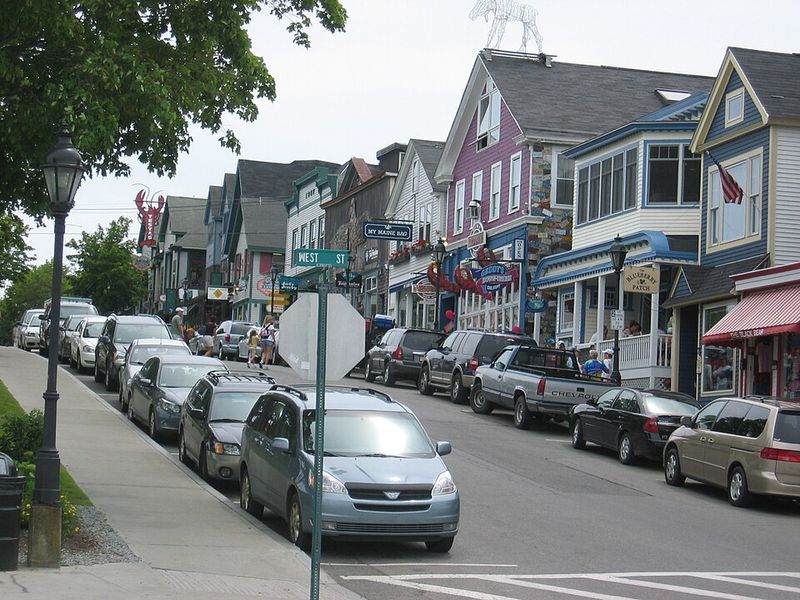
Long before Acadia National Park became the headline, Bar Harbor was a resort town. It grew into a major summer destination during the Gilded Age, when wealthy families and prominent visitors traveled to Mount Desert Island.
Main Street runs through the town’s original business district. It connects shops, restaurants, historic buildings, and streets that lead toward the waterfront.
The downtown is walkable and still holds reminders of that earlier resort era. Even with the park drawing most of the attention today, the village center keeps part of its older identity.
Build in some time for the downtown before or after a park visit. A short walk along Main Street and down toward the water gives useful context for how the town became a travel destination in the first place.
Main Street, Camden, Maine
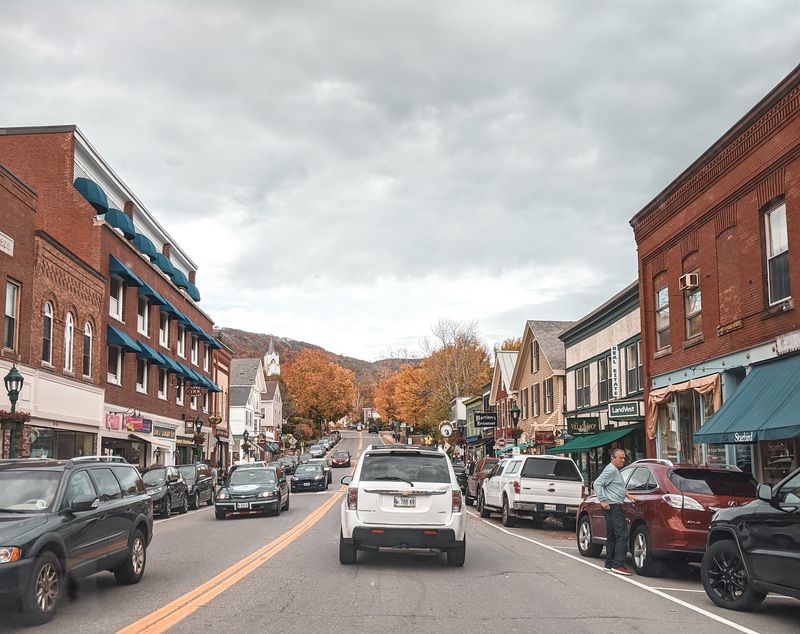
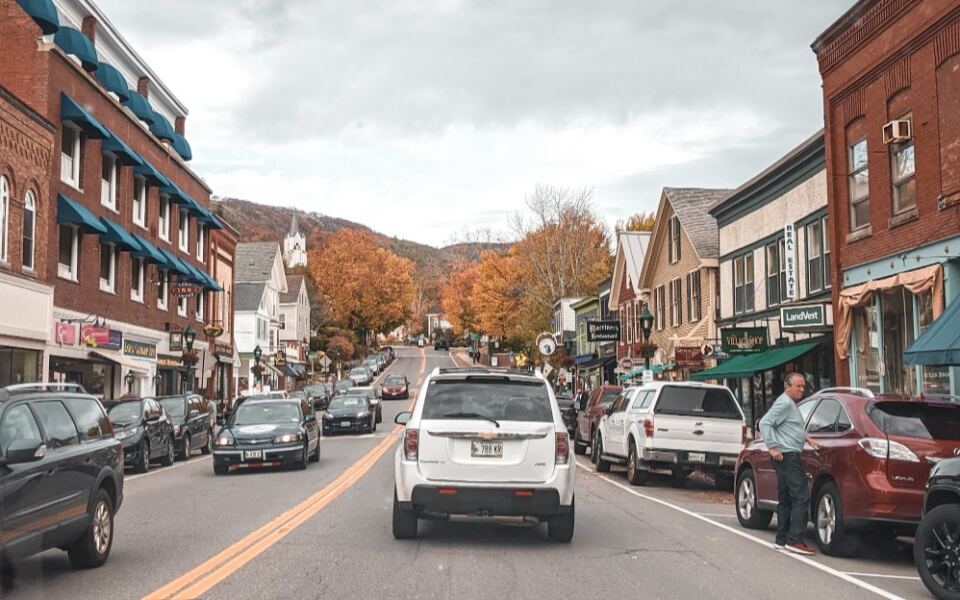
A fire shaped Camden’s downtown. The Great Fire of 1892 devastated much of the town center, and several buildings standing today were constructed right afterward.
Those structures now form part of the Camden Great Fire Historic District. Surviving brick commercial blocks from the 1890s are among the buildings that reflect the rebuilding period.
Main Street remains an active downtown corridor. It connects local businesses with Camden’s harbor and waterfront attractions, so history and daily life share the same sidewalks.
When you visit, look closely at the brick blocks and think about how quickly they went up. Then walk toward the harbor to see how the rebuilt downtown fits with the waterfront.
It is a tidy example of a community rebuilding itself.
Share this story