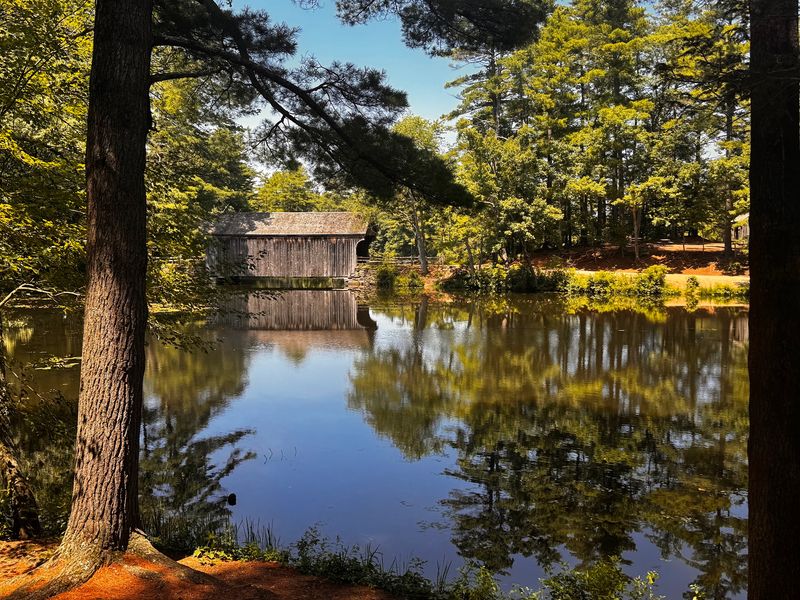
Massachusetts is packed with towns that look almost exactly the way they did generations ago, and half the fun is finding them without a crowd tagging along. Think white church steeples poking above the trees, working harbor docks, general stores, and streets lined with clapboard houses that have watched more than a hundred winters roll through.
The best part is that most of these villages sit close to home, so you can spend an easy afternoon wandering without spending much at all. Here are 11 spots across the state where the clock seems to have politely stopped ticking, from quiet Berkshire hollows to salt-worn fishing harbors on the Cape and North Shore.
Pack a camera, wear comfortable shoes, and get ready to feel like you stepped back a century.
1. Rockport, Cape Ann

Few fishing shanties in America are as recognizable as Motif Number 1, the red harbor shack in Rockport that painters have been copying for over a century. The current structure is a faithful rebuild, and it still sits right on Bradley Wharf where lobster boats come and go.
Bearskin Neck is the heart of the village, a narrow peninsula lined with tiny shops, art galleries, and seafood spots built into old fishing quarters. The lanes are made for walking, and parking is easier if you arrive early in the day.
Rockport spent decades as a dry town, which helped it keep a quiet, small-town character that larger harbors lost. The granite that built parts of Boston and beyond was quarried nearby, and you can still see it in the seawalls and foundations.
I like this stop because you get working docks, an artist colony, and a walkable historic center all in one compact place. It fits the century-frozen theme better than almost anywhere else on Cape Ann.
2. Stockbridge, Berkshires
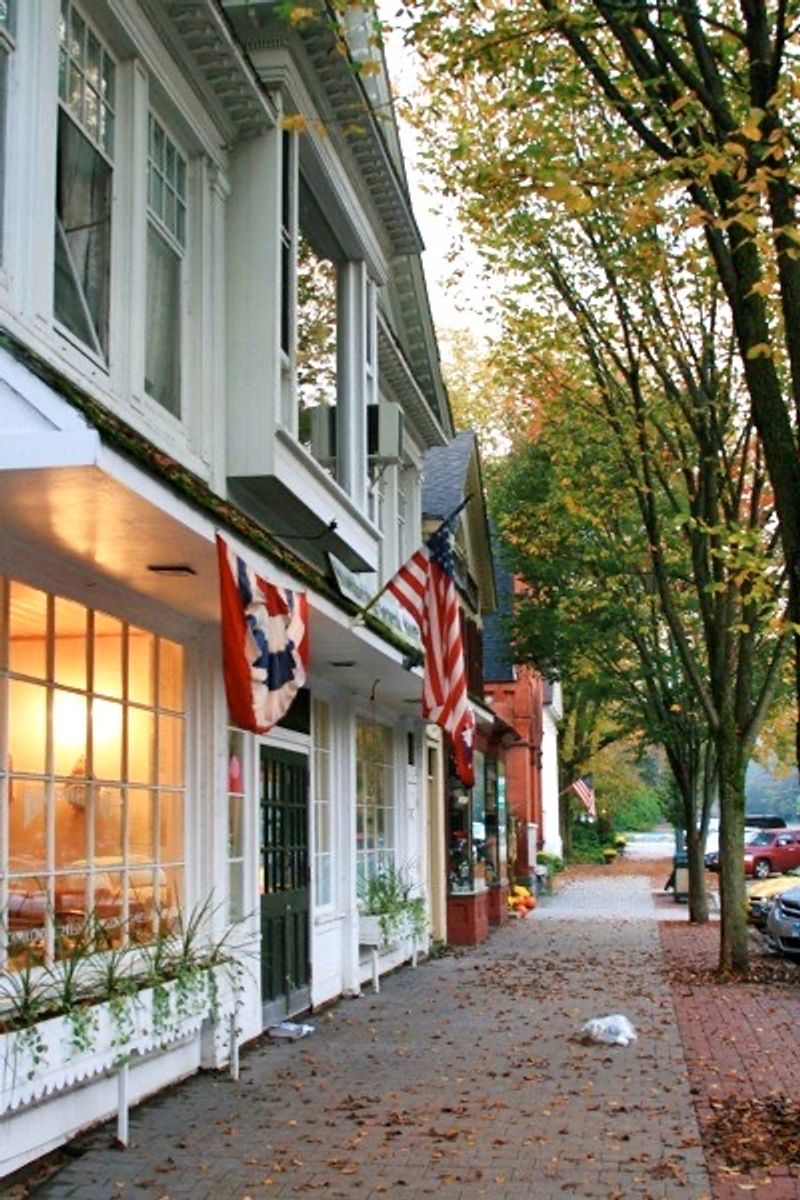
Norman Rockwell painted the main street of Stockbridge as it looked at Christmas, and the funny thing is that Main Street still matches the picture pretty closely today. The row of storefronts, the old inn, and the steeples all remain in place.
The Norman Rockwell Museum sits just outside the village center and holds the largest collection of his original work, including the studio where he painted. Admission is charged, and the grounds along the Housatonic River are pleasant for a slow walk.
Stockbridge grew up around a mission settlement in the 1700s, and much of its architecture leans into that early New England look. White churches, wide porches, and shade trees set the tone.
For a Berkshire day trip that feels genuinely old-fashioned, this village earns its spot. It pairs well with a quiet lunch and an afternoon of gallery wandering.
3. Provincetown, Outer Cape
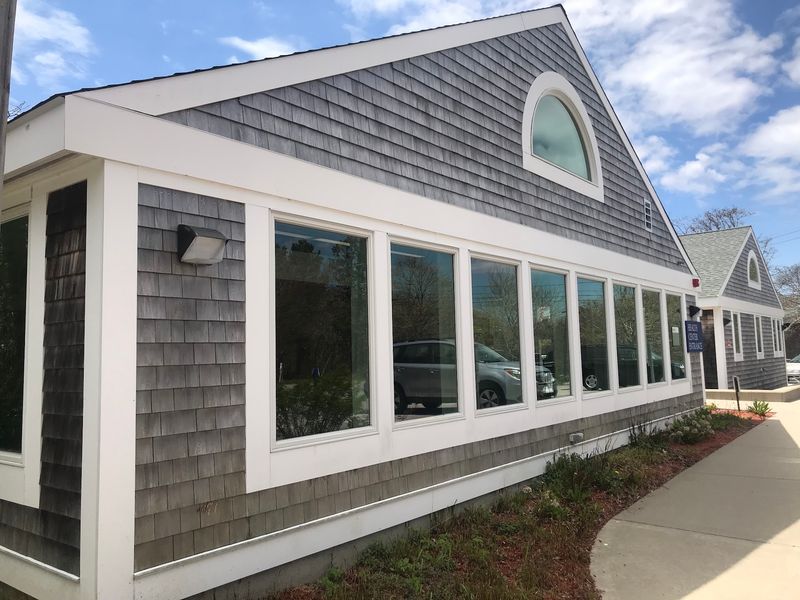
At the very tip of Cape Cod, Provincetown wears its fishing past on its sleeve, with wharves, weathered cottages, and a harbor that still sees working boats. The Pilgrim Monument towers over town as a reminder that the Mayflower passengers first landed here in 1620.
Commercial Street runs the length of the village and stays largely low-rise and historic, packed with galleries, bakeries, and shops in old buildings. Walking or biking beats driving, since the streets are narrow and parking fills fast in summer.
The Provincetown Museum at the base of the monument tells the story of the town’s whaling and fishing years, and you can climb the tower for a wide view of the dunes and bay.
What makes it different from other Cape villages is that art colony energy layered over a real maritime past. The steeples, the docks, and the salt-box houses are all still here.
4. Nantucket Town, Nantucket
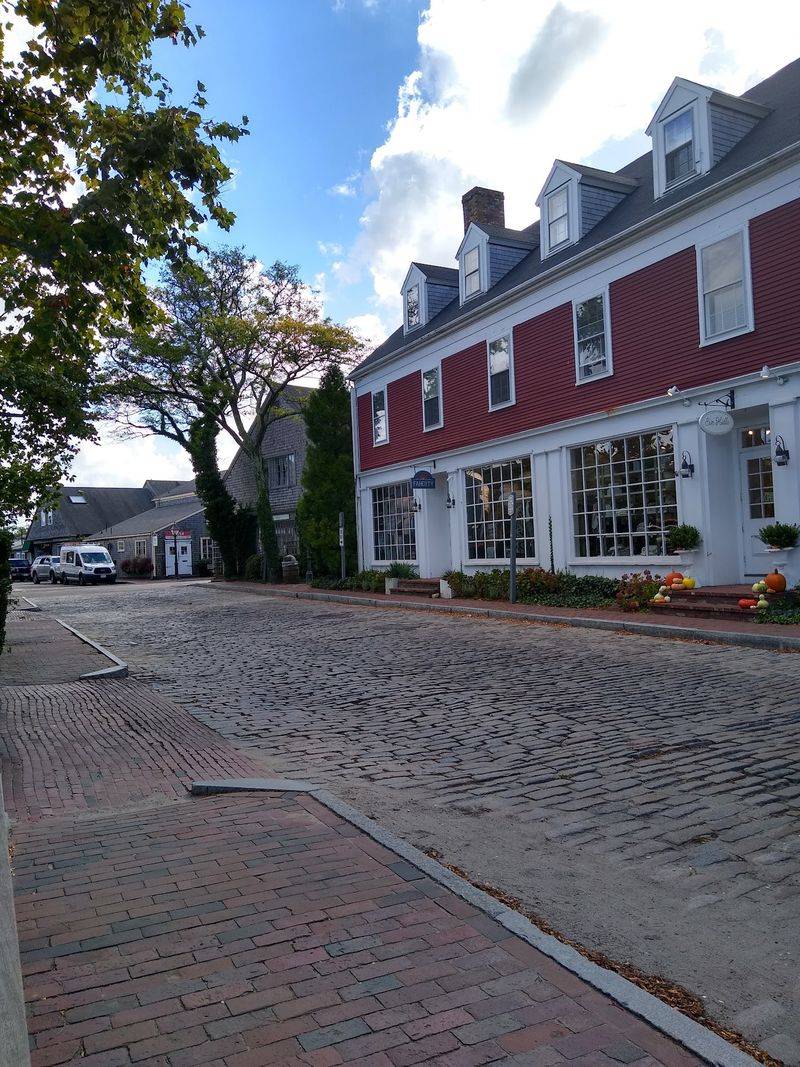
Cobblestone streets that rattle your car for a reason greet you in Nantucket Town, where the whaling-era layout has barely changed. The island fought hard to preserve its look, and much of the town is a designated National Historic Landmark District.
Old captains’ houses, gray-shingled cottages, and brick storefronts line the streets near the harbor. The Whaling Museum on Broad Street displays a full sperm whale skeleton and tells how this small island once led the world in whale oil.
Getting here means a ferry from Hyannis or Woods Hole, which adds to the sense of stepping away from the modern mainland. Cars are optional since the town is easy to explore on foot.
I would save this one for a clear-weather day when you can wander the docks and side streets without rushing. It is one of the best-preserved historic seaports in the country.
5. Deerfield, Franklin County
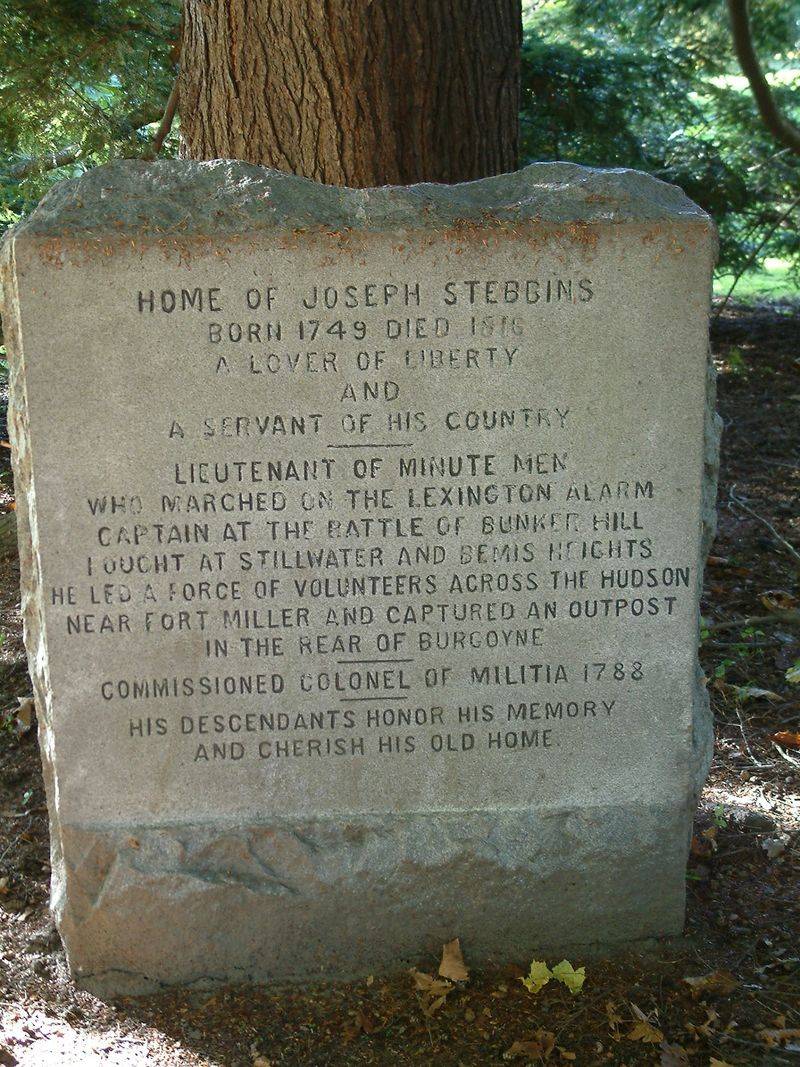
Old Deerfield feels like a village that quietly refused to modernize, and that is exactly the appeal. A single long street, simply called The Street, is lined with well-preserved 18th-century homes surrounded by farm fields.
Historic Deerfield operates as a living-history museum with several original houses open for tours, showing early New England furniture, textiles, and everyday tools. Admission covers multiple buildings, and knowledgeable guides walk you through the period rooms.
The village sits in the fertile Connecticut River Valley, so farmland still frames the historic core rather than modern sprawl. That open setting is a big part of why it feels so untouched.
Deerfield Academy, founded in 1797, keeps the street lively with students, blending old and current life in a natural way. For history without the coastline, this inland stop is a standout.
6. Marblehead, North Shore
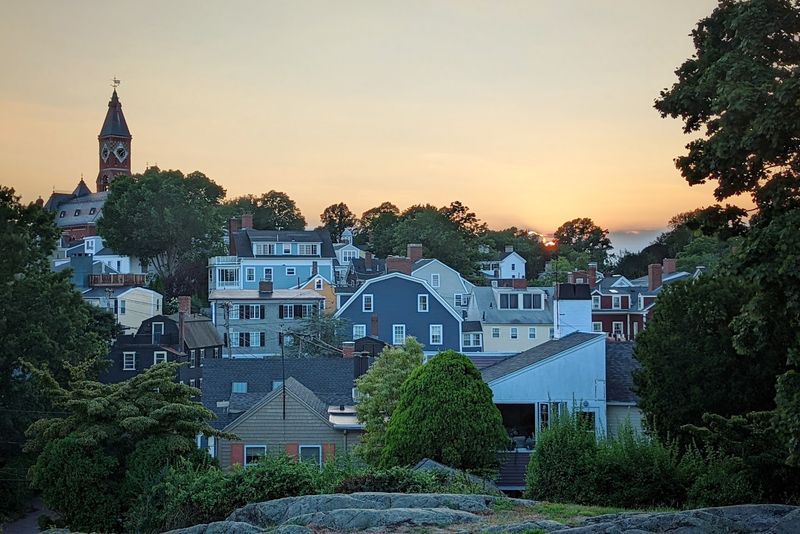
Twisting lanes so narrow that two cars can barely pass define Old Town Marblehead, a harbor village that grew up around fishing and shipping in the 1600s and 1700s. The street layout was never straightened out, which is why it still feels so old.
Marblehead Harbor is a busy sailing center, and Fort Sewall at the water’s edge offers a free overlook of the boats and the coastline beyond. The Abbot Hall building houses the famous Spirit of 76 painting.
Colorful colonial and Federal-era homes crowd the hills above the water, many marked with plaques noting their age. Walking is the only sensible way to see the historic core.
What sets it apart is how lived-in it feels, with families still occupying centuries-old houses along working streets. The steeples, the harbor, and the tangle of old lanes all fit the theme neatly.
7. Sandwich, Cape Cod
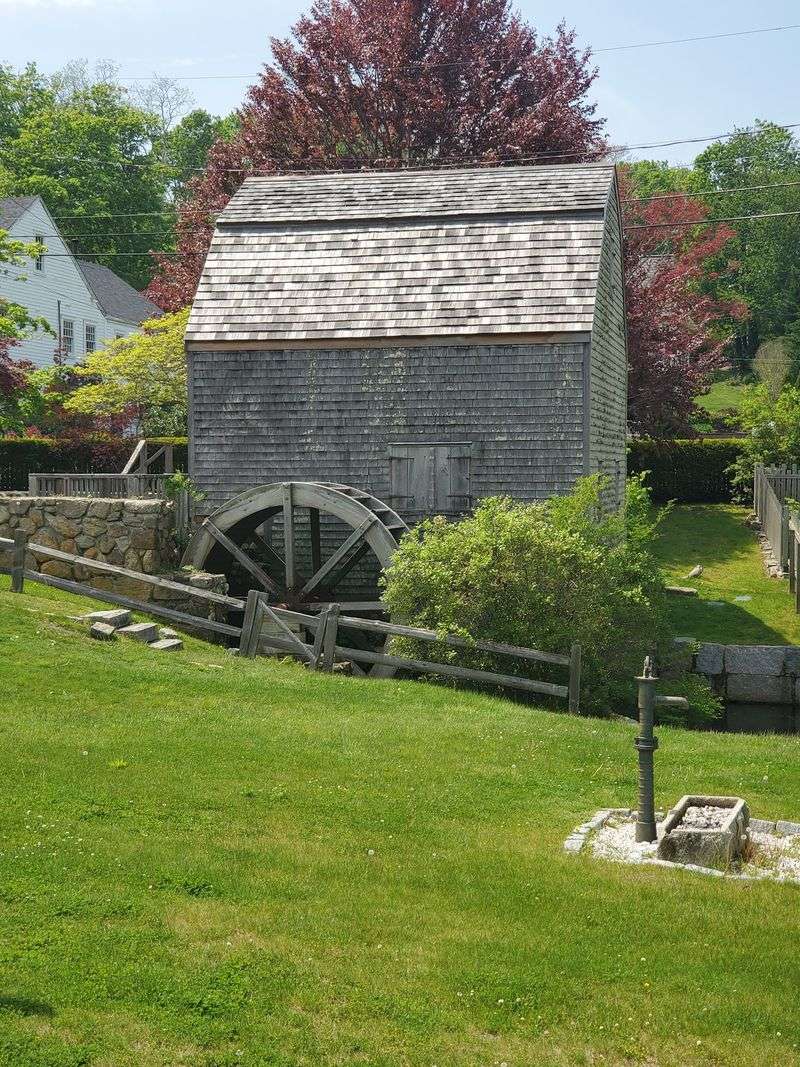
Founded in 1637, Sandwich is the oldest town on Cape Cod, and its village center still gathers around a mill pond that could pass for a postcard from long ago. The Dexter Grist Mill on the pond dates to the 1600s and still grinds corn during the season.
Near the water you will find the First Church of Christ with its tall white steeple reflected in the pond, plus the small footbridge and historic homes nearby. The setting is compact and easy to explore on foot.
The Sandwich Glass Museum tells the story of the town’s 1800s glassmaking industry, with colorful displays and glassblowing demonstrations. Admission is modest, and it makes a good rainy-day option.
Because it sits at the western gateway to the Cape, Sandwich is an easy first stop that skips the crowds farther out. Old mill, steeple, and pond together make it feel firmly frozen in time.
8. Shelburne Falls, Western Massachusetts
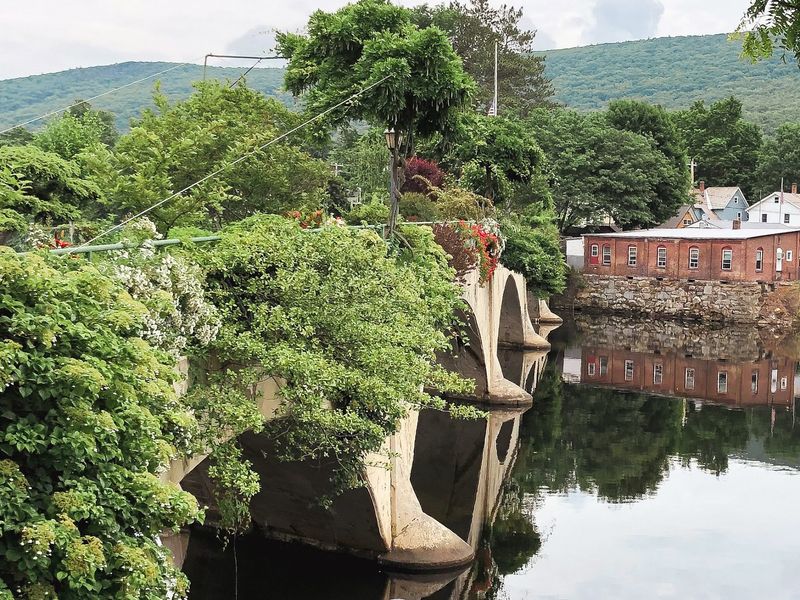
A bridge covered in flowers is the calling card of Shelburne Falls, where the Bridge of Flowers turns a former trolley crossing into a walkable garden from spring through fall. Volunteers plant and tend it every year, and there is no charge to stroll across.
Just downstream sit the Glacial Potholes, smooth round holes carved into the riverbed by swirling stones during the last ice age. You can view them for free from the overlook right in the village.
The small downtown along the Deerfield River keeps its early-1900s brick storefronts, filled with shops, a candle factory outlet, and casual eateries. It straddles the line between the towns of Shelburne and Buckland.
For an inland village that mixes natural wonders with old Main Street charm, this one delivers on a budget. The trolley museum nearby adds a little rail history to the visit.
9. Chatham, Cape Cod
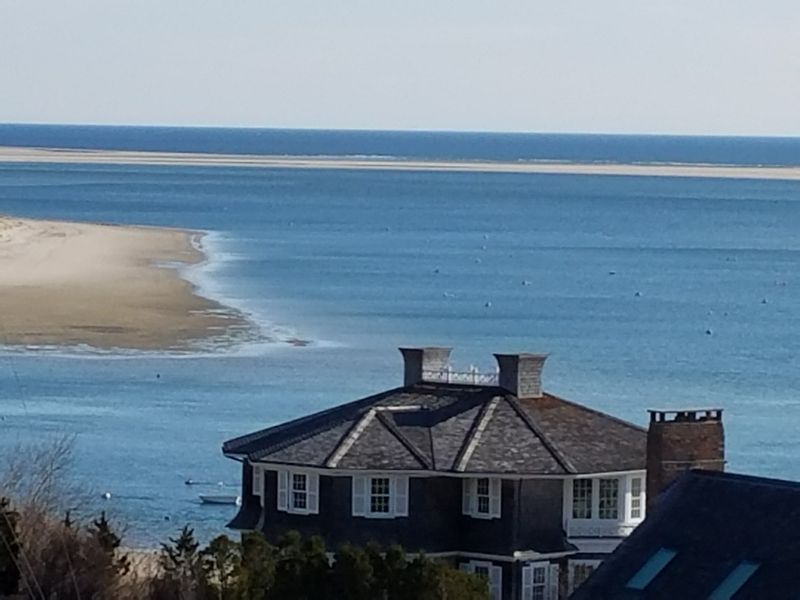
Watch the fishing fleet unload at the Chatham Fish Pier and you will see a working harbor that has not lost its purpose. Boats come back with their catch, and there is a viewing deck where visitors can watch the whole operation for free.
Chatham Lighthouse stands guard over the shifting sandbars offshore, and the nearby beach gives you sweeping views of the Atlantic. Main Street stays low and tidy, lined with shops, a candy store, and a classic movie theater.
Summer band concerts in Kate Gould Park have been a town tradition for generations, held on Friday evenings during the season. They are free and family-friendly.
Sitting at the elbow of Cape Cod, Chatham balances a genuine fishing identity with a walkable, well-kept village. The lighthouse, the pier, and the steepled churches all check the boxes for a century-old feel.
10. Williamstown, Berkshires

Tucked into the far northwest corner of the state, Williamstown pairs a classic college-town green with the surrounding hills of the northern Berkshires. Williams College anchors the village, and its older buildings give the center a stately, timeless look.
The Clark Art Institute here holds an impressive collection of paintings and sits on a large campus with walking trails open to the public. Nearby, the Williams College Museum of Art offers free admission.
Spring Street is the compact downtown, with bookshops, cafes, and a movie theater within an easy stroll. It stays walkable and unhurried most of the year.
Mount Greylock, the highest point in Massachusetts, rises just to the south, so a village visit pairs naturally with a scenic drive or hike. For a Berkshire base that feels old and calm at once, Williamstown holds up well.
11. Wellfleet, Outer Cape

Oysters put Wellfleet on the map, and the town still celebrates them, with a working harbor where shellfishing remains a real part of daily life. The Wellfleet Harbor sits below a village center that has kept its quiet, old-Cape scale.
The white First Congregational Church on Main Street is known for a clock that reportedly strikes ship’s time rather than standard hours, a small quirk that suits a maritime town. The steeple is one of the most photographed spots in the village.
Art galleries fill the compact downtown, and the town holds gallery walks during the warmer months. The pace is slower than the busier Cape towns to the south.
Great Island and the surrounding shoreline give hikers and beachgoers plenty of open, undeveloped coast nearby. Between the harbor, the steeple, and the unhurried streets, Wellfleet closes out the list with a true old-Cape feel.
Share this story