Minnesota has a railroad history that shaped nearly every corner of the state. Long before highways and airports connected cities and small towns, trains carried passengers, timber, iron ore, and grain across hundreds of miles of prairie, forest, and lakeshore.
Today, many of the depots, roundhouses, and rail yards from that era still stand, and quite a few have been transformed into fascinating museums and heritage sites. This list covers twelve of the best places across Minnesota where you can explore vintage locomotives, restored stations, and the stories of the workers and communities who built a transportation network that changed the state forever.
Whether you are a lifelong rail enthusiast or just someone who appreciates a good piece of history, these spots are well worth adding to your travel plans.
1. Union Depot – Saint Paul
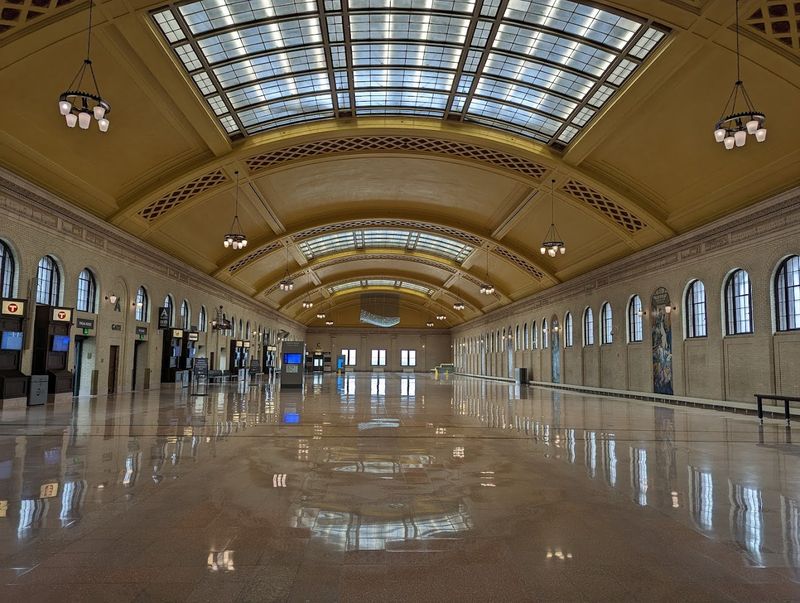
Opened in 1923, the Union Depot in Saint Paul is one of the most architecturally impressive train stations in the entire Midwest. Its Beaux-Arts design features soaring ceilings, marble floors, and a massive waiting room that once welcomed thousands of travelers every day.
After decades of limited use, the depot was fully restored and reopened in 2012 as a multimodal transit hub and event space. Visitors can explore exhibits on the depot’s history, admire the restored interior, and even catch a light rail or bus connection from the same building.
The building sits along the Mississippi River in the Lowertown neighborhood, making it easy to pair a visit with a walk along the riverfront. Free public access to the main hall means you can stop in without spending a dime, which is a rare treat for a landmark this grand.
2. Lake Superior Railroad Museum – Duluth
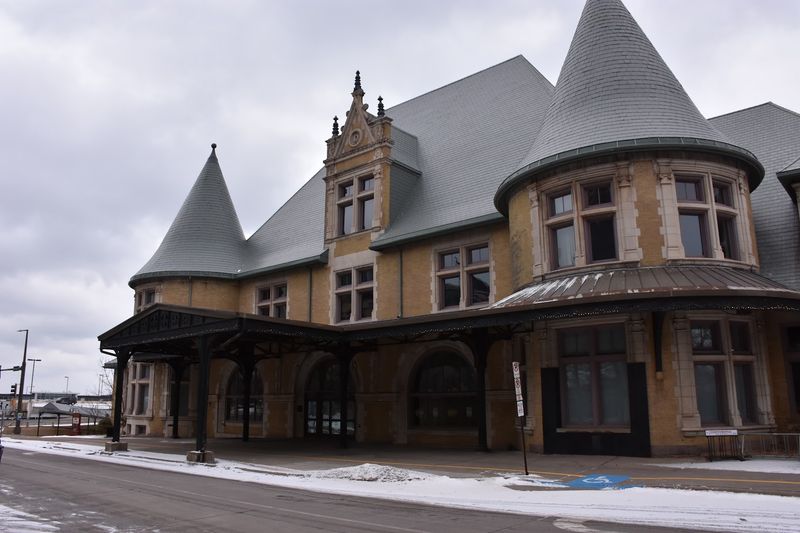
Duluth’s Lake Superior Railroad Museum sits inside the 1892 Union Depot, a French Norman-style building that has anchored the city’s waterfront for well over a century. The museum holds one of the largest collections of historic locomotives and rail equipment in the Upper Midwest.
Among the highlights is a massive Yellowstone articulated steam locomotive, one of the largest steam engines ever built. The collection also includes vintage passenger cars, a rotary snowplow, and an early electric locomotive that served the region’s iron ore industry.
The museum is part of a larger complex that includes the Duluth Children’s Museum and several other cultural organizations, making it a natural stop for families. Guided tours are available, and the North Shore Scenic Railroad operates excursion trains directly from the depot during warmer months.
Few museums in the state pack this much mechanical history into one roof.
3. Jackson Street Roundhouse – Saint Paul
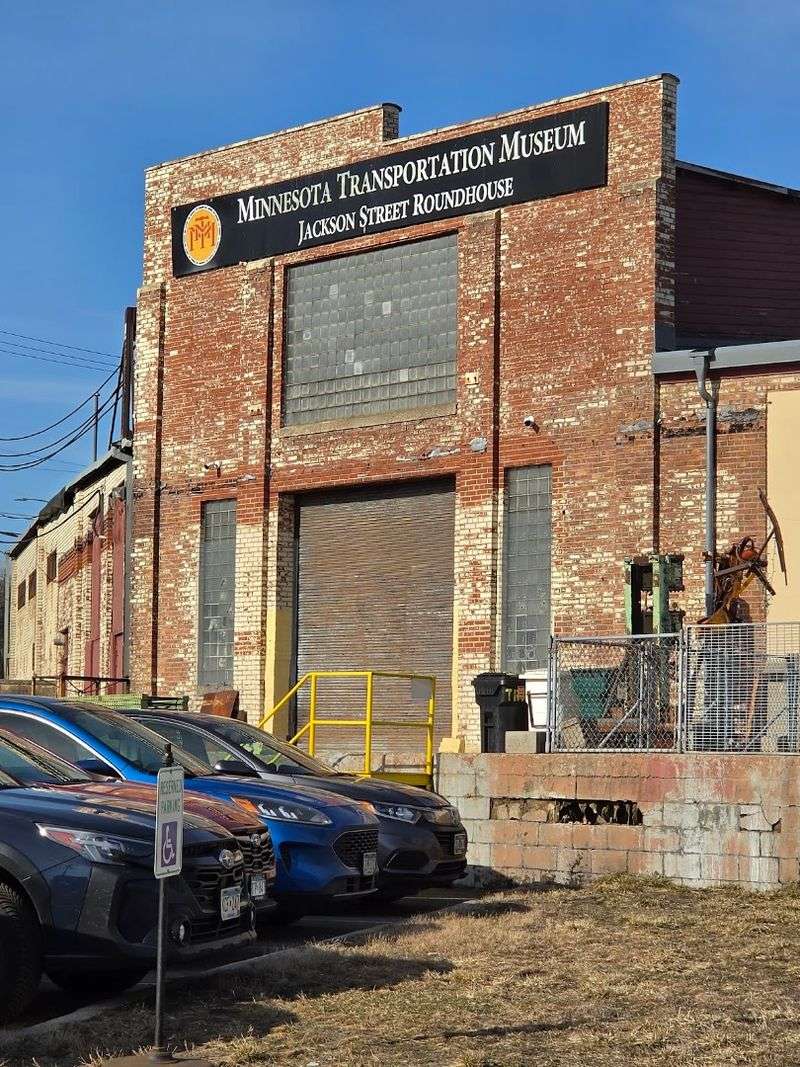
A roundhouse is exactly what it sounds like: a curved building designed to store and service locomotives, with tracks radiating out from a central turntable. The Jackson Street Roundhouse in Saint Paul is a rare surviving example, and it operates today as a hands-on railroad museum run by the Minnesota Transportation Museum.
The facility houses an impressive collection of steam and diesel locomotives, passenger cars, and maintenance equipment. What sets it apart from many museums is the active restoration work happening on-site.
Volunteers regularly work on historic equipment, and visitors are often welcome to watch the process up close.
On select weekends, the museum offers cab rides and short train excursions on the property. The Harriet Island Regional Park is just a short drive away, making it easy to build a full afternoon around the visit.
Admission is very affordable, especially given how much there is to explore.
4. Minnehaha Depot – Minneapolis
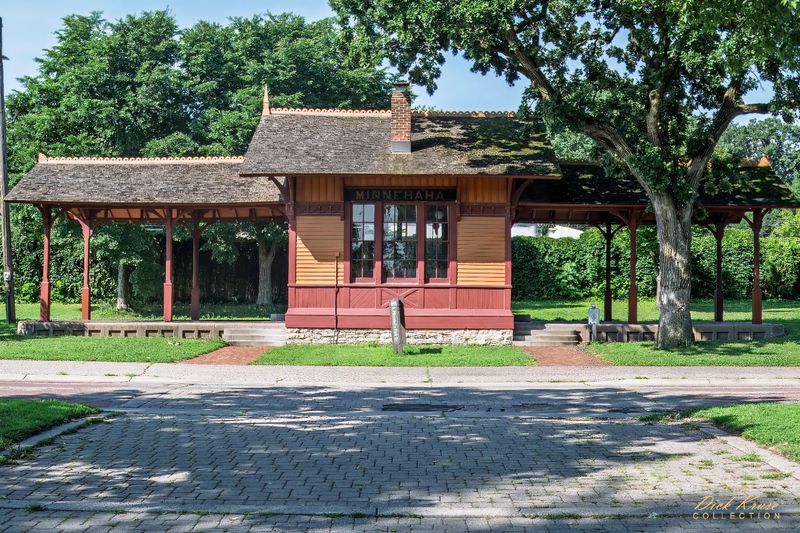
Nicknamed the “Princess” by railroad workers who adored its delicate Victorian design, the Minnehaha Depot is one of the most charming little train stations you will find anywhere in Minnesota. Built in 1875, the tiny wooden structure served passengers traveling to Minnehaha Falls, which was one of the most popular tourist destinations in the region during the late 1800s.
The depot was restored by the Minnesota Transportation Museum and is listed on the National Register of Historic Places. Its decorative woodwork and compact footprint make it look more like a dollhouse than a working train station, which is part of its appeal.
The building sits right inside Minnehaha Regional Park, so combining a visit with a walk to the waterfall is an easy and enjoyable way to spend a few hours. Volunteer guides are on hand during summer weekends to share stories about the depot’s history and its role in Minneapolis’s early tourism industry.
5. Milwaukee Road Depot – Minneapolis
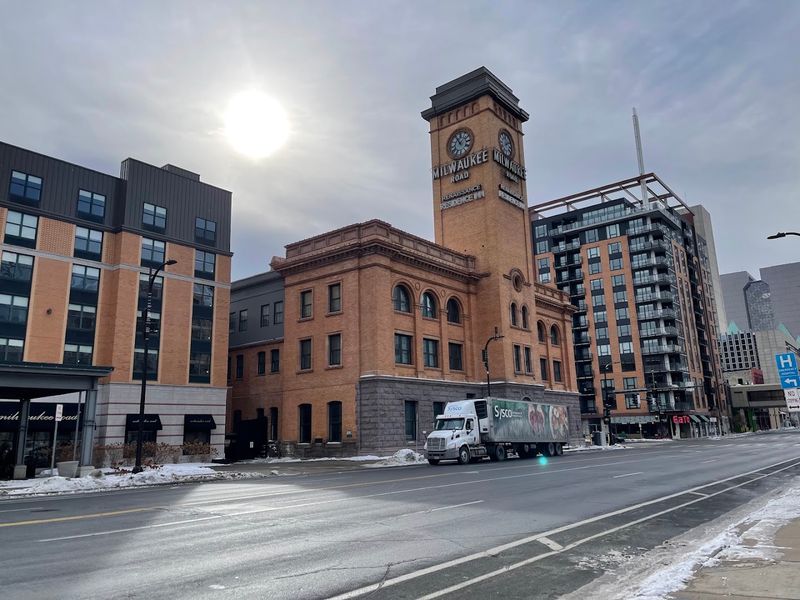
Built in 1899 and expanded in the early twentieth century, the Milwaukee Road Depot in Minneapolis served as one of the city’s primary passenger rail gateways for decades. The building’s brick exterior and ornate detailing reflect the ambition railroads had for making their stations feel as impressive as any civic monument.
Today the depot functions as an event venue and hotel, but its historic bones are very much intact. The grand waiting room, now used for weddings and corporate events, still showcases the high ceilings and decorative plasterwork that defined early twentieth-century station design.
Visitors interested in railroad history can appreciate the building’s architecture and read interpretive displays about its past. The depot is located in the Warehouse District, close to Target Field and the Minneapolis Farmers Market, making it simple to include in a broader downtown itinerary.
It is a living reminder that rail travel was once treated as a genuinely elegant experience.
6. End-O-Line Railroad Park & Museum – Currie
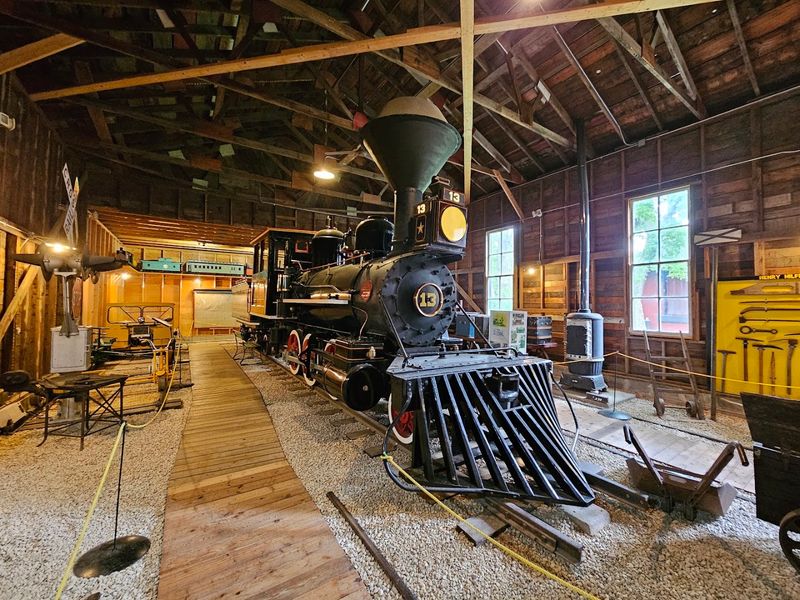
Out on the southwestern Minnesota prairie, the tiny town of Currie is home to one of the most complete small-town railroad preservation sites in the state. The End-O-Line Railroad Park and Museum gets its quirky name from the fact that Currie was literally the end of the line for the Chicago and North Western Railway branch that served this part of the state.
The park features a fully operational hand-powered turntable, a restored 1899 depot, a steam locomotive, and several original railroad structures including a section house and engine house. Very few sites in Minnesota have preserved so many authentic railroad outbuildings in one place.
The museum is open seasonally, typically from late spring through early fall. Guided tours are available, and the staff does an excellent job of bringing the history of rural railroad life to life.
For anyone interested in how small-town Minnesota connected to the wider world, this place is a genuine discovery.
7. D&IR Depot Museum – Two Harbors
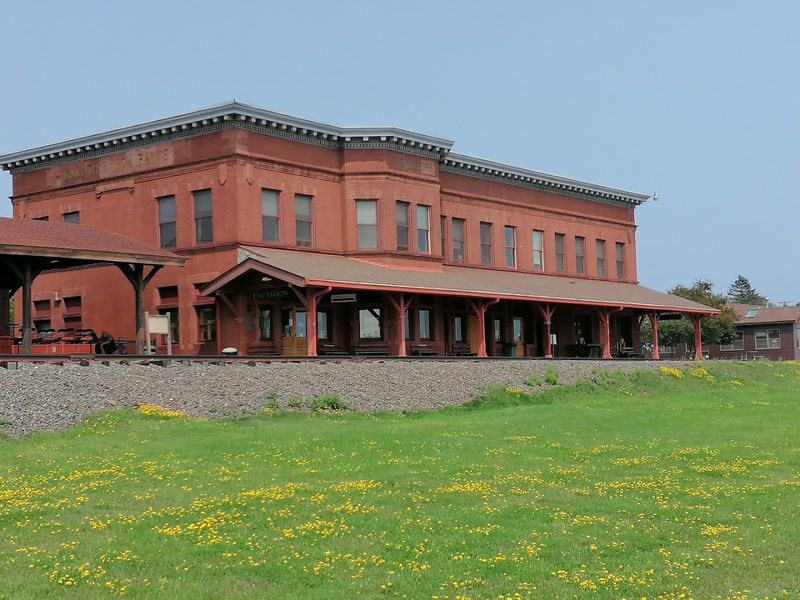
Two Harbors owes its very existence to the railroad. The Duluth and Iron Range Railroad established the town in 1883 as a port for shipping iron ore from Minnesota’s Iron Range to the rest of the country.
The original depot from that era still stands and now serves as the D&IR Depot Museum.
Inside, exhibits tell the story of the iron ore industry, the railroad workers who made it run, and the communities that grew up around the tracks. A restored locomotive sits outside the building, and the nearby ore docks are still active, giving visitors a sense of the industrial scale that defined this region for generations.
The museum is part of a broader heritage corridor in Two Harbors that includes the lighthouse and the 3M Museum, making it easy to spend a full day exploring the town’s history. Entry fees are modest, and the lakeside setting adds a scenic bonus to the historical experience.
8. Rushford Depot – Rushford
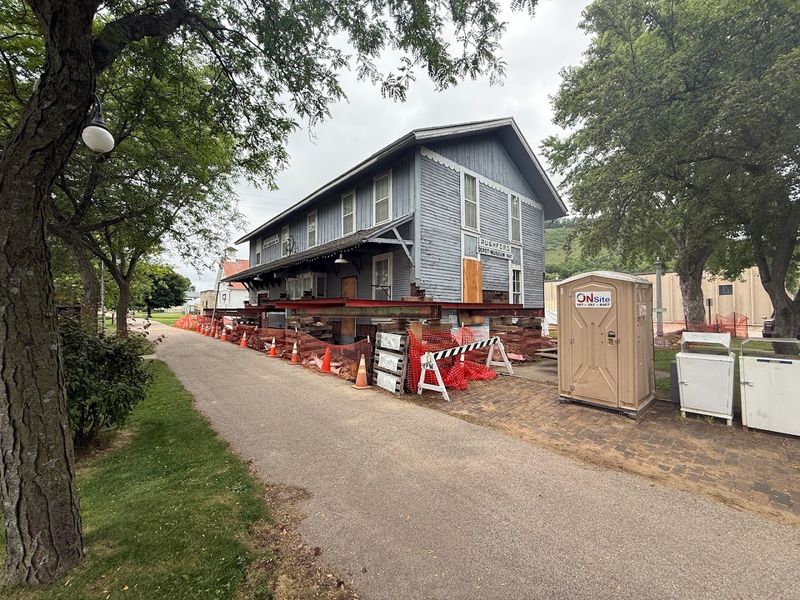
Tucked into the bluff country of southeastern Minnesota along the Root River, the Rushford Depot is a well-preserved example of a small-town railroad station that served the region during the height of rail travel. The Root River Valley was an important agricultural corridor, and the railroad made it possible for local farmers to ship grain and livestock to distant markets.
The restored depot now serves as a visitor center and local history museum. Exhibits focus on the area’s railroad heritage as well as broader Rushford Valley history, including the region’s strong Norwegian immigrant community.
Rushford is also a popular destination for cyclists, as the Root River State Trail passes directly through town. Combining a stop at the depot with a ride along the trail is a popular way to experience the area.
The building is well maintained and the staff is genuinely enthusiastic about sharing the history of this scenic corner of Minnesota.
9. Soo Line Depot Museum – Thief River Falls
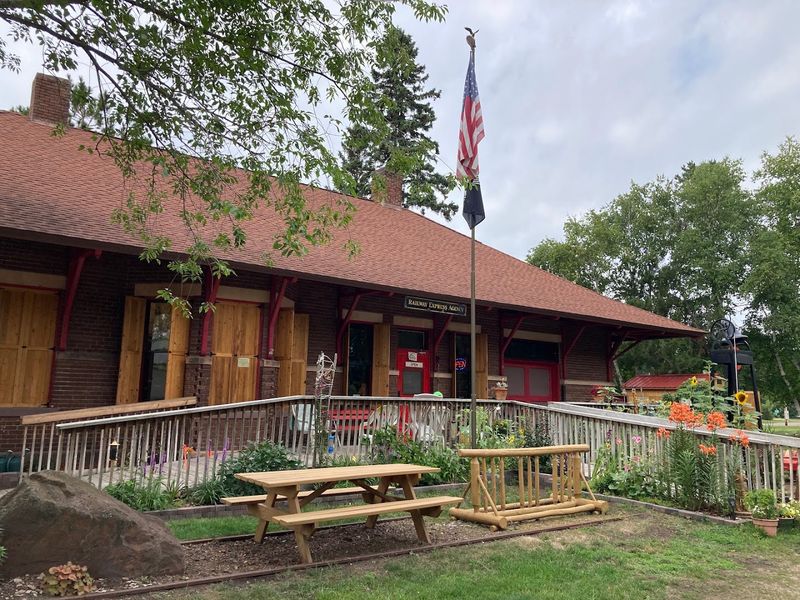
The Soo Line Railroad played a major role in opening up northwestern Minnesota to settlement and commerce in the late 1800s, and the depot it built in Thief River Falls stands as a tangible reminder of that era. The building has been preserved and converted into a local history museum operated by the Pennington County Historical Society.
Exhibits inside cover not just railroad history but also the broader story of the Red River Valley region, including its agricultural development, Indigenous heritage, and immigrant communities. Railroad artifacts, vintage photographs, and period furnishings help bring the nineteenth and early twentieth centuries to life in a very approachable way.
Thief River Falls is best known today as the home of Arctic Cat and Digi International, but its railroad past is equally significant. The depot museum offers a grounded and well-organized look at how the rail lines shaped this part of the state.
It is a worthwhile stop on any northern Minnesota road trip.
10. Northern Pacific Railway Historic District – Brainerd
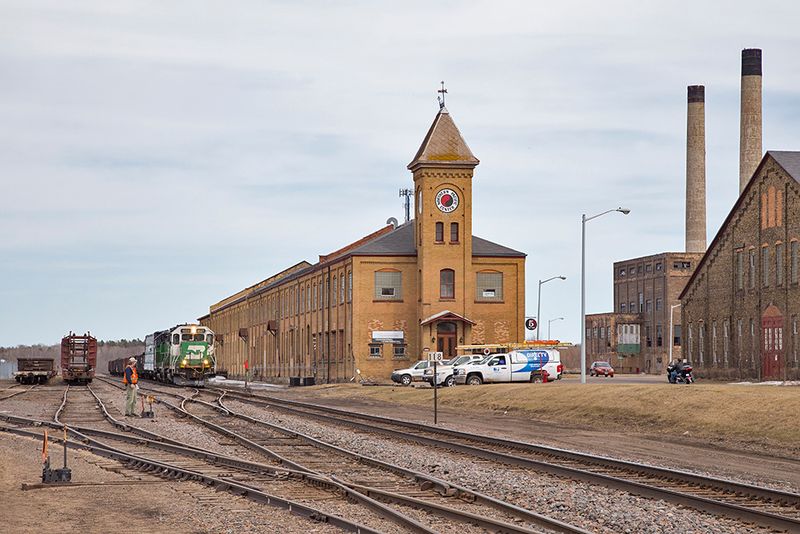
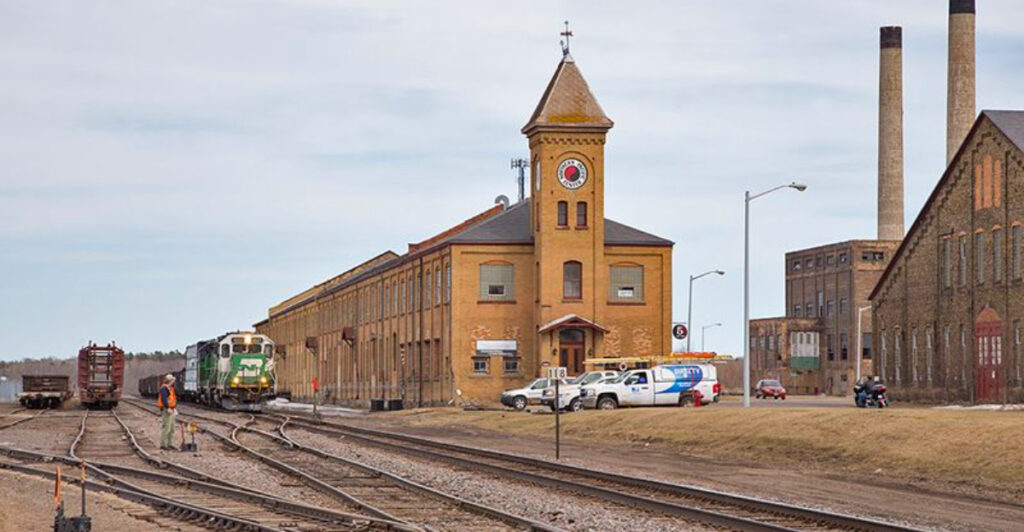
Brainerd was essentially built by the Northern Pacific Railway. When the railroad chose the city as the location for its major repair and maintenance shops in the 1870s, it transformed a small settlement into one of central Minnesota’s most important industrial centers.
At its peak, the Brainerd shops employed hundreds of workers and covered dozens of acres.
The historic district preserves several of the original shop buildings, which are among the most significant examples of nineteenth-century industrial railroad architecture remaining in the state. The structures are massive, built from locally produced brick, and they give visitors a real sense of the scale of operations that once defined this city.
Interpretive signage throughout the district explains the history of the shops and their role in the community. Local historical organizations periodically offer guided tours and special events.
For anyone traveling through central Minnesota, the Northern Pacific Railway Historic District is a genuinely impressive and often overlooked piece of American industrial heritage.
11. Como-Harriet Streetcar Line – Minneapolis
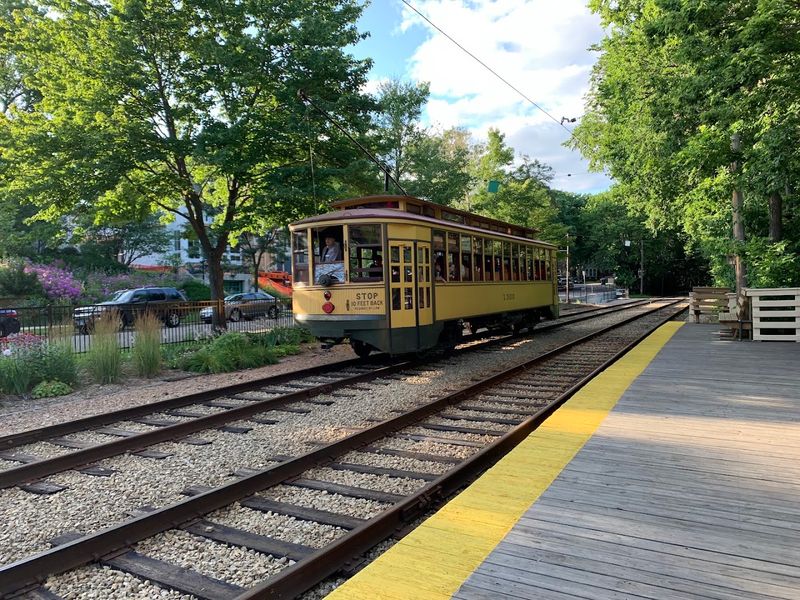
Not every piece of railroad history involves steam locomotives and long-distance freight. The Como-Harriet Streetcar Line in Minneapolis preserves a chapter of urban transit history that shaped how city residents lived and moved through their neighborhoods for decades.
The line originally operated from 1890 to 1954, connecting the city’s chain of lakes with streetcar service.
Today, a restored segment of track runs along the western shore of Lake Harriet, and volunteers operate vintage streetcars on weekends and select weekdays during the warmer months. Rides are short but genuinely fun, and the restored cars are beautifully maintained.
The Minnesota Streetcar Museum operates the line and maintains a small museum building at the Linden Hills station where visitors can learn about the history of Twin Cities streetcar service. Admission is very affordable, and the lakeside setting makes the experience feel festive rather than purely educational.
Kids and adults alike tend to enjoy it equally.
Share this story