Pennsylvania has a way of keeping secrets, and its mountains are full of them. While most road-trippers head straight for the Poconos or Philadelphia, a completely different Pennsylvania waits in the ridges and hollows of the north-central wilds.
Tiny boroughs perched at 2,000 feet, former railroad towns where the forest starts at the edge of the parking lot, and communities so quiet you can hear the leaves settle. This list covers 11 mountain towns scattered across the Pennsylvania Wilds and the Endless Mountains that rarely appear on anyone’s itinerary.
Some have museums that would surprise a much larger city. Others have overlooks so dramatic that visitors drive hours just for the view.
A few carry a history so specific and unusual that you will not find anything like it anywhere else in the state. Whether you are planning a road trip or simply curious about what Pennsylvania hides in plain sight, these towns are worth knowing about.
1. Eagles Mere, Sullivan County, Pennsylvania
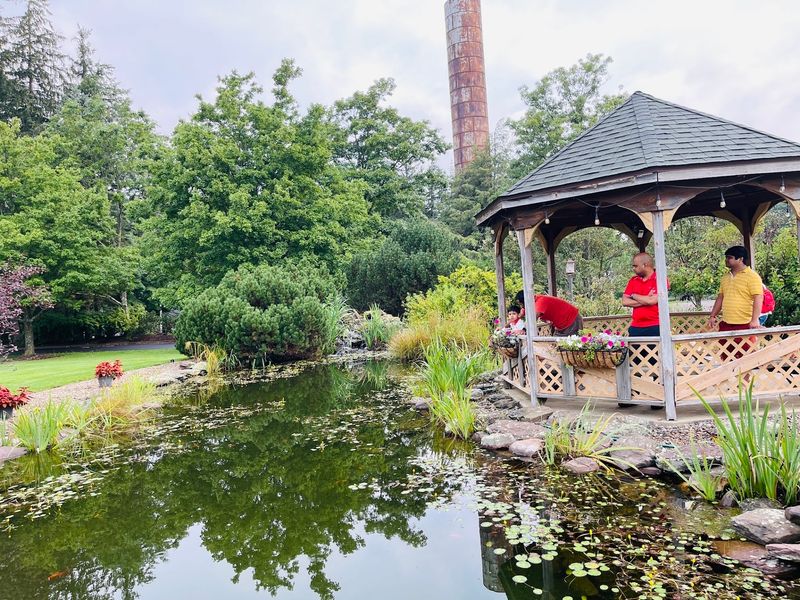
Nicknamed “The Town That Time Forgot,” Eagles Mere sits roughly 2,200 feet above sea level in the Endless Mountains and has been charming visitors since the 1860s. Before it became a resort, it was a glassmaking settlement founded in 1794, which makes its backstory considerably more layered than its peaceful appearance suggests.
The village is listed on the National Register of Historic Places, with shingled cottages lining its streets and a walkable center full of specialty shops. Eagles Mere Lake, a 230-acre spring-fed body of water, anchors the whole community.
Visitors can rent non-motorized boats or walk the two-mile Laurel Path that circles the lake. A century-old wooden launch called “Hardly Able” still operates seasonally on the water.
The town also runs a surprising number of museums for its size. The Eagles Mere Air Museum holds about 27 actively flying vintage biplanes, and the Auto Museum displays over 70 classic vehicles.
A winter toboggan slide rounds out the off-season calendar.
2. Emporium, Cameron County, Pennsylvania
Cameron County is the least populated county in Pennsylvania, and Emporium is its county seat, which tells you something useful about what to expect before you even arrive. Mountains rise sharply around the town on all sides, giving the valley a contained, almost enclosed quality that photographers tend to notice immediately.
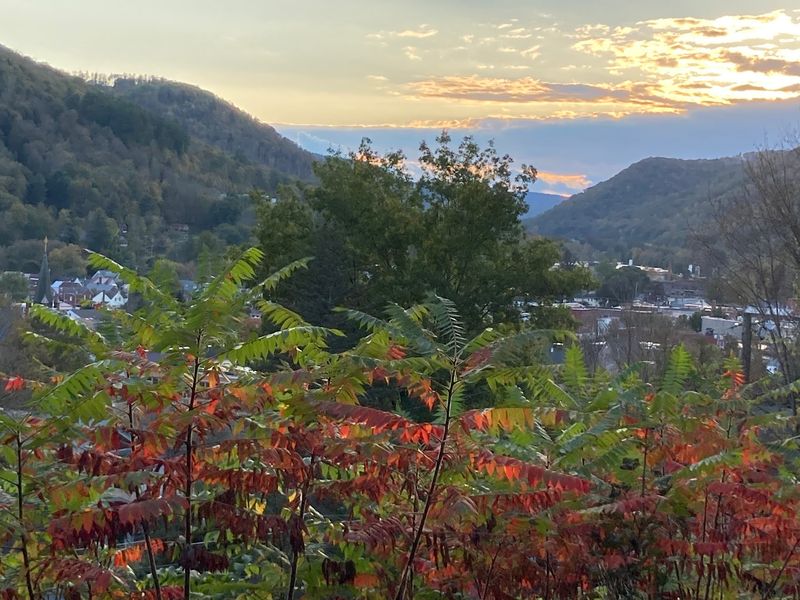
South Mountain Road leads up to the Emporium Overlook, a scenic attraction with a perfect 5.0 rating that delivers a panoramic view of the town spread across the valley floor, with densely wooded ridges extending well beyond it in every direction. The contrast between the compact settlement below and the vast forest above is the clearest visual argument for why this area belongs in the Pennsylvania Wilds designation.
Back in the town center, the Cameron County Chamber of Commerce and Artisan Center provides a practical stop for visitor information and locally made goods. Emporium’s architecture reflects its lumber-era development, and its quiet character makes it a comfortable base for exploring the surrounding forest without fighting for parking or trail space.
3. Mount Jewett, McKean County, Pennsylvania
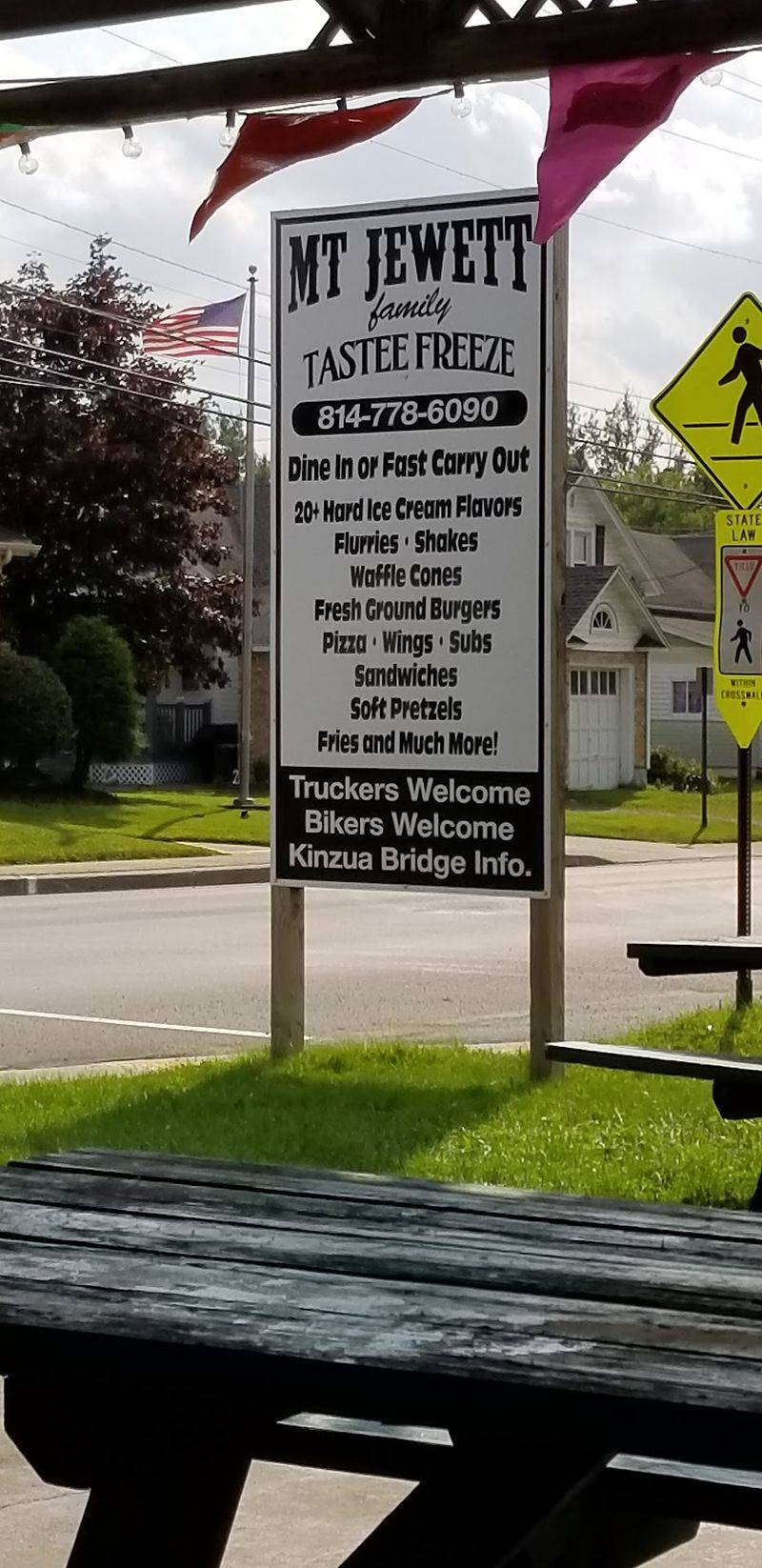
Most small boroughs in northern Pennsylvania stay small and stay quiet. Mount Jewett does both of those things, but it also happens to sit within driving distance of one of the most structurally dramatic sites in the entire state.
Kinzua Bridge State Park, just outside town, draws visitors from across the region for good reason.
The Kinzua Viaduct was once an enormous railroad bridge spanning a wide valley. A tornado in 2003 brought down several of its towers, and rather than clear the wreckage, the state converted the remaining structure into a pedestrian skywalk with a glass-floored observation deck extending over the valley.
The park has accumulated over 8,000 reviews with a 4.9 rating, which is remarkable for a location this far from Pennsylvania’s population centers.
Mount Jewett itself offers the calm, tree-lined streets of a community built around logging and railroad industries. Visitors typically pair the Kinzua Bridge with a slow drive through town, appreciating the contrast between the landmark’s scale and the borough’s quiet, unhurried pace.
4. Ridgway, Elk County, Pennsylvania
Elk County is named after its most famous residents, and wild elk herds still roam the forests surrounding Ridgway, which is reason enough to time a visit around the autumn rut season when the animals are most visible near open fields and forest edges.
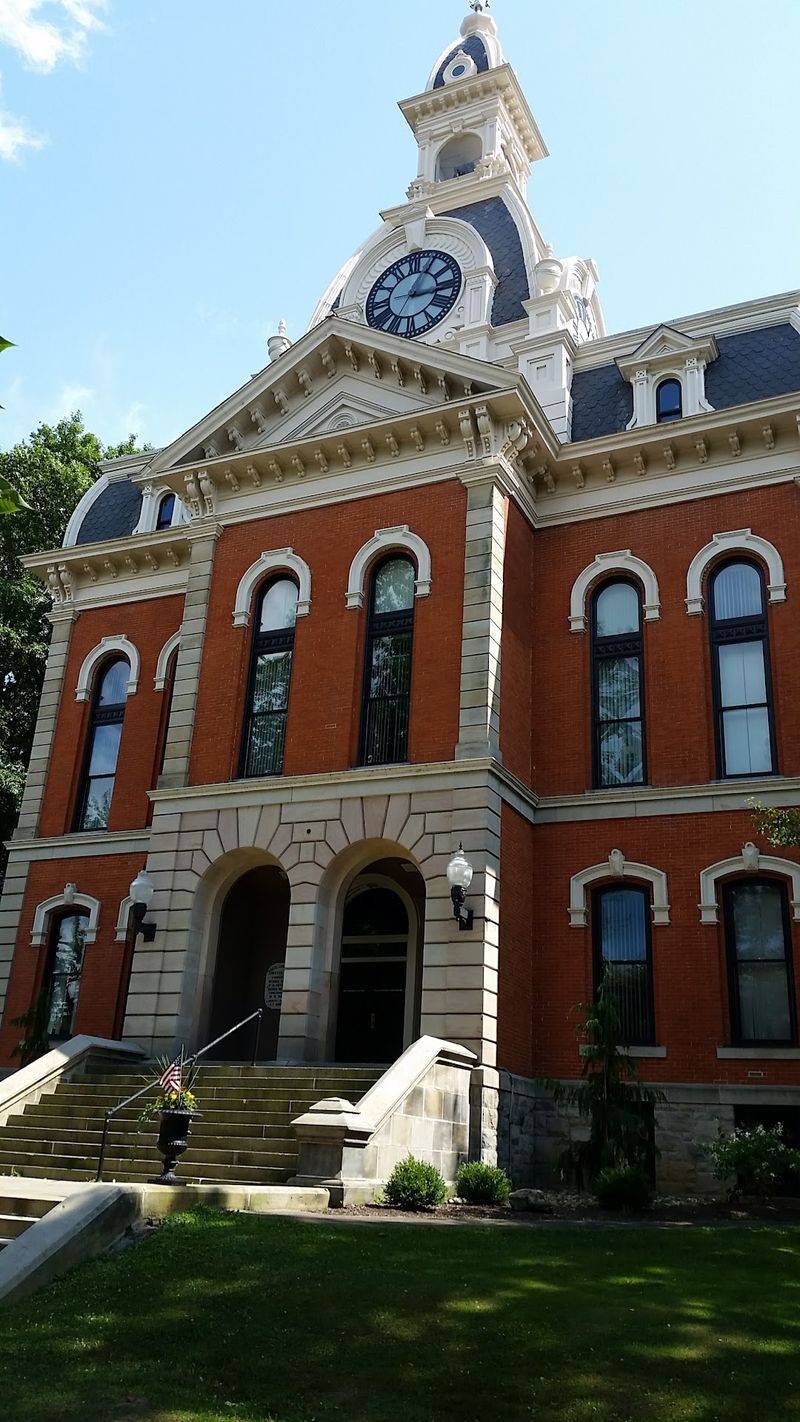
The downtown itself holds more architectural interest than most travelers expect from a town this size. Historic commercial buildings line the main streets, reflecting different periods of Ridgway’s development from its lumber-era beginnings through later growth as a regional hub.
The Clarion River runs nearby, adding a natural boundary that shapes the town’s layout and gives it a pleasant relationship with the surrounding landscape.
The Elk County Historical Society maintains an active presence in town, with resources and exhibits covering the area’s past industries and community history. Ridgway also functions as a logical stopping point for travelers moving through the Pennsylvania Wilds, offering more services and dining options than smaller communities nearby while still maintaining the low-key character that defines this corner of the state.
5. Coudersport, Potter County, Pennsylvania
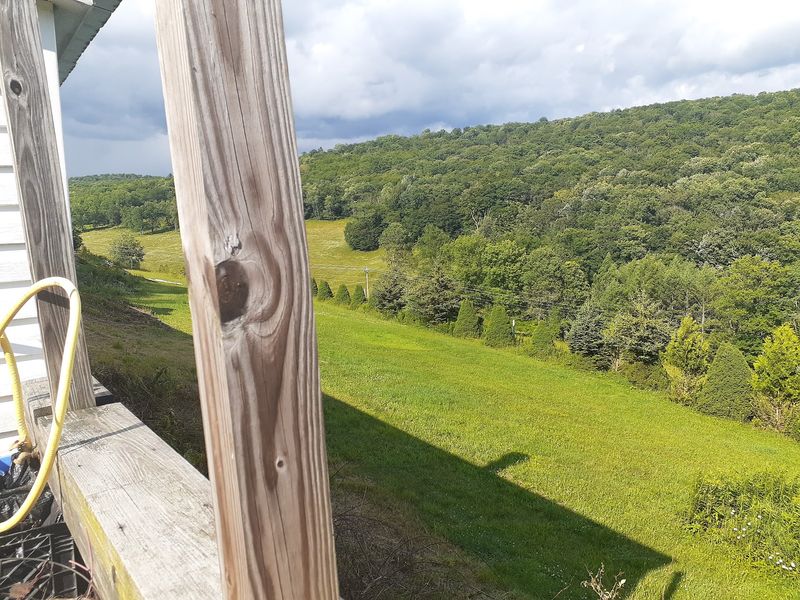
Potter County has more forest than people, and Coudersport, its county seat, carries that ratio with a certain quiet confidence. The town sits in a high, sparsely populated stretch of Pennsylvania where the surrounding Susquehannock State Forest defines the horizon in nearly every direction.
Two attractions make Coudersport genuinely unusual for a town of its size. The Eliot Ness Museum commemorates the famous Prohibition-era federal agent’s unexpected later-life connection to the area, with exhibits covering his career and his time in the region.
The Coudersport Ice Mine is a seasonal natural curiosity where ice forms inside an abandoned mine shaft during warmer months and melts in winter, reversing the pattern that most people would logically expect.
The town’s layout follows a traditional county seat plan, with a central square and surrounding commercial blocks. Visitors come for the outdoor recreation available in the surrounding forests and for the specific historical curiosities that give Coudersport a personality distinct from other small Pennsylvania mountain communities.
It rewards a longer stop than most travelers initially plan for.
6. Renovo, Clinton County, Pennsylvania
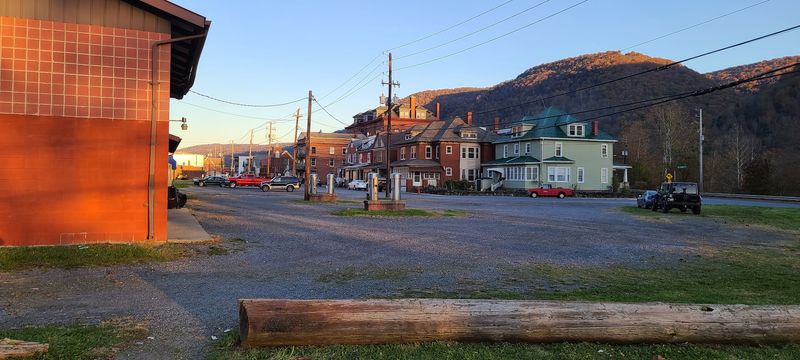
Arriving in Renovo via Route 120 is one of those driving experiences that justifies the detour on its own. The road follows the West Branch Susquehanna River through a narrow valley, with forested ridges rising steeply on both sides until the small town appears almost unexpectedly in the gap.
Renovo’s origins are tied directly to the Pennsylvania Railroad, which once made this valley an important industrial corridor. The Greater Renovo Area Heritage Park preserves that chapter of local history, offering exhibits on railroad operations and the daily life of workers who shaped the community during its peak years.
The town’s street grid still reflects its roots as a planned railroad settlement, with structures and patterns that speak to its industrial past rather than later development trends. Renovo is best suited for travelers who appreciate authentic railroad history in a natural setting, without the crowds or commercial polish that tend to follow more heavily promoted destinations in the Pennsylvania Wilds.
7. Galeton, Potter County, Pennsylvania
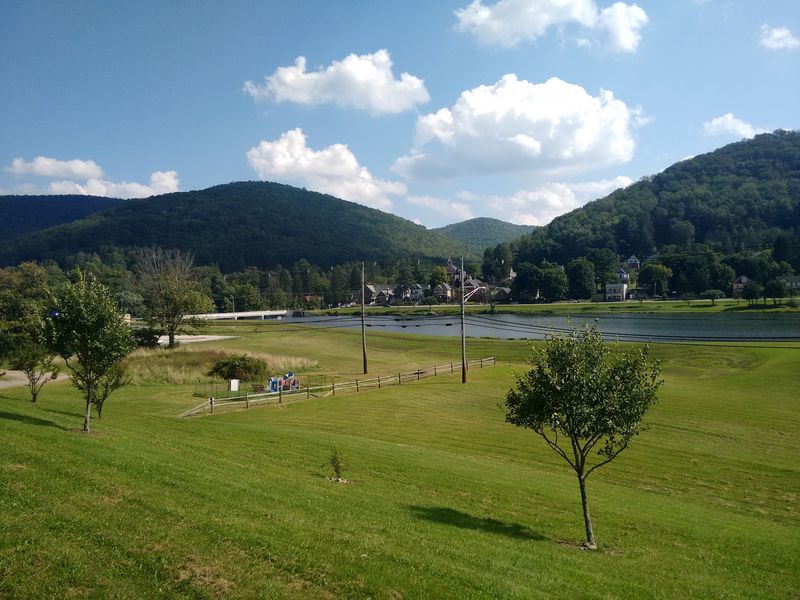
A century ago, Galeton was loud with the work of a booming lumber industry. Today, the forests that industry once harvested have grown back thick and full, and the town has quietly repositioned itself as a base for outdoor recreation in one of Pennsylvania’s most forested counties.
The transition shows in Galeton’s practical layout, where surviving structures from the lumber era sit alongside more recent community facilities. The town functions as a service center for the surrounding forest land, with basic amenities for travelers who are passing through or using it as a home base for multi-day outdoor trips.
Lyman Run State Park, located about seven miles west of town, is the area’s primary natural draw. The park covers 595 acres and centers on a 45-acre lake surrounded by northern hardwood forest.
Boating, fishing, and hiking are all available, and the park’s visitor numbers reflect consistent use by outdoor enthusiasts throughout the warmer months. Galeton’s connection to that landscape, both historical and practical, gives it a straightforward appeal that suits travelers who prefer substance over scenery staging.
8. Austin, Potter County, Pennsylvania
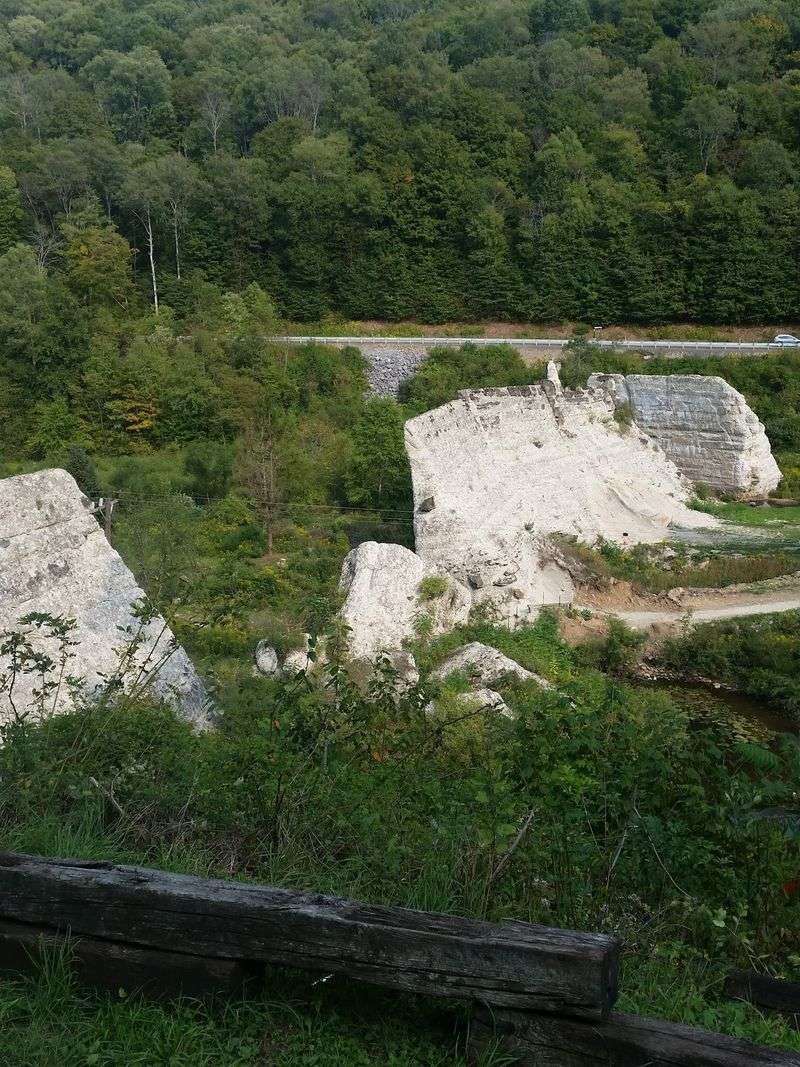
History does not always stay neatly inside a museum. In Austin, it sits in the open air just outside the town center, in the form of massive fractured concrete sections that once formed a dam and now serve as a permanent, open-air record of one of Pennsylvania’s most consequential engineering failures.
The 1911 Austin Dam collapse reshaped the community in ways that are still visible in its compact layout and its relationship to the surrounding landscape. Austin Dam Memorial Park gives visitors direct access to the site, allowing close examination of the broken structure in a peaceful mountain setting.
The park has collected over 100 visitor reviews, which is notable for such a small and off-the-beaten-path location.
Forested hills press closely around the town, and the overall setting feels appropriately contemplative for a place where the physical evidence of a pivotal event remains so visible. Austin is a strong choice for travelers interested in industrial history, civil engineering, and communities that have rebuilt and adapted rather than simply moved on.
Potter County’s natural environment surrounds the whole experience.
9. St. Marys, Elk County, Pennsylvania
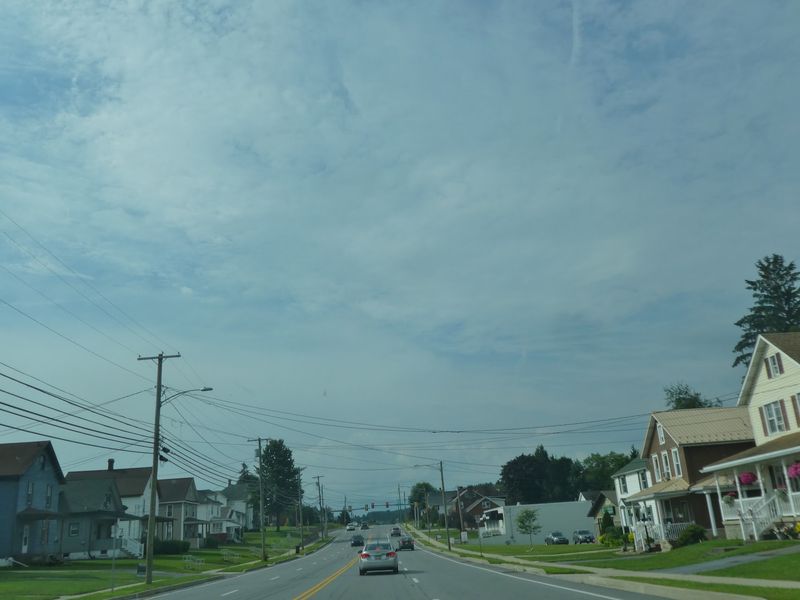
Founded in the 1840s by German Catholic settlers, St. Marys carries its heritage visibly in its institutions, its community character, and the family names that appear on local businesses and historical markers throughout the town. It is larger than most communities on this list, but its location deep in the Pennsylvania Wilds keeps it well outside the state’s standard tourism circuit.
The Straub Brewery Visitor Center and Tap Room is one of the town’s most recognized local institutions, offering tours and tastings at one of the oldest continuously operating breweries in the United States. The facility provides a concrete connection to the community’s German brewing traditions and attracts visitors specifically interested in that history.
St. Marys also serves as a practical base for exploring the elk country and extensive forests of Elk County. Its larger size relative to neighboring towns means more dining options, more lodging choices, and better access to services for travelers planning multi-day excursions into the surrounding Pennsylvania Wilds.
The combination of cultural history and natural access makes it one of the more well-rounded stops on this list.
10. Tionesta, Forest County, Pennsylvania
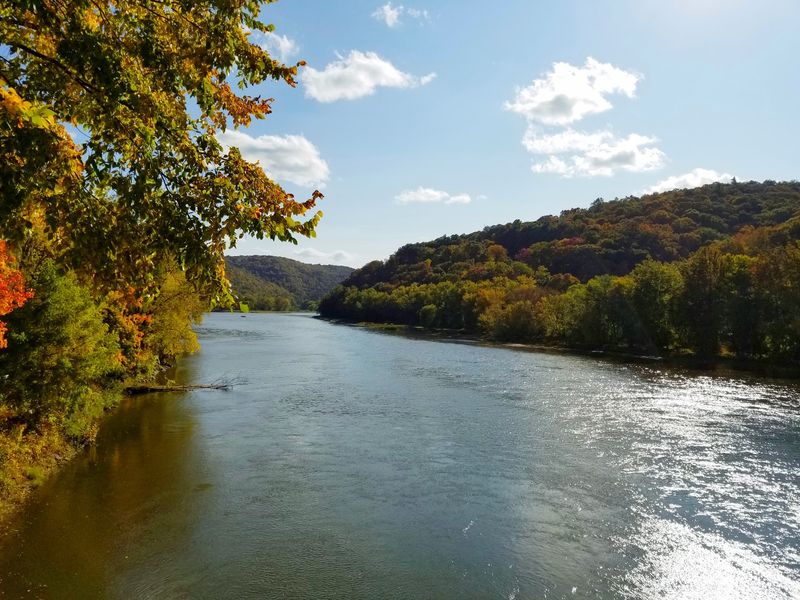
Forest County is the least populated county east of the Mississippi River, and Tionesta, its county seat, sits right at the center of that remarkable statistic. The town occupies a spot beside the Allegheny River where the surrounding forest feels less like a backdrop and more like the main event.
Proximity to the Allegheny National Forest gives Tionesta an outdoorsy identity that shows up in how visitors use the town. Hiking, fishing, and wildlife observation are the primary draws, and Tionesta Lake adds a water-based recreational element that extends the town’s appeal through the warmer months.
The river itself provides a natural focal point for the community’s layout and character.
Downtown, Tionesta Market Village operates as a collection of small shops with around 180 visitor reviews, offering locally made goods and a low-key browsing experience that fits the town’s overall pace. Historically, the area developed around lumber and river trade, and that practical, resource-based identity still shapes the community today.
Tionesta rewards travelers who prioritize quiet over crowds and trees over tourist infrastructure.
11. Kane, McKean County, Pennsylvania
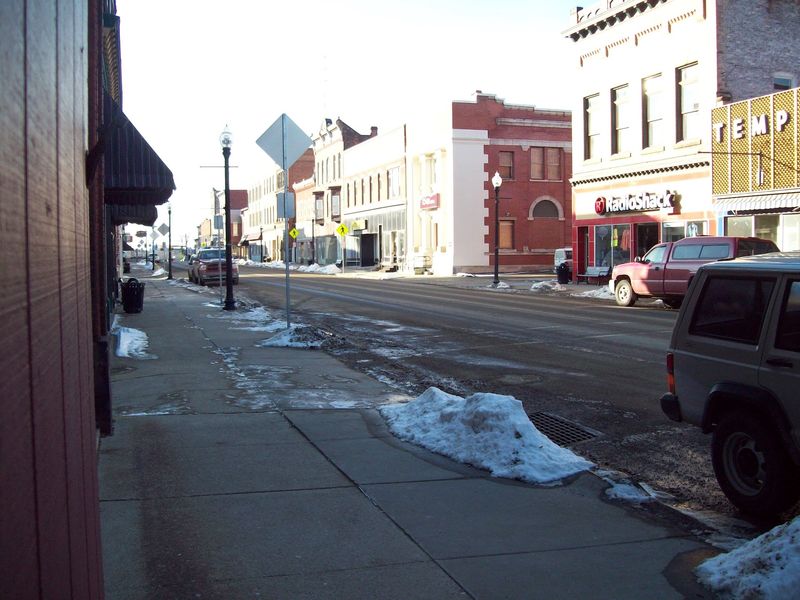
Perched high on the Allegheny Plateau near the edge of the Allegheny National Forest, Kane operates at an elevation that keeps its winters long and its summers genuinely cool, which is not a minor detail for travelers planning a midsummer escape from Pennsylvania’s more humid lowlands.
The town’s restored railroad depot now houses the Kane Historic Preservation Society and Museum, an actively listed attraction that covers Kane’s industrial development alongside one of the more unusual local stories in northern Pennsylvania. Dr. Edward H.
McCleery kept a pack of wolves on his property in the early twentieth century, and the museum addresses that chapter with the kind of specific detail that makes small-town history genuinely compelling.
Kane’s grid layout reflects its origins as a railroad and logging settlement, with the historic center providing walkable exploration before or after a day in the surrounding forest. The Allegheny National Forest begins practically at the town’s doorstep, making Kane a functional base for hiking, mountain biking, and wildlife observation without requiring a long drive to reach the trailhead.
It earns its reputation as a mountain base camp.
Share this story