New Jersey is packed with places people drive past for years without realizing what they are missing. Some are free, some are historic, some are quietly beautiful, and a few feel almost impossible to explain until you see them for yourself.
This list is for locals who already know the big beaches, boardwalks, diners, and downtowns, but still want a fresh reason to explore close to home. Save a few for a slow Saturday, a visiting relative, or one of those days when you need proof that the Garden State has more range than people give it credit for.
1. The Raptor Trust, Millington, New Jersey
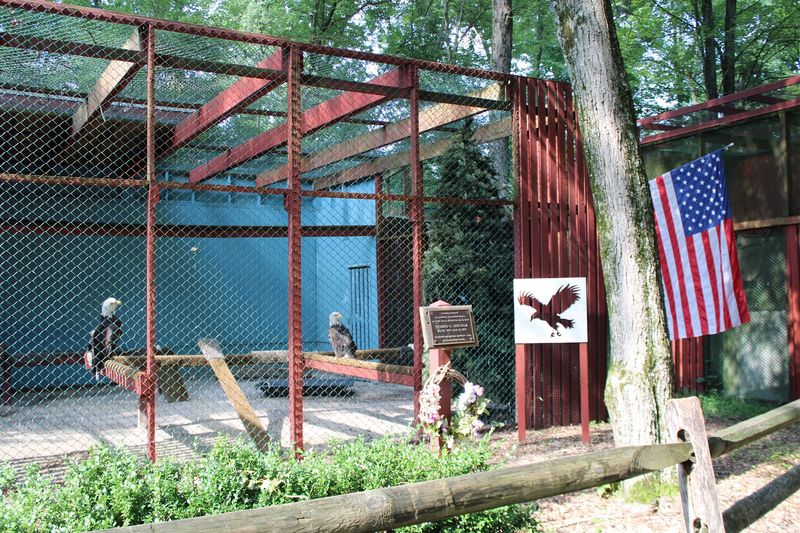
A free wildlife stop with hawks and owls is not the kind of place most people expect to find near suburban Morris County roads, which is exactly why The Raptor Trust catches people off guard.
Located in Millington, this nonprofit wildlife rehabilitation center cares for injured and orphaned wild birds, with a focus on birds of prey. Visitors can walk the public education area and see non-releasable resident birds, including species such as owls, hawks, falcons, and eagles.
The key thing to know is that The Raptor Trust is not a petting zoo or theme attraction. It is a working rehabilitation facility, so the public areas are simple, respectful, and focused on learning rather than entertainment.
Admission to the outdoor education area has traditionally been free, though donations help support the work. For New Jersey locals who want a wholesome, low-cost outing that feels meaningful, this is one of those places that proves a short visit can still stay with you.
2. Princeton University Art Museum at Art@Bainbridge, Princeton, New Jersey
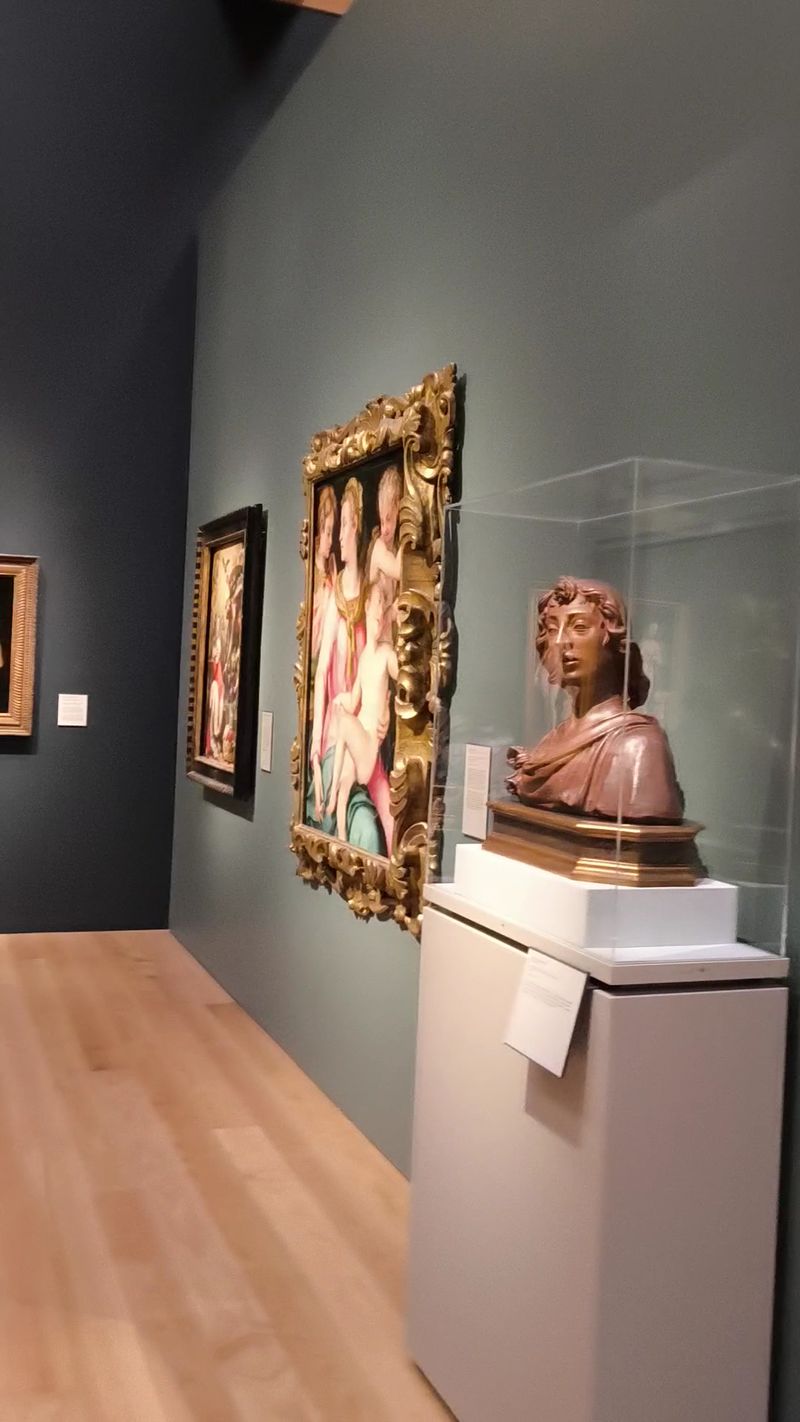
Princeton has a way of hiding major culture in plain sight, and Art@Bainbridge is a good example of how easy it is to miss something excellent while aiming for coffee, lunch, or a campus stroll.
Art@Bainbridge is the Princeton University Art Museum’s gallery space inside historic Bainbridge House on Nassau Street. While the main Princeton University Art Museum has been undergoing a major new building project, this smaller venue has continued to host changing exhibitions that are open to the public.
The building itself adds to the appeal. Bainbridge House dates to the 18th century and is one of the oldest surviving structures in Princeton, so even a short visit combines art, architecture, and town history in one compact stop.
Because exhibitions change, it is smart to check the museum’s current schedule before going. For locals who think they already know Princeton, this is a reminder that the town rewards slow walking and second looks.
3. Cathedral Basilica of the Sacred Heart, Newark, New Jersey
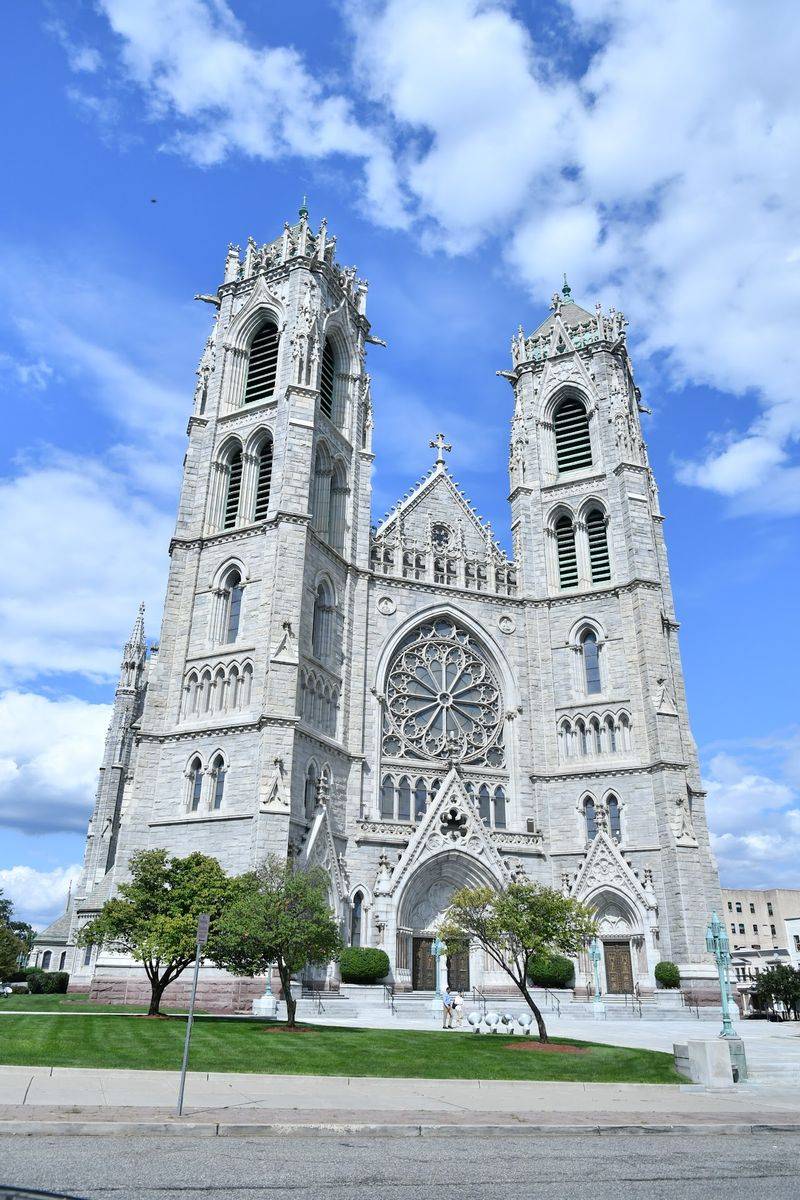
Newark has one of the most striking buildings in the state, yet plenty of New Jersey residents still know it only as something they have glimpsed from a car window.
The Cathedral Basilica of the Sacred Heart is a massive Gothic Revival landmark in Newark’s Forest Hill section, near Branch Brook Park. Its stone towers, arches, stained glass, and scale make it feel far more like a major European-style cathedral than the quick mental picture many people have of New Jersey architecture.
The cathedral serves as the seat of the Archdiocese of Newark and is an active house of worship, so visitors should check access times, Mass schedules, and special events before planning a look inside. When open to the public, the interior rewards anyone interested in architecture, sacred art, or historic craftsmanship.
Pairing it with Branch Brook Park is a smart move, especially during cherry blossom season. Even outside spring, this stop makes a strong case that Newark’s cultural and architectural side deserves more attention from the rest of the state.
4. Grounds For Sculpture, Hamilton, New Jersey
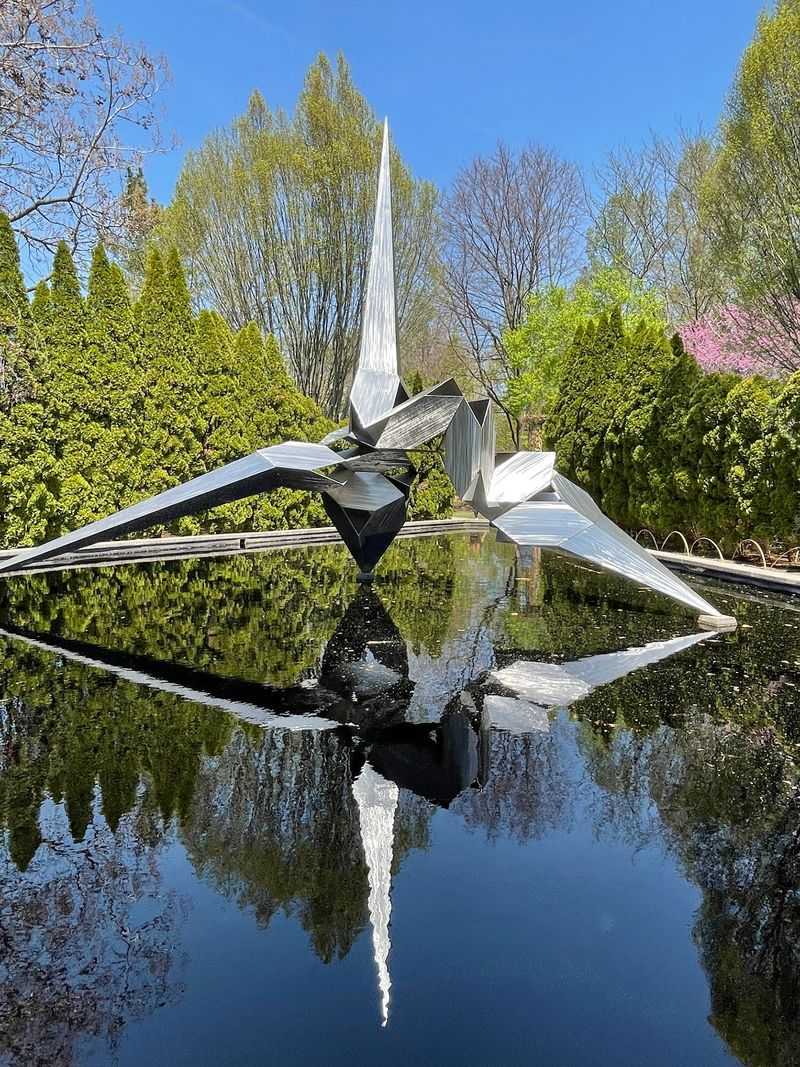
Giant sculptures scattered across landscaped gardens sound hard to overlook, but many New Jerseyans still manage to live within an hour of Grounds For Sculpture without ever going.
This Hamilton attraction covers 42 acres and combines outdoor sculpture, indoor exhibitions, gardens, ponds, and winding paths. Founded by artist and philanthropist Seward Johnson, the site features contemporary works in a setting that encourages wandering rather than standing still in quiet galleries.
One reason it belongs on this list is its mix of serious art and approachable fun. Some pieces are abstract, while others are playful or lifelike, which makes it an easy place to visit with people who do not usually plan museum days.
Timed tickets are commonly used, and the grounds can be especially popular on pleasant weekends, so planning ahead helps. For a local day trip, it hits that rare balance of being easy to reach, visually memorable, and different every time the gardens shift with the season.
5. WheatonArts, Millville, New Jersey
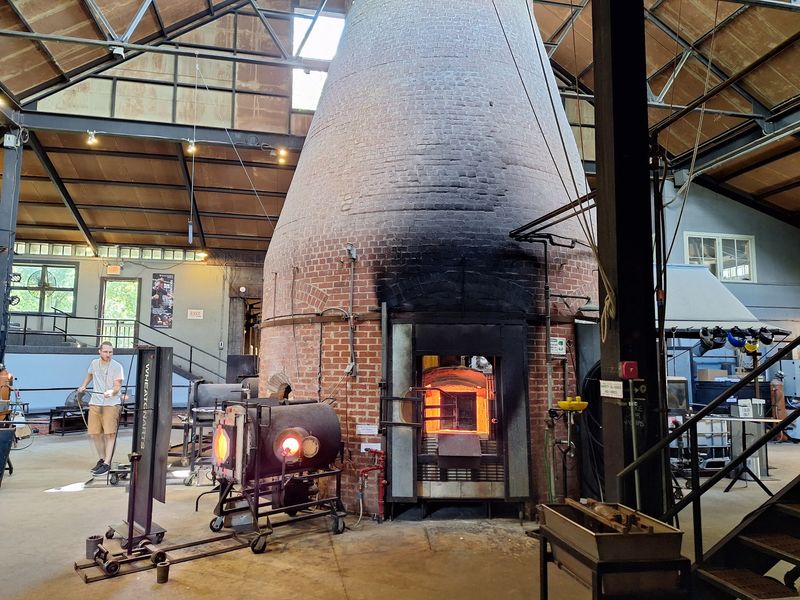
South Jersey’s glassmaking history is deeper than many people realize, and WheatonArts gives that story a place you can actually walk through.
Located in Millville, WheatonArts is a cultural campus centered on the Museum of American Glass, artist studios, craft demonstrations, shops, and special exhibitions. The museum collection connects directly to the region’s long glass industry, which grew around the natural resources of southern New Jersey.
The glass studio is one of the strongest reasons to go. Demonstrations allow visitors to see the skill and process behind glassmaking, which turns a regional history lesson into something much easier to understand.
WheatonArts typically operates seasonally with posted hours and admission policies, so checking the current calendar is the practical first step. It is a strong pick for locals who want a day trip that feels creative, calm, and distinctly tied to New Jersey’s past.
6. Red Mill Museum Village, Clinton, New Jersey
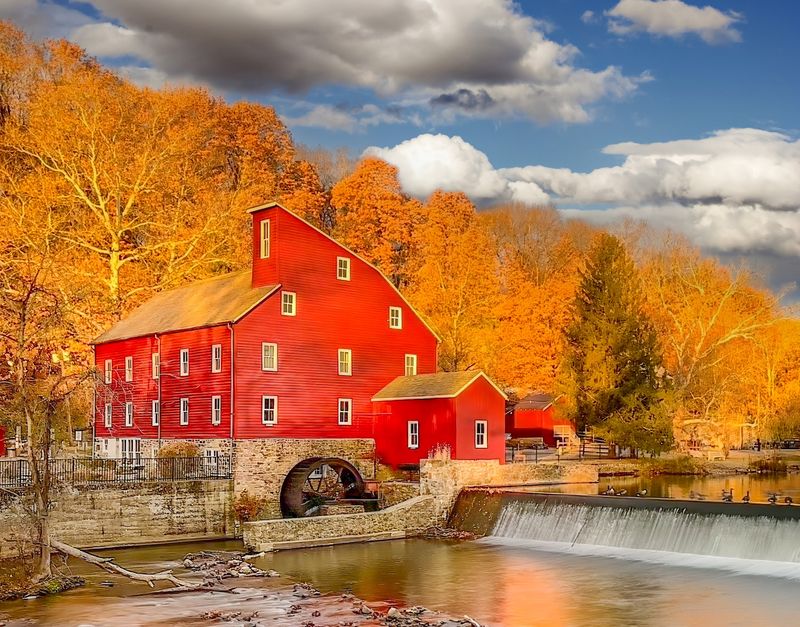
That famous red building in Clinton has been photographed countless times, but stopping long enough to visit the museum changes it from a pretty backdrop into a real New Jersey history lesson.
The Red Mill Museum Village sits along the South Branch of the Raritan River and includes the iconic mill building plus a collection of historic structures. Exhibits explore industry, local life, and the many uses the mill site has had over time.
What makes this place different from a quick downtown stroll is the layered setting. You get water views, a walkable small town, historic interpretation, and one of the state’s most recognizable postcard scenes all in the same area.
Hours and admission can vary by season and event, so check before making the trip. Clinton’s compact downtown also makes it easy to turn the museum into a half-day outing with shops, food, and a bridge view that never really gets old.
7. Duke Farms, Hillsborough, New Jersey
For anyone who thinks Central Jersey is only traffic circles and shopping centers, Duke Farms is a very useful correction.
This Hillsborough property spans more than 1,000 acres and is focused on environmental stewardship, native habitats, trails, and public education. Visitors can explore paved and natural paths, meadows, woodlands, lakes, and seasonal garden areas.
Duke Farms is especially good for people who want room to roam without committing to a rugged hike. Biking and walking are popular, and the property has an orientation center that helps first-time visitors understand where to start.
Admission has generally been free, but entry procedures, parking reservations, and open days can change, so checking the official site before visiting is important. The main reason it belongs here is scale.
It is not a tiny pocket park, and it does not feel like a standard county trail. It is a full New Jersey escape hiding in a very accessible part of the state.
8. Lucy the Elephant, Margate City, New Jersey
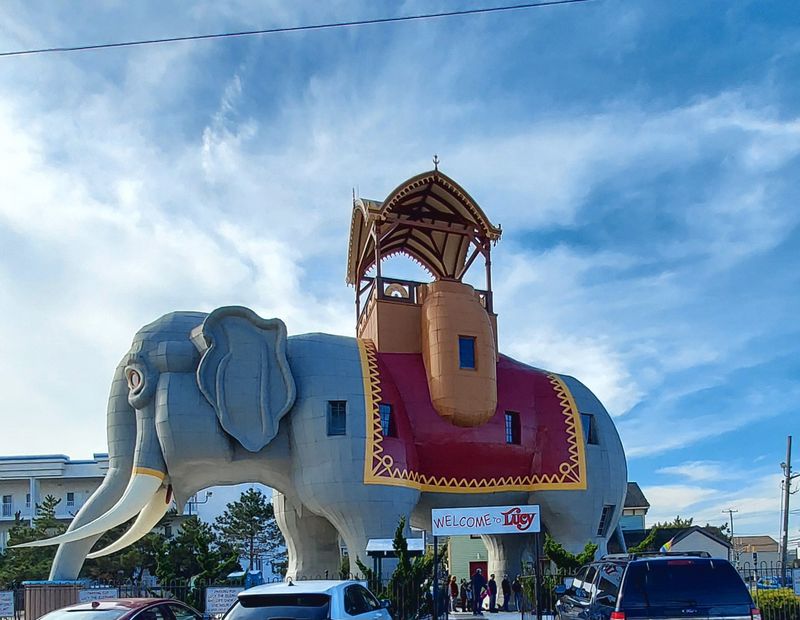
A six-story elephant beside the shore should be impossible to forget, yet Lucy still surprises New Jersey residents who have somehow never made the short turn off the usual beach route.
Lucy the Elephant is a National Historic Landmark in Margate City and one of the state’s strangest, most beloved roadside attractions. Built in the 1880s, the elephant-shaped structure has served different purposes over its long life and is now preserved as a historic site.
Visitors can take guided tours when available, which include a look inside the structure and access to views from the howdah area on top. The experience is brief, quirky, and very New Jersey in the best possible way.
Because Lucy is close to the beach, parking and timing can be easier outside the busiest summer hours. It is the kind of stop that works well with visiting relatives, kids, or anyone who claims New Jersey has no sense of humor.
9. Van Vleck House and Gardens, Montclair, New Jersey
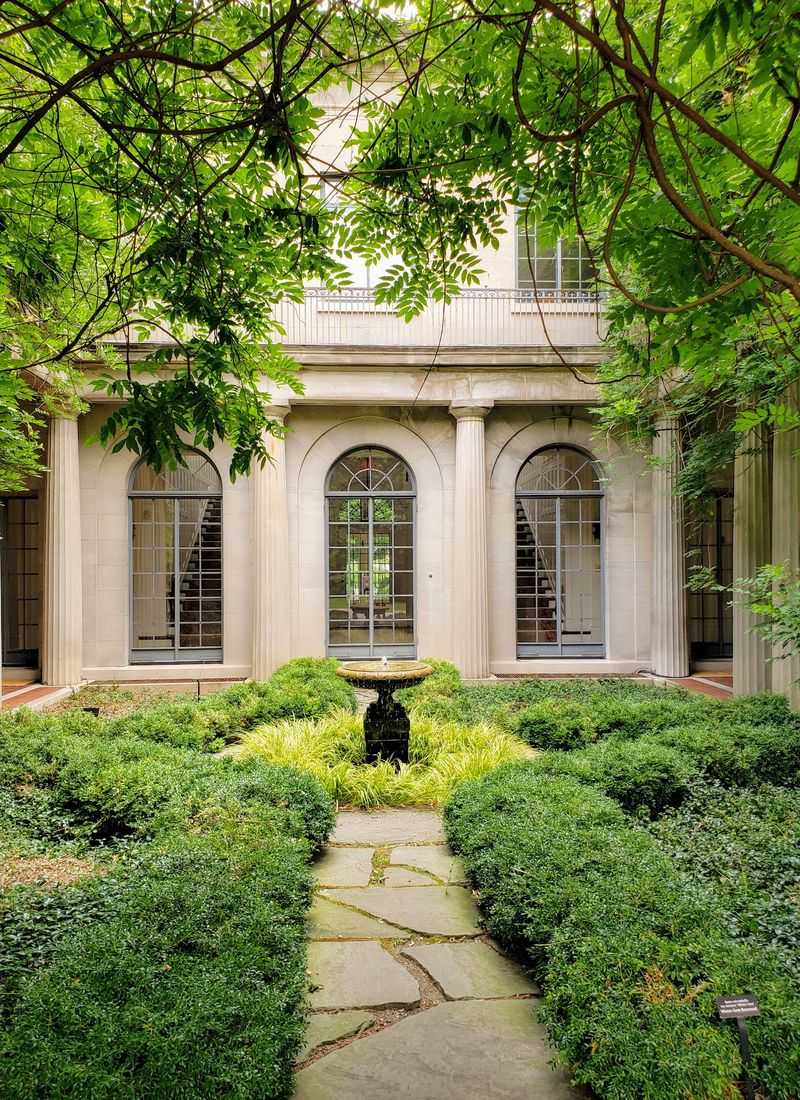
Montclair is full of good reasons to wander, but Van Vleck House and Gardens offers a quieter kind of reward than the town’s restaurant and shopping blocks.
This nonprofit public garden is set around a historic Italianate-style house and landscaped grounds. The gardens include mature trees, lawns, seasonal plantings, and areas designed for a peaceful walk rather than a rushed attraction schedule.
One practical detail makes it especially appealing: the grounds are generally open to the public daily during posted hours, with no regular admission fee for garden visits. Programs, plant sales, and events may have separate details, so it is still wise to check the calendar.
Van Vleck fits the article because it is easy to miss unless someone tells you it is there. It is not flashy, and that is part of the charm.
For Essex County locals, it can turn an ordinary Montclair errand into a small reset without leaving town.
10. Paterson Great Falls National Historical Park, Paterson, New Jersey
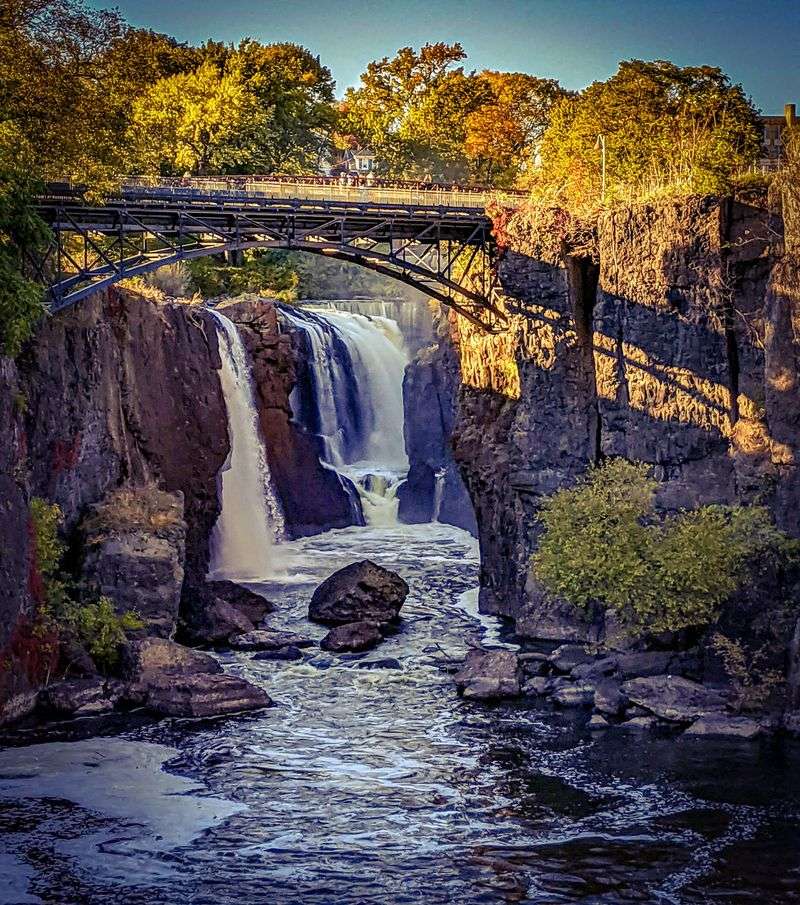
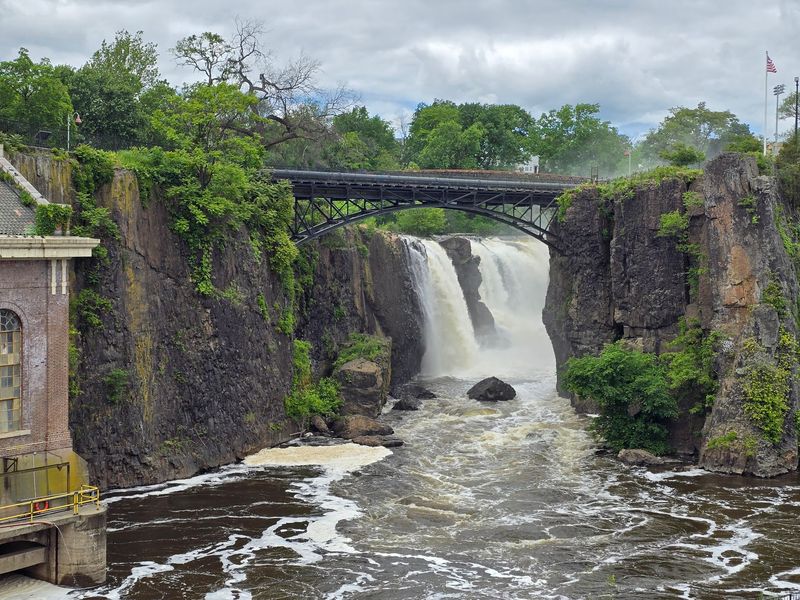
New Jersey has a national historical park built around a roaring waterfall, and somehow it still catches longtime residents by surprise.
Paterson Great Falls National Historical Park centers on the Great Falls of the Passaic River, a major natural feature tied to America’s early industrial development. The area was central to Paterson’s growth as a planned industrial city, with water power helping drive mills and manufacturing.
Visitors can view the falls from designated overlooks and walk nearby areas connected to the park’s history. The combination of water, stone, bridges, and old industrial surroundings gives the site a character that is very different from a typical scenic park.
Conditions and access points can vary, especially after weather events, so checking the National Park Service information before going is helpful. For locals, the appeal is bigger than a photo stop.
It is a chance to see how New Jersey’s natural landscape and industrial story meet in one dramatic place.
11. Historic Smithville and the Village Greene, Galloway, New Jersey
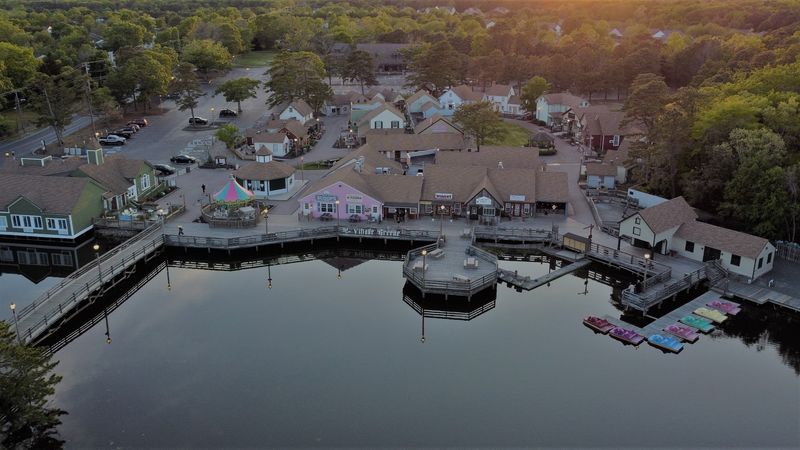
Not every Shore-area outing has to involve sand in the car, and Historic Smithville proves that point with a village-style stop just inland from the coast.
Historic Smithville and the Village Greene in Galloway feature a collection of small shops, eateries, walking paths, footbridges, and a lakefront setting. The village layout makes it easy to stroll without needing a complicated plan.
The reason it stands apart from a standard shopping center is the pace. Visitors can browse independent-style storefronts, stop for a meal or snack, and enjoy the walkable layout, all without the pressure of a full beach day.
Seasonal events and holiday displays are part of its draw, but it also works as a casual year-round detour when businesses are open. For South Jersey residents who pass through Atlantic County often, Smithville is one of those places that can feel familiar by name and still be underused in real life.
12. Batsto Village, Hammonton, New Jersey
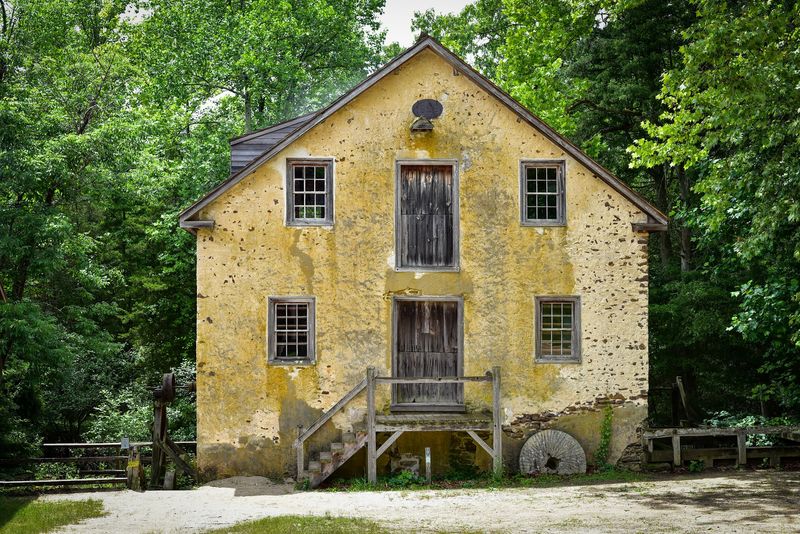
The Pine Barrens hold some of New Jersey’s most distinctive history, and Batsto Village is one of the easiest ways to experience it without needing to be an expert.
Located within Wharton State Forest, Batsto Village preserves a historic village connected to ironmaking, glassmaking, and rural life in the Pinelands. The site includes historic buildings, the Batsto Mansion, a visitor center, and grounds that can be explored on foot.
What makes Batsto stand out is how clearly it shows a version of New Jersey that is not suburban, urban, or beach-centered. Sandy paths, forest surroundings, and preserved structures give visitors a strong sense of place.
Grounds access and building tours can depend on staffing, season, and state park schedules, so checking current information is the smart move. For anyone who has only driven through the Pinelands, Batsto offers a reason to stop and understand why this region is so important to the state’s identity.
Share this story