Bethlehem has a nickname that sounds like a holiday card, yet the city keeps busy all twelve months. Picture a 1741 log building that still stands, a railway walkway that runs beside giant rusty furnaces, and a creek where early settlers built America’s first industrial park.
That is only the start. In the pages ahead, you will find museums with real machines, a farm tucked inside city limits, a hilltop view, a green trail built on old rail tracks, and a stage placed right under towering steel stacks.
Each stop comes with practical details, like what you can see, when it works best, and how to fit it into a day. Some are free to wander.
Others reward a ticket and an hour or two. Pack comfortable shoes, because many of these spots sit within walking distance of each other.
By the end, you will have a full plan for a visit in spring, summer, or fall, with no tinsel required. The first stop is the oldest building in town, and it has quite a story.
1. Moravian Museum of Bethlehem
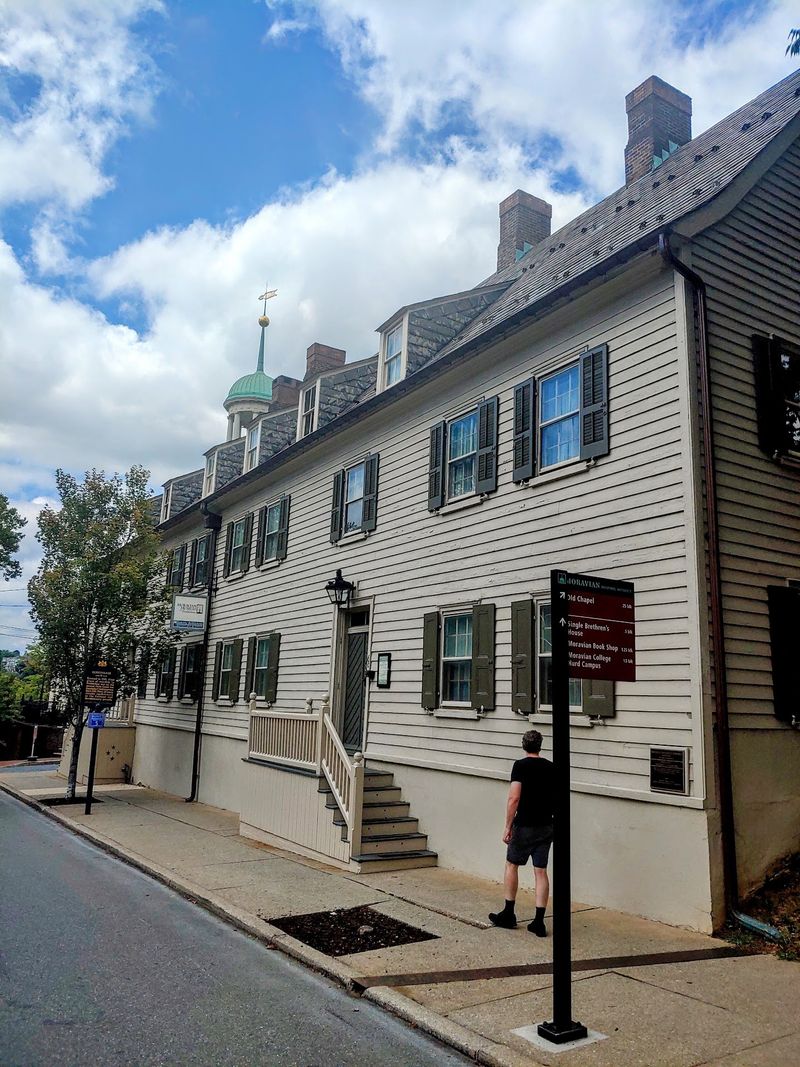
Bethlehem’s story begins inside a building older than the United States. The 1741 Gemeinhaus is the oldest structure in the city and the heart of the Moravian Museum.
Guided visits cover daily life in the early Moravian community. Topics include schooling, medicine, missionary work, and relationships with Indigenous peoples.
Here is a fun detail: the whole settlement once shared this one building as home, church, school, and workspace. That makes the layout easy to understand, since every room had a job.
The museum is part of Historic Bethlehem Museums and Sites, so a combined ticket can cover several stops. Check the posted hours before you go, since schedules change by season.
Plan on about an hour for the tour. Wear comfortable shoes, because the floors and stairs are original to the period and can be uneven.
Visit on a weekday if you want smaller groups and more time to ask the guides questions.
2. Hoover Mason Trestle
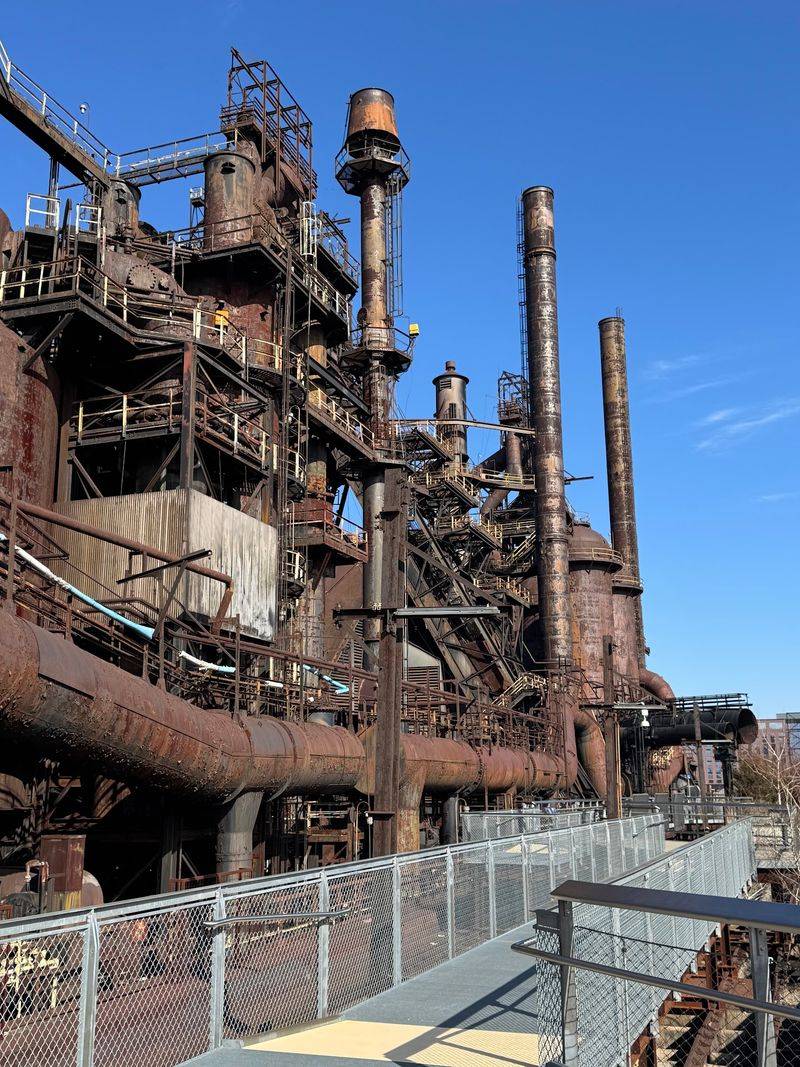
Forty-six feet up, you can look a blast furnace right in the face. The Hoover Mason Trestle is a 1,650-foot walkway built on an old industrial railway.
Signs along the route explain how the steel plant worked and what each structure did. Benches give you spots to stop and read.
The path is open to the public year-round, and walking the full length takes roughly thirty minutes at an easy pace. Add more time if you like to read every panel.
Late afternoon is a favorite time for photos, since the furnaces show off their colors well. Bring a camera and a water bottle.
Guided tours run in warmer months through Historic Bethlehem Museums and Sites. They add stories you will not find on the signs.
The trestle also connects nicely to the SteelStacks campus, so you can pair the two in one outing.
3. National Museum of Industrial History
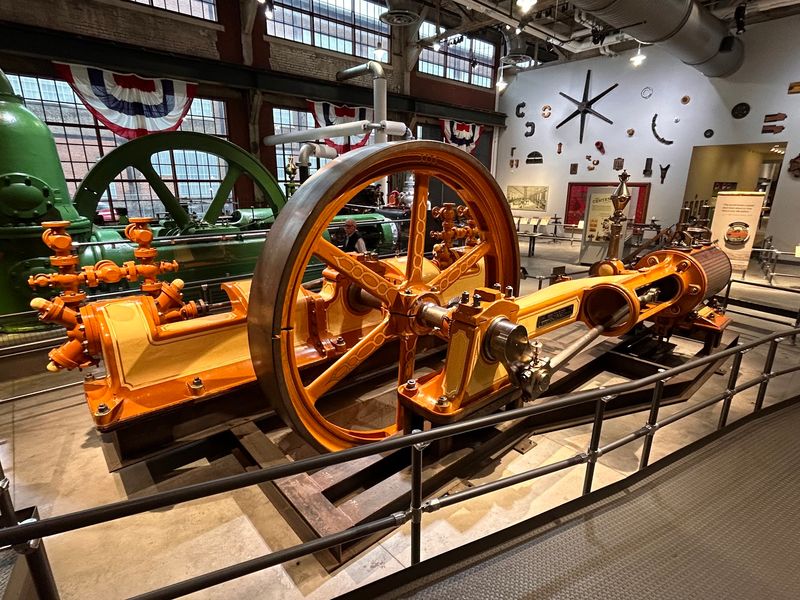
Some museums keep their machines behind ropes. This one fills a former Bethlehem Steel electrical repair shop with big, serious equipment.
More than 200 artifacts cover steel, textiles, propane, and the 1876 Centennial Exposition. The exhibits also focus on the workers who kept industry moving.
The building matters as much as the collection. Visitors stand inside the same industrial landscape that the displays describe, so the story feels connected to the place.
Families will find plenty to look at, from giant engines to detailed textile equipment. Kids tend to enjoy spotting the largest items first.
The museum stays active with exhibitions, programs, and special events through the year. Look at the calendar before you arrive in case a workshop matches your visit.
Give yourself about two hours. That leaves time to read the labels without rushing.
4. SteelStacks
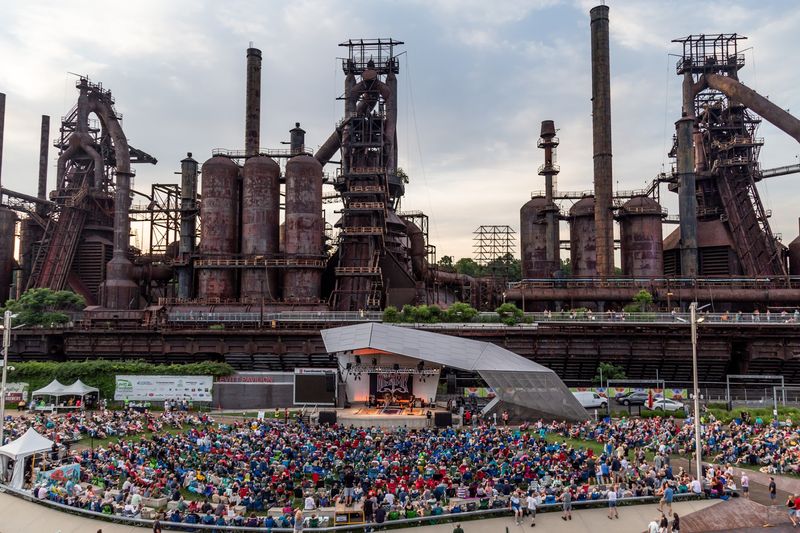
Few concert venues can claim five giant furnaces as a backdrop. SteelStacks is the ArtsQuest campus built on the grounds of the former Bethlehem Steel plant.
Programming includes music, comedy, independent films, festivals, and food events. Something is usually scheduled, so check the calendar before you pick a date.
Spring and summer bring outdoor shows at the Levitt Pavilion, which sits at the foot of the furnaces. Many of those performances are free.
No ticket? No problem.
The open campus is easy to wander, with paths that lead right up to the old structures.
SteelStacks is often called the largest revitalized brownfield site in the country, and it shows how an old factory can find a second career.
Bring a folding chair or blanket for lawn events, and arrive early for the best spots.
5. Colonial Industrial Quarter
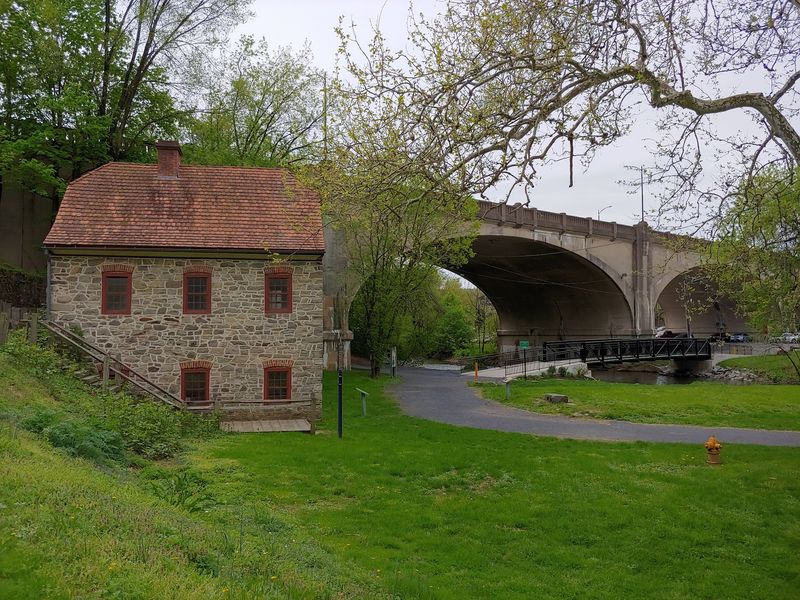
Here is a trivia night winner: Bethlehem had an industrial park in the 1700s. The Colonial Industrial Quarter sits along Monocacy Creek and is often described as America’s first.
The site preserves places tied to more than 50 early crafts, trades, and industries. You can see a smithy, a tannery, the Grist Miller’s House, and the 1762 Waterworks.
That waterworks is recognized as the first municipal pumped-water system in America. Not bad for a small settlement.
The grounds are open from dawn to dusk, so you can explore on your own schedule without buying a museum ticket.
Stone buildings and wooded paths make for easy walking, and the creek runs right beside the route.
Special events, such as Community Heritage Day in April, bring demonstrations of early crafts. Check the schedule if you want to see a working blacksmith.
6. Kemerer Museum of Decorative Arts
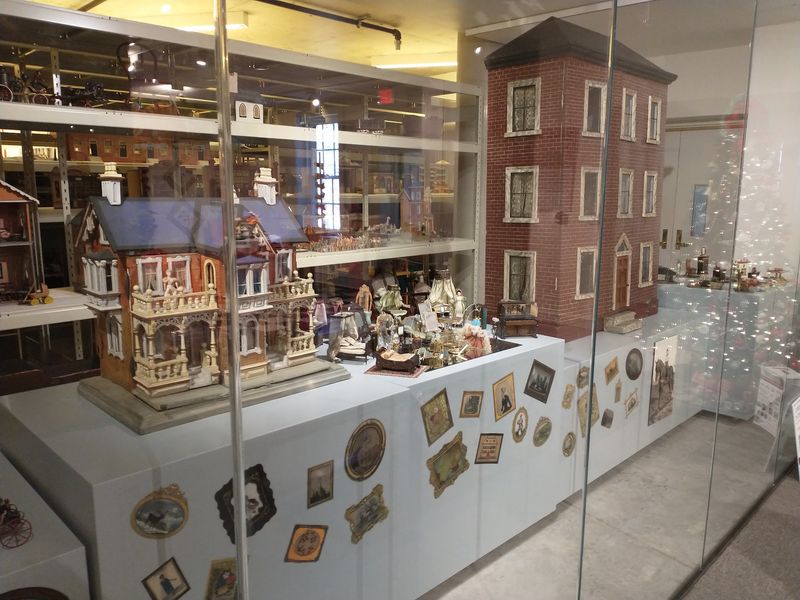
Three homes, one very large collection. The Kemerer Museum links three 19th-century houses to display furniture, clothing, paintings, silver, and china.
Rotating exhibitions look at how tastes in design and home life have changed over three centuries. The museum also keeps gardens on the property.
Miniature fans should plan ahead. The Elizabeth Johnston Prime Dollhouse Collection is a major draw, filled with tiny rooms packed with detail.
A large dollhouse exhibition is set to open in October 2026 and run into June 2027. That makes a fall or winter trip a smart choice.
Rooms are arranged so you can move from one house to the next without leaving the building. Expect stairs, so wear comfortable shoes.
The Kemerer is operated by Historic Bethlehem Museums and Sites, so ask about combination tickets when you buy yours.
7. Burnside Plantation
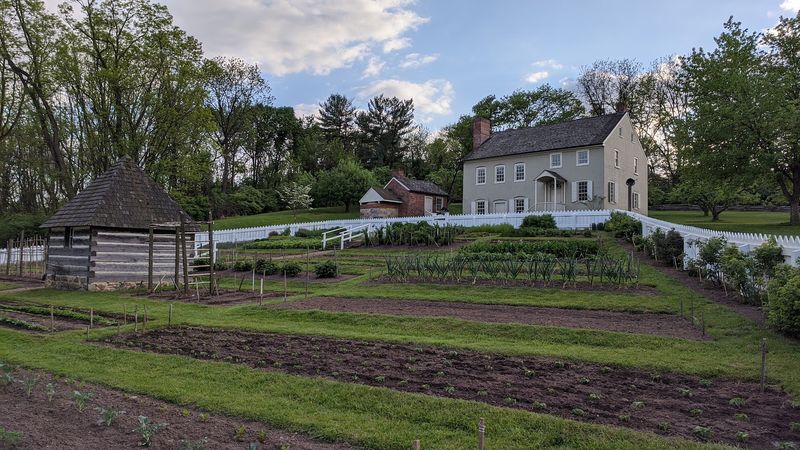
A farm inside the city limits sounds like a typo, but Burnside Plantation is real. The 6.5-acre site shows what Bethlehem looked like before streets and furnaces took over.
The property includes a restored farmhouse, a summer kitchen, two 1840s barns, and a working horse-powered wheel. Each building shows a piece of early farm life.
The land was part of the Moravian agricultural system that began in 1748. That system helped the community feed itself.
Visitors can walk the grounds on their own, which makes this a relaxed choice on a busy travel day.
Spring greenery and autumn leaves give the open space extra appeal, so those seasons make good timing.
Bring a snack and take your time. With fewer crowds than downtown, the farm is a good place to slow down.
8. Historic Main Street
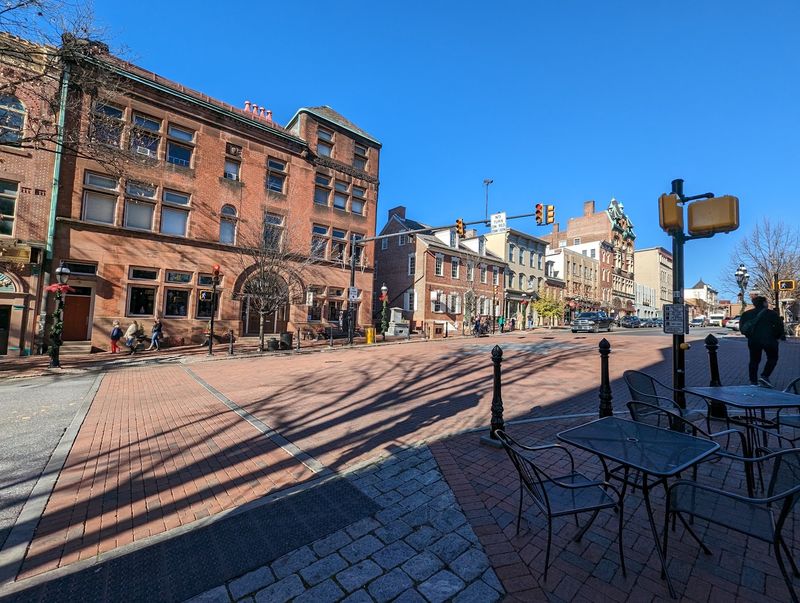
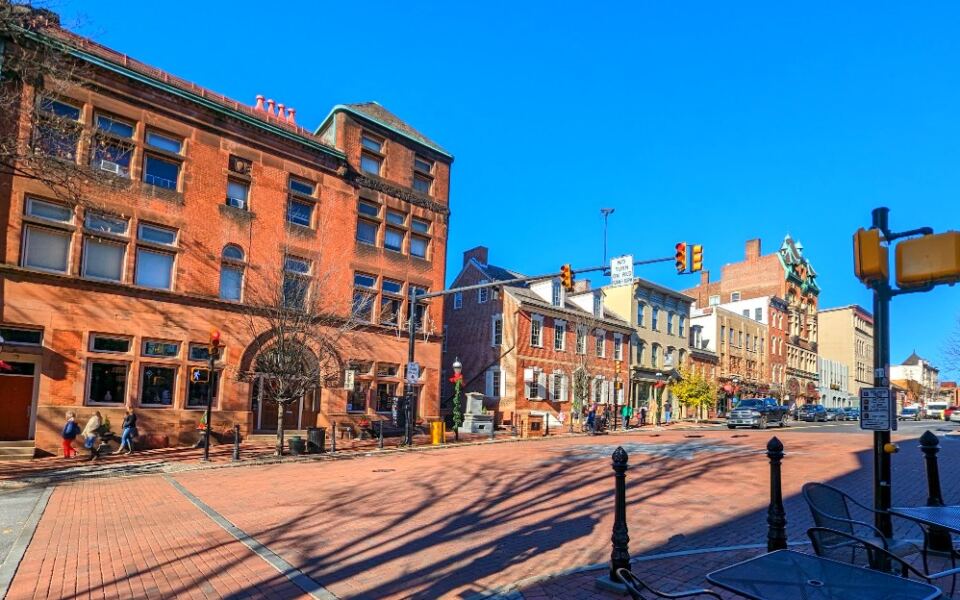
Take away the wreaths and the street still holds its own. Main Street in Bethlehem packs restaurants, independent shops, and old buildings into a few walkable blocks.
Many Moravian landmarks sit nearby, so you can mix shopping with sightseeing. A single afternoon can cover a lot of ground.
Start at the 1810 Goundie House, which serves as a welcome center for Historic Bethlehem Museums and Sites. Pick up a map there, then wander without a strict plan.
Book lovers should find the Moravian Book Shop, known as America’s oldest continuously operating bookstore. It is a good place to browse for a souvenir.
Restaurants range from casual to sit-down, so lunch is easy to fit in. Weekends can be busy, so consider a reservation.
Parking garages are close, which saves time circling the block.
9. Lehigh University Lookout
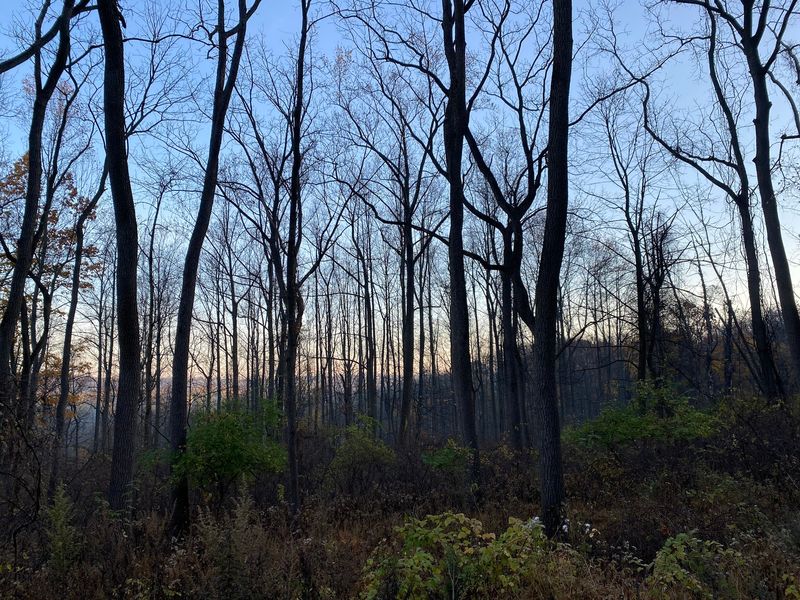
Sometimes the best sightseeing means going up. The Lehigh University Lookout rises above the city and shows how Bethlehem is laid out.
From the viewpoint, you can see downtown, the valley, neighborhoods, the campus, and the industrial skyline in one frame.
Sunset is a popular time to visit, since the city lights begin to appear across the valley as the day ends.
This stop is simple compared with the museums. There are no tickets, no tours, and no schedule to follow.
That simplicity makes it a good finish to a busy day. After seeing individual sites up close, you can finally connect the dots.
Bring a jacket in cooler months, since hilltops tend to be breezy. Allow extra time for the walk or drive up.
10. ArtsQuest Center at SteelStacks
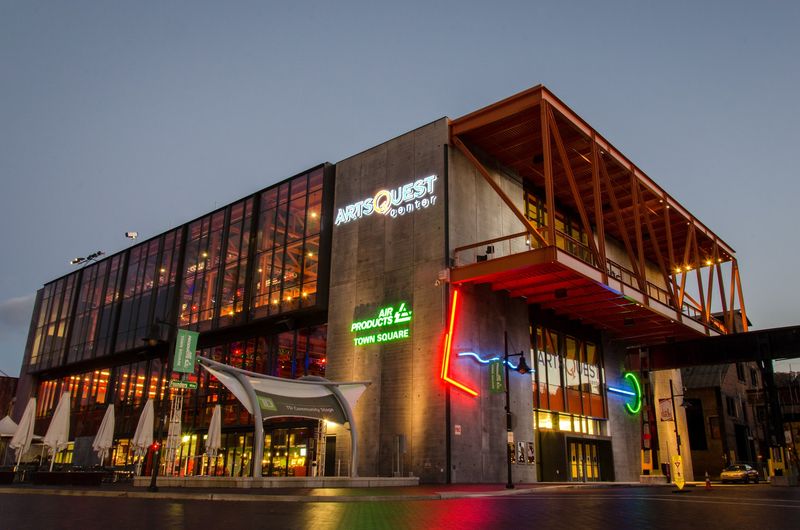
When the weather turns bad, this is the plan B that feels like plan A. The ArtsQuest Center gives the SteelStacks campus a roomy indoor home.
Inside, you can watch independent and art-house films at the Frank Banko Alehouse Cinemas. The building also hosts live entertainment and has food options.
Classes and workshops fill the schedule too, including ceramics, drawing, glass, and woodworking. Check the program list if you want to try something hands-on.
Large windows face the blast furnaces, so the industrial history stays in view even indoors.
The center is a key part of the campus, which draws over a million visitors each year to concerts, festivals, and events.
Buy tickets ahead for popular shows, and look at the calendar before you plan your trip.
11. Monocacy Park
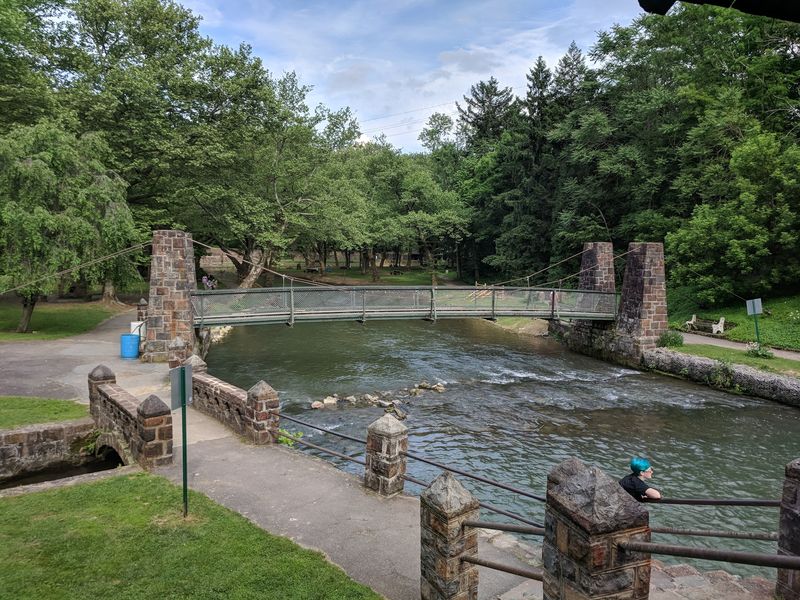
After a few museums, your brain may ask for a tree. Monocacy Park answers with a wooded stretch along Monocacy Creek.
Locals use it for walking and picnics, and it is a calm break from downtown traffic.
The creek has deep roots in local history. Its water powered much of the early industry in the Colonial Industrial Quarter nearby.
That connection makes the park a nice partner to a history day. Visit the quarter first, then walk or drive over for a quiet hour.
Pack a lunch if the weather is good. Picnic spots are easy to find, and the paths are simple to follow.
An hour or two is plenty, so it fits into a packed schedule without much trouble.
12. South Bethlehem Greenway
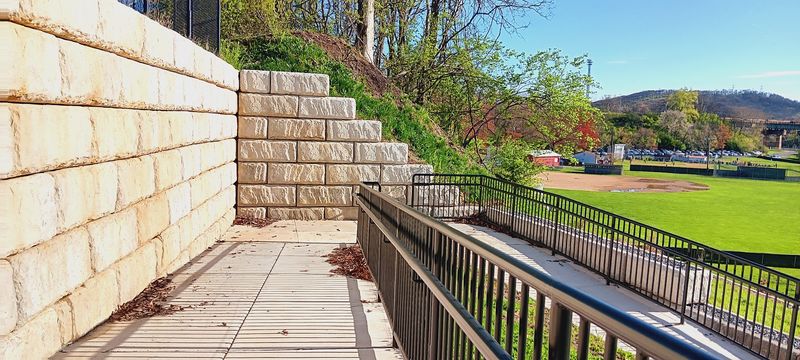
Old rail lines have found a new job as a walking and biking path. The South Bethlehem Greenway turns a former railroad corridor into a linear park through the South Side.
Along the way, you pass neighborhoods, public art, and community spaces. It shows everyday Bethlehem, not just the postcard version.
The path connects near the former steelmaking district, so it links easily with the larger attractions around SteelStacks.
It also works as a breather between meals. South Side restaurants are close, so you can walk off lunch before the next stop.
Bring a bike if you have one, or simply stroll. The route is flat and easy.
Go in the morning for quiet paths, or in the evening when locals head out for a walk.
Share this story