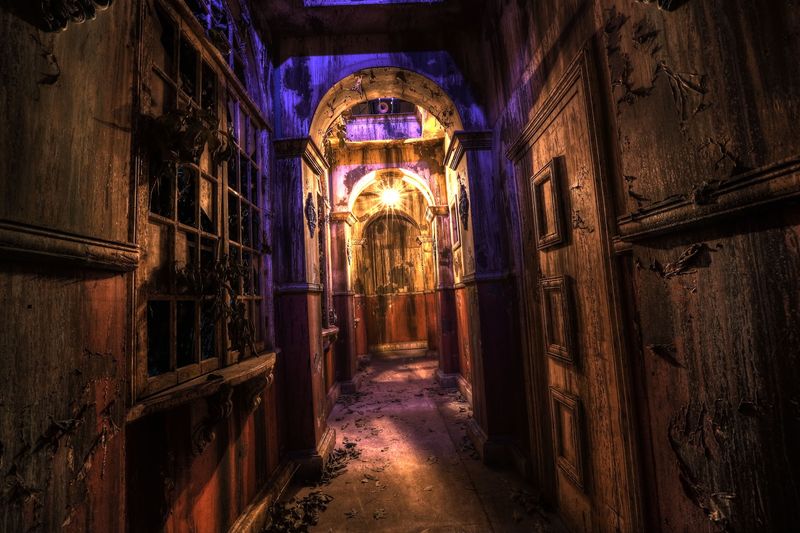
New Jersey has plenty of old houses that look quiet in daylight, but their stories get much more interesting after sunset. Some are historic museums, some are preserved landmarks, and one still welcomes overnight guests, which makes the tales feel close enough to imagine without needing to believe every whisper.
What makes these places fun is that they are tied to real towns, real architecture, and real chapters of New Jersey history, not just campfire rumors. If you like old staircases, creaky floors, Revolutionary-era drama, Victorian rooms, and the kind of local lore people still trade at diners and town events, these 12 houses give you a spooky reason to explore the Garden State.
1. The Spy House, Port Monmouth, NJ
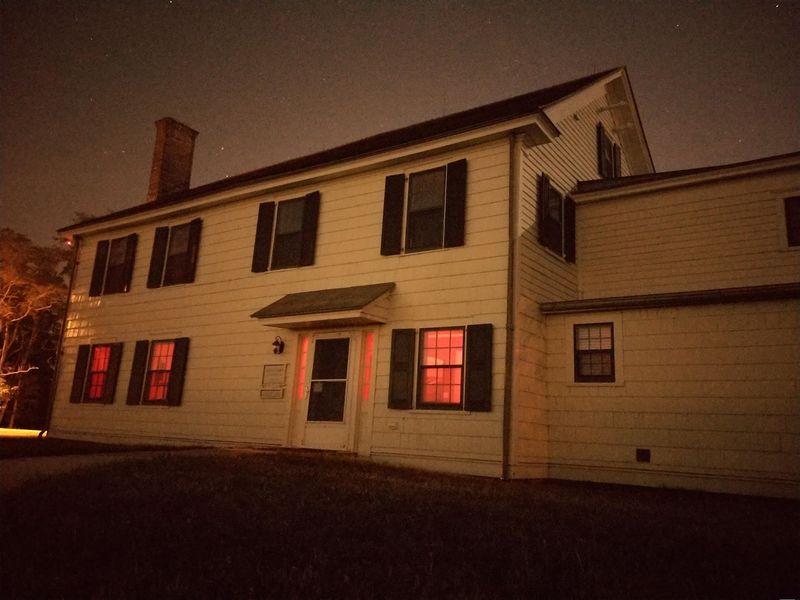
A bayshore house with the nickname Spy House already arrives with a built-in sense of mystery. Officially known as the Seabrook-Wilson House, this Port Monmouth landmark dates to the 18th century and is connected to the Revolutionary War era, when coastal New Jersey was full of watching, waiting, and risky information-sharing.
The house has long been linked to ghost stories, including reports of footsteps, strange cold spots, and figures said to appear inside the old rooms. Because it sits near the water, the setting gives the stories a different flavor than the inland mansions on this list.
It feels less like a grand estate and more like a place where ordinary life, wartime tension, and local legend got layered together.
Monmouth County has preserved the building as a historic site, and access can depend on programming, restoration status, and scheduled openings. That makes it smart to check current county information before planning a visit, especially if you are hoping to tour the interior rather than just see the exterior and shoreline setting.
2. The Hermitage, Ho-Ho-Kus, NJ
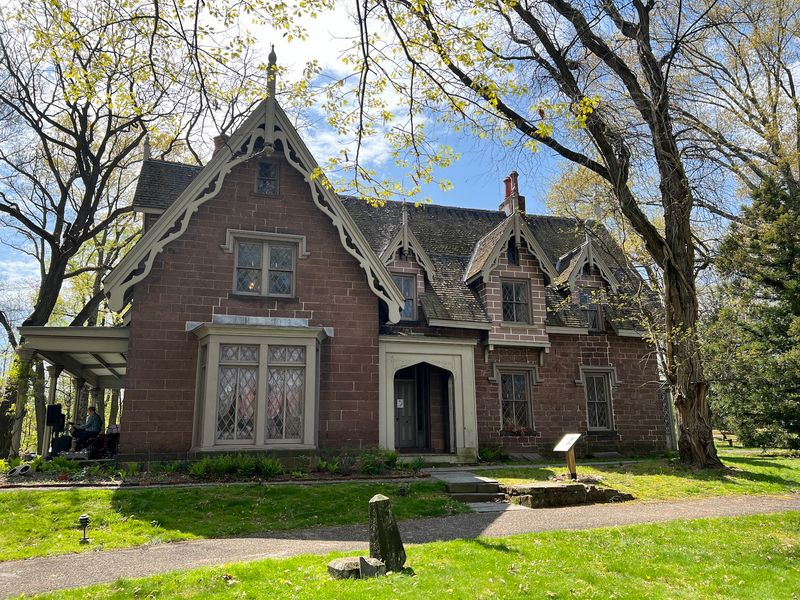
Gothic Revival architecture does half the storytelling before anyone mentions a ghost. The Hermitage in Ho-Ho-Kus began as an earlier colonial home and later took on the dramatic pointed-gable look that makes it one of New Jersey’s most recognizable historic houses.
The site is best known for its Revolutionary War connection, including the well-documented visit of George Washington. Its paranormal reputation usually centers on unexplained movement, unusual room temperatures, and the lingering presence of former residents, especially in stories shared during ghost-themed programs.
Unlike some places that lean mostly on rumor, The Hermitage is also a serious museum with preserved interiors, changing events, and educational tours. That balance is what earns it a spot here.
You can go for the architecture and history, then leave with a few stories that make the house feel less settled than it looks from the lawn.
Public access is offered through the museum’s schedule, and tours or special programs may vary by season. For North Jersey readers, it is a manageable stop with a strong sense of place and an unusually photogenic exterior.
3. The Proprietary House, Perth Amboy, NJ
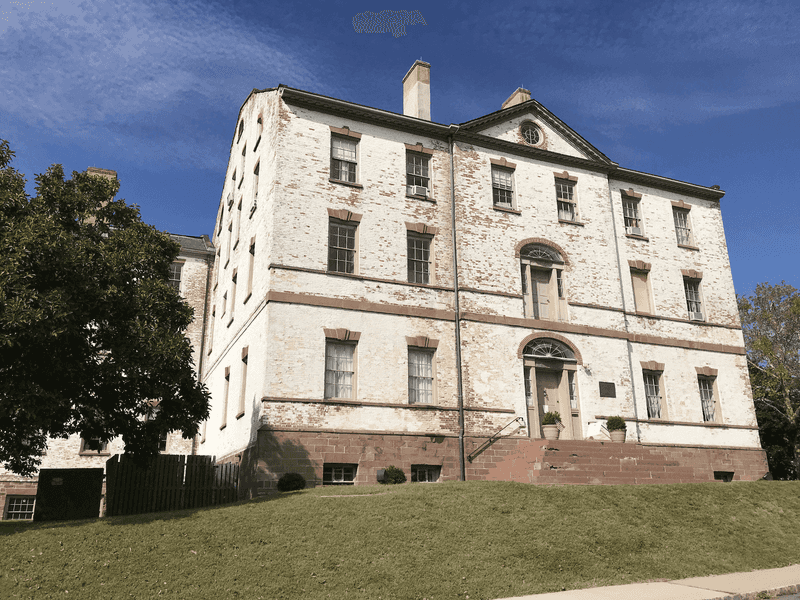
Royal history in New Jersey sounds like a trivia question, but Perth Amboy can back it up. The Proprietary House was built in the 1760s as the official residence for the last royal governor of New Jersey, making it one of the state’s most important surviving colonial-era homes.
Ghost stories have followed the house for generations, with reports often involving unexplained footsteps, doors, and the sense of old activity continuing in rooms that should be still. The building’s long life helps explain why the legends stick.
It served different purposes over time, and each chapter added another layer to its personality.
Today, the Proprietary House operates as a historic museum, with public tours and events handled by its association. The setting in Perth Amboy also makes it a good reminder that New Jersey’s coastal cities are packed with history that many drivers pass without noticing.
I like this entry because it is not just another old mansion with a spooky label. It connects New Jersey to colonial politics, architectural preservation, and local folklore all at once, which gives the ghost stories a sturdier frame.
4. The Gabreil Daveis Tavern House, Glendora, NJ
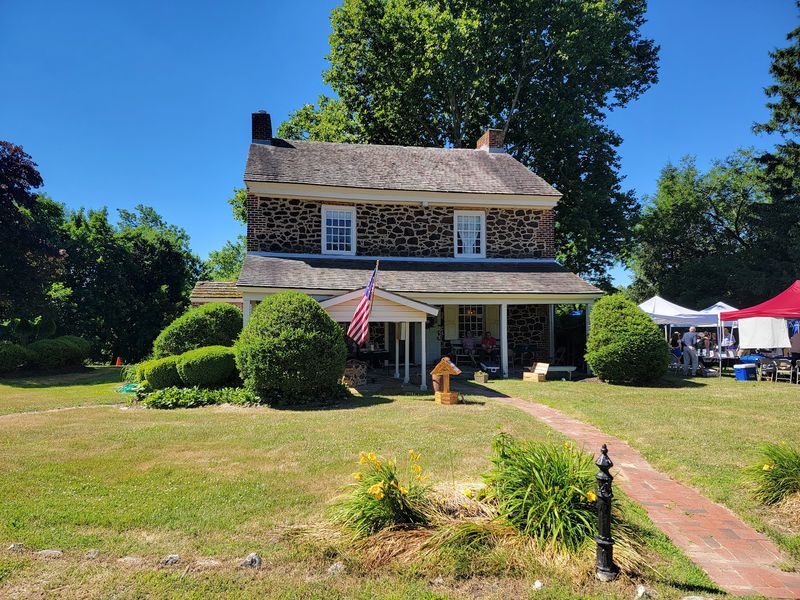
South Jersey has a knack for hiding big stories in modest buildings. The Gabreil Daveis Tavern House in Glendora is one of those places, a historic 18th-century structure associated with tavern life, local travel, and the wider Revolutionary War period.
The house is often discussed in New Jersey ghost-lore circles because of reports tied to unseen footsteps, odd sensations in rooms, and lingering figures connected to its early history. It does not need to look like a mansion to feel interesting.
In fact, its smaller scale makes the stories feel more personal, as if the building held on to the movements of people who passed through for food, shelter, news, or rest.
The site is preserved locally, and public access is generally tied to historical society activity, special openings, or community programming. Anyone hoping to visit should confirm current access first, since historic house schedules can be limited.
What separates it from the grander homes on this list is its tavern identity. New Jersey’s old roads were full of stops like this, and the Gabreil Daveis Tavern House gives that everyday travel history a ghost-story edge.
5. The Burlington County Prison Museum, Mount Holly, NJ
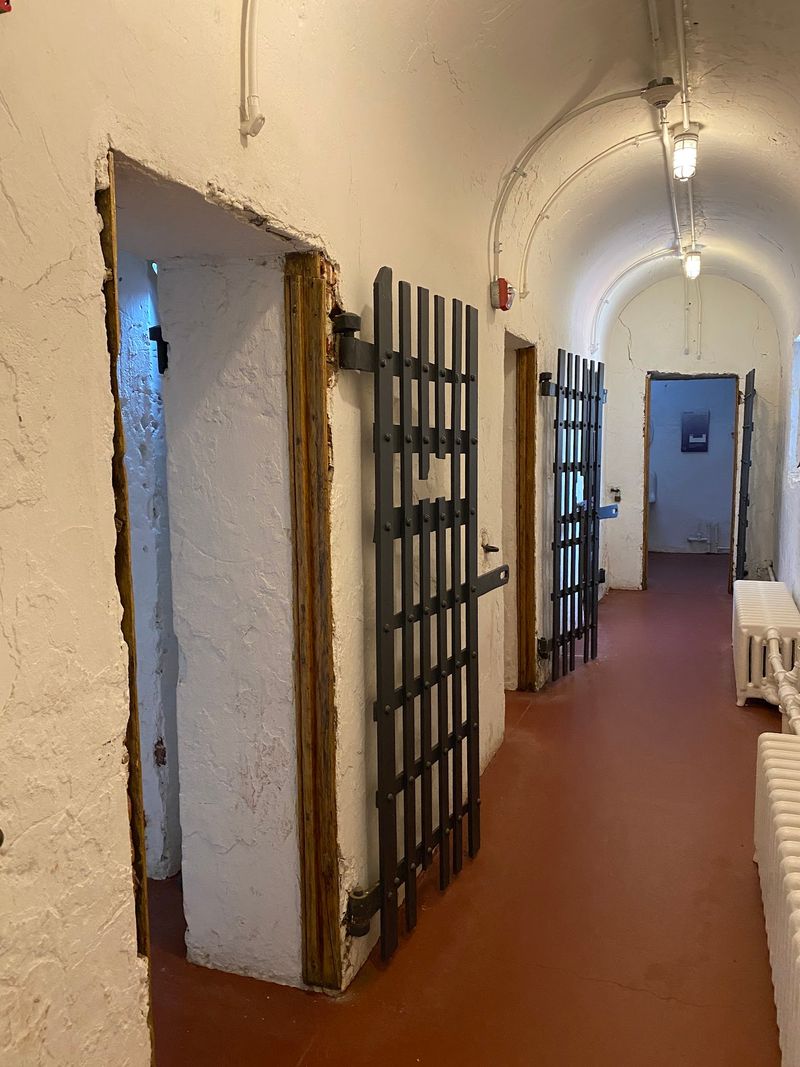
Strictly speaking, this is not a private house, but it absolutely belongs in a conversation about footsteps, cold spots, and stubborn New Jersey ghost stories. The Burlington County Prison Museum in Mount Holly was designed by architect Robert Mills and opened in the early 1800s, giving it one of the most distinctive historic interiors in South Jersey.
The building’s paranormal reputation is one of the strongest in the state, with stories about unexplained noises, shifting shadows, and strange temperature changes. Its heavy doors, stone construction, and narrow passages create a very different experience from a furnished mansion.
The place feels built for echo and memory.
As a museum, it is visitable during posted hours and through certain tours or events, which makes it more practical than many legend-heavy sites. It is also part of Mount Holly’s larger historic downtown, so you can pair it with a walk through town rather than making it a one-stop trip.
I included it because New Jersey’s haunted-house lore is not limited to parlors and staircases. Sometimes the most memorable building in town is the one that was never meant to feel homey.
6. The Emlen Physick Estate, Cape May, NJ
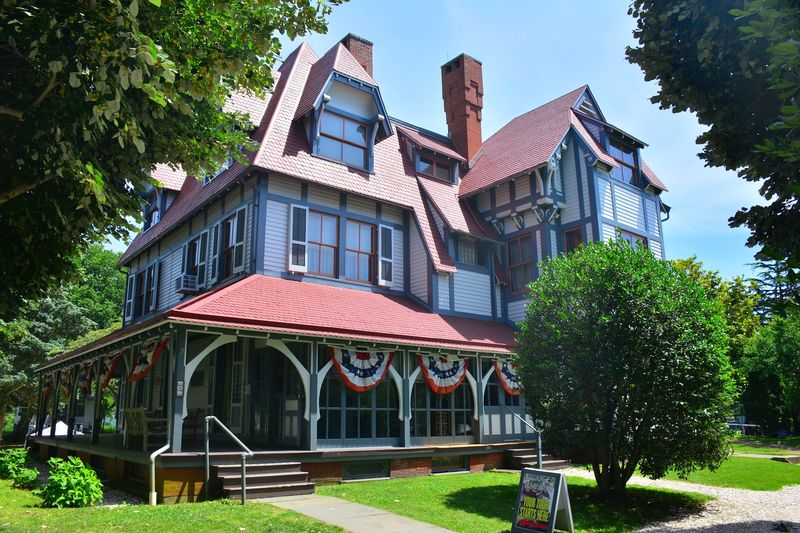
Cape May knows how to make old houses look theatrical without even trying. The Emlen Physick Estate, an 1879 Victorian house museum, stands out for its Stick Style design and its role as one of the town’s key historic attractions.
The estate is often included in Cape May’s ghost-tour culture, and stories connected to the house include unexplained footsteps, room-to-room movement, and the sense that former occupants never fully checked out of the household routine. Cape May’s overall reputation helps, too.
The town has spent decades preserving Victorian buildings, so the setting feels unusually complete.
Visitors can experience the estate through tours run by Cape May MAC, which also offers seasonal programs around history, architecture, and local lore. That makes this one of the more visitor-friendly entries on the list, especially for readers who want a spooky stop without giving up the comforts of a classic shore-town day.
The real appeal here is the pairing. You get one of New Jersey’s best-known Victorian homes, a walkable historic district, and ghost stories that fit neatly into Cape May’s long-running love of the past.
7. The Stephen Crane House, Asbury Park, NJ
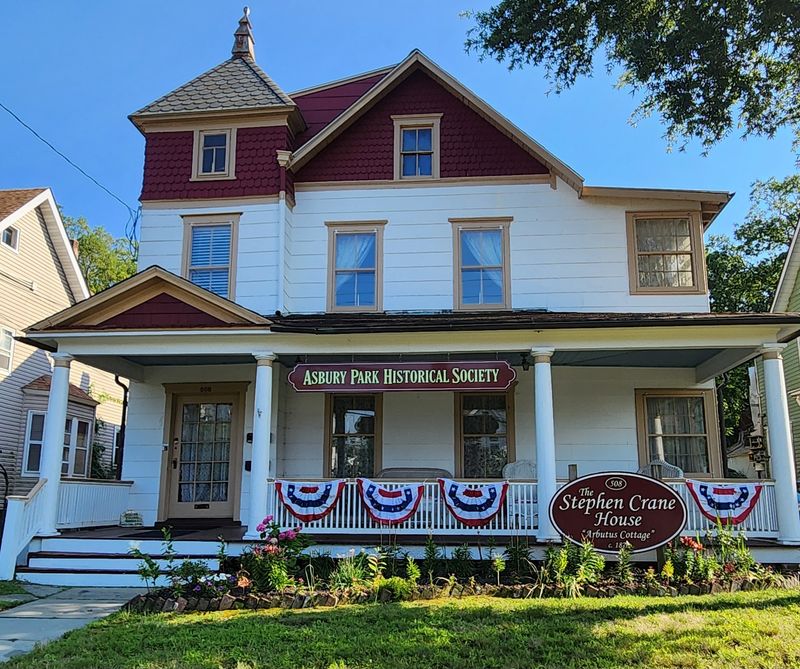
Literary houses carry a different kind of hush. The Stephen Crane House in Asbury Park is tied to the author of The Red Badge of Courage, who spent part of his childhood in the shore city before becoming one of America’s notable writers.
The house is a preserved cultural site, not just a pretty old building, and it has been associated with ghost stories through Asbury Park’s broader paranormal tours and local lore. Reports linked to the property tend to focus on unexplained sounds, a watched feeling, and the possibility of lingering energy in rooms connected to family life and creativity.
Its location makes it especially interesting. Asbury Park is better known for music venues, boardwalk energy, and restaurants, so finding a historic literary house in the mix gives the city another layer.
It is a good stop for people who like their ghost stories with a side of bookish New Jersey pride.
Public access can depend on events, programs, and current operations, so checking ahead is wise. Even viewed from outside, the house adds a quieter chapter to an otherwise lively shore-town itinerary.
8. The Hancock House, Hancocks Bridge, NJ
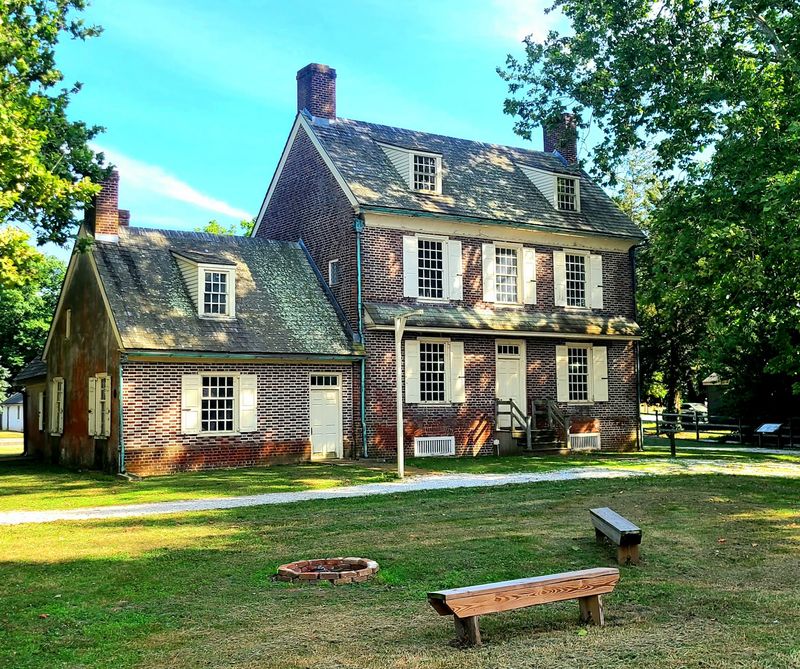
Few New Jersey houses feel as tied to one tense Revolutionary-era story as the Hancock House. Located in Hancocks Bridge, this brick home is a state historic site with architecture dating to the 18th century and a history that still draws people interested in colonial South Jersey.
The house is often mentioned in ghost-story discussions because of reported footsteps, unexplained movement, and eerie impressions connected to its wartime past. The building itself is restrained and solid, which makes the legends feel even sharper.
Nothing about it needs decoration.
As a New Jersey State Park Service historic site, the Hancock House may have limited open hours, tours, or event-based access. Before driving out, visitors should check the current state schedule, because small historic sites do not always keep daily public hours.
This entry earns its place because it shows how rural Salem County can hold stories just as powerful as better-known towns. It is also a reminder that New Jersey’s Revolutionary history did not only happen in famous battlefields.
Some of it is still attached to the walls of quiet houses beside small roads.
9. The Van Nest-Hoff-Vannatta Farmstead, Harmony Township, NJ
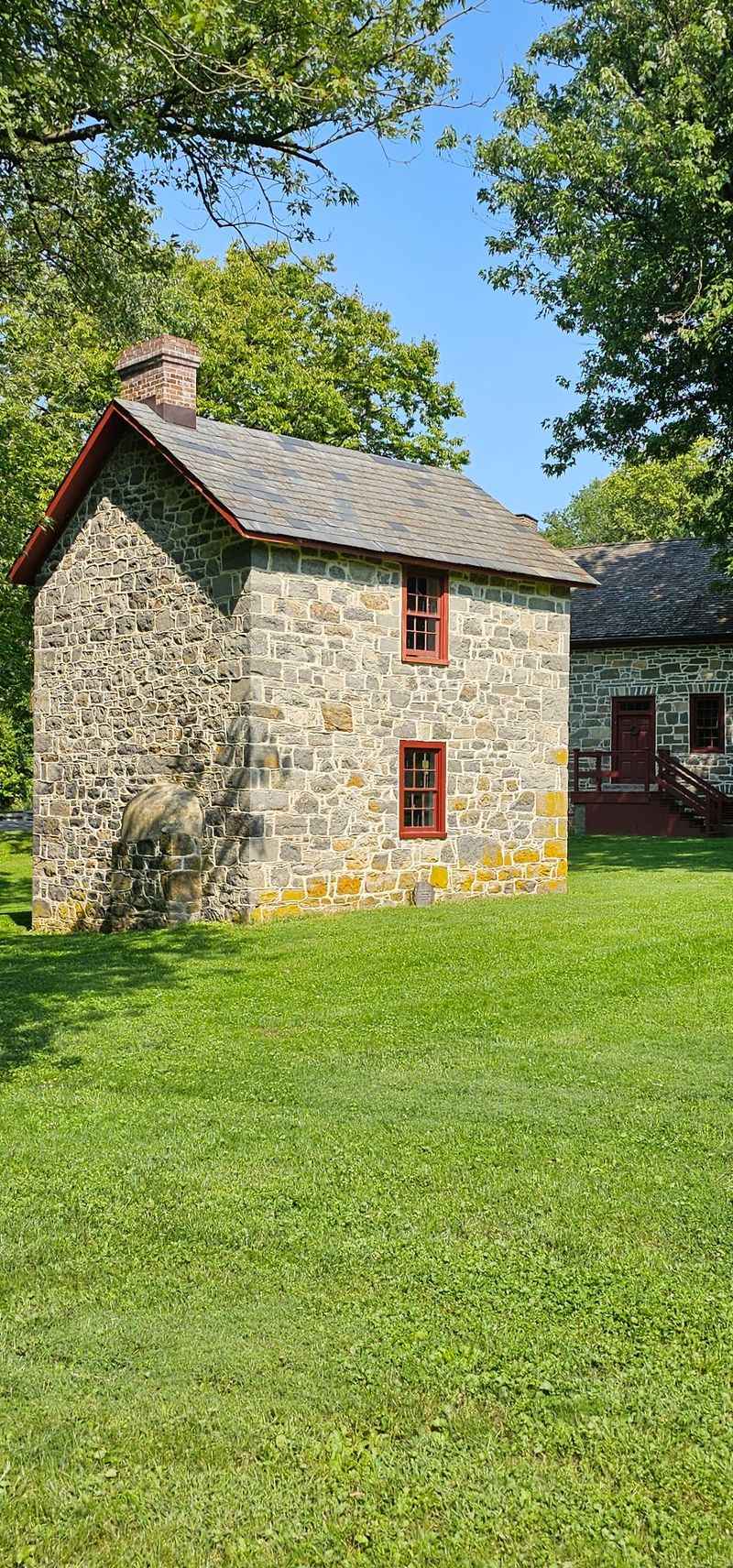
Out in Warren County, the mood changes from shore-town folklore to old farm-country mystery. The Van Nest-Hoff-Vannatta Farmstead in Harmony Township is a preserved historic farmstead with roots in New Jersey’s agricultural past, including a stone farmhouse and related structures.
The site has drawn attention from history lovers and paranormal groups because of stories about unexplained footsteps, voices, and cold areas inside the old buildings. Farmsteads like this are different from formal house museums.
They speak to work, land, family routines, and the long rhythms of rural life.
Public access is not the same as at a large museum with regular daily tours. The farmstead is associated with preservation efforts and events, so visitors should confirm current opportunities before going.
That said, the property has a strong following among people who care about saving local history in northwest New Jersey.
Its value on this list comes from setting. Not every haunted New Jersey house sits in a busy downtown or polished historic district.
Some stand in open country, where the quiet makes every old story feel a little more noticeable.
10. The Burrowes Mansion, Matawan, NJ
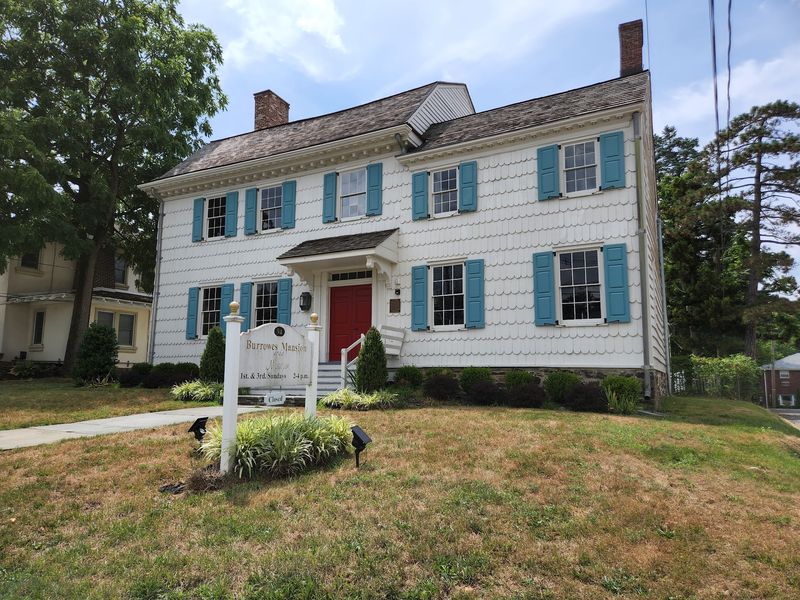
Matawan has more history than many people expect from a quick glance at the map. The Burrowes Mansion, also known as the Burrowes Mansion Museum, is an 18th-century house tied to local Revolutionary War history and preserved by the Matawan Historical Society.
The house has a long reputation for ghost stories, including tales of footsteps, voices, and figures associated with earlier residents. Because the mansion is located in a downtown community rather than isolated countryside, the contrast is part of the charm.
Everyday Matawan life continues nearby while the old house keeps its own older schedule.
Visitors may be able to tour the museum during historical society openings, events, or by arrangement, but it is best to verify current hours before showing up. Small museums often depend on volunteer schedules, and that can change.
What makes the Burrowes Mansion stand apart is its strong local identity. It is not just a haunted address.
It is a town landmark, a preservation project, and a reminder that New Jersey’s smaller downtowns often have stories hiding behind familiar streets.
11. The Cranbury Museum, Cranbury, NJ
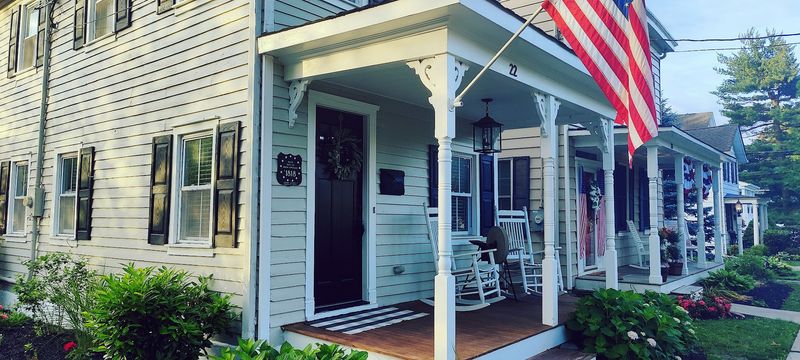
Cranbury’s historic village center already feels like the right setting for a good old-house story. The Cranbury Museum, operated by the Cranbury Historical and Preservation Society, occupies a historic house and shares the town’s local history through exhibits, rooms, and collections.
Its place in haunted New Jersey lore comes from stories of unexplained footsteps, objects seeming out of place, and cool patches that visitors and paranormal enthusiasts have associated with older activity in the house. The draw is not big-city drama.
It is the quiet, domestic scale of a local museum where ordinary rooms carry decades of memory.
The museum typically operates on limited public hours and may also open for special programs, so checking the historical society’s current schedule is the practical move. Cranbury itself is walkable and appealing for a low-key day trip, especially if you enjoy historic streetscapes without a rushed itinerary.
This stop works because it feels believable as a community place first. The ghost stories are extra seasoning on a house already worth noticing for what it preserves about one of Middlesex County’s most charming historic towns.
12. The Hotel Macomber, Cape May, NJ
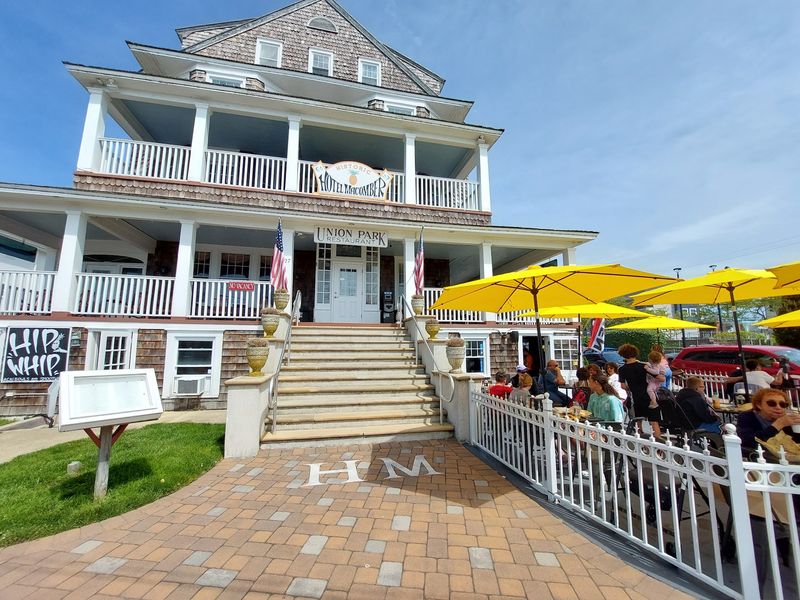
Not every lingering-house story in New Jersey asks you to stand outside and wonder what is behind the curtains. The Hotel Macomber in Cape May is a historic seaside hotel that still operates as lodging, giving ghost-story fans a rare chance to stay in a place with a long local reputation.
The building dates to the early 20th century and fits right into Cape May’s larger collection of historic resort architecture. Stories connected to the property often mention unexplained footsteps, cool spots, and the feeling of activity in hallways or guest areas when things should be quiet.
Because it is a functioning hotel, practical planning matters more here than at a museum. Availability, seasonal demand, and policies can change, so checking directly with the hotel is the best way to plan a stay or visit its public-facing areas.
The reason it belongs on this list is simple: most haunted-house stops are tour-based, exterior-only, or open on limited schedules. The Hotel Macomber offers a different kind of connection to Cape May’s ghostly reputation, with history folded into an actual overnight trip.
Share this story